
Many people are searching for natural ways to support their digestive system and immune health. Two popular supplements often come up: turkey tail (a type of medicinal mushroom) and probiotics (beneficial bacteria for the gut). Some wellness blogs say you should take both together, while others warn about possible problems. So, what is the truth? Is it safe and helpful to combine turkey tail and probiotics, or should you use them separately? This article digs deep into the science, benefits, and possible risks, so you can make the best decision for your health.
What Is Turkey Tail?
Turkey tail is a mushroom with a colorful, fan-shaped appearance that grows on dead trees and logs. Its scientific name is Trametes versicolor. People in China and Japan have used it for hundreds of years as a traditional medicine. Today, turkey tail is popular worldwide as a supplement for boosting immunity and supporting gut health.
The mushroom is called “turkey tail” because its bands of brown, tan, and white look like the tail feathers of a wild turkey. You can find turkey tail in forests all over the world, and it’s one of the most researched medicinal mushrooms available.
Key Compounds In Turkey Tail
Turkey tail contains special compounds that make it interesting for health:
- Polysaccharopeptides (PSP and PSK): These are protein-bound sugars. They are studied for supporting immune function and possibly fighting cancer cells.
- Beta-glucans: These are complex sugars that may help activate the immune system.
- Prebiotic fibers: These feed good bacteria in the gut.
How Is Turkey Tail Used?
Most people take turkey tail as a capsule, powder, or tea. You cannot eat the raw mushroom because it is tough and woody. Supplements are usually made from the fruiting body (the part you see above ground) or from mycelium (the root-like structure).
What Are Probiotics?
Probiotics are live microorganisms—usually bacteria or yeast—that benefit your health, mainly by helping your gut. The most common probiotic bacteria are from the Lactobacillus and Bifidobacterium families, but there are others, like Saccharomyces boulardii (a beneficial yeast).
Your gut contains trillions of bacteria, both good and bad. Probiotics are the “good guys” that help keep this balance healthy.
Benefits Of Probiotics
Some key ways probiotics may help include:
- Balancing your gut microbiome
- Supporting digestion and nutrient absorption
- Reducing diarrhea (from antibiotics or infections)
- Supporting immune health
- Possibly improving mood and mental health
How Are Probiotics Used?
You can take probiotics in different forms:
- Capsules or tablets
- Powders
- Fermented foods like yogurt, kefir, sauerkraut, or kimchi
Supplements are popular because they offer a known dose of live organisms.
The Science Behind Turkey Tail And Gut Health
Turkey tail is often called a “prebiotic” mushroom. But what does that mean, and how does it affect your gut?
Prebiotics Vs. Probiotics
- Prebiotics are fibers or compounds that feed good bacteria in your gut.
- Probiotics are the live good bacteria themselves.
Turkey tail doesn’t add new bacteria to your gut. Instead, it provides special fibers, like beta-glucans and other polysaccharides, that help your existing good bacteria grow.
Research On Turkey Tail And The Microbiome
Several studies show turkey tail can change the gut microbiome in a positive way. For example, research with mice found that turkey tail extracts increased the number of Lactobacillus and Bifidobacterium bacteria. These bacteria are linked to better gut health and stronger immune response.
In one human study, women who took turkey tail after breast cancer treatment had greater diversity in their gut bacteria. This is usually a sign of a healthier gut.
Potential Benefits
- May help restore good bacteria after antibiotics
- Can improve digestion by supporting the growth of healthy microbes
- May reduce inflammation in the gut
But remember, not all turkey tail supplements are equal. The amount of prebiotic fiber can vary, and some products have more active compounds than others.
How Probiotics Work In The Body
When you take a probiotic supplement, you are swallowing millions or billions of live bacteria. These bacteria travel through your stomach into your intestines. If they survive stomach acid, they can join your gut community and help with digestion, immunity, and even mood.
Common Probiotic Strains
- Lactobacillus acidophilus: Helps digest lactose, supports immunity
- Bifidobacterium bifidum: Helps reduce diarrhea, supports digestion
- Saccharomyces boulardii: Fights certain gut infections
Different strains offer different benefits, so the best probiotic for you depends on your needs.
What Impacts Probiotic Effectiveness?
- Survival through stomach acid: Some probiotics die before reaching the gut.
- Dose and freshness: Higher numbers of live bacteria often work better.
- Your personal microbiome: Everyone’s gut bacteria are unique.
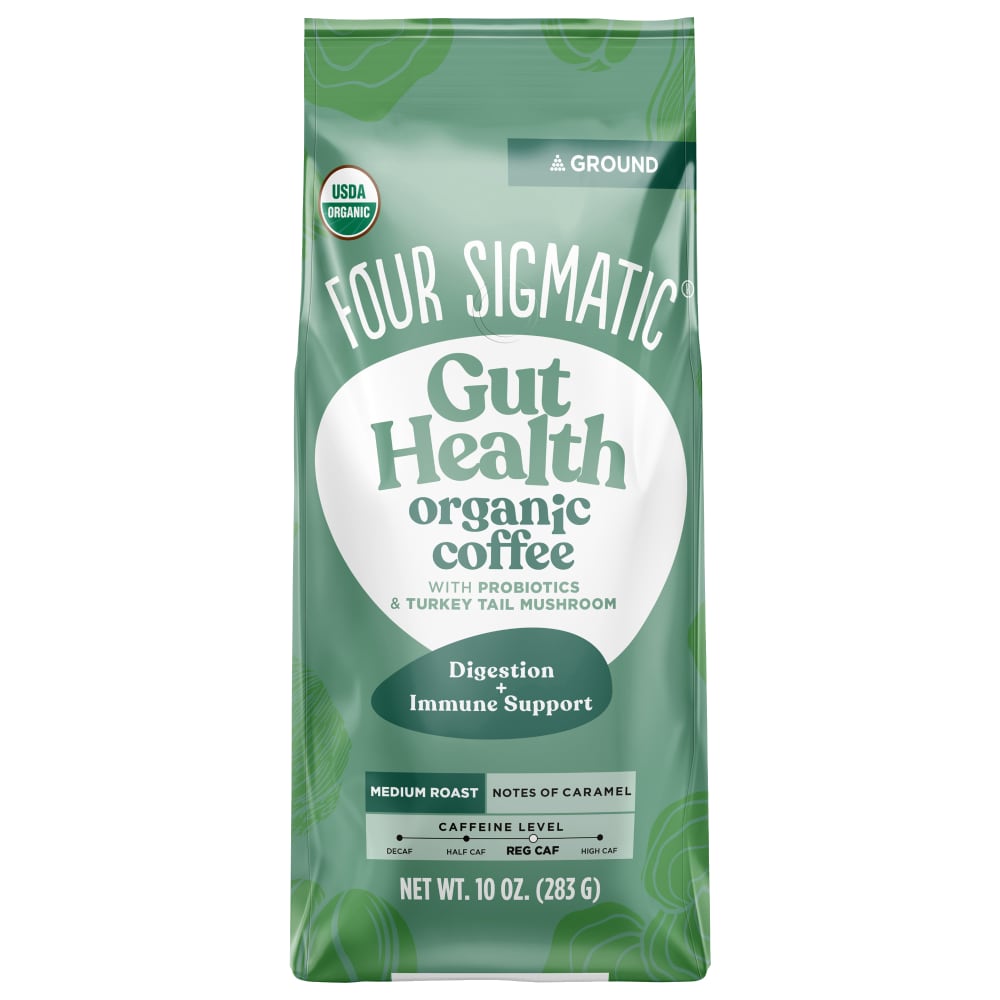
Credit: www.metromarket.net
Turkey Tail And Probiotics: How Do They Interact?
Since turkey tail acts as a prebiotic and probiotics are live good bacteria, you might wonder if taking them together creates a “synbiotic” effect—a combination that’s better than either one alone.
The Concept Of Synbiotics
- Synbiotic: A mix of prebiotics and probiotics taken at the same time for greater benefit.
Turkey tail provides prebiotic fibers that feed the good bacteria you already have, or the new ones you add with a probiotic supplement. In theory, this can help the probiotics work better.
What Does Research Say?
Right now, there is not a lot of direct research combining turkey tail with probiotics in humans. However, studies show that combining prebiotics and probiotics often works better than either one alone for gut health, immunity, and reducing inflammation.
Animal studies suggest turkey tail can increase the growth of good bacteria. Probiotics add more good bacteria. So, taking both together may have an additive effect.
Possible Benefits Of Taking Both
- Better gut flora: More good bacteria and more food for them
- Stronger immune support: Both support different parts of immunity
- Improved digestion: May reduce bloating, gas, and irregularity
But keep in mind, results can vary based on the strains of probiotics and the quality of the turkey tail supplement.
Is It Safe To Take Turkey Tail And Probiotics Together?
Most people can safely take turkey tail and probiotics at the same time. Both are generally well-tolerated and have a long history of safe use.
Who Should Be Careful?
- People with weakened immune systems: Rarely, probiotics or mushroom supplements can cause infections in those with very weak immunity.
- People with mushroom allergies: If you are allergic to mushrooms, avoid turkey tail.
- People on certain medications: If you take immune-suppressing drugs, talk to your doctor.
For most healthy adults, side effects are mild and rare. Some people may have mild digestive changes (like more gas or softer stools) when starting these supplements.
Can They Interfere With Each Other?
There is no evidence that turkey tail and probiotics block each other’s effects. In fact, they may help each other work better. Still, if you have any medical conditions, check with your doctor before starting new supplements.

Credit: www.amazon.com
Turkey Tail Vs. Probiotics: What’s The Difference?
It helps to see how turkey tail and probiotics compare in detail. Here’s a side-by-side look:
| Feature | Turkey Tail | Probiotics |
|---|---|---|
| Main function | Prebiotic (feeds good bacteria) | Adds live good bacteria |
| Key compounds | Beta-glucans, PSP, PSK | Lactobacillus, Bifidobacterium, S. boulardii, etc. |
| Form | Capsules, powder, tea | Capsules, powder, fermented foods |
| Main benefits | Immune support, gut balance, possible anti-cancer | Gut balance, digestion, immune support |
| Side effects | Rare (digestive upset, allergy) | Rare (gas, bloating, infection in weak immunity) |
Best Practices For Taking Turkey Tail And Probiotics
If you decide to use both turkey tail and probiotics, you want to get the most benefit with the least risk. Here are some tips to help you do that.
1. Choose High-quality Supplements
Not all supplements are created equal. Look for:
- Third-party testing: This ensures the product contains what it says.
- Standardized extracts: For turkey tail, look for a standard amount of beta-glucans or polysaccharides.
- Live cultures: For probiotics, check the label for live and active cultures, with a clear count (e.g., 10 billion CFU).
2. Start With Low Doses
If you are new to these supplements, start with half the recommended dose. This gives your body time to adjust. Increase slowly over a week or two.
3. Take With Or After Food
Both turkey tail and probiotics are best absorbed with food. This also helps reduce stomach upset.
4. Store Properly
- Probiotics often need refrigeration (unless labeled “shelf-stable”).
- Turkey tail should be kept in a cool, dry place.
5. Be Consistent
Gut health takes time. Take both supplements daily for at least 4-8 weeks before judging the results.
6. Watch For Side Effects
Pay attention to your body. If you have ongoing digestive upset, rash, or other symptoms, reduce the dose or stop and talk to your doctor.
7. Check With Your Doctor
If you have a serious health condition, are pregnant, or take medication, always check with your healthcare provider before starting new supplements.
Who Should Consider Taking Turkey Tail And Probiotics?
Some people may benefit more than others from this combination. Here are some groups that might find the most value:
After Antibiotic Use
Antibiotics can wipe out both bad and good bacteria in your gut. Taking probiotics helps restore good bacteria, while turkey tail feeds them so they grow faster.
People With Digestive Issues
If you have bloating, gas, irregular bowel movements, or a history of gut problems, this combo can help balance your microbiome.
People Interested In Immune Support
Both supplements support the immune system but in different ways. Together, they may offer broader support.
People Under Stress
Stress can harm your gut and immunity. Probiotics and turkey tail may help protect against these effects.
People With Poor Diet
If your diet is low in fiber or fermented foods, supplements can help fill the gap.
How To Add Turkey Tail And Probiotics To Your Routine
It’s easy to add these supplements to your daily life, but a few strategies can make it even smoother.
Morning Or Evening?
There is no strict rule. Some people prefer morning with breakfast, others with dinner. The most important thing is to take them at the same time each day.
Should You Take Both Together?
You can take both at the same time, with a meal. Some people prefer to space them out, but there’s no strong evidence that this is needed.
Can You Mix Turkey Tail Powder With Yogurt?
Yes! This is a practical way to combine them. Yogurt contains live probiotics, and adding turkey tail powder gives you prebiotic fiber.
Sample Daily Routine
- Eat breakfast with a probiotic-rich food (like yogurt or kefir).
- Add turkey tail powder to a smoothie or coffee.
- Or, take both supplements together with your first meal.
Common Mistakes When Taking Turkey Tail And Probiotics
Many beginners make small errors that reduce the benefits. Here’s how to avoid them:
1. Using Poor-quality Supplements
Cheap products may not contain enough active compounds or live bacteria. Always buy from trusted brands.
2. Stopping Too Soon
It can take several weeks to feel the effects. Don’t give up after just a few days.
3. Ignoring Diet
Supplements help, but a healthy diet with fiber and fermented foods works even better.
4. Not Storing Properly
Probiotics can die if left in a hot, humid place. Turkey tail can lose its power if exposed to sunlight or moisture.
5. Not Checking For Interactions
If you take medication, check for possible interactions. Probiotics and mushrooms are usually safe, but it’s better to be sure.
What Does The Research Say About Their Combined Use?
While there are many studies on turkey tail and probiotics separately, research directly combining them is still limited. However, the evidence we do have is promising.
Human Studies
- A study on women recovering from breast cancer found turkey tail improved gut bacteria diversity. This is a good sign for gut health and immune recovery.
- Many studies show that probiotics help restore healthy gut bacteria after antibiotics or illness.
Animal Studies
- Mice given turkey tail extracts had more good bacteria and less inflammation in the gut.
- Combining prebiotics and probiotics in animals usually gives better results than either alone.
Expert Opinions
Many gut health experts believe using a prebiotic (like turkey tail) with probiotics is a smart way to support overall gut health. Still, more research is needed for clear recommendations.
External Reference
For a deeper dive into the science behind medicinal mushrooms, including turkey tail, you can read more at Wikipedia: Trametes versicolor.

Credit: www.metromarket.net
Comparing Different Forms Of Turkey Tail And Probiotics
When shopping, you’ll see many different forms of both supplements. Which is best? Here’s a comparison to help you decide:
| Form | Turkey Tail | Probiotics | Notes |
|---|---|---|---|
| Capsules | ✔️ | ✔️ | Easy, consistent dose |
| Powder | ✔️ | ✔️ | Can add to drinks or food |
| Tea | ✔️ | ❌ | Not for probiotics (heat kills bacteria) |
| Fermented foods | ❌ | ✔️ | Natural source of live bacteria |
Practical Tips
- Choose capsules for convenience.
- Powders are good if you want to add supplements to food or drinks.
- Never add probiotics to hot drinks—heat can kill the bacteria.
- For maximum variety, include both supplements and fermented foods in your diet.
How To Tell If Turkey Tail And Probiotics Are Working
You want to know if your supplements are helping. Here are signs to watch for:
Positive Signs
- More regular bowel movements
- Less bloating and gas
- Better energy and mood
- Fewer colds or infections
Signs To Watch Out For
- Ongoing digestive upset (for more than a week)
- Rash or allergic reaction
- Unusual symptoms
If you notice positive changes, it’s a good sign your gut is becoming healthier. If you have side effects, reduce the dose or stop and check with your doctor.
Are There Any Risks Or Downsides?
While turkey tail and probiotics are safe for most people, there are a few possible risks:
Mild Digestive Upset
Some people experience gas, bloating, or mild stomach discomfort when starting new supplements. This usually goes away in a few days.
Allergic Reactions
Rarely, people can be allergic to mushrooms or certain probiotic strains. Symptoms can include rash, itching, or trouble breathing. If this happens, stop the supplement and get medical help.
Infections In Vulnerable People
People with very weak immune systems (such as those with certain cancers, HIV/AIDS, or on strong immune-suppressing drugs) should be careful. Probiotics can rarely cause infections. Turkey tail is likely safe, but check with your doctor first.
Drug Interactions
Both turkey tail and probiotics are unlikely to interact with most drugs, but exceptions exist. If you take medications, especially immune system drugs, always check with your healthcare provider.
Should You Take Breaks From These Supplements?
Some people wonder if they need to “cycle” these supplements or take breaks. For most people, it’s safe to use both turkey tail and probiotics daily for months at a time. There’s no strong evidence that you need to stop and restart.
However, if you notice side effects, or if your health changes, take a break and talk to your doctor.
How To Choose The Best Turkey Tail And Probiotic Supplements
Picking the right supplement can be confusing. Here’s a quick checklist:
For Turkey Tail
- Look for hot water extracts (these contain more beta-glucans).
- Check for standardized beta-glucan content (ideally 30% or higher).
- Avoid products with a lot of fillers.
- Check for third-party testing or quality seals.
For Probiotics
- Look for products listing CFUs (colony-forming units) on the label.
- Choose multiple strains for broad benefits.
- Make sure the expiration date is current.
- Consider refrigeration for live cultures unless “shelf-stable.”
Sample Top Ingredients To Look For
- Turkey Tail: Beta-glucans, PSK, PSP
- Probiotics: Lactobacillus acidophilus, Bifidobacterium lactis, Saccharomyces boulardii
Do You Need Both, Or Just One?
Not everyone needs both turkey tail and probiotics. Here’s how to decide:
- If you already eat a lot of fiber and fermented foods, you may not need supplements.
- If you have ongoing digestive issues, using both can be helpful.
- For immune support, both supplements work in different ways. Combining them may offer broader benefits.
What About Children, Pregnant Women, And Older Adults?
Children
- Probiotics are often safe for children, but the right dose and strains are important.
- Turkey tail is less studied in children. Ask a pediatrician before use.
Pregnant Or Breastfeeding Women
- Probiotics are usually safe, but check with your doctor.
- Not enough research exists on turkey tail during pregnancy or breastfeeding.
Older Adults
- Both supplements can be helpful for digestion and immunity.
- Start with low doses, as older adults may be more sensitive.
The Bottom Line: Should You Take Turkey Tail And Probiotics Together?
Combining turkey tail and probiotics makes sense for many people. Turkey tail feeds good bacteria with prebiotic fibers, and probiotics add new good bacteria to your gut. Together, they can support a healthy microbiome, better digestion, and stronger immunity.
Most people can safely use both, especially if they choose high-quality products and start with low doses. If you have a serious health condition, check with your doctor first.
Remember, supplements work best as part of an overall healthy lifestyle that includes a balanced diet, exercise, and good sleep.
Frequently Asked Questions
Is It Safe To Take Turkey Tail And Probiotics At The Same Time?
For most healthy adults, yes. Taking both supplements together is safe, and they may even support each other’s effects. People with weakened immune systems or mushroom allergies should ask their doctor first.
How Long Does It Take To See Benefits From Turkey Tail And Probiotics?
Most people notice some improvement in digestion or energy within 2 to 4 weeks. Full benefits may take 8 weeks or more. Be patient and take your supplements daily.
Can Turkey Tail Replace Probiotics?
No. Turkey tail acts as a prebiotic, feeding your good bacteria, but it does not add new bacteria to your gut. Probiotics provide live beneficial bacteria. For best results, use both together.
Are There Any Foods That Work Like Turkey Tail And Probiotics?
Yes. High-fiber foods (like oats, garlic, and onions) act as prebiotics. Fermented foods (like yogurt, kefir, and kimchi) contain probiotics. Combining these in your diet with supplements can boost your gut health.
Should I Stop Taking Turkey Tail And Probiotics If I Get Side Effects?
Mild digestive changes are common when starting new supplements. These usually go away. If you have ongoing symptoms, rash, or feel unwell, stop taking the supplements and talk to your doctor.
With the right approach, turkey tail and probiotics can be a powerful combination for better health. Always listen to your body and check with a healthcare professional if you have concerns.