
Shiitake Vitamin D Hack: How Sunlight Exposure Skyrockets Nutrient Content
Shiitake mushrooms have long been a staple in kitchens and medicine cabinets, especially across Asia. Their earthy flavor lifts soups and stir-fries, while their potential health benefits spark curiosity among nutrition experts and home cooks alike. But there’s a lesser-known secret hiding inside these humble fungi: when shiitake mushrooms are exposed to sunlight, their vitamin D content can increase dramatically. This simple trick turns a tasty ingredient into a powerful nutritional boost. If you’re looking for a natural way to add more vitamin D to your diet—especially if you follow a plant-based lifestyle—this guide will show you exactly how sunlight transforms shiitake mushrooms into a vitamin D powerhouse.
Why Shiitake Mushrooms And Vitamin D Matter
Vitamin D is often called the “sunshine vitamin” because our bodies can make it when our skin gets sunlight. But many people spend most of their time indoors, use sunscreen, or live in places where sunshine is rare. This causes vitamin D deficiency, which is linked to weak bones, tiredness, and a weaker immune system.
While fatty fish and fortified dairy are famous sources, plant-based options are much harder to find.
This is where shiitake mushrooms step in. Normally, raw shiitake mushrooms contain only a small amount of vitamin D2. But when exposed to sunlight, their vitamin D levels can increase by up to 100 times, making them one of the best vegan-friendly sources.
What’s special about shiitake? Among all edible mushrooms, they have a good balance of taste, texture, and nutrients. And, unlike some wild mushrooms, they’re easy to find at local markets. But most people don’t realize that the way they handle and store shiitake mushrooms can dramatically change their nutrition.
How Sunlight Turns Shiitake Mushrooms Into A Vitamin D Powerhouse
The Science: Sunlight And Ergosterol
Shiitake mushrooms naturally contain ergosterol, a compound similar to cholesterol in animals. When you place the mushrooms in sunlight, the ultraviolet (UV) rays change ergosterol into vitamin D2. This chemical reaction is similar to what happens in our skin when we make vitamin D3.
Both vitamin D2 (from plants and fungi) and D3 (from animals and sunlight on skin) help our bodies absorb calcium and build strong bones. Although D3 is more potent, D2 from mushrooms is still highly effective, especially for people who cannot eat animal products.
How Much Vitamin D Can Shiitake Mushrooms Produce?
The increase in vitamin D is not small—it’s huge. Research shows that sun-exposed shiitake mushrooms can provide between 1,000 and 10,000 IU of vitamin D2 per 100 grams. For comparison, the recommended daily intake for adults is around 600–800 IU.
How does this compare to other sources? Here’s a quick look:
| Food | Vitamin D per 100g (approx.) |
|---|---|
| Raw Shiitake (no sunlight) | 2 IU |
| Sun-exposed Shiitake | 1,000–10,000 IU |
| Egg Yolk | 37 IU |
| Salmon (wild) | 526 IU |
| Fortified Milk | 50–130 IU |
As you can see, with proper sunlight exposure, shiitake mushrooms can outshine most common foods—even salmon and fortified milk.
The Simple Process: How To Boost Shiitake Vitamin D At Home
You don’t need special tools or expensive equipment. Anyone can boost their mushrooms’ vitamin D with just sunlight and a little planning. Here’s how you do it:
1. Choose Fresh Shiitake Mushrooms
Start with fresh, firm shiitake mushrooms. Both the whole mushroom and just the caps will work, but for best results, use sliced mushrooms. Slicing increases the surface area exposed to sunlight.
2. Place Mushrooms In Direct Sunlight
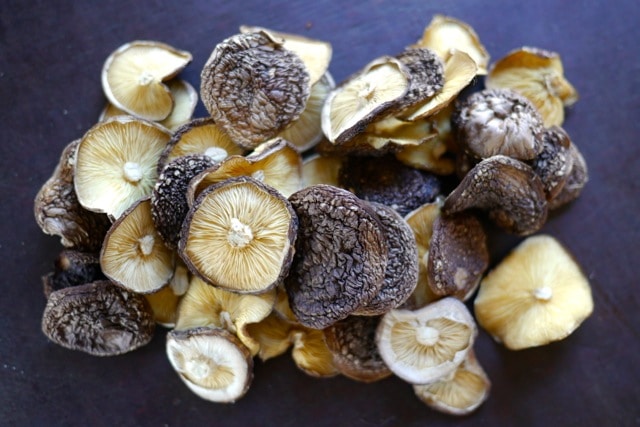
Lay the mushrooms gill side up (the underside where the spores are) on a clean tray or baking sheet. This part has the highest concentration of ergosterol.
Set the tray in a sunny spot, either outside or by a window with strong sunlight. If possible, do this between 10 a. m. and 3 p. m. when UV rays are strongest.
3. Expose For The Right Amount Of Time
For maximum vitamin D, leave the mushrooms in sunlight for at least 30 minutes to 2 hours. Longer exposure (up to 6 hours) can increase the vitamin D even more.
If you live in a place with weak sunlight, expose the mushrooms for a few hours over two or three days. Cover them at night to prevent moisture and pests.
4. Store Or Use Immediately
After sun exposure, you can use the mushrooms right away in your favorite recipes. Or, dry them further and store in a sealed container for later.
| Step | Details |
|---|---|
| 1. Select mushrooms | Fresh, clean shiitake, preferably sliced |
| 2. Lay out | Gill side up on tray |
| 3. Sun exposure | 30 minutes to 6 hours, direct sunlight |
| 4. Store/use | Cook or dry for later use |
Pro Tips For Best Results
- If you use dried shiitake mushrooms, you can still boost their vitamin D. Rehydrate them, then expose to sunlight as above.
- The vitamin D2 content stays stable during storage and most cooking methods, especially if you avoid boiling for long periods.
- Try to use organic mushrooms to avoid pesticide residues, since the skin will be exposed to the sun.
- Always cover the mushrooms with a clean mesh if you are drying them outside, to keep away insects.
The Nutritional Impact: Why This Hack Matters
Vitamin D plays a role in more than just strong bones. It helps regulate the immune system, supports muscle function, and is even linked to mood and cognitive health. Many people, especially vegetarians, vegans, and those with darker skin, are at risk of deficiency.
By using this sunlight hack with shiitake mushrooms, you can add a significant amount of vitamin D2 to your diet with little effort. Here’s why it matters:
- Natural and Plant-Based: Most vitamin D-rich foods are animal-based. Sun-exposed shiitake mushrooms are one of the few vegan sources.
- Cost-Effective: Mushrooms are affordable and available year-round.
- Flexible: You can add them to soups, stews, stir-fries, or even powder them for smoothies.
- Supports Dietary Needs: Ideal for people with lactose intolerance or allergies to fortified foods.
Common Mistakes And How To Avoid Them
Even though the process is simple, beginners often make mistakes that can reduce the vitamin D boost. Here are pitfalls to watch for:
Using The Wrong Light Source
Only UVB rays from sunlight (or special UV lamps) can convert ergosterol to vitamin D2. Regular indoor light does not work. Placing mushrooms near standard bulbs or under kitchen lights will not help.
Not Slicing Or Exposing Enough Surface Area
Whole mushrooms work, but slicing them increases the vitamin D conversion by exposing more ergosterol to sunlight. Always lay the slices flat and avoid stacking.
Insufficient Exposure Time
Short exposure (less than 30 minutes) may not increase vitamin D much. Be patient and give the mushrooms enough time in the sun.
Storing Wet Mushrooms
If mushrooms are wet after sun exposure, let them dry before storing. Moisture can lead to spoilage. If you want to store them long-term, finish drying in a low-temperature oven or dehydrator.
Overcooking
Boiling sun-exposed mushrooms for too long can lower their vitamin D content. Quick stir-frying, roasting, or adding them at the end of cooking preserves more nutrients.
Comparing Vitamin D In Shiitake To Other Mushrooms
Not all mushrooms are equal when it comes to vitamin D. Here’s a comparison of common types and how much vitamin D they can provide after sunlight exposure:
| Mushroom Type | Vitamin D2 after Sunlight (per 100g) | Notes |
|---|---|---|
| Shiitake | 1,000–10,000 IU | Excellent for boosting; best when gill-side up |
| White Button | 400–1,000 IU | Less ergosterol than shiitake |
| Portobello | 500–2,000 IU | Good conversion, large caps useful |
| Oyster | 200–800 IU | Lower vitamin D but still useful |
Shiitake mushrooms stand out because they produce much more vitamin D2 than most other varieties, especially when the gills get direct sunlight.
Creative Ways To Use Sun-exposed Shiitake Mushrooms
Boosting the vitamin D is just the first step. To get the most benefit, you need to include these mushrooms in your meals. Here are some tasty and simple ideas:
Add To Stir-fries
Chop sun-exposed shiitake mushrooms and toss them into your favorite stir-fry. Their meaty texture and rich flavor work well with vegetables, tofu, or chicken.
Power Up Your Soup
Sliced shiitake mushrooms are perfect for miso soup, hot pots, or noodle soups. Add them toward the end of cooking to keep more vitamin D.
Make Mushroom Powder
Dry the sun-exposed mushrooms completely, then grind them into powder. Use this powder to add flavor and nutrients to sauces, stews, or smoothies.
Top Your Pizza
Add a handful of chopped, sun-exposed shiitake mushrooms to your next pizza. They pair well with cheese, tomato sauce, or even plant-based alternatives.
Bake Into Casseroles
Mix the mushrooms into casseroles or baked dishes. Their umami flavor makes vegetarian recipes more satisfying.
Two Surprising Insights Most People Miss
While the sunlight hack is simple, there are two key insights that many beginners overlook:
1. The Vitamin D Content Keeps Climbing
Many people think mushrooms reach their vitamin D peak quickly, but studies show that longer sunlight exposure (3–6 hours) can keep raising vitamin D levels, especially if you turn the mushrooms over halfway through. This means you can plan your sun-drying for a sunny afternoon and get even more nutrients.
2. Cooking Methods Matter
Most people cook mushrooms the same way every time. But vitamin D2 is heat-stable—it can survive roasting, grilling, and sautéing, but is partly lost in boiling water. To keep the most vitamin D, choose dry-heat methods or add mushrooms at the end of wet recipes.
The Role Of Uv Lamps: Can You Boost Vitamin D Indoors?
If you live in a place with little sunlight, you might wonder if UV lamps can do the job. The answer is yes, but with care.
Special UVB lamps, often used for reptiles or indoor gardening, can also convert ergosterol to vitamin D2 in mushrooms. However, you must follow safety instructions to avoid overexposure, and not all lamps emit the right type of UV.
Tip: Always read the manufacturer’s guide. Place mushrooms about 20–30 cm from the lamp, gill-side up, and expose for 1–2 hours. This method works well in winter or apartments with no sunny windows.
How To Store Sun-exposed Shiitake Mushrooms
After sun exposure, you may have more mushrooms than you can use right away. Proper storage keeps both flavor and nutrients.
- Refrigeration: Store in a paper bag for up to one week. Avoid plastic, which traps moisture.
- Dry Storage: If fully dried, keep in an airtight container in a cool, dark place for several months.
- Freezing: Slice and freeze mushrooms for soups or stir-fries. Note: freezing changes texture but keeps vitamin D.
Mark the container with the date and “sun-exposed” so you remember which mushrooms are boosted.
Are There Any Risks Or Side Effects?
Vitamin D toxicity from mushrooms is extremely rare, since vitamin D2 is less potent than D3. Eating large amounts (over 10,000 IU daily) is not advised, but you’d have to eat a lot of mushrooms to reach that level.
However, always buy mushrooms from a trusted source. Wild mushrooms can be toxic or contaminated. If you have allergies to mushrooms, avoid this hack.
Real-world Success Stories
Many home cooks and nutritionists now use the sunlight method for shiitake mushrooms. For example, a vegan runner in Sweden noticed better energy levels after adding sun-boosted shiitake to her diet during dark winters. A family in Canada started drying mushrooms every summer and saw fewer colds in winter.
These stories show that a simple, natural method can make a real difference in everyday health.
Shiitake Vitamin D Hack Vs. Supplements
Should you skip vitamin D pills if you use sun-exposed shiitake mushrooms? Both have their pros and cons.
- Supplements: Easy to measure and take, but may have fillers, and some people forget to take them regularly.
- Sun-Exposed Shiitake: Natural, adds flavor, and fits into meals. But the vitamin D2 amount can vary depending on sunlight and mushroom quality.
For most people, combining both strategies works best: eat sun-exposed mushrooms often, and use supplements if your doctor recommends.
How To Tell If Your Mushrooms Are Vitamin D Fortified
Some supermarkets now sell “vitamin D mushrooms,” which have been exposed to UV light before sale. Check the package label for vitamin D content. If you want full control, use the sunlight hack at home.
Shiitake Mushrooms: More Than Just Vitamin D
While the vitamin D hack is powerful, shiitake mushrooms offer much more:
- Beta-glucans: Compounds that may boost immunity
- Polysaccharides: Help fight inflammation
- B vitamins: Support energy and brain health
- Minerals: Like copper, selenium, and zinc
This means you get a superfood that supports whole-body wellness, not just stronger bones.
Global Perspective: How Different Cultures Use Sun-exposed Mushrooms
In China and Japan, sun-drying shiitake mushrooms is a tradition. Families lay mushrooms out on mats to dry for winter, boosting both flavor and vitamin D. In Italy, wild mushroom hunters sun-dry their finds to preserve them. Now, more people worldwide are learning this ancient method for modern health.
How To Involve Kids And Families
Teaching children about nutrition can be fun. Let kids help arrange mushrooms on trays and watch the sun work. This turns healthy eating into a family project and builds good habits for life.
Environmental Benefits Of The Sunlight Hack
Using sunlight to boost vitamin D in mushrooms is energy-free and eco-friendly. There’s no need for factories or packaging, just the power of nature. This makes it a green choice for sustainable nutrition.
Credit: www.milkwood.net
Troubleshooting: If Your Mushrooms Don’t Increase In Vitamin D
If you tried the hack but saw little difference, check these points:
- Did you use strong sunlight or a UVB lamp?
- Did you slice the mushrooms and lay them gill-side up?
- Did you expose for enough time (at least 1–2 hours)?
- Are you sure the mushrooms are shiitake, not another type?
Making small changes can double or triple your results.
Myths About Sun-exposed Mushrooms
Some people believe that all mushrooms are high in vitamin D, or that cooking always destroys it. In truth, only sunlight (or UVB) exposure unlocks high vitamin D levels, and many cooking methods keep most of the vitamin intact.

Credit: www.lemon8-app.com
Where To Learn More
If you want to dive deeper into the science, check out this research paper on vitamin D in mushrooms for a detailed look at the process and benefits.
Frequently Asked Questions
Can I Use Any Type Of Mushroom For The Sunlight Vitamin D Hack?
You can use many varieties, but shiitake mushrooms give the biggest boost in vitamin D2 after sunlight exposure. White button, portobello, and oyster mushrooms also work, but with lower increases.
How Long Do Sun-exposed Shiitake Mushrooms Keep Their Vitamin D Content?
Vitamin D2 is stable in dried or refrigerated mushrooms for several months. Store them in airtight containers away from light and moisture for best results.
Is Vitamin D2 From Mushrooms As Good As Vitamin D3 From Animals?
Vitamin D3 is better absorbed, but D2 from sun-exposed mushrooms still raises blood vitamin D levels and is a strong choice for vegetarians and vegans.
Do Cooking Methods Destroy The Vitamin D In Shiitake Mushrooms?
Most cooking methods, like roasting or sautéing, preserve vitamin D2. Boiling for long times may reduce levels, so add mushrooms near the end if making soup or stew.
Can I Get Too Much Vitamin D From Eating Sun-exposed Shiitake Mushrooms?
It’s unlikely, as you would need to eat many servings daily to reach unsafe levels. Still, balance your diet and talk to a doctor if you use other vitamin D sources.
Sunlight can turn ordinary shiitake mushrooms into a nutritional powerhouse, offering a natural, plant-based solution for one of the world’s most common deficiencies. With just a tray, sunshine, and a little time, you can create your own vitamin D-rich superfood—good for your bones, your immune system, and your taste buds.
Why not try this simple hack and see the difference for yourself?
Credit: www.frontiersin.org