
Meditation is an ancient practice, but in today’s fast-moving world, many people find it hard to go deep or stay focused. You might sit down to meditate, but your mind runs wild, your body feels restless, or stress pulls you away from the present moment. This is where the power of adaptogens—especially the famed mushroom called Reishi—is starting to catch the attention of both beginners and experienced meditators.
More than just an herbal trend, Reishi has been used for thousands of years in Eastern medicine. Its reputation as the “mushroom of immortality” is not just about long life, but also about resilience, calm, and clarity—qualities that can directly support and even transform your meditation practice.
Let’s explore how Reishi works in the body and mind, how it compares to other adaptogens, and how you can safely use it to help make meditation easier, deeper, and more rewarding.
What Are Adaptogens?
Adaptogens are a group of herbs, roots, and mushrooms that help the body adapt to stress. Unlike a quick-fix or stimulant, adaptogens work gently. They support your body’s own ability to handle physical, emotional, and mental challenges. When you are less affected by stress, your mind becomes clearer, your emotions more stable, and your focus sharper.
Some well-known adaptogens include:
- Reishi mushroom
- Ashwagandha
- Rhodiola rosea
- Holy basil (Tulsi)
- Cordyceps
Each adaptogen has its own strengths. Reishi stands out for its calming and balancing effects, which is why it’s especially valued for meditation.
The Science Behind Reishi
Reishi (Ganoderma lucidum) is a shiny, red-brown mushroom that grows on decaying trees. It’s not eaten fresh but is dried, powdered, or made into extracts.
Reishi’s Bioactive Compounds
Reishi is rich in:
- Polysaccharides (especially beta-glucans)
- Triterpenes
- Peptidoglycans
- Sterols
These compounds have been shown in studies to support the immune system, lower inflammation, and balance the nervous system. For meditation, what matters most is how Reishi interacts with stress hormones and neurotransmitters.
How Reishi Reduces Stress
Chronic stress raises cortisol, the body’s main stress hormone. High cortisol can make you anxious, tired, and unable to focus. Reishi helps lower or balance cortisol levels naturally. This is backed by research, including animal and small human studies, showing that Reishi extracts can reduce stress behaviors and bring calmness without sedation.
Brain Effects And Mood
Reishi also affects the brain’s GABA receptors. GABA is a neurotransmitter that quiets brain activity and helps you relax. Unlike strong sedatives, Reishi gently increases GABA’s calming power, helping to quiet a busy mind without making you feel sleepy or dull.
In one 2021 study, people who took Reishi reported improvements in mood, less irritability, and better overall wellbeing after just a few weeks of regular use.
Why Meditation Needs Calm And Balance
Meditation is often described as “simple but not easy.” The basic idea is to focus your attention, notice your thoughts, and return to the present moment. But many people struggle to:
- Sit still for long periods
- Quiet racing thoughts
- Manage emotions that rise up during meditation
This is where adaptogens like Reishi can make a real difference. By supporting a balanced mind and body, you create the ideal inner environment for deep meditation.
The Stress-relaxation Cycle
If your body is tense or your mind is anxious, meditation feels like a battle. Reishi acts as a buffer for stress, making it easier to slide into the relaxed-yet-alert state that meditation requires.
Enhancing Mindfulness
Mindfulness means noticing what’s happening right now, without judgment. But when you’re stressed, your awareness is often hijacked by worries. By helping reduce stress, Reishi can make it easier to notice and accept each moment as it is.
Reishi Vs. Other Adaptogens For Meditation
Not all adaptogens are equally helpful for meditation. Here’s a comparison of Reishi with other popular adaptogens:
| Adaptogen | Main Effect | Best For | Possible Downsides |
|---|---|---|---|
| Reishi | Calming, grounding | Anxiety, insomnia, meditation | Mild digestive upset in rare cases |
| Ashwagandha | Reduces stress, boosts mood | General stress, sleep, mild depression | May lower blood pressure too much for some |
| Rhodiola | Increases energy, reduces fatigue | Burnout, mental fatigue, focus | Can be too stimulating if anxious |
| Holy Basil | Balances mood, reduces inflammation | Anxiety, immune health, clarity | May interact with some medications |
| Cordyceps | Boosts energy, stamina | Physical endurance, fatigue | Not calming, less suited for meditation |
Key insight: While many adaptogens lower stress, only a few—especially Reishi—bring both calmness and clarity. This unique combination is ideal for meditation.
How Reishi Deepens Your Meditation Practice
1. Easier To Settle Into Practice
When you take Reishi regularly, you may notice it’s easier to sit down and begin meditating, even after a busy or stressful day. The body feels less jittery, and the mind less restless.
2. Longer, More Focused Sessions
Reishi’s gentle calming effect can help you meditate for longer without discomfort or distraction. Many users find they can stay focused on their breath, mantra, or body scan for 10, 20, or even 30 minutes without feeling impatient or bored.
3. Quieter Mental Chatter
If your mind races with thoughts, Reishi may help slow down this “background noise.” It’s not about stopping thoughts, but making them less sticky or distracting. This can lead to a deeper state of stillness.
4. Greater Emotional Balance
Meditation often brings up emotions—sometimes even difficult ones. Reishi’s mood-balancing effect can make it easier to sit with whatever arises, allowing you to process feelings without being overwhelmed.
5. Better Sleep, Better Meditation
Quality sleep is the foundation for good meditation. Reishi is famous for improving sleep quality, especially if stress or anxiety keeps you up at night. With better rest, your meditation will feel easier and more natural.
6. Supports Mind-body Connection
Reishi has subtle effects on the nervous system that help you tune in to your body’s signals. This can make body-based meditation practices—like body scans or mindful movement—even more effective.
7. Builds Resilience Over Time
Unlike quick fixes, Reishi works best when used regularly. Over weeks or months, you may notice you recover from stress more quickly, and that meditation feels less like a struggle and more like a source of strength.
How To Use Reishi For Meditation
Choosing The Right Form
Reishi comes in several forms:
- Powder: Easy to add to tea, coffee, or smoothies
- Capsules or tablets: Convenient for daily use
- Liquid extracts or tinctures: Fast absorption
- Tea: Traditional and soothing
Quality matters. Look for products made from the fruiting body (not just mycelium) and from trusted brands that test for purity.
Dosage Guidelines
There is no one-size-fits-all dose, but most studies use:
- 1-3 grams of dried mushroom powder daily, or
- 500-1000 mg of concentrated extract
Start with a lower dose and increase slowly. Pay attention to how your body and mind respond.
When To Take Reishi
For meditation, timing can make a difference:
- Morning: If you meditate early, Reishi can help set a calm tone for the day.
- Evening: If you meditate before bed, Reishi may deepen relaxation and improve sleep.
- 30-60 minutes before meditation is a common approach.
Some people like to take a small dose both morning and evening. Find what works best for your routine.
Combining Reishi With Other Practices
Reishi works well with other calming habits:
- Herbal teas (like chamomile)
- Gentle yoga or stretching
- Breathwork or pranayama
- Journaling before meditation
This combination can amplify the benefits and help you create a ritual that your mind and body associate with peace.

Credit: animamundiherbals.com
Possible Side Effects And Safety
Reishi is considered very safe for most people. Side effects are rare and usually mild:
- Digestive upset (nausea, bloating)
- Dry mouth or throat
- Allergic reactions (very rare)
People with certain conditions should talk to a doctor before using Reishi:
- Autoimmune diseases (since Reishi boosts the immune system)
- Bleeding disorders (Reishi can affect blood clotting)
- If you are pregnant or breastfeeding
Reishi can interact with some medications, including blood thinners and immunosuppressants.
Non-obvious tip: The quality of Reishi matters more than the dose. Low-quality products may contain fillers or contaminants. Always choose certified organic and lab-tested brands.
Deepening Meditation: Practical Strategies With Reishi
Creating A Reishi Meditation Ritual
You don’t need to overhaul your routine. Start small:
- Prepare a Reishi tea or take your chosen form of Reishi.
- Set a clear intention for your meditation (such as “calm” or “focus”).
- Spend a minute noticing the taste and aroma of Reishi. Use this as a mini-mindfulness practice.
- Begin your meditation as usual.
By linking Reishi with the act of meditating, you teach your mind and body to associate this ritual with relaxation and focus.
Journaling Your Experience
Keep a simple journal to track:
- How you feel before and after meditation
- Changes in mood, energy, or sleep
- Any side effects
Over time, you’ll notice patterns. This helps you fine-tune your use of Reishi and meditation for best results.
Group Meditation And Reishi
If you join a meditation group, consider sharing your experience with Reishi. Some groups even offer herbal teas or adaptogen blends before practice. This can build community and support.
Combining Reishi With Mindful Movement
Movement practices like yoga, Tai Chi, or Qigong pair well with Reishi. The mushroom’s grounding effects help you tune into your body, making movement more mindful and less rushed.
Comparing Reishi’s Effects To Other Meditation Supports
Many people try supplements, music, or even special lighting to help with meditation. Here’s how Reishi stacks up:
| Support | Main Benefit | Drawbacks | Best For |
|---|---|---|---|
| Reishi | Calm, focus, resilience | Must be used regularly | All levels |
| Essential oils (e.g., lavender) | Relaxation, mood | Temporary effect | Short sessions |
| Guided meditations | Structure, guidance | May distract from self-awareness | Beginners |
| Music or soundscapes | Blocks noise, sets mood | Can become a crutch | Urban environments |
| Other adaptogens (e.g., Ashwagandha) | Reduce anxiety, improve sleep | Some are too stimulating or sedating | Stress management |
Insight: Unlike quick fixes, Reishi’s effects build over time. It supports both the body and mind, making it a unique and sustainable tool for deep meditation.
Scientific Research On Reishi And Meditation
While direct studies on Reishi plus meditation are few, there is a growing body of evidence on each:
- Stress reduction: A 2018 review found that Reishi significantly lowered stress markers in both animals and humans.
- Mood improvement: A 2021 pilot study showed improvements in mood and resilience after 8 weeks of daily Reishi.
- Sleep quality: Multiple studies have reported better sleep with Reishi, especially for people with mild insomnia.
- Cognitive clarity: Early research suggests Reishi may support brain function and memory, both important for focused meditation.
You can find more scientific information about adaptogens and their effects at NCBI.
Non-obvious insight: While the calming effects of Reishi are gentle, combining it with regular meditation seems to create a “feedback loop”—each practice supports the other, leading to bigger gains in calmness and clarity.
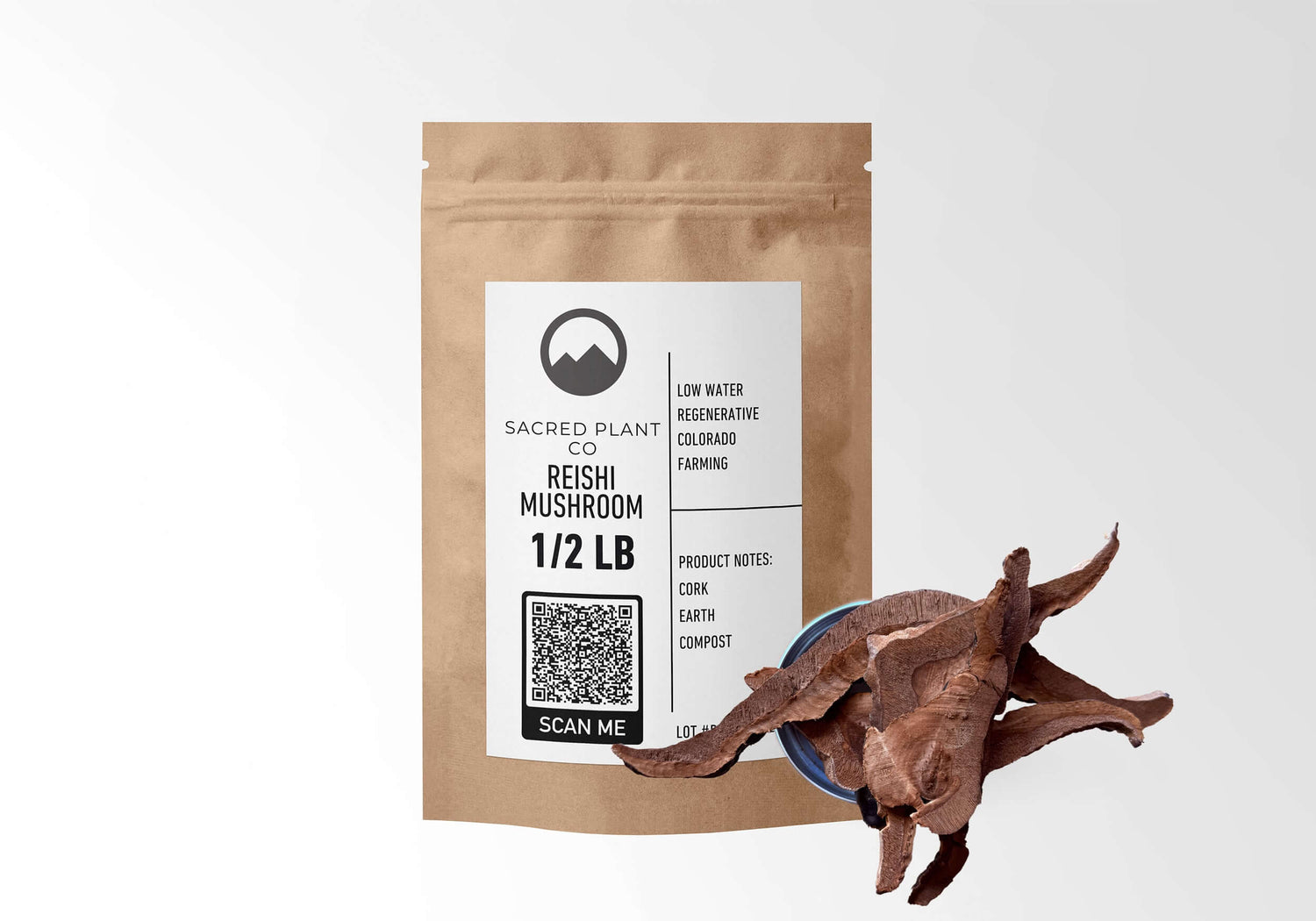
Credit: sacredplantco.com
Common Mistakes When Using Reishi For Meditation
- Expecting Instant Results: Reishi works slowly and gently. Some people feel calmer after a few days, while others need a few weeks.
- Taking Too Much: More is not always better. Start low and increase only if needed.
- Choosing Low-Quality Products: Cheap Reishi may be grown on grain, with little active ingredient. Always check for third-party testing.
- Ignoring Other Lifestyle Factors: Reishi is a support, not a magic fix. Sleep, nutrition, and movement matter too.
- Not Tracking Your Progress: Without a journal or notes, you may not notice subtle but important changes.
Who Should Try Reishi For Meditation?
Reishi is safe for most adults and can be especially helpful if you:
- Struggle with stress or anxiety
- Have trouble focusing during meditation
- Find it hard to relax or let go of tension
- Want to build a consistent meditation habit
- Need help with sleep quality
If you have health concerns or take medication, check with a healthcare provider first.
Real-world Examples: Meditators’ Experiences With Reishi
Case 1: New Meditator with Anxiety
Anna, age 29, started meditating to help with anxiety. She found it hard to relax and often gave up after 5 minutes. After adding Reishi tea in the evening, she noticed her body felt less tense and her mind less panicked.
Within 3 weeks, she was meditating for 15-20 minutes and feeling calmer throughout the day.
Case 2: Busy Professional
Marco, age 41, works long hours and has trouble winding down. He began taking Reishi capsules in the morning. He found it easier to focus on his breath and let go of work worries during meditation. After 2 months, his sleep improved, and he started looking forward to meditation as a daily reset.
Case 3: Long-Term Meditator
Priya, age 52, has meditated for years but sometimes felt stuck or restless. She tried a Reishi tincture before her evening practice and noticed deeper stillness and less mental chatter. Over time, she felt her practice had “leveled up,” with more insight and emotional balance.
Integrating Reishi Into Your Daily Life
You don’t have to be a monk or expert to benefit from Reishi. Here are some easy ways to add it to your day:
- Morning: Add Reishi powder to your coffee or smoothie before a morning meditation
- Afternoon: Take capsules with lunch to keep stress in check
- Evening: Make Reishi tea as part of your wind-down routine before bed
Try different forms and times to see what works best for you.
Reishi And Other Adaptogens: Can You Combine Them?
Yes, many people use adaptogen blends. For example, combining Reishi with Ashwagandha can be helpful if you want both deep calm and better sleep. However, don’t mix too many at once—start with one, then add another after a few weeks if needed.
Tip: Some adaptogens, like Rhodiola or Cordyceps, can be stimulating. If your main goal is calm and focus for meditation, make sure these are balanced with calming herbs like Reishi.
The Future Of Adaptogens In Meditation
As meditation becomes more mainstream, natural supports like Reishi are gaining scientific and popular attention. Modern research is catching up with what traditional healers have known for centuries: the right herbs and mushrooms can make inner work easier.
Many meditation teachers now include adaptogens in their programs, and some mindfulness centers offer Reishi tea before classes. As more people seek holistic ways to manage stress, adaptogens are likely to become a bigger part of the meditation world.

Credit: www.eversiowellness.com
Frequently Asked Questions
What Is The Best Way To Take Reishi For Meditation?
The best way depends on your routine and preferences. Many people use Reishi powder in tea or smoothies, while others prefer capsules or tinctures for convenience. For meditation, taking Reishi 30-60 minutes before practice helps maximize its calming effects.
How Long Does It Take To Feel The Effects Of Reishi?
Most people notice subtle changes after a few days to a week. Full benefits, like deeper calm and focus, often appear after 2-4 weeks of regular use. Remember, Reishi works gently and best when used consistently.
Are There Any Risks Or Side Effects With Reishi?
Reishi is safe for most people, but possible side effects include mild digestive upset or dry mouth. People with autoimmune diseases, bleeding disorders, or those taking certain medications should consult a doctor before use.
Can I Combine Reishi With Other Supplements Or Adaptogens?
Yes, Reishi can be combined with other adaptogens like Ashwagandha or Holy Basil. However, avoid mixing too many at once, and always add new supplements slowly to see how your body reacts.
Does Reishi Actually Improve Meditation, Or Is It A Placebo?
While more research is needed, current studies and many personal experiences support Reishi’s calming and mood-balancing effects. For many, this leads to easier, deeper meditation. Its benefits go beyond placebo, especially when combined with regular practice and a healthy lifestyle.
Meditation is a journey, and every tool that helps you go deeper is worth exploring. By supporting your mind and body with Reishi, you may find your practice becomes not just easier, but more profound and enjoyable.