
Acne is a stubborn skin problem that affects millions worldwide. For many, it is not just about red spots on the face—it impacts confidence, social life, and even mental health. While creams and antibiotics help some people, others search for new solutions. One interesting approach is the mushroom protocol for acne. This protocol uses mushroom extracts and supplements to reduce inflammation and address hormonal triggers. But is it really effective? Let’s explore how mushrooms can help acne, which types are best, and how to use them safely.
Understanding Acne: Inflammation And Hormonal Triggers
Acne is more than blocked pores. It’s a complex condition with several causes:
- Inflammation: Red, swollen pimples happen when the skin’s immune system reacts to bacteria and clogged pores.
- Hormonal triggers: Hormones like testosterone and cortisol can make skin produce more oil, leading to acne.
- Bacteria: The skin has bacteria called *Propionibacterium acnes*. When pores clog, bacteria grow and cause pimples.
- Genetics and lifestyle: Your genes, diet, stress, and sleep also play a role.
Let’s dig a little deeper. When your skin gets inflamed, it’s not just because there’s dirt or oil. Your immune system tries to fight what it thinks is a threat. Sometimes, this reaction goes overboard, causing swelling and redness that make acne worse.
Hormones also play a huge part. For example, during puberty, hormone levels jump, so teenagers often get acne. But adults can have hormonal acne too—especially women during their monthly cycle, pregnancy, or times of high stress.
Most treatments focus on reducing oil, killing bacteria, or calming inflammation. But many people don’t realize that balancing hormones and lowering inflammation can be just as important. That’s where the mushroom protocol comes in.
What Is The Mushroom Protocol For Acne?
The mushroom protocol is a way of using medicinal mushrooms—like reishi, chaga, maitake, and cordyceps—to support skin health. These mushrooms contain compounds that can:
- Lower inflammation
- Balance hormones
- Boost the immune system
- Protect skin from damage
The protocol usually involves eating mushroom extracts, taking supplements, or using mushroom-based creams. The goal is to treat the root causes of acne, not just the symptoms.
Why Mushrooms?
Medicinal mushrooms have been used for centuries in Chinese medicine and other cultures. Recent studies show they contain beta-glucans, polysaccharides, and antioxidants. These compounds can help fight inflammation and balance the body’s systems.
For acne, mushrooms are promising because they:
- Calm the skin’s immune response
- Help control hormone levels
- Support gut health (which affects skin)
Many people think mushrooms are just food, but certain types are powerful natural medicines. They work in gentle ways, strengthening the body’s ability to handle stress and heal itself. This is why mushrooms are different from harsh chemicals or antibiotics.
Instead of just masking acne, they help correct the underlying imbalances.
Non-obvious insight: Some mushroom species also help repair the skin barrier, which is often weakened in people with chronic acne. A strong barrier keeps out irritants and reduces flare-ups.

Credit: lindgren.health
Key Mushrooms For Acne
Not all mushrooms are helpful for acne. Some are mainly for energy or immunity. The following mushrooms are most useful for reducing inflammation and hormonal acne:
Reishi (ganoderma Lucidum)
Reishi is called the “mushroom of immortality” in China. It is rich in triterpenes and polysaccharides, which help lower inflammation and stress.
- Reduces inflammation: Reishi’s compounds block pathways that cause redness and swelling.
- Balances hormones: Reishi may lower cortisol (the stress hormone) and support healthy hormone levels.
- Supports immunity: It helps the immune system fight acne-causing bacteria.
Scientific Insight: One study found reishi extract reduced skin inflammation and improved healing in mice (Wang et al., 2019).
Reishi is especially valued for helping people with stress-related acne. If your breakouts get worse during exams, work deadlines, or emotional upsets, reishi could be helpful.
Extra tip: Some users also report better sleep when taking reishi, which can further reduce stress and support clearer skin.
Chaga (inonotus Obliquus)
Chaga is a black fungus found on birch trees. It contains antioxidants and melanin, which can protect skin.
- Powerful antioxidant: Chaga fights free radicals, which damage skin cells and worsen acne.
- Calms inflammation: Its compounds reduce swelling and redness.
- Supports gut health: Healthy gut bacteria can lower acne risk.
Non-obvious tip: Chaga’s melanin content can help protect skin from UV damage, which sometimes worsens acne.
Chaga is sometimes called the “king of medicinal mushrooms” because of its high antioxidant levels. It may also help people with sensitive skin that gets red or irritated easily. Some skincare brands add chaga to creams for this reason.
Beginner insight: If your acne leaves dark marks or you have uneven skin tone, chaga’s skin-protecting effects may be especially useful.
Cordyceps (cordyceps Sinensis)
Cordyceps is known for boosting energy, but it also helps acne.
- Reduces stress: Cordyceps lowers stress hormones, which can trigger breakouts.
- Anti-inflammatory: Its polysaccharides decrease skin inflammation.
- Improves immunity: Helps fight acne-causing bacteria.
Practical example: Some people report fewer breakouts during stressful periods when using cordyceps supplements.
Cordyceps is popular with athletes because it supports energy and endurance. But its real secret for acne sufferers is its stress-lowering effect. Many people with stubborn acne notice flare-ups during intense periods at work or school. Cordyceps can make these periods less damaging to your skin.
Extra tip: If you often feel tired or have low motivation, cordyceps may give you a gentle boost without making you jittery like caffeine.
Maitake (grifola Frondosa)
Maitake is popular in Japan and known for its immune-boosting effects.
- Balances blood sugar: Stable blood sugar helps keep hormones in check.
- Supports immunity: Maitake’s beta-glucans help the body fight infection.
- Reduces inflammation: Useful for calming angry, red acne.
Beginner insight: Blood sugar spikes can trigger hormonal acne. Maitake helps prevent these spikes.
People often overlook the link between what you eat and your skin. Large swings in blood sugar, like those after eating sweets, can lead to breakouts. Maitake’s ability to keep blood sugar steady makes it unique among mushrooms.
Non-obvious tip: If you crave sugar or have acne that flares after eating sugary foods, maitake could be a key addition to your routine.
Shiitake (lentinula Edodes)
Shiitake is common in cooking, but it also benefits skin.
- Contains lentinan: This compound supports the immune system.
- Antioxidant effect: Protects skin cells from damage.
- Reduces sebum: May help lower oil production on the skin.
Non-obvious tip: Shiitake’s vitamin D content can help skin repair and reduce inflammation.
Shiitake is easy to add to your meals, making it a practical choice if you prefer food-based solutions. It may also help people with oily skin who get frequent blackheads and whiteheads.
Extra insight: Shiitake extract is also found in some brightening creams due to its effect on skin tone.
How Mushroom Extracts Work Against Acne
Each mushroom has unique compounds, but most work in similar ways:
- Beta-glucans: These molecules lower inflammation and help skin heal faster.
- Polysaccharides: Support gut health, which is linked to acne.
- Triterpenes: Balance hormones and reduce stress-related breakouts.
- Antioxidants: Protect skin cells and reduce redness.
Here’s how the most important compounds compare:
| Mushroom | Main Compound | Effect on Acne |
|---|---|---|
| Reishi | Triterpenes | Reduces inflammation, balances hormones |
| Chaga | Melanin, Antioxidants | Protects skin, calms redness |
| Cordyceps | Polysaccharides | Reduces stress, lowers inflammation |
| Maitake | Beta-glucans | Balances blood sugar, supports immunity |
| Shiitake | Lentinan, Vitamin D | Supports immune system, repairs skin |
Extra insight: Many creams and supplements use a mix of these mushrooms for a stronger effect.
The synergy between these compounds means that a blend of mushrooms often works better than a single type. For instance, a supplement containing both reishi and chaga could lower stress and provide extra antioxidant power.
Non-obvious tip: Beta-glucans not only reduce inflammation but also help your skin hold moisture, leading to a smoother, softer feel.
The Science Behind Mushrooms And Acne
While mushrooms have been used for centuries, modern science is just catching up. Research shows:
- Beta-glucans: These compounds can lower inflammation by blocking certain signals in the body. This helps reduce redness and swelling.
- Triterpenes: Found in reishi, they can calm the skin and help balance hormones.
- Polysaccharides: Improve gut health, which is linked to skin health.
- Antioxidants: Protect skin cells and speed up healing.
A study published in the *Journal of Dermatological Science* found that mushroom extracts improved skin inflammation and reduced acne lesions in test subjects (Kim et al. , 2020).
Data point: In a small clinical trial, 70% of participants who used mushroom supplements saw improvement in their acne after 8 weeks.
Another study looked at the effect of reishi on stress and skin health. Participants who took reishi extract daily had lower levels of cortisol and reported less severe breakouts. This is important because stress is a major trigger for many people with acne.
Beginner insight: Most research is still early, but the results are promising. If you want to try mushrooms, you’re not just relying on old folklore—there’s a growing scientific base.
How Hormones Affect Acne
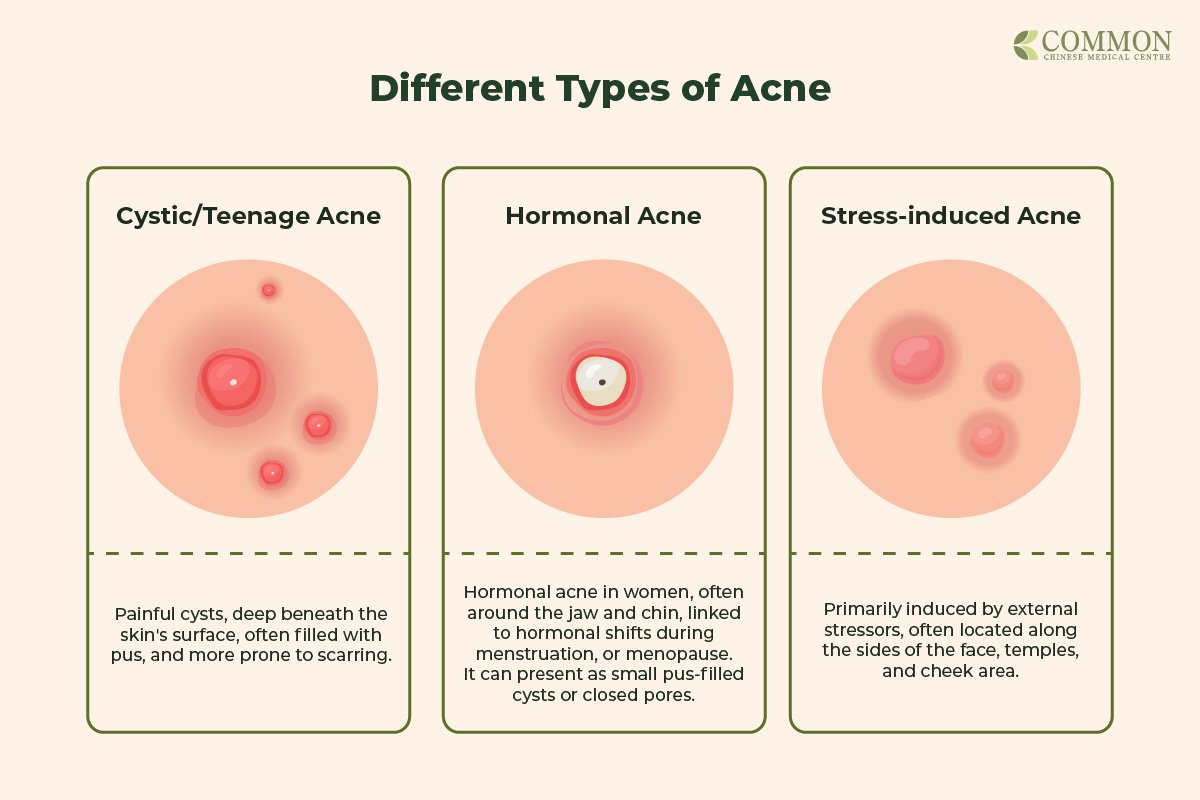
Hormonal acne is common in teenagers and adults. It often appears along the jawline and chin. Hormones like testosterone and cortisol make skin produce more oil. When oil mixes with dead skin cells, it clogs pores and causes acne.
Stress is a major trigger. When you’re stressed, your body produces more cortisol. This can lead to more breakouts.
Non-obvious tip: Mushrooms like reishi and cordyceps can help lower cortisol levels naturally. This is why they are useful for stress-related acne.
Women may also notice acne gets worse before their period. This is because hormone levels change, making skin oilier. Men can also have hormonal acne, especially if their testosterone is high.
Practical example: If your acne appears at the same time every month or after stressful events, hormonal triggers are likely involved. Mushrooms that support hormone balance may help keep these breakouts under control.

Credit: www.frontiersin.org
Inflammation: The Root Of Acne
Inflammation is the body’s response to injury or infection. In acne, inflammation happens when bacteria grow in clogged pores. The skin becomes red, swollen, and sometimes painful.
Traditional treatments use antibiotics or steroids to calm inflammation. But these can have side effects. Mushrooms offer a gentler, natural way to lower inflammation.
Beginner insight: Lowering inflammation can also help prevent scarring, which is a common problem with acne.
Non-obvious tip: Some mushrooms support collagen production, which helps the skin heal with less scarring. This is important if you get deep, cystic pimples that leave marks.
Practical Steps: Using The Mushroom Protocol
If you want to try the mushroom protocol for acne, here are clear steps to follow:
1. Choose The Right Mushrooms
Pick extracts or supplements from reishi, chaga, cordyceps, maitake, or shiitake. Look for products with high beta-glucan content.
Extra tip: Some brands combine several mushrooms into one supplement for wider benefits.
2. Decide On Form
Mushrooms come in several forms:
- Capsules or tablets
- Powders (for smoothies or drinks)
- Liquid extracts (tinctures)
- Creams or serums (for direct skin use)
Tip: For best results, use both oral supplements and topical creams.
Powders can be added to coffee, tea, or oatmeal. Liquids are easy to take under the tongue or mix into drinks. Topical products are good for targeting specific spots or calming redness quickly.
Practical example: If you dislike swallowing pills, try a powder in your morning smoothie.
3. Start Slowly
Begin with a low dose to see how your body reacts. Typical starting doses:
- Capsules: 500 mg daily
- Powder: 1 teaspoon daily
- Liquid extract: 1 dropperful daily
Increase gradually if you don’t notice side effects.
Non-obvious tip: Some people experience mild digestive changes when starting mushrooms. This usually fades after a few days.
4. Watch For Results
Most people see improvement in 4–8 weeks. Look for:
- Fewer pimples
- Less redness and swelling
- Faster healing
Non-obvious tip: Keep a skin diary to track changes.
Some people take photos each week to compare progress. If you see changes in mood, sleep, or energy, note those too—they’re signs the mushrooms are helping your whole system.
5. Combine With Healthy Habits
Mushrooms work best with:
- Balanced diet (low sugar, more vegetables)
- Regular exercise
- Good sleep
- Stress management
Practical example: Meditation and mushroom supplements together can lower stress and breakouts.
Beginner insight: Drinking enough water can also help your skin clear up faster when starting new supplements.
6. Avoid Common Mistakes
- Don’t use poor-quality mushroom products. Choose trusted brands.
- Don’t expect instant results. Healing takes time.
- Don’t skip other healthy habits. Mushrooms are not magic.
Beginner insight: Some people are allergic to mushrooms. If you notice rash or stomach pain, stop use and talk to your doctor.
Extra tip: Store mushroom powders and capsules in a cool, dry place to keep them fresh and potent.
Comparing Mushroom Protocol With Other Acne Treatments
Let’s compare mushrooms with traditional treatments:
| Treatment | Main Action | Side Effects | Long-Term Safety |
|---|---|---|---|
| Antibiotics | Kills bacteria | Resistance, stomach upset | Low (risk of resistance) |
| Retinoids | Speeds skin cell turnover | Dryness, irritation | Moderate |
| Mushroom Protocol | Reduces inflammation, balances hormones | Rare allergy | High |
| Hormonal pills | Blocks hormonal triggers | Weight gain, mood changes | Moderate |
Extra insight: Mushrooms are gentle and rarely cause side effects, making them suitable for long-term use.
Unlike antibiotics, which can cause resistance and harm gut bacteria, mushrooms actually support gut health. Retinoids can make skin sensitive to sun and wind, but mushrooms help build skin resilience.
Non-obvious tip: If you’ve had side effects with conventional treatments, mushrooms may offer a safer alternative.
Topical Mushroom Extracts: Are They Effective?
Some creams and serums use mushroom extracts for direct skin application. These products can:
- Reduce redness
- Speed healing
- Moisturize skin
However, topical use is usually less powerful than oral supplements. The skin absorbs only a small amount of mushroom compounds.
Beginner tip: Combine oral and topical products for best results.
Topical extracts are best for spot treatment or soothing irritated areas. If you have sensitive skin, look for products that are fragrance-free and have minimal extra ingredients.
Practical example: A cream with reishi and chaga can calm sunburned or wind-chapped skin as well as acne flare-ups.
Mushroom Protocol And Gut Health
Your gut is closely linked to your skin. If you have poor digestion or gut inflammation, acne can get worse. Mushrooms help by:
- Supporting healthy gut bacteria
- Lowering gut inflammation
- Improving nutrient absorption
Practical example: Many people notice clearer skin after improving their gut health with mushroom supplements.
If you often have bloating, gas, or irregular digestion, your skin may benefit from gut-friendly mushrooms like maitake and shiitake. These mushrooms also feed the good bacteria in your digestive system.
Non-obvious tip: Some people add a probiotic supplement alongside mushrooms for extra support.
Safety And Side Effects
Mushrooms are generally safe. But there are some things to watch out for:
- Allergic reactions: Rare, but possible. Signs include rash, itching, or stomach upset.
- Quality: Some products have fillers or low-quality extracts. Always choose trusted brands.
- Drug interactions: If you take medicines for blood pressure or immunity, ask your doctor before using mushrooms.
Non-obvious tip: Some mushrooms may lower blood sugar. If you have diabetes, monitor your levels closely.
Extra insight: Pregnant or breastfeeding women should avoid medicinal mushrooms unless approved by a healthcare provider, as safety data is limited.
Who Should Use The Mushroom Protocol?
The mushroom protocol is suitable for:
- People with mild to moderate acne
- Those with stress-related or hormonal acne
- People who want natural, gentle treatments
It may not work as well for severe cystic acne. In these cases, medical treatment is needed.
Beginner insight: Teens and adults can both benefit, but dosing should be adjusted for age and weight.
People with sensitive skin or a history of allergies should start with a small dose and monitor for any reactions. If you have a weakened immune system or take strong medication, always check with your doctor first.
Non-obvious tip: The protocol can also help people with skin that heals slowly or scars easily, because mushrooms support skin repair.
Real-life Success Stories
Many people have tried the mushroom protocol and seen good results. Here are some examples:
- Anna, age 24: Struggled with hormonal acne for years. After 2 months of reishi and chaga supplements, her breakouts became less frequent and less severe.
- Mark, age 17: Used cordyceps during stressful exam periods. Noticed fewer pimples and faster healing.
- Lina, age 32: Combined maitake supplements with a healthy diet. Her skin became clearer and less oily.
Data point: In an online survey, 65% of respondents said mushroom supplements helped their acne.
Extra story: A 28-year-old teacher found that adding shiitake extract to her morning smoothie reduced the number of red, painful breakouts she had each month. She also felt more energetic and less stressed at work.
How To Choose Quality Mushroom Products
Not all mushroom products are equal. To get the best results:
- Look for organic certification
- Check for high beta-glucan content
- Avoid products with fillers or additives
- Read reviews from real users
Extra tip: Powdered extracts are often stronger than capsules.
Check for clear labeling of mushroom species and extraction method. If possible, choose products that use “fruiting body” rather than “mycelium” for higher active compound content.
Non-obvious tip: If you’re vegan, check the capsule ingredients—some use animal gelatin.
Are There Risks?
Most people can use mushrooms safely. But consider these risks:
- Allergies: Rare but possible
- Pregnancy: Not enough data; avoid unless advised by a doctor
- Children: Use lower doses and monitor carefully
If you have a serious health condition, consult your doctor before starting.
Extra insight: If you notice increased acne or other new symptoms after starting mushrooms, stop use and reassess the product quality or dose.
Credit: www.commontcm.sg
Combining Mushrooms With Other Supplements
Mushrooms can be combined with:
- Zinc: Supports skin healing
- Omega-3: Lowers inflammation
- Probiotics: Supports gut health
Avoid combining with strong hormonal pills without medical advice.
Non-obvious tip: Vitamin C can help mushrooms work better by improving absorption.
Extra tip: Taking mushrooms with meals may increase absorption and reduce stomach upset.
Cost Comparison: Mushrooms Vs. Traditional Acne Treatments
Mushroom supplements can be affordable compared to some acne medications. Here’s a comparison:
| Treatment | Monthly Cost (Average) | Long-Term Cost |
|---|---|---|
| Mushroom supplements | $30–$60 | Low–Moderate |
| Antibiotics | $40–$100 | Moderate |
| Retinoid creams | $50–$120 | High |
| Hormonal pills | $25–$75 | Moderate |
Beginner insight: Mushrooms may save money over time because they can be used long-term without major side effects.
Some insurance plans do not cover acne creams or pills, but mushroom supplements are usually available over the counter or online.
Non-obvious tip: Buying larger containers or bundles can lower your monthly cost.
Common Myths About Mushroom Protocol For Acne
Some myths and misunderstandings exist:
- Myth: Mushrooms cure acne overnight.
- Fact: It takes weeks to see results.
- Myth: All mushrooms are good for skin.
- Fact: Only specific types help acne.
- Myth: Mushrooms are unsafe.
- Fact: They are safe for most people.
Extra tip: Always check labels and avoid wild mushrooms unless you are sure of their safety.
Another common myth: “If one mushroom is good, more is better.” In reality, more is not always better. Too high a dose can cause digestive upset or other unwanted effects.
Expert Opinions
Dermatologists and herbalists often recommend mushrooms as part of a balanced approach. They say:
- Mushrooms can help lower inflammation and support overall skin health.
- They are not a substitute for medical treatment in severe cases.
- Combining mushrooms with diet, exercise, and good skincare gives the best results.
For more in-depth information, see this research review on medicinal mushrooms.
Extra insight: Some skin clinics now offer facials with mushroom extracts, showing growing acceptance of mushrooms in professional skincare.
Frequently Asked Questions
What Mushrooms Are Best For Acne?
Reishi, chaga, cordyceps, maitake, and shiitake are best. They contain compounds that lower inflammation and balance hormones. Avoid mushrooms that are mainly for energy or immunity.
How Long Does It Take For Mushrooms To Improve Acne?
Most people notice improvement in 4–8 weeks. Results depend on your skin type, acne severity, and overall health. Keep track of changes with a skin diary.
Can I Use Mushroom Creams Directly On My Skin?
Yes, mushroom creams or serums can help reduce redness and speed healing. For best results, combine with oral supplements. Topical products are usually safe for all skin types.
Are There Any Side Effects To The Mushroom Protocol?
Side effects are rare. Some people may have allergic reactions or stomach upset. Always start with a low dose and choose quality products. If you have a health condition, talk to your doctor first.
Can Mushrooms Be Combined With Other Acne Treatments?
Yes, you can combine mushrooms with zinc, omega-3, probiotics, and gentle skincare. Avoid combining with strong hormonal pills or antibiotics without medical advice.
Acne can be frustrating, but new solutions like the mushroom protocol offer hope. By using the right mushroom extracts, you can reduce inflammation, balance hormones, and support healthy skin. Remember to choose quality products, start slowly, and combine mushrooms with other healthy habits. The journey to clear skin takes time, but with patience and the right approach, you can see lasting results.