
Reishi Mushroom And Hormonal Balance: What Women Should Know
Many women today are searching for natural ways to support their health, and hormonal balance is often at the top of the list. Hormones play a huge role in everything from mood and sleep to fertility and metabolism. Even small changes in hormone levels can cause big shifts in how you feel every day. This is why more women are turning to natural remedies like the Reishi mushroom—an ancient fungus used for thousands of years in Asian medicine. But what does science really say about Reishi and its effect on hormones? And how can women use it safely and effectively for better hormonal health?
This guide goes deep into the world of Reishi mushrooms, focusing on what every woman should know about its potential effects on hormonal balance. We’ll cover the science, the benefits, the possible side effects, and practical tips for using Reishi in daily life.
Plus, you’ll find expert insights and answers to common questions women have about this fascinating mushroom.
Understanding Reishi Mushroom
The Reishi mushroom, or Ganoderma lucidum, has a shiny, reddish-brown surface and grows naturally on decaying hardwood trees. In China, it’s called “Lingzhi,” which means “spiritual potency.” For over 2,000 years, it’s been a key part of traditional medicine in Asia, especially in China, Japan, and Korea.
Reishi is not your typical edible mushroom. Its taste is bitter, and its texture is woody, so it’s usually consumed in extracts, powders, teas, or capsules. What makes it special are its bioactive compounds, including triterpenoids, polysaccharides, and peptidoglycans. These compounds are linked to a wide range of health effects, from supporting the immune system to helping with sleep and stress.
Recent research has focused on how these compounds may influence hormonal systems, especially in women. But before diving into those details, it’s important to understand how female hormones work and why balance is so critical.
The Role Of Hormones In Women’s Health
Women’s bodies are governed by a complex web of hormones. The main hormones affecting women’s health include:
- Estrogen: Controls menstrual cycles, bone health, and mood
- Progesterone: Regulates periods, pregnancy, and sleep
- Testosterone: Supports libido, muscle strength, and energy
- Cortisol: Manages stress response
- Thyroid hormones: Control metabolism
When these hormones are in balance, women feel strong, energetic, and emotionally stable. But many things can disrupt this balance—stress, poor sleep, diet, and even environmental toxins. Hormonal imbalance can lead to symptoms like:
- Irregular periods or heavy bleeding
- Mood swings, anxiety, or depression
- Fatigue and low energy
- Weight gain or trouble losing weight
- Sleep problems
- Fertility issues
This is why natural solutions like Reishi mushroom are gaining attention. Some women hope Reishi can bring their hormones back into balance, but is this realistic?
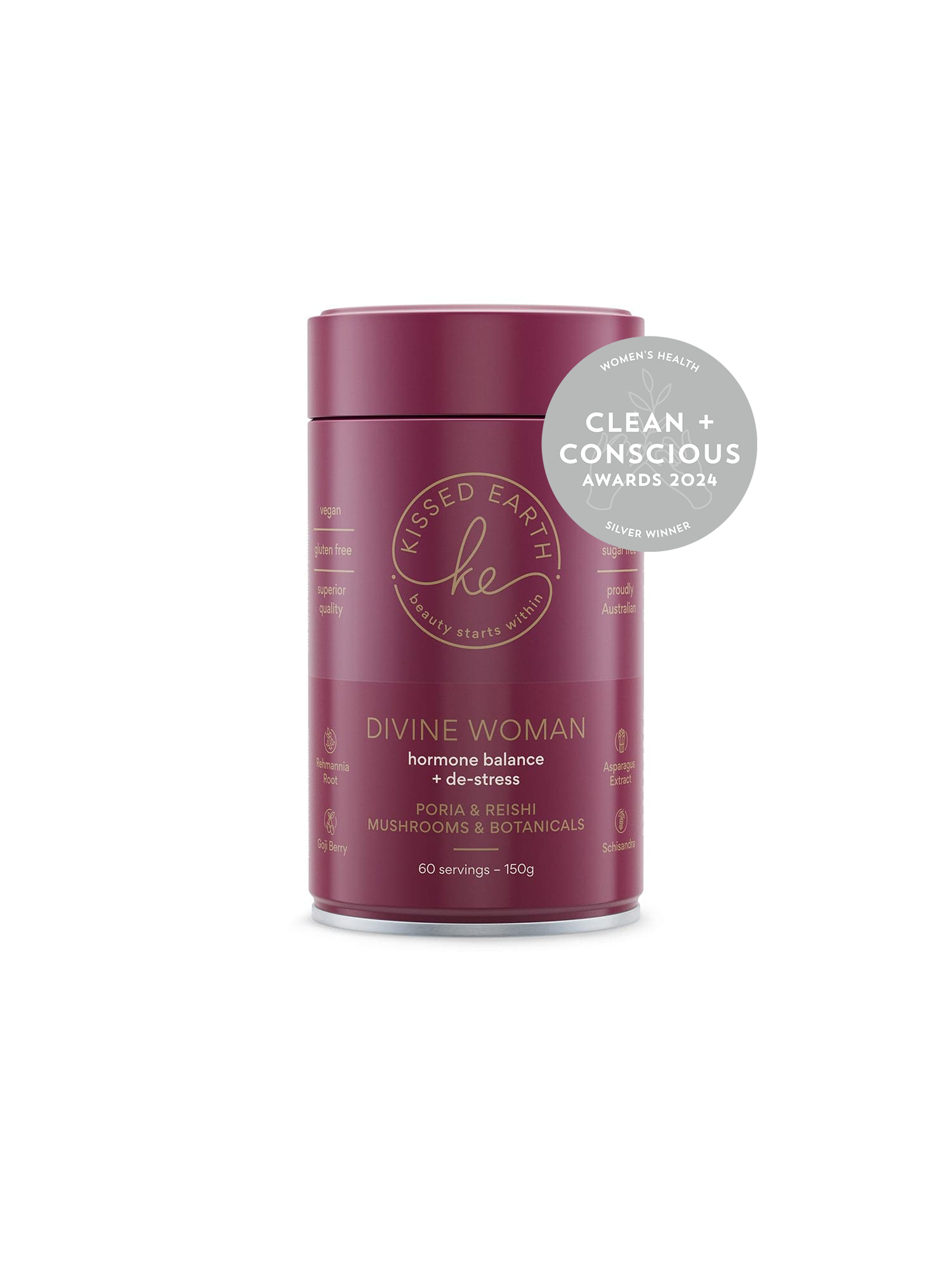
Credit: kissedearth.com.au
How Reishi Mushroom May Affect Hormonal Balance
1. Adaptogenic Properties
Reishi is considered an adaptogen, meaning it helps the body handle stress and maintain equilibrium. Adaptogens work by supporting the adrenal glands, which produce cortisol and other hormones. By helping regulate the stress response, Reishi may indirectly support overall hormone balance, especially in women dealing with chronic stress.
2. Impact On The Endocrine System
The endocrine system is a network of glands that release hormones into the blood. Reishi contains compounds that may influence the function of these glands, especially the hypothalamus, pituitary, and adrenal glands. Some animal studies suggest Reishi extracts can help regulate hormone production and reduce the negative effects of excess cortisol (the stress hormone).
3. Anti-inflammatory And Immune-modulating Effects
Chronic inflammation can disrupt hormone function. Reishi’s polysaccharides and triterpenoids have strong anti-inflammatory properties. By reducing inflammation, these compounds may help the body restore normal hormone signaling.
4. Possible Effects On Estrogen And Progesterone
Although research is limited, some studies suggest Reishi may influence estrogen and progesterone levels. For example, one study found that Reishi extracts could inhibit the activity of an enzyme called aromatase, which helps convert androgens (male hormones) into estrogen. This could be helpful for women with estrogen dominance or at risk for estrogen-sensitive conditions like fibroids.
5. Support For Menopausal Symptoms
Many women use Reishi to ease menopausal symptoms such as hot flashes, sleep disturbances, and mood swings. While the evidence is still emerging, some women report better sleep and improved mood after regular use. Reishi’s calming effects on the nervous system may play a role here.
6. Effects On Polycystic Ovary Syndrome (pcos)
PCOS is linked to hormonal imbalances, especially higher levels of androgens and insulin resistance. Some animal studies suggest Reishi can help reduce testosterone levels and improve insulin sensitivity, which may benefit women with PCOS. However, more human studies are needed to confirm these effects.
7. Possible Influence On Thyroid Function
There’s some evidence that Reishi may support thyroid health by reducing autoimmune activity in conditions like Hashimoto’s thyroiditis. The mushroom’s immune-modulating properties could help reduce thyroid inflammation, leading to better hormonal balance.
8. Blood Sugar And Insulin Regulation
High blood sugar can disrupt hormone balance, especially in women with PCOS or metabolic syndrome. Reishi has been shown to support healthy blood sugar levels, which may indirectly improve hormone health.
9. Liver Support
The liver breaks down and removes excess hormones. Reishi may help protect the liver from damage and support its detoxification functions. A healthy liver is key for balanced hormone levels.
Scientific Evidence: What Does Research Say?
While Reishi has a long history of use, modern science is still catching up. There are many promising studies, but most are small or done in animals. Here’s a summary of key findings:
| Study Type | Main Findings | Implication for Women |
|---|---|---|
| Animal Study | Reduced stress hormone (cortisol) levels in rats; improved adaptation to stress. | May help regulate stress response and hormone balance. |
| Cell Study | Inhibited aromatase enzyme activity, reducing estrogen production. | Potential benefit for estrogen dominance or hormone-sensitive conditions. |
| Human Study (Small, Menopausal Women) | Improved sleep quality and reduced anxiety after 12 weeks. | May help with menopause-related symptoms. |
| Animal Study (PCOS Model) | Lowered testosterone and improved ovarian health. | Possible support for women with PCOS. |
| Human Study (Liver Health) | Improved liver enzyme levels in people with mild liver issues. | Supports healthy hormone metabolism. |
It’s important to note that more research in humans is needed to fully understand Reishi’s effects on hormones. However, the existing evidence is promising, especially for women dealing with stress, sleep problems, or mild hormonal imbalances.
Practical Benefits Of Reishi For Women
Let’s look at some of the real-world ways Reishi can support women’s hormonal health.
Better Stress Management
Chronic stress is a major cause of hormonal imbalance. Reishi can help calm the nervous system, reduce anxiety, and support better sleep. Many women report feeling less overwhelmed and more balanced with regular use.
Improved Sleep Quality
Poor sleep can throw hormones out of balance, leading to mood swings and fatigue. Reishi’s calming effects may help women fall asleep faster and stay asleep longer, which supports overall hormone health.
Support During Menopause
Hot flashes, night sweats, irritability, and insomnia are common during menopause. Reishi may help ease these symptoms by supporting adrenal and nervous system function.
Immune Support
Hormones and the immune system are closely linked. Reishi strengthens the immune response, which can help women stay healthy and bounce back from illness faster.
Healthy Weight Management
By supporting blood sugar control and reducing inflammation, Reishi may help women maintain a healthy weight—important for balanced hormones.
Enhanced Fertility
Although more research is needed, some women use Reishi to support fertility by helping balance estrogen, progesterone, and testosterone levels.
How To Use Reishi Mushroom
Forms Of Reishi
Reishi is available in several forms, including:
- Powder: Can be mixed into smoothies, coffee, or tea
- Capsules/Tablets: Easy to take and dose accurately
- Liquid Extracts/Tinctures: Fast absorption, can be added to drinks
- Dried Slices: Used in traditional teas or soups
Each form has its pros and cons. Powders and extracts may offer more concentrated benefits, while capsules are convenient for busy women.
Dosage Guidelines
There is no one-size-fits-all dose for Reishi. Most studies use daily amounts between 1 to 3 grams of dried extract or up to 9 grams of raw mushroom. For extracts, follow the manufacturer’s instructions, as strength can vary.
For women just starting out, it’s best to begin with a lower dose (around 500 mg per day) and increase slowly. Pay attention to how your body responds.
When To Take Reishi
Reishi can be taken at any time, but many women prefer to use it in the evening because of its calming effects. However, some people find it gives them more energy, so experiment to see what works best for you.
Choosing A Quality Reishi Product
Not all Reishi supplements are created equal. Here are key factors to consider:
| Factor | What to Look For | Why It Matters |
|---|---|---|
| Source | Organic, grown on natural wood, no heavy metals | Reduces risk of contaminants |
| Extraction Method | Dual extraction (water + alcohol) | Captures full range of active compounds |
| Certification | 3rd party tested, GMP certified | Ensures potency and purity |
| Ingredient List | No fillers, additives, or artificial colors | Prevents unwanted side effects |
A common mistake is buying cheap supplements that contain little actual Reishi or are grown in polluted environments. Investing in a trusted brand pays off in both safety and results.

Credit: www.amazon.com
Potential Side Effects And Risks
Reishi is generally considered safe for most women when used in recommended amounts. However, there are some possible side effects and safety concerns to consider:
- Digestive upset: Some women experience nausea, dry mouth, or diarrhea, especially with high doses.
- Allergic reactions: Rare, but possible in sensitive individuals.
- Lowered blood pressure: Reishi can reduce blood pressure, which may be an issue for women already on medication for hypertension.
- Interactions with medications: Reishi may interact with blood thinners, diabetes medications, and immunosuppressants.
Pregnant or breastfeeding women should not use Reishi without talking to a healthcare provider, as there is not enough safety data. Women with autoimmune diseases should also be cautious.
If you have a chronic illness or take regular medication, always consult with your doctor before starting any new supplement, including Reishi.
Non-obvious Insights About Reishi For Hormonal Balance
Many beginners overlook these important points:
- Timing Matters: Taking Reishi at a consistent time each day—preferably in the evening—may help reinforce your body’s natural sleep-wake cycles, which supports hormone regulation. Irregular use can reduce effectiveness.
- Combination With Other Adaptogens: Reishi works well with other adaptogens like ashwagandha or rhodiola. However, mixing too many supplements at once can make it hard to track what’s working and may cause unexpected effects.
- Quality Over Quantity: Some people assume that more is always better. In fact, very high doses of Reishi can cause digestive discomfort and may not provide extra benefits. Start low, go slow, and monitor your results.
- Lifestyle Still Matters: No supplement can fix hormonal imbalance if stress, lack of sleep, or poor diet are not addressed. Reishi works best as part of a healthy lifestyle.
- Tracking Changes: Keeping a journal of symptoms (mood, sleep, menstrual cycle) can help you see if Reishi is making a difference. Many women overlook this simple step.
Comparing Reishi With Other Natural Hormone Balancers
Women often wonder how Reishi stacks up against other popular natural remedies. Here’s a side-by-side comparison:
| Remedy | Main Benefits | Key Differences |
|---|---|---|
| Reishi Mushroom | Stress reduction, immune support, sleep, possible estrogen balance | Broad adaptogen, supports multiple systems |
| Maca Root | Energy, libido, menstrual support | Mainly for energy and sexual health |
| Ashwagandha | Stress reduction, thyroid support, mood | Stronger calming effect, thyroid-specific |
| Chasteberry (Vitex) | PMS, menstrual regulation, fertility | Targets pituitary and menstrual cycles |
| Black Cohosh | Menopause symptoms | Best for hot flashes, less for stress |
Reishi is unique in its ability to support both the immune system and hormone balance at the same time. For women who need a gentle, all-around boost, it’s a strong contender.
Real-life Examples: How Women Use Reishi
Many women have shared their experiences with Reishi:
- Sarah, 45: “I started taking Reishi tea every night to help with menopause. After two weeks, my hot flashes were less intense, and I slept better.”
- Amina, 32: “I have PCOS and struggle with anxiety. Reishi capsules helped calm my nerves, and my cycles became more regular after a few months.”
- Maria, 28: “Stress from work made my periods unpredictable. Adding Reishi to my morning smoothie seemed to help me handle stress better.”
While these are individual stories, they show how women use Reishi as part of a bigger plan to balance hormones naturally.
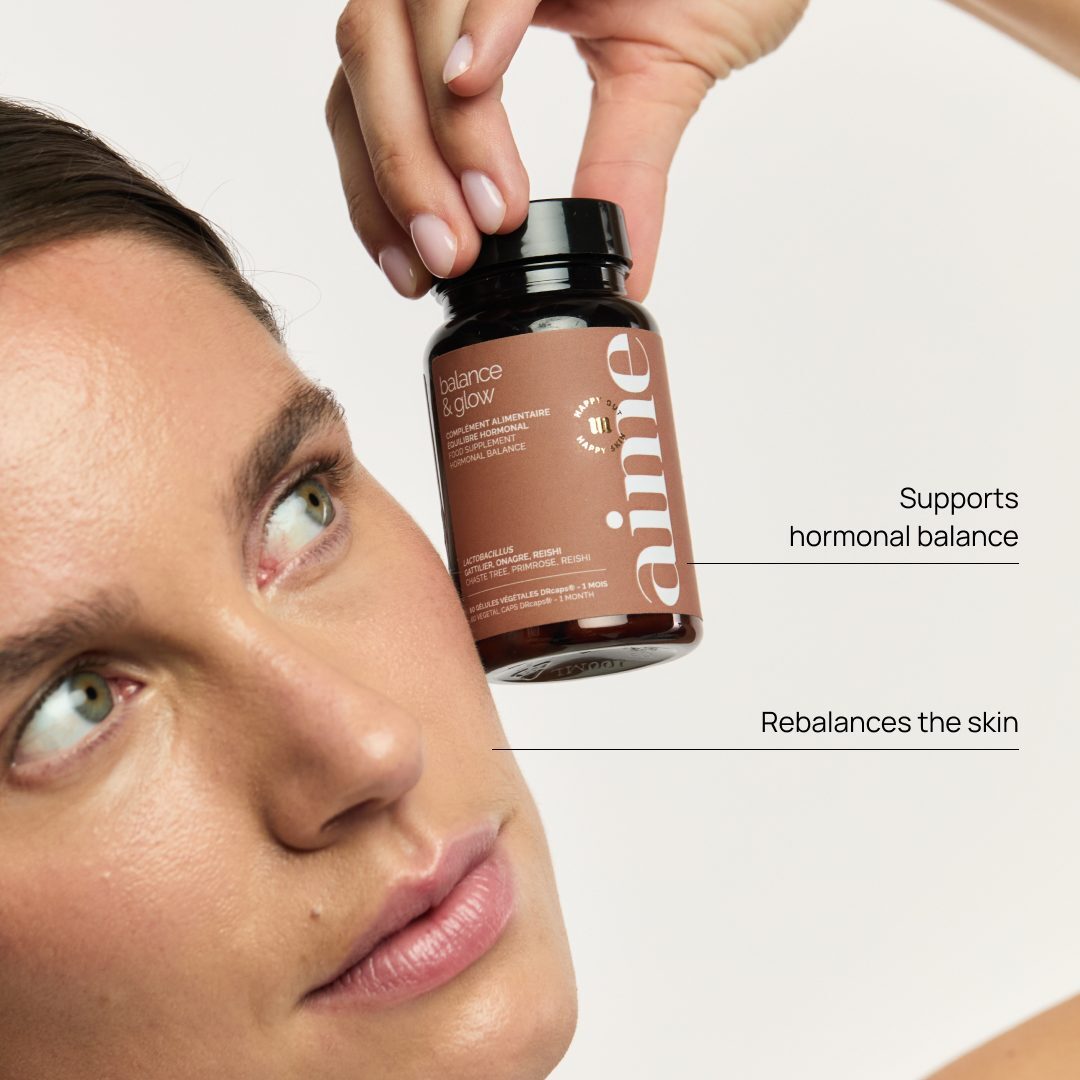
Credit: aime.co
Who Should Consider Reishi Mushroom?
Reishi may be helpful for women who:
- Experience frequent stress or trouble sleeping
- Have mild hormonal imbalances (irregular periods, PMS, mild menopausal symptoms)
- Are looking for natural immune support
- Want to support healthy aging
- Are interested in gentle, long-term wellness
However, it is not a substitute for medical treatment. Women with serious hormonal disorders, severe symptoms, or those on medication should always consult a healthcare professional first.
Myths And Misconceptions About Reishi Mushroom
With the rise in popularity, some myths have emerged:
- Myth: Reishi can “cure” all hormonal problems.
- Fact: Reishi is a supportive tool, not a miracle cure. It works best as part of a healthy lifestyle.
- Myth: The more you take, the better the results.
- Fact: Higher doses do not always mean better effects and may cause side effects.
- Myth: All Reishi supplements are the same.
- Fact: Quality varies greatly; always choose products with transparent sourcing and testing.
- Myth: Results are instant.
- Fact: Benefits can take several weeks to become noticeable, especially for hormonal balance.
Research Gaps And The Need For More Studies
Most current research on Reishi and hormones is either in animals or in small human trials. There is a need for:
- Larger, well-designed human studies focusing on women’s hormonal health
- Longer-term safety data, especially for pregnant or breastfeeding women
- Clearer guidance on effective doses and combinations with other supplements
For now, women interested in Reishi should use it as a complementary approach, not as the main treatment for serious hormonal issues.
How To Talk To Your Doctor About Reishi
If you’re considering adding Reishi to your health routine, bring it up with your healthcare provider. Here’s how to make the conversation productive:
- Be clear about your goals: Are you looking for stress relief, better sleep, or help with a specific hormonal issue?
- Share your full health history: Mention any medications or supplements you’re already taking.
- Ask about potential interactions: Especially if you have chronic health conditions or are pregnant.
- Stay open to feedback: Your doctor may have helpful insights or suggest lab tests to track your progress.
Some doctors may not be familiar with Reishi, so bringing printed research or reputable online sources can help. A good place to start is the National Institutes of Health.
The Bottom Line: Is Reishi Right For You?
Reishi mushroom is a powerful adaptogen with a long history of use for promoting health and vitality. For women, it offers potential benefits in supporting hormonal balance, especially for those dealing with stress, mild hormonal symptoms, or menopause. While the science is promising, it’s not a miracle cure and works best as part of a healthy lifestyle.
If you choose to try Reishi, start with a high-quality supplement, begin at a low dose, and pay attention to how your body responds. Track changes over several weeks, and don’t hesitate to speak with a healthcare professional if you have questions.
As women continue to search for safe, natural ways to support their health, Reishi mushroom remains an intriguing option—one that may help unlock better balance, resilience, and well-being.
Frequently Asked Questions
What Is The Best Way For Women To Take Reishi Mushroom For Hormonal Balance?
The best way depends on your preferences and lifestyle. Most women find capsules or liquid extracts easy to use and dose accurately. For those who enjoy tea, powdered Reishi or dried slices can be brewed. Always start with a low dose and increase gradually while observing how your body reacts.
Are There Any Side Effects Of Reishi Mushroom For Women?
Most women tolerate Reishi well, but possible side effects include digestive upset, dry mouth, or allergic reactions. Rarely, it may lower blood pressure or interact with certain medications. Pregnant or breastfeeding women, and those with autoimmune diseases, should consult a doctor before use.
Can Reishi Mushroom Help With Menopause Symptoms?
Some studies and personal reports suggest that Reishi can help ease menopause symptoms such as hot flashes, mood swings, and sleep problems. Its adaptogenic and calming effects are thought to be helpful. However, results vary, and more research is needed.
How Long Does It Take To See Results From Reishi Mushroom?
Many women notice subtle changes in stress levels, sleep, or mood within 2–4 weeks of regular use. For deeper hormonal balance, it may take several months. Keeping a symptom journal can help track progress.
Can Reishi Mushroom Be Used With Other Supplements Or Medications?
Reishi is often used alongside other adaptogens or natural remedies, but it may interact with blood thinners, diabetes medications, or immunosuppressants. Always check with a healthcare provider before mixing supplements, especially if you have chronic health conditions or take prescription drugs.