
Designing a personalized mushroom supplement protocol is a journey that can transform your health and well-being. Unlike generic supplement plans, a personalized approach focuses on your unique needs, goals, and lifestyle. With the rising popularity of functional mushrooms, more people are exploring their benefits for energy, focus, immunity, and stress. But with so many varieties and products, it’s easy to feel overwhelmed. How do you choose the right mushrooms for you? How do you create a protocol that is safe, effective, and sustainable?
Let’s walk through every step to help you build a plan that fits your life, body, and goals. Whether you’re new to mushroom supplements or looking to improve your current routine, you’ll find practical advice, clear explanations, and insights that go beyond basic tips. You’ll learn how to avoid common mistakes, understand the science, and make your routine enjoyable and effective.
Understanding Mushroom Supplements
Before creating your protocol, it’s important to know what mushroom supplements are and how they work. Functional mushrooms are not the same as culinary mushrooms like button or portobello. They are used for their health-promoting properties and have been studied for centuries in traditional medicine, especially in Asia.
Scientists have found that many functional mushrooms contain unique compounds that help the body handle stress, fight disease, and stay balanced. These compounds include polysaccharides, beta-glucans, triterpenoids, and ergothioneine—each with its own effect on the body. For example, beta-glucans can help the immune system respond better to infections, while triterpenoids may reduce inflammation and help with relaxation.
Key Types Of Functional Mushrooms
- Reishi: Known as the “mushroom of immortality,” reishi supports relaxation, immunity, and stress management. It has a bitter taste and is often used in extracts and teas for calming effects.
- Lion’s Mane: Famous for boosting cognitive function, memory, and focus. Lion’s mane contains compounds called hericenones and erinacines that may stimulate nerve growth and brain health.
- Cordyceps: Used for enhancing energy, stamina, and athletic performance. Cordyceps increases oxygen uptake, which helps with endurance and recovery, making it popular among athletes.
- Chaga: Packed with antioxidants, helps fight inflammation and oxidative stress. Chaga is often found in cold climates and grows on birch trees. It’s especially valued for skin health and immune support.
- Turkey Tail: Supports gut health and immune function. Turkey tail contains prebiotics, which feed the good bacteria in your gut and help with digestion.
- Maitake: Known for balancing blood sugar and supporting immunity. Maitake may also help the body respond to stress and support heart health.
- Shiitake: Used for heart health and immune support. Shiitake contains lentinan, which has been studied for its immune-boosting properties and potential anti-cancer effects.
Each mushroom contains unique compounds like beta-glucans, polysaccharides, and triterpenoids that deliver their effects. These compounds can work together to support different aspects of health. For example, someone who wants to manage stress and support their immune system could benefit from both reishi and shiitake.
Forms Of Supplements
Mushroom supplements come in several forms:
- Powders: Mix into drinks or food. Powders are versatile and often have no added ingredients.
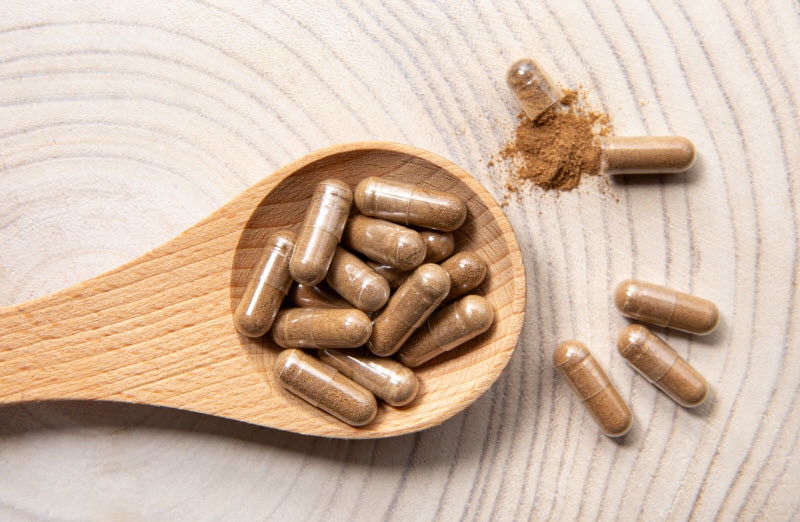
- Capsules/Tablets: Easy to swallow, convenient for travel. Great for people who don’t like the taste or want precise dosing.
- Tinctures/Extracts: Liquid form, highly concentrated. Fast-acting and easy to add to water or juice.
- Teas/Coffees: Flavored beverages with added mushroom extracts. These make it easy to add mushrooms to your daily routine.
- Gummies: Chewable, good for those who dislike pills. Usually flavored and can be an enjoyable way to take your supplements.
Not all forms are equal. Extraction methods, dosage, and quality can change the effect. For example, powders made from whole fruiting bodies are usually more effective than those made from mycelium grown on grain. Extracts are often stronger than powders but may cost more.
If you’re sensitive to taste, capsules or gummies might be best.
Extra tip: Some mushroom products are blends, combining several types. Make sure you know the dose of each mushroom in a blend, as some blends use very small amounts—too little to have a real effect.
Setting Clear Goals For Your Protocol
A personalized protocol starts with your goals. What do you want to improve? Energy, focus, immunity, stress, or something else? Setting clear goals will help you choose the right mushrooms and avoid wasting money on products you don’t need.
Personal goals help you stay motivated and make tracking progress easier. For example, someone wanting to reduce stress might focus on reishi and maitake, while an athlete may prefer cordyceps for energy and chaga for recovery.
Common Goals And Suitable Mushrooms
- Increase Energy: Cordyceps, Chaga. Cordyceps is especially good before workouts or during busy mornings.
- Reduce Stress: Reishi, Maitake. Reishi is best taken in the evening for winding down after work.
- Boost Immunity: Turkey Tail, Shiitake, Reishi. Turkey tail is useful during cold and flu season.
- Enhance Focus: Lion’s Mane. Great for students or anyone with a mentally demanding job.
- Improve Sleep: Reishi. Take an hour before bed for best results.
- Support Gut Health: Turkey Tail, Shiitake. These help balance gut bacteria and improve digestion.
Some people have multiple goals. It’s possible to combine mushrooms, but it’s best to start simple. If you have more than one priority, write them down and rank them. This makes it easier to decide which mushroom to try first.
How To Define Your Goals
Write down what you want to achieve. Be specific:
- “I want to reduce afternoon fatigue.”
- “I need better focus for studying.”
- “I get sick often and want to boost my immune system.”
- “I want to handle stress better during busy work seasons.”
- “I want to wake up feeling refreshed.”
Clear goals help measure progress and keep your protocol on track. You can set both short-term goals (such as “better focus this month”) and long-term goals (“stay healthy all winter”).
Extra insight: If you’re not sure what your main goal is, try tracking your daily energy, mood, and stress for one week. Notice what times of day you struggle most, then match your mushroom protocol to those needs.
Assessing Your Health Status
Personalization means considering your health conditions, medications, allergies, and lifestyle. Some mushrooms may interact with medications or affect certain health issues.
Ignoring your health status can lead to side effects or make your protocol less effective. For example, if you have a sensitive stomach, start with a lower dose or choose milder mushrooms like shiitake.
Key Factors To Assess
- Current Medications: Some mushrooms, like reishi, may interact with blood thinners or blood pressure medication. Cordyceps may affect blood sugar levels.
- Chronic Conditions: People with autoimmune diseases, diabetes, or allergies must be careful. Some mushrooms stimulate the immune system, which can be a problem with autoimmune diseases.
- Digestive Health: If you have a sensitive stomach, some extracts can cause discomfort. Start with a smaller dose and take with food.
- Pregnancy/Breastfeeding: Limited research exists; consult a doctor before use. Most mushrooms haven’t been studied enough for safety during pregnancy.
Other factors include your age, daily stress levels, and how much caffeine or other supplements you take. Your protocol should fit your daily life, not make it more complicated.
Consulting A Healthcare Professional
It’s wise to talk to a doctor or a registered herbalist, especially if you have health concerns or take medication. Bring a list of mushrooms you’re considering and your health background.
A healthcare provider can help you avoid interactions, check for allergies, and suggest safe starting doses. If you have a serious health issue, don’t start a new supplement without their advice.
Non-obvious Insight
Some mushrooms, like cordyceps, may cause overstimulation in sensitive people. Start with small doses and observe your response. If you feel jittery, anxious, or can’t sleep, reduce the dose or switch to a different mushroom.
Extra detail: Your body’s response to mushrooms can change over time. If you start new medications, or your health status changes, review your protocol with your healthcare provider.
Choosing The Right Mushrooms
Now, match your goals with the right mushrooms, keeping your health status in mind. Don’t try everything at once.
Selecting the right mushrooms also means considering your taste preferences and how you want to take them. For example, if you hate bitter flavors, you might avoid reishi powder and choose capsules instead.
Comparing Mushroom Benefits
Here’s a practical comparison of popular functional mushrooms and their main uses:
| Mushroom | Main Benefit | Best For | Common Side Effect |
|---|---|---|---|
| Reishi | Stress reduction, sleep support | Anxiety, insomnia, immune support | Stomach upset (rare) |
| Lion’s Mane | Cognitive enhancement | Focus, memory, mental clarity | Allergic reactions (rare) |
| Cordyceps | Energy boost | Fatigue, athletic performance | Insomnia (if taken late) |
| Chaga | Antioxidant power | Inflammation, oxidative stress | May affect blood sugar |
| Turkey Tail | Immune support | Frequent illness, gut health | Digestive upset (rare) |
Practical example: If you want to boost focus and immunity, you might start with lion’s mane in the morning and turkey tail with lunch. If you want both energy and stress relief, try cordyceps in the morning and reishi at night.
Combining Mushrooms
You can mix mushrooms for “stacked” benefits. For example, a morning blend with lion’s mane and cordyceps for energy and focus, and an evening blend with reishi for sleep.
Insight: Combining too many mushrooms at once makes it hard to know what’s working. Start with one or two, add more slowly. If you notice a side effect, it’s easier to identify the cause.
Extra tip: Some people respond better to blends, while others get more benefit from single-mushroom products. Experiment to see which works best for you. Always track your results.
Understanding Dosages And Extracts
Mushroom supplements vary in strength. The dosage and extraction method affect how well they work.
Dosage Guidelines
Most supplements recommend:
- Powders: 1–2 grams per day
- Capsules/Tablets: Follow label (usually 1–2 per day)
- Tinctures: 1–2 droppers, depending on concentration
Start with the lowest dose, especially if you are sensitive. For example, try half a scoop of powder or one capsule for the first week.
Advanced tip: For some people, splitting the dose—half in the morning, half in the afternoon—reduces the risk of side effects and keeps levels steady.
Understanding Extracts
Extracts are more potent than whole mushroom powders. Look for ratios like 8:1 or 10:1, which means the extract is eight or ten times stronger than dried mushrooms.
Hot water extracts are best for beta-glucans (immunity). Alcohol extracts are better for triterpenoids (stress, sleep). Some products use a dual extraction (water and alcohol), which provides both types of compounds.
Extra detail: If a product doesn’t list its extraction ratio or method, be cautious. The potency could be low or inconsistent.
Reading Labels
Check for:
- Beta-glucan content (should be 20% or higher)
- No fillers or grains
- Organic certification if possible
Some products use mycelium (the root) instead of fruiting body. Fruiting body extracts are usually more potent. Mycelium-based products are cheaper but may contain more starch and less active compounds.
Non-obvious insight: Sometimes companies use confusing labels—look for “fruiting body extract” and avoid products that list “myceliated grain” as the main ingredient.
Creating Your Daily Protocol
Now it’s time to design your daily plan. The protocol should fit your routine and be easy to follow.
Think about when you have time to take your supplements, what flavors you enjoy, and how you’ll remember to take them daily. You can set reminders or pair mushroom supplements with existing habits (like coffee or tea).
Example Protocols
For Energy And Focus
- Morning: 1 gram lion’s mane powder, 1 gram cordyceps powder (in coffee or smoothie)
- Afternoon: Optional, repeat half dose for energy boost
For Stress And Sleep
- Evening: 1 gram reishi extract, 1 gram maitake (in tea or warm water)
- Before Bed: Reishi capsule or tincture
For Immune Support
- Morning: 1 gram turkey tail, 1 gram shiitake powder
- With Meals: Helps absorption
Extra detail: If you travel or have a variable schedule, keep capsules in a pill box so you don’t miss a dose.
Timing Matters
Take stimulating mushrooms (cordyceps, lion’s mane) in the morning. Take relaxing mushrooms (reishi) at night.
Tip: Consistency is more important than high doses. Daily use builds benefits over time. Missing one day occasionally is okay, but aim for regular use.
Extra insight: If you’re sensitive to caffeine, avoid taking cordyceps with coffee. Try it in a morning smoothie instead.
Tracking Your Progress
Measuring your results is key to a personalized approach. Don’t rely on memory—write things down.
What To Track
- Energy Levels: Rate from 1–10 each day
- Sleep Quality: Hours slept, how refreshed you feel
- Focus/Memory: Note any changes at work or study
- Illness Frequency: Count how often you get sick
- Mood and Stress: Rate stress from 1–10
Keep a simple notebook or use a tracking app. Digital health journals or habit trackers can make this easier.
Practical example: Write, “Felt more alert during 2 pm meeting,” or “Slept through the night after reishi.” After a few weeks, look for patterns.
Adjusting Your Protocol
If you see improvement, continue. If not, try changing the dose, timing, or adding/removing a mushroom. Wait at least 2 weeks before making changes, as effects can be slow.
Non-obvious insight: Some benefits, like immune support, may take months to notice. Don’t be discouraged if you don’t see results right away. Wellness is a long-term project.
Extra tip: If you experience side effects, reduce the dose or switch to a different form (e.g., capsule instead of powder).
Choosing High-quality Products
Not all mushroom supplements are equal. Quality can vary by brand, source, and extraction method.
What To Look For
- Third-party testing: Look for brands that test for heavy metals, pesticides, and purity.
- Fruiting body extracts: More effective than mycelium-based products.
- Beta-glucan content: Should be listed on the label.
- No fillers: Some brands add rice or oats as fillers—avoid these.
- Reputation: Buy from trusted companies with good reviews.
Extra detail: Check the company’s website for lab results (often called COAs—Certificates of Analysis). If they’re not available, contact customer service.
Comparing Brands
Here’s a simple comparison of key quality factors:
| Brand | Extraction Method | Fruiting Body/Mycelium | Third-Party Tested | Beta-Glucan Content |
|---|---|---|---|---|
| Brand A | Hot Water | Fruiting Body | Yes | 25% |
| Brand B | Alcohol & Water | Mycelium | No | 10% |
| Brand C | Hot Water | Fruiting Body | Yes | 30% |
Tip: Don’t be fooled by low prices—quality mushroom extracts are expensive to produce.
Extra insight: Some “premium” brands are just marketing. Always check the label and third-party testing.
Where To Buy
- Health food stores: Can see labels, ask questions
- Online retailers: More variety, check for third-party testing
- Direct from manufacturer: Sometimes fresher, better support
If buying online, look for clear return policies and customer support.
Credit: www.vitacost.com
Safety And Side Effects
Mushroom supplements are usually safe, but side effects can happen, especially with high doses or if you have health conditions.
Possible Side Effects
- Digestive upset: Gas, bloating, diarrhea
- Allergic reactions: Rash, itching (rare)
- Interactions: Blood sugar changes, interactions with medications
Some people experience mild side effects that go away after a few days. If symptoms persist, stop use and see a doctor.
Who Should Be Cautious
- Pregnant/breastfeeding women
- People with immune disorders
- People on blood thinners or diabetes medication
If you feel unwell, stop the supplement and consult a doctor.
Non-obvious insight: Some side effects come from poor-quality products with fillers, not the mushroom itself. Always choose trusted brands.
Extra tip: If you have food allergies, check the ingredient list carefully—some gummies or powders may contain nuts, soy, or dairy.
Adjusting For Lifestyle And Preferences
Your protocol should fit your schedule, taste, and habits.
Taste And Convenience
- Capsules/Tablets: No taste, easy for busy people
- Powders: Can be added to coffee, smoothies, or food
- Tinctures: Fast absorption, easy to mix
- Gummies: Tasty, but may have added sugar
Choose a form you’ll actually use every day. If you don’t like the taste, you may skip doses.
Extra tip: Make a ritual—like a morning mushroom latte or evening reishi tea—to make your protocol enjoyable.
Travel And Routine
Choose portable forms (capsules, gummies) if you travel often. Powders may be better for home use.
Tip: If you don’t like the taste, mix mushroom powder with strong flavors (cocoa, coffee, chai). You can also bake them into snacks.
Extra insight: Some people use “pill cases” or set phone reminders to help remember daily doses.
Combining With Other Supplements And Diet
Functional mushrooms work best with a healthy lifestyle.
Synergy With Other Supplements
- Vitamin C: Improves absorption of some mushroom compounds
- Adaptogens: Like ashwagandha or rhodiola, can be used with mushrooms for stress
- Probiotics: With turkey tail for gut health
Caution: Too many supplements can stress the liver. Introduce new supplements one at a time.
Extra detail: If you’re on prescription medication, always check with your doctor before mixing supplements.
Diet Matters
A diet rich in fruits, vegetables, and whole foods supports the effects of mushroom supplements. Avoid high-sugar, highly processed foods that can weaken the immune system.
Non-obvious insight: If your diet is low in fiber, turkey tail and shiitake can help improve digestion and gut health.
Sustainability And Sourcing
The source of your mushrooms matters for both health and the planet.
Sourcing
- Organic cultivation: Fewer pesticides, better for the environment
- Wild-harvested: Often more potent, but must be tested for contaminants
- Sustainable harvesting: Protects mushroom populations
Non-obvious insight: Some mushrooms, like chaga, are at risk of overharvesting. Support brands that practice sustainable sourcing. Ask brands about their harvesting methods.
Environmental Impact
Look for companies that:
- Use recyclable packaging
- Give back to conservation efforts
- Are transparent about where and how they grow mushrooms
Extra tip: Some companies support forest preservation or reforestation projects. Supporting these brands helps protect wild mushrooms for the future.

Credit: robinberzinmd.com
Common Mistakes And How To Avoid Them
Personalizing your protocol means learning from others’ mistakes.
1. Starting Too Many Mushrooms At Once
It’s tempting to try everything. But if you react badly, you won’t know which mushroom is to blame.
Solution: Start with one, add others slowly.
2. Ignoring Quality
Cheap products may have little real mushroom or be contaminated.
Solution: Choose third-party tested, fruiting body extracts.
3. Taking The Wrong Dose
More isn’t always better. High doses can cause side effects.
Solution: Start low, increase slowly.
4. Expecting Quick Results
Some benefits take weeks or months.
Solution: Be patient, track your progress.
5. Not Checking For Interactions
Some mushrooms interact with medications.
Solution: Talk to your healthcare provider.
Extra insight: The most successful protocols are simple and consistent. Overcomplicating things often leads to giving up.
Personalizing Further: Advanced Adjustments
If you want to go deeper, consider these advanced personalization techniques.
Rotating Mushrooms
Some people rotate mushrooms every month to prevent tolerance and get a broader range of benefits.
- Month 1: Lion’s Mane + Cordyceps
- Month 2: Reishi + Chaga
- Month 3: Turkey Tail + Shiitake
Rotating can also reduce the risk of side effects from long-term use of one type.
Microdosing
Taking small, regular doses (microdosing) can sometimes be more effective and reduce side effects.
- Example: 0.5 gram lion’s mane daily for sensitive individuals
Microdosing is ideal for beginners or those with sensitive systems.
Seasonal Adjustments
Adjust your protocol with the seasons:
- Winter: Focus on immune boosters (reishi, turkey tail)
- Summer: Energy and performance (cordyceps, chaga)
This helps your body adapt to changing needs throughout the year.
Working With A Specialist
For complex needs, work with a herbalist or integrative doctor to fine-tune your protocol using lab tests and health markers.
A specialist can run bloodwork to check immune markers, inflammation, or stress hormones and make specific recommendations.

Credit: www.amazon.com
Case Studies: Real-life Protocols
Learning from real examples can help you design your own plan.
Case Study 1: The Busy Professional
- Goal: Focus and stress reduction
- Protocol: Morning lion’s mane + cordyceps powder in coffee, evening reishi capsule
- Result: Improved focus, fewer afternoon crashes, better sleep after 3 weeks
Case Study 2: The Athlete
- Goal: Energy and recovery
- Protocol: Morning cordyceps powder, post-workout chaga capsule, evening reishi tea
- Result: Faster recovery, less fatigue, better immune resilience
Case Study 3: The Immunity Seeker
- Goal: Fewer colds
- Protocol: Daily turkey tail + shiitake powder with breakfast
- Result: Fewer sick days over winter
These cases show the value of tracking and adjusting your protocol.
Extra detail: Everyone’s body is different. Case studies are a guide, but always personalize to your own needs.
Resources For Further Learning
If you want to read more about functional mushrooms, scientific research, and safety, visit resources like Wikipedia’s Medicinal Mushrooms page.
For deeper research, look for books by herbalists or academic articles on PubMed.
Frequently Asked Questions
What’s The Best Time To Take Mushroom Supplements?
The best time depends on the type. Take energizing mushrooms like cordyceps and lion’s mane in the morning or early afternoon to boost focus and energy. Take relaxing mushrooms like reishi in the evening to promote sleep and relaxation. Consistency is more important than exact timing.
Can I Take Multiple Mushroom Supplements Together?
Yes, you can combine mushrooms, but start with one or two. Add others slowly to observe your body’s response. Some blends are designed for specific goals, but personalizing your protocol gives you better control and safety.
How Long Does It Take To See Results From Mushroom Supplements?
Results vary. For energy or focus, you might notice changes within days. For immunity or stress, it often takes several weeks. Track your symptoms and adjust your protocol as needed. Be patient—some benefits are subtle and build over time.
Are Mushroom Supplements Safe For Everyone?
Most people tolerate them well, but some may experience side effects like digestive upset or allergic reactions. People with health conditions, those on medication, or pregnant/breastfeeding women should consult a healthcare provider before starting.
How Can I Be Sure My Mushroom Supplement Is High Quality?
Choose products with third-party testing, fruiting body extracts, clear beta-glucan content, and no fillers. Buy from trusted brands with good reviews. Organic and sustainably sourced mushrooms are usually better for health and the environment.
Designing a personalized mushroom supplement protocol is an ongoing process. Start simple, track your progress, and adjust as you learn what works for you. With the right approach, functional mushrooms can become a valuable part of your wellness routine. Remember, personalization is the key to getting the most benefit—listen to your body and enjoy the journey.