
Cancer treatment changes lives in many ways. One of the most powerful treatments, radiation therapy, can save lives, but it often comes with side effects that last long after the final session. The digestive system, especially the gut, is one area that suffers. People who have received radiation therapy commonly report problems like diarrhea, bloating, pain, and a general feeling of discomfort in their gut. Restoring gut health becomes a crucial part of recovery.
Turkey tail mushroom (Trametes versicolor) has gained attention as a natural remedy with the potential to support gut health, particularly for people recovering from radiation therapy. Known for its colorful fan-shaped appearance, turkey tail isn’t just a pretty fungus—it contains compounds that may help restore balance to the gut, support the immune system, and help patients feel better faster.
This article explores the science and practical steps behind using turkey tail for gut health after radiation therapy. You’ll learn how turkey tail works, what research says, how to use it safely, and how it fits into a bigger plan for recovery.
Whether you’re a patient, caregiver, or simply curious, you’ll find clear, detailed information to help you make informed decisions.
Understanding Gut Health After Radiation Therapy
Radiation therapy targets cancer cells with high-energy rays. While it is effective at shrinking tumors and killing cancer cells, it can also damage healthy cells in the process. The gut is especially sensitive to radiation because its lining is made up of rapidly dividing cells—just like many cancers.
Common Gut Problems After Radiation
Many patients experience radiation enteritis, which is inflammation of the intestines caused by radiation. Symptoms often include:
- Frequent diarrhea
- Cramping and abdominal pain
- Nausea and vomiting
- Loss of appetite
- Bloating and gas
- Blood in the stool (in severe cases)
These symptoms can last for weeks or months. In some cases, gut problems become chronic and affect quality of life long after cancer treatment ends.
Why The Gut Is So Affected
The gut is not just a tube for food—it’s a complex system lined with trillions of bacteria, known as the gut microbiome. A healthy microbiome helps digest food, produces vitamins, and supports the immune system. Radiation can disrupt this balance by:
- Killing beneficial gut bacteria
- Damaging the intestinal lining (mucosa)
- Causing inflammation and scarring
- Weakening the gut’s natural barrier
When the microbiome is out of balance, harmful bacteria can take over, leading to more inflammation and poor digestion.
The Importance Of Restoring Gut Health
A damaged gut makes it hard to absorb nutrients, which slows healing and recovery. Poor gut health can also weaken the immune system, making infections more likely. Patients often feel tired, weak, and emotionally drained.
Restoring gut health is not just about comfort—it’s about full recovery. A balanced gut can help:
- Reduce ongoing digestive symptoms
- Improve energy and mood
- Support the immune system’s return to normal
- Lower risk of long-term complications
What Is Turkey Tail?
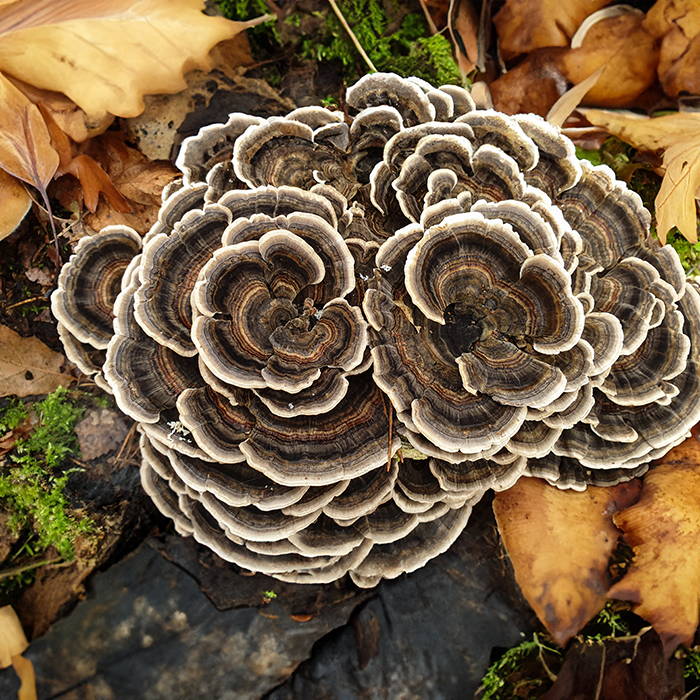
Turkey tail is a medicinal mushroom found on dead logs around the world. Its name comes from its colorful, fan-shaped appearance, which looks like the tail of a wild turkey. In traditional Asian medicine, turkey tail has been used for centuries to boost health and support the immune system.
Key Compounds In Turkey Tail
The power of turkey tail comes from its unique bioactive compounds:
- Polysaccharopeptides (PSP and PSK): Large sugar-protein molecules that support the immune system.
- Beta-glucans: Special fibers that stimulate immune cells and feed beneficial gut bacteria.
- Antioxidants: Compounds that protect cells from damage.
These molecules work together to support the body in several ways.
Turkey Tail In Modern Medicine
Turkey tail is not just a folk remedy. Scientists have studied its effects on the immune system, gut health, and even as a support for cancer patients. In some countries, extracts like PSK are used alongside chemotherapy to improve outcomes.
However, it’s important to note that turkey tail is not a replacement for medical treatment. It should be used as a complementary therapy—something that supports recovery, not a cure by itself.
Credit: northspore.com
How Radiation Therapy Damages The Gut
To understand how turkey tail can help, it’s important to see what radiation does to the gut.
Direct Damage To Intestinal Cells
Radiation passes through the body, targeting cancer but also hitting healthy cells. The cells lining the gut are especially vulnerable because they divide and renew quickly. Radiation can:
- Kill these cells, leading to open wounds in the gut lining
- Slow down the repair process, making healing take longer
Microbiome Disruption
The gut is home to a complex community of bacteria. A balanced microbiome helps digest food, prevent infections, and support immune health. Radiation can disturb this balance by:
- Killing large numbers of good bacteria
- Allowing harmful bacteria to multiply
- Reducing the diversity of the microbiome
This disruption leads to more inflammation and poor digestion.
Increased Inflammation
Radiation triggers the release of inflammatory chemicals. This can cause the gut lining to swell and become painful. Over time, chronic inflammation can lead to scarring (fibrosis), which makes the gut less flexible and functional.
Weakened Immune Response
A large part of the immune system is located in the gut. Radiation weakens this defense, making infections more likely and slowing recovery.
Long-term Complications
Some patients develop chronic radiation enteritis, which can last for years. Symptoms include:
- Ongoing pain and cramps
- Chronic diarrhea or constipation
- Malnutrition
- Intestinal blockages
These complications can be difficult to treat and often require a combination of medical and dietary approaches.
Turkey Tail’s Effects On Gut Health
Turkey tail is gaining attention for its unique ability to support gut recovery after radiation therapy. But how does it work?
Supports The Microbiome
Turkey tail is rich in prebiotic fibers like beta-glucans. These fibers are not digested by humans but serve as food for beneficial gut bacteria. Research shows that beta-glucans can help:
- Increase the number and diversity of good bacteria, such as Lactobacillus and Bifidobacterium
- Lower levels of harmful bacteria that cause inflammation
- Restore balance after disruptions caused by antibiotics or radiation
One study found that turkey tail extract increased beneficial bacteria in cancer patients, helping to restore a healthy microbiome after treatment.
Reduces Inflammation
Turkey tail contains antioxidants and anti-inflammatory compounds that can calm the gut. By reducing inflammation, it may:
- Decrease pain and swelling in the gut lining
- Help heal damaged tissue
- Lower the risk of long-term scarring
Animal studies have shown that turkey tail extract can reduce markers of inflammation in the intestines.
Strengthens The Immune System
The polysaccharopeptides in turkey tail are well-known for stimulating immune cells. This is important because:
- A healthy immune system helps fight infections that can attack a weakened gut
- Immune support is critical for cancer survivors, who may have a suppressed immune system after treatment
In Japan, PSK (from turkey tail) is used as a standard immune support for some cancer patients.
Promotes Gut Healing
Turkey tail’s combined effects—restoring the microbiome, reducing inflammation, and supporting immunity—create an environment where the gut can heal. Some studies suggest that turkey tail may help:
- Speed up the repair of damaged intestinal lining
- Improve nutrient absorption
- Reduce symptoms like diarrhea and cramping
While more human studies are needed, early research is promising.
Scientific Research On Turkey Tail For Gut Health After Radiation
Understanding the science behind turkey tail helps patients and caregivers make informed choices.
Key Studies And Findings
1. Microbiome Restoration In Cancer Patients:
A 2014 study from the University of Minnesota found that breast cancer patients who took turkey tail extract after radiation therapy had increased levels of beneficial gut bacteria compared to those who did not. This suggests turkey tail can help restore the microbiome after treatment.
2. Anti-inflammatory Effects:
Animal research has shown that beta-glucans from turkey tail reduce gut inflammation caused by radiation and chemotherapy. Mice given turkey tail extract had less intestinal damage and recovered faster.
3. Immune System Benefits:
Clinical trials in Japan have used PSK (a turkey tail compound) alongside conventional cancer treatments. Results show improved immune function and better survival rates, although the exact effects on the gut need more research.
4. Prebiotic Effects:
In vitro studies (using test tubes) show that turkey tail extracts feed beneficial bacteria, helping them grow even when the gut is stressed by antibiotics or radiation.
What’s Still Unknown
While early studies are promising, there are gaps:
- Most research is on animals or test tubes, not humans
- The best dose and form of turkey tail are not fully established
- Long-term effects are not well known
Still, the evidence suggests that turkey tail is safe for most people and may offer real benefits for gut health after radiation.
Real-world Experience
Many cancer survivors report less digestive discomfort and better energy when using turkey tail as part of their recovery. However, individual results vary, and it’s important to talk to a doctor before starting any new supplement.
How To Use Turkey Tail For Gut Health After Radiation Therapy
If you’re considering turkey tail as part of your recovery, here’s what you need to know.
Forms Of Turkey Tail
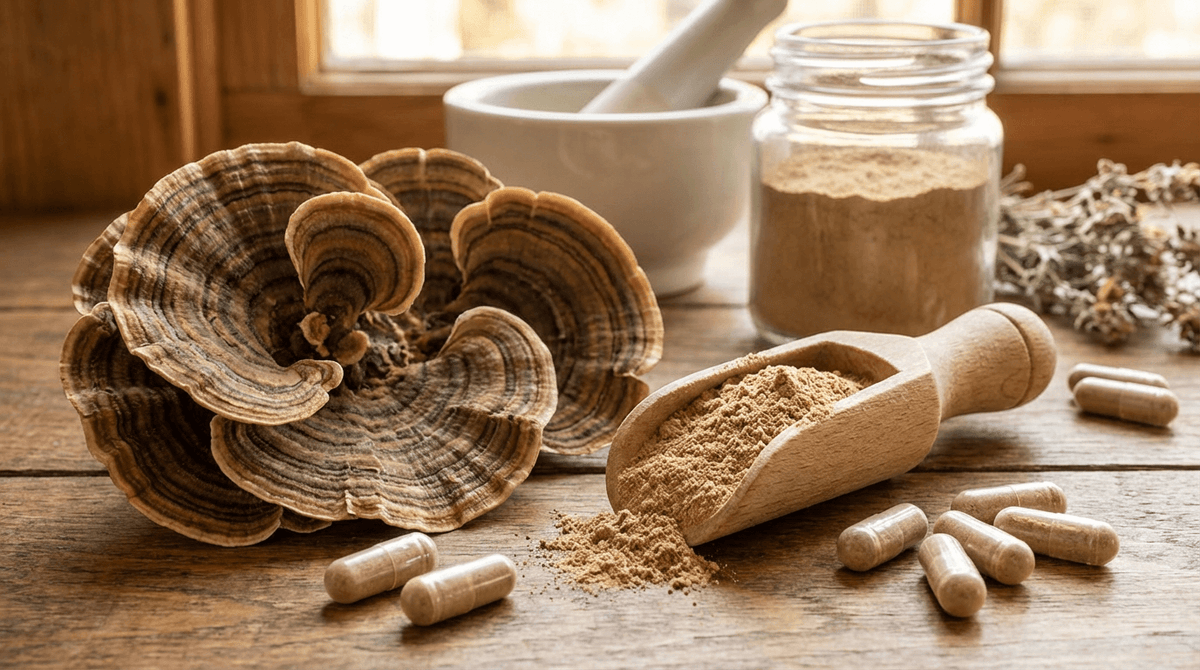
Turkey tail is available in several forms:
1. Capsules/tablets:
Easy to take, these contain dried and powdered turkey tail or extracts.
2. Powder:
Can be mixed into smoothies, coffee, or food.
3. Liquid Extracts/tinctures:
Concentrated form, often mixed with water or juice.
4. Tea:
Made by simmering dried mushroom pieces in water.
Each form has its benefits. Capsules are convenient, while tea is more traditional. Powders and extracts may offer higher concentrations of active compounds.
Recommended Dosage
There is no official recommended dose for turkey tail, but research studies commonly use:
- 1,000 to 3,000 mg (1 to 3 grams) per day of extract or powder
- For capsules, follow the manufacturer’s instructions
It’s best to start with a lower dose and increase slowly to see how your body reacts.
When To Take Turkey Tail
Turkey tail can be taken with or without food. Some people find it easier to digest when taken with meals. If you are using it to support gut health after radiation, consistency is more important than timing—take it every day.
Combining Turkey Tail With Other Gut Support Strategies
Turkey tail works best as part of a bigger plan for gut recovery. Other strategies include:
- Probiotics: Supplements with live beneficial bacteria can further restore the microbiome.
- Prebiotic foods: Foods like oats, bananas, and garlic feed good bacteria.
- Hydration: Drink plenty of water to help your gut heal.
- Low-fiber diet (at first): Right after radiation, a low-fiber diet can ease symptoms, then gradually add more fiber as you heal.
Safety And Side Effects
Turkey tail is considered safe for most people. Side effects are rare but can include:
- Mild digestive upset (gas, bloating)
- Darkening of stool (harmless)
- Allergic reactions (very rare)
If you have an allergy to mushrooms, avoid turkey tail. Always talk to your doctor before starting any supplement, especially if you have a weakened immune system.
Who Should Not Use Turkey Tail
- People with mushroom allergies
- Patients taking immunosuppressant drugs (talk to your doctor)
- Pregnant or breastfeeding women (safety is not established)
- Children (unless advised by a doctor)
What To Look For When Buying Turkey Tail
Quality matters. Not all supplements are created equal. Here’s what to check:
- Standardized extracts: Look for products that specify the amount of beta-glucans or polysaccharopeptides.
- Third-party testing: Choose brands that test for purity and heavy metals.
- No fillers or additives: Check the ingredient list for unnecessary chemicals.
Cheap products may not contain enough active compounds to be helpful.
Turkey Tail Compared To Other Gut Health Supplements
There are many supplements that claim to support gut health. How does turkey tail stack up?
| Supplement | Main Benefit | Evidence for Use After Radiation | Common Side Effects |
|---|---|---|---|
| Turkey Tail | Immune support, microbiome restoration, anti-inflammatory | Promising animal and early human studies | Rare digestive upset |
| Probiotics | Restore beneficial bacteria | Well-studied, especially for diarrhea | Bloating, gas |
| Glutamine | Gut lining repair | Some evidence for reducing mucositis | Rare headaches, nausea |
| Prebiotic Fiber | Feeds good bacteria | May help, but can cause gas if gut is inflamed | Bloating, discomfort |
Turkey tail offers a unique combination of immune and microbiome support that is different from standard probiotics or fibers. It can be used alongside other gut health supplements for added benefits.
Integrating Turkey Tail Into Daily Life
For many people, the challenge is not just finding the right supplement, but making it part of everyday life. Here are some practical tips:
How To Add Turkey Tail To Your Routine
- Start Small: Begin with a low dose to see how your body responds.
- Be Consistent: Take turkey tail daily for best results.
- Mix with Food: Add powder to smoothies, oatmeal, or yogurt.
- Try Tea: Simmer dried turkey tail pieces for 30–60 minutes, strain, and drink.
- Set Reminders: Use a pillbox or phone alarm to remember your dose.
Combining With Other Foods
Turkey tail works well with a gut-friendly diet. Foods that support healing include:
- Plain yogurt or kefir (for probiotics)
- Cooked vegetables
- Bone broth
- Oats and bananas (for extra prebiotics)
Avoid spicy, fatty, or highly processed foods right after radiation, as they can irritate the gut.
Monitoring Your Progress
Keep a simple diary of:
- Digestive symptoms (pain, diarrhea, bloating)
- Energy levels
- Changes in appetite or weight
This helps you and your doctor see what’s working and adjust as needed.
Practical Example: A Day In The Life
Morning:
Take turkey tail capsule with breakfast. Eat oatmeal with banana slices.
Midday:
Drink plenty of water. Have a small bowl of plain yogurt.
Evening:
Mix turkey tail powder into a smoothie with cooked carrots and apple.
Over weeks, track changes in gut comfort and energy. Many people notice improvements within a month, but results vary.
Common Mistakes To Avoid
Success with turkey tail isn’t just about what you take—it’s also about what you avoid. Here are common errors:
1. Expecting Instant Results:
Gut healing after radiation takes time. Turkey tail is not a quick fix.
2. Ignoring Diet:
Supplements work best with a gentle, balanced diet.
3. Using Poor-quality Products:
Some cheap supplements contain little active ingredient. Always choose reputable brands.
4. Skipping Doses:
Consistency is key for turkey tail to help your gut recover.
5. Not Talking To Your Doctor:
Always check with your care team before adding new supplements.
Turkey Tail In Traditional And Modern Recovery Plans
Turkey tail has been used for centuries in Chinese and Japanese medicine to restore balance after illness. Modern medicine is now catching up, with studies showing real benefits for patients recovering from cancer treatments.
Traditional Use
In traditional Asian medicine, turkey tail is often brewed as a tea or soup to:
- Restore strength after illness
- Support digestion
- Boost immunity
It is sometimes combined with other mushrooms for a synergistic effect.
Modern Recovery Plans
Today, integrative cancer centers may recommend turkey tail alongside:
- Medical treatment (radiation, chemotherapy)
- Nutritional support
- Stress management (such as yoga or meditation)
Patients are encouraged to use turkey tail as one part of a larger plan for recovery and long-term health.
Turkey Tail And The Immune System After Radiation
Radiation can weaken the immune system, making infections more likely. The gut is a major part of the immune defense, and turkey tail’s compounds help strengthen it in several ways.
Beta-glucans And Immune Activation
Turkey tail’s beta-glucans stimulate immune cells called macrophages and natural killer cells. These cells:
- Attack harmful bacteria in the gut
- Help repair damaged tissue
- Prevent infections during recovery
Studies have shown that beta-glucans can restore immune function after it is suppressed by radiation.
Psk And Cancer Recovery
In Japan, PSK (a turkey tail extract) is approved as a medicine to support immune recovery in cancer patients. Clinical trials show that it:
- Improves survival rates in some cancers
- Reduces infections during chemotherapy and radiation
While PSK is not available as a prescription in most countries, dietary supplements may offer similar benefits.
Long-term Benefits And Considerations
Turkey tail is not just for the first weeks after radiation. Long-term use may offer ongoing benefits:
- Maintains gut health: Prevents future problems with digestion and inflammation.
- Supports immune balance: Reduces the risk of infections and autoimmunity.
- Improves quality of life: Better digestion means more energy and comfort.
However, long-term use should always be discussed with your doctor.
Credit: antioxi-supplements.com
Data Snapshot: Radiation Therapy, Gut Health, And Turkey Tail
Here’s a snapshot of what the research shows:
| Factor | Effect of Radiation | Effect of Turkey Tail |
|---|---|---|
| Gut Microbiome | Disrupted, less diversity | Restores balance, increases good bacteria |
| Gut Lining | Damaged, inflamed | Promotes healing, reduces inflammation |
| Immune Function | Suppressed, higher infection risk | Stimulates immune cells, lowers infection risk |
| Digestive Symptoms | Pain, diarrhea, cramps | May reduce symptoms, improves comfort |
Turkey Tail: Two Non-obvious Insights
Most beginners know turkey tail supports gut health, but here are two insights you might miss:
1. Turkey Tail’s Prebiotic Effects Are Different From Fiber Alone:
Many think all prebiotics are the same. But turkey tail’s beta-glucans are unique. They not only feed good bacteria, but also increase the diversity of the microbiome, which is critical for full recovery after radiation.
2. Timing Matters For Maximum Benefit:
Most people focus on what dose to take. But studies suggest that starting turkey tail soon after finishing radiation—rather than waiting weeks or months—may lead to faster microbiome recovery. The gut is most open to rebuilding when inflammation starts to subside, so acting early can make a difference.
:max_bytes(150000):strip_icc()/VWH-Nutrition-Turkey-Tail-f13883db219d42f289388b12569c150c.jpg)
Credit: www.verywellhealth.com
Expert Tips For Using Turkey Tail After Radiation Therapy
- Consult your care team: Always involve your doctor, especially if you have immune problems.
- Choose hot water extracts: These are more likely to contain active beta-glucans and polysaccharopeptides.
- Avoid high sugar blends: Some mushroom powders are mixed with sweeteners, which can upset the gut.
- Give it time: Gut healing can take months. Track progress and adjust as needed.
- Watch for interactions: If you’re on other supplements or medications, check for any possible interactions.
The Bigger Picture: Gut Health After Cancer
Turkey tail is not a magic bullet. Full recovery after radiation therapy requires a multi-faceted approach. This includes:
- Medical follow-up and regular checkups
- Nutritional support (possibly with a dietitian)
- Managing stress and sleep
- Physical activity, as tolerated
- Emotional and social support
Mushrooms like turkey tail are one tool in the toolbox—a helpful one, but not the only answer.
Frequently Asked Questions
What Is The Best Way To Take Turkey Tail After Radiation Therapy?
The most convenient way is in capsule or powder form, as these allow for precise dosing. Some prefer tea made from dried turkey tail. Choose a form that fits your lifestyle, and use a high-quality product that specifies beta-glucan content.
How Long Should I Take Turkey Tail For Gut Recovery?
Most experts suggest using turkey tail for at least 8–12 weeks after finishing radiation, as the gut needs time to heal. Some people continue for 6 months or more. Always review with your doctor or dietitian.
Can I Use Turkey Tail With Probiotics?
Yes, turkey tail and probiotics work well together. Turkey tail feeds good bacteria, while probiotics add more. This combination can speed up microbiome recovery and reduce digestive symptoms.
Are There Risks Or Side Effects To Turkey Tail?
Side effects are rare but can include mild bloating or gas. People with mushroom allergies should avoid it. If you notice any unusual symptoms, stop use and consult your doctor.
Where Can I Find More Scientific Information About Turkey Tail?
A reliable resource is the National Cancer Institute. They offer summaries of research and safety information about medicinal mushrooms, including turkey tail.
Recovery after radiation therapy is a journey. Supporting your gut with the right foods, supplements, and care can make a real difference. Turkey tail offers a promising, natural way to help your gut heal and regain balance—one step at a time.