
Managing diabetes is a daily challenge for millions of people worldwide. Finding natural ways to support blood sugar control is a goal for many who want to reduce their reliance on medication or improve their overall health. Mushroom supplements are gaining attention as a promising tool for diabetes management. These natural products come from medicinal mushrooms like reishi, cordyceps, shiitake, and lion’s mane. Scientific studies suggest these mushrooms may help regulate blood sugar, improve insulin sensitivity, and protect against diabetes complications. This article will explore how mushroom supplements work, which types are best for diabetes, how to use them safely, and the protocols experts recommend.
Understanding Diabetes And Blood Sugar
Diabetes is a condition where your body cannot control blood sugar (glucose) levels properly. In type 2 diabetes, which is most common, your cells do not respond well to insulin. This is called insulin resistance. Over time, the pancreas cannot make enough insulin to keep blood sugar in the normal range.
High blood sugar causes many health problems, including:
- Damage to nerves (neuropathy)
- Eye issues (retinopathy)
- Poor wound healing
- Kidney problems
- Heart disease
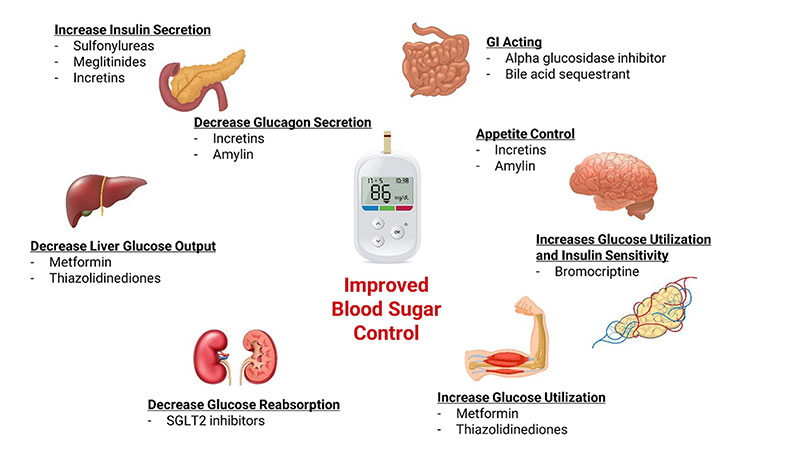
Managing diabetes usually involves a mix of lifestyle changes, medication, and sometimes insulin. Many people also look for natural support to help their body control blood sugar better. This is where mushroom supplements come in.
Why Mushrooms? The Science Behind Their Power
Medicinal mushrooms have been used in traditional medicine for centuries, especially in Asia. Modern science is now discovering how certain mushrooms can:
- Lower blood sugar levels
- Support insulin function
- Reduce inflammation
- Protect against cell damage
Mushrooms are rich in beta-glucans (special fibers), antioxidants, vitamins, and unique compounds like polysaccharides and triterpenes. These substances can have powerful effects on the human body.
For people with diabetes, mushrooms may help in several ways:
- Slowing carbohydrate absorption: Beta-glucans can slow down how fast sugar enters your blood after eating.
- Improving insulin sensitivity: Some mushrooms help your cells respond better to insulin.
- Reducing oxidative stress: Antioxidants in mushrooms fight free radicals, which can damage cells.
- Supporting healthy cholesterol: Mushrooms may help lower bad cholesterol, which is often high in people with diabetes.
Not all mushrooms have these benefits. Only certain types have been shown to help with blood sugar control.
Credit: www.lifeextension.com
Top Mushroom Supplements For Blood Sugar Control
Several types of mushroom supplements stand out for their potential to help manage diabetes. Here’s a closer look at the most studied and effective mushrooms.
1. Reishi (ganoderma Lucidum)
Reishi is known as the “mushroom of immortality” in traditional Chinese medicine. Research shows that reishi extracts can:
- Lower fasting blood glucose
- Improve insulin sensitivity
- Reduce inflammation and oxidative stress
A study published in the Journal of Ethnopharmacology found that reishi polysaccharides reduced blood sugar and improved insulin levels in diabetic rats. Human studies are ongoing, but early results are promising.
How it helps: Reishi contains triterpenes and beta-glucans, both of which help balance blood sugar and lower inflammation.
2. Cordyceps (cordyceps Sinensis And Cordyceps Militaris)
Cordyceps is famous for boosting energy and stamina. It also shows potential for helping people with diabetes:
- Improves insulin sensitivity
- Reduces blood sugar spikes after meals
- Supports kidney health (important for diabetics)
A clinical trial in China showed that cordyceps supplementation lowered blood glucose and improved kidney function in diabetic patients.
Unique insight: Cordyceps may help protect the pancreas, the organ that makes insulin, from damage.
3. Lion’s Mane (hericium Erinaceus)
Lion’s Mane is best known for supporting brain health, but it also benefits blood sugar:
- Reduces blood sugar after meals
- Improves fat metabolism
- May protect nerves from diabetic damage
Animal studies have shown that lion’s mane can help lower blood sugar and reduce complications from diabetes, such as nerve pain.
Practical tip: Lion’s mane is also good for mental clarity, which can be affected by blood sugar swings.
4. Maitake (grifola Frondosa)
Maitake is sometimes called the “dancing mushroom.” It contains a special compound called D-fraction, which has been studied for its immune and blood sugar effects.
- Stimulates insulin production
- Lowers blood sugar in animal and early human trials
- May help with weight control
Research suggests that maitake can help the body use insulin more efficiently, which is key in type 2 diabetes.
5. Shiitake (lentinula Edodes)
Shiitake is a popular edible mushroom with strong medicinal properties. For diabetes, it offers:
- Beta-glucans that slow sugar absorption
- Antioxidants that protect cells
- Support for healthy cholesterol levels
A unique benefit: Shiitake’s lentinan compound may also boost immunity, which is important for people with diabetes who are prone to infections.
6. Turkey Tail (trametes Versicolor)
Turkey Tail is rich in polysaccharide-K (PSK) and polysaccharopeptide (PSP), both of which are studied for immune and blood sugar support.
- Helps control post-meal blood sugar spikes
- Supports healthy gut bacteria, which can impact blood sugar control
Emerging research shows turkey tail may help balance insulin and lower inflammation.
7. Chaga (inonotus Obliquus)
Chaga grows on birch trees and is a powerhouse of antioxidants. For diabetes, chaga may:
- Lower fasting blood sugar
- Protect against oxidative stress
- Reduce inflammation
A study in the journal Nutrition Research and Practice found that chaga extract lowered blood sugar and improved insulin sensitivity in diabetic mice.
8. Agaricus Blazei
This lesser-known mushroom is used in Japan and Brazil as a health tonic. It has shown in studies to:
- Lower blood sugar levels
- Improve insulin resistance
- Support overall immune health
Agaricus blazei contains unique polysaccharides that seem to help the body use glucose more effectively.
9. Phellinus Linteus
Not as widely known, Phellinus linteus has shown strong anti-diabetic effects in early studies:
- Reduces blood glucose levels
- Protects insulin-producing cells
- Offers anti-inflammatory benefits
Researchers are still studying the best ways to use this mushroom, but results are encouraging.
10. Enokitake (flammulina Velutipes)
Enokitake is often used in Asian cuisine. It is rich in fiber and antioxidants.
- Helps slow sugar absorption
- Supports gut health, which is linked to better blood sugar control
Enokitake is easy to add to meals or find in supplement form.
How Mushroom Supplements Help Manage Blood Sugar
Understanding how mushroom supplements work can help you use them more effectively. Here are the main ways they support blood sugar management:
Improving Insulin Sensitivity
Mushrooms like reishi, cordyceps, and maitake help your cells respond better to insulin. This means your body needs less insulin to keep blood sugar in check. Improved insulin sensitivity is key for type 2 diabetes.
Slowing Sugar Absorption
Beta-glucans in mushrooms form a gel-like substance in your gut. This slows down how fast sugar from food gets into your blood. As a result, you avoid sharp spikes in blood sugar after eating.
Reducing Inflammation And Oxidative Stress
Chronic inflammation and oxidative stress make diabetes worse. Mushrooms are full of antioxidants and anti-inflammatory compounds. These help protect your cells and reduce the risk of complications.
Supporting Weight Control
Some mushrooms, like maitake and shiitake, can help with weight management by promoting fullness and supporting healthy metabolism. Weight loss is often one of the best ways to improve blood sugar control.
Protecting Organs
Certain mushrooms, especially cordyceps and chaga, may help protect the pancreas and kidneys. This is vital because these organs are often damaged by long-term diabetes.
Comparing Popular Mushroom Supplements For Diabetes
With so many mushroom supplements available, it can be hard to choose the right one. Here’s a side-by-side comparison of the key features of the top options:
| Mushroom | Main Benefit | Best For | Unique Compound | Common Form |
|---|---|---|---|---|
| Reishi | Insulin sensitivity | Type 2 diabetes, inflammation | Triterpenes | Capsule, powder, tea |
| Cordyceps | Energy & kidney support | Fatigue, kidney issues | Cordycepin | Capsule, powder |
| Lion’s Mane | Nerve protection | Diabetic neuropathy | Hericenones | Capsule, powder |
| Maitake | Weight & blood sugar | Weight control, insulin | D-fraction | Capsule, extract |
| Shiitake | Cholesterol & immunity | Heart health, immunity | Lentinan | Powder, food |
| Turkey Tail | Gut & immunity | Digestive issues | PSK, PSP | Capsule, tea |
| Chaga | Antioxidants | Oxidative stress | Betulinic acid | Powder, tea |
Protocols For Using Mushroom Supplements
Taking mushroom supplements for diabetes is not as simple as picking a random product. Here are key protocols and tips to maximize safety and effectiveness.
Step 1: Consult Your Doctor
Before starting any supplement, especially if you take diabetes medications, talk to your doctor. Some mushrooms may interact with medicines or affect your blood sugar more than expected.
Step 2: Choose The Right Product
- Look for extracts or fruiting body powders. These forms have the highest concentration of active compounds.
- Avoid products with unnecessary fillers or artificial ingredients.
- Prefer organic mushrooms, as they are less likely to contain pesticides or heavy metals.
Step 3: Start With A Low Dose
Begin with the lowest recommended dose on the label. Monitor your blood sugar closely for any changes. Some people find they need to adjust their medication as their blood sugar improves.
Step 4: Combine Mushrooms For Synergy
Some protocols use a blend of mushrooms. For example, combining reishi and maitake may provide stronger blood sugar benefits than either one alone.
Non-obvious insight: Blends should be from trusted brands, as low-quality blends may contain mostly filler.
Step 5: Timing And Consistency
- Take your supplement at the same time each day for best results.
- Mushrooms can be taken with or without food, but many people find they are easier to digest with a meal.
- Consistency is key. It may take 4-12 weeks to notice significant changes in blood sugar.
Step 6: Track Your Results
Keep a simple log of your blood sugar readings, how you feel, and any changes in medication. This helps you and your doctor adjust your plan if needed.
Example Protocol For Beginners
Here’s a basic protocol to get started with mushroom supplements for diabetes:
- Week 1-2: Start with reishi (500 mg daily), taken in the morning.
- Week 3-4: Add maitake (500 mg daily), taken with lunch.
- Week 5-6: If well-tolerated, add lion’s mane (500 mg daily), taken with dinner.
- After 6 weeks: Review your blood sugar log and talk to your doctor about the results.
Advanced Protocol: Multi-mushroom Support
For people who need more support or have stubborn blood sugar, an advanced protocol might include:
- Reishi: 1,000 mg per day
- Maitake: 1,000 mg per day
- Cordyceps: 500 mg per day
- Chaga: 500 mg per day
Always increase the dose slowly and under medical supervision.
Credit: viridian-nutrition.com
Safety And Potential Side Effects
Mushroom supplements are generally safe for most people, but there are some things to watch out for:
- Allergies: Some people are allergic to mushrooms. Watch for rashes, itching, or trouble breathing.
- Low blood sugar: If you already take diabetes medication, mushrooms can sometimes lower your blood sugar too much. Monitor your levels closely.
- Digestive upset: Some people feel mild stomach discomfort when starting mushroom supplements. Taking with food can help.
- Interactions: Reishi and other mushrooms can interact with blood thinners or immunosuppressants.
Non-obvious insight: Some supplements use only mycelium (the root-like part) instead of the fruiting body. The fruiting body usually contains more active compounds.
Practical Tips For Getting The Most Out Of Mushroom Supplements
- Rotate your mushrooms every few months to avoid tolerance.
- Combine mushrooms with other healthy habits, such as exercise and a balanced diet.
- Avoid “proprietary blends” where you don’t know the exact amount of each mushroom.
- Store mushroom supplements in a cool, dry place to keep them potent.
Real-world Examples And Research
Many studies have explored the effects of mushroom supplements on diabetes:
- A 2016 study found that maitake extract lowered blood glucose and improved insulin sensitivity in people with type 2 diabetes.
- In animal studies, reishi and chaga extracts reduced blood sugar and protected organs from damage.
- Cordyceps was shown to improve kidney function in diabetic patients, a major concern for long-term diabetes.
- Human clinical trials are still limited, but the results so far are promising.
For more in-depth information on medicinal mushrooms and diabetes, check the research summary at NCBI.
What To Look For When Buying Mushroom Supplements
The supplement market is full of choices, but not all products are created equal. Here’s how to pick a high-quality mushroom supplement for diabetes:
- Third-party testing: Look for products tested for purity and potency by an independent lab.
- Type of mushroom: Check if the supplement uses the fruiting body, mycelium, or both.
- Extraction method: Hot water extracts usually have higher beta-glucan content.
- Dosage: Make sure the dosage matches what research studies used.
- Reputation: Buy from trusted brands with good reviews and transparent sourcing.
Compare some popular options:
| Brand | Mushroom Type | Extraction | Beta-Glucan % | Price per 30 days |
|---|---|---|---|---|
| Host Defense | Reishi (fruiting body) | Hot water | 25% | $28 |
| Real Mushrooms | Lion’s Mane (fruiting body) | Hot water | 30% | $35 |
| Life Extension | Cordyceps (fruiting body) | Dual extract | 20% | $32 |
Key insight: Beta-glucan content is important, but not the only factor. Quality of extraction and source matter too.
Combining Mushroom Supplements With Other Natural Approaches
Mushrooms work best as part of a larger diabetes management plan. Here are some ways to combine them with other natural tools:
- Pair mushrooms with a low-glycemic diet to further reduce blood sugar spikes.
- Add fiber-rich foods like oats and beans to support gut health, which can improve insulin sensitivity.
- Practice regular physical activity to help your body use glucose better.
- Consider other proven supplements, such as berberine or cinnamon, after talking to your doctor.
Common Mistakes When Using Mushroom Supplements For Diabetes
Many beginners make mistakes that reduce the benefits of mushroom supplements:
- Skipping medical advice: Not talking to your doctor can lead to dangerous blood sugar drops or drug interactions.
- Choosing low-quality products: Cheap supplements often have little active ingredient.
- Expecting instant results: Mushrooms work slowly and need time to show effects.
- Not tracking progress: Without monitoring, it’s hard to know if the supplement is helping.
- Ignoring dosage: Taking too little or too much can be ineffective or risky.
Pro tip: If you miss a dose, do not double up the next day. Just continue as usual.
Who Should Avoid Mushroom Supplements?
While most people tolerate mushroom supplements well, some should avoid them:
- People with severe mushroom allergies
- Those taking immunosuppressant drugs
- Pregnant or breastfeeding women (due to limited safety data)
- Children, unless advised by a doctor
If you have kidney or liver disease, consult your doctor before use.
The Future Of Mushroom Supplements In Diabetes Care
Interest in medicinal mushrooms for diabetes continues to grow. New research is exploring how these natural compounds work at the cellular level. Scientists are also studying combinations of mushrooms with existing diabetes drugs to see if they can improve results.
As more clinical trials are completed, we will learn which mushrooms, doses, and combinations are most effective. For now, mushroom supplements offer a promising, low-risk option for people looking to support their diabetes management naturally.

Credit: www.ctcd.edu
Frequently Asked Questions
Can Mushroom Supplements Replace Diabetes Medication?
No, mushroom supplements should not replace prescribed diabetes medication. They are best used as a complementary approach to help support blood sugar management. Always discuss any changes to your treatment plan with your doctor.
How Long Does It Take To See Results From Mushroom Supplements?
Most people need to take mushroom supplements consistently for 4 to 12 weeks before seeing noticeable changes in blood sugar levels. Effects may be subtle at first, so monitoring and patience are important.
Are There Any Side Effects Of Taking Mushroom Supplements?
Most people tolerate mushroom supplements well. Some may experience mild digestive upset or allergic reactions. If you notice symptoms like skin rash, stomach pain, or low blood sugar, stop use and consult your doctor.
Which Is Better: Single Mushroom Supplements Or Blends?
Both single and blend supplements can be effective. Blends can offer synergy, but only if they are high quality and you know the amount of each mushroom included. Single supplements allow you to control the dose more easily.
Can I Eat Mushrooms Instead Of Taking Supplements?
Eating mushrooms as part of your diet is healthy and provides some benefits. However, supplements usually have much higher concentrations of the active compounds needed for blood sugar support. For best results, use both food and supplements if possible.
Managing diabetes is a lifelong journey. Adding mushroom supplements can be a safe and natural way to support your blood sugar goals. With the right approach and guidance from your doctor, these powerful fungi may help you take another step toward better health.