Most people today are interested in mushroom supplements for their possible health benefits. But choosing a good mushroom supplement is not as simple as picking the first product you see online. One important factor that many overlook is beta-glucan levels. These natural compounds are responsible for many of the health effects linked to mushrooms. If you want to get the best results from your supplement, you need to understand what beta-glucans are, how they work, and why their levels matter.
Let’s explore the science behind beta-glucans, how to check their levels in mushroom supplements, and what you should know before making a purchase. By the end, you’ll be able to choose with confidence and avoid common mistakes that beginners often make.
What Are Beta-glucans?
Beta-glucans are polysaccharides – long chains of sugar molecules. They are found in the cell walls of mushrooms, grains, and some bacteria. In mushrooms, beta-glucans are a key part of the structure and are linked to many health benefits. These compounds can be classified based on their structure, which changes how they interact with the body.
The main type found in mushrooms is called 1,3/1,6-beta-glucan. This structure is different from the beta-glucans found in oats or barley, which are 1,3/1,4-beta-glucans. This difference is important because the mushroom version interacts with the immune system in a special way.
The Role Of Beta-glucans In Mushrooms
Beta-glucans are not only structural elements. They are what make many medicinal mushrooms, like reishi, shiitake, and lion’s mane, popular for supplements. Research shows that these compounds:
- Stimulate parts of the immune system
- Help fight inflammation
- May support healthy cholesterol levels
- Can improve overall health and wellness
What many people don’t realize is that beta-glucans also help protect mushrooms from bacteria and other threats in nature. This means the same compounds that keep mushrooms healthy can help support your body, too.
The amount and type of beta-glucans in a mushroom depend on its species, how it is grown, and how it is processed into a supplement. For example, mushrooms grown on wood tend to have different beta-glucan levels than those grown on grain.
The harvest time and drying method can also make a difference.
Some new research even suggests that certain beta-glucans might support gut health by acting as prebiotics, feeding good bacteria in your digestive system. This is a benefit often missed by beginners.
Why Beta-glucan Levels Matter In Mushroom Supplements
When you buy a mushroom supplement, you want it to work as advertised. The beta-glucan content is the real measure of quality, not just the mushroom’s name or a pretty label. Many mushroom products may not even contain the active compounds you expect.
How Beta-glucan Levels Affect Health Benefits
Beta-glucans are the main reason mushrooms are linked to health benefits. If a supplement has low levels, you won’t get the full effects. For example:
- Immune support: Beta-glucans help your immune cells recognize and fight threats. High levels can make your body more responsive.
- Anti-inflammatory action: Mushrooms with more beta-glucans can reduce inflammation more effectively.
- Heart health: Some studies suggest beta-glucans may help lower cholesterol, but you need enough in your supplement.
If the beta-glucan level is low, the supplement may not work as well as you hope. Many cheap products use fillers or don’t measure beta-glucan content.
It’s also important to know that not all beta-glucans are absorbed in the same way. The structure from mushrooms is especially helpful for activating immune cells in your gut, which then signal the rest of your body.
Another detail: Some brands may focus on one mushroom, but blends with multiple species can offer a wider range of beta-glucans. This can lead to more balanced health support, but only if each mushroom in the blend has a meaningful amount.
Typical Beta-glucan Levels In Popular Mushrooms
It’s helpful to know the average beta-glucan levels in different mushrooms. Here’s a quick overview:
- Reishi: 20–45% beta-glucans by dry weight
- Lion’s Mane: 25–35% beta-glucans
- Cordyceps: 20–28% beta-glucans
- Shiitake: 30–38% beta-glucans
- Chaga: 15–20% beta-glucans
These numbers can vary based on how the mushroom is grown and processed. High-quality extracts often have higher beta-glucan levels than raw powders. For example, a hot water extract from reishi might reach the higher end of this range, while a simple dried powder may be at the lower end.
Some mushrooms, like Chaga, are also rich in other beneficial compounds such as antioxidants, but their beta-glucan content is lower. This is why it’s important to match your supplement to your health goal.
Understanding Beta-glucan Testing And Measurement
One thing beginners miss is how beta-glucan levels are actually measured. Not all companies test their products, and some use unreliable methods.
Methods For Measuring Beta-glucans
There are two main ways to measure beta-glucans:
- Enzymatic analysis: This uses special enzymes to break down the mushroom and measure beta-glucans. It is accurate but expensive.
- Colorimetric tests: These are cheaper and faster but can be less accurate. They may confuse beta-glucans with other similar compounds.
The best supplements use third-party lab testing with enzymatic analysis. This ensures the numbers are real and not inflated.
A less-known point: Some companies only test for total polysaccharides and not for beta-glucans specifically. This can make their product look better on the label, but it doesn’t mean it’s more effective.
Why Testing Matters
If a company doesn’t test for beta-glucans, you can’t trust the label. Some products use grain fillers, which add starch but not real mushroom beta-glucans. Look for brands that share lab results or certificates.
It’s also good to check how recent the lab tests are. Quality can change from batch to batch, especially with natural products. The best brands test every batch and update their reports.
Some companies even allow you to scan a QR code on the bottle to see the exact lab report for your supplement. This level of transparency is a sign of a trustworthy brand.
Beta-glucans Vs. Other Mushroom Compounds
Mushrooms have many active compounds, but not all are equal in benefits. Some supplements focus on polysaccharide content (all sugars), but this can include useless starches. Beta-glucans are the important ones.
Common Mistakes: Confusing Polysaccharides And Beta-glucans
Many mushroom supplements list “polysaccharides” on the label. This is misleading because:
- Polysaccharides include starch, which has no health effect.
- Beta-glucans are a type of polysaccharide, but only they have the immune benefits.
If a supplement only lists polysaccharides, it may not be high quality. Always check for beta-glucan-specific percentages.
A practical tip: Some companies use high polysaccharide numbers as a selling point, but if those numbers come from added rice or other fillers, the actual health value is low.
Comparison Table: Polysaccharides Vs. Beta-glucans
Below is a side-by-side comparison.
| Compound | Source | Health Benefits | Common Label Use |
|---|---|---|---|
| Beta-Glucans | Mushrooms, oats | Immune, cholesterol, anti-inflammatory | Good supplements |
| Starch | Grain fillers | None | Cheap products |
| Other polysaccharides | Various | Varies | Often confused with beta-glucans |
Key Factors When Choosing A Mushroom Supplement
Selecting the right supplement is more than just checking the brand. Here are the most important factors:
1. Beta-glucan Percentage
The most critical number is the beta-glucan percentage. Aim for products with at least 20% beta-glucans. Higher is better, but the exact number depends on the mushroom species.
For immune support, higher beta-glucan levels (30% or more) are ideal. For general wellness, a supplement with 20–25% can still be effective. If you’re taking a blend, try to find out the beta-glucan content of each mushroom in the mix.
2. Type Of Mushroom Used
Some mushrooms naturally have more beta-glucans. For immune support, reishi and shiitake are good choices. For cognitive benefits, lion’s mane is preferred. Always check the species listed.
Don’t overlook where the mushroom was grown. For example, lion’s mane grown on logs may have a different beta-glucan profile than one grown on grain. Some brands give you this information in the product description.
3. Extraction Method
How the supplement is made affects beta-glucan levels. Hot water extraction pulls out more beta-glucans. Alcohol extraction gets other compounds. Some top products use both methods.
If a supplement says it is “dual-extracted,” it means both water and alcohol were used, offering a wider range of benefits. However, for the highest beta-glucan levels, hot water extraction is most effective.
4. Lab Testing
Look for brands with third-party lab reports showing beta-glucan content. Avoid products without clear testing.
Some companies even let you see the full lab report on their website. A real, independent lab report is much more trustworthy than just a number printed on the label.
5. Avoid Grain Fillers
Many cheap supplements use grain fillers to bulk up the product. This lowers the beta-glucan percentage and adds useless starch.
A quick way to spot this: If the ingredients list includes rice, oats, or “mycelium on grain,” be cautious. These products usually have much less of the compounds you want.
6. Whole Mushroom Vs. Mycelium
Some supplements use mycelium grown on grain. This often has low beta-glucan and high starch. Whole mushroom fruiting bodies contain more beta-glucans.
If you are unsure, look for “fruiting body” or “whole mushroom” on the label. Mycelium-based products are less effective for most health goals, especially if you want immune support.
7. Certificate Of Analysis
A good supplement should have a certificate of analysis (COA). This proves the product was tested for beta-glucan levels.
If the COA isn’t easy to find, ask the brand for it. Brands that care about quality are happy to share this information.
Comparison Table: Good Vs. Poor Mushroom Supplements
Here’s how top supplements compare with low-quality ones.
| Factor | High-Quality Supplement | Low-Quality Supplement |
|---|---|---|
| Beta-Glucan % | 20–40% | 5–15% |
| Testing | Third-party lab | No testing |
| Source | Fruiting body | Mycelium + grain |
| Fillers | No fillers | Grain, starch |
| Extraction | Hot water/alcohol | None |
Real World Examples Of Beta-glucan Levels
Let’s look at some real products and how their beta-glucan levels compare.
- Product A: Reishi extract, 35% beta-glucans, fruiting body only, hot water extraction, tested by third-party lab.
- Product B: Lion’s Mane powder, 25% beta-glucans, fruiting body, both water and alcohol extraction, COA provided.
- Product C: Shiitake blend, 12% beta-glucans, mycelium on grain, no lab testing, lists polysaccharides only.
Product A and B are much better choices than C. Beginners often miss this detail and buy products like C because they are cheap or have good marketing.
A less obvious point is that even within the same brand, different batches may have slightly different beta-glucan levels. That’s why it’s good to check if your supplement’s batch was tested, not just the formula in general.
How To Read Mushroom Supplement Labels
Reading labels can be tricky. Here are the main things to check:
- Beta-glucan %: Look for a clear number, not just “polysaccharides.”
- Source: Is it fruiting body, mycelium, or both? Fruiting body is better.
- Extraction method: Hot water and alcohol extraction are best.
- Testing: Is there a COA or lab report?
If the label does not show these details, ask the company or check their website.
Also, watch for vague claims like “full-spectrum” or “wild-harvested. ” These sound good but don’t guarantee high beta-glucan levels.
Example Label Analysis
Suppose you see this label:
- “Lion’s Mane Mushroom Extract”
- “Polysaccharides: 40%”
- “Made from mycelium on brown rice”
- “No lab testing info”
This product is likely not high quality. The polysaccharides are probably from rice, not mushroom. No mention of beta-glucan percentage or testing means you should look elsewhere.
Sometimes labels use scientific-sounding words to impress buyers, but what matters most is the actual number for beta-glucans and the proof to back it up.
The Science Behind Beta-glucans And Health
Beta-glucans have been studied for many years. Research shows their effects on the immune system, heart health, and more.
Immune System Effects
Beta-glucans can activate immune cells called macrophages and natural killer cells. This helps your body react faster to threats like viruses and bacteria.
- A study found that people taking mushroom beta-glucans had fewer colds and flu symptoms.
- Another study showed that beta-glucans boosted white blood cell activity.
It’s not just about fighting illness. A well-supported immune system can help with recovery from daily stress and support energy levels, especially during busy times.
Cholesterol And Heart Health
Beta-glucans from mushrooms may help lower cholesterol. They do this by blocking cholesterol absorption in the gut.
- Clinical trials show a drop in LDL (“bad”) cholesterol when people take beta-glucans regularly.
It’s important to note that the cholesterol-lowering effect is more studied for beta-glucans from oats and barley, but mushroom beta-glucans may have similar benefits.
Anti-inflammatory Properties
Beta-glucans can reduce inflammation, which helps with many health conditions. Some research suggests they may help with arthritis, asthma, and other inflammatory diseases.
Reducing inflammation can also lead to better joint comfort, improved digestion, and may help with skin problems linked to chronic inflammation.
Cognitive Benefits
Lion’s Mane mushrooms are popular for brain health. Beta-glucans are part of the reason, but other compounds help too. Studies found improved memory and focus in people taking Lion’s Mane supplements with high beta-glucan content.
What most people don’t realize is that the gut and brain are linked. By supporting gut immune cells with beta-glucans, you may indirectly support clearer thinking and mood.
Common Buyer Mistakes
Many people make simple mistakes when buying mushroom supplements. Here are a few to avoid:
- Ignoring beta-glucan content: Always check the percentage.
- Choosing mycelium on grain: This lowers the active compound level.
- Focusing only on price: Cheap products usually have low beta-glucan.
- Trusting marketing claims: Some brands use words like “organic” or “wild-crafted” but don’t test for beta-glucans.
- Not checking for lab testing: Without lab reports, you can’t trust the numbers.
Another mistake is thinking that taking more capsules of a low-quality product will make up for the lack of beta-glucans. It’s better to take the right amount of a high-quality supplement than a lot of a weak one.
How To Find Reliable Mushroom Supplement Brands
If you want to buy a supplement with good beta-glucan levels, look for these signs:
- Transparency: Brands should show lab results and ingredient sourcing.
- Education: Good companies explain why beta-glucan levels matter.
- Reputation: Check reviews and ratings. Look for consistent quality.
- No fillers: Avoid products with rice or other grains as the main ingredient.
Some brands also publish research and work with universities. For more information, see this research article about beta-glucans.
Try reaching out to the brand’s customer service with questions. Quality brands usually give clear, honest answers.
Credit: www.thewellnesscollective.in
Practical Tips For Getting The Most From Your Mushroom Supplement
Once you choose a good supplement, you want to use it correctly. Here are some tips:
- Follow dosage instructions: Too little may not work; too much is wasteful.
- Take with food: This helps absorption, especially for extracts.
- Be patient: It can take weeks to notice effects.
- Store properly: Keep supplements in a cool, dry place.
- Cycle use: Some experts recommend taking breaks to avoid tolerance.
Some people find it helpful to keep a journal of how they feel after starting a supplement. This can help you notice gradual changes that might otherwise be missed.
If you take more than one supplement, try to space them out during the day. This can help your body absorb the compounds better.
Advanced Insights: What Beginners Often Miss
Even experienced buyers sometimes miss these points:
- Synergy: Combining different mushrooms can boost effects. For example, mixing reishi and lion’s mane gives both immune and cognitive benefits.
- Extraction ratio: If a label says “10:1 extract,” it means the product is more concentrated. But beta-glucan percentage matters more than extraction ratio.
- Bioavailability: Some beta-glucans are easier to absorb than others. Hot water extraction improves bioavailability.
Another advanced tip: The time of day you take your supplement can matter. Some people feel more energetic if they take lion’s mane in the morning, while reishi is often taken at night for its calming effect. Try different timings to see what works best for your body.

Credit: www.amazon.com
Beta-glucan Levels In Different Mushroom Forms
Mushroom supplements come in many forms:
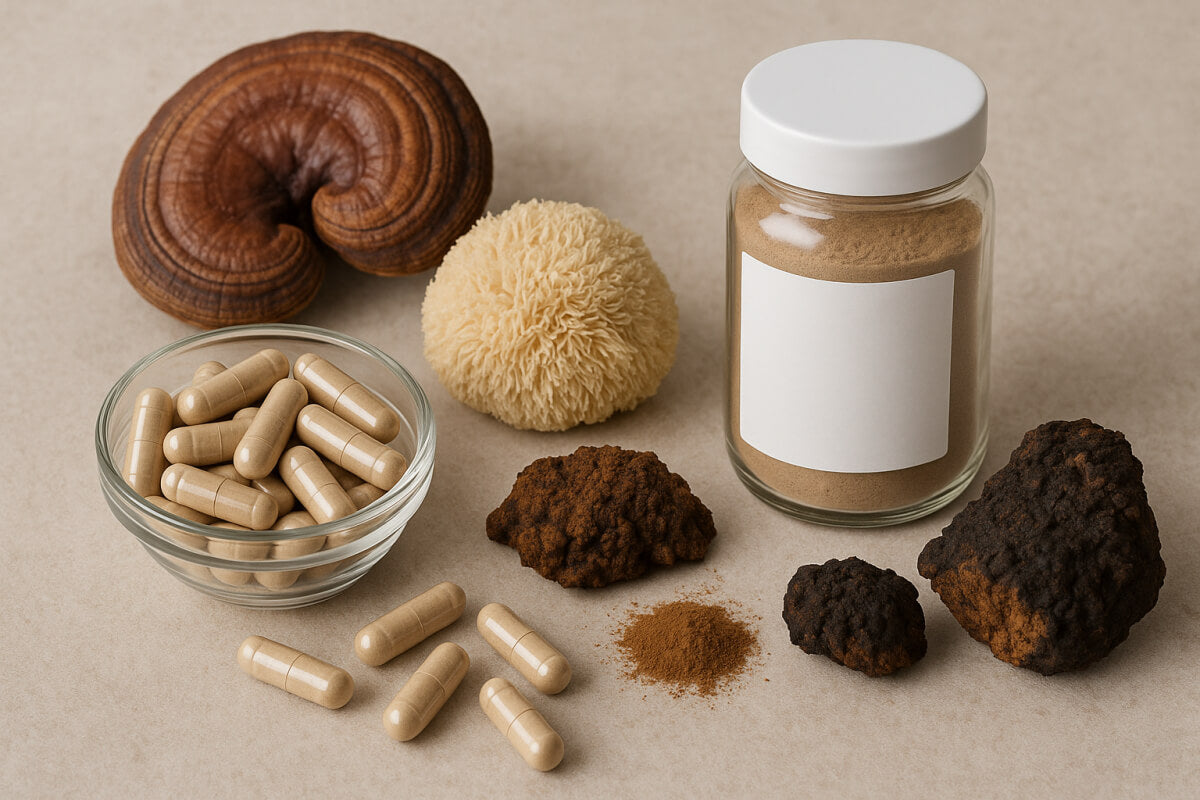
- Capsules: Easy to use, but quality varies.
- Powders: Flexible, can be mixed with drinks.
- Extracts: Concentrated, usually higher beta-glucan.
- Teas: Lower beta-glucan, unless made from strong extract.
The form affects beta-glucan levels. Extracts usually have the most.
For example, adding a powder to your smoothie can be a convenient way to get your daily dose. But if you’re looking for maximum beta-glucan, a concentrated extract capsule might be a better choice.
Table: Beta-glucan Levels By Supplement Form
| Form | Typical Beta-Glucan % | Best Use |
|---|---|---|
| Extract Capsules | 20–40% | Immune, cognitive |
| Powder | 15–30% | Daily wellness |
| Tea | 5–15% | Mild effects |
| Mycelium on Grain | 5–15% | Low quality |
How Beta-glucan Levels Change With Processing
Processing affects beta-glucan content:
- Drying: Can lower beta-glucan levels if done at high temperatures.
- Extraction: Hot water boosts beta-glucan, but alcohol extraction targets other compounds.
- Grinding: No effect on beta-glucans, but makes powders easier to use.
Always choose supplements processed to preserve beta-glucans.
A non-obvious tip: Some companies use gentle drying methods to protect beta-glucan content. Check if a brand mentions “low-temperature drying” or similar techniques.
The Importance Of Beta-glucan Levels For Different Health Goals
Depending on your goal, you may need higher or lower beta-glucan levels.
- Immune support: Choose products with 30%+ beta-glucans, ideally from reishi or shiitake.
- Brain health: Lion’s Mane with 25%+ beta-glucans is best.
- Heart health: Any mushroom with 20%+ beta-glucans can help cholesterol.
If you have multiple goals, try a blend with clearly stated beta-glucan levels for each mushroom. Avoid blends that hide behind total polysaccharide numbers.
Beta-glucan Levels In Popular Mushroom Blends
Many supplements blend several mushrooms. But blending can lower beta-glucan percentage if fillers are used. Always check the label for each mushroom’s beta-glucan content.
- Top blends: Use fruiting bodies, high extraction, and clear percentages.
- Low-quality blends: Use mycelium, grain fillers, and hide real numbers.
A blend that lists “10 mushrooms” but doesn’t give beta-glucan details for each is probably not as effective as a single-mushroom product with clear testing.
How Beta-glucans Differ Between Mushrooms
Each mushroom species has slightly different beta-glucan structures. This changes their effects:
- Reishi: Best for immune support.
- Lion’s Mane: Good for brain health.
- Cordyceps: Energy and stamina.
- Shiitake: General wellness and immune benefits.
- Chaga: Antioxidant support.
Some mushrooms also have unique side benefits due to other compounds, but beta-glucans are the main driver.
Researchers are still discovering how small differences in beta-glucan structure can lead to different actions in the body. This is why variety can sometimes offer more complete support.
Beta-glucan Levels And Safety
Beta-glucans are safe for most people, but high doses can cause mild stomach upset. If you have an autoimmune disorder, check with your doctor before use. Beta-glucan supplements are not suitable for very young children or those with mushroom allergies.
If you have a sensitive stomach, start with a low dose. Some people find that taking their supplement with food prevents any discomfort.

Credit: mushroom.st
How To Compare Beta-glucan Levels Between Brands
Brands sometimes use different test methods or units. Compare using percentage by dry weight, not milligrams or “extract ratio. ” Ask for lab reports if you’re unsure.
If you see a supplement using “extract ratio” (like 8:1 or 10:1) but not telling you the actual beta-glucan percentage, be careful. The ratio doesn’t always mean higher quality.
Non-obvious Insights Beginners Miss
- Extraction matters more than raw weight: A supplement with 35% beta-glucans from extract is better than raw powder with 20%.
- Some brands inflate numbers: If a product claims “50% polysaccharides,” it could be mostly starch. Only trust beta-glucan-specific claims.
A third insight: The color and taste of the supplement can give clues. High-quality reishi extract is often dark and bitter, while a product full of fillers may look pale and taste bland.
Frequently Asked Questions
What Are Beta-glucans And How Are They Different From Other Mushroom Compounds?
Beta-glucans are natural sugars found in mushroom cell walls. They activate the immune system and have unique health benefits. Other compounds, like polysaccharides, include starch, which doesn’t offer the same effects. Always look for beta-glucan-specific numbers on supplement labels.
Are Higher Beta-glucan Levels Always Better In Supplements?
Generally, higher beta-glucan levels mean stronger effects, especially for immune support. But extremely high doses aren’t needed for most people. Aim for products with 20–40% beta-glucans for best results.
How Can I Check If A Mushroom Supplement Has Real Beta-glucans?
Look for lab reports or certificates of analysis showing beta-glucan percentages. Avoid products that list only “polysaccharides” or don’t show testing. Good brands are transparent and share their lab results.
Do Beta-glucans Work For Everyone?
Most people benefit from beta-glucans, but effects vary. If you have an autoimmune condition, talk to your doctor first. Some people may get mild stomach upset. Start with small doses and see how you feel.
What Is The Best Way To Take Mushroom Supplements For Beta-glucans?
The best way is to use extract capsules or powders made from fruiting body mushrooms, with clear beta-glucan percentages. Take with food for better absorption. Be patient, as effects may take weeks to appear.
Choosing a mushroom supplement isn’t just about picking a famous mushroom or trusting marketing. The key is the beta-glucan levels. If you want real health benefits, check the label for beta-glucan percentages, ask for lab tests, and avoid grain fillers. With this knowledge, you can make smart decisions and get the most from your mushroom supplement. Remember, quality always matters more than price or hype.