
Pregnancy is a time filled with questions and concerns about what is safe for both mother and baby. Many women look for natural ways to support their health, and Lion’s Mane mushroom often appears in conversations about brain health, immunity, and natural supplements. But is Lion’s Mane really safe during pregnancy? Can it help, or can it cause harm? Let’s take a clear and honest look at the research, expert opinions, and practical advice so you can make an informed decision.
What Is Lion’s Mane Mushroom?
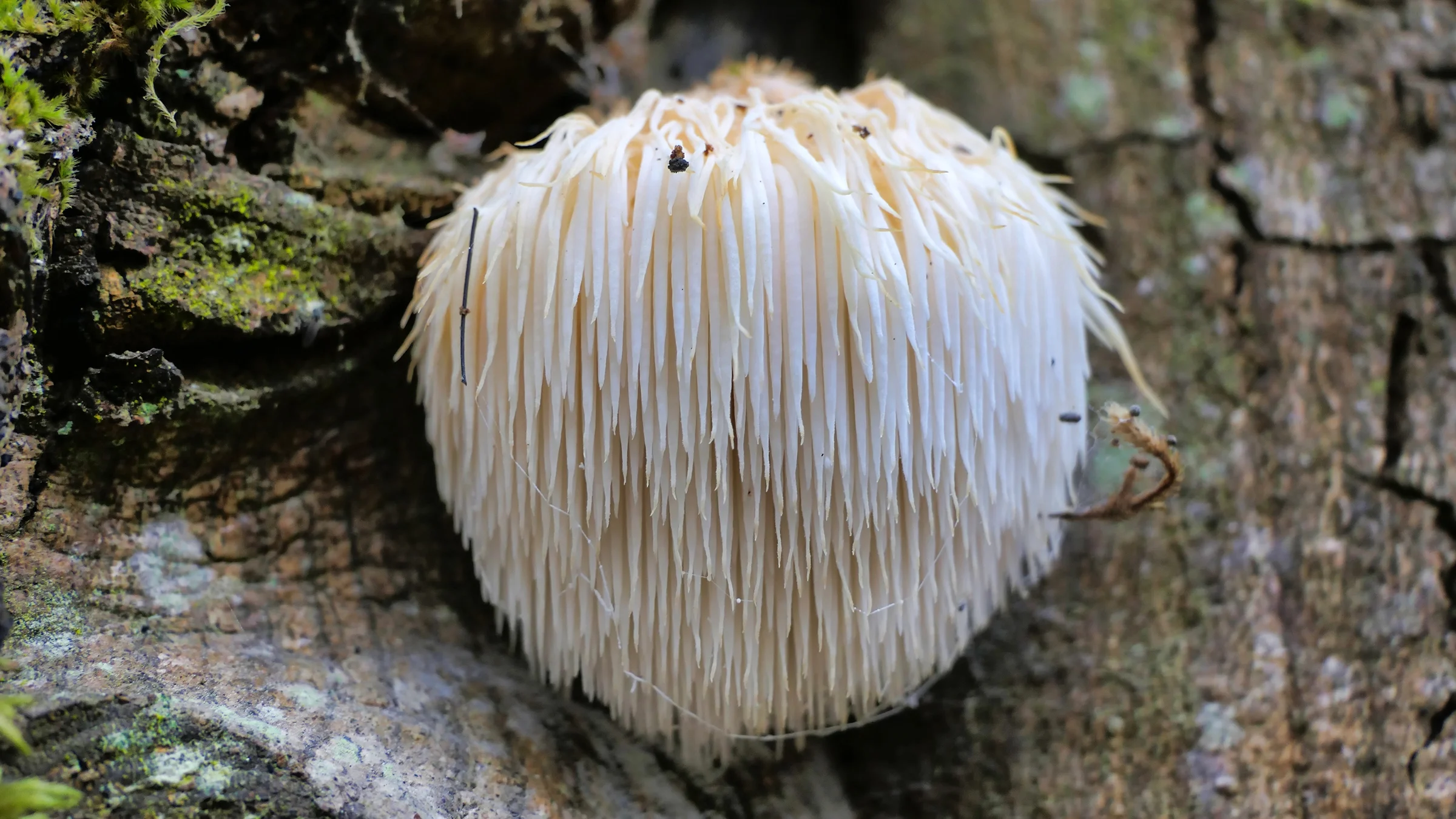
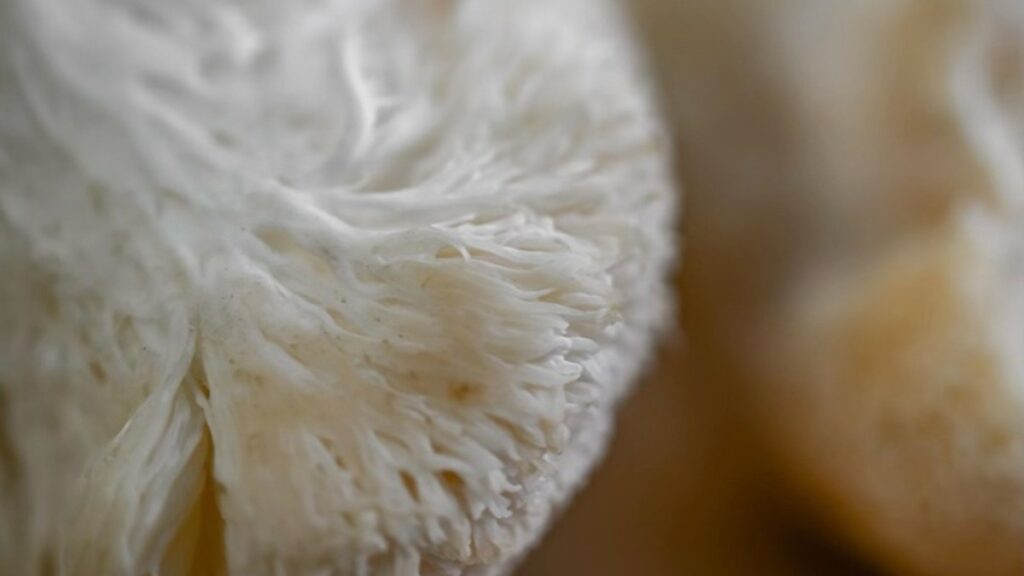
Lion’s Mane (Hericium erinaceus) is a type of edible mushroom with long, shaggy spines that look like a lion’s mane. It has been used for centuries in traditional Chinese and Japanese medicine. Today, it is available in many forms: fresh mushrooms, powders, capsules, extracts, teas, and even coffee blends.
People use Lion’s Mane for several reasons:
- Brain health: It may support memory and focus.
- Nerve growth: Some studies suggest it helps protect nerves.
- Mood support: It may help reduce anxiety and depression.
- Immune system: It’s thought to boost immunity.
These benefits sound promising, but pregnancy is a unique condition. What works for the general public may not be safe for expecting mothers.
Why Pregnant Women Consider Lion’s Mane
During pregnancy, the body undergoes many changes. Some women experience brain fog, forgetfulness, anxiety, or weakened immunity. Lion’s Mane is popular because it is believed to help with these exact issues. Many blogs, forums, and supplement companies claim that Lion’s Mane is a “natural brain booster” or “immune supporter” for pregnant women.
But it’s important to remember: “Natural” does not always mean “safe.” The rules change when there is a baby involved. The body processes supplements differently, and anything the mother eats or drinks can pass to the baby. This is why it’s crucial to look at the real science.
What Research Says About Lion’s Mane And Pregnancy
The main question is: Does science confirm that Lion’s Mane is safe during pregnancy? To answer this, let’s break down the research into key areas:
Human Studies
So far, there are no large human studies that specifically test Lion’s Mane on pregnant women. Most research on Lion’s Mane is done in labs or on animals, not humans. This is a big gap. Without human studies, experts cannot say for sure if Lion’s Mane is safe or unsafe during pregnancy.
Animal Studies
Some animal studies show positive effects of Lion’s Mane. For example, research on mice shows that Lion’s Mane may support nerve growth and reduce inflammation. But animal bodies work differently from human bodies—especially in pregnancy. Effects seen in animals do not always happen in people.
There are no published animal studies that look at the effects of Lion’s Mane on pregnant animals or their babies. This means we don’t know if there could be risks such as birth defects, early labor, or problems with the baby’s development.
Traditional Use Vs. Modern Science
Traditional medicine in China and Japan has used Lion’s Mane for centuries. However, traditional use does not replace scientific testing. Some herbs used in the past have been found to be unsafe for pregnant women when studied closely. That’s why doctors rely on modern research, not just history.
Safety Data From Supplements
Most Lion’s Mane supplements are labeled with warnings like “Not tested for use during pregnancy” or “Consult your healthcare provider if you are pregnant or breastfeeding. ” This is because companies cannot guarantee safety without proper studies.
Medical Guidelines
Major health organizations, such as the American Pregnancy Association and the National Institutes of Health, do not include Lion’s Mane on their list of recommended or safe supplements for pregnancy. Instead, they advise caution with all herbal and mushroom supplements during pregnancy.
Summary Table: What We Know About Lion’s Mane In Pregnancy
Below is a summary of what science and medical guidelines say:
| Area | What We Know |
|---|---|
| Human Studies | No studies on pregnant women |
| Animal Studies | No pregnancy-specific studies |
| Traditional Use | Used in Asia, not directly for pregnancy |
| Supplements | Carry pregnancy warnings |
| Medical Guidelines | No recommendation for use during pregnancy |
Potential Benefits Of Lion’s Mane
Even though safety is not proven in pregnancy, it helps to understand why Lion’s Mane is so popular. Here are the main benefits found in general research:
- Supports brain health: Lion’s Mane contains compounds called hericenones and erinacines that may help nerve growth and memory.
- Reduces inflammation: Some studies show it can lower inflammation, which is linked to many health problems.
- Boosts immunity: Polysaccharides in Lion’s Mane may help the immune system fight infections.
- Mood support: It may reduce symptoms of depression and anxiety in some people.
But remember: These benefits are not confirmed for pregnant women. Most studies are small, short-term, or done in animals.
Potential Risks And Side Effects
The lack of research does not mean Lion’s Mane is always safe. There are possible risks and side effects, especially in pregnancy:
- Allergic reactions: Some people are allergic to mushrooms. Reactions can include rashes, stomach upset, and trouble breathing.
- Stomach problems: Diarrhea, nausea, and stomach pain are sometimes reported.
- Drug interactions: Lion’s Mane may interact with diabetes, blood pressure, or blood thinning medicines.
- Unknown effects on the baby: Because there are no studies, we do not know how Lion’s Mane could affect the baby’s growth, brain, or organs.
Table: Reported Side Effects Of Lion’s Mane
Here is a comparison of common side effects in the general population:
| Side Effect | Severity | How Common |
|---|---|---|
| Allergic reactions | Can be serious | Rare |
| Stomach upset | Mild to moderate | Uncommon |
| Drug interactions | Can be serious | Rare |
| Unknown effects in pregnancy | Potentially serious | Unknown |
Why Caution Is Important During Pregnancy
Pregnancy is a sensitive time. The body’s organs, hormones, and immune system all change. The baby’s organs are developing quickly, especially in the first trimester. Some substances that are safe for adults can be dangerous for a growing baby. For example, even some herbs and vitamins can cause birth defects or miscarriage if used incorrectly.
Doctors and midwives often say: “If in doubt, leave it out.” This means if there is no strong evidence that a supplement is safe, it’s best to avoid it during pregnancy.
Credit: www.goodrx.com
What Experts And Doctors Say
Most health professionals agree on a few key points:
- Avoid unnecessary supplements: Only take what is prescribed by your doctor.
- Whole foods are best: Get nutrients from a balanced diet, not pills or powders.
- Ask before using herbs or mushrooms: Always check with your healthcare provider first.
The American College of Obstetricians and Gynecologists (ACOG) has not approved Lion’s Mane for use during pregnancy. Most prenatal vitamins do not include mushrooms or herbal extracts for this reason.
How Lion’s Mane Is Usually Consumed
People use Lion’s Mane in different forms:
- Fresh mushrooms: Cooked and eaten in meals.
- Powders: Added to smoothies or drinks.
- Capsules or tablets: Used as a supplement.
- Extracts: Concentrated liquids or tinctures.
Pregnant women sometimes wonder if eating the mushroom in food is safer than taking supplements. The answer is not clear, but the risk is likely lower with small amounts in cooked food than with concentrated extracts. Still, without data, there is no guarantee of safety.
Lion’s Mane Vs. Other Mushrooms In Pregnancy
It helps to compare Lion’s Mane to other edible mushrooms. Common mushrooms like button, cremini, or shiitake are considered safe when cooked properly. They are part of a healthy diet and provide nutrients.
Medicinal mushrooms, like Lion’s Mane, reishi, or chaga, are not the same. They have different compounds that act like mild drugs in the body. This is why they are not automatically considered safe for pregnancy.
Here’s a comparison of common edible vs. medicinal mushrooms:
| Mushroom Type | Use | Pregnancy Safety |
|---|---|---|
| Button, Cremini, Shiitake | Food | Generally safe when cooked |
| Lion’s Mane, Reishi, Chaga | Medicinal, supplement | Not proven safe |
Are There Any Benefits For The Baby?
One reason some women ask about Lion’s Mane is the hope that it may support baby’s brain development or immune system. While the mushroom contains compounds that may help nerves in adults, there is no proof that these effects happen in unborn babies. There are no studies showing benefits for baby’s brain, nerves, or organs when the mother takes Lion’s Mane during pregnancy.
In fact, giving supplements to a pregnant mother can sometimes cause problems, even if the supplement is “healthy” for adults. Babies are more sensitive to changes in their environment, and even small amounts of certain substances can have big effects.
Real-life Stories And Experiences
Some women share their experiences with Lion’s Mane in pregnancy on online forums and social media. These stories are mixed. Some say they felt more alert or less anxious. Others report stomach upset or no effect at all. It is important to know that personal stories do not replace real science.
Everyone’s body is different. What is safe for one person may not be safe for another.
A few women have said their doctors allowed them to eat small amounts of cooked Lion’s Mane as part of a meal, not as a supplement. But most doctors, especially in Western countries, advise against using any medicinal mushrooms until after pregnancy.
Common Myths And Misunderstandings
Many myths about Lion’s Mane circulate online. Here are the most common:
- “Natural means safe.” Not all natural substances are safe in pregnancy. For example, some natural herbs can cause miscarriage.
- “If it’s sold in stores, it’s safe.” Supplements are not always tested for safety in pregnancy. Regulations are not as strict as for medicines.
- “Traditional use proves safety.” History is not the same as modern science. Many traditional remedies are unsafe for pregnant women.
- “If a little is good, more is better.” Higher doses increase the risk of side effects.
Credit: mycobio.co.nz
Two Insights Most People Miss
- Quality and purity can vary: Supplements are not always pure. Some may be contaminated with heavy metals, pesticides, or other mushrooms. This risk is higher during pregnancy, when the immune system is weaker and the baby is more sensitive to toxins. Always check for third-party testing, but remember this does not guarantee safety for pregnancy.
- Supplements can mask other health problems: If you feel tired, foggy, or anxious during pregnancy, there could be medical reasons (like low iron or thyroid problems). Taking Lion’s Mane might hide symptoms that need real medical care. Always talk to your healthcare provider if you feel unwell.
Practical Tips For Pregnant Women
If you are pregnant and considering Lion’s Mane, here are some important tips:
- Talk to your doctor or midwife first. Never start a new supplement without medical advice.
- Focus on a healthy diet. Get brain-boosting nutrients from foods like eggs, fish, leafy greens, and whole grains.
- Avoid supplements unless prescribed. Only take prenatal vitamins or supplements recommended by your provider.
- Be careful with online advice. Not all blogs or social media posts are based on science.

Credit: www.thewellnesscollective.in
Alternatives To Lion’s Mane For Pregnancy Brain Fog And Immunity
If you are searching for safe ways to support brain health or immunity during pregnancy, consider these options:
- Get enough sleep: Sleep is crucial for memory and mood.
- Stay hydrated: Dehydration can cause brain fog.
- Eat balanced meals: Include protein, healthy fats, and complex carbs.
- Prenatal vitamins: These are designed to support both mother and baby.
- Safe exercise: Walking, swimming, or prenatal yoga can boost mood and focus.
- Mindfulness or meditation: These practices can reduce stress and anxiety.
These methods are proven, safe, and recommended by experts.
What To Do If You Have Already Taken Lion’s Mane
If you have accidentally eaten Lion’s Mane or taken a supplement before knowing the risks, do not panic. Most likely, a small amount will not cause harm. However, it’s a good idea to:
- Tell your doctor what and how much you took.
- Watch for any unusual symptoms, such as rash, stomach upset, or allergic reaction.
- Stop using the product until you have spoken with your healthcare provider.
Doctors can guide you on what to do next and check if any follow-up is needed.
How To Read Supplement Labels During Pregnancy
Supplement labels can be confusing. Here’s what to watch for:
- Pregnancy warnings: Look for statements like “Not evaluated for use in pregnancy.”
- Serving size: Some products list amounts that are much higher than found in food.
- Other ingredients: Check for added herbs, caffeine, or fillers.
- Third-party testing: This means a lab checked the product for purity, but it doesn’t prove safety in pregnancy.
If a label is unclear or makes big health claims, be skeptical and ask a professional.
When Lion’s Mane Might Be Considered After Pregnancy
Some women ask if Lion’s Mane is safe while breastfeeding. The answer is similar: there are no studies showing it is safe or unsafe. Breastfeeding mothers should be just as cautious, since many compounds can pass into breast milk.
If you want to try Lion’s Mane for brain health or mood after pregnancy, talk to your doctor first. Focus on recovery, nutrition, and rest before considering supplements.
What To Ask Your Healthcare Provider
When talking to your doctor or midwife about Lion’s Mane or any supplement, ask these questions:
- Is this supplement safe for my stage of pregnancy?
- Are there safer alternatives for what I want to achieve?
- Could this supplement interact with my medicines or health conditions?
- What foods can I eat instead to get the same benefits?
A good provider will help you make the best choice for you and your baby.
Summary: Is Lion’s Mane Safe During Pregnancy?
The final answer is clear: There is not enough evidence to say Lion’s Mane is safe during pregnancy. While it may have benefits for brain health or immunity in the general population, there are no studies in pregnant women or babies. The risks are unknown, and the safest choice is to avoid Lion’s Mane supplements and extracts during pregnancy unless approved by your healthcare provider.
It is always better to choose proven, safe ways to support health during pregnancy: a balanced diet, prenatal vitamins, sleep, and regular check-ups with your doctor.
For more information about supplements and pregnancy, you can visit the NHS pregnancy nutrition page.
Frequently Asked Questions
Is Lion’s Mane Mushroom Safe To Eat In Small Amounts During Pregnancy?
There is no scientific evidence showing that Lion’s Mane is safe or unsafe in small amounts during pregnancy. Eating a small portion of cooked Lion’s Mane mushroom as part of a meal is likely less risky than taking concentrated supplements, but because no studies confirm safety, it’s best to avoid it unless your doctor says otherwise.
Can Lion’s Mane Help With Pregnancy Brain Fog?
Lion’s Mane is often promoted as a natural way to support memory and focus. However, these effects are not proven in pregnant women. The safest ways to manage pregnancy brain fog are good sleep, hydration, a balanced diet, and prenatal vitamins.
What Are The Risks Of Taking Lion’s Mane While Pregnant?
Possible risks include allergic reactions, stomach upset, and unknown effects on the baby’s development. Because there are no pregnancy-specific studies, there may be risks that have not been discovered yet. It’s safest to avoid Lion’s Mane during pregnancy unless prescribed by your healthcare provider.
Are There Any Safe Alternatives To Lion’s Mane For Boosting Immunity During Pregnancy?
Yes. Focus on a healthy diet, regular sleep, good hygiene, and prenatal vitamins to support immunity. These methods are proven and recommended by experts for pregnant women. Always ask your healthcare provider before trying any new supplement or herbal product.
Can Lion’s Mane Be Used Safely While Breastfeeding?
There are also no studies on the safety of Lion’s Mane during breastfeeding. Compounds from the mushroom may pass into breast milk. Until more research is available, it is safest to avoid Lion’s Mane while breastfeeding unless your doctor approves.
Pregnancy is a special time to focus on proven, safe choices. If you are ever unsure about a supplement, always talk to your healthcare provider. Your health and your baby’s health come first.