
Maitake Mushroom Tea Recipe: A Simple Immune-boosting Brew
Maitake mushrooms, also called “hen of the woods,” have been used in traditional Japanese and Chinese medicine for centuries. Many people today are searching for simple, natural ways to support their immune systems. Maitake mushroom tea stands out as a time-tested, gentle way to do just that. Whether you’re looking for a daily wellness ritual or a flavorful herbal alternative to your usual cup, this brew has plenty to offer.
But what is it about maitake mushrooms that makes them special? And how can you easily prepare a delicious, immune-boosting tea at home? This article gives you everything you need: the science, the practical recipe, serving tips, and even advice on sourcing and safety. You’ll also learn how maitake compares to other popular medicinal mushrooms, and why this earthy, savory tea is becoming a favorite among health seekers.
What Makes Maitake Mushrooms Special?
Maitake (Grifola frondosa) is a large, leafy mushroom that grows at the base of trees, especially oaks. In Japanese, “maitake” means “dancing mushroom,” said to be named for the joy people felt when they found it in the wild. But the real reason for its reputation goes deeper.
Nutritional Powerhouse
Maitake mushrooms are low in calories but rich in nutrients. They contain:
- Beta-glucans: Unique polysaccharides known to activate immune cells
- Vitamins: Especially B vitamins like niacin, riboflavin, and pantothenic acid
- Minerals: Potassium, copper, selenium, and phosphorus
- Amino acids: Including all essential ones
- Antioxidants: Ergothioneine and vitamin C
Immune-boosting Compounds
The main reason people turn to maitake mushroom tea is for immune support. Maitake contains compounds that stimulate different parts of the immune system, such as:
- Macrophages: Cells that “eat” invaders
- Natural killer cells: Attack viruses and cancer cells
- T-cells: Help regulate the immune response
Multiple studies have found that maitake beta-glucans can enhance these effects, making your body better at fighting off infections and disease.
Unique Flavor
Unlike shiitake or reishi, maitake has a deep, savory, and almost nutty flavor. When brewed as a tea, it creates a warming, earthy drink with a gentle umami taste—a little like a mushroom broth but milder and more aromatic.
Health Benefits Of Maitake Mushroom Tea
Why do so many people swear by maitake tea? The answer is a combination of tradition and science. Here’s what research and centuries of use tell us:
1. Immune System Support
The beta-glucans in maitake activate important immune cells. This can help your body respond faster to infections, and may reduce the severity of colds or other illnesses. Some people drink maitake tea daily during winter for extra protection.
2. Blood Sugar Balance
Early studies suggest maitake may help the body use insulin more effectively, leading to better blood sugar control. While tea is not a replacement for medication, it may be a gentle supportive option, especially for those with prediabetes or metabolic concerns.
3. Cholesterol And Heart Health
Some research shows maitake can help lower bad cholesterol (LDL) and raise good cholesterol (HDL). This effect seems to come from both its fiber content and its antioxidants.
4. Anti-inflammatory Effects
Regularly drinking maitake mushroom tea may help calm inflammation in the body. This is important because chronic inflammation is linked to conditions like arthritis, allergies, and even heart disease.
5. Antioxidant Protection
Maitake contains powerful antioxidants, including ergothioneine and vitamin C. These help protect your cells from damage caused by free radicals, which play a role in aging and many diseases.
6. Potential Cancer-fighting Properties
While more research is needed, some studies have found maitake extracts can slow tumor growth in animals and boost the effects of certain cancer treatments. However, tea is much milder than concentrated extracts, so it should be seen as supportive, not as a treatment.
7. Gut And Microbiome Support
Maitake’s fiber can act as a prebiotic, feeding the healthy bacteria in your gut. A healthy gut is linked to a stronger immune system and better digestion.
Non-obvious Insight 1
Most people don’t realize that maitake mushroom tea is naturally caffeine-free, making it a soothing choice for evenings or for those who are sensitive to caffeine.
Non-obvious Insight 2
The polysaccharides in maitake are better extracted by simmering in hot water for at least 30–40 minutes. Short steeping times won’t give you the full benefits.
Maitake Mushroom Tea Recipe: Step-by-step Guide
Ready to brew your own cup? This recipe is simple, but it unlocks the full power of maitake mushrooms. You can use fresh or dried mushrooms; both work well.
Ingredients (serves 2)
- 15–20 grams (about ½ cup chopped) fresh maitake mushrooms
Or
5–8 Grams (about 2 Tablespoons) Dried Maitake Mushrooms
- 3 cups filtered water
- Optional: 1–2 slices fresh ginger, 1 teaspoon honey, 1 teaspoon lemon juice, or a pinch of sea salt
Equipment
- Medium saucepan or small pot
- Fine mesh strainer or cheesecloth
- Mug or teapot
Instructions
1. Clean The Mushrooms
If using fresh maitake, gently brush off any dirt and tear into small pieces. For dried, give them a quick rinse to remove dust.
2. Simmer The Mushrooms
Place the maitake and water in your saucepan. Bring to a boil, then reduce to a gentle simmer.
3. Simmer For 30–40 Minutes
Cover the pot partially. Let the mushrooms gently bubble for at least 30 minutes. This extracts the immune-boosting polysaccharides.
4. Add Optional Flavors
In the last 5 minutes, add ginger, lemon, or a pinch of salt if you like a savory taste.
5. Strain And Serve
Pour the tea through a strainer into your mug or teapot. Discard the mushroom pieces (or use them in soups).
6. Add Honey Or Lemon (optional)
Sweeten or brighten the tea to your taste. Serve hot.
Practical Tips
- If you’re making a larger batch, the tea keeps in the fridge for up to 3 days.
- For a stronger brew, use more mushrooms or simmer longer.
- Don’t rush the simmering—this step is crucial for extracting the active compounds.
Ingredient Spotlight: Fresh Vs. Dried Maitake
Both fresh and dried maitake work for tea, but there are small differences in taste and potency.
| Form | Flavor | Potency | Storage |
|---|---|---|---|
| Fresh maitake | Earthy, slightly sweet, mild | Medium | Short (1 week in fridge) |
| Dried maitake | More intense, nutty, deeper umami | High (compounds concentrated) | Long (6 months+ in airtight jar) |
Dried maitake is easier to find in many countries, lasts much longer, and packs more flavor per gram. If you can, try both to see which you prefer.
Where To Buy Maitake Mushrooms
Finding quality maitake mushrooms is important. Here are your best options:
1. Local Farmer’s Markets
Many farmers and foragers sell fresh maitake in autumn. Always buy from trusted sources.
2. Asian Grocery Stores
Maitake is popular in Japanese and Chinese cooking, so check the refrigerated or dried mushroom section.
3. Health Food Stores
Stores with a good selection of supplements often carry dried maitake for tea or cooking.
4. Online Retailers
Look for whole, sliced, or powdered maitake from reputable sellers. Check reviews to avoid low-quality or contaminated products.
5. Grow Your Own
Some people grow maitake at home using mushroom logs or kits—though it takes patience!
Buying Tips
- Choose mushrooms that look clean and smell earthy, not sour or musty.
- For dried maitake, check for packaging date and avoid any with signs of mold.
- Organic is best, as mushrooms can absorb toxins from their environment.
Maitake Mushroom Tea: Taste And Serving Suggestions
Many first-timers are surprised by how pleasant maitake mushroom tea tastes. The flavor is earthy, umami-rich, and warming. It pairs well with other herbs and spices.
Serving Ideas
- With Ginger or Lemon: Adds a zesty note and extra immune support.
- With Honey: Balances the earthiness if you prefer a sweeter drink.
- With Green Tea: Blend with a green tea bag for a gentle caffeine lift.
- As a Broth: Add a pinch of salt and sip like a savory soup.
Non-obvious Serving Suggestion
Freeze leftover tea in ice cube trays. Pop a few into soups, stews, or even smoothies for a hidden immune boost.
How Maitake Tea Compares To Other Medicinal Mushroom Teas
There are many mushroom teas on the market. How does maitake stack up?
| Mushroom | Main Benefit | Flavor | Caffeine | Best For |
|---|---|---|---|---|
| Maitake | Immune support, blood sugar | Earthy, mild, umami | No | General wellness, gentle daily use |
| Reishi | Stress relief, sleep | Bitter, woody | No | Evening relaxation |
| Chaga | Antioxidant, anti-inflammatory | Vanilla-like, mild | No | Anti-aging, winter support |
| Lion’s Mane | Brain health, focus | Savory, seafood-like | No | Morning energy, study |
| Shiitake | Heart health, immunity | Rich, meaty | No | Cooking, soup bases |
Maitake is unique because it combines immune support with a gentle, pleasant flavor. It lacks the bitterness of reishi and is less “medicinal” tasting than some other options.
Common Mistakes When Making Maitake Mushroom Tea
Even though the recipe is simple, beginners sometimes make errors that reduce the benefits or flavor.
1. Using Too Little Mushroom
For a therapeutic effect, you need enough maitake. Too little, and the tea will taste weak and lack active compounds.
2. Not Simmering Long Enough
Quick steeping (like with green tea) is not enough. The immune-boosting beta-glucans need at least 30 minutes of hot water to dissolve.
3. Boiling Too Hard
Vigorous boiling can break down some sensitive nutrients. A gentle simmer is best.
4. Throwing Away All Leftovers
The boiled maitake pieces can still be used in soups or stir-fries. Don’t waste them—just chop finely and add to your next meal.
5. Adding Sugar Instead Of Honey
If you want to sweeten your tea, use raw honey or a natural sweetener. Sugar can reduce some of the immune benefits.

Credit: www.amazon.com
How Often Should You Drink Maitake Mushroom Tea?
For most people, 1 cup per day is enough to support general wellness. During cold and flu season, you might enjoy 2 cups spread throughout the day.
Some people new to medicinal mushrooms may want to start with a half-cup to see how their body reacts. Maitake is gentle, but everyone is different.
Who Should Avoid Maitake Mushroom Tea?
While maitake tea is safe for most people, there are a few exceptions:
- Pregnant or breastfeeding women: Safety has not been fully studied.
- People on blood thinners or diabetes medication: Maitake may enhance effects, so talk to your doctor.
- Those with mushroom allergies: Avoid all mushroom products.
If you have a chronic illness or take medication, always consult a healthcare professional before adding new herbal teas.
How To Store Maitake Mushroom Tea
Proper storage keeps your tea fresh and safe.
For Fresh Mushrooms
- Store whole mushrooms in a paper bag in the fridge. Use within 1 week.
For Dried Mushrooms
- Store in an airtight jar in a cool, dark place. Good for 6–12 months.
For Prepared Tea
- Let cool, then refrigerate in a covered jar for up to 3 days.
- Reheat gently before drinking.
Freezing is also possible, but it may change the texture.
Scientific Research On Maitake Mushrooms
Modern science is catching up with tradition when it comes to maitake’s immune benefits. Some key findings:
- A Japanese study found that maitake beta-glucans increased immune activity in elderly adults by up to 30%.
- In animal studies, maitake extracts slowed tumor growth and improved survival.
- Human trials suggest maitake may help regulate blood sugar, though more research is needed.
If you want to explore the science, see the summary at National Center for Biotechnology Information.
Creative Variations: Making Maitake Mushroom Tea Your Own
One reason maitake tea is gaining fans is its versatility. Here are some creative ways to enjoy it:
- Maitake-Ginger Lemon Tea: Add a slice of fresh ginger and a squeeze of lemon for a warming, zesty flavor.
- Spicy Maitake Chai: Simmer maitake with cinnamon, clove, and black pepper. Sweeten with honey for a chai-inspired twist.
- Maitake-Miso Broth: Add your strained tea to miso paste and scallions for a quick, nourishing soup.
- Iced Maitake Tea: Chill your brew and serve over ice with a splash of apple juice.
- Maitake Green Tea Blend: Combine with green tea leaves for a caffeinated, antioxidant-rich drink.
Non-obvious Insight: Cold Brew Method
Steeping maitake in cold water in the fridge for 8–12 hours extracts more delicate flavors, though it won’t pull out as many polysaccharides as the hot method. Try both and see which you prefer.
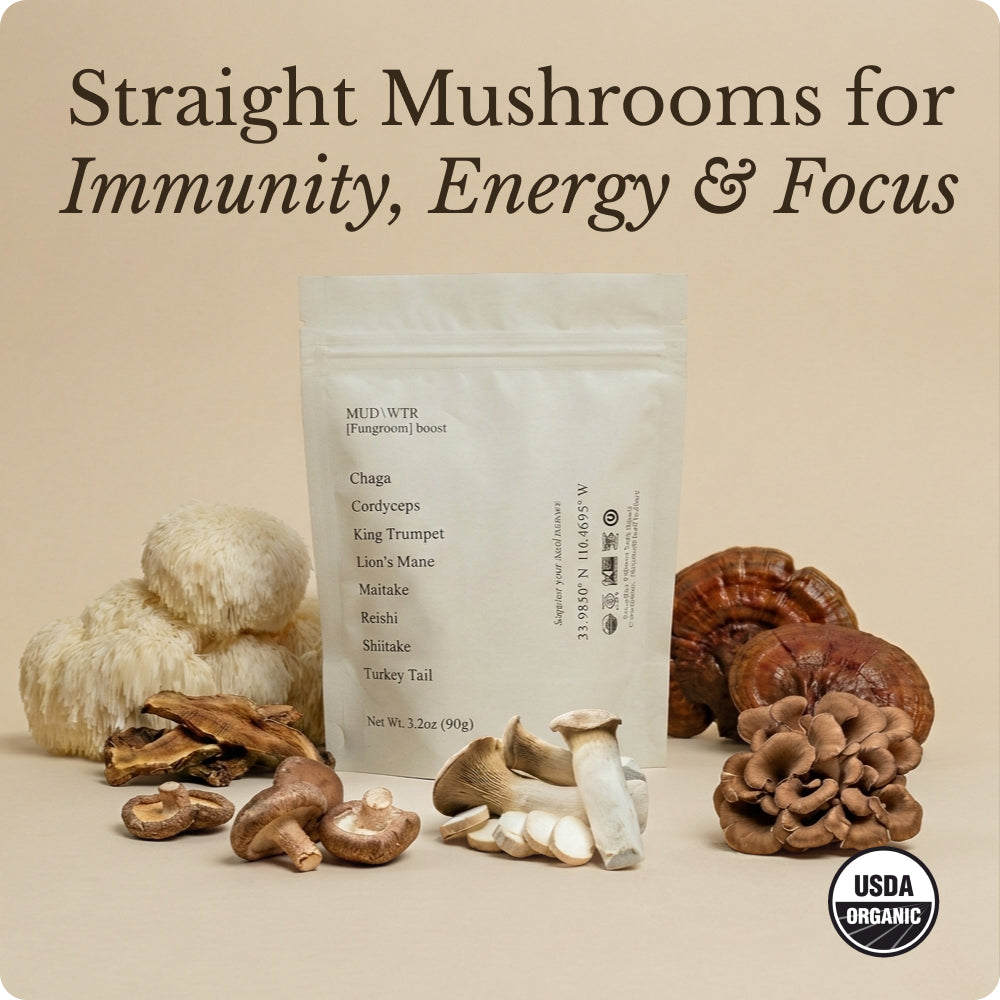
Maitake Mushroom Tea Vs. Maitake Supplements
With So Many Supplements On The Market, Why Choose Tea?
| Form | Absorption | Cost | Experience | Best For |
|---|---|---|---|---|
| Tea (homemade) | High (fresh and whole compounds) | Low | Calming ritual, warm drink | Daily wellness, enjoyment |
| Capsules/Powders | Variable (depends on quality) | Medium to high | Quick and easy | Travel, busy schedules |
| Extracts (liquid) | Highest (concentrated beta-glucans) | High | Strong taste, not for everyone | Therapeutic use, specific needs |
Tea gives you the full spectrum of maitake’s nutrients and is gentle on the stomach. Supplements are convenient, but quality can vary widely.
Credit: mudwtr.com
Sustainability And Foraging: Is Maitake Eco-friendly?
Maitake is a wild mushroom, but it’s also grown commercially. Here’s what you should know:
- Wild maitake is prized for flavor, but overharvesting can harm local ecosystems.
- Cultivated maitake is grown on logs or in special farms. It’s more sustainable and safer for beginners.
If you forage maitake, always do so with an expert, as mushroom identification mistakes can be dangerous.
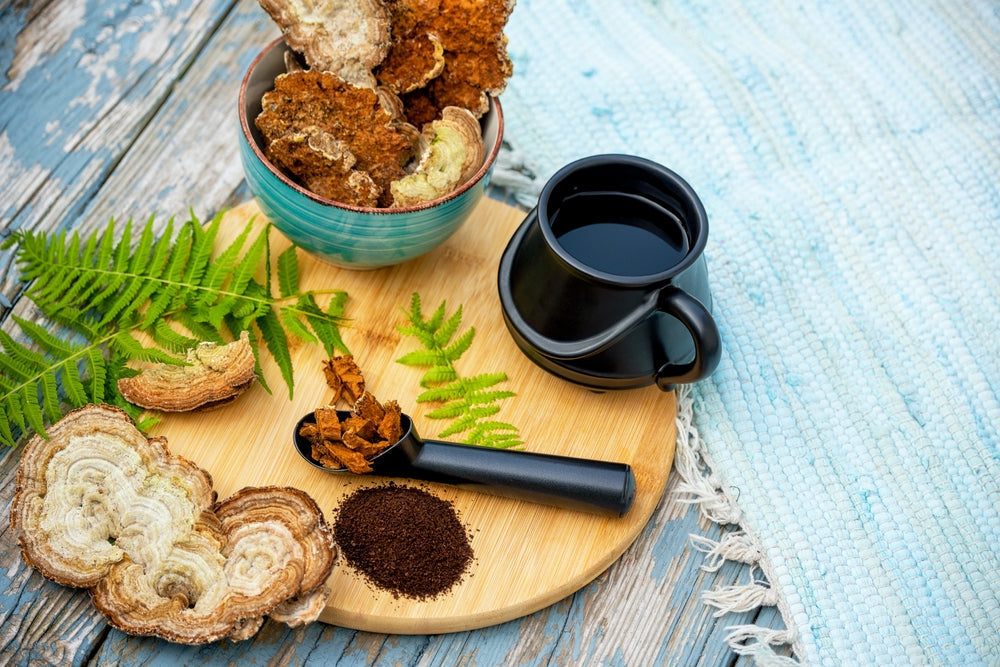
Combining Maitake With Other Herbs And Teas
Maitake pairs well with several herbs and teas, which can boost its flavor and benefits:
- Astragalus: Another immune-supporting root
- Ginger: Adds warmth and helps digestion
- Turmeric: For extra anti-inflammatory power
- Lemongrass: Brightens the earthiness
Start with small amounts of each, as too many flavors can overwhelm the gentle maitake taste.
Credit: revivesups.com
How To Make Maitake Tea Part Of Your Daily Routine
Consistency is key to getting the most from maitake mushroom tea. Here’s how to make it a habit:
- Brew a pot in the morning and keep it in a thermos for sipping throughout the day.
- Drink a cup before bedtime to relax (since it’s caffeine-free).
- Replace your afternoon coffee with maitake tea for a gentle, sustained energy.
- Share the ritual with family—children and elders can enjoy it too, with a doctor’s approval.
What To Expect: Taste, Feel, And Results
Some people notice subtle changes after a few days—better digestion, fewer colds, or more steady energy. For others, the effects are milder but still positive, especially as part of a healthy lifestyle.
The earthy, umami taste grows on most people, especially when served hot. If you’re used to sweet teas, try adding a little honey at first.
Real-world Stories: Who Loves Maitake Tea?
- Older adults: Appreciate the immune boost and gentle taste.
- Busy professionals: Use it as an afternoon pick-me-up that won’t disturb sleep.
- People recovering from illness: Sip it for comfort and support.
- Wellness seekers: Make it part of a daily self-care ritual.
Frequently Asked Questions
How Much Maitake Mushroom Tea Can I Drink Per Day?
Most people can safely drink 1–2 cups per day. If you’re new to medicinal mushrooms, start with a half-cup to check for any sensitivity. Increase gradually as your body adjusts. Consult your doctor if you take medication or have health conditions.
Is Maitake Mushroom Tea Safe For Children?
Maitake is generally considered safe, but children have different sensitivities. Always start with a small amount (a few sips) and watch for any reaction. Speak to a pediatrician before giving maitake tea regularly to children.
Can I Use Maitake Powder Instead Of Whole Mushrooms?
Yes, maitake powder works well, especially if it’s labeled for tea or cooking. Use about 1–2 teaspoons per cup. Stir into hot water and simmer as you would for whole mushrooms. Strain before drinking to remove any gritty texture.
Will Maitake Mushroom Tea Interact With My Medications?
Maitake can enhance the effects of blood sugar or blood-thinning drugs. If you take medication for diabetes or clotting, talk to your healthcare provider before using maitake tea. Do not stop or change medication without medical advice.
What Is The Best Way To Store Leftover Maitake Mushroom Tea?
Let the tea cool to room temperature, then pour into a glass jar or airtight container. Store in the refrigerator for up to 3 days. Reheat gently before drinking. Do not leave maitake tea at room temperature for long periods, as it can spoil.
Drinking maitake mushroom tea is a simple, enjoyable way to support your immune system and overall wellness. Whether you’re new to medicinal mushrooms or a longtime fan, this earthy, soothing brew is worth making part of your daily routine. With its rich history, gentle taste, and proven benefits, maitake tea is truly a cup of good health.