
Growing mushrooms is a fascinating journey that attracts gardeners, food lovers, and entrepreneurs alike. It’s not just about the unique flavor or health benefits of mushrooms. Many are drawn to the challenge and reward of cultivating their own crop. But before you begin, there’s one big question: Should you grow mushrooms indoors or outdoors? Both methods have their strengths and challenges. The right choice depends on your goals, resources, climate, and even your patience level.
This article will guide you through the key differences between indoor and outdoor mushroom growing. You’ll see what each method involves, what you need to succeed, and how to avoid common mistakes. Whether you have a small apartment or a backyard, you’ll find the insights you need to make a confident choice.
You’ll also discover some important points that most beginners miss when comparing these two options. By the end, you’ll know exactly which method matches your situation—and how to get the best results.
Understanding Mushroom Growing Basics
Before you compare indoor and outdoor methods, it’s important to understand how mushrooms grow. Unlike plants, mushrooms are fungi. They don’t use sunlight to make food. Instead, they grow from spores that develop into a network called mycelium. This mycelium spreads through a growing medium (like straw, sawdust, or logs) and, when conditions are right, produces the mushrooms you harvest.
There are hundreds of edible mushroom species. The most common for home growers are:
- Oyster mushrooms: Fast-growing and forgiving. They adapt to many substrates.
- Button mushrooms: The classic “white mushroom” in stores. Often grown in compost indoors.
- Shiitake: Famous for flavor and health benefits, usually grown on logs.
- Lion’s mane: Unique texture and taste, often grown indoors for best results.
- Wine cap (Stropharia): Grows well outdoors in wood chips or straw beds.
Each type has its preferred growing environment and level of difficulty. Some do better indoors, some outdoors, and some can grow both ways. Understanding the habits of your chosen mushroom will help you avoid wasted time and frustration.
You’ll also need to know about:
- Spawn: This is the mushroom ‘seed,’ usually mycelium on a grain or sawdust base. Spawn is what you mix into your substrate to start the process.
- Substrate: The material where mushrooms grow, like straw, logs, or compost. The right substrate is critical for each species. For example, oyster mushrooms can grow on coffee grounds, but shiitake needs hardwood.
- Fruiting conditions: The right mix of moisture, temperature, and air. Too little humidity or the wrong temperature can stop mushrooms from growing.
Another point to remember: unlike vegetables, mushrooms do not need light for energy. However, many species do need some indirect light to signal when it’s time to start fruiting. Total darkness is rarely ideal for good harvests.
Now, let’s see how these basics play out in indoor and outdoor growing.
Indoor Mushroom Growing
Growing mushrooms indoors gives you control. You can manage light, temperature, humidity, and cleanliness. This makes it easier to grow mushrooms year-round, even in small spaces.
Benefits Of Indoor Growing
- Year-round production: Indoor growers aren’t limited by the season or weather. You can harvest mushrooms in winter, summer, or even during rain. This is especially useful for people who live in areas with harsh winters or very hot summers.
- Better pest and disease control: Indoors, you can keep out insects, rodents, and many diseases that live in soil. Less exposure means less loss to unwanted guests.
- Faster growth cycles: You can fine-tune growing conditions for maximum speed, sometimes reducing the time from spawn to harvest. In a stable indoor environment, mushrooms can fruit more quickly and predictably.
- Use of small spaces: You don’t need a backyard. Mushrooms can grow in a closet, basement, or even a cupboard. Vertical setups or stacked shelves multiply your harvest in a small area.
- Cleaner mushrooms: Indoor mushrooms are usually cleaner, with less dirt or debris. Washing is often not needed, which helps preserve flavor and shelf life.
Common Indoor Growing Methods
- Grow kits: Ready-to-use kits with substrate and spawn. Great for beginners. These usually require only regular misting and a proper spot to sit.
- Buckets or bags: Fill with straw or sawdust and spawn. Stackable, space-saving. Clear bags let you observe mycelium growth and spot problems early.
- Shelves or racks: For larger production. More complex, but efficient. This method is popular for small commercial growers or those wanting to maximize harvest.
- Jars or containers: Popular for small oyster or button mushroom crops. Easy to move and manage, suitable for experimenting with different species.
Some growers even use recycled materials, like old milk jugs or laundry baskets, as creative containers. The key is keeping the substrate moist and the environment clean.
Required Equipment
To grow indoors, you’ll need:
- Spawn or spores of your chosen mushroom.
- Substrate (straw, sawdust, or compost).
- Containers (bags, buckets, or trays).
- Spray bottle or humidifier (to keep moisture high).
- Thermometer and hygrometer (to monitor conditions).
- Clean space (to reduce contamination).
Some indoor growers invest in extra gear like HEPA filters or grow tents, but for many mushrooms, these are not essential. However, a simple humidity tent (a clear plastic bag or box) can dramatically improve results, especially in dry homes.
A lesser-known tip: Use a small fan on a timer to increase fresh air exchange without over-drying your mushrooms. This small investment can mean the difference between thin, weak mushrooms and thick, healthy caps.
Step-by-step Example: Oyster Mushrooms In A Bag
- Prepare substrate: Soak straw and pasteurize (heat to kill bacteria). Pasteurizing can be done by soaking in hot water (65–80°C) for one hour, then draining.
- Mix in spawn: When cool, mix mushroom spawn into the straw. Wear gloves or use clean hands to prevent contamination.
- Fill bags: Place the mixture in special plastic grow bags, poke holes for mushrooms to grow out. The holes also allow for fresh air exchange.
- Incubate: Keep bags in a dark, warm place (20–24°C) for 2–3 weeks. The mycelium will colonize the straw, turning it white.
- Fruit: Move to a bright area (not direct sunlight) with good humidity. Mist daily. You may see tiny “pins” (baby mushrooms) forming near the holes.
- Harvest: Mushrooms appear in 7–14 days. Cut them as soon as caps flatten. Use a sharp knife or twist them off gently.
Challenges Of Indoor Mushroom Growing
- Initial setup costs: You may need to buy equipment or kits. While costs can be low for small projects, scaling up for more harvests will require a bigger investment.
- Contamination risk: Mold and bacteria can ruin crops if you’re not careful with cleanliness. Even a small amount of dirt or bacteria can spread quickly in the warm, wet environment.
- Humidity management: Mushrooms need high humidity, which can be tricky in dry climates or heated homes. Dry air causes mushrooms to dry out or stop growing.
- Odors: Some substrates or mushrooms have strong smells, especially in small spaces. Oyster mushrooms, for example, can have a distinct earthy scent during growth.
A practical tip: Always keep a spray bottle nearby and check your mushrooms twice a day. If you see green or black mold, remove the affected area immediately and improve air flow.
Non-obvious Insight: The Importance Of Fresh Air Exchange
Many beginners think mushrooms only need water and darkness. In reality, fresh air exchange is critical. Without enough airflow, mushrooms become long and thin (“leggy”), or won’t form at all. Opening bags or using fans (gently) can solve this problem.
Another subtle point: High carbon dioxide levels in closed containers can block mushroom fruiting. Even if you mist regularly, without fresh air, you may end up with lots of mycelium but few mushrooms.
Who Should Choose Indoor Growing?
- Apartment dwellers or those with little outdoor space.
- People who want year-round harvests.
- Those interested in specialty mushrooms that need controlled conditions.
- Anyone who enjoys a hands-on project and likes to check on their crop daily.
Indoor growing is also ideal for educational settings—schools and families can watch the whole process up close.

Credit: awaytogarden.com
Outdoor Mushroom Growing
Outdoor growing uses natural conditions—sun, rain, and soil. Many mushrooms, especially those that grow on wood, thrive outdoors.
Benefits Of Outdoor Growing
- Low cost: Often uses free or cheap materials, like logs, wood chips, or straw. You can use yard waste or leftover wood from pruning.
- Large harvests: Outdoor beds or logs can produce bigger crops over time. Once established, a single log can give several harvests each year.
- Less daily care: Once set up, outdoor beds or logs may need only occasional watering. Nature does most of the work.
- Natural cycles: Some mushrooms, like shiitake or wine cap, only fruit in spring and fall, which matches their life cycle. These cycles can help synchronize your harvests with cooler, wetter weather.
- No space limits: Yards, gardens, or woodlots can hold large setups. Outdoor growing can scale up easily if you want to expand.
An extra benefit: Mushroom beds can improve soil health and break down wood chips, turning waste into rich compost for other plants.
Common Outdoor Growing Methods
- Log inoculation: Drilling holes in logs, filling with spawn, and sealing. This is the classic way to grow shiitake and some oyster mushrooms.
- Wood chip beds: Spreading spawn over wood chips in shaded beds. Wine cap mushrooms love this method.
- Garden beds: Mixing spawn into straw or compost in shaded spots. Oysters can grow well in this setup.
- Stump cultivation: Using tree stumps as a growing base. After cutting a tree, you can turn the leftover stump into a mushroom patch.
Outdoor growers often experiment with several methods at once, letting nature decide which works best.
Required Equipment
- Spawn for outdoor mushrooms (often in plug or sawdust form).
- Logs, chips, straw, or compost (depending on species).
- Drill and wax (for log methods). A small drill and block of food-grade wax are usually enough.
- Garden hose or watering can (to keep things moist). In dry climates, regular watering is necessary.
- Shade cloth (optional, for hot climates). This prevents beds from drying out too quickly.
If you’re short on logs, check with local tree services or neighbors. Freshly cut logs (not older than a few weeks) are best for inoculation, as older logs may already have competing fungi.
Step-by-step Example: Shiitake Mushrooms On Logs
- Select logs: Use hardwood logs, 10–15 cm thick, cut fresh in late winter. Oak, beech, or maple work best. Avoid logs with visible mold or rot.
- Drill holes: Space holes 15 cm apart along the log. Holes should be about 2–3 cm deep.
- Inoculate: Insert mushroom spawn (plugs or sawdust) into holes. Use a hammer for plug spawn or a small plunger for sawdust.
- Seal holes: Cover with cheese wax to keep out pests. This also helps the mycelium stay moist.
- Stack logs: Place in a shady, moist area. Lean logs against each other or lay them on raised supports to keep off the ground.
- Wait: Logs take 6–18 months to begin fruiting, then produce for 3–5 years. During dry spells, soak logs in water for 24 hours to encourage fruiting.
- Harvest: Cut shiitake mushrooms as they appear. Harvest regularly to encourage new flushes.
Challenges Of Outdoor Mushroom Growing
- Weather dependence: Drought, heavy rain, or extreme temperatures can affect crops. A sudden heatwave can dry out beds, while heavy rain can wash away spawn.
- Pests: Slugs, insects, rodents, and even deer may eat mushrooms. Netting or physical barriers can help, but some loss is normal.
- Longer wait: Some methods take months or years before harvest. Patience is key.
- Space needed: Outdoor growing requires a yard, garden, or wooded area. Urban dwellers may struggle unless they have access to a community garden.
A smart tip: Use mulch around your mushroom beds to hold moisture and reduce weeds. This simple step can boost yields and cut down on maintenance.
Non-obvious Insight: Microclimate Matters More Than You Think
It’s not enough to just “find shade.” The exact microclimate—temperature, wind, humidity—can make or break your mushroom bed. South-facing gardens may dry out too fast. North sides of garages often work better. Test your chosen spot before investing in lots of spawn.
Also, tree cover can help regulate temperature and humidity, but too much leaf litter can attract pests. A balance is important. If you notice mushrooms drying out or not fruiting, try moving logs or beds to a different spot.
Who Should Choose Outdoor Growing?
- Homeowners with yards, gardens, or woodlots.
- People who want big harvests for less cost.
- Those who can wait for slower results.
- Anyone interested in more sustainable, low-maintenance gardening.
Outdoor growing is also a good choice for those who want to experiment with different mushroom species and observe how they interact with nature.
Side-by-side Comparison: Indoor Vs Outdoor Mushroom Growing
To help you decide, here’s a direct look at the main differences:
| Factor | Indoor Growing | Outdoor Growing |
|---|---|---|
| Space Needed | Very little (closet, shelf, cupboard) | Yard, garden, or outdoor area required |
| Startup Cost | Medium to high (kits, equipment) | Low (logs, chips, basic tools) |
| Time to Harvest | 2-8 weeks | 3 months to 2 years (logs), 2-4 months (beds) |
| Yield | Small to medium | Medium to large |
| Pest Control | Easy (controlled environment) | Harder (slugs, rodents, insects) |
| Maintenance | Daily (humidity, air) | Weekly or after rain |
| Seasonality | Year-round possible | Seasonal (spring/fall best) |
| Species Variety | Oyster, button, lion’s mane, etc. | Shiitake, wine cap, oyster, morels |
If you’re still unsure, consider starting with a small indoor kit and a simple outdoor bed. This hands-on comparison will quickly show which method suits your style.
Factors To Consider Before Choosing
Choosing the right method depends on your answers to a few key questions.
1. What Space Do You Have?
- Apartment or no yard: Indoor is your only option. Even a windowsill can work for a small kit.
- Backyard, garden, or woods: Outdoor gives more possibilities. The bigger your space, the more you can experiment.
2. How Much Time Can You Invest?
- Daily attention: Indoor mushrooms need misting and checking. Missing a day or two can slow growth.
- Low maintenance: Outdoor logs or beds can go days or weeks with little care. If you travel often, outdoor logs are a good option.
3. How Patient Are You?
- Quick results: Indoor oyster mushrooms can be ready in 2–4 weeks. Great for those who want fast feedback.
- Willing to wait: Outdoor logs may take a year or more, but produce for years. If you enjoy slow projects with long-term rewards, outdoor growing is ideal.
4. What’s Your Budget?
- Kits and equipment: Indoor growing can cost $20–$200 to start. Kits are convenient but more expensive per kilogram.
- Logs and spawn: Outdoor methods might cost as little as $10 if you already have logs. Over time, outdoor methods are usually cheaper per harvest.
5. What Mushrooms Do You Want?
- Gourmet types (lion’s mane, enoki): Often easier indoors. They need stable conditions and careful control.
- Shiitake or wine cap: Thrive outdoors on wood or straw. These species are more forgiving of weather changes.
6. Climate And Weather
- Cold, dry, or hot climates: Indoor may be more reliable. Extreme weather outdoors can ruin crops.
- Mild, moist regions: Outdoor mushrooms can thrive. Rain and cool temperatures help mushrooms fruit naturally.
7. How Much Do You Want To Harvest?
- Personal use: Indoor methods can supply enough for a family. You can grow as little as 500g at a time.
- Selling or sharing: Outdoor beds or logs can produce bigger yields. Community projects or small-scale sales are possible.
A second insight: If you want to grow mushrooms as a business, many successful growers combine both methods—indoor for fast crops and outdoor for long-term production.
Case Studies: Real-world Examples
Let’s look at how different growers made their choices.
Case 1: Small Apartment, Busy Schedule
Rita lives in a city apartment with no balcony. She wants mushrooms for cooking, but has little spare time. She chooses an indoor grow kit. In three weeks, she has her first oyster mushroom harvest. She only needed to mist the kit twice daily and keep it near a window. Rita learned that good air flow was important—her first kit produced better mushrooms when she opened the bag more often.
Case 2: Homestead With Woodlot
Luis owns a small homestead with oak trees. He drills and inoculates 20 logs with shiitake spawn. The first year, nothing happens. But the next spring, mushrooms appear after every rain. The logs produce for five years, supplying his family and neighbors. Luis noticed that logs in deeper shade stayed moist longer and produced more mushrooms.
Case 3: Community Garden Project
A local group sets up a wine cap mushroom bed in their community garden using wood chips and spawn. They water it during dry spells. By summer, the bed produces huge, tasty mushrooms that everyone shares. The group also finds that the wood chips break down into rich compost, improving their vegetable beds the next year.
Case 4: Urban Grower With Garage
Sarah wants to try lion’s mane mushrooms, which need stable conditions. She sets up a shelf with humidity tents in her garage. In six weeks, she harvests beautiful, brain-shaped mushrooms, impressing her friends. She also discovers that using a small desk fan keeps the air fresh and prevents mold.
Common Mistakes Beginners Make
- Ignoring cleanliness indoors: Contaminants like mold love damp spaces. Always use clean hands, tools, and containers.
- Placing outdoor beds in full sun: Mushrooms dry out and die quickly in sunlight. Always choose shade.
- Overwatering or underwatering: Mushrooms need moist, not soggy, conditions. Check daily indoors, weekly outdoors. Use a finger or moisture meter to judge.
- Choosing the wrong species: Not all mushrooms grow well everywhere. Pick types suited to your climate and space. Some growers try to grow shiitake on straw, which rarely works.
- Forgetting fresh air: Indoor mushrooms need airflow, or they’ll form poorly. Even a cracked window or a few holes in bags can help.
- Impatience with outdoor logs: Logs take time. Don’t dig them up or move them if nothing happens the first year.
A bonus mistake: Not tracking your results. Keep notes about what you did, what worked, and what didn’t. This will help you improve with each crop.
Costs And Expected Yields
How much will you spend—and what can you expect to harvest?
| Method | Startup Cost | Ongoing Cost | Yield per Year |
|---|---|---|---|
| Indoor Kit | $20-$40 | $0-$10 | 1-2 kg per kit |
| Indoor DIY (bags/shelves) | $50-$150 | $10-$30 | 5-10 kg per m² |
| Outdoor Log (shiitake) | $10-$50 | $0-$5 | 2-4 kg per log |
| Outdoor Wood Chip Bed | $15-$60 | $0-$10 | 4-10 kg per bed |
Yields depend on species, care, and local conditions. Indoor growers can cycle through more crops per year, but outdoor logs and beds offer bigger harvests in the long run.
Another tip: If you have a steady supply of substrate (like coffee grounds, straw, or wood chips), indoor growing can be very productive. Outdoor beds can be “refreshed” each year with new spawn and material for continued production.
Health And Safety: What Beginners Miss
Many people think homegrown mushrooms are always safe. However, there are a few points to watch:
- Know your species: Never eat wild mushrooms unless you’re 100% sure of their identity. Always use spawn from trusted suppliers. Even experienced foragers make mistakes.
- Cleanliness indoors: Mold and bacteria can spoil crops and, in rare cases, make you sick. Discard anything with odd smells or colors. Don’t take risks with your health.
- Outdoor animals: Protect outdoor beds with netting if you have pets or wildlife nearby. Squirrels, mice, and birds love mushrooms too.
- Allergies: Some people are sensitive to mushroom spores. Wear a mask when handling large crops indoors. If you have asthma, take extra care.
One more point: Some indoor mushrooms (especially oyster) release lots of spores when mature. Harvest before caps flatten to reduce spore build-up and potential respiratory irritation.
Environmental Impact
- Indoor methods often use more energy (lighting, heating, humidity control). If you use artificial lights or keep rooms warm, your energy bill may go up.
- Outdoor methods are more eco-friendly, using natural cycles and less plastic. They also recycle organic waste and add organic matter to the soil.
If you care about sustainability, outdoor growing wins—if you have the space. Some indoor growers offset their energy use by using renewable power or by reusing materials.
A small but useful idea: Spent mushroom substrate can often be composted, feeding your garden and closing the loop.
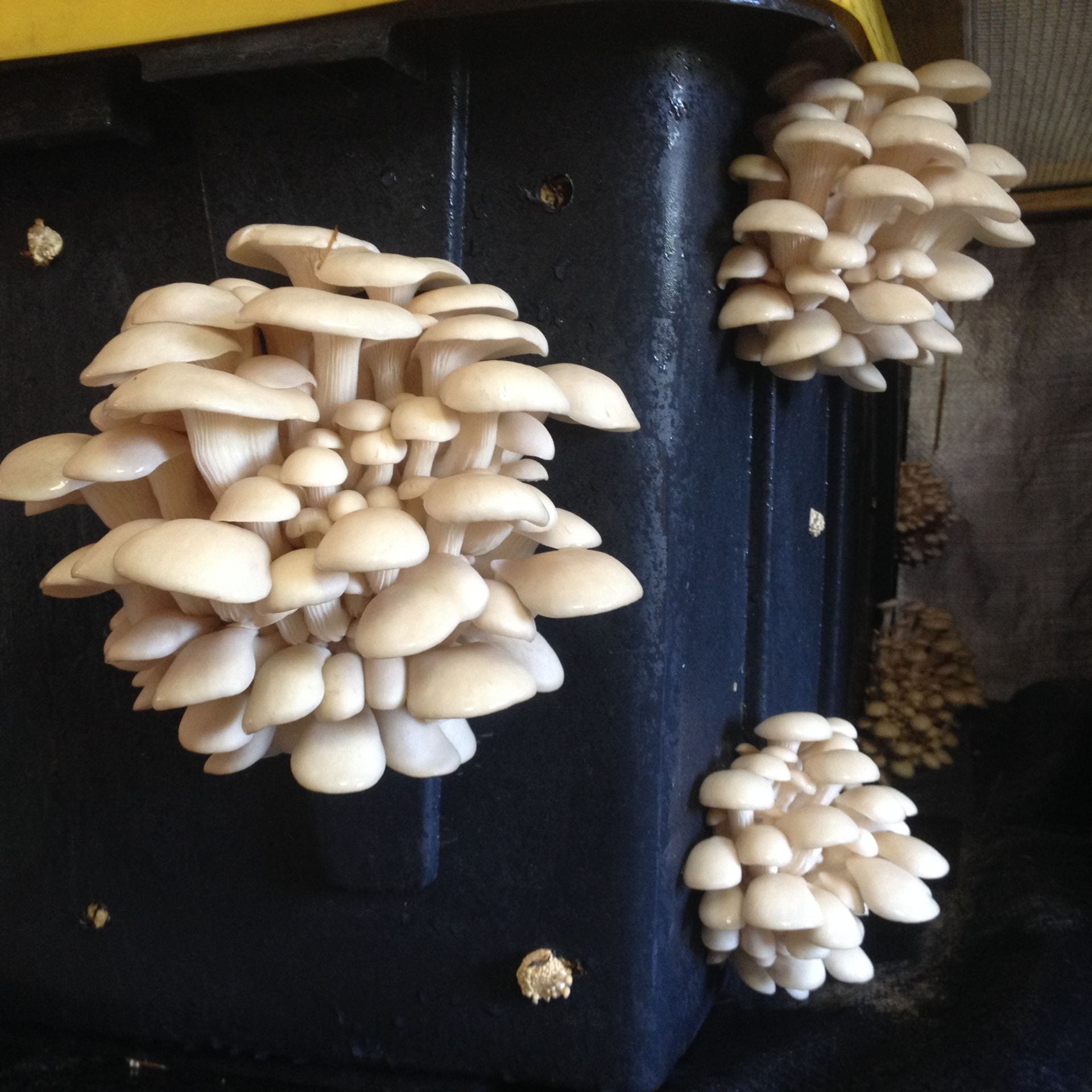
Credit: smallfarms.cornell.edu
Advanced Tips For Better Results
- Mix methods: Some growers start mushrooms indoors, then move them outside for fruiting. This can increase yields and reduce contamination.
- Save your spawn: Old substrate can sometimes be used to start new beds outdoors. Don’t throw away used bags—bury them under mulch and you might get bonus crops.
- Try spent coffee grounds: Oyster mushrooms love them, and it’s a good way to recycle kitchen waste.
- Track your results: Keep notes on what works and what doesn’t. Each home is unique.
- Join a local group: Mushroom clubs or online forums offer advice, troubleshooting, and even spawn swaps.
- Rotate your crops: Just like with vegetables, don’t use the same substrate or bed for the same species every time. This helps prevent disease build-up.
- Experiment with species: Try a new mushroom each season. You might discover a favorite you never expected.
Which Is Right For You? A Quick Self-test
Ask yourself:
- Do you want quick results? (Choose indoor)
- Do you have outdoor space? (Try outdoor)
- Are you on a budget? (Outdoor is cheaper)
- Do you like daily gardening? (Indoor is hands-on)
- Can you wait and want big harvests? (Go outdoor)
- Interested in rare varieties? (Indoor may be better)
Most growers try both methods over time. Start small and learn as you go.
Credit: huile-olive-paradis.com
Where To Get More Information
If you want to dive deeper into mushroom growing techniques, guides, and community advice, check out the Mushroom cultivation page on Wikipedia.
Frequently Asked Questions
How Long Does It Take To Grow Mushrooms Indoors Vs Outdoors?
Indoor mushrooms like oysters can be ready in 2–4 weeks from setup to harvest. Outdoor mushrooms on logs may take 6–18 months for the first harvest but will produce for years. Outdoor wood chip beds can fruit in 2–4 months.
Can I Grow Mushrooms Indoors Without Expensive Equipment?
Yes. Many mushrooms grow well in simple containers or bags with just a spray bottle for moisture. Kits are the easiest but not always the cheapest. Cleanliness is more important than advanced gear for beginners.
What Is The Easiest Mushroom For Beginners?
Oyster mushrooms are the most forgiving. They grow fast, tolerate a wide range of conditions, and can be grown indoors or outdoors. Shiitake is easy on logs outdoors but slower.
Are Indoor-grown Mushrooms Healthier Or Safer Than Outdoor Ones?
Both can be safe and healthy if you use quality spawn and keep things clean. Indoor mushrooms are usually cleaner (less dirt), but outdoor mushrooms may have richer flavor. Never eat wild mushrooms unless you’re sure of their identity.
Can I Grow Mushrooms Outdoors In A Hot Or Dry Climate?
It’s possible, but you’ll need to provide extra shade and water. Mulch can help keep outdoor beds moist. Indoor growing may be more reliable in extreme climates.
Growing mushrooms is a rewarding journey, whether inside or outside. The key is to match your method to your space, goals, and resources. Start small, learn as you go, and you’ll enjoy fresh, delicious mushrooms—and the pride of growing your own.