
Chaga For Weight Management: Can Antioxidants Influence Metabolism?
People are always searching for ways to manage weight. Some try new diets. Others look for supplements that can give them an edge. In recent years, chaga mushroom has become popular as a natural remedy. Many health enthusiasts say it has strong antioxidants. Some even believe these antioxidants can help with metabolism and weight management. But is there real science behind these claims, or is it just hype?
Let’s explore the potential link between chaga, antioxidants, and metabolism. You’ll learn what chaga is, how antioxidants work, and whether this mushroom can truly support your weight management goals. We’ll also look at research studies, practical tips, and common mistakes to avoid. By the end, you’ll have a clear view of what chaga can (and can’t) do for your body.
What Is Chaga?
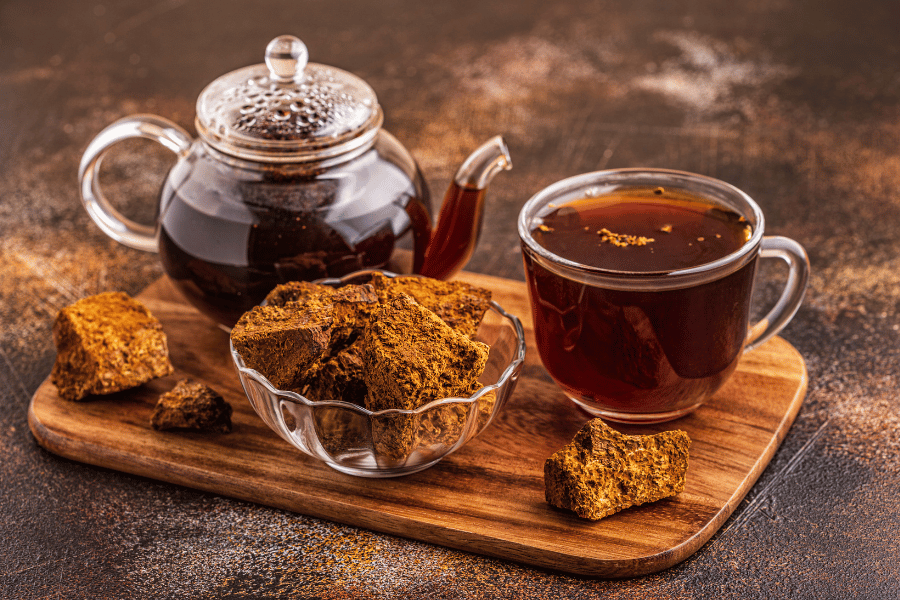
Chaga is not your typical mushroom. It grows mainly on birch trees in cold regions, such as Siberia, Canada, and parts of Northern Europe. The scientific name is Inonotus obliquus. Unlike the soft mushrooms you see in the supermarket, chaga looks like a dark, rough lump, almost like burnt charcoal.
For centuries, people in Russia and other northern cultures have used chaga as a traditional remedy. They believed it could improve health, boost the immune system, and even fight infection. Today, it’s sold as powder, capsules, teas, and extracts.
Many people are surprised to learn that chaga is not actually the fruiting body of a mushroom, but a hardened mass of mycelium called a “sclerotium. ” This dense structure allows it to survive harsh winters and store nutrients. In folk medicine, it was often ground into powder and brewed as a tea, sometimes mixed with other herbs.
Nutritional Profile
Chaga is packed with unique compounds:
- Polysaccharides: Complex sugars that may support the immune system.
- Beta-glucans: Known for their immune-boosting effects.
- Melanin: Gives chaga its dark color and provides antioxidant power.
- Polyphenols: Plant chemicals with antioxidant effects.
- Triterpenoids: May support inflammation control.
Chaga is low in calories and fat, but high in these bioactive components. It does not contain many vitamins or minerals, but its value comes from these rare compounds.
There are also smaller amounts of micronutrients like zinc, copper, and selenium, but these are not the main reason people use chaga. Its real strength is in the combination of special antioxidants and immune-supporting molecules. For example, melanin in chaga not only gives it a black color, but also helps absorb and neutralize free radicals, which is unique among mushrooms.
Another point many people miss: wild-harvested chaga from cold climates usually has higher amounts of these compounds compared to farmed or low-quality sources. This is why the origin and purity of chaga matter so much for its effects.
Understanding Antioxidants
Antioxidants are natural molecules that protect our cells from damage. Every day, our bodies face threats from unstable molecules called free radicals. These can come from pollution, stress, unhealthy food, or even normal body processes.
If free radicals are not controlled, they can damage cells. This is called oxidative stress. Over time, oxidative stress is linked to aging, inflammation, and many diseases—including obesity and diabetes.
Antioxidants work like bodyguards. They “neutralize” free radicals and stop them from harming cells. Our bodies make some antioxidants, but we also need to get them from food and supplements.
What beginners often miss is that not all antioxidants work the same way. Some stay in the body longer, while others act quickly and disappear. The mix of different antioxidants in chaga is one reason it gets attention from scientists.
Types Of Antioxidants In Chaga
Chaga is famous for its high antioxidant content. Some key antioxidants in chaga include:
- Superoxide dismutase (SOD)
- Polyphenols
- Melanin
- Triterpenes
These substances can help reduce oxidative stress, at least in laboratory studies. But how do antioxidants relate to metabolism and weight?
Superoxide dismutase (SOD) deserves a special mention. It is an enzyme that fights one of the most dangerous free radicals in our body. SOD levels naturally decrease as we age, so getting more from food sources like chaga could offer extra support.
Polyphenols are also important. They are found in many plants, but chaga’s polyphenols have a unique structure that may give them stronger effects. Scientists are still studying exactly how these compounds interact with our metabolism, but early results are promising.
How Metabolism Affects Weight
Your metabolism is the process your body uses to turn food and drink into energy. It’s like your body’s engine. Some people have “fast” metabolism and burn calories quickly. Others have a “slow” metabolism, which makes weight loss harder.
Metabolism is influenced by many factors:
- Genetics
- Age
- Hormones
- Muscle mass
- Activity level
When your metabolism works well, your body uses energy efficiently. If it’s slow, you may gain weight even if you don’t eat much.
One detail often overlooked is that metabolism is not just about burning calories. It includes all the chemical reactions in your body—breaking down food, building up tissues, and clearing out waste. Even small changes in how your cells use energy can make a big difference over time.
For example, people with more muscle mass usually burn more calories, even at rest. That’s why exercise helps boost metabolism. Hormones like thyroid hormone and insulin also play big roles—if these are out of balance, weight management can become much harder.
The Link Between Antioxidants And Metabolism
Recent studies show that oxidative stress may slow down metabolism. When free radicals damage cells, your body’s energy processes can be disrupted. This is especially true in the mitochondria, the “power plants” of your cells. If mitochondria are damaged, your body burns fewer calories.
Antioxidants help protect mitochondria. By reducing oxidative stress, they may keep your metabolism running smoothly. Some scientists believe that increasing antioxidant intake can support healthy metabolism and possibly make it easier to manage weight.
But does this mean chaga can help with weight management? Let’s see what the research says.
A key point: when oxidative stress is high, your body may store more fat as a protective measure. This is why people with chronic inflammation or high stress often gain weight more easily. Antioxidants from foods like chaga could, in theory, help break this cycle by lowering inflammation and supporting better energy use.
Also, some antioxidants can help balance hormones involved in hunger and fullness, such as leptin and ghrelin. While the evidence is early, this could be one way chaga supports weight management indirectly.
Chaga’s Antioxidant Power: What The Science Shows
Chaga is often called a “superfood” because of its high antioxidant content. In fact, some studies found that chaga has one of the highest ORAC (Oxygen Radical Absorbance Capacity) scores among natural foods. ORAC measures how well a substance can neutralize free radicals.
Orac Score Comparison
Here is how chaga compares to other antioxidant-rich foods:
| Food | ORAC Score (per 100g) |
|---|---|
| Chaga Mushroom | 52,000 |
| Acai Berries | 18,500 |
| Blueberries | 4,669 |
| Dark Chocolate | 20,816 |
This high ORAC value suggests chaga is a strong source of antioxidants. But ORAC scores only tell part of the story. What matters most is how these antioxidants work in your body.
A little-known fact: the way chaga is prepared can change its antioxidant power. For example, hot water extracts (teas and decoctions) may release different types and amounts of antioxidants compared to alcohol extracts. If you buy chaga powder, check whether it’s made with hot water, alcohol, or both. Some products use a “dual extraction” method to capture a wider range of compounds.
Human And Animal Studies
- Animal studies show chaga can reduce oxidative stress, lower blood sugar, and protect against obesity-related damage. For example, a 2017 study in mice found that chaga extract helped lower body weight, fat levels, and blood sugar after a high-fat diet.
- Cell studies suggest chaga antioxidants can protect mitochondria and improve cell energy production.
- Human studies are limited. Most research is small or short-term. Some trials show benefits for reducing inflammation and improving immune response. But there is not enough strong evidence to prove chaga directly boosts human metabolism or causes weight loss.
A few studies have looked at chaga’s effects in humans with metabolic syndrome—a group of risk factors like high blood sugar, belly fat, and high cholesterol. Results show some improvement in inflammation and antioxidant status, but not always in weight loss itself.
Still, these early results are encouraging for people who want to support their metabolic health.
Another point to consider: most studies use concentrated chaga extracts, which are stronger than regular tea or powder. This means the effects you see in research may be higher than what you experience from a standard cup of chaga tea.
Can Chaga Help With Weight Management?
While chaga is rich in antioxidants, does it really help with weight management? The answer is not simple.
Possible Ways Chaga May Support Weight Management
- Reducing Oxidative Stress: Less oxidative stress may improve cell function, including metabolism.
- Improving Blood Sugar Control: Some studies suggest chaga can help regulate blood sugar, which may reduce cravings and overeating.
- Supporting Inflammation Control: Chronic inflammation is linked to obesity. Chaga’s anti-inflammatory effects may support a healthy weight.
- Boosting Energy Levels: By protecting mitochondria, chaga may help you feel more energetic, making it easier to exercise and stay active.
However, it’s important to know that chaga is not a “magic bullet. ” It cannot replace a healthy diet and regular exercise.
A practical example: if you’re someone who tends to feel tired or heavy after meals, adding chaga tea to your routine might help you feel lighter and more energetic. This could make it easier to stay motivated for physical activity, which is key for weight management.
Another insight: people with high stress levels or chronic inflammation (like those with busy jobs or poor sleep) may benefit most from chaga’s antioxidant effects. If your main challenge is stress eating or fatigue, chaga could be a gentle support.
What The Evidence Says
So far, most research is early-stage. Animal studies are promising, but high-quality human trials are rare. Some people report feeling more energetic or having better digestion with chaga, but these are personal experiences.
Researchers agree that more studies are needed. If you want to try chaga for weight management, think of it as a support—not a solution.
It’s also worth noting that chaga may work best for people who already have high oxidative stress or mild metabolic issues. If you are already healthy and active, the effects might be smaller or less noticeable.
How To Use Chaga Safely
If you decide to try chaga, it’s important to use it safely and wisely. Here are some practical tips:
Forms Of Chaga
You can find chaga in several forms:
- Powder
- Tea bags
- Tinctures (liquid extracts)
- Capsules
Each form has its pros and cons. Powder and tea are easy to add to drinks or smoothies. Tinctures are strong and fast-acting. Capsules are convenient for travel.
A practical tip: if you’re new to chaga, start with tea or powder. You can control the dose and notice how your body reacts. Some users like to add chaga powder to coffee or hot chocolate for a smooth, earthy taste. If you prefer not to taste it, capsules might be best.
Recommended Dosage
There is no official recommended dose for chaga. Most supplements suggest:
- 500 mg to 1,000 mg per day (capsules or powder)
- 1 to 2 cups per day (tea)
Always start with a low dose to check for reactions.
Remember, the effects of chaga are gentle and build up over time. Large doses do not bring faster results, and may increase the risk of side effects.
How To Prepare Chaga Tea
A simple way to use chaga is as a tea.
- Boil water (about 2 cups).
- Add 1-2 teaspoons of chaga powder or a tea bag.
- Let it steep for 10-15 minutes.
- Strain (if using loose powder) and enjoy.
You can add honey, lemon, or ginger for extra flavor.
For a stronger tea, you can simmer chaga chunks for up to one hour. This traditional method extracts more polysaccharides and melanin. The tea will be darker and have a mild, earthy taste. Store leftovers in the fridge and drink within 2 days.
Safety And Side Effects
Chaga is considered safe for most people when used in moderation. However, some people should avoid it:
- Those with autoimmune diseases (chaga may boost the immune system).
- People on blood thinners (chaga contains compounds that may affect blood clotting).
- Pregnant or breastfeeding women (not enough safety data).
- Anyone with kidney disease (chaga is high in oxalates).
Possible side effects include stomach upset, diarrhea, or allergic reactions. Stop use if you notice problems.
A tip for sensitive users: try chaga tea after a meal, not on an empty stomach, to reduce digestive discomfort. If you take medication, space out supplements by at least 2 hours.
Chaga Vs. Other Weight Management Supplements
Many people wonder if chaga is better than other natural supplements for weight management. Let’s compare chaga with a few popular options.
| Supplement | Main Benefits | Main Risks |
|---|---|---|
| Chaga | High antioxidants, immune support, possible metabolism boost | Immune overactivation, kidney risk, blood thinning |
| Green Tea Extract | Boosts metabolism, contains EGCG antioxidants | May cause insomnia, liver risk if overused |
| Garcinia Cambogia | May reduce appetite, blocks fat storage | Digestive issues, possible liver effects |
| Glucomannan | Increases fullness, supports appetite control | Can cause bloating, choking risk if not taken with water |
Chaga stands out for its antioxidant power and immune support. However, it is not proven to cause significant weight loss on its own. Combining chaga with a healthy lifestyle is the best approach.
Some supplements, like green tea extract, have more research for direct fat-burning effects. Chaga is gentler and may fit better for people who are sensitive to caffeine or want overall health support rather than quick results.
Common Mistakes When Using Chaga For Weight Management
People often make errors when trying new supplements. Here are some mistakes to avoid with chaga:
1. Expecting Quick Results
Chaga works slowly. Don’t expect big changes overnight. It should be used as part of a long-term plan.
2. Ignoring Diet And Exercise
No supplement can replace healthy eating and regular activity. Chaga may support your efforts, but it cannot do the work for you.
3. Overdosing
More is not better. Too much chaga can stress the kidneys and cause side effects.
4. Choosing Low-quality Products
Not all chaga products are equal. Some may be mixed with fillers or contain little real chaga. Look for brands that test for purity and quality.
5. Not Checking For Drug Interactions
Chaga can interact with some medicines, especially blood thinners or diabetes drugs. Always check with your doctor before starting.
Other mistakes include using chaga as a meal replacement or skipping meals in hopes of faster weight loss. This often backfires, leading to fatigue and cravings. Chaga should enhance your routine, not replace real food.
Real User Experiences
Many people have shared their experiences with chaga for weight management. Here are a few examples:
- Maria, 38: “I added chaga tea to my morning routine. I feel less tired and noticed fewer sugar cravings. I haven’t lost much weight, but I feel healthier.”
- John, 45: “Chaga helped my digestion and gave me steady energy during my workouts. The weight came off slowly, but I feel it’s easier to stick with my healthy habits.”
- Ayesha, 29: “I tried chaga capsules for three months. I didn’t see big changes on the scale, but my skin improved and I got sick less often.”
These stories show that chaga may help some people feel better and support healthy habits. However, results vary.
Some users mention that chaga helps them avoid afternoon energy crashes, which reduces their urge to snack on unhealthy foods. Others use it as a warm, comforting drink that replaces sugary coffee or soda—small changes that support weight management over time.
Credit: tessmanseed.com
Scientific Insights Beginners Often Miss
1. Bioavailability Matters
Many beginners don’t realize that not all antioxidants in food are absorbed by the body. This is called bioavailability. Some antioxidants in chaga, like melanin, may be hard for the body to use. Hot water extraction (like tea) can improve absorption, but alcohol-based tinctures may release different compounds.
If you want the full benefits of chaga, consider using products that use both hot water and alcohol extraction. Also, taking chaga with a small amount of healthy fat (like coconut oil) may help your body absorb fat-soluble antioxidants better.
2. Chaga Is Not A Standalone Solution
Another common mistake is believing chaga alone will cause weight loss. The mushroom may support metabolism and reduce inflammation, but it must be combined with balanced nutrition, physical activity, and good sleep. Supplements can only help if your overall lifestyle supports your goals.
A practical example: if your diet is high in processed foods and sugar, adding chaga will not reverse all effects. Focus on basics first—then use chaga as an extra tool.
Practical Tips For Using Chaga
- Start small: Begin with a low dose and increase slowly.
- Use high-quality products: Choose chaga that is wild-harvested, third-party tested, and free from fillers.
- Cycle your use: Take breaks (e.g., use for 3 weeks, rest for 1 week) to avoid overloading your system.
- Combine with a healthy routine: Chaga works best as part of a balanced diet, regular exercise, and enough sleep.
Another tip: keep a simple health journal. Track how you feel after starting chaga—energy, digestion, mood, and cravings. This makes it easier to notice small improvements and adjust your routine.

Credit: antioxi-supplements.com
Chaga And Long-term Health
Chaga is not only about weight. Its antioxidants may support long-term health in other ways:
- Immune health: Supports the body’s defense system.
- Blood sugar control: May help keep blood sugar levels stable.
- Skin protection: Antioxidants protect skin from damage and aging.
Some people use chaga during cold and flu season, or when under stress, to help prevent sickness. Its anti-inflammatory effects may also help with joint or muscle discomfort.
But, remember: chaga is not a replacement for medical care. It’s a tool, not a cure.
Who Should Avoid Chaga?
Some people should not use chaga or should use it only with a doctor’s advice:
- People with autoimmune diseases
- Those on blood thinners or diabetic medications
- Pregnant and breastfeeding women
- People with kidney disease
If you have a health condition or take regular medicine, always consult your doctor first.
People with kidney stones or a history of kidney problems should be especially careful. Chaga is high in oxalates, which can build up in the kidneys.
The Bottom Line: Does Chaga Help With Weight Management?
Chaga mushroom is a powerful source of antioxidants. It may help reduce oxidative stress, support metabolism, and improve energy levels. Some early research and personal stories suggest it can support weight management, especially when combined with a healthy lifestyle.
However, chaga is not a magic solution. It works best as part of a bigger plan: good nutrition, exercise, and self-care. More high-quality research is needed to fully prove its benefits for weight loss.
If you choose to use chaga, do so wisely. Use quality products, start with small amounts, and pay attention to your body’s response. As with any supplement, results will be better if you commit to healthy habits overall.
For more detailed scientific information on chaga, you can check this Wikipedia article.
Frequently Asked Questions
What Is The Best Way To Take Chaga For Weight Management?
The most popular and easy way is chaga tea. Use 1-2 teaspoons of powder in hot water and steep for 10-15 minutes. Capsules and tinctures are also effective. Choose the form that fits your lifestyle. Make sure to buy from a trusted source and start with a low dose.
If you like variety, try adding chaga to smoothies, oatmeal, or even soup. The earthy flavor blends well with chocolate or cinnamon.
How Long Does It Take To See Results From Chaga?
Results vary by person. Some feel more energetic or notice better digestion in a few days. Weight changes may take weeks or months. Chaga works slowly, so be patient and use it as part of a healthy routine.
Don’t be discouraged by slow progress. Focus on how you feel overall, not just the number on the scale.
Are There Any Risks Or Side Effects With Chaga?
Chaga is safe for most people in moderate amounts. Side effects can include stomach upset, diarrhea, or allergies. Avoid if you have autoimmune conditions, kidney disease, or take blood thinners. Always check with your doctor if you have health concerns.
If you develop pain, rash, or other strong reactions, stop using chaga and seek medical advice.
Can I Use Chaga With Other Weight Loss Supplements?
Yes, but use caution. Chaga can interact with some medicines or supplements. Combining too many products can stress your body. Introduce one new supplement at a time and monitor for side effects. Talk to a healthcare professional if unsure.
It’s smart to keep your supplement routine simple. Focus on quality, not quantity.
Does Chaga Have Caffeine Or Cause Jitters?
No, chaga is naturally caffeine-free. It will not cause jitters or keep you awake like coffee or green tea. Many people use chaga tea as a calming drink in the evening.
This makes it a good choice for people who are sensitive to stimulants or want to reduce coffee intake.
Chaga offers promising support for healthy metabolism and weight management, but it works best with a healthy lifestyle and realistic expectations. If you want to try chaga, do your research, choose quality products, and listen to your body’s signals.
Credit: www.geneticlifehacks.com