Reishi And Cbt: Combining Mushrooms With Cognitive Behavioral Therapy
Mental health today is a topic on many minds. More people are seeking help for anxiety, depression, and stress. Two approaches are getting attention for their unique strengths: Reishi mushrooms and Cognitive Behavioral Therapy (CBT). Separately, each one offers real benefits. But what happens when you combine them? Can mushrooms and therapy work together for deeper healing? This article explores what science and experience say about mixing Reishi with CBT, how to do it safely, and who might benefit the most. Whether you are new to these topics or looking for advanced insights, you will find practical advice and surprising facts that most beginners miss.
Understanding Reishi Mushrooms
Reishi (Ganoderma lucidum) is known as the “mushroom of immortality” in East Asian traditions. People have used it for thousands of years, believing it can boost health and increase lifespan. Today, Reishi is available as a supplement in powder, capsule, tea, and extract form.
Key Components Of Reishi
Reishi mushrooms contain several active compounds:
- Polysaccharides: These help support the immune system and may play a role in reducing fatigue.
- Triterpenes: Linked to anti-inflammatory and anti-anxiety effects. They are also being studied for their ability to protect the liver and balance cholesterol.
- Peptidoglycans: May help reduce fatigue and enhance well-being by interacting with the body’s immune responses.
The combination of these compounds is believed to create a gentle, adaptogenic effect. “Adaptogen” means Reishi helps the body resist different kinds of stress, whether physical, emotional, or environmental.
More About Polysaccharides
Polysaccharides are long chains of sugar molecules. In Reishi, these molecules are thought to support not only the immune system but also the brain’s response to stress. There is ongoing research into how these compounds might affect inflammation in the brain, which is now considered a possible trigger for mood disorders.
Traditional And Modern Uses
Traditionally, Reishi was used for:
- Improving sleep
- Reducing stress
- Fighting infections
In Chinese medicine, Reishi is often boiled into teas and used with other herbs. It is believed to “calm the spirit.” Modern research supports some of these claims. Studies show Reishi may help lower anxiety, improve mood, and reduce fatigue. One 2012 study found that people with neurasthenia (a condition with fatigue, anxiety, and headaches) felt better after taking Reishi extract for eight weeks. However, results can vary and more large-scale studies are needed.
Modern Applications
Besides capsules and powders, Reishi is now found in coffees, protein bars, and even skincare products. However, for mental health, extracts and teas are most common because they deliver higher levels of active compounds.
Reishi And The Brain
Reishi does not work like a drug for depression or anxiety. Instead, it acts gently, supporting the body’s stress response. Some small studies suggest that Reishi can balance certain neurotransmitters, such as serotonin and dopamine, which are involved in mood regulation. It also seems to lower inflammation, which is now linked to mental health problems.
Non-obvious insight: Reishi’s effects are subtle and often take weeks to notice. Many beginners expect instant changes, but Reishi works best as a daily habit over time.
A Closer Look At Neurotransmitters
While Reishi is not a replacement for psychiatric medication, animal studies have shown that it may increase serotonin levels in the brain. Serotonin is known as the “feel-good” chemical. Higher levels are often linked to better mood and less anxiety.
Dopamine, another brain chemical, can affect motivation and energy. Reishi’s effect on both may explain why some people report more stable moods and improved focus after regular use.
What Is Cognitive Behavioral Therapy (cbt)?
CBT is a popular type of talk therapy. It is based on the idea that our thoughts, feelings, and behaviors are linked. By changing negative thoughts, we can shift how we feel and act.
How Cbt Works
CBT is usually short-term and structured. A person works with a therapist to:
- Identify negative thought patterns (“I’m not good enough”)
- Challenge and reframe those thoughts to be more realistic or positive
- Practice new behaviors and coping skills, such as exposure to feared situations or relaxation techniques
A typical CBT program lasts 8 to 20 sessions, but even a few meetings can help. Some people do CBT in groups or use digital programs with video lessons and exercises.
Types Of Cbt Techniques
Some common tools include:
- Thought records: Writing down thoughts and looking for patterns
- Behavioral experiments: Testing new ways of acting to see if fears come true
- Graded exposure: Slowly facing feared situations to reduce anxiety
- Relaxation training: Learning deep breathing or progressive muscle relaxation
Why Cbt Is Effective
CBT is practical. It gives people tools to use every day. Studies show it can be as effective as medication for many mental health issues. It also teaches skills that last, reducing the risk of relapse.
CBT is backed by decades of research. It helps with a range of problems, not just anxiety and depression. For example, it can improve sleep, help manage pain, or reduce the impact of chronic illnesses.
Non-obvious insight: CBT works best when you practice outside therapy sessions. Homework, like keeping a thought diary, is key to success but often skipped by beginners.
A Hidden Benefit: Self-efficacy
CBT often increases “self-efficacy,” or the belief that you can handle challenges. This confidence can spill over into other areas of life, from work to relationships. Many people notice they feel more in control, even after therapy ends.
Why Combine Reishi And Cbt?
Both Reishi and CBT help manage stress and improve mood, but in different ways.
- Reishi supports the body: It may calm the nervous system, reduce inflammation, and help with sleep.
- CBT supports the mind: It helps people break free from negative thinking.
When combined, they can address both physical and psychological sides of anxiety or depression. For example, someone using Reishi might feel a bit calmer, making it easier to challenge anxious thoughts in CBT. On the other hand, CBT may help a person stick to healthy routines, including taking supplements like Reishi regularly.
The Science Of Synergy
Although direct studies on Reishi + CBT are rare, research shows that combining lifestyle changes with therapy works better than either alone. For example, adding exercise to CBT often speeds up recovery. Since Reishi seems to support mood and energy, it could act as a gentle boost to therapy.
Practical example: A person with social anxiety might use Reishi to feel less jittery before social situations, then use CBT skills to challenge fears and start conversations.
How The Combination May Work
Stress affects both the body and mind. By calming the body (with Reishi) and retraining the mind (with CBT), you are covering both fronts. This is especially useful for people who have physical symptoms, like racing heart or trouble sleeping, along with anxious thoughts.
Non-obvious Insight
People who combine body-based and mind-based approaches often notice fewer relapses. When stress returns, they have more tools to handle it—whether it’s a supplement, a relaxation technique, or a CBT worksheet.
How Reishi Mushrooms Affect The Brain And Body
Understanding Reishi’s influence on the brain is important before combining it with CBT.
Impact On Stress And Anxiety
Reishi may help regulate the hypothalamic-pituitary-adrenal (HPA) axis, which controls the stress response. Some animal studies show Reishi lowers cortisol, the main stress hormone. High cortisol is linked to anxiety and sleep problems.
Chronic stress keeps the HPA axis “switched on,” flooding the body with hormones that can make you tense or exhausted. Reishi’s ability to calm this system means you may feel less “wired” and better able to relax.
Real-world Example
Some people notice that after a few weeks of using Reishi, they react less strongly to daily stressors—like traffic or work emails. Instead of feeling overwhelmed, they can pause and use CBT skills to manage their reaction.
Effects On Sleep
Better sleep helps with mood and focus, both of which are important for CBT. Reishi is often used as a sleep aid in traditional medicine. Some users report falling asleep faster and waking up less at night after taking Reishi.
Sleep problems often make anxiety and depression worse. If Reishi helps you get deeper sleep, you may have more energy for therapy and daily life. This is important because poor sleep is a common reason people struggle with CBT homework and skill practice.
Non-obvious Insight
Improved sleep can create a “positive cycle. ” As you sleep better, you feel less anxious, which makes it easier to stick with therapy and healthy habits.
Immune And Inflammatory Effects
Chronic stress and depression are linked to inflammation. Reishi’s anti-inflammatory compounds may help lower this, supporting both physical and mental health.
People with chronic inflammation often report “brain fog” or low energy. By reducing inflammation, Reishi may indirectly improve focus and motivation—key for making progress in CBT.
Safety And Side Effects
Reishi is considered safe for most people but can cause:
- Upset stomach
- Dry mouth
- Allergic reactions (rare)
- Dizziness or rash (very rare)
It may interact with blood thinners or immune-suppressing drugs. Always check with a healthcare professional before starting new supplements.
Extra Caution
If you have liver disease, talk to your doctor before trying Reishi. There are rare reports of liver problems in people taking very high doses for long periods.

Credit: www.mdpi.com
What To Expect: Timeline And Results
Combining Reishi with CBT is not a quick fix. Here’s what most people experience:
First Week
- Mild changes, such as feeling a bit calmer or sleeping better (if sensitive to Reishi)
- Beginning CBT sessions, which focus on identifying thought patterns
You may not notice much change in mood yet. It’s normal for the first week to feel slow.
2–4 Weeks
- Reishi’s effects slowly build up, especially on sleep and stress levels
- CBT sessions start to teach practical skills, like thought records and relaxation techniques
- Some people notice less anxiety or better mood
It’s common to feel more hopeful or motivated, but ups and downs are normal.
1–3 Months
- Stronger sense of well-being
- Deeper changes in thinking from CBT
- Possible improvement in sleep, energy, and coping with stress
By this time, you may notice you handle stress better and have new habits in place. Some people see benefits in work performance, relationships, or self-confidence.
After 3 Months
- Most benefits are clear by now
- Continued practice of CBT skills and regular use of Reishi help maintain progress
If progress plateaus, talk with your provider. Adjusting the dose, trying new CBT tools, or reviewing lifestyle habits can help.
Non-obvious insight: Some people expect big changes quickly. Progress is often slow and steady, especially when working on long-standing issues.
Pay Attention To Plateaus
It’s common to hit a “plateau” where progress slows down. This is a good time to check your routine. Are you still taking Reishi every day? Are you practicing CBT skills or skipping homework? Small changes can restart progress.
Who Can Benefit Most?
Combining Reishi and CBT is not for everyone, but it is especially helpful for:
- People with mild to moderate anxiety or depression
- Those who want a natural approach alongside therapy
- People looking for long-term lifestyle changes
- Individuals with sleep problems related to stress
It may not be suitable for those with severe mental health conditions without a doctor’s supervision.
Other Good Candidates
- People sensitive to medication side effects who want gentler options
- Those recovering from burnout or chronic stress
- Anyone interested in holistic health, blending modern and traditional methods
Who Might Not Benefit
People expecting instant or dramatic changes may be disappointed. Also, those with severe psychiatric conditions (like psychosis or severe bipolar disorder) should not rely on supplements alone.
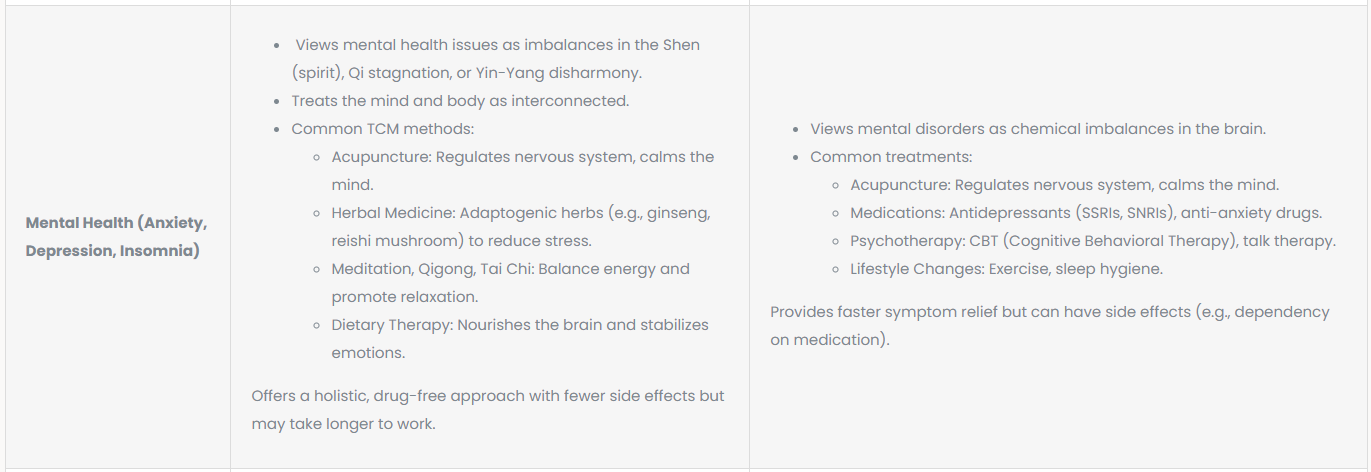
Credit: wemedhealth.com
How To Combine Reishi And Cbt: Step-by-step Guide
If you want to try both together, here is a step-by-step approach:
1. Talk To A Professional
Before starting, consult your doctor or therapist. They can make sure Reishi is safe for you and help monitor your progress. Be honest about all medications and supplements you are taking.
2. Choose Quality Reishi
Not all supplements are equal. Look for:
- Verified brands with third-party testing
- Clear dosage information
- No added fillers or contaminants
Tip: Extracts (such as 10:1 or 15:1) are stronger than basic powders. Check the label for “fruiting body” as the main ingredient—this is the part with the most active compounds.
3. Start With A Low Dose
Begin with the lowest suggested dose (often 500 mg daily) and slowly increase if needed. Watch for side effects. If you take other medications, start even lower.
4. Begin Cbt Sessions
Find a licensed CBT therapist or use a trusted self-help program. The key is regular practice—weekly sessions are common. Many people benefit from writing down goals and reviewing them every week.
5. Track Your Progress
Keep a simple journal. Note changes in mood, sleep, anxiety, and energy. Record both positive and negative changes.
Example Journal Entry
“Monday: Took Reishi in the morning. Slept better, less tossing and turning. CBT session focused on thought records. Felt calmer during work meeting.”
6. Adjust As Needed
If you notice side effects or no benefit after two months, talk to your provider about changing your plan. Sometimes a small adjustment makes a big difference.
Non-obvious insight: Many people skip tracking their progress. Recording changes helps you see patterns and motivates you to keep going.
Don’t Ignore Small Wins
Noticing even minor improvements—like waking up less tired or handling a tough conversation—can keep you motivated. Share these with your therapist.
Comparing Reishi, Cbt, And Their Combination
Here’s a side-by-side look at how each approach works on its own versus together.
| Aspect | Reishi Alone | CBT Alone | Combined |
|---|---|---|---|
| Target | Body (stress, sleep, immune) | Mind (thoughts, behaviors) | Both body & mind |
| Onset Time | Weeks | Weeks | Similar, sometimes faster |
| Effect Strength | Mild to moderate | Moderate to strong | Often stronger than either alone |
| Side Effects | Rare, mild | None | Low risk if monitored |
| Long-term Benefits | Possible, needs regular use | Well-proven | Potentially best of both |
Where Combination Shines
The biggest value of the combination is for people who have both physical symptoms (like fatigue or poor sleep) and mental symptoms (like negative thinking). This “whole person” approach may be more sustainable for long-term mental health.

Credit: brookshealingcenter.com
Practical Tips For Beginners
Many people try new health routines and give up quickly. Here are tips to help you get the most from combining Reishi and CBT:
- Be consistent: Take Reishi at the same time daily. Attend every CBT session and do the homework.
- Set realistic goals: Aim for small improvements, like sleeping better or feeling less anxious in certain situations.
- Stay patient: Both Reishi and CBT require time to show results.
- Monitor changes: Write down positive changes, even small ones, to stay motivated.
- Watch for side effects: If you notice anything unusual, pause the supplement and consult your doctor.
Common mistake: Stopping either therapy too soon. It often takes at least a month to see clear benefits.
Extra Tips
- Pair Reishi with a daily ritual (like tea time) to help you remember.
- Use a CBT app or workbook for reminders and structure.
- Don’t compare your progress to others—everyone’s timeline is different.
Non-obvious insight: If you miss a dose or skip a session, don’t give up. Consistency matters more than perfection. Restart the next day.
Scientific Research: What Does The Evidence Say?
While CBT is backed by hundreds of studies, the research on Reishi is smaller but growing. Here are some key findings:
Reishi Mushroom Studies
- A 2012 study in the journal “Evidence-Based Complementary and Alternative Medicine” found that Reishi extract reduced fatigue and improved well-being in people with neurasthenia.
- Animal research shows Reishi may reduce anxiety-like behaviors and lower stress hormones.
Other Findings
- Some studies suggest Reishi may help with blood sugar control and heart health, which are often affected by chronic stress.
- Pilot studies in cancer patients report better mood and less fatigue, though more research is needed.
Cbt Research
- CBT has been shown to help 60–80% of people with anxiety or depression.
- Results last for months or years after therapy ends, especially if skills are practiced.
Digital Cbt
Online and app-based CBT programs now make therapy accessible to more people. Results are often similar to in-person therapy if users stay engaged.
Combined Approaches
- Studies on combining natural supplements with therapy are still new, but research on other adaptogens (like ashwagandha) plus CBT shows improved outcomes.
- Experts believe that addressing both body (with supplements) and mind (with therapy) offers a better chance of lasting change.
For more on scientific support, visit the National Institutes of Health.
The Future Of Research
More high-quality studies are needed on Reishi and mental health, especially in combination with therapy. If you want to stay up-to-date, check clinical trial databases or ask your provider about new findings.
Dosage And Best Practices For Reishi
Taking the right amount is important for safety and results. Here’s what studies and experts recommend:
| Form | Typical Daily Dose | Notes |
|---|---|---|
| Capsule | 500–1500 mg | Divided into 1–2 doses |
| Powder | 1–2 grams | Mix with water or tea |
| Extract | 300–600 mg | Higher potency |
Tip: Always follow the label instructions. Start low to check your reaction.
When To Take Reishi
Some people take Reishi in the morning for energy, while others prefer it before bed for sleep. Try both and see what works for you. If you notice drowsiness, avoid taking it before driving or work.
Real-life Example: Anna’s Story
Anna, 32, struggled with anxiety and sleep problems for years. She started CBT, learning to challenge her fear of social situations. After two months, she added Reishi capsules to her routine, hoping to sleep better and feel less stressed. Within a few weeks, Anna noticed she was falling asleep faster.
She also felt calmer before social events, making it easier to use her CBT skills. After six months, Anna reported less anxiety, better sleep, and more confidence at work.
Key lesson: Combining small lifestyle changes with therapy can multiply the benefits.
More Examples
Another person, Mark, found that Reishi helped him feel less tired during the day, which gave him the energy to practice CBT exercises more regularly. He noticed fewer panic attacks and better focus at work.
Potential Risks And Who Should Avoid This Combination
While most people tolerate Reishi and CBT well, some should be cautious:
- Pregnant or breastfeeding women: Safety is not well-studied.
- People with bleeding disorders: Reishi may thin the blood.
- Those on immune-suppressing drugs: Reishi may boost immunity, causing problems.
- Severe mental illness: Do not use Reishi as a substitute for medical care.
If you have any health conditions or take medications, check with your doctor first.
Additional Precautions
- Watch for allergic reactions: Rash, itching, or trouble breathing.
- Stop immediately if you feel dizzy, have trouble breathing, or notice yellowing of the skin.
How To Find Quality Reishi Products
Not all supplements are equal. Follow these steps to avoid poor-quality products:
- Check for third-party testing: Look for brands tested by independent labs.
- Read ingredient lists: Pure Reishi should be the main ingredient; avoid fillers.
- Look for extract ratios: Stronger extracts (like 10:1) mean more active compounds.
- Research the company: Trust established brands with good reviews.
Common mistake: Buying the cheapest product. Quality matters more than price for both safety and results.
Where To Buy
Reputable health stores, pharmacies, or online shops with clear testing and sourcing information are best. Avoid products with lots of “proprietary blends” or unclear labeling.
Integrating Reishi And Cbt Into Your Daily Routine
Success depends on making these habits fit your life. Here are strategies:
- Take Reishi at a set time (like with breakfast or before bed).
- Schedule CBT practice (journaling, exercises) at the same time each day.
- Use reminders: Phone alarms or sticky notes help build new routines.
- Share your plan with a friend or therapist for accountability.
Non-obvious insight: Pairing a new habit (like Reishi) with an existing one (such as brushing your teeth) helps you remember it.
Habit Stacking Example
“After I brush my teeth at night, I take my Reishi capsule and write one line in my CBT journal. ” This simple habit stack increases your chances of sticking with both practices.
The Role Of Lifestyle: Diet, Exercise, And Sleep
Combining Reishi and CBT works best with a healthy lifestyle. Pay attention to:
- Diet: Eat a balanced diet with plenty of vegetables, whole grains, and protein.
- Exercise: Even light activity, like walking, boosts mood and helps CBT work better.
- Sleep: Good sleep supports both mental health and the benefits of Reishi.
Small changes, like going to bed at the same time each night, can make a big difference.
More Lifestyle Tips
- Limit caffeine if you notice it increases anxiety.
- Try mindfulness or gentle yoga to support relaxation.
- Drink enough water; dehydration can worsen fatigue and mood.
Non-obvious insight: Even small lifestyle changes can add up and make Reishi and CBT more effective.
Frequently Asked Questions
What Is The Best Way To Take Reishi With Cbt?
Take Reishi at the same time daily, either morning or evening. Begin CBT with a licensed therapist and practice skills daily. Keep a journal to track mood and changes.
Can I Use Reishi And Cbt For Severe Depression Or Anxiety?
For severe symptoms, always consult a doctor first. Reishi and CBT may help mild to moderate cases, but severe conditions often need medical treatment and supervision.
Are There Side Effects From Combining Reishi And Cbt?
Reishi is usually safe, but can cause mild stomach upset or allergies. CBT has no physical side effects. Most people tolerate the combination well, but always monitor for changes.
How Long Does It Take To See Results From Reishi And Cbt Together?
Most people notice small changes in 2–4 weeks, with bigger improvements after 2–3 months. Consistency is key for both approaches.
Where Can I Find More Scientific Information About Reishi And Mental Health?
For research, visit the National Institutes of Health website for peer-reviewed studies on natural supplements and mental health.
Taking steps for your mental health is a sign of strength. Combining Reishi and CBT offers a balanced, holistic way to care for both your body and mind. Remember, lasting change comes from small, steady steps and a willingness to try new things.
If you’re curious, talk to your healthcare provider and explore this gentle, effective path to better well-being.