
Many people living with Parkinson’s disease seek new ways to manage their symptoms and slow the progression of the condition. In recent years, Lion’s mane mushroom has gained attention because of its possible effects on brain health. While there are no large clinical trials yet, preclinical studies—those done in animals or cell cultures—offer early clues about what Lion’s mane could do for Parkinson’s disease. These findings are often complex, but understanding them can help you make more informed choices about your health or the health of someone you care for.
This article will explore how Lion’s mane interacts with the brain, what the latest preclinical research says, and what these results could mean for people with Parkinson’s. You’ll also see how Lion’s mane compares with other treatments, what scientists still don’t know, and which questions to ask before considering it.
Let’s look at what the science really shows.
Understanding Lion’s Mane Mushroom
Lion’s mane (Hericium erinaceus) is a unique medicinal mushroom native to Asia, Europe, and North America. It has long white, shaggy spines that look like a lion’s mane, which is how it got its name. In traditional Chinese and Japanese medicine, Lion’s mane was used to support brain function, boost the immune system, and improve digestion.
Today, Lion’s mane is popular in health supplements and functional foods. The most important compounds in Lion’s mane are hericenones and erinacines, which are thought to be responsible for its neuroprotective effects. These compounds can cross the blood-brain barrier, which means they can directly influence the brain.
How Parkinson’s Disease Affects The Brain
To understand why Lion’s mane might help, it’s important to know what happens in Parkinson’s disease. Parkinson’s is a progressive neurological disorder. It mainly affects the neurons in the brain that produce dopamine, a chemical that helps control movement, mood, and other functions. As these dopamine-producing neurons die, people experience symptoms like:
- Tremors
- Stiff muscles
- Slow movements
- Balance problems
- Changes in mood or thinking
No cure exists, and current treatments mainly focus on managing symptoms. Over time, medication can become less effective and may cause side effects. This has led scientists to look for new approaches that might protect neurons, slow disease progression, or even help the brain repair itself.
Why Scientists Are Interested In Lion’s Mane
Lion’s mane stands out among natural products because of its unique compounds that can stimulate nerve growth factor (NGF) and brain-derived neurotrophic factor (BDNF). These are proteins the brain uses to grow and repair neurons. In Parkinson’s, supporting neuron survival is crucial. Preclinical research suggests that Lion’s mane may:
- Support the growth of new neurons
- Protect existing neurons from damage
- Reduce inflammation in the brain
- Counteract oxidative stress, which is linked to cell death
Some of these effects could directly target how Parkinson’s develops in the brain.
What Preclinical Studies Involving Lion’s Mane Show
A closer look at preclinical studies reveals several promising findings. Most studies use animal models (like mice or rats) or cell cultures that mimic Parkinson’s disease. Here’s what researchers have found so far.
1. Protecting Dopamine Neurons
In multiple studies, Lion’s mane extracts helped protect dopamine neurons from dying. For example, a 2018 study found that mice treated with Lion’s mane after being exposed to a Parkinson’s-like toxin lost fewer dopamine-producing neurons compared to untreated mice. This suggests that the mushroom’s compounds can shield these vital cells from harm.
2. Reducing Inflammation And Oxidative Stress
Inflammation and oxidative stress are key players in the progression of Parkinson’s. Lion’s mane has shown strong anti-inflammatory and antioxidant effects in animal brains. In a 2020 study, mice given Lion’s mane showed lower levels of inflammatory markers and less oxidative damage. This is important because chronic inflammation is believed to worsen neuron loss in Parkinson’s.
3. Stimulating Nerve Growth Factor And Brain Repair
The ability to increase NGF and BDNF is one of Lion’s mane’s most studied features. Several experiments found that Lion’s mane extracts boosted levels of these growth factors in the brains of animals with Parkinson’s-like symptoms. This could encourage the regeneration of damaged neurons and help maintain brain health.
4. Improving Motor Function And Behavior
Preclinical research often looks at how treatments affect movement and behavior. In multiple studies, animals given Lion’s mane showed better performance in movement tests and less severe Parkinson’s-like symptoms. For example, rats were able to walk more steadily or showed fewer tremors after receiving Lion’s mane extract.
5. Slowing Disease Progression
Some animal studies have found that Lion’s mane can slow the progression of Parkinson’s-like symptoms. In a 2016 experiment, mice treated with Lion’s mane developed motor problems more slowly and maintained better brain health compared to untreated mice.
6. Reducing Protein Clumping
A key sign of Parkinson’s is the build-up of alpha-synuclein proteins in the brain. These clumps are toxic and kill neurons. Early research suggests that compounds in Lion’s mane may help reduce this protein aggregation, although more studies are needed.
7. Supporting Mitochondrial Health
Mitochondria are the “power plants” of cells. In Parkinson’s, mitochondrial function often declines, making neurons more vulnerable. Some studies show that Lion’s mane can support mitochondrial health and energy production in brain cells.
Key Findings From Animal And Cell Studies
To help you see what preclinical research has found, here is a summary of several key studies:
| Year | Model | Main Findings |
|---|---|---|
| 2016 | Mouse model | Improved motor function; less neuron loss |
| 2018 | Rat model | Reduced inflammation; increased dopamine levels |
| 2020 | Cell culture | Decreased oxidative stress; protected neurons from toxins |
| 2021 | Mouse model | Boosted NGF and BDNF; slowed disease progression |
It’s important to remember that these are preclinical results. They are encouraging, but animals and cells do not always respond the same way as humans.
How Lion’s Mane Compares To Other Natural Compounds
Lion’s mane is not the only natural product being studied for Parkinson’s. Here’s how it compares to a few others:
| Compound | Main Action | Preclinical Evidence |
|---|---|---|
| Lion’s mane | Stimulates NGF/BDNF, reduces inflammation | Strong animal/cell data |
| Curcumin (turmeric) | Antioxidant, reduces protein clumping | Some animal studies |
| Resveratrol | Protects mitochondria, anti-inflammatory | Some animal/cell studies |
| Green tea (EGCG) | Antioxidant, supports neuron survival | Animal/cell evidence |
Lion’s mane stands out for its effects on nerve growth factors, which are less common in other natural products. However, all these compounds are still being studied.
How Lion’s Mane Might Work In Parkinson’s Disease
Scientists are still working to understand exactly how Lion’s mane affects the brain. But based on preclinical studies, here are the main ways it might help in Parkinson’s disease:
Promoting Neuron Survival
Lion’s mane increases NGF and BDNF, which help keep neurons alive. In Parkinson’s, this could slow the death of dopamine neurons and help maintain brain function.
Reducing Inflammation
Chronic inflammation damages neurons. Lion’s mane’s anti-inflammatory effects may protect brain cells from further harm.
Fighting Oxidative Stress
Oxidative stress leads to cell death. Lion’s mane’s antioxidant compounds neutralize these harmful molecules, possibly slowing neuron loss.
Supporting Brain Repair
By boosting growth factors, Lion’s mane may help the brain repair itself. This could improve movement and cognitive symptoms over time.
Reducing Toxic Protein Build-up
Early research suggests Lion’s mane might help prevent or reduce alpha-synuclein clumping, a hallmark of Parkinson’s.
What Makes Lion’s Mane Unique?
Lion’s mane contains both hericenones (mainly in the fruiting body) and erinacines (mainly in the mycelium). These compounds are rare in nature. Erinacines, especially erinacine A, are among the few natural molecules known to cross the blood-brain barrier and stimulate NGF production directly inside the brain.
This ability to cross into the brain and trigger repair processes is why Lion’s mane is of special interest for neurodegenerative diseases like Parkinson’s.
Limitations Of Preclinical Studies
While the animal and cell studies are exciting, they have important limits:
- Not all animals are like humans. Mice and rats do not have identical brain structures or metabolisms.
- Doses are often much higher in studies. The amount used in research may not be safe or possible for humans.
- Short-term effects. Most studies last only weeks, but Parkinson’s develops over years.
- Pure compounds vs. whole mushroom. Many studies use purified extracts, not the whole mushroom or commercial supplements.
- Unknown side effects. Animal studies may not reveal all potential risks for people.
Because of these limits, clinical trials in humans are needed before strong recommendations can be made.
What Human Studies Exist?
So far, there are no large, high-quality clinical trials testing Lion’s mane specifically in people with Parkinson’s disease. A few small human studies have looked at its effects on:
- Mild cognitive impairment
- Depression and anxiety
- General brain health
These studies found that Lion’s mane may improve cognitive function and mood, but they did not include people with Parkinson’s. Therefore, it’s not clear if the same benefits would apply.
One small pilot trial did report that elderly adults taking Lion’s mane had improved scores on mental tests. However, more research is needed, especially in people with Parkinson’s disease.
Safety And Side Effects
Lion’s mane is generally considered safe when used as a food or supplement. Most studies report few or no side effects. However, some people have experienced:
- Allergic reactions (rare)
- Stomach discomfort
- Skin rashes
Because it can affect nerve growth, anyone with a history of nerve tumors or certain cancers should use caution. Lion’s mane may also interact with medications, especially those affecting blood clotting or the immune system.
Pregnant or breastfeeding women should avoid Lion’s mane until more is known. Always talk to your doctor before starting any new supplement, especially if you have a neurological condition.
How Lion’s Mane Is Used
Lion’s mane is available in several forms:
- Powder: Can be mixed into drinks or food
- Capsules/tablets: Easy to take, offer a controlled dose
- Extracts: More concentrated, often standardized for hericenone or erinacine content
- Cooked mushroom: Used in recipes, but may contain lower active compounds than extracts
Doses in supplements usually range from 500 mg to 3,000 mg per day. The best dose for Parkinson’s is not known, as human studies are still needed.

Credit: www.healthline.com
How To Choose A Lion’s Mane Supplement
If you are considering Lion’s mane, here are some factors to keep in mind:
- Source: Look for products made from fruiting body, mycelium, or both. Erinacines are mainly in the mycelium, while hericenones are in the fruiting body.
- Extraction method: Hot water and alcohol extracts may contain different compounds. Some products combine both.
- Standardization: High-quality supplements specify the amount of hericenones or erinacines.
- Purity: Choose products tested for heavy metals, pesticides, and contaminants.
- Reputation: Buy from brands with third-party testing and transparent sourcing.
What To Watch Out For
Many products are labeled as “Lion’s mane,” but their quality varies widely. Some contain mostly grain filler, with little active mushroom. Others may not list their extraction method or standardization. Always check for:
- Third-party lab testing
- Clear labeling of active compounds
- Reputation and reviews
Be wary of claims that Lion’s mane can “cure” Parkinson’s or replace your medication. There is no evidence for this, and stopping medication can be dangerous.
Common Mistakes When Considering Lion’s Mane
Even well-informed people can make mistakes when trying new supplements for Parkinson’s. Here are some to avoid:
- Assuming animal results mean human results: Animal studies do not guarantee the same effects in people.
- Using untested supplements: Some products are low quality or contaminated.
- Ignoring possible interactions: Lion’s mane could affect how other drugs work.
- Expecting quick results: Effects, if any, may take weeks or months.
- Overdosing: Higher is not always better; stick to recommended amounts.
What Preclinical Studies Do Not Tell Us
Preclinical research is valuable, but it cannot answer every question. For example, we still do not know:
- The best dose for humans with Parkinson’s
- Whether the benefits last long-term
- Which symptoms respond best
- Who might be at higher risk of side effects
- How Lion’s mane works with standard Parkinson’s medications
These are key areas for future research.
What Experts Say
Most neurologists and Parkinson’s specialists agree: preclinical evidence for Lion’s mane is promising, but not enough to recommend it as a treatment. They stress that anyone considering Lion’s mane should:
- Use it alongside, not instead of, standard therapy
- Inform their doctor or Parkinson’s nurse
- Watch for side effects or changes in symptoms
Some research groups are planning human trials, but results will take time. For now, Lion’s mane is best viewed as a possible adjunct—something that might support brain health, but not replace proven treatments.
What Patients And Caregivers Should Know
If you or a loved one is thinking about Lion’s mane for Parkinson’s, here are some practical steps:
- Have realistic expectations. This is not a cure.
- Use reputable products. Check for quality and purity.
- Start low, go slow. Begin with a small dose and watch for side effects.
- Stay informed. Keep up with new research and clinical trials.
- Communicate. Let your healthcare team know about any supplements you take.
Pay attention to any changes in symptoms and report them to your doctor.

Credit: www.mdpi.com
The Road Ahead: Future Research Directions
There is genuine excitement about Lion’s mane and other medicinal mushrooms in brain health research. Current studies are testing:
- Which compounds in Lion’s mane are most effective
- The best ways to extract and deliver these compounds
- Whether Lion’s mane can help prevent or slow Parkinson’s in humans
- How Lion’s mane works with medications or other therapies
Future clinical trials should answer questions about safety, dosing, and real-world effects in people with Parkinson’s.
Additional Insights Most People Miss
Many beginners miss two important facts:
- Synergy with lifestyle: Lion’s mane may work best as part of a bigger plan, including exercise, a healthy diet, and social engagement. No supplement replaces these core foundations.
- Individual differences: Genetic factors, disease stage, and other health issues can affect how someone responds to Lion’s mane. What helps one person may not work for another.
If you stay aware of these factors, you can make better decisions and avoid disappointment.
Realistic Expectations
The hope is that Lion’s mane could become one tool in the fight against Parkinson’s. But at this stage, the evidence is still early. Most people who try Lion’s mane do so because they want every possible advantage. If you are interested, talk with your doctor, stay up to date with research, and remember that the best results come from a combination of proven treatments and healthy choices.
For more about the mushroom’s compounds and mechanisms, see the Wikipedia entry on Lion’s Mane.
Frequently Asked Questions
What Is The Main Benefit Of Lion’s Mane In Parkinson’s Disease?
The main benefit seen in preclinical studies is protection of dopamine neurons. Lion’s mane helps support neuron survival, reduces inflammation, and boosts nerve growth factors. This could slow the progression of Parkinson’s-like symptoms in animals. However, it is not proven in humans yet.
Is Lion’s Mane Safe To Take With Parkinson’s Medication?
Lion’s mane appears safe for most people, but it can interact with certain drugs, especially those that affect blood clotting or the immune system. Always check with your doctor before adding any supplement, including Lion’s mane, to your treatment plan.
Can Lion’s Mane Cure Parkinson’s Disease?
No, Lion’s mane cannot cure Parkinson’s. Current evidence is only from animal and cell studies. It may help protect brain cells, but it is not a replacement for medication or other therapies. Never stop your prescribed treatments.
How Much Lion’s Mane Should Someone With Parkinson’s Take?
There is no established dose for Parkinson’s disease. Most supplements provide 500 mg to 3,000 mg per day, but human studies are needed to find the safest and most effective amount. Start with a low dose and monitor for side effects.
Are There Ongoing Clinical Trials Of Lion’s Mane For Parkinson’s?
As of now, there are no published large-scale clinical trials testing Lion’s mane in Parkinson’s patients. Some smaller studies are being planned. You can check registries like ClinicalTrials. gov for updates on new research.
Lion’s mane mushroom offers hope and excitement in preclinical models of Parkinson’s disease. While animal and cell studies show real promise, human research is essential before Lion’s mane can be considered a standard part of care. Stay informed, consult your healthcare team, and always use the best available evidence to guide your decisions.
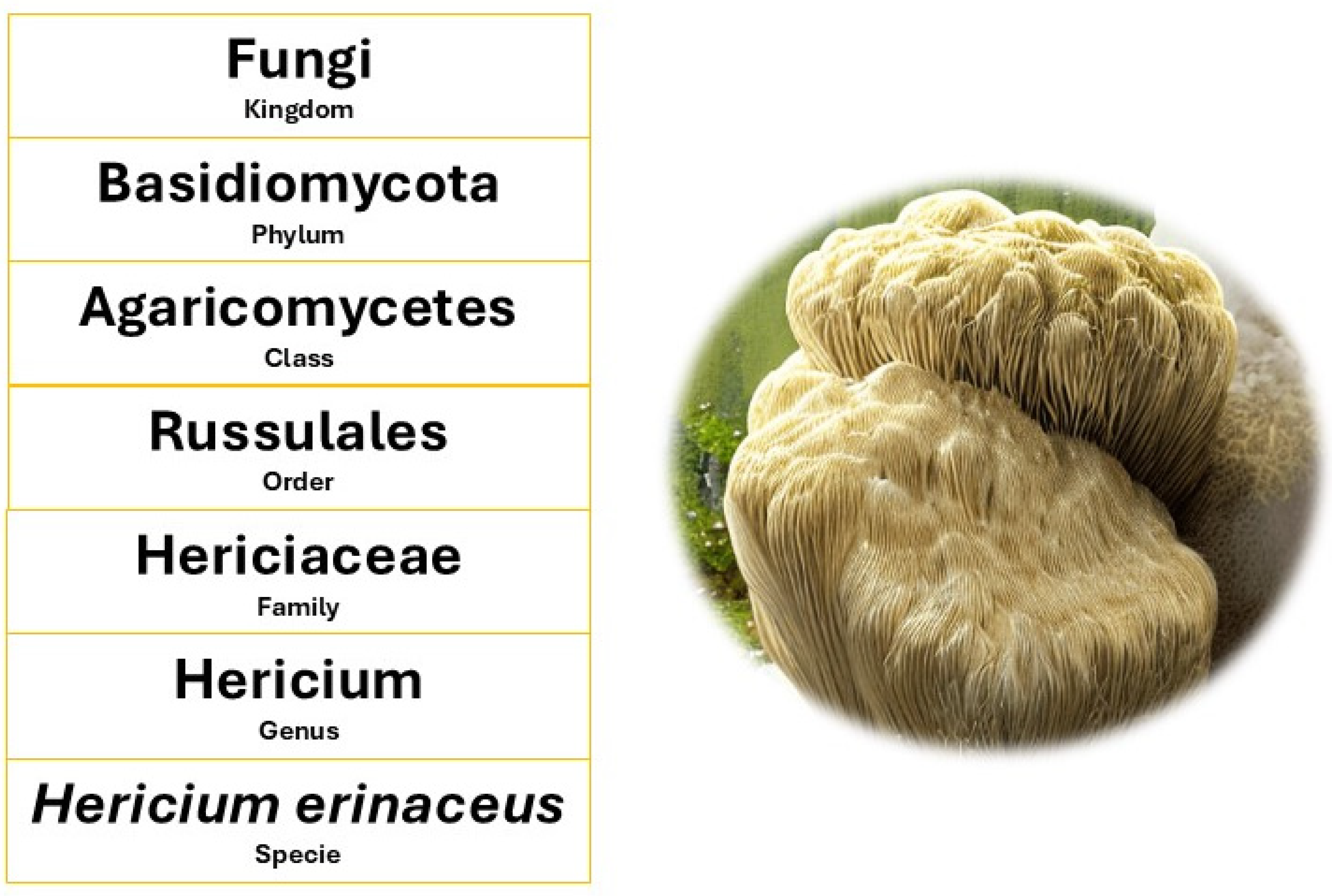
Credit: www.mdpi.com