
Many women find the years before menopause—known as perimenopause—to be a confusing and sometimes frustrating period. Hormones start to shift, cycles become less regular, and new symptoms often appear. While these changes are natural, they can impact sleep, mood, energy, and even long-term health. Many women search for gentle ways to support their bodies during this transition. One approach that is gaining interest is the mushroom protocol for perimenopause. This involves using specific medicinal mushrooms, valued for their adaptogenic and hormone-balancing properties, to help smooth the hormonal transition.
Understanding how mushrooms can support women during perimenopause requires a look at both science and tradition. In recent years, research has confirmed what traditional healers have known for centuries: certain mushrooms contain compounds that can help regulate hormones, manage stress, and improve overall well-being. But not all mushrooms are the same, and not every protocol works for everyone. In this article, you’ll discover how a mushroom protocol works, which mushrooms are most helpful, how to use them, and what to expect. If you are seeking a natural, supportive approach to perimenopause, read on for practical guidance, real data, and insights that can make a real difference.
What Is Perimenopause?
Perimenopause is the stage when a woman’s body starts to make the natural shift from regular monthly cycles toward menopause. This transition can begin as early as a woman’s late 30s, but usually starts in the 40s. It typically lasts four to eight years, though for some, it may be shorter or longer.
During perimenopause, the ovaries produce less estrogen and progesterone. Hormone levels can swing up and down, creating a mix of symptoms. Common experiences include:
- Irregular periods
- Hot flashes
- Night sweats
- Mood swings
- Sleep problems
- Brain fog
- Fatigue
- Changes in libido
These symptoms vary in intensity. Some women hardly notice them, while others find daily life more challenging. The unpredictability of perimenopause can be stressful, which is why many look for ways to support their bodies during this time.
Some symptoms can last just a few months, while others, like sleep disturbances or mood swings, may come and go for years. For example, a woman might experience several months of heavy periods, followed by months of lighter or skipped cycles.
This unpredictability can make it harder to plan daily activities or feel “in control” of your body. Understanding that these changes are normal, and that they vary widely from woman to woman, is important for reducing anxiety during this time.
Non-obvious insight: Many women do not realize that perimenopause can also affect cognitive function, not just physical symptoms. Problems like forgetfulness or lack of focus are often blamed on aging or stress, but they are a common part of hormone shifts.
Another overlooked aspect is that perimenopause can increase sensitivity to stress. The same workload or family issues that felt manageable before may now feel overwhelming. This is partly because estrogen helps regulate stress hormones, so as levels drop, your body may react more strongly to pressure.
Why Mushrooms For Perimenopause?
Medicinal mushrooms have been used in traditional Chinese and Japanese medicine for thousands of years. They are now recognized worldwide for their adaptogenic properties—meaning they help the body adapt to stress, including hormonal changes. Mushrooms contain unique compounds such as beta-glucans, triterpenes, and polysaccharides that support the immune system, lower inflammation, and balance the endocrine system.
For women in perimenopause, mushrooms offer several potential benefits:
- Hormonal balance: Certain mushrooms can gently support the body’s hormone production.
- Stress reduction: Many mushrooms help lower cortisol, the stress hormone.
- Cognitive support: Some improve memory, focus, and mood.
- Immune regulation: They strengthen the immune system, which can be weakened by hormonal shifts.
- Energy and sleep: Mushrooms like Reishi and Cordyceps may improve sleep and reduce fatigue.
One reason mushrooms are useful is because they don’t act like drugs that force a change. Instead, they support the body’s ability to adjust naturally. For example, adaptogens can help buffer the effects of high stress or hormone dips, so symptoms are less severe.
Importantly, mushrooms are not a replacement for medical treatment, but they can be a safe and natural addition to a holistic approach. Always consult your healthcare provider before starting any new supplement.
Many women overlook that mushrooms can also support gut health, which plays a role in hormone balance. The fiber in mushrooms acts as a prebiotic, feeding good bacteria that help metabolize hormones. This indirect support is one reason why some women notice digestive improvements along with better mood and sleep.
The Science Behind Medicinal Mushrooms
Research on medicinal mushrooms is growing. Scientists have found that certain species contain compounds that interact with the body’s hormonal and immune systems. For example:
- Reishi (Ganoderma lucidum): Contains triterpenoids that reduce inflammation and support hormonal balance.
- Cordyceps (Cordyceps sinensis): Boosts energy and endurance, partly by supporting adrenal function.
- Lion’s Mane (Hericium erinaceus): Stimulates nerve growth factor, supporting brain health and mood.
- Chaga (Inonotus obliquus): Rich in antioxidants, supports immune function and reduces oxidative stress.
- Maitake (Grifola frondosa): May help balance blood sugar and support weight management.
- Shiitake (Lentinula edodes): Supports immunity and heart health.
One study published in the journal *Menopause* found that women who used adaptogenic herbs, including mushrooms, reported fewer menopausal symptoms and improved quality of life. Another review in *Frontiers in Pharmacology* showed that Reishi mushroom may have estrogen-like effects, which could help ease hot flashes and mood swings.
Recent studies have also focused on the anti-inflammatory and antioxidant effects of mushrooms. In perimenopause, inflammation can rise due to hormone shifts, leading to joint pain, headaches, or general aches. The antioxidants in mushrooms, especially Chaga and Reishi, help reduce oxidative stress, which is linked to both aging and hormonal symptoms.
Non-obvious insight: The polysaccharides in mushrooms don’t just boost immunity; they help the body “remember” how to respond to stressors. This memory effect, called immunomodulation, means your immune system stays balanced—not too active, not too weak. This is especially helpful as immune function often becomes less reliable during perimenopause.
Key Mushrooms In A Perimenopause Protocol
Not all mushrooms are suitable for perimenopause. Here are the main varieties to consider:
Reishi (ganoderma Lucidum)
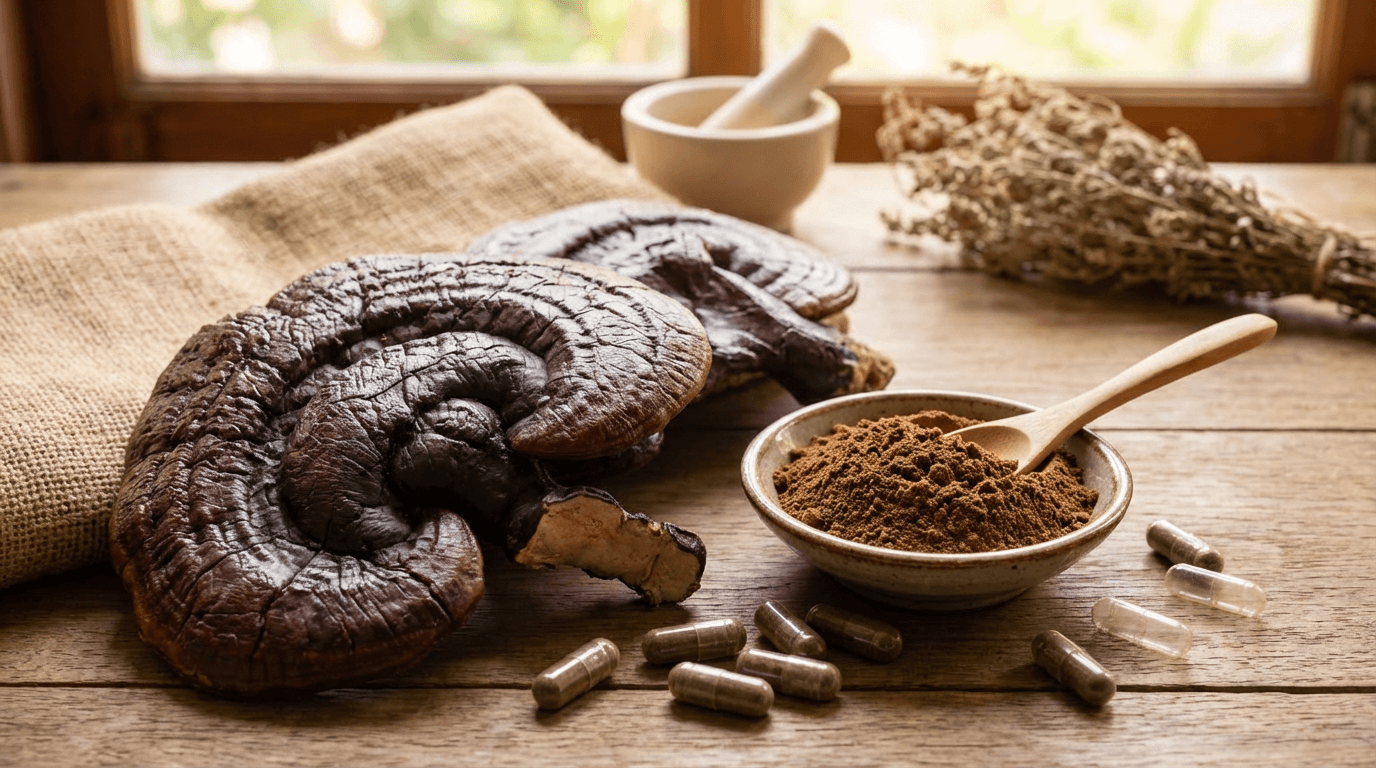
Known as the “queen of mushrooms,” Reishi is famous for its calming properties. It helps regulate the stress response, supports better sleep, and balances immune function. Some studies suggest Reishi can have a mild estrogenic effect, which may ease symptoms like hot flashes and irritability.
Reishi’s calming effect is especially useful for women who struggle with racing thoughts at night or anxiety during the day. It also contains compounds that may help support liver health, which is important for processing hormones and toxins. Women who feel “wired but tired” often notice better sleep quality after a few weeks of Reishi.
Cordyceps (cordyceps Sinensis)
Cordyceps is often used to increase energy and stamina. For women who feel extra tired or struggle with exercise, Cordyceps supports adrenal glands and helps maintain healthy cortisol levels. This mushroom can also improve oxygen use and blood flow, which is helpful during hormonal changes.
Cordyceps is unique because it supports both physical and mental energy. Some women find that it helps them recover faster after exercise or feel less sore. It may also improve libido, which often drops during perimenopause due to fatigue and hormone shifts.
Lion’s Mane (hericium Erinaceus)
Brain fog and forgetfulness are common in perimenopause. Lion’s Mane is valued for supporting cognitive function and mood. It stimulates the production of nerve growth factor, which protects and repairs brain cells. This may help with memory, focus, and even mild anxiety or depression.
A practical tip: Lion’s Mane can be especially helpful for women in high-pressure jobs or those who multitask at home. Small daily improvements in focus or recall can make a big difference in confidence and productivity.
Chaga (inonotus Obliquus)
Chaga is packed with antioxidants. It helps the body manage oxidative stress, which increases during hormonal shifts. Chaga may also support the immune system and help reduce inflammation, which is important as estrogen levels decline.
Chaga is often brewed as a tea, which makes it easy to include in a daily routine. For women with skin issues—like dryness or irritation that can flare up during perimenopause—Chaga’s antioxidants may help promote clearer, healthier skin over time.
Maitake (grifola Frondosa)
Weight gain and blood sugar changes are common in perimenopause. Maitake helps regulate glucose and may support a healthy weight. It also contains compounds that can gently support hormone balance.
Maitake is useful for women who notice cravings or energy crashes, especially in the afternoon. Keeping blood sugar steady can reduce cravings for sweets and help prevent mood swings.
Shiitake (lentinula Edodes)
Shiitake is a good source of vitamin D and B vitamins, which many women need during perimenopause. It also helps support immune health and may lower cholesterol.
Shiitake is easy to add to meals, making it a practical choice for women who prefer to get their nutrients through food rather than supplements. Regular use may also support healthy hair and skin, which can suffer during hormone shifts.
How The Mushroom Protocol Works
A mushroom protocol is a structured way to use medicinal mushrooms for a specific goal—in this case, smoothing the perimenopausal transition. The protocol usually involves taking selected mushrooms daily for several months. It’s not just about picking one mushroom; the best results often come from a combination, tailored to your main symptoms.
Basic Steps In A Mushroom Protocol
- Identify your main symptoms: For example, are you struggling most with hot flashes, fatigue, brain fog, or sleep?
- Choose 2-3 mushrooms: Pick those that match your symptoms best (see below).
- Decide on form: Mushrooms are available as capsules, powders, teas, or tinctures. Powders and capsules are the most common.
- Start with a low dose: Begin with the minimum recommended amount, then increase gradually if needed.
- Take consistently: Most protocols last 8–12 weeks, with daily use.
- Monitor progress: Keep a journal of symptoms, energy, sleep, and mood.
- Adjust as needed: Change mushrooms or dosage if you don’t notice benefits after 4–6 weeks.
Consistency is key. Mushrooms work slowly, so missing doses or changing products often reduces results. A simple way to stay on track is to take your mushrooms with breakfast or before bed, linking the habit to something you already do every day.
Many women also find it helpful to set a reminder on their phone or keep their supplements in a visible spot. Tracking even small changes—like sleeping an extra hour or feeling less irritable—can help you see progress over time.
Example Mushroom Protocols For Common Perimenopausal Symptoms
Here are sample combinations based on the most common symptoms:
For Hot Flashes And Night Sweats
- Reishi (500–1000 mg daily): Calms the nervous system and may gently balance estrogen.
- Chaga (500 mg daily): Reduces oxidative stress that can worsen hot flashes.
Some women like to take Reishi in the evening to help with sleep, while Chaga can be taken in the morning as a tea or capsule. Combining these two helps address both the physical heat and the stress that can trigger night sweats.
For Fatigue And Low Energy
- Cordyceps (500–1000 mg daily): Boosts stamina and energy.
- Maitake (500 mg daily): Supports blood sugar and metabolism.
Cordyceps is best taken in the morning or before exercise. If you work out, it can support endurance and muscle recovery. Maitake can help prevent the “afternoon slump” that many women experience.
For Mood Swings And Brain Fog
- Lion’s Mane (500–1000 mg daily): Supports brain health and mood.
- Reishi (500 mg daily): Eases anxiety and stress.
Lion’s Mane pairs well with Reishi for women who feel “scattered” or emotionally up and down. Taking Lion’s Mane with breakfast and Reishi before bed can create a gentle, day-to-night support.
For Immune Support
- Shiitake (500 mg daily): Strengthens immunity.
- Chaga (500 mg daily): Fights inflammation.
These mushrooms are especially helpful during cold and flu season or if you notice more frequent infections. They can be taken together in food, tea, or supplements.
If symptoms are complex, it’s okay to experiment with different combinations. But always introduce new mushrooms one at a time, so you can watch for any reactions.

Credit: www.frenchmush.com
Safe Dosage And Forms
Medicinal mushrooms come in many forms, each with pros and cons. Here’s a comparison:
| Form | Absorption | Ease of Use | Typical Dose | Notes |
|---|---|---|---|---|
| Capsule | Good | Very easy | 500–1000 mg | Most convenient |
| Powder | Excellent | Easy to mix | 1–2 grams | Mix in drinks/food |
| Tincture (liquid) | Fast | Dropper | 20–40 drops | Stronger taste |
| Tea | Variable | Needs preparation | 1 cup | Gentle effect |
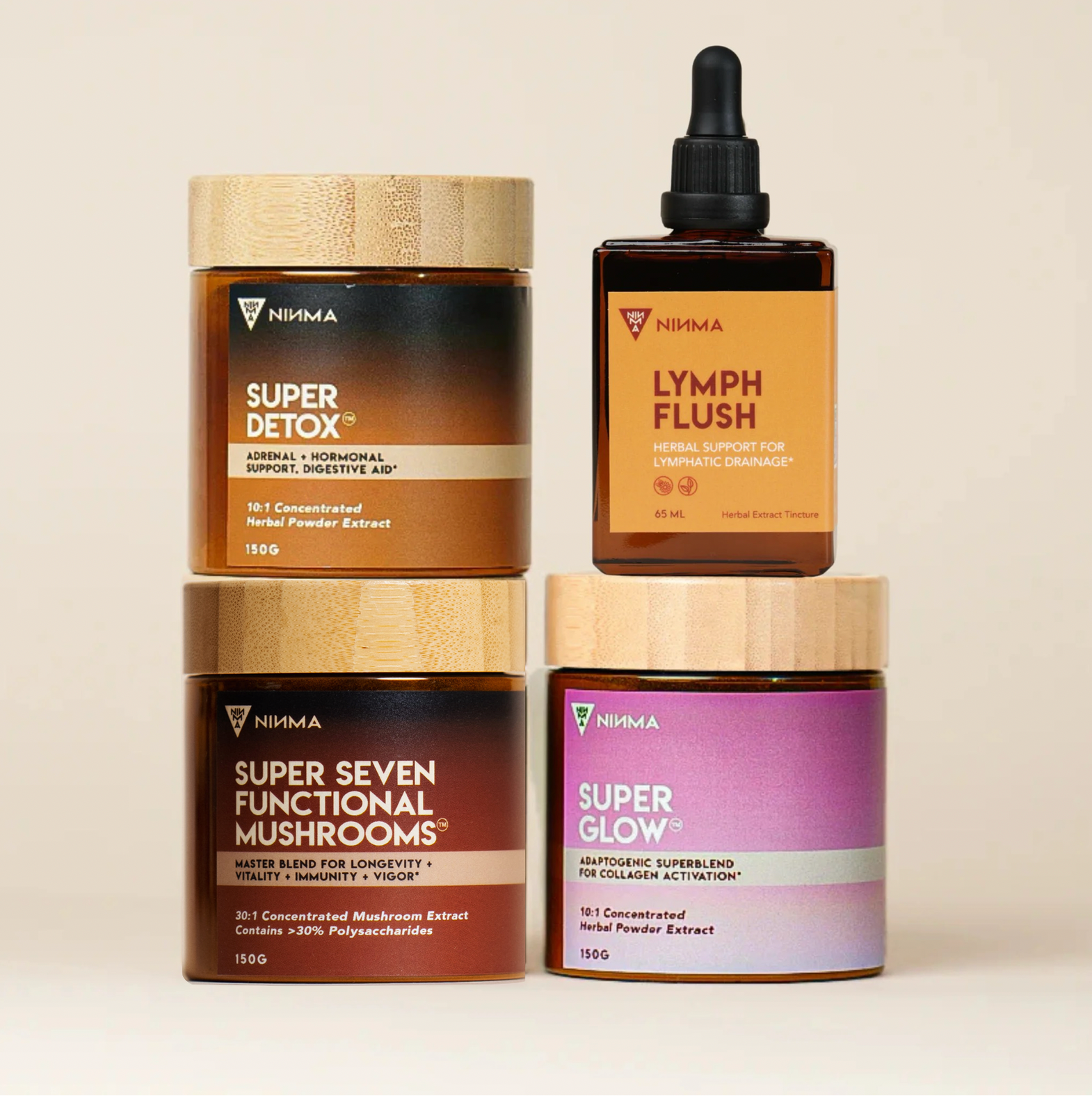
Most protocols recommend starting with capsules or powders, as these are easy to measure and add to daily routines. Always buy from reputable brands, and look for mushrooms that are organically grown and tested for heavy metals.
Non-obvious insight: Powders can be mixed into smoothies or soups, which is helpful for women who don’t like swallowing pills. Tinctures are absorbed quickly, but the taste is strong—mixing with herbal tea can help.
Combining Mushrooms With Other Natural Strategies
Medicinal mushrooms work best as part of a holistic approach. Here are ways to boost their benefits:
- Balanced diet: Eat more whole foods, healthy fats, and protein. Limit sugar and processed foods, which can worsen symptoms.
- Regular exercise: Gentle movement like walking, yoga, or swimming supports hormone balance and reduces stress.
- Mindfulness practices: Meditation, deep breathing, or journaling can help manage mood swings and anxiety.
- Sleep hygiene: Go to bed at the same time daily, reduce screen time before sleep, and keep your room cool and dark.
- Supplements: Consider magnesium, vitamin D, and B-complex, which support energy and mood.
For example, adding Reishi to a bedtime routine can be more effective if you also avoid caffeine in the afternoon and create a relaxing environment before sleep. Likewise, Cordyceps may work better when combined with regular walks or moderate exercise.
Many women find that mushrooms “take the edge off” symptoms, making it easier to follow other healthy habits.
Possible Side Effects And Safety Considerations
Medicinal mushrooms are generally safe for most people, but there are important points to consider:
- Allergies: Some people may be allergic to mushrooms. Start with a low dose and watch for itching, stomach upset, or rashes.
- Interactions: If you take blood thinners, immunosuppressants, or hormone therapy, talk to your doctor first.
- Autoimmune disease: Some mushrooms can stimulate the immune system, which may not be safe for those with autoimmune conditions.
- Pregnancy and breastfeeding: Safety is not well studied, so avoid unless guided by a healthcare provider.
Quality matters—poorly grown mushrooms may contain contaminants. Always buy from trusted sources. If you notice side effects, stop and consult your healthcare provider.
Some women report mild digestive changes, like softer stools, when starting mushrooms. This usually passes as your body adapts. If you have a sensitive stomach, try taking mushrooms with food.
Real-life Experiences: What Women Report
Many women share that starting a mushroom protocol helped them feel more balanced during perimenopause. Here are a few examples:
- Samantha, age 47: “I started with Reishi for sleep and Lion’s Mane for brain fog. Within a month, I noticed deeper sleep and fewer ‘senior moments’ at work.”
- Maya, age 44: “Cordyceps gave me back my energy. I can keep up with my kids and exercise again.”
- Jin, age 50: “I was worried about weight gain and blood sugar. Maitake, along with better eating, helped me avoid the big swings.”
Some women also mention that they feel calmer and less reactive to stress. Others notice that they get sick less often, or that their skin and hair improve. Not every woman notices dramatic changes, but many report subtle improvements in sleep, mood, or energy—sometimes within a few weeks, sometimes after 2–3 months.
It’s also common for women to experiment with different combinations as their symptoms change. For example, starting with Reishi and switching to Cordyceps when energy drops, or adding Chaga during the winter for extra immune support.
Common Mistakes When Starting A Mushroom Protocol
Women new to medicinal mushrooms sometimes make mistakes that reduce results. Here are the most common ones:
- Taking too many mushrooms at once: It’s better to start with one or two, then add more if needed.
- Inconsistent use: Mushrooms work best when taken daily for several weeks or months.
- Not tracking symptoms: Keeping a journal helps you see what’s working.
- Ignoring quality: Low-quality products may not contain enough active compounds.
- Expecting instant results: Mushrooms are gentle and work slowly—give them time.
Another common mistake is stopping too soon. Many women stop after one or two weeks if they don’t notice big changes, but the benefits often build slowly. Some women also forget to adjust their protocol as symptoms shift—for example, switching from Lion’s Mane to Maitake if brain fog improves but weight becomes a concern.
How Mushrooms Compare To Other Approaches
Women have many options for perimenopausal support. How do mushrooms compare to hormone therapy, herbs, or lifestyle changes?
| Approach | Benefits | Risks | When to Consider |
|---|---|---|---|
| Mushrooms | Natural, gentle, immune support | Rare allergies, mild interactions | Mild to moderate symptoms, want a natural approach |
| Hormone Therapy (HRT) | Strong symptom relief | Risk of blood clots, cancer (for some) | Severe symptoms, after medical review |
| Herbs (e.g., Black Cohosh) | Natural, some hormone support | May interact with medicines | Mild symptoms, short-term use |
| Lifestyle changes | Overall health, no side effects | Requires consistency | All women, best with other approaches |
Mushrooms are not a “cure-all,” but they fill a unique space: gentle enough for most, but powerful enough to help with daily symptoms.
Credit: ninma.co
How To Choose Quality Mushroom Products
The quality of mushroom supplements varies widely. Here’s what to look for:
- Whole mushroom vs. mycelium: Whole fruiting body usually contains more active compounds.
- Organic certification: Reduces risk of heavy metals or pesticides.
- Third-party testing: Ensures the product is pure and contains what the label says.
- Transparent labeling: Doses and species should be clearly listed.
- No unnecessary fillers: Choose products with minimal additives.
Practical tip: If you’re not sure about a product, check for batch numbers and expiration dates. Reputable brands will often share lab test results or “COAs” (Certificates of Analysis) on their website.
Some trusted brands will display lab test results on their website. If you can’t find this information, consider another brand.
When To See A Doctor
While mushrooms can help, some symptoms need medical attention. See your healthcare provider if you experience:
- Very heavy or prolonged bleeding
- Severe anxiety or depression
- Unexplained weight loss
- Heart palpitations or chest pain
- Sudden changes in vision or speech
If you have a history of hormone-sensitive cancers, blood disorders, or serious chronic illness, always check with a doctor before starting new supplements.
Mushrooms support, but do not replace, professional care.
Credit: antioxi-supplements.com
The Role Of Diet And Gut Health
Your gut health influences hormones. Mushrooms are prebiotic, meaning they feed good bacteria in the gut. A healthy gut can help balance estrogen and reduce inflammation. To support gut health:
- Eat plenty of fiber (fruits, veggies, whole grains)
- Include fermented foods (yogurt, sauerkraut, kimchi)
- Limit processed foods
A lesser-known benefit: Gut bacteria help process and eliminate excess estrogen from the body. If your gut is healthy, hormone swings are often less intense. Mushrooms, along with a plant-rich diet, can help support this process.
Combining mushrooms with gut-friendly habits can multiply benefits.
Research And Resources
Interest in medicinal mushrooms is growing fast. For those who want to explore research, the National Center for Complementary and Integrative Health offers a collection of studies and safety tips (NCCIH). You can also find summaries of recent clinical trials on PubMed.
If you want to dig deeper, look for books or podcasts by integrative health experts. Joining online forums or support groups can also help you learn from others’ experiences.
Making The Most Of Your Mushroom Protocol
To get the best results from a mushroom protocol:
- Be patient: Most women need 4–12 weeks to notice changes.
- Stay consistent: Take your mushrooms at the same time daily.
- Work with your body: Combine with good sleep, nutrition, and stress management.
- Listen to your body: Adjust as your symptoms change.
- Ask for help: If you’re unsure, consult an herbalist, nutritionist, or integrative doctor.
Remember, perimenopause is a journey, not a disease. Mushrooms can be a supportive companion along the way.
If you experience new or worsening symptoms, don’t hesitate to seek guidance. Sometimes, adjusting your protocol or adding lifestyle changes is all that’s needed. Other times, medical support is important.
Frequently Asked Questions
What Is The Best Mushroom For Perimenopause?
There is no single “best” mushroom for everyone. Reishi is most often used for stress and sleep, Lion’s Mane for brain fog, and Cordyceps for energy. Many women use a combination based on their main symptoms.
How Long Does It Take To See Results From A Mushroom Protocol?
Most women notice small changes within 4 to 8 weeks. For full benefits, it may take up to 3 months of daily use. Mushrooms work gently, so patience is important.
Can I Take Mushrooms With Hormone Therapy Or Other Supplements?
Usually yes, but always check with your healthcare provider. Some mushrooms can interact with medicines or affect how your body uses hormones. It’s important to avoid surprises.
Are There Any Women Who Should Not Use Medicinal Mushrooms?
Women who are pregnant, breastfeeding, or have autoimmune diseases should be cautious. Also, if you have severe allergies to mushrooms, avoid them. Always start small and watch for reactions.
Where Can I Learn More About The Science Of Medicinal Mushrooms?
A good resource is the National Center for Complementary and Integrative Health (NCCIH), which reviews research and safety. You can also search for recent studies on PubMed or ask a qualified herbalist for advice.
Perimenopause can be a challenging time, but it is also an opportunity to tune in to your body’s needs. Medicinal mushrooms offer gentle, natural support that fits well with a holistic approach. By using the right protocol, prioritizing quality, and listening to your body, you can smooth the transition and step into the next chapter with greater confidence and well-being.