
Chaga Melanin Content: Why This Dark Mushroom Protects Against UV Damage
Chaga mushrooms, with their rough, coal-black exterior, have become famous in wellness circles for their powerful health benefits. But what really makes them special is their rich melanin content—the same natural pigment that gives color to human skin, hair, and eyes. This deep, dark pigment is not just about looks. It plays a huge role in why Chaga is so effective in protecting against UV damage and other environmental threats.
Many people have heard that Chaga is good for immunity or antioxidants, but most do not know how melanin works inside this mushroom. Understanding this connection can help you see Chaga in a new light. Imagine a natural shield, built by nature, that has been used for centuries by people living in harsh climates. Let’s explore how Chaga’s melanin content stands out, why it matters for UV protection, and what it could mean for your health today.
What Is Melanin?
Melanin is a pigment found in many living things, from the feathers of birds to the skin of mammals. In humans, melanin is responsible for the color of our skin, eyes, and hair. It also acts as a natural sunblock, absorbing harmful ultraviolet (UV) radiation and protecting cells from DNA damage.
There are several types of melanin:
- Eumelanin: Brown to black pigment, common in human hair and Chaga
- Pheomelanin: Red-yellow pigment, found in red hair
- Neuromelanin: Found in the brain
Chaga contains mainly eumelanin, which is known for its strong UV-blocking power. This is why Chaga’s outer layer is so dark and why it has been valued as a protective natural remedy.
The Chaga Mushroom: Nature’s Melanin Factory
Chaga (Inonotus obliquus) is not like the mushrooms you find at the grocery store. It grows mainly on birch trees in cold regions such as Siberia, Canada, and Northern Europe. People often mistake its black, cracked surface for burned wood, but this is actually a crust of melanin-rich compounds.
Chaga’s melanin content is unusually high compared to other mushrooms. Studies have shown that melanin can make up up to 30% of Chaga’s outer layer by dry weight. For comparison, the skin of most fruits and vegetables contains almost no melanin at all.
Why Does Chaga Need So Much Melanin?
Chaga grows in harsh, cold environments where the sun’s rays can be strong—especially when reflected off snow. High melanin helps the mushroom protect itself from:
- UV radiation
- Extreme temperatures
- Oxidative stress
This natural defense system is what makes Chaga so interesting for human health, especially for UV protection.
How Melanin Protects Against Uv Damage
UV radiation from sunlight can damage living cells by causing DNA mutations, which may lead to skin aging or even cancer. Melanin absorbs and scatters UV rays, reducing the amount that reaches sensitive tissues.
In the human body, melanin works in these ways:
- Absorbs UV rays: Melanin can soak up UV light, turning it into harmless heat.
- Neutralizes free radicals: UV exposure creates unstable molecules called free radicals. Melanin can catch and neutralize these, preventing cell harm.
- Prevents DNA damage: By blocking UV, melanin helps protect the DNA in skin cells from mutations.
Chaga’s melanin acts in a similar way. When used in supplements, extracts, or skincare, it can help protect cells from UV-related harm.
Chaga Vs. Other Mushrooms: A Melanin Comparison
Not all mushrooms are created equal. Some contain little or no melanin, while Chaga is a true standout. The table below compares the melanin content of common medicinal mushrooms:
| Mushroom | Melanin Content (% dry weight) | Color |
|---|---|---|
| Chaga (Inonotus obliquus) | 20–30% | Black/Brown |
| Reishi (Ganoderma lucidum) | 0.5–2% | Reddish Brown |
| Turkey Tail (Trametes versicolor) | 0.3–1% | Gray/Brown |
| Shiitake (Lentinula edodes) | 0.1–0.5% | Light Brown |
As you can see, Chaga is in a league of its own.
The Structure Of Chaga Melanin: Why It’s Special
Chaga’s melanin is not exactly the same as human melanin. It has a complex, cross-linked structure that gives it extra power as a shield and antioxidant.
Key Features Of Chaga Melanin
- High molecular weight: This means melanin molecules are large and stable.
- Porous structure: Tiny holes in the melanin allow it to trap free radicals.
- Strong chelating ability: Chaga melanin can bind to heavy metals, reducing their toxicity.
These unique features make Chaga’s melanin an excellent protector against environmental stress.
Chaga’s Melanin And Uv Protection: What The Science Says
Several scientific studies have looked at how well Chaga’s melanin protects cells from UV damage. Here’s what researchers have found:
- UV-Absorption Tests: Chaga melanin can absorb a wide range of UV wavelengths, especially UV-B, which is the most harmful to human skin.
- Cell Culture Studies: When human skin cells are treated with Chaga extract, they show less DNA damage after UV exposure compared to untreated cells.
- Animal Experiments: Mice given Chaga supplements have shown better skin health after UV exposure, with less redness and fewer mutations.
One study found that Chaga melanin’s UV-blocking capacity is comparable to commercial sunscreens with SPF 15–20 (source: peer-reviewed research).

Credit: antioxi-supplements.com
How Chaga Is Used For Uv Protection
People use Chaga in many forms to take advantage of its melanin content:
- Teas and tinctures: Drinking Chaga can help increase antioxidant levels in the body.
- Capsules and powders: Easy to add to daily routines for internal protection.
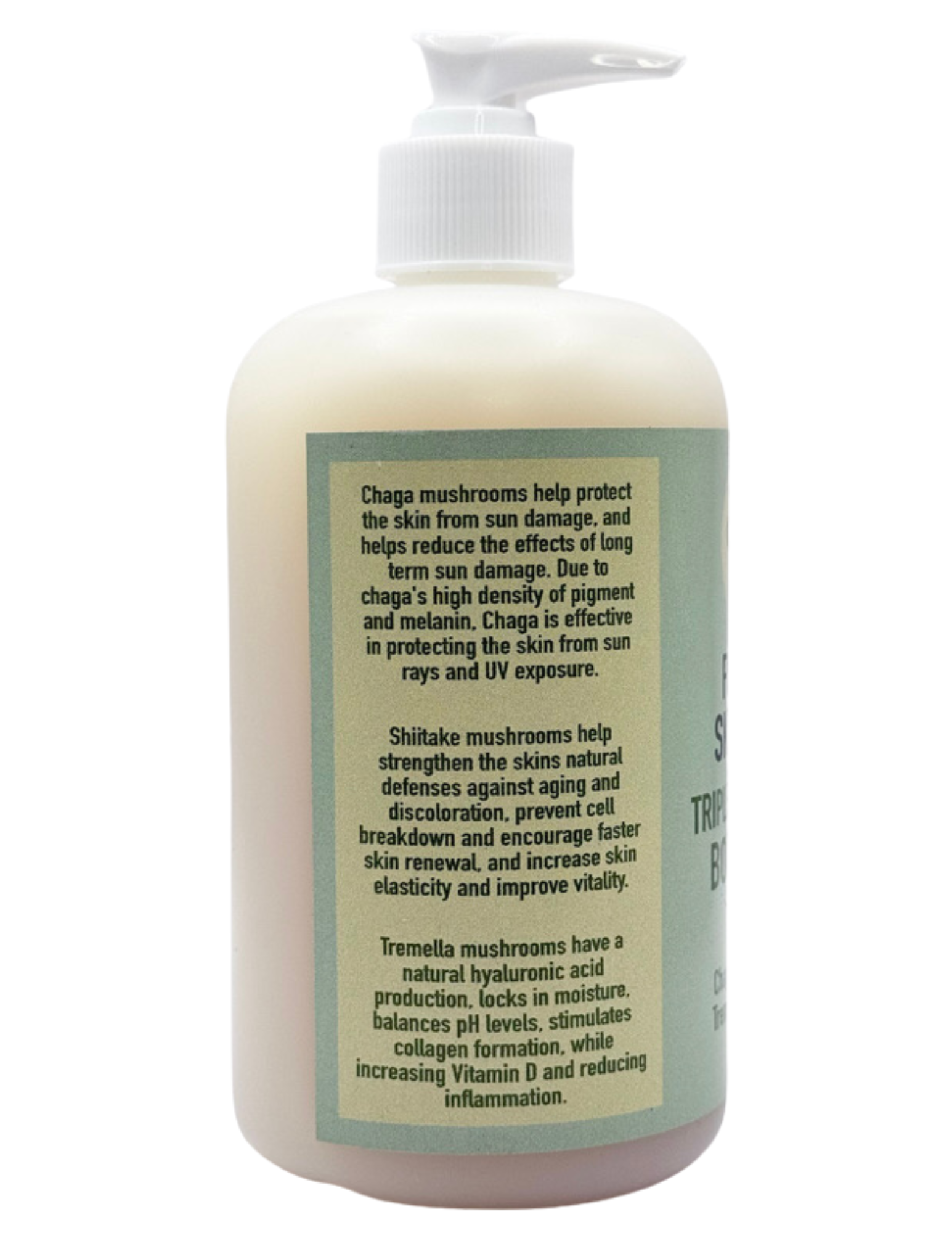
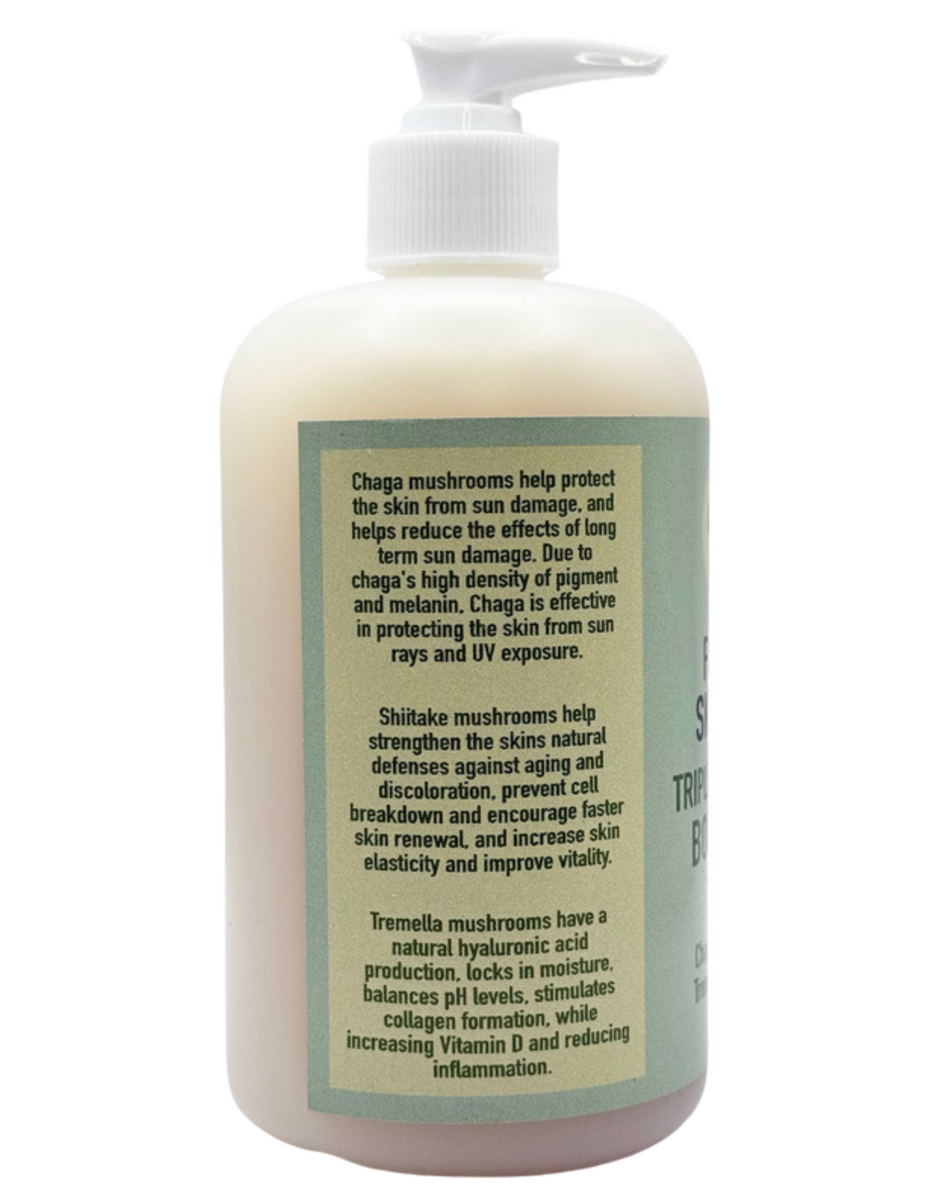
- Topical creams: Some skincare products now use Chaga extract for natural UV defense.
While eating Chaga will not replace sunscreen, it can add another layer of protection from the inside out.
Chaga Melanin Vs. Synthetic Sunscreens
Modern sunscreens use chemicals or minerals (like zinc oxide) to block UV rays. How does Chaga’s natural melanin compare?
| Factor | Chaga Melanin | Sunscreen Chemicals |
|---|---|---|
| Source | Natural (mushroom-derived) | Synthetic/chemical or mineral |
| UV Range | Mostly UV-B, some UV-A | Variable (broad spectrum possible) |
| Antioxidant Activity | Strong | Usually weak |
| Potential for Irritation | Low | Medium to high |
| Environmental Impact | Biodegradable | Some chemicals harm coral reefs |
Chaga’s melanin offers extra benefits that many lab-made sunscreens cannot.
The Antioxidant Power Of Chaga Melanin
UV damage is closely linked to oxidative stress—an overload of free radicals that harm cells. Chaga’s melanin is a powerful antioxidant.
- Scavenges free radicals: Lab tests show Chaga extract can neutralize up to 80% of free radicals within minutes.
- Reduces inflammation: Melanin helps control the body’s inflammation response after UV exposure.
- Supports skin repair: By limiting cell damage, Chaga may help the skin heal faster.
These benefits go beyond just blocking UV. They help keep the skin healthier and younger-looking.
Non-obvious Insights: What Most People Miss
Most articles only mention melanin as a pigment, but there are deeper points:
- Melanin Stores Sunlight Energy: Chaga’s melanin does not just block UV; it can store solar energy and release it slowly, which may help cells recover from stress.
- Microbiome Benefits: The melanin in Chaga can support the skin’s natural bacteria, which also play a role in UV defense and healing.
These hidden benefits may explain why Chaga has been used in traditional medicine for so long.
Chaga Melanin And Heavy Metal Detox
Besides UV protection, Chaga’s melanin can bind to heavy metals like lead or mercury. This means it might help remove toxic metals from the body—a benefit not found in regular sunscreens.
Studies have shown that melanin-rich extracts from Chaga can reduce metal toxicity in laboratory animals. This is especially useful for people exposed to pollution or industrial chemicals.
How To Choose High-quality Chaga For Melanin Content
Not all Chaga products contain the same amount of melanin. Here’s what matters when buying Chaga:
- Wild-harvested vs. farmed: Wild Chaga from birch trees contains more melanin than lab-grown or farmed Chaga.
- Extraction method: Dual-extracted (water and alcohol) Chaga keeps more melanin than single-extraction methods.
- Freshness: Melanin content drops if Chaga is stored in sunlight or heat for a long time.
Look for brands that share test results for melanin content or use third-party verification.
How To Use Chaga For Best Uv Protection
To make the most of Chaga’s melanin, consider these tips:
- Take Chaga daily: Consistent use builds up antioxidants in your system.
- Combine with sunscreen: Chaga is an extra layer, not a replacement for SPF.
- Use with vitamin C: Vitamin C helps melanin work better and boosts skin repair.
For topical use, choose creams or oils that highlight “Chaga extract” or “melanin-rich” on the label.
Safety, Side Effects, And Dosage
Chaga is generally safe for most people. However, some important points:
- Possible allergy: Rare, but some may react to mushroom proteins.
- Blood-thinning: Chaga can slow blood clotting, so avoid if you take blood thinners.
- Autoimmune conditions: Chaga may boost the immune system, which could be a problem for some.
Typical daily doses:
- Powder/capsules: 500–2000 mg per day
- Tea/tincture: 1–2 cups or 20–40 drops
Always start small and check with a doctor if you have health concerns.
Credit: haashrooms.com
Chaga In Traditional Medicine: Wisdom From The Past
For centuries, people in Siberia, Finland, and other northern lands used Chaga as a skin protector and tonic. Hunters would rub Chaga paste on their skin to prevent sunburn and windburn. In Russian folk medicine, Chaga tea was a daily ritual for overall health.
Today, science is confirming what these cultures learned long ago: Chaga’s dark melanin is a true natural defense.
Environmental Benefits: A Sustainable Sun Protector
Using Chaga-based products can be kinder to the environment. Synthetic sunscreens often wash off in lakes and oceans, harming coral reefs and fish. Melanin from Chaga is biodegradable and does not pollute water sources.
Sustainable harvesting is important. Responsible brands only take part of the Chaga from each tree, allowing the fungus to regrow and the forest to stay healthy.
Chaga Melanin And Aging: More Than Just Sun Protection
Long-term UV exposure speeds up skin aging, causing wrinkles, spots, and loss of firmness. Chaga’s melanin helps fight this by:
- Blocking UV that causes collagen breakdown
- Reducing inflammation that leads to wrinkles
- Supporting the growth of new, healthy skin cells
Regular use of Chaga may not only protect but also slow signs of aging.
How Melanin Content Is Measured In Chaga
Scientists use special tests to measure melanin in Chaga:
- UV-Visible Spectroscopy: Measures how much UV light melanin absorbs.
- Gravimetric analysis: Weighs the melanin after extraction.
- Electron microscopy: Looks at melanin’s structure.
These methods help ensure the Chaga you buy is truly melanin-rich.
Credit: haashrooms.com
How Chaga Melanin Supports Immunity
Besides UV defense, Chaga’s melanin may help the immune system:
- Activates white blood cells: These cells fight infection and repair damage.
- Reduces inflammation: Chronic inflammation can weaken the immune system.
- Supports gut health: Melanin helps balance the microbiome, which is key for immunity.
This “whole-body” support is another reason Chaga is called a superfood.
Melanin And Skin Tone: Who Benefits Most From Chaga?
People with fair skin are at higher risk for UV damage because they have less natural melanin. Chaga’s melanin is especially helpful for:
- Fair-skinned people: Extra internal protection
- Outdoor workers/athletes: More sun exposure
- Anyone with sensitive skin
But people of all skin tones can benefit from the antioxidant and anti-aging effects.
Chaga Melanin In Modern Skincare
The beauty industry is starting to use Chaga in sunscreens, serums, and lotions. Chaga’s melanin gives these products a natural brown color and boosts their protective power.
When shopping for skincare, look for:
- “Chaga extract” or “melanin-rich” on the label
- Products free of synthetic dyes and fragrances
- Brands that share lab testing results
What Makes Chaga Melanin Different From Animal Melanin?
While both block UV, Chaga’s melanin is plant-based and more antioxidant. Animal melanin (like that in squid ink) is not as stable or easy to use in supplements.
Chaga’s structure also makes it better at binding toxins, which adds to its health benefits.
The Future Of Chaga Melanin: Research And Innovation
Scientists are studying new ways to use Chaga melanin, such as:
- UV-blocking fabrics: Clothes treated with Chaga melanin for sun safety
- Natural food coloring: Safe, antioxidant-rich brown/black color for foods
- Medical applications: Melanin nanoparticles for drug delivery and imaging
This research could lead to even more uses for Chaga’s unique pigment.
Real-world Examples: Who Uses Chaga For Uv Protection?
- Outdoor athletes: Some trail runners and skiers use Chaga supplements to help prevent sunburn.
- Farmers in Siberia: Traditional Chaga tea is a daily routine, especially in spring and summer.
- Beauty experts: A few high-end skincare brands now add Chaga extract to their sun creams and masks.
These stories show that Chaga’s benefits are not just theory—they’re being used in real life.
Common Myths About Chaga And Melanin
Many myths surround Chaga. Here are the facts:
- “Chaga can replace sunscreen.” False. It adds protection but cannot block all UV rays.
- “All black mushrooms have high melanin.” False. Only Chaga is this rich.
- “Chaga can change your skin color.” False. It protects, but does not darken your skin.
Knowing the truth helps you use Chaga wisely.
How To Store And Prepare Chaga To Keep Melanin Potency
- Store in a cool, dark place: Light and heat can break down melanin.
- Use airtight containers: Keeps moisture out and melanin stable.
- Brew with hot, not boiling, water: Too much heat can damage melanin.
These simple steps keep your Chaga working at its best.
Combining Chaga With Other Natural Uv Protectors
Chaga is even better when used with other natural antioxidants:
- Green tea: Contains polyphenols that block UV.
- Astaxanthin: A red pigment from algae, strong for skin health.
- Aloe vera: Soothes skin and supports repair.
Together, these can create a strong, natural shield for your skin.
Who Should Avoid Chaga?
While Chaga is safe for most, avoid it if you:
- Take blood thinners
- Have mushroom allergies
- Have autoimmune diseases (unless approved by a doctor)
- Are pregnant or breastfeeding (not enough research)
Always check with a healthcare professional before starting new supplements.
Chaga Melanin And Cancer: What’s Known
Early research suggests Chaga’s melanin may protect against skin cancer by:
- Blocking UV that causes DNA mutations
- Supporting immune cells that hunt cancer cells
- Reducing inflammation, which can make cancer more likely
However, Chaga is not a cure. More human studies are needed, but the results are promising.
How Long Does It Take To See Benefits?
Most users notice better skin health and fewer sunburns after 2–4 weeks of regular Chaga use. Antioxidant effects build up over time, so consistency is key.
For best results:
- Use daily
- Combine with a balanced diet and SPF
- Stay hydrated
Where To Learn More
For those interested in the detailed science behind Chaga and melanin, you can find more information at the Wikipedia page on Inonotus obliquus.
Frequently Asked Questions
How Does Chaga Melanin Work Differently From Sunscreen?
Chaga melanin absorbs and scatters UV rays from inside the body, mainly through antioxidant activity and supporting cell repair. Sunscreen sits on the skin’s surface and physically blocks or absorbs UV. Chaga adds internal support, but does not replace the need for SPF.
Can Chaga Melanin Lighten Or Darken My Skin?
No, Chaga’s melanin does not change your skin color. It helps protect cells from UV damage and supports repair, but it does not affect skin tone or cause tanning.
Is It Safe To Take Chaga Every Day?
For most healthy adults, yes. Daily doses of 500–2000 mg are considered safe. However, people with mushroom allergies, those taking blood thinners, or those with autoimmune diseases should check with a doctor first.
How Can I Tell If My Chaga Product Is Melanin-rich?
Look for wild-harvested Chaga from birch trees and products that use dual extraction. Trusted brands often share lab results or third-party testing. Fresh, dark-brown/black Chaga pieces are usually higher in melanin.
Can I Use Chaga Extract Directly On My Skin For Sun Protection?
You can, but it is most effective as part of a cream or lotion. Pure extracts may be too strong or sticky for direct skin use. Always test on a small area first to avoid irritation.
Chaga’s melanin content makes this mushroom a unique, natural shield against UV damage. While it is not a magic bullet, adding Chaga to your daily routine—along with other sun-safe habits—can help keep your skin and body healthy for years to come.