
Recovering after an illness is often more than just resting and waiting. The body needs extra support to rebuild strength, restore balance, and protect itself from future problems. In recent years, more people have turned to natural foods and remedies to speed up recovery and boost overall wellness. Among these, maitake and shiitake mushrooms have gained special attention. They are not just tasty additions to meals; they are powerful allies for anyone wanting to bounce back after being sick.
Both maitake and shiitake have a long history in traditional medicine, especially in East Asia. Modern science is now confirming many of their health benefits. These mushrooms contain unique compounds that help the immune system, fight inflammation, and support the body in many other ways.
But how, exactly, do maitake and shiitake help people recover after illness? And why are they often recommended during the healing process?
This article dives deep into the science and practical wisdom behind using maitake and shiitake for post-illness recovery. You’ll learn what makes these mushrooms special, how they work in the body, and how to use them wisely. Whether you want to understand the research, need practical tips, or are looking for safe ways to add them to your diet, you’ll find answers here.
Let’s discover how maitake and shiitake can help you regain your health—and perhaps even come back stronger than before.
The Healing Power Of Medicinal Mushrooms
Medicinal mushrooms have been valued for centuries. In traditional Chinese and Japanese medicine, certain mushrooms are seen as “tonics” for the body, especially after illness or stress. Maitake (Grifola frondosa) and shiitake (Lentinula edodes) stand out for their strong effects.
Unlike common white mushrooms, maitake and shiitake contain rare beta-glucans—a type of complex sugar known to boost immune health. They also offer antioxidants, vitamins, minerals, and other compounds that help the body heal and recover.
But their benefits go beyond basic nutrition. These mushrooms interact with the body’s defense systems, speed up tissue repair, and can even help balance hormones. For people recovering from flu, infections, surgery, or long-term illness, they provide support that’s hard to find in other foods.
What Makes Maitake And Shiitake Unique?
Both maitake and shiitake are edible and medicinal, but each has its own set of strengths.
| Mushroom | Main Compounds | Key Benefits | Flavor Profile |
|---|---|---|---|
| Maitake | Beta-glucans (D-fraction), polysaccharides, antioxidants | Immune boost, blood sugar support, anti-inflammatory | Earthy, peppery, slightly spicy |
| Shiitake | Lentinan, eritadenine, vitamins (B, D), copper, selenium | Immune modulator, cholesterol control, anti-viral | Umami-rich, meaty, slightly smoky |
Maitake is often called the “dancing mushroom” in Japan. It’s prized for its ability to boost energy and protect against fatigue. Shiitake is famous for its immune-balancing effects and is widely used both in cooking and supplements.
A non-obvious insight: The beta-glucans in these mushrooms are structurally different from those in oats or barley. This makes them more active in the immune system, especially for fighting infections and speeding recovery.

Credit: cambert-store.com
How Maitake And Shiitake Boost Immunity
A strong immune system is key to quick recovery. Both maitake and shiitake help the body fight off new infections and repair damage caused by illness.
Maitake’s Role In Immunity
Maitake contains a special D-fraction beta-glucan. Studies show this compound can:
- Stimulate white blood cells (macrophages and natural killer cells)
- Increase the production of cytokines—molecules that direct immune responses
- Help the body clear out viruses and bacteria faster
One Japanese study found that people who took maitake extract after surgery recovered faster and had fewer infections. This is because maitake helps the immune system respond quickly and efficiently, without overreacting.
Shiitake’s Immune Effects
Shiitake is rich in lentinan, a unique polysaccharide. Lentinan can:
- Boost the activity of T-cells (important for fighting viruses)
- Increase antibody production
- Help balance immune reactions (reducing the risk of auto-immune flare-ups)
Some cancer patients in Japan are given lentinan alongside other treatments to improve survival rates and quality of life. For everyday recovery, shiitake helps the body “remember” how to defend itself, lowering the chance of relapses.
Non-obvious insight: Many people think mushrooms only “boost” immunity, but maitake and shiitake can also calm an overactive immune response. This helps prevent problems like lingering inflammation and allergies after illness.
Reducing Inflammation And Supporting Healing
After illness, inflammation is often the main reason people feel tired, achy, or slow to recover. Chronic inflammation can delay healing and even lead to new health issues.
Anti-inflammatory Properties
Both maitake and shiitake contain antioxidants (like ergothioneine) and anti-inflammatory agents. These help:
- Lower C-reactive protein (CRP), a marker of inflammation in the blood
- Reduce pain and swelling, especially after infections or surgery
- Speed up tissue repair by protecting cells from “oxidative stress”
In animal studies, extracts from these mushrooms reduced inflammation in the liver, lungs, and joints. For people, this means less discomfort and a smoother recovery process.
Faster Wound Healing
Some research shows that maitake and shiitake can speed up the repair of skin and other tissues. They do this by:
- Increasing collagen production (important for skin and muscles)
- Improving blood flow to damaged areas
- Supporting the growth of new cells
This is especially helpful for people healing after surgery, injuries, or severe infections.
Credit: littlechief.dog
Nutritional Support For A Weakened Body
When the body is fighting or recovering from illness, it needs extra nutrients. Maitake and shiitake are packed with vitamins, minerals, and other compounds that fill this gap.
Key Nutrients In Maitake And Shiitake
| Nutrient | Maitake (per 100g) | Shiitake (per 100g) | Role in Recovery |
|---|---|---|---|
| Vitamin D2 | 28 IU | 18 IU | Bone health, immune strength |
| Vitamin B6 | 0.1 mg | 0.3 mg | Energy, nerve repair |
| Copper | 0.2 mg | 0.9 mg | Red blood cell production |
| Selenium | 2 mcg | 2.5 mcg | Antioxidant defense |
| Fiber | 2.7 g | 2.5 g | Gut health, regularity |
These mushrooms are also low in calories and fat, making them ideal for people with reduced appetite.
Supporting Gut Health
After illness, especially if antibiotics were used, the gut microbiome can be disrupted. Maitake and shiitake contain prebiotic fibers that feed good bacteria in the gut. A healthy gut is linked to a stronger immune system and faster recovery.
Many people overlook this: rebuilding gut health is often the missing step in full recovery. Including these mushrooms can make a real difference.
Maitake And Shiitake For Fatigue And Energy
Fatigue is one of the most common complaints after illness. It can last weeks or even months, slowing return to normal life.
How Mushrooms Fight Fatigue
- B vitamins in shiitake help turn food into energy, reducing tiredness
- Polysaccharides in maitake stabilize blood sugar, preventing energy crashes
- Both mushrooms help the body manage stress hormones (like cortisol)
Several small studies show that people eating maitake or shiitake report higher energy and better mood during recovery. This is partly because these mushrooms help regulate blood sugar and improve sleep quality.
Real-world Example
A group of Japanese nurses recovering from the flu added maitake extract to their daily diet. After two weeks, they reported less fatigue, better focus, and improved sleep compared to those who did not take the extract.
Tip: Don’t expect instant results. Mushrooms work best when used consistently for at least 2-4 weeks.
Protecting Against Secondary Infections
After being sick, the body is often more open to new infections—especially colds, flu, or even pneumonia. Maitake and shiitake offer extra protection during this “vulnerable window. ”
How They Work
- Boost the activity of natural killer (NK) cells, which spot and destroy viruses before they spread
- Increase the levels of secretory IgA in the saliva and gut, helping block germs at entry points
- Support the repair of mucous membranes, which act as the body’s first line of defense
One study found that people taking shiitake extract had 30% fewer respiratory infections over winter compared to a control group.
Non-obvious insight: The protection isn’t just from “boosting” the immune system but also from improving the quality of immune responses. This means better memory against past infections and faster responses to new threats.
Supporting Recovery From Specific Illnesses
Not all illnesses affect the body in the same way. Maitake and shiitake can help with recovery from several types of health problems.
Viral Infections (colds, Flu, Covid-19)
These mushrooms help the body clear viruses faster and reduce symptoms like cough, sore throat, and fatigue. They also lower the risk of long-term symptoms.
Bacterial Infections
After antibiotics, the gut and immune system need rebuilding. Maitake and shiitake support both, reducing the risk of re-infection or antibiotic-related diarrhea.
Surgery And Injury
Maitake and shiitake support wound healing, reduce inflammation, and lower the risk of post-surgical infections. They are safe to use after most surgeries, but always check with your doctor.
Chronic Illness (cancer, Diabetes)
While not a cure, these mushrooms help the body cope with treatments, manage side effects, and speed up recovery. For example, lentinan from shiitake is used as an official medicine in Japan to support cancer patients.
Important: Always consult your healthcare provider before using mushrooms if you have a serious illness or are on medication.
Credit: antioxi-supplements.com
How To Use Maitake And Shiitake For Recovery
Using maitake and shiitake is simple, but there are some best practices to get the most benefit.
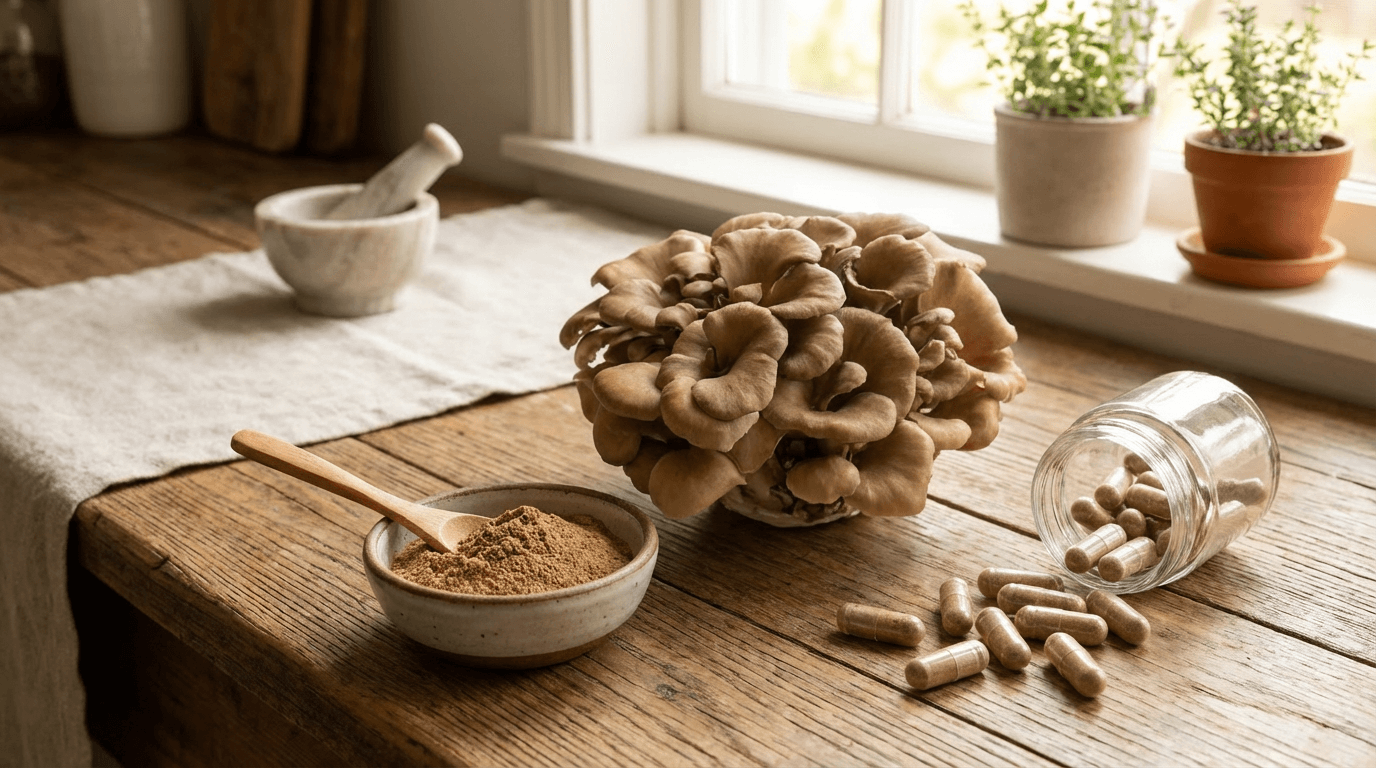
Fresh Vs. Dried Vs. Extracts
| Form | Benefits | How to Use | Best For |
|---|---|---|---|
| Fresh | Full spectrum of nutrients | Cook in soups, stir-fries, stews | General recovery, daily use |
| Dried | Easy to store, concentrated flavor | Soak in water, add to dishes | Long-term use, travel |
| Extracts (capsules/powder) | High in active compounds, easy dosing | Take as directed, mix into drinks | Targeted support, people with low appetite |
Tip: Cooking does not destroy the key compounds in maitake or shiitake. In fact, heat makes them more digestible.
How Much To Use
- Fresh mushrooms: 50–100 grams per day (about 1 cup cooked)
- Dried mushrooms: 5–10 grams per day
- Extracts/powder: Follow label instructions (usually 500–1500 mg per day)
For best results, use daily for at least 2–4 weeks.
Combining With Other Foods
Maitake and shiitake work well with:
- Broths and soups (with chicken, miso, or vegetables)
- Rice or grain dishes
- Eggs, tofu, or lean meats
- Stir-fried with garlic, ginger, and greens
Avoid combining with high-sugar or heavily processed foods, which can slow recovery.
Practical insight: Adding a little black pepper or healthy fat (like olive oil) can help your body absorb more of the mushrooms’ nutrients.
Who Should Be Careful With Maitake And Shiitake?
While generally safe, some people should use caution.
- People with mushroom allergies: Avoid completely.
- Those on blood thinners: Maitake can affect clotting. Talk to your doctor.
- Autoimmune disease patients: Mushrooms can affect immune activity. Get medical advice first.
- Pregnant or breastfeeding women: Not enough research exists. Use only with approval.
Always start with a small dose to test for reactions. If you feel any discomfort, stop use and consult a healthcare provider.
Traditional Wisdom Meets Modern Science
It’s easy to think that mushrooms are just a trendy “superfood. ” But the use of maitake and shiitake for recovery has deep roots in Asian medicine.
Traditional wisdom: In Chinese medicine, shiitake is called “the elixir of life” and is used to restore qi (vital energy) after sickness. Maitake is seen as a “harmonizer” that balances body systems and supports resilience.
Modern science: Clinical studies confirm many of these effects. For example, a 2015 study showed that people who ate shiitake daily for four weeks had better immunity and less inflammation. Another trial found maitake extract helped cancer patients recover faster from chemotherapy side effects.
Real-life application: Many hospitals in Japan and China still serve mushroom soups to patients after surgery or serious illness. It’s a tradition that’s now backed by research.
Easy Recipes For Recovery
Adding maitake and shiitake to your diet doesn’t need to be complicated. Here are two simple recipes:
Maitake & Shiitake Immune Soup
Ingredients:
- 100g fresh maitake mushrooms, sliced
- 100g fresh shiitake mushrooms, sliced
- 1 liter low-sodium chicken or vegetable broth
- 2 cloves garlic, minced
- 1-inch piece fresh ginger, sliced
- 2 green onions, chopped
- 1 tablespoon soy sauce (low sodium)
- 1 teaspoon sesame oil
- Salt and pepper to taste
Instructions:
- Heat sesame oil in a large pot over medium heat.
- Add garlic, ginger, and green onions. Sauté for 2 minutes.
- Add mushrooms and cook for 5 minutes, stirring.
- Pour in the broth and soy sauce. Bring to a gentle boil.
- Reduce heat and simmer for 15 minutes.
- Season with salt and pepper. Serve warm.
Serving size: 2-3 bowls. Cooking time: 30 minutes.
Shiitake Recovery Rice
Ingredients:
- 1 cup white or brown rice
- 1 cup sliced shiitake mushrooms (fresh or rehydrated)
- 2 cups water
- 1 tablespoon olive oil
- 1/2 teaspoon salt
Instructions:
- Rinse rice until water runs clear.
- Heat oil in a saucepan, add mushrooms, and cook for 3 minutes.
- Add rice and stir to coat with oil.
- Pour in water and add salt.
- Bring to a boil, cover, and simmer until rice is cooked (about 15–20 minutes).
- Let stand covered for 5 minutes before serving.
Serving size: 2–3 servings. Cooking time: 30 minutes.
Tip: For extra nutrition, add green peas, carrots, or spinach.
Common Mistakes When Using Medicinal Mushrooms
Even though maitake and shiitake are generally safe, some mistakes can reduce their benefits or cause problems.
- Using too little or too much: Small amounts may not be enough, but very high doses can upset the stomach. Stick to recommended amounts.
- Expecting instant results: Recovery takes time. Mushrooms work best with regular use.
- Ignoring other health needs: Mushrooms are helpful, but not a substitute for good sleep, hydration, or medical care.
- Using poor quality products: Old, moldy, or contaminated mushrooms can be harmful. Always buy from a trusted source.
- Not cooking properly: Undercooked mushrooms are hard to digest and may cause mild toxicity.
Experience-based tip: If you’re new to these mushrooms, start with cooked dishes before trying supplements.
Scientific Studies And Real-world Evidence
The power of maitake and shiitake is not just folklore. There is growing scientific evidence to support their role in post-illness recovery.
- A 2011 study in the journal “Nutrition” found that people who ate shiitake daily for 4 weeks had a 60% increase in immune markers.
- A trial on cancer patients showed maitake D-fraction improved both immune function and quality of life compared to placebo.
- Animal studies report reduced inflammation and faster tissue repair when maitake or shiitake are added to the diet.
For those who want to read more about the science, the Memorial Sloan Kettering Cancer Center offers a useful summary of research on medicinal mushrooms: Memorial Sloan Kettering Cancer Center.
Combining Maitake And Shiitake With Other Recovery Strategies
No single food is a magic bullet. Maitake and shiitake work best as part of a holistic recovery plan.
- Stay hydrated: Drink plenty of water or herbal teas.
- Eat a balanced diet: Include protein, healthy fats, and a variety of vegetables.
- Rest: Give your body time to heal.
- Gentle exercise: Walking or stretching can speed up recovery once you have enough energy.
- Mind your gut: Include yogurt, kefir, or fermented vegetables for better gut health.
Friendly mentor advice: Listen to your body. If you feel better with mushrooms, keep using them. If you notice any problems, adjust your approach or talk to a healthcare provider.
Frequently Asked Questions
Can I Use Maitake And Shiitake During Antibiotic Treatment?
Yes, but it’s best to wait until you finish antibiotics before using large amounts. These mushrooms support gut health, but antibiotics can kill both good and bad bacteria. After antibiotics, maitake and shiitake help rebuild your microbiome and boost your immune system.
Are There Any Side Effects From Eating Maitake Or Shiitake?
Most people tolerate these mushrooms well, especially when cooked. Rare side effects include mild stomach upset or skin reactions. Eating large amounts raw can cause digestive discomfort. Always cook mushrooms and start with small servings.
How Long Should I Use Maitake And Shiitake After Illness?
For best results, use daily for 2–4 weeks after recovery, or longer if you feel it helps. There is no strict limit for healthy people, but take breaks if you notice any side effects.
Can Children And Older Adults Use These Mushrooms For Recovery?
Yes, both groups can benefit, but use smaller amounts and always cook mushrooms well. For children, start with a few spoonfuls in soup. For older adults, mushrooms can help with energy and immune support, but check with their doctor if they have other health conditions.
Are Maitake And Shiitake Safe With Most Medications?
Generally, yes, but maitake may interact with blood thinners or diabetes medicines. If you take regular medication, especially for immune or blood conditions, consult your healthcare provider before adding medicinal mushrooms to your routine.
Recovering from illness is a journey, not a race. Adding maitake and shiitake to your recovery plan can make the process smoother, more comfortable, and maybe even a little tastier. With centuries of tradition and modern science on their side, these mushrooms offer real support for anyone eager to feel like themselves again.
Listen to your body, use them wisely, and give yourself time to heal fully.