
Foraging for wild mushrooms can feel like a treasure hunt in the forest. The thrill of finding a perfect chanterelle or a hefty porcini is hard to beat. But mushroom hunting also comes with responsibility. The woods are delicate places, and overharvesting or careless behavior can damage habitats for years. That’s why many experienced foragers follow leave-no-trace principles. These guidelines help you enjoy nature while making sure others—and the environment—benefit too.
If you’re new to foraging, you may wonder: How do I pick mushrooms without harming the forest? What rules should I follow? Can I really leave no trace at all? This guide covers everything you need to know about responsible mushroom hunting. From understanding the core principles to practical tips and deeper insights, you’ll learn how to be a caretaker of the wild, not just a visitor. Let’s dig in and discover how to forage mushrooms the right way.
Why Responsible Foraging Matters
Foraging isn’t just a hobby—it connects you to the land. But it also comes with risks. Many mushroom species rely on specific habitats to survive. A single patch might take decades to recover if over-harvested or trampled. By following leave-no-trace ideas, you help protect these places for animals, other foragers, and future generations.
Responsible foraging also keeps your local reputation strong. Communities and land managers notice respectful behavior. If too many people ignore the rules, access can be restricted or banned altogether. Think of your actions as part of a larger network—one that depends on trust, respect, and stewardship.
It’s easy to forget that forests are living systems. Mushrooms are not just food for humans; they play key roles in cycling nutrients and forming partnerships with trees and plants. When you forage responsibly, you support this balance. For example, many mushrooms are decomposers, breaking down dead wood and returning nutrients to the soil.
If you remove too many, the forest floor can become overloaded with debris, slowing new growth.
Another point: Mushrooms often appear in clusters, but not all clusters are the same. Sometimes, what looks like a big group is actually several different species mixed together. Picking without knowledge can accidentally remove rare or endangered types. That’s why education and care are part of being a responsible forager.
The Seven Leave-no-trace Principles For Mushroom Hunters
Leave-no-trace (LNT) principles are a set of outdoor ethics created by experts and used globally. While the classic seven principles apply to all outdoor activities, mushroom hunting has unique challenges. Here’s how each principle translates into the world of foraging.
1. Plan Ahead And Prepare
Foraging without a plan can lead to mistakes. Before you head out:
- Check local regulations. Some areas require permits or have limits on what you can pick.
- Study mushroom guides and learn how to identify both edible and toxic species.
- Consider the ecosystem. Are you foraging in a sensitive habitat?
- Pack the right gear: A small knife, a basket (not plastic bags), and a field guide.
- Tell someone your route and expected return time.
Non-obvious insight: Many beginners skip researching the growth cycles of mushrooms. Some species have short harvest windows; picking too early or late can damage spores and reduce next year’s crop.
Planning also means checking the weather and choosing the right time to go. Wet and muddy conditions can make trails slippery and increase your impact on the soil. If you’re new, it’s wise to start with common and easily identified mushrooms.
Some foragers bring a GPS app or mark their route, so they don’t get lost—forests can look very similar, and it’s easy to lose your way when focused on the ground.
Another tip: Research companion plants and trees. Many mushrooms only grow near certain trees, like porcini with pine or oak. Knowing this helps you search more efficiently and understand the relationships that make the forest thrive.
2. Travel And Camp On Durable Surfaces
Stay on established paths whenever possible. Stepping off trail can crush seedlings, fungi, and soil organisms. When you must leave the trail:
- Walk on durable surfaces like rocks, gravel, or dry grass.
- Avoid trampling moss, wildflowers, or fragile undergrowth.
- Don’t create new paths—others may follow your tracks, causing more damage.
Tip: If you find a hidden patch, approach from the same route each time to limit the impact area.
Some forests have invisible boundaries where sensitive plants grow. Even a few steps in the wrong place can disturb rare orchids, young saplings, or delicate fungi. If you’re in a group, walk single-file to minimize your footprint. Try to step lightly and avoid sliding your feet, which can uproot plants and compact the soil.
If you decide to camp, set up your resting area on durable spots like flat rocks or bare ground. Avoid clearing away plants or moving logs, as these are often homes for insects and small animals. Remember, every action leaves a mark—even if it’s not visible right away.
3. Dispose Of Waste Properly
Litter is an obvious problem, but smaller actions matter too.
- Carry out all trash, including food scraps, wrappers, and tissues.
- Don’t leave mushroom stems or trimmings behind—these can introduce disease.
- Use a small brush to clean mushrooms in the field so you don’t bring dirt home.
Practical example: Even biodegradable items like orange peels and eggshells can take years to break down and aren’t natural to most forests.
When cleaning mushrooms, some foragers are tempted to toss unusable parts back on the ground. This can spread fungal diseases, especially if you’re moving between patches. Instead, keep all trimmings in your basket and dispose of them at home.
If you need to go to the bathroom, do so far from water sources and follow local guidelines for burying waste. Even natural items, like apple cores, can disrupt the diet of wildlife or introduce non-native plants. A simple rule: If you brought it in, bring it out.
4. Leave What You Find
It’s tempting to pick every beautiful mushroom, but some are rare or ecologically important.
- Harvest only what you need.
- Leave old, decaying, or unidentifiable mushrooms—they help spread spores and feed wildlife.
- Don’t dig up the entire mushroom; cut or gently twist to leave the underground mycelium intact.
- Take photos, not souvenirs, of unique or rare finds.
Non-obvious insight: Some edible mushrooms, like morels, are essential for local animal diets. Overharvesting can disrupt the balance.
When you discover an unusual mushroom, resist the urge to collect it unless you are certain it’s common and edible. Sometimes, the most exciting finds are best enjoyed with your eyes and camera. If you’re unsure, leaving the mushroom means someone else—maybe a scientist or a curious child—can see it too.
Some mushrooms have symbiotic relationships with trees, forming “mycorrhizal” connections that help both survive. Disturbing these mushrooms can unintentionally harm the health of the entire tree. If you notice a patch with many different ages of mushrooms, harvest only the mature ones and let the rest continue their lifecycle.
5. Minimize Campfire Impact
Most mushroom foragers don’t camp, but if you do:
- Use a stove instead of making a fire.
- If fires are allowed, use established fire rings.
- Never burn trash or mushroom scraps.
Key point: Fires can sterilize soil and kill underground fungi. Even a small fire in the wrong spot can destroy future mushroom habitats.
If you’re tempted to have a small campfire to cook mushrooms, always consider the risks. Many fungi grow just below the surface, and fires can kill their delicate threads. Even ashes left behind can alter the chemical makeup of the soil, making it harder for mushrooms to return.
Portable stoves are a safer choice and don’t leave scars on the land. If you do use a fire, keep it small, use dead and downed wood, and make sure it is completely extinguished before you leave. Scatter cool ashes away from water sources and don’t build new fire rings.
6. Respect Wildlife
Wild animals rely on mushrooms too. Your presence can disturb them or compete for resources.
- Observe animals from a distance.
- Don’t pick mushrooms that show signs of animal feeding.
- Never chase or try to touch wildlife.
Practical tip: Some animals, like deer and squirrels, depend on specific mushrooms for food during lean months.
It’s not just big animals; small creatures like beetles, slugs, and even some birds use mushrooms for shelter or food. If you see bite marks or small holes, leave that mushroom as it’s already part of the food web. Taking photos instead of picking lets you enjoy the find without removing a resource.
If you notice animal tracks or dens, move quietly and give them space. Sudden noises can frighten wildlife, causing stress or making them abandon their young. Remember, you’re a guest in their home.
7. Be Considerate Of Other Visitors
The forest is for everyone.
- Share your knowledge, but don’t give away secret spots to large groups.
- Yield to hikers and other foragers.
- Keep noise low and respect the peacefulness of the woods.
Mistake to avoid: Crowding a popular spot can quickly strip it of mushrooms and annoy others.
If you meet other foragers, a friendly hello goes a long way. If someone is picking in a spot, give them space instead of rushing over. Many foragers like to work quietly, listening to birds or the wind. Loud music or shouting can break the atmosphere for everyone.
If you organize group forays, keep the group small and plan your route to avoid sensitive areas. Sharing the forest means leaving it as you found it, so everyone has the same chance for discovery and enjoyment.
How To Identify And Harvest Mushrooms Safely
Correct identification is the foundation of responsible foraging. Many edible mushrooms have toxic lookalikes. Mistakes can be deadly or cause lasting environmental harm.
Learning Identification Skills
- Study local field guides with color photos.
- Join a mycology club or attend a guided walk.
- Learn the key features of common edible and poisonous mushrooms.
- Use all your senses—smell, touch, and look for habitat clues.
Beginner’s error: Relying only on smartphone apps. These can be helpful, but misidentification rates are high.
Take time to learn spore prints—a simple technique using a mushroom cap and a piece of paper. This can help distinguish between similar species. Smell is another good clue: some edible mushrooms have a strong, pleasant scent, while their toxic twins do not. Look for color changes when you cut the stem, or check for bruising.
Going with an experienced forager the first few times can save you from costly mistakes. If you’re unsure, it’s better to leave a mushroom behind than to take a risk. Keep in mind that children and pets are more sensitive to toxins, so never let them eat wild mushrooms unless you are certain of identification.
Harvesting Techniques
How you pick matters as much as what you pick.
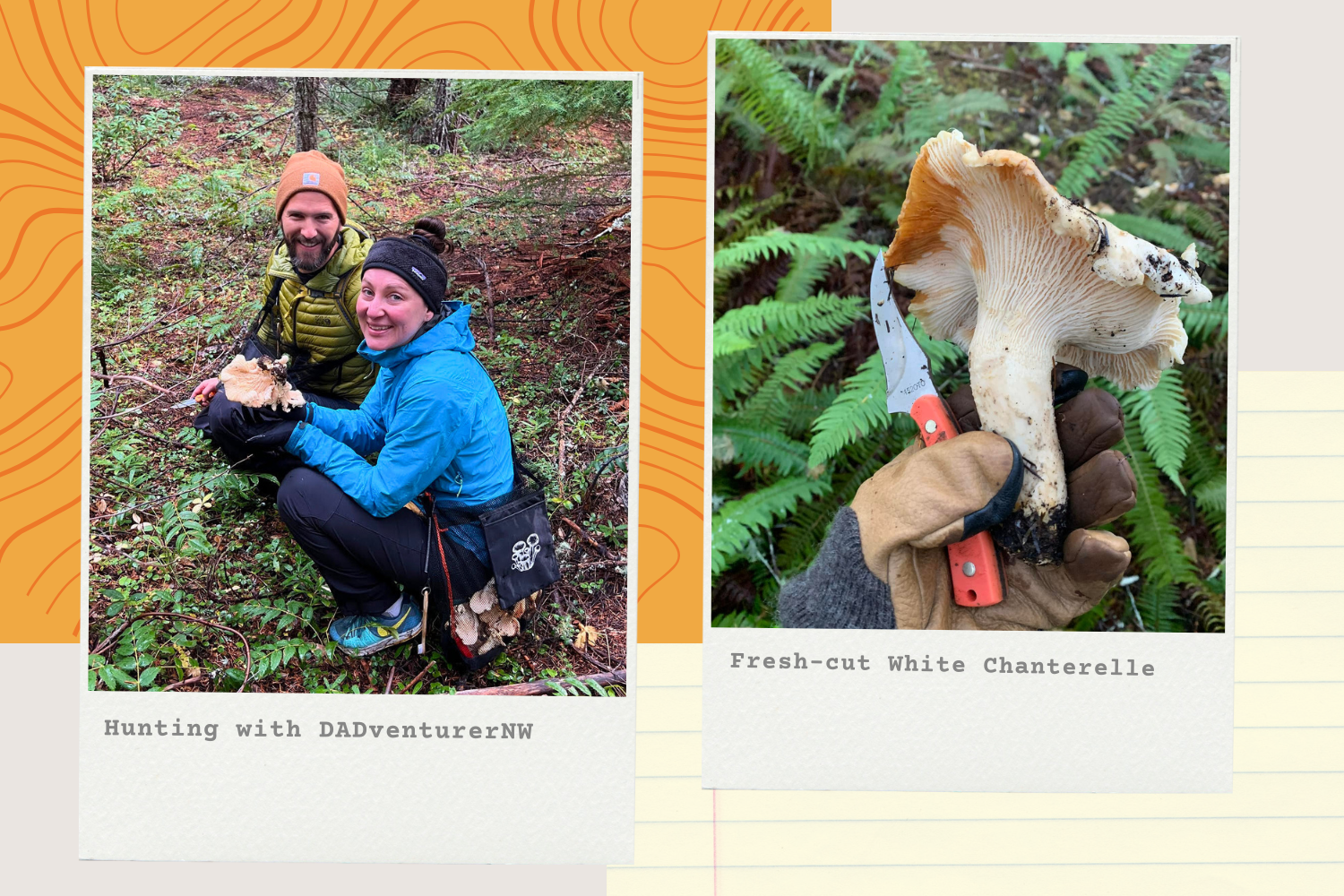
- Use a sharp knife to cut the mushroom at the stem.
- Leave the base and mycelium undisturbed.
- Collect in a woven basket—this spreads spores as you walk.
- Don’t pick every specimen; leave young and old mushrooms to ensure reproduction.
| Technique | Impact on Habitat | Spore Spread |
|---|---|---|
| Cutting at stem | Minimal | High |
| Pulling up whole | High (damages mycelium) | Low |
| Leaving basket open | None | High |
Sometimes, people debate whether to cut or twist mushrooms. The truth is, as long as you don’t disturb the underground mycelium, both methods can work. However, cutting is usually less damaging and leaves the base to continue its lifecycle. Always clean dirt and debris in the field to prevent spreading pests to your kitchen.
Avoid Overharvesting
Never take more than you can use. A good rule is to leave at least half behind, especially in smaller patches. This allows for natural regeneration and helps wildlife.
Practical example: If you find 20 mushrooms, pick only 8-10, and leave the rest.
This approach not only supports the ecosystem but also ensures that mushrooms will be there for you and others in the future. If you notice that a patch has been heavily picked, skip it and move on. Sometimes, leaving a spot alone for a season or two is the best way to encourage its recovery.
Understanding Local Regulations And Ethics
Not every forest is open for foraging. Laws and traditions can vary widely.
Common Legal Restrictions
- Some parks ban mushroom picking entirely.
- Many countries limit the daily harvest (often 1-2 kg per person).
- Commercial picking may require a special permit.
Real-world example: In parts of the United States, fines for illegal foraging can exceed $500.
Rules can differ even between neighboring parks. For example, one national forest might allow personal use but ban commercial sales. In some European countries, you’re only allowed to pick for personal meals, not to sell. Always check signs at trailheads and ask rangers if unsure.
Respecting Private And Public Lands
- Always get permission before foraging on private property.
- Obey all posted signs and local rules.
- Check if the land is home to endangered plants or fungi.
Non-obvious insight: Some protected areas allow foraging for educational purposes but not commercial use.
If you are invited to forage on someone’s land, offer to share your harvest or help with stewardship tasks. Respecting landowners’ wishes builds trust and can lead to more opportunities. If you see fences or “no trespassing” signs, don’t cross them, even if the area looks promising.
| Location Type | Foraging Allowed? | Permit Needed? |
|---|---|---|
| National Park | Rarely | Usually |
| State Forest | Sometimes | Often |
| Private Land | With permission | No (if owner allows) |
Credit: www.mthoodalpinechalet.com
Minimizing Your Impact: Advanced Tips
If you want to be more than just a rule-follower, here are deeper ways to help the land.
Spread Out Your Harvest
Avoid picking all your mushrooms from one patch. Move around and harvest lightly from many areas. This reduces stress on any single colony and helps spores spread widely.
Try not to revisit the same spot too often, especially in one season. Give patches time to recover. Observe changes in mushroom size and abundance—if you notice fewer mushrooms, it may be time to rest that area.
Avoid Wet Conditions
Try not to forage right after heavy rain. Wet soil is more easily damaged, and footsteps can compact roots and mycelium. Wait until trails are dry to minimize impact.
If you must go out in damp conditions, wear lightweight boots and step carefully. Avoid muddy areas as repeated trampling can create ruts that last for years. Some advanced foragers carry a small mat to kneel on when searching under bushes, protecting both themselves and the ground.
Track Your Finds
Keep a small journal of what you picked, where, and how much. This helps you see patterns and avoid returning to the same spot too often.
Noting the habitat—tree species, soil type, and weather—can help you learn more about mushrooms’ needs and share useful data with others. Some foragers even include sketches or GPS coordinates to build a personal map over time.
Join Citizen Science Projects
Many organizations track wild fungi populations. Your observations can help researchers understand changes in local ecosystems. This is a way to give back as you enjoy your hobby.
iNaturalist is a trusted platform where you can log your findings and see how they fit into the bigger picture.
Some mycological societies host annual “fungus counts,” where foragers work together to document local species. By participating, you contribute to science and learn from others, deepening your knowledge and appreciation for the forest.
What To Bring: Responsible Forager’s Kit
Having the right gear helps you follow leave-no-trace guidelines. Here’s a smart packing list:
- Woven basket or mesh bag: Spreads spores, avoids plastic waste.
- Small knife: Clean cuts, less damage.
- Soft brush: Clean mushrooms in the field.
- Field guide or ID app: For quick reference.
- Notebook and pencil: Track your finds and notes.
- Gloves: Protects hands from thorns and irritants.
- Water and snacks: Stay hydrated without leaving wrappers behind.
- First aid kit: For minor scrapes.
- Map and compass: Navigation in dense forests.
- Trowel: For picking certain species (only when allowed).
Practical tip: Avoid plastic bags. They cause mushrooms to sweat, making them spoil faster and leak liquid that can harm other plants.
A few other handy items: a whistle for emergencies, a small towel for cleaning hands, and eco-friendly insect repellent. If you plan to spend all day, pack an extra layer of clothing and a rain jacket. Keeping your kit light and organized makes foraging more enjoyable and less tiring, so you can focus on the experience, not the gear.

Credit: lykyn.com
Practical Scenarios: What To Do In Common Situations
Understanding leave-no-trace theory is important, but practice matters more. Here’s how to handle real-life foraging dilemmas.
You Find A Huge Patch
Don’t take everything. Harvest a small portion from the edges and leave the core untouched. This helps the patch recover and ensures spores continue to spread.
If you’re with friends, agree on a total amount to pick, not just per person. Sometimes, leaving the center of the patch untouched protects the most productive mushrooms for the future.
You See Trash On The Trail
Pick it up—even if it’s not yours. Carrying an extra bag for litter helps keep the forest clean and sets a good example.
If you find a large mess, report it to park staff or rangers. A small effort from each visitor keeps the forest welcoming and safe for everyone.
Someone Is Overharvesting
Approach politely. Share why you leave mushrooms behind and how it helps the ecosystem. Most people respond well to friendly education rather than scolding.
If the person is not open to discussion, simply set your own example and focus on your own impact. Sometimes, change happens slowly.
You Find A Rare Or Protected Species
Take only photos. Report the sighting to local rangers or a mycology group. This helps track populations and protect sensitive species.
If you’re unsure about a species’ status, it’s safer to leave it untouched. Rare mushrooms can be very difficult to identify without expert help.
You Accidentally Damage A Patch
Try to restore it gently. Cover exposed soil with leaves, and don’t walk back over the area. Learn from the mistake to avoid it next time.
Mistakes happen to everyone. The important thing is to do your best to repair damage and avoid repeating it.
Common Mistakes And How To Avoid Them
Even well-meaning foragers can cause harm if they’re not careful. Here are frequent errors and how to sidestep them.
Mistaking Lookalikes
Some poisonous mushrooms are nearly identical to edible ones. Always double-check with multiple sources before eating anything.
If in doubt, throw it out. Never eat a mushroom unless you are 100% sure of its identity.
Ignoring Local Laws
Assume nothing. Rules can change seasonally or after fires. Always check the latest updates before foraging.
Some areas may close temporarily for restoration. Check park websites or bulletin boards for recent changes.
Picking Too Much
It’s easy to get excited and fill your basket. But mushrooms spoil quickly. Only pick what you can eat or share within a few days.
Extra mushrooms can be left for wildlife or other foragers. Remember that overharvesting can ruin a spot for years.
Leaving Deep Footprints
Wet soil and moss are easily compressed. Stick to durable ground, and avoid fragile patches, especially in spring.
If you see your footprints sinking, move to a drier area. Compacted soil can take years to recover and affects mushroom growth.
Using The Wrong Containers
Plastic bags trap moisture and cause mushrooms to rot. Use baskets or mesh bags for better air flow and cleaner harvests.
Proper containers keep your mushrooms fresh and help spread spores as you walk.
Myths About Leave-no-trace Foraging
Some foragers believe myths that can lead to poor practices. Let’s clarify a few.
“it Doesn’t Matter What One Person Picks”
One person’s harvest may seem small, but many people visit popular spots. The impact adds up quickly.
If everyone takes “just a little,” the resource can vanish. Each forager plays a role in protecting the forest.
“wild Mushrooms Grow Back Instantly”
Most mushrooms only fruit once a year. Damaged mycelium can take years to recover, and some species are very slow to regrow.
Be patient and give nature time to renew itself. Sustainable foraging ensures mushrooms for the future.
“old Or Rotten Mushrooms Are Useless”
These are vital for spreading spores and feeding wildlife. Leaving them supports the entire ecosystem.
Even decaying mushrooms help support insects, birds, and animals.
“if There’s No Sign, It’s Okay To Pick”
Not all protected areas post signs. Always research in advance, and when in doubt, don’t pick.
Ask locals or park rangers if you’re not sure. It’s better to be safe than to damage a sensitive area.
Teaching Others And Passing On Good Habits
Leave-no-trace is most effective when shared. If you forage with friends or family, take time to explain the principles and why they matter.
- Lead by example: Show careful harvesting and waste removal.
- Share stories about positive and negative impacts you’ve seen.
- Encourage children to appreciate, not just collect, nature’s bounty.
Practical example: Many experienced foragers teach their kids to leave the first mushroom they find as a gift for the forest.
Offer to teach newcomers how to identify common edible and poisonous species. Explain why it’s important to leave mushrooms for wildlife and future generations. The more people understand, the stronger the culture of stewardship becomes.
Credit: lykyn.com
The Big Picture: Foraging As Conservation
Responsible foraging can actually improve forest health. When done right, it helps you notice changes in local ecosystems and report problems, like invasive species or illegal dumping. Many successful conservation efforts start with people who spend time in the woods—like mushroom hunters.
Non-obvious insight: In some countries, foragers help track forest health for scientists, providing valuable data on climate change effects.
When you become a careful observer, you can spot disease outbreaks, illegal logging, or poaching. Sharing these observations with local authorities can lead to quick action and help protect the entire ecosystem. Your eyes and knowledge are valuable tools in conservation.
Data: Foraging Pressure And Forest Health
Research shows that sustainable harvesting makes a difference. A 2015 study in European forests found that patches with leave-no-trace foraging had 40% higher mushroom diversity than those with heavy picking. Another survey from the United States showed that areas with public education programs had less litter and fewer trampled patches.
| Forest Area | Leave-No-Trace Practiced? | Mushroom Diversity | Litter Incidents |
|---|---|---|---|
| Area A | Yes | High | Low |
| Area B | No | Low | High |
These numbers show that education and respect for nature matter. Small changes in behavior add up, making forests healthier for everyone.
Final Thoughts
Foraging for wild mushrooms is a privilege, not a right. When you follow leave-no-trace principles, you protect the beauty and bounty of the woods—not just for yourself, but for everyone who comes after. Responsible mushroom hunting means planning ahead, harvesting lightly, respecting laws, and minimizing your footprint. These simple actions add up to a big difference.
Remember, the best foragers are caretakers, not just collectors. With every careful step, you help ensure that forests remain full of life and wonder for years to come.
Frequently Asked Questions
How Do I Know If Mushroom Foraging Is Allowed In My Area?
Check with local park services, forestry departments, or nature reserves. Look for official websites or posted signs at trailheads. Rules change often, so always confirm before you go.
What’s The Best Way To Carry Mushrooms While Foraging?
Use a woven basket or mesh bag. These allow spores to fall and spread as you walk, which helps next year’s mushrooms grow. Avoid plastic bags—they make mushrooms sweat and spoil quickly.
How Can I Avoid Damaging The Forest When Searching For Mushrooms?
Stay on established trails as much as possible. When you must leave the path, walk on rocks or dry grass and avoid sensitive plants. Harvest mushrooms gently and leave the roots/mycelium in place.
Is It Okay To Pick Mushrooms That Look Old Or Decayed?
It’s better to leave old or decaying mushrooms. They spread spores and feed wildlife. Picking them removes important resources from the ecosystem.
Where Can I Learn More About Mushroom Identification And Responsible Foraging?
Join a local mycology club or attend guided walks. Use reliable field guides and trusted online resources like MushroomExpert.com. Sharing knowledge with experienced foragers is one of the best ways to learn safely.
With these principles, you can enjoy mushroom hunting while keeping forests healthy and wild. Happy foraging!