
Children who often fall sick can leave parents worried and searching for answers. Recurring infections—like colds, ear infections, or sore throats—make daily life stressful and disrupt school and play. Many parents are now exploring natural ways to help their child’s immune system. Among these, functional mushrooms have gained attention for their potential to support health. These mushrooms are not the same as the white button mushrooms found in salads or pizzas. Instead, they are unique varieties used for centuries in traditional medicine, especially in Asia.
The idea of using mushrooms for children may sound unusual, but modern science is finding that certain mushrooms contain powerful compounds. These can help the body resist infections and recover more quickly. But how safe are these mushrooms for children?
Which types are most useful? And how can they be used in a child’s diet? This article will give clear, practical answers based on research and expert opinion. We’ll look closely at the best functional mushrooms for children with frequent infections, explain how they work, and give guidance for safe use.
If you want to help your child’s body fight back against illness naturally, this guide will show you what you need to know.
Understanding Recurring Infections In Children
Children’s immune systems are still developing. This makes them more vulnerable to infections, especially in the first few years of life. Recurring infections mean a child gets sick with similar illnesses many times in a short period, such as having five or more ear infections in a year or getting colds back-to-back.
Why Do Children Get Sick So Often?
- Immature immune system: The immune system learns by exposure. Young children haven’t built up strong defenses yet.
- Close contact: Kids share germs easily in schools and daycare centers.
- Environmental factors: Air pollution, poor nutrition, or stress can weaken immunity.
- Underlying health issues: Some children have allergies or other conditions that make them more likely to get sick.
When To Worry
All children get sick sometimes, but see a doctor if:
- Your child has infections that won’t go away with usual treatment.
- There are signs of serious illness (high fever, breathing problems).
- Infections are happening much more often than is typical.
If your doctor rules out major health problems, supporting your child’s immune system naturally may help reduce the frequency and severity of infections.
What Are Functional Mushrooms?
Functional mushrooms are a group of fungi with benefits beyond basic nutrition. They contain special compounds, such as beta-glucans, polysaccharides, and triterpenes, which can support the body’s immune response, reduce inflammation, and help fight bacteria and viruses.
Some of the best-known functional mushrooms include:
- Reishi (Ganoderma lucidum)
- Shiitake (Lentinula edodes)
- Maitake (Grifola frondosa)
- Turkey Tail (Trametes versicolor)
- Cordyceps (Cordyceps militaris and Cordyceps sinensis)
- Chaga (Inonotus obliquus)
- Lion’s Mane (Hericium erinaceus)
Not all mushrooms are safe or useful for children. This guide will focus on the varieties with the most evidence for safety and immune support in young people.
How Functional Mushrooms May Help Children
Functional mushrooms work in several ways to help the body resist and recover from infections:
- Immune modulation: They don’t just “boost” immunity—they help balance it. This means they can support the body to fight germs without causing overreactions.
- Antimicrobial effects: Some mushrooms have natural compounds that can slow down or kill bacteria and viruses.
- Anti-inflammatory properties: Less inflammation can mean fewer symptoms, such as sore throats or runny noses.
- Nutrient content: Mushrooms contain vitamins, minerals, and antioxidants important for overall health.
For example, beta-glucans found in mushrooms are known to activate white blood cells, which are the body’s main defense against infection. Some studies show that children given mushroom extracts have fewer and milder infections over time.
The Best Functional Mushrooms For Children With Recurring Infections
Not all functional mushrooms are the same. The following types have the best safety profiles and evidence for helping children with frequent infections.
1. Reishi (ganoderma Lucidum)
Known as the “mushroom of immortality” in Asia, Reishi is famous for its immune-balancing effects. Studies show Reishi extracts can help reduce the duration and severity of respiratory infections in children. Reishi’s beta-glucans and triterpenes help regulate immune responses, making it useful when the immune system is either too weak or too active.
Reishi is also gentle on the body, with a low risk of side effects when used correctly. It’s often used as a powder or extract, mixed into smoothies or warm drinks. The taste can be bitter, so blending with sweet foods may help.
2. Shiitake (lentinula Edodes)
Shiitake mushrooms are not only delicious but also packed with lentinan, a polysaccharide that supports the immune system. Clinical trials have shown that shiitake extracts can increase the activity of natural killer cells, which destroy infected cells in the body.
Shiitake is easy to add to soups or stir-fries, making it a practical choice for children who are picky eaters. The mushroom is also rich in B vitamins and minerals.
3. Maitake (grifola Frondosa)
Maitake contains a unique compound called D-fraction, which has strong immune-modulating properties. Research suggests it can help children recover faster from common respiratory infections.
Maitake is a mild-tasting mushroom that can be cooked or used in powdered form. It’s also high in vitamin D, which is important for immune health.
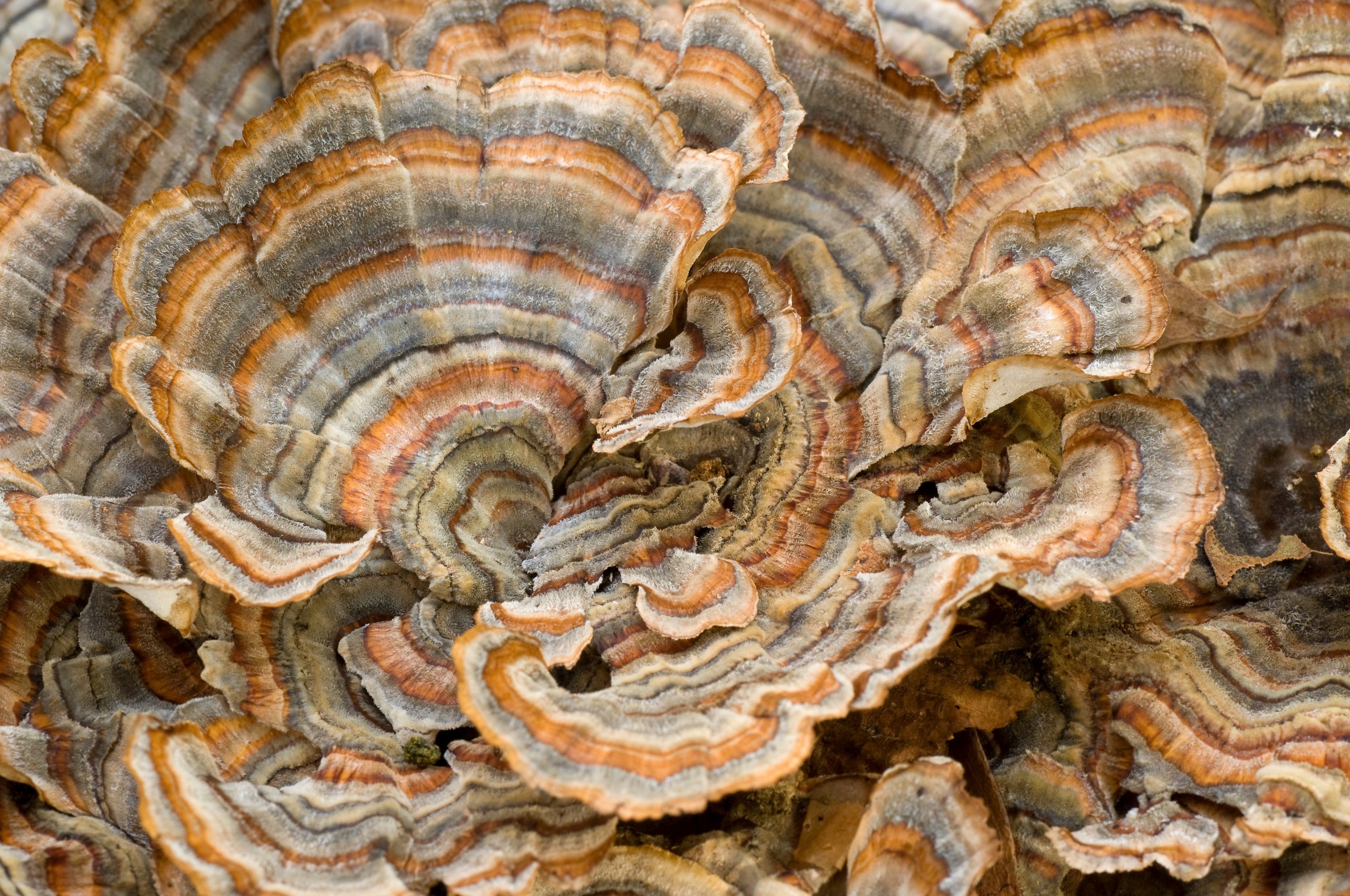
4. Turkey Tail (trametes Versicolor)
The colorful Turkey Tail mushroom is one of the most studied for immune health. It contains polysaccharide-K (PSK) and polysaccharide-peptide (PSP), which are used in some countries as medicine to support immune function.
Turkey Tail is especially helpful for children with frequent viral infections, such as colds or flu. The mushroom is usually given as an extract, as the raw form is tough and woody.
5. Cordyceps (cordyceps Militaris)
Cordyceps is known for its energy-supporting effects as well as immune balance. In children, Cordyceps may help reduce fatigue from repeated illness and support recovery.
Cordyceps is often taken as a powder or capsule. It has a mild flavor, so it’s easy to blend into food or drinks. It’s important to use Cordyceps militaris (grown on plants) rather than wild Cordyceps, which can be expensive and inconsistent.
6. Chaga (inonotus Obliquus)
Chaga grows on birch trees and is valued for its antioxidants and immune-supporting compounds. It can help children fight off bacterial and viral infections.
Chaga is usually prepared as a tea or extract. It has a mild, earthy taste and is generally well tolerated. However, Chaga is high in oxalates, which can be a concern for children with kidney problems.
7. Lion’s Mane (hericium Erinaceus)
While best known for supporting the brain and nerves, Lion’s Mane also has immune benefits. It contains beta-glucans that help the body defend against germs.
Lion’s Mane can be used in soups or as a supplement. It’s especially helpful for children who have trouble focusing or feel tired after repeated infections.

Credit: corewellhealth.org
Scientific Evidence: What The Research Shows
Functional mushrooms have a long history in traditional medicine, but modern research is beginning to confirm their benefits.
- A study published in the “Journal of Traditional and Complementary Medicine” found that children who took Reishi extract had fewer upper respiratory infections compared to a placebo group over three months.
- Research from the “International Journal of Medicinal Mushrooms” showed Shiitake extract increased immune cell activity in children and reduced the number of colds.
- Clinical studies in Japan and China have used Turkey Tail extracts to support children with recurring viral infections, showing improved recovery rates.
However, most studies are small or conducted on adults. More large-scale research on children is needed, but current data is encouraging.
Comparing Functional Mushrooms: Immune-supporting Compounds
To help you see the differences, here is a comparison of key immune-supporting compounds in common functional mushrooms:
| Mushroom | Main Immune Compounds | Best For |
|---|---|---|
| Reishi | Beta-glucans, triterpenes | Respiratory infections, balancing immunity |
| Shiitake | Lentinan, beta-glucans | Colds, general immune support |
| Maitake | D-fraction, beta-glucans | Faster recovery, vitamin D support |
| Turkey Tail | PSK, PSP | Viral infections, immune recovery |
| Cordyceps | Cordycepin, polysaccharides | Fatigue, energy support |
| Chaga | Antioxidants, beta-glucans | Bacterial infections, antioxidants |
| Lion’s Mane | Hericenones, beta-glucans | Brain function, immune support |
How To Choose The Right Functional Mushroom
Every child is different. The right mushroom depends on the type of infections, taste preferences, and any health concerns.
Factors To Consider
- Type of infection: For viral infections, Turkey Tail and Reishi are excellent. For bacterial infections, Chaga may help.
- Ease of use: Shiitake and Maitake are food-friendly. Others are best as powders or extracts.
- Allergies or sensitivities: Check for mushroom allergies, though they are rare.
- Health conditions: If your child has kidney issues, avoid high-oxalate mushrooms like Chaga.
Form: Whole Mushroom Vs. Extract
- Whole mushrooms: Can be cooked in food. Good for Shiitake and Maitake.
- Extracts/powders: More concentrated, easier to measure, and often better studied for specific benefits.
- Capsules: Useful if your child dislikes the taste, but check for fillers.
Safe Use Of Functional Mushrooms In Children
Safety comes first. Here are important tips for using functional mushrooms in children:
1. Start Low And Go Slow
Begin with a small dose and increase slowly. For example, start with half the recommended adult dose.
2. Choose Trusted Brands
Look for products tested for heavy metals, pesticides, and quality. Not all mushroom supplements are equal. Third-party certifications are a good sign.
3. Mix With Food Or Drink
Many mushroom powders have a strong taste. Mixing with smoothies, soups, or oatmeal makes them easier for children to accept.
4. Monitor For Side Effects
Functional mushrooms are usually safe, but watch for:
- Stomach upset
- Allergic reactions (rare)
- Changes in mood or sleep
If any side effects occur, stop use and consult a doctor.
5. Talk To Your Child’s Doctor
Always check with your child’s healthcare provider before starting any new supplement, especially if your child has serious health issues or takes medicine regularly.
Credit: ancientandbrave.earth
Practical Ways To Add Functional Mushrooms To Your Child’s Diet
Making mushrooms a normal part of your child’s routine can be easy with the right approach.
Cooking With Mushrooms
- Shiitake and Maitake can be added to soups, stir-fries, or pasta sauces.
- Dice mushrooms small to “hide” them in foods like meatballs or burgers.
- Use in combination with familiar flavors (chicken broth, cheese, tomato sauce).
Mushroom Powders And Extracts
- Mix a small amount of Reishi or Turkey Tail powder into a fruit smoothie.
- Add mushroom powder to hot chocolate or milk.
- Stir into oatmeal or yogurt with honey.
Sample Recipes
Simple Shiitake Soup
- 1 cup sliced fresh shiitake mushrooms
- 4 cups chicken or vegetable broth
- 1 carrot, diced
- 1 celery stalk, diced
- 1 small potato, cubed
- Salt and pepper to taste
Simmer all ingredients for 20 minutes. Serve warm. This soup is gentle for sick children and easy to digest.
Mushroom Hot Chocolate
- 1 cup milk (dairy or non-dairy)
- 1 tsp cocoa powder
- 1/4 tsp Reishi or Chaga powder
- 1 tsp honey
Heat milk gently, whisk in cocoa and mushroom powder, sweeten with honey, and serve warm.
Comparison: Fresh Vs. Supplement Forms
Here’s a quick look at the pros and cons of using mushrooms as food versus supplements:
| Form | Benefits | Drawbacks |
|---|---|---|
| Fresh/Cooked | More nutrients, familiar taste, less processed | Lower concentration of active compounds, not all mushrooms are edible |
| Powder/Extract | Higher concentration, easy to dose, consistent | Stronger taste, may contain fillers, cost |
| Capsule | No taste, very convenient | Harder for young children to swallow, not food-based |
Common Mistakes To Avoid
Parents often make errors when introducing functional mushrooms. Here are some to avoid:
1. Using Too Much, Too Soon
More is not always better. High doses can upset the stomach or cause other problems. Start with small amounts.
2. Not Checking For Quality
Some products use only mushroom mycelium (the root part), which contains less of the active compounds. Look for “fruiting body” on the label for maximum benefit.
3. Ignoring Allergies Or Reactions
Even natural products can cause allergies. Watch for rashes, itching, or stomach upset.
4. Expecting Instant Results
Mushrooms work slowly. It may take weeks to see fewer infections. Be patient and consistent.
5. Skipping Medical Advice
Supplements are not a substitute for seeing a doctor. Use mushrooms as part of a complete health plan.
Non-obvious Insights Parents Usually Miss
Even well-informed parents can overlook these points:
- Mushroom blends may not be better: Many products mix several mushrooms together. While this looks good, single-mushroom extracts are often better studied and allow you to see what works for your child.
- Beta-glucan content matters: Not all products list the amount of beta-glucans. This is the main active compound for immune support. Choose products that show this information on the label.
- Preparation affects potency: Cooking, drying, or extracting mushrooms can change their benefits. For example, some polysaccharides are more available after hot water extraction.
- Long-term use is usually safe: Most side effects happen from large, short-term doses. Regular, small amounts over months are less likely to cause problems.
- Combining with vitamin C helps: Vitamin C can help the body absorb and use mushroom polysaccharides more effectively. Add a squeeze of lemon to recipes.
Safety And Side Effects: What Parents Need To Know
Functional mushrooms are generally safe for children, but some precautions are important.
Who Should Not Use Functional Mushrooms?
- Children with mushroom allergies
- Those with autoimmune diseases (unless approved by a doctor)
- Children with kidney disorders (avoid Chaga)
- Children taking immune-suppressing drugs
Possible Side Effects
Most children have no side effects, but possible reactions include:
- Mild digestive upset (nausea, diarrhea)
- Skin rash (rare)
- Sleep changes (mainly with Reishi)
Stop use if any side effects appear and talk to your doctor.
Dosage Guidance
There are no official recommended doses for children, but these are common starting guidelines:
- Powders/extracts: 1/4 to 1/2 of the adult dose, usually 250-500 mg per day for a child aged 4-12.
- Whole mushrooms: 1/4 cup cooked mushrooms 2-3 times per week.
Always follow the instructions on the product and adjust based on your child’s age and size.
Comparing Side Effects Of Common Functional Mushrooms
Here’s a side-by-side look at potential side effects:
| Mushroom | Common Side Effects | Who Should Avoid |
|---|---|---|
| Reishi | Sleepiness, mild upset stomach | Children with bleeding disorders |
| Shiitake | Rash (rare), stomach upset | Children with mushroom allergies |
| Turkey Tail | Digestive upset (rare) | Children with immune disorders |
| Chaga | Kidney strain (in high amounts) | Children with kidney disease |
| Cordyceps | Rarely, digestive upset | Children on immune-suppressing drugs |
Real-world Examples And Success Stories
Many parents have used functional mushrooms to help children with frequent infections. Here’s what some have experienced:
- Case 1: A 6-year-old boy with monthly colds started taking a small daily dose of Reishi extract in his morning smoothie. Over 6 months, his colds dropped to 2 per year, and he recovered faster.
- Case 2: A mother added Shiitake mushrooms to her daughter’s weekly meals after repeated ear infections. The girl liked the taste, and her infections became less frequent.
- Case 3: A child with asthma and frequent bronchitis used Turkey Tail under a doctor’s care. She reported fewer flare-ups and missed fewer school days.
Of course, every child is different. What works for one may not work for another. But these stories reflect the results seen in clinical studies.
How To Talk To Your Doctor About Functional Mushrooms
Doctors may not always know about functional mushrooms, but a respectful conversation can help. Here’s how to approach it:
- Bring information: Share reputable research or resources.
- Explain your child’s history: Describe the pattern of infections and what you’ve tried.
- Ask about safety: “Is there any reason my child should not try this mushroom supplement?”
- Agree on monitoring: Offer to watch for side effects and report any changes.
A good doctor will work with you to support your child’s health.
Where To Find Quality Functional Mushroom Products
Buy from trusted sources:
- Health food stores with a reputation for quality
- Brands with third-party testing
- Online sites with clear ingredient lists and reviews
Avoid unknown brands, and always check for expiration dates.
One useful resource for information on medicinal mushrooms is the National Center for Biotechnology Information.
Frequently Asked Questions
What Is The Safest Functional Mushroom For Children?
Shiitake and Maitake are usually the safest and easiest to add to food. They have a long history of use in cooking and are well tolerated by most children. Always start with small amounts and watch for reactions.
How Long Does It Take To See Results From Functional Mushrooms?
Most parents notice changes within 4 to 8 weeks. Infections may become less frequent or milder. However, results vary, and mushrooms work best as part of a healthy diet and lifestyle.
Can Functional Mushrooms Replace Antibiotics Or Vaccines?
No. Functional mushrooms can support the immune system but are not a replacement for antibiotics, vaccines, or doctor’s care during serious infections. Use them as a supportive tool, not a cure.
Are Functional Mushrooms Safe For Toddlers?
Most research is on children aged 4 years and older. For toddlers, use extra caution and only under a doctor’s guidance. Start with food-based mushrooms, not extracts.
How Should I Choose A Mushroom Supplement For My Child?
Look for:
- Fruiting body on the label (not just mycelium)
- Third-party testing for safety
- No added fillers or artificial ingredients
- Clear dosing instructions for children
Ask your child’s doctor for advice if you are unsure.
Parents today are searching for gentle, natural ways to keep their children healthy. Functional mushrooms offer a promising, research-backed option to help children with recurring infections. By choosing the right type, using safe amounts, and working with your healthcare provider, you can support your child’s immune system and reduce sick days—helping them enjoy childhood to the fullest.

Credit: antioxi-supplements.com