
Lion’s mane mushroom has fascinated both scientists and health seekers for years. Its strange, shaggy appearance might catch your eye, but the real magic is inside. Many people use lion’s mane to improve focus, boost memory, and clear mental fog. One of the easiest ways to enjoy its benefits is as a simple tea. But how do you make lion’s mane tea for mental clarity, and what is the right dosage? Let’s dive deep into the recipes, tips, and science behind this unique mushroom.
Why Choose Lion’s Mane Mushroom For Mental Clarity?
Lion’s mane (Hericium erinaceus) is a white, fluffy mushroom. It grows naturally on hardwood trees in North America, Europe, and Asia. People have used it in traditional medicine for centuries. Today, research shows lion’s mane may help with cognitive function, memory, and mood.
Lion’s mane contains compounds called hericenones and erinacines. These stimulate nerve growth and may protect brain cells. Studies suggest that lion’s mane can:
- Support neurogenesis (the growth of new brain cells)
- Reduce inflammation in the brain
- Improve concentration and focus
- Lower symptoms of mild anxiety and depression
A Japanese study with older adults found that lion’s mane improved memory scores after just four weeks of use. Another study showed that lion’s mane extracts helped mice recover from nervous system injuries faster. While more research is needed, many people report feeling sharper and calmer after using lion’s mane regularly.
What Makes Lion’s Mane Tea Special?
Drinking lion’s mane as tea is simple and effective. Hot water helps extract the mushroom’s active compounds, making them easy for your body to absorb. Tea is also gentle on the stomach and fits easily into daily routines.
You can use fresh, dried, or powdered lion’s mane to make tea. Each form has its own advantages and flavor. Fresh mushrooms have a mild, sweet taste. Dried or powdered forms are more earthy and intense. Some people add other herbs for extra benefits or flavor.
Lion’s mane tea is caffeine-free, so you can drink it any time. It’s ideal for people sensitive to caffeine or those who want to avoid coffee jitters.

Credit: www.annandachaga.com
Choosing The Right Lion’s Mane: Fresh Vs. Dried Vs. Powdered
Before you brew your tea, you need to choose the right form of lion’s mane. Let’s compare the options:
| Type | Advantages | Disadvantages | Availability |
|---|---|---|---|
| Fresh | Best flavor, highest nutrients, easy to slice | Short shelf life, harder to find | Specialty stores, farmer’s markets |
| Dried | Long shelf life, easy to store, good potency | Needs soaking, flavor is stronger | Online, health shops |
| Powdered | Very convenient, mixes well, consistent dosage | Earthy taste, not ideal for all recipes | Online, supplement stores |
Fresh lion’s mane is best if you want a pleasant taste and full nutrients. Dried lion’s mane is good for bulk buying and storage. Powdered lion’s mane is easy and quick, especially if you want a consistent dosage.
If you’re new to lion’s mane, powdered is often the easiest to start with. You can measure it precisely and avoid the hassle of cleaning or slicing mushrooms.
Basic Lion’s Mane Tea Recipe
Making lion’s mane tea is easy. Here is a simple recipe for beginners:
Ingredients
- 1–2 grams dried lion’s mane or 2–3 grams fresh lion’s mane
- 250 ml (about 1 cup) filtered water
- Optional: Honey, lemon, ginger, cinnamon
Equipment
- Small pot or kettle
- Tea strainer or fine sieve
Instructions
- If using dried lion’s mane, soak it in water for 10–15 minutes. If using fresh, slice it into small pieces.
- Bring the water to a boil, then reduce to a gentle simmer.
- Add lion’s mane to the simmering water.
- Let it simmer for 15–20 minutes. The water will turn light yellow or brown.
- Strain the tea into a cup.
- Add honey, lemon, or ginger for taste if you like.
This recipe makes one serving. The taste is mild and earthy. Lion’s mane tea is safe for most people, but start with small amounts to see how your body reacts.
Advanced Lion’s Mane Tea Recipes
You can boost flavor and health benefits by combining lion’s mane with other herbs. Here are three advanced recipes:
1. Lion’s Mane & Ginger Tea
Ingredients:
- 2 grams dried lion’s mane
- 1 teaspoon fresh grated ginger
- 250 ml water
- 1 teaspoon honey (optional)
Instructions:
- Bring water to a boil and add ginger and lion’s mane.
- Simmer for 20 minutes.
- Strain and add honey.
Benefits: Ginger helps digestion and adds warmth. This tea is good for cold mornings and can help with stomach comfort.
2. Lion’s Mane & Green Tea Blend
Ingredients:
- 1 gram lion’s mane powder
- 1 green tea bag or 1 teaspoon loose green tea
- 250 ml water
- Lemon slice (optional)
Instructions:
- Brew green tea as usual.
- Stir lion’s mane powder into hot tea.
- Add lemon if desired.
Benefits: Green tea contains antioxidants and mild caffeine. This blend can boost focus and energy without overstimulation.
3. Lion’s Mane & Chamomile Relaxation Tea
Ingredients:
- 2 grams dried lion’s mane
- 1 tablespoon dried chamomile flowers
- 250 ml water
- Honey (optional)
Instructions:
- Simmer lion’s mane in water for 20 minutes.
- Add chamomile and steep for 5 more minutes.
- Strain and sweeten as preferred.
Benefits: Chamomile soothes nerves and helps you relax. This tea is ideal before bed or during stressful days.
Dosage Tips For Lion’s Mane Tea
Getting the dosage right is important for safety and results. Too little may not give you benefits. Too much can cause mild stomach upset.
Recommended Dosage
Most studies use 500–1000 mg (0.5–1 gram) of lion’s mane extract per day. For tea, use 1–3 grams per serving. If you drink tea once or twice daily, you’ll get enough to notice effects without risk.
If you use powdered lion’s mane, measure carefully with a kitchen scale. For dried or fresh mushrooms, estimate based on the weight or use pre-measured packets.
Beginners: Start with 1 gram per cup. Wait several days to notice effects. Increase slowly if needed.
Experienced users: Up to 3 grams per cup is safe for most adults.
| User Level | Dosage per Cup | Frequency |
|---|---|---|
| Beginner | 1 g | 1–2 times daily |
| Intermediate | 2 g | 1–2 times daily |
| Advanced | 3 g | Up to 2 times daily |
Important Considerations
- Lion’s mane is safe for most, but rare allergies can happen.
- Some people experience mild stomach discomfort, especially at higher doses.
- If you are pregnant, breastfeeding, or taking medications, ask your doctor first.
- Always use pure, high-quality lion’s mane from trusted brands.
How Lion’s Mane Tea Supports Mental Clarity
Lion’s mane tea helps mental clarity in several ways. Here are the main mechanisms:
Stimulates Nerve Growth
Lion’s mane contains hericenones and erinacines. These compounds stimulate the production of nerve growth factor (NGF). NGF is a protein that helps neurons grow, connect, and repair themselves. When your brain has enough NGF, it works faster and remembers better.
Reduces Inflammation
Chronic inflammation in the brain slows thinking and causes fog. Lion’s mane has natural anti-inflammatory effects. It lowers chemicals that cause swelling and protects brain cells from damage.
Supports Neuroplasticity
Neuroplasticity means your brain can change and adapt. Lion’s mane boosts neuroplasticity, making it easier to learn new things or recover from stress.
Balances Mood
Lion’s mane helps regulate mood by reducing anxiety and mild depression. It can make you feel calmer and more positive.
Practical Example
Many users report feeling more alert within 1–2 weeks of drinking lion’s mane tea. Some notice their mind is less cluttered, and they can focus longer. For students, office workers, and older adults, this makes lion’s mane tea a valuable daily habit.
Practical Tips For Brewing The Perfect Lion’s Mane Tea
Making good lion’s mane tea is not just about following a recipe. A few practical tips can make your tea more effective and enjoyable.
1. Use Filtered Water
Lion’s mane’s taste is delicate. Tap water with strong minerals can overpower it. Use filtered or spring water for best results.
2. Simmer, Don’t Boil
Too much heat destroys some active compounds. Always simmer gently instead of boiling hard.
3. Add Lemon Or Honey
Lion’s mane can taste earthy or bitter. Lemon brightens the flavor, and honey adds sweetness. Both are gentle and don’t cover up the mushroom.
4. Store Properly
If using dried or powdered lion’s mane, keep it in an airtight container away from sunlight. This protects the nutrients and keeps it fresh.
5. Experiment With Blends
Try different herbs like mint, rosemary, or turmeric. Each adds its own benefits and flavor.
6. Use A Fine Strainer
Lion’s mane can leave bits in your tea. A fine mesh strainer keeps your drink clear and pleasant.
7. Don’t Overdose
More is not always better. Stick to recommended amounts, especially if drinking tea daily.
8. Drink Consistently
Lion’s mane works best when used regularly. Try to drink tea at the same time each day.
Common Mistakes When Making Lion’s Mane Tea
Even experienced users make mistakes. Here are common errors to avoid:
1. Using Low-quality Mushrooms
Cheap or old lion’s mane may contain less active compounds. Always buy from reputable sources.
2. Boiling Too Hard
High heat destroys nutrients. Gentle simmering is key.
3. Adding Too Many Strong Herbs
Herbs like peppermint or rosemary can overpower lion’s mane. Use them in small amounts.
4. Skipping Dosage Measurement
Guessing the amount leads to weak or strong tea. Use a scale or measuring spoon for accuracy.
5. Drinking On An Empty Stomach
Some people feel mild discomfort if they drink mushroom tea without food. Try eating a light snack first.
6. Not Storing Tea Correctly
Leftover tea should be refrigerated and used within 24 hours. Lion’s mane tea loses potency if left out too long.
Lion’s Mane Tea Vs. Other Mushroom Teas
Many mushroom teas promise health benefits. How does lion’s mane compare? Here’s a quick overview:
| Mushroom | Main Benefit | Best For | Flavor Profile |
|---|---|---|---|
| Lion’s Mane | Mental clarity, memory, focus | Students, professionals, older adults | Earthy, mild, slightly sweet |
| Reishi | Stress relief, immune support | People with anxiety or low immunity | Bitter, woody |
| Chaga | Antioxidant, anti-aging | Anyone looking for cell protection | Rich, coffee-like |
| Cordyceps | Energy, stamina | Athletes, active people | Earthy, slightly nutty |
Lion’s mane is the top choice for clear thinking and focus. Reishi is better for stress and sleep. Chaga fights aging. Cordyceps boosts energy. Choose the mushroom that fits your needs.
Scientific Research On Lion’s Mane And Brain Health
Lion’s mane is one of the most studied mushrooms for brain health. Here are some key findings:
- A study in Japan with older adults showed improved memory scores after 4 weeks of lion’s mane supplementation. Participants who stopped taking lion’s mane lost the gains, showing the importance of consistent use.
- Animal studies have shown lion’s mane extract helps repair nerve damage and supports recovery from brain injuries.
- Lion’s mane appears to lower inflammation in the brain, which may help prevent age-related decline.
- Early research suggests lion’s mane may help with mild anxiety and depression by balancing brain chemicals.
One practical insight: many studies use lion’s mane extract, which is more concentrated than tea. Tea made with enough mushroom can still provide similar effects, but the results may be milder. To learn more, see the research summary at Wikipedia.
Real-life Experiences And Testimonials
Many people use lion’s mane tea for mental clarity. Here are some real-world examples:
- Anna, student: “I drink lion’s mane tea every morning. After two weeks, I noticed my brain felt less foggy. Studying was easier, and I remembered details better.”
- James, office worker: “Lion’s mane tea helps me focus during meetings. I don’t feel tired in the afternoon anymore.”
- Linda, retired teacher: “I started using lion’s mane for memory. It’s gentle, and I feel sharper. I even sleep better.”
These stories show that the effects can be subtle but real. Not everyone notices big changes immediately. Consistent use is key.
Lion’s Mane Tea For Different Age Groups
Lion’s mane tea is safe for most adults. But its effects may vary with age.
Young Adults
Students and young professionals benefit from improved focus and faster learning. Lion’s mane tea supports study sessions and creative work.
Middle-aged Adults
Busy workers often face stress and memory challenges. Lion’s mane tea helps reduce mental fatigue and keeps the mind sharp.
Older Adults
Lion’s mane is popular for supporting memory and clarity in older age. It may help protect against age-related cognitive decline.
Children
There is not enough research on lion’s mane for children. It’s best to avoid giving mushroom tea to kids unless a doctor approves.
Lion’s Mane Tea For People With Health Conditions
Lion’s mane tea is gentle, but some people should be careful.
Pregnancy And Breastfeeding
There is not enough research on lion’s mane for pregnant or breastfeeding women. Always ask your doctor before use.
Allergies
Rarely, people react to mushrooms with rashes or stomach upset. If you are allergic to mushrooms, avoid lion’s mane.
Medications
Lion’s mane may interact with blood thinners or immune-suppressing drugs. If you take these medications, check with your doctor first.
Digestive Issues
Lion’s mane is safe for most, but some people feel mild stomach discomfort. Start with small doses and increase slowly.
Buying Lion’s Mane: What To Look For
Not all lion’s mane is created equal. Here’s how to choose the best product:
- Look for organic mushrooms with no added chemicals.
- Buy from reputable brands with clear testing and sourcing.
- Check for purity and avoid blends with fillers.
- Choose dried or powdered forms for easy tea making.
- Read reviews and check for quality guarantees.
If possible, buy from local stores to inspect freshness. Online stores offer more options but require careful research.
Storage And Shelf Life Of Lion’s Mane
Proper storage keeps lion’s mane potent and safe.
- Fresh lion’s mane: Keep in the fridge. Use within 5–7 days.
- Dried lion’s mane: Store in airtight containers away from light and moisture. Lasts up to 1 year.
- Powdered lion’s mane: Similar to dried, but check expiration dates.
Never use lion’s mane with signs of mold or spoilage. Stale mushrooms lose their health benefits.

Credit: herbtobody.com
Sustainability And Ethics Of Lion’s Mane Harvesting
Lion’s mane is sometimes wild-harvested, but most commercial mushrooms are grown sustainably. Ethical growers use organic methods and protect forests. Buying from certified sources helps preserve nature.
Some brands support reforestation and mushroom research. Check their websites for information on sustainability.
Combining Lion’s Mane Tea With Other Habits For Mental Clarity
Lion’s mane tea works best with healthy habits. Here are some ways to boost mental clarity:
- Exercise: Regular physical activity improves blood flow and brain health.
- Sleep: Quality sleep is key for memory and focus.
- Meditation: Mindfulness practices help clear the mind and reduce stress.
- Balanced diet: Eating fruits, vegetables, and healthy fats supports brain function.
- Limiting alcohol and processed foods: These can cloud thinking and slow recovery.
Lion’s mane tea is a tool, not a magic cure. Combine it with good habits for the best results.
Lion’s Mane Tea: Cultural And Historical Context
Lion’s mane has been used in Asian medicine for hundreds of years. Monks in China and Japan drank lion’s mane tea to improve focus during meditation. In traditional medicine, lion’s mane was used for stomach problems and as a tonic for aging.
Today, lion’s mane is popular worldwide. Its reputation as a brain booster has spread thanks to modern science and health movements.
How To Make Lion’s Mane Tea For Travel And Busy Days
If you’re busy or on the go, you can still enjoy lion’s mane tea.
Instant Lion’s Mane Tea
- Use lion’s mane powder and mix into hot water.
- Add a tea bag of your favorite blend if you like.
- Stir and drink immediately.
Pre-made Tea Bags
Some brands sell lion’s mane tea bags. These are convenient but may contain lower amounts of mushroom. Check the label for dosage.
Thermos Method
Brew tea at home and carry it in a thermos. Drink throughout the day for steady mental clarity.
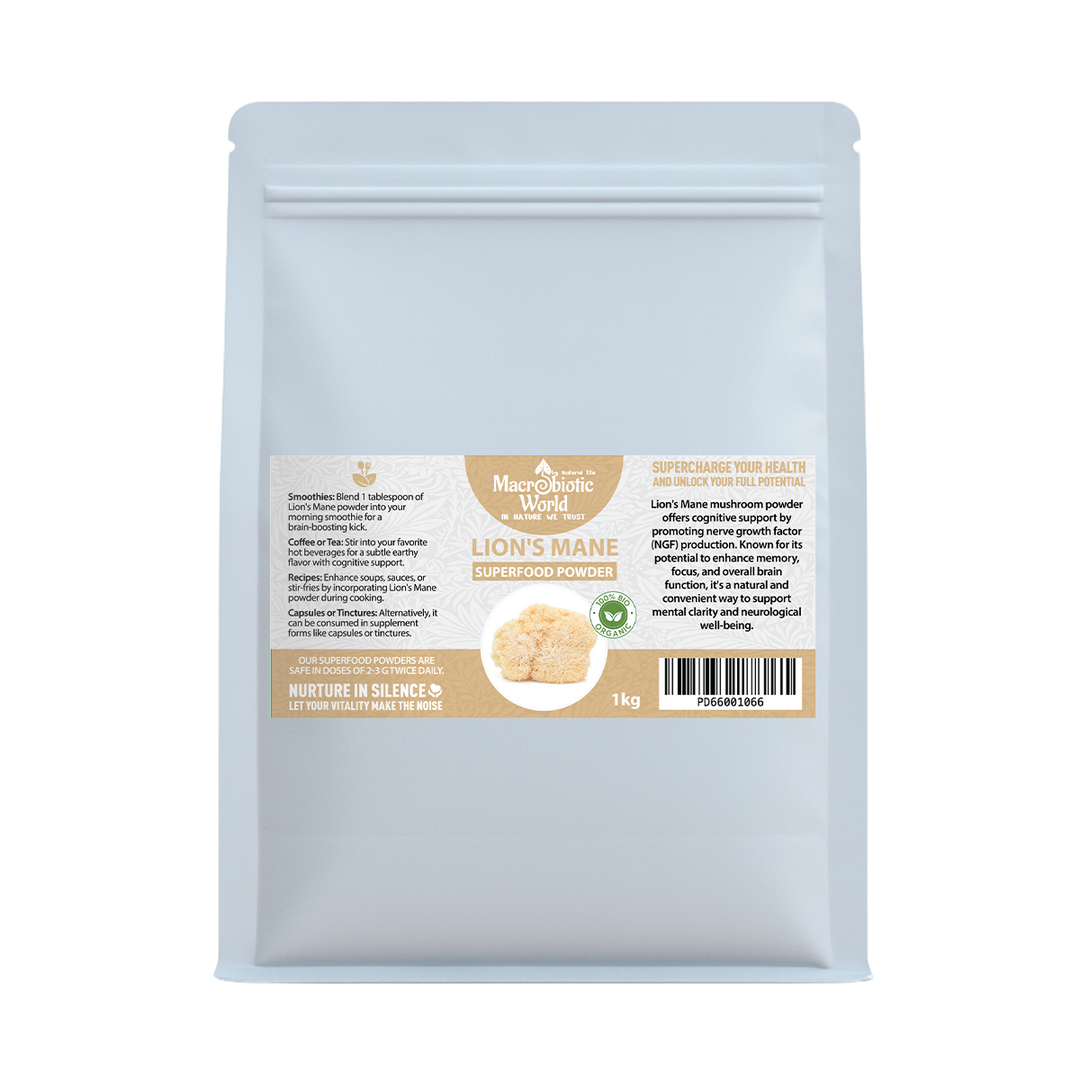
Credit: macrobioticworld.com
Lion’s Mane Tea: Non-obvious Insights
Lion’s mane’s effects can be cumulative. Many users don’t feel much on the first day, but notice clear improvements after 2–4 weeks. Consistency matters more than the dose.
Another insight: Quality of the mushroom is more important than quantity. A small amount of high-grade lion’s mane gives better results than a large amount of low-quality product.
Frequently Asked Questions
What Does Lion’s Mane Tea Taste Like?
Lion’s mane tea has an earthy and mild flavor, sometimes a little sweet. If you use fresh lion’s mane, the taste is lighter. Dried or powdered forms are stronger and more mushroom-like. Many people add honey or lemon to improve the taste.
How Long Does It Take To Notice Mental Clarity From Lion’s Mane Tea?
Most people feel mental clarity after 1–2 weeks of regular use. The effects build slowly. If you use a consistent dose and high-quality mushroom, you may notice improved focus, memory, and calmness sooner.
Can I Drink Lion’s Mane Tea Every Day?
Yes, lion’s mane tea is safe for daily use. Stick to 1–3 grams per serving, up to twice a day. If you feel any discomfort, lower the dose. Drinking every day gives the best results for mental clarity.
Are There Any Side Effects Of Lion’s Mane Tea?
Lion’s mane tea is safe for most adults. Rare side effects include mild stomach upset or allergic reactions. If you are allergic to mushrooms or take special medications, ask your doctor before use.
Can I Combine Lion’s Mane Tea With Coffee Or Other Teas?
Yes, you can mix lion’s mane with coffee or other teas. Some blends, like green tea or herbal teas, work well with lion’s mane. Just watch your overall caffeine intake if you mix with coffee.
—
Lion’s mane tea is a gentle, effective way to boost mental clarity. With the right recipes and dosage, you can enjoy sharper focus, better memory, and a calmer mind. Whether you’re new or experienced, start slow, use quality mushrooms, and enjoy the process. Lion’s mane tea fits into any lifestyle and brings centuries of wisdom to modern life. With careful brewing and daily use, this unique mushroom can help your brain work at its best.