
When it comes to superfoods and natural health boosters, few names stand out as much as chaga, green tea, turmeric, and acai. Each of these is famous for one major benefit: a very high content of antioxidants. But how do they really compare? If you want to improve your health, slow aging, or protect your body from disease, understanding which of these offers the most antioxidant power—and how they’re different—can be a game changer. Let’s dive deep into the science, traditions, and practical facts behind these four antioxidant giants.
What Are Antioxidants And Why Do They Matter?
Antioxidants are natural compounds that help protect your body’s cells from damage. Every day, our bodies create molecules called free radicals. These are unstable and can harm healthy cells. Too many free radicals can lead to faster aging, heart disease, cancer, and other health problems. Antioxidants ‘neutralize’ these free radicals, stopping them from causing damage. That’s why nutritionists, doctors, and health coaches all talk about the importance of eating foods rich in antioxidants.
But not all antioxidants are the same. There are many types—like polyphenols, flavonoids, vitamin C, and beta-carotene. Different foods have different types and amounts. So, comparing chaga, green tea, turmeric, and acai means looking at their unique antioxidant profiles, how the body absorbs them, and the health benefits they offer.
Chaga: The King Of Medicinal Mushrooms
Chaga (Inonotus obliquus) is a mushroom that grows mainly on birch trees in cold climates like Siberia, Northern Europe, Canada, and Alaska. It doesn’t look like your typical mushroom—it’s a hard, black, charcoal-like mass on the tree bark.
Antioxidant Content In Chaga
Chaga is packed with polyphenols and melanin, giving it one of the highest antioxidant levels found in any natural food. Studies use something called the ORAC score (Oxygen Radical Absorbance Capacity) to measure antioxidant power. Chaga’s ORAC score ranges from 52,000 to 146,700 units per 100 grams (dried), making it one of the highest of any food tested.
Unique Antioxidants In Chaga
Chaga contains:
- Superoxide dismutase (SOD): An enzyme that’s a powerful antioxidant.
- Betulinic acid: Unique to chaga, it’s believed to support immune function and fight inflammation.
- Melanin: The pigment that gives chaga its dark color, which also acts as a strong antioxidant.
How Chaga Is Used
Traditionally, people use chaga as a tea, extract, or powder. It has a mild, earthy, almost vanilla-like taste. Unlike green tea or turmeric, you can’t just eat chaga raw—it needs to be heated or extracted to release the beneficial compounds.
Health Benefits Backed By Research
- Immune support: Chaga stimulates white blood cells and may help fight infections.
- Anti-inflammatory: Reduces inflammation markers in animal and test-tube studies.
- Cell protection: May slow cell aging and DNA damage.
- Potential anti-cancer effects: Some studies in animals and cells show chaga extracts can slow tumor growth, though human studies are still lacking.
Practical Insights
Most people don’t realize that chaga’s antioxidants are mainly water-soluble. This means making tea or extracts is the best way to get the benefits. Also, wild-harvested chaga is higher in antioxidants than farmed varieties, so source matters.

Credit: www.amazon.com
Green Tea: Ancient Elixir, Modern Marvel
Green tea comes from the Camellia sinensis plant. It’s been enjoyed for thousands of years in China and Japan, both as a drink and a medicine.
Antioxidant Content In Green Tea
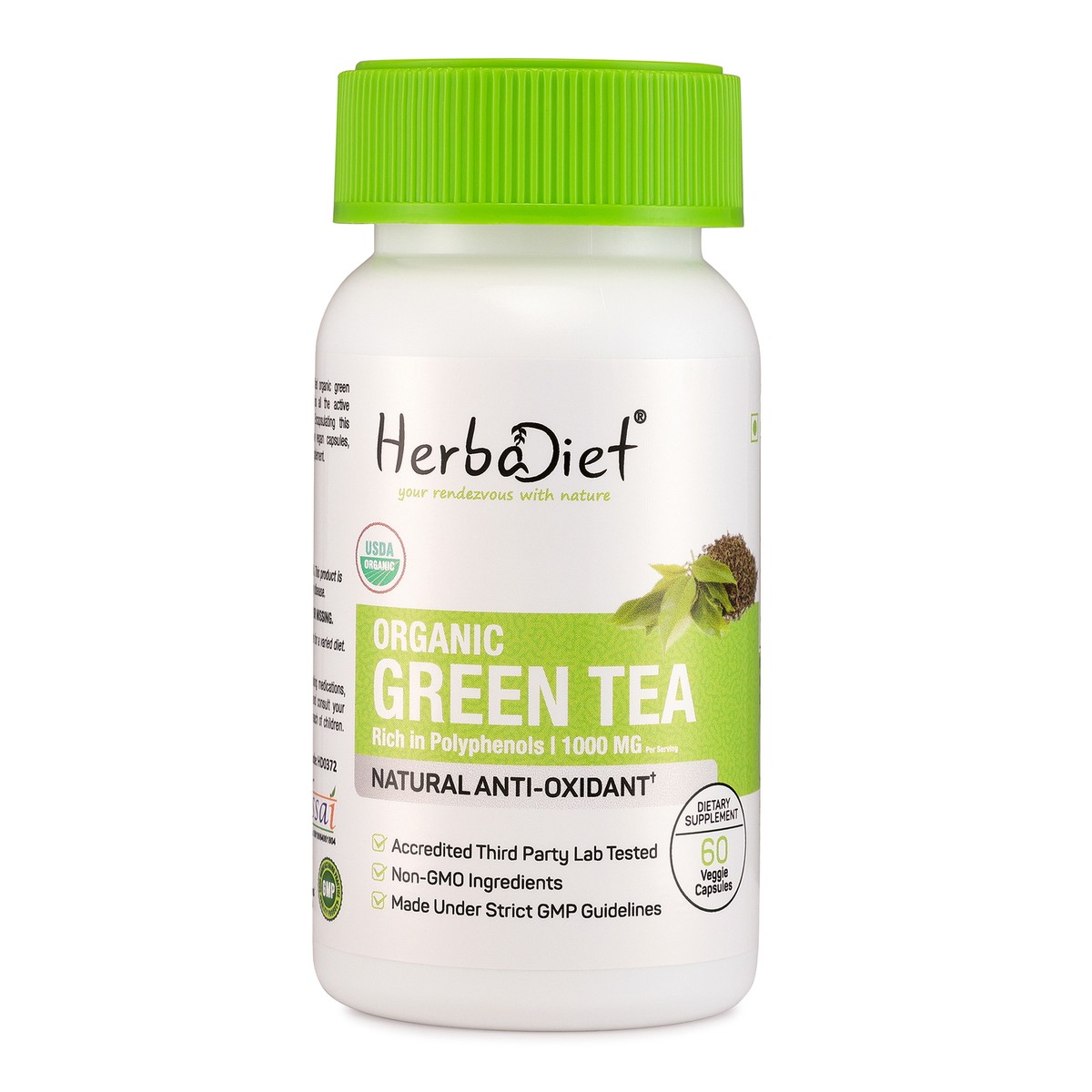
Green tea’s main antioxidants are catechins, especially epigallocatechin gallate (EGCG). The ORAC score for brewed green tea is about 1,253 per 100 grams (liquid). But since you drink it as a liquid, you get a good dose per cup.
Unique Antioxidants In Green Tea
- EGCG: The superstar catechin, linked to heart health and cancer prevention.
- Other catechins: Such as EGC, ECG, and EC, all with strong antioxidant properties.
- Flavonoids: Support blood vessel health and reduce inflammation.
How Green Tea Is Used
Green tea is usually brewed hot. You can also find matcha (a powdered form), supplements, and ready-to-drink bottles. Matcha is especially high in antioxidants because you consume the whole leaf.
Health Benefits Supported By Science
- Heart health: May lower cholesterol and blood pressure.
- Brain protection: Linked to lower risk of Alzheimer’s and Parkinson’s.
- Cancer risk: Some evidence for reduced risk of breast, prostate, and colorectal cancer.
- Weight loss: May boost metabolism slightly.
Practical Insights
One thing most people miss: quality and preparation matter. Higher-grade teas and cooler brewing temperatures keep more antioxidants in your cup. Over-steeping or boiling can destroy catechins.
Turmeric: The Golden Root
Turmeric (Curcuma longa) is famous in Indian cooking and traditional medicine. Its bright yellow color comes from curcumin, a powerful antioxidant.
Antioxidant Content In Turmeric
Turmeric’s ORAC score is about 127,068 per 100 grams (dried powder), which is very high—almost as high as chaga. But most people use much smaller amounts, usually as a spice.
Unique Antioxidants In Turmeric
- Curcumin: The main bioactive compound, with strong antioxidant and anti-inflammatory actions.
- Demethoxycurcumin and bisdemethoxycurcumin: Other related compounds with similar benefits.
- Tumerones: Found in turmeric oil, they also support antioxidant activity.
How Turmeric Is Used
It’s common in curry powders and golden milk. Turmeric is also sold as capsules and extracts. The challenge is that curcumin is not easily absorbed by the body, so it’s often combined with black pepper (piperine) or healthy fats to boost absorption.
Health Benefits Proven By Studies
- Reduces inflammation: Especially helpful for arthritis and joint pain.
- Supports brain health: Linked to better memory and mood.
- May lower risk of heart disease.
- Potential anti-cancer properties: Curcumin can slow growth of cancer cells in lab studies.
Practical Insights
A key tip: Always combine turmeric with black pepper or fat. This can increase curcumin absorption by up to 2,000%. Also, fresh turmeric root has more antioxidants than old, powdered turmeric.
Acai: The Amazonian Berry
Acai (Euterpe oleracea) is a small, dark purple berry from the Amazon rainforest. It has become a popular ‘superfruit’ in smoothies and bowls.
Antioxidant Content In Acai
Acai is extremely high in anthocyanins (the same pigments found in blueberries), which give it a high ORAC score. Freeze-dried acai powder can reach 102,700 per 100 grams.
Unique Antioxidants In Acai
- Anthocyanins: Especially cyanidin-3-glucoside, giving the berries their purple color.
- Vitamin C: Boosts the immune system.
- Polyphenols: Help protect cells from damage.
How Acai Is Used
Acai is rarely eaten raw because it spoils quickly. Most people consume it as frozen puree, juice, or powder. Processing can lower antioxidant levels, so fresh or freeze-dried forms are best.
Health Benefits With Evidence
- Reduces oxidative stress: Helps lower inflammation in the body.
- Supports heart health: May improve cholesterol levels.
- May aid in weight management: By reducing appetite and boosting metabolism.
Practical Insights
A common mistake is buying acai products loaded with sugar or fillers. Pure acai is low in sugar. Also, many acai bowls in restaurants have less acai and more fruit or sweeteners—so check the ingredients if you want maximum antioxidants.
Comparing Chaga, Green Tea, Turmeric, And Acai Head-to-head
Now let’s see how these four superfoods really compare. We’ll look at antioxidant content, types of antioxidants, health benefits, and how your body absorbs them.
| Superfood | Main Antioxidants | ORAC Score (per 100g) | Most Common Form | Key Health Benefits |
|---|---|---|---|---|
| Chaga | Polyphenols, SOD, Melanin | 52,000–146,700 | Tea, extract, powder | Immunity, anti-inflammation, cell protection |
| Green Tea | Catechins (EGCG), Flavonoids | 1,253 (brewed liquid) | Brewed tea, matcha | Heart, brain, metabolism |
| Turmeric | Curcumin, Tumerones | 127,068 | Powder, capsules | Inflammation, brain, joints |
| Acai | Anthocyanins, Vitamin C, Polyphenols | 102,700 | Puree, powder, juice | Heart, anti-aging, energy |
Credit: www.ebay.com
Types Of Antioxidants: What Makes Each Superfood Special?
Each of these four foods shines in a different way because of the types of antioxidants they contain.
Chaga’s Unique Edge
Chaga is the only one with SOD and betulinic acid. SOD is crucial for fighting the most damaging free radical (superoxide). Betulinic acid is being studied for its immune and cancer-fighting potential.
Green Tea’s Power
Green tea’s EGCG is one of the most-studied antioxidants in the world. It can cross the blood-brain barrier, which means it may protect your brain directly—something most antioxidants can’t do.
Turmeric’s Secret
Curcumin is not just an antioxidant; it also blocks inflammatory pathways in your body. This means it doesn’t just protect cells, but also calms inflammation.
Acai’s Strength
Acai is loaded with anthocyanins. These antioxidants are especially good at protecting blood vessels and reducing inflammation. They’re also linked to better skin health and slow aging.
Bioavailability: How Well Does Your Body Use These Antioxidants?
Not all antioxidants are absorbed equally. Bioavailability means how much of a nutrient your body can actually use after you eat or drink it.
| Superfood | Bioavailability | How to Improve Absorption |
|---|---|---|
| Chaga | Good (water-soluble) | Use as tea or hot-water extract |
| Green Tea | Good (especially matcha) | Use high-quality leaves, don’t over-steep |
| Turmeric | Poor (curcumin needs help) | Add black pepper or healthy fats |
| Acai | Moderate | Choose freeze-dried powder or puree |
Two non-obvious insights:
- Curcumin’s poor absorption means most turmeric supplements are wasted unless taken with piperine (black pepper extract) or fat. This is why many people see little effect from turmeric capsules alone.
- Matcha green tea offers more antioxidants than brewed green tea because you consume the whole leaf. So, matcha is better for antioxidant intake, though it has more caffeine.
Potential Side Effects And Safety
No superfood is perfect for everyone. Here’s what you need to know before adding these to your routine.
Chaga
- May interact with blood thinners, diabetes medicine, or immune-suppressing drugs.
- Can cause upset stomach in some people.
- Rare reports of kidney problems if consumed in very high amounts.
Green Tea
- High caffeine levels can cause insomnia, anxiety, or upset stomach.
- Green tea extract pills have been linked to liver problems in rare cases.
- Not recommended for people with low iron, as it can reduce iron absorption.
Turmeric
- Large doses can cause diarrhea, nausea, or stomach upset.
- May interact with blood thinners and diabetes medicine.
- Not recommended in high doses during pregnancy.
Acai
- Generally safe, but some acai products have added sugar.
- People with pollen allergies may have reactions.
- Raw acai can rarely carry parasites (in Brazil), so processed forms are safer.
Which Superfood Has The Most Antioxidants?
If you look only at ORAC scores per 100 grams (dried), turmeric and chaga are at the top, followed closely by acai. Green tea scores lower, but you consume more of it as a liquid, so the total intake can be significant.
But the real answer is more complex. Bioavailability, the type of antioxidants, and how you consume them all matter.
- If you want a simple daily drink, green tea or chaga tea is easiest.
- For targeted inflammation support, turmeric (with black pepper) is best.
- If you want a sweet treat, acai bowls (with pure powder) offer a tasty antioxidant hit.
How To Add These Superfoods To Your Diet
Wondering how to use all these antioxidant-rich foods? Here are practical ways to add them to your routine.
- Chaga tea or extract: Brew chunks or powder in hot water for 20–30 minutes. Drink one cup daily.
- Green tea or matcha: Brew 1–2 cups per day. For matcha, whisk 1–2 grams in hot (not boiling) water.
- Turmeric powder or capsules: Add 1–2 teaspoons to curries, smoothies, or golden milk. Always combine with black pepper or fat.
- Acai puree or powder: Blend into smoothies, yogurt, or make a bowl with banana and oats.
Pro Tips For Maximum Benefits
- Rotate superfoods weekly to get a variety of antioxidants.
- Choose high-quality, pure products—cheap versions often have fillers or less potency.
- Remember, more is not always better. Stick to recommended amounts.
Practical Scenarios: Which One Should You Choose?
Let’s look at a few real-life examples to help you decide.
For Busy Professionals
- Green tea is quick to brew and gives a gentle caffeine boost with antioxidants.
- Chaga tea can replace coffee for those who want less caffeine.
For Athletes Or Active People
- Acai is great post-workout for muscle recovery and energy.
- Turmeric (with black pepper) can help reduce exercise-related inflammation.
For Older Adults
- Chaga and green tea both support immune function and brain health.
- Turmeric may help with joint pain and stiffness.
For People With Sweet Tooth
- Acai bowls can satisfy cravings and deliver antioxidants—just watch the sugar.

Credit: www.amazon.com
Myths And Common Mistakes
- All acai bowls are healthy. Many sold in stores are high in sugar and low in real acai.
- Any turmeric supplement works. Without black pepper or fat, most curcumin passes through your body unused.
- Chaga is safe for everyone. People with certain health conditions should check with their doctor before use.
- Green tea is always better than coffee. Both have health benefits; green tea just has different antioxidants and less caffeine.
What The Science Says: Research Updates
- A 2021 review found chaga extracts reduced oxidative DNA damage in cells better than vitamin C.
- Green tea’s EGCG has been shown in multiple studies to reduce risk factors for heart disease and support weight loss.
- Turmeric’s curcumin has more than 10,000 studies supporting its anti-inflammatory and antioxidant effects, but most use very high doses.
- Acai’s anthocyanins may help lower cholesterol and protect the skin from UV damage, according to a 2019 clinical trial.
For those wanting to dive deeper into the science, check the comprehensive research at the National Institutes of Health.
Sustainability And Sourcing: Why It Matters
Not all superfoods are grown or harvested in ways that protect the environment. Here’s what to look for:
- Chaga: Only buy from companies that practice sustainable harvesting (take only part of the fungus, not the whole thing).
- Green tea: Organic and fair-trade options reduce pesticide use and support workers.
- Turmeric: Choose certified organic to avoid heavy metals and pesticides.
- Acai: Look for “wild-harvested” or “fair trade” for better environmental impact.
Taste, Cost, And Convenience
These practical factors often decide what we actually use every day.
- Chaga: Mild, earthy, with a hint of vanilla. Mid-priced, but good quality can be expensive.
- Green tea: Light, grassy, or slightly bitter. Wide range of prices; matcha is more costly.
- Turmeric: Peppery and bitter. Very cheap as a spice, more costly as extract.
- Acai: Tart and chocolatey. Powder is expensive, puree is mid-priced.
Combining Superfoods: Is It Worth It?
Some people blend two or more of these in recipes or smoothies. Is there a benefit?
- Yes, you can combine them. For example, a smoothie with acai and turmeric, or drinking green tea in the morning and chaga tea at night.
- Don’t overdo it. Too much of anything can upset your stomach or interact with medicines.
- Start small and see how your body reacts.
Frequently Asked Questions
What Is The Orac Score, And Does It Matter?
The ORAC score measures a food’s antioxidant ability in a lab. Higher scores mean more antioxidant power. But it’s only part of the story—how well your body absorbs and uses those antioxidants matters just as much.
Is Chaga Better Than Green Tea For Antioxidants?
Chaga usually has a higher antioxidant content than green tea, especially by ORAC score. However, green tea’s antioxidants are more easily absorbed and offer other health benefits like improved heart health and metabolism.
Can I Take All Four Superfoods Together?
Yes, you can include all four in your diet. Just make sure to use safe amounts, watch for possible side effects, and choose high-quality products. Rotate them for best results.
Which Superfood Is Best For Inflammation?
Turmeric (with black pepper or fat) is the most studied for inflammation. Chaga and green tea also have anti-inflammatory effects, but turmeric’s curcumin is especially strong.
Are Antioxidant Supplements As Good As Whole Foods?
Whole foods are usually better than supplements because they contain a mix of nutrients and fiber. Some antioxidant supplements can cause harm in high doses or when not balanced with other nutrients.
The Takeaway
Chaga, green tea, turmeric, and acai are all antioxidant powerhouses, but each offers something unique. Chaga leads in total antioxidant strength, turmeric and acai are close behind, and green tea provides easily absorbed, proven antioxidants. The real secret is variety—rotate these superfoods, use the best forms, and pay attention to how your body feels. With smart choices, you can tap into the best of all worlds and give your body the protection it needs for a long, healthy life.