
Most people want a healthy gut, but they often feel confused by all the supplements on the market. You may have heard of turkey tail—a colorful mushroom with a long history in traditional medicine. Recently, more people are turning to turkey tail to support their gut health. But how long does turkey tail really take to make a difference? If you want a clear answer, along with science-backed details, this article will guide you step by step. You’ll discover how turkey tail works, what to expect in terms of results, and practical tips for getting the most from this mushroom.
Understanding Turkey Tail Mushroom
Turkey tail (Trametes versicolor) is a type of medicinal mushroom. It gets its name from the colorful bands on its fan-shaped cap that look like the tail feathers of a wild turkey. In Asia, people have used turkey tail for centuries to support the immune system, fight infections, and promote overall wellness.
What makes turkey tail special are its bioactive compounds, mainly polysaccharopeptides (like PSP and PSK) and beta-glucans. These compounds are believed to help balance gut bacteria, support immune cells, and reduce inflammation.
PSK, also known as “krestin” in Japan, and PSP, popular in China, are two of the most studied components. They are used in some countries alongside standard medicine for their immune-supporting effects. Unlike many mushrooms, turkey tail has high concentrations of these compounds, which are water-soluble and easily absorbed in extract form.
Some people are surprised to learn that turkey tail grows on dead or decaying wood, often found in forests around the world. It is not toxic and has a mild taste, which is why it’s sometimes brewed into teas or added to soups in folk medicine.
However, most modern supplements use concentrated extracts, which are much more potent than simply eating the mushroom.
Turkey tail is not a magic cure, but modern research is starting to show real benefits, especially for gut health.
Why Gut Health Matters
Your gut is more than a place where food is digested. It’s a complex system with trillions of bacteria, fungi, and viruses—known as the gut microbiome. A healthy gut microbiome helps you digest food, absorb nutrients, and fight off disease. When your gut is out of balance, you might feel tired, get sick more often, or struggle with digestion.
The gut is often called the “second brain” because it communicates with the brain through the vagus nerve and produces chemicals that affect mood and stress. For example, more than 90% of your body’s serotonin (a “feel-good” hormone) is made in the gut.
This means gut health doesn’t just impact digestion—it can influence your entire sense of well-being.
Many things can disturb gut health: antibiotics, stress, poor diet, or illness. Antibiotics, for instance, can kill both bad and good bacteria, sometimes leaving the gut out of balance for weeks or months. Chronic stress increases inflammation, making the gut lining more “leaky” and sensitive. That’s why people look for natural ways to restore balance, and turkey tail is one such option.
:max_bytes(150000):strip_icc()/VWH-Nutrition-Turkey-Tail-f13883db219d42f289388b12569c150c.jpg)
Credit: www.verywellhealth.com
How Does Turkey Tail Affect Gut Health?
Turkey tail supports gut health in a few key ways:
- Prebiotic effect: Turkey tail contains polysaccharides that act as food for good bacteria in your gut. These “prebiotics” help friendly bacteria like Lactobacillus and Bifidobacterium grow, crowding out harmful microbes.
- Immune modulation: It helps balance immune responses, which can reduce gut inflammation. This makes the gut lining stronger and less likely to react to irritants.
- Antioxidant properties: Its compounds help fight oxidative stress, which can damage gut cells. Antioxidants are important because the gut is exposed to many toxins and free radicals from food and the environment.
What The Research Says
Several studies have looked at turkey tail and its impact on the gut:
- A 2020 study in “Gut Microbes” found that turkey tail extract increased beneficial bacteria like Lactobacillus and Bifidobacterium in mice within three weeks.
- Human studies are more limited, but a small trial showed improved gut bacteria after eight weeks of daily turkey tail supplementation.
- Animal research suggests that turkey tail can help restore the gut microbiome after antibiotics.
One often-overlooked detail is that turkey tail’s prebiotic action may help prevent the overgrowth of harmful bacteria, such as Clostridium difficile, especially after antibiotic use. This has been shown in animal studies, where turkey tail helped speed up the return of a balanced microbiome.
Another interesting point: turkey tail’s compounds can also support the production of short-chain fatty acids (SCFAs) in the colon. SCFAs like butyrate are vital for gut lining health and can reduce inflammation. This is a more indirect but powerful way turkey tail supports gut integrity and healing.
These results are promising, but how long does it take to see real benefits in humans?
How Long Does Turkey Tail Take To Improve Gut Health?
People want fast results, but gut health changes take time. Based on current evidence, you can expect changes in the following timeline:
First 1–2 Weeks
- Subtle changes: Most people will not notice big differences during the first two weeks.
- The mushroom’s polysaccharides start feeding good bacteria. Some people may notice less bloating or slightly better digestion, but these changes are usually mild.
- For some, there may be minor digestive discomfort as the gut bacteria adjust. This is called “die-off” or a Herxheimer reaction, and it usually passes quickly.
3–4 Weeks
- Microbiome shifts: Studies show that turkey tail’s prebiotic effects become more noticeable after three weeks.
- You may experience more regular bowel movements, less gas, or a lighter feeling in your gut.
- People who are sensitive to dietary changes might notice their cravings for sugary or fatty foods decrease, as gut bacteria composition shifts.
5–8 Weeks
- Stronger effects: By six to eight weeks, the gut microbiome may show more obvious improvement.
- People with mild gut issues often report less discomfort, better stool consistency, and improved energy.
- If you have a more serious gut problem, it may take longer, or you may need to combine turkey tail with other changes (diet, stress reduction).
- This is also the period when immune benefits may become more apparent, such as fewer colds or less fatigue.
After 8 Weeks
- Long-term maintenance: For most people, continuing turkey tail for two to three months gives the best results. After that, you can decide if you want to continue for maintenance.
- Some notice that if they stop turkey tail suddenly, mild digestive symptoms return. This doesn’t mean you need to take it forever, but it’s a sign that your gut may need ongoing support, especially if your diet or lifestyle is not optimal.
It’s important to remember that everyone’s gut is different. Some people feel better quickly; others need more time. If you have a medical condition, talk to a healthcare professional before starting any supplement.
Credit: www.healthy961.com
What Factors Affect Results?
Turkey tail does not work the same for everyone. Here are some things that influence how fast you see results:
1. Dosage
The amount of turkey tail you take matters. Most studies use 1–3 grams of extract per day. Lower doses may be less effective, while very high doses are not always better and could cause mild digestive upset.
It’s tempting to “double up” for faster results, but this can backfire. Too much fiber or prebiotics at once can cause bloating, cramps, or diarrhea. Start low and increase gradually.
2. Quality Of Supplement
The benefits depend on the quality of the turkey tail product:
- Look for extracts (not just dried powder)
- Choose brands that test for purity and active compounds
- Avoid products with fillers or artificial ingredients
Some beginner users miss that “full-spectrum” or “fruiting body” extracts are often more potent than “mycelium on grain” products, which can be mostly filler. Read labels carefully.
3. Your Starting Gut Health
If your gut is already healthy, changes may be slower or less dramatic. If you have a lot of digestive problems, you might see bigger changes, but it could take longer for your gut to rebalance.
People recovering from antibiotics or illness often see faster changes, as their gut bacteria are more “hungry” for prebiotics.
4. Diet And Lifestyle
Turkey tail works best if you also eat a fiber-rich diet (fruits, vegetables, whole grains) and avoid processed foods and excess sugar.
Alcohol, tobacco, and chronic stress can slow progress by damaging the gut lining. Simple changes—like adding a serving of vegetables or drinking more water—can speed up results.
5. Consistency
Taking turkey tail every day is important. Missing doses or stopping too soon can slow down progress.
Some users notice their results fade if they become inconsistent, especially after the first month. Set a reminder or build it into your daily routine for best outcomes.
6. Other Supplements Or Medications
Antibiotics, probiotics, or other supplements can change how turkey tail affects your gut. Some combinations work well, but others may not.
If you’re on prescription medication—especially immunosuppressants or cancer therapies—talk to your doctor. Turkey tail has immune effects that could interact with these drugs.
Turkey Tail Vs. Other Gut Health Supplements
Many people wonder how turkey tail compares to other gut health products like probiotics, prebiotics, or other medicinal mushrooms. Here’s a quick look at the differences:
| Supplement | Main Action | Typical Time to See Results |
|---|---|---|
| Turkey Tail | Prebiotic, immune support | 3–8 weeks |
| Probiotics | Adds live bacteria | 2–4 weeks |
| Prebiotics (fiber) | Feeds good bacteria | 2–6 weeks |
| Other Medicinal Mushrooms (e.g., Reishi) | Immune modulation, some gut support | 4–12 weeks |
As you can see, turkey tail is not the fastest, but it offers unique immune and prebiotic benefits not found in all supplements.
Another point: Unlike probiotics, which can be sensitive to stomach acid and may not always reach the colon alive, turkey tail’s prebiotics directly feed the bacteria that are already established. This makes it a good option for people who don’t tolerate probiotics well.
Signs That Turkey Tail Is Working
How do you know if turkey tail is helping your gut? Here are some signs to look for:
- Better digestion: Less bloating, gas, or stomach discomfort
- More regular bowel movements: Fewer episodes of constipation or diarrhea
- Improved energy: Because the gut affects how your body absorbs nutrients, more energy can be a sign of improvement
- Stronger immunity: Fewer colds or infections
- Better mood: The gut and brain are connected, so a healthier gut can improve your mood
A subtle sign people often miss is improved tolerance to foods that used to cause minor issues—like dairy, beans, or certain vegetables. As the gut microbiome gets stronger, your digestion of tough foods usually improves.
Remember, these signs may appear slowly. Tracking your symptoms in a journal can help you notice changes over time.
Common Mistakes To Avoid
Many people start turkey tail but give up too soon or make mistakes that reduce its benefits. Here are some common pitfalls:
- Expecting overnight results: Gut changes are slow. Give turkey tail at least 6–8 weeks.
- Inconsistent use: Skipping days or stopping early can set back your progress.
- Low-quality products: Not all supplements are equal. Choose reputable brands with clear ingredient lists.
- Ignoring diet: Turkey tail works best with a healthy, balanced diet.
- Not checking for interactions: If you take medications or other supplements, ask your doctor before starting.
Another mistake is not drinking enough water. Increased fiber and prebiotics can slow digestion if you’re dehydrated, leading to constipation instead of relief.
How To Take Turkey Tail For Gut Health
If you want the best results, follow these practical tips:
1. Choose The Right Form
Turkey tail comes in capsules, powders, or teas. Extracts are usually more concentrated and effective than plain dried powder.
If you dislike swallowing capsules, powder can be mixed into smoothies, yogurt, or even coffee. Teas offer a gentler introduction, but they may be less potent unless made from concentrated extracts.
2. Dosage Guidelines
Most research supports 1–3 grams per day of extract. Start with a lower dose and increase if you tolerate it well.
If you’re sensitive or have a history of gut issues, even 500 mg daily is a good place to start, then increase weekly.
3. When To Take
Turkey tail can be taken with or without food, but some people find it easier on the stomach with meals.
Taking it in the morning can help with energy and regularity, while evening doses may support overnight gut repair. There is no strict rule—find what works best for you.
4. Combine With Other Gut-friendly Habits
- Eat more fiber (fruits, vegetables, whole grains)
- Drink plenty of water
- Get regular exercise
- Manage stress
Other helpful habits include chewing food slowly, avoiding overeating, and limiting artificial sweeteners, which can disrupt gut bacteria.
5. Monitor Your Progress
Write down any changes in digestion, energy, or mood. Share this information with your healthcare provider, especially if you have ongoing gut issues.
Set a reminder to check in every two weeks. Small improvements add up, and writing them down can keep you motivated.
Real-world Examples And User Experiences
People’s experiences with turkey tail vary, but many report improvements after a few weeks of consistent use.
- Marie, 42: “After three weeks, I noticed less bloating and more regularity. I combined turkey tail with a mostly plant-based diet.”
- James, 35: “I started turkey tail after antibiotics. It took about a month to feel normal again, but my digestion improved.”
- Lina, 29: “I didn’t feel much for the first month, but after six weeks, I had more energy and less stomach pain.”
Other users mention that combining turkey tail with fermented foods (like kimchi or yogurt) seemed to speed up their results. Some people with sensitive stomachs found that starting at a very low dose and increasing slowly prevented any discomfort.
It’s important to remember these are individual stories. Scientific studies show similar timelines, with most benefits appearing after four to eight weeks.
What Makes Turkey Tail Different From Other Mushrooms?
Turkey tail contains unique beta-glucans and polysaccharopeptides (PSP, PSK) that are not present in other mushrooms in the same amounts. These compounds are especially helpful for feeding beneficial gut bacteria and supporting immune cells in the gut lining.
Other mushrooms, like reishi or shiitake, also support the immune system but have slightly different effects on the gut. Some people combine turkey tail with other mushrooms for a broader range of benefits, but turkey tail is considered the most gut-focused.
A less-known fact is that turkey tail’s polysaccharides are especially resistant to stomach acid, so they reach the colon intact. This makes them particularly effective as prebiotics, compared to some other mushroom fibers that break down earlier in digestion.
Is There Any Scientific Proof?
While most of the research comes from animal studies, human trials are growing. For example, a small human trial published in “Microorganisms” (2022) showed measurable improvement in gut bacteria after eight weeks of turkey tail extract.
Animal studies are even clearer. A 2017 study found that mice given turkey tail had better gut bacteria and less inflammation after just three weeks. The science is still young, but the evidence supports turkey tail as a safe and effective way to boost gut health over several weeks.
For more details, you can check out the research summarized at NCBI.
It’s important to note that ongoing clinical trials may soon provide even more answers about turkey tail’s long-term effects on humans with digestive problems or weakened immunity.
Potential Side Effects And Safety
Turkey tail is considered very safe for most people. Side effects are rare but can include:
- Mild digestive upset (gas, bloating, or diarrhea) when starting
- Allergic reactions (very rare)
- Possible interactions with certain medications or immune therapies
If you have a mushroom allergy, immune disorder, or are pregnant/breastfeeding, talk to your doctor before using turkey tail.
In most studies, even high doses (up to 9 grams daily) were well-tolerated, but there’s no need to go that high for gut health. Most people can avoid side effects by starting slow and listening to their body.
Who Should Try Turkey Tail?
Turkey tail may be a good option for you if:
- You want to support your gut microbiome naturally
- You are recovering from antibiotics or illness
- You have mild digestive issues (bloating, irregularity)
- You want to boost your immune system
It may not be enough for people with severe gut diseases (like Crohn’s or ulcerative colitis) without other treatments.
Some people with very sensitive digestion or autoimmune conditions may react differently to mushrooms—so always start with a small amount and monitor your body’s response.
How To Pick A Good Turkey Tail Supplement
With so many products on the market, it’s easy to feel lost. Use these tips to choose wisely:
- Look for standardized extracts: These have consistent amounts of active compounds.
- Check for third-party testing: This ensures purity and no contaminants.
- Avoid blends with too many ingredients: Pure turkey tail is best for gut health.
- Read reviews and research brands: Trusted brands are more likely to be effective.
Here’s a quick comparison of what to look for:
| Feature | Best Choice | Avoid |
|---|---|---|
| Form | Extract (capsule or powder) | Raw powder with no testing |
| Purity | 3rd-party lab tested | No test results |
| Ingredients | Pure turkey tail | Lots of fillers |
| Company reputation | Well-known, transparent | Unknown brands |
Don’t be fooled by “proprietary blends” that don’t list exact amounts. Real quality shows in clear labeling and third-party certifications.
Can You Combine Turkey Tail With Probiotics?
Some people wonder if turkey tail can be used with probiotics. The answer is yes—these products work in different ways:
- Probiotics add new live bacteria to your gut.
- Turkey tail feeds your existing good bacteria and helps them grow.
When used together, they may work even better. A practical tip: start with one, add the second after a week, and watch for any digestive changes.
Another helpful strategy is to alternate—take turkey tail in the morning and probiotics at night, or vice versa. This can help you track which supplement is making the biggest difference.
How To Tell If Turkey Tail Is Not Working
Sometimes, turkey tail might not give the results you expect. Here’s how to know:
- No change in digestion, energy, or immunity after eight weeks
- New or worse digestive symptoms
- Allergic reactions (rash, itching, trouble breathing—seek medical help immediately)
If you don’t see improvement, consider checking your dosage, supplement quality, or other factors like diet.
Also, if you experience ongoing side effects, stop and consult with a healthcare provider. Sometimes, a different supplement or a lower dose will work better for your unique body.
Other Ways To Support Gut Health
Turkey tail is only one part of a bigger picture. For best results, combine it with other gut-friendly habits:
- Eat a variety of plant foods: This gives your gut bacteria more to work with.
- Limit processed foods and sugar: These can feed harmful bacteria.
- Manage stress: Chronic stress damages your gut lining.
- Get enough sleep: Good sleep supports gut repair.
- Stay active: Regular movement helps digestion.
Simple actions, like taking a 10-minute walk after a meal or practicing deep breathing, can boost the benefits of turkey tail.
Practical Tips To Get The Best Results
- Start with a low dose (0.5–1 gram per day) and increase slowly to avoid digestive upset.
- Take turkey tail at the same time every day.
- Combine with a probiotic for maximum effect.
- Keep a symptom diary to track progress.
- If you have a chronic health problem, talk to your doctor before starting.
Another tip: If you travel or eat differently for a few days, consider continuing turkey tail to help your gut adapt to new foods or environments.
Uncommon Insights Beginners Often Miss
- Gut changes are not always obvious: Sometimes, the biggest improvements are “silent”—like stronger immunity or more stable mood, not just less bloating.
- Quality is more important than quantity: A small amount of a good-quality extract beats a large amount of cheap powder.
- Rebalancing the gut can cause temporary discomfort: A little gas or bloating at first means your gut bacteria are changing. This usually goes away in a week or two.
- Benefits can extend beyond digestion: Some users report clearer skin, less brain fog, or better sleep as their gut health improves.
- Results compound over time: Consistent use and healthy habits can produce bigger changes after three months than you might expect at first.

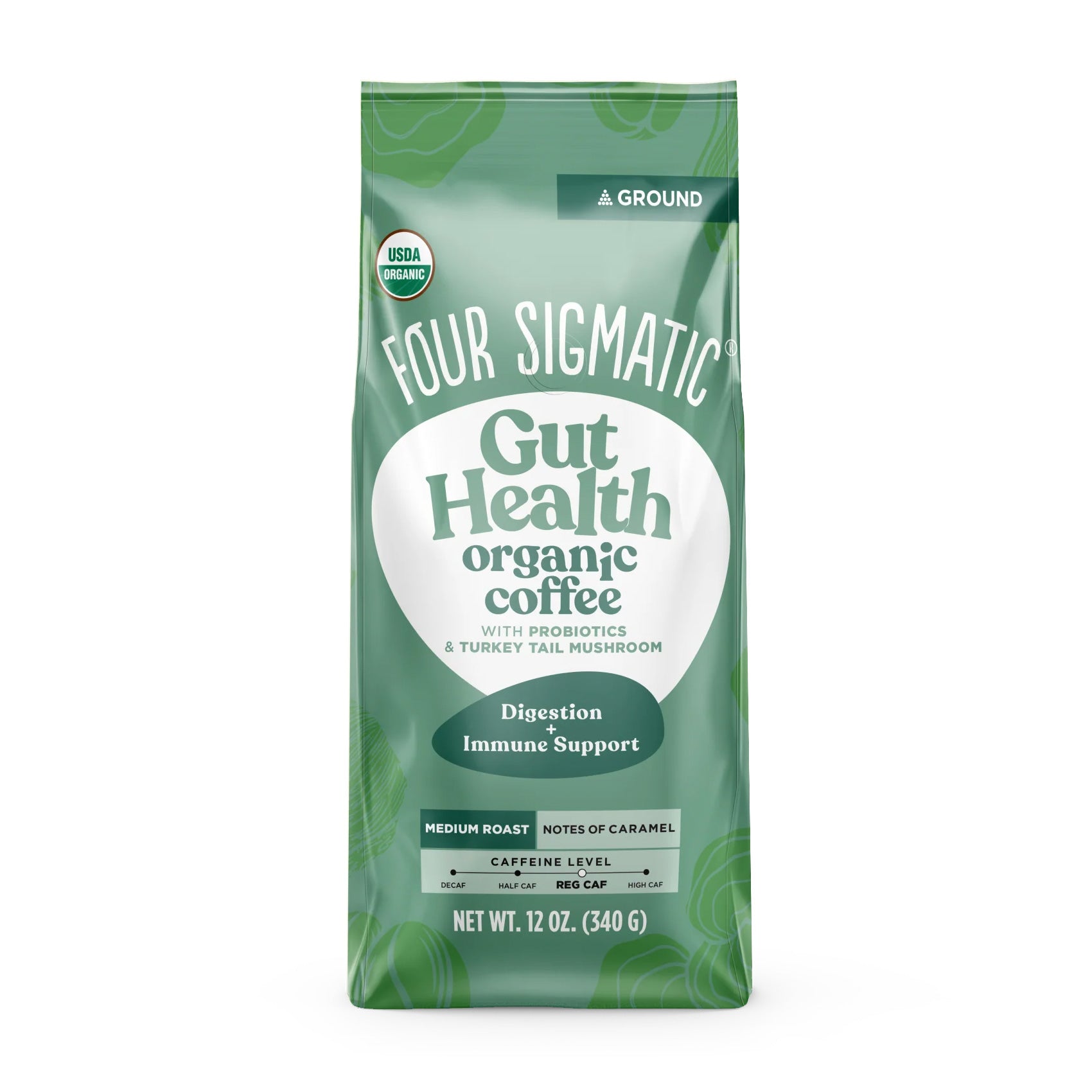
Credit: www.amazon.com
Frequently Asked Questions
How Long Should I Take Turkey Tail For Gut Health?
Most people need to take turkey tail for at least six to eight weeks to see real benefits. Some continue for three months or more for ongoing support.
Can Turkey Tail Cause Side Effects?
Side effects are rare but can include mild digestive upset (gas, bloating) when starting. Allergic reactions are possible, though very uncommon. Always start with a low dose to see how your body reacts.
Is Turkey Tail Safe With Other Supplements?
In most cases, turkey tail is safe to combine with probiotics, prebiotics, or vitamins. If you take immune-suppressing drugs or have a medical condition, check with your doctor first.
Do I Need A Prescription For Turkey Tail?
No, you don’t need a prescription. Turkey tail supplements are available over the counter. Choose reputable brands and standardized extracts for the best results.
Where Can I Find More Research On Turkey Tail And Gut Health?
A good starting point is the published studies on NCBI. This database has up-to-date research from scientists around the world.
Improving your gut health is a journey, not a quick fix. Turkey tail is a promising natural tool, but results come with time, consistency, and a healthy lifestyle. Start slow, be patient, and listen to your body—your gut will thank you in the weeks to come.