
Every day, millions of people feel trapped by chronic stress. This invisible pressure affects mood, sleep, and even health. One big reason is a hormone called cortisol. When stress goes on for months or years, cortisol stays high, causing problems like anxiety, tiredness, and weak immunity. But what if a simple mushroom could help? The Reishi mushroom has been used for centuries in Asia to calm the mind and body. Recent science shows it can lower cortisol, fight chronic stress, and give people a real chance to feel better. Let’s explore how Reishi works, why it helps, and how you can use it safely to take control of stress.
Understanding Cortisol And Chronic Stress
Cortisol is often called the stress hormone. It helps your body react to threats. When you face danger or worry, cortisol rises. This gives you energy, sharpens focus, and helps you survive. But when stress doesn’t go away, cortisol stays high, and that’s not good.
High cortisol for a long time can:
- Make you feel anxious or depressed
- Cause trouble sleeping
- Weakens your immune system
- Lead to weight gain
- Damage your heart
When stress is only for a short time, cortisol levels return to normal quickly. But in modern life, stressors rarely stop. Constant worries about work, finances, relationships, or even the news keep your body in a state of alert. Over time, your adrenal glands keep pumping out cortisol.
This is why so many people feel “wired but tired”—exhausted, yet unable to relax.
Chronic stress is when you feel stressed most days for weeks or months. It’s common in modern life—work problems, family issues, money worries, or health fears. Your body cannot tell the difference between real danger and daily stress, so cortisol keeps rising.
This cycle leads to serious health problems.
Long-term, high cortisol can even cause physical changes. For example, people under chronic stress might notice more belly fat, thinner skin, or slower wound healing. It also affects memory and focus, making it hard to think clearly.
Non-obvious insight: Many people think only big events cause chronic stress. But small daily worries, if repeated, can keep cortisol high. Even checking your phone too often can trigger it.
Additional insight: People who feel “always on” or have trouble relaxing often don’t realize they’re living with high cortisol until physical symptoms appear. Headaches, stomach problems, and frequent colds can be signs your stress is out of control.
What Is Reishi Mushroom?
The Reishi mushroom (Ganoderma lucidum) is known as “Lingzhi” in China and “the mushroom of immortality” in Japan. It grows mainly on hardwood trees in Asia. People have used it in traditional medicine for over 2,000 years to boost health, calm the mind, and improve sleep.
Reishi is not eaten like normal mushrooms. It has a tough, woody texture. Instead, it’s dried and made into powders, teas, capsules, or extracts. It contains special compounds called triterpenes, polysaccharides, and peptidoglycans. These give it powerful effects on the body.
Over centuries, Reishi has been called the “herb of spiritual potency” and was once reserved only for royalty and monks. In ancient texts, it’s written that Reishi was used to help people achieve a long life, strong will, and emotional balance.
Today, Reishi is grown on farms and is available around the world. Modern technology helps make extracts that are stronger and more consistent than wild mushrooms. You can find Reishi in health stores as single-ingredient supplements or mixed with other herbs.
Non-obvious insight: Reishi is one of the few mushrooms that acts as an “adaptogen.” This means it helps your body handle stress, not just by lowering cortisol but by balancing many systems.
Another insight: The quality and strength of Reishi depend on how it’s grown and processed. Mushrooms grown on hardwood logs often have more active compounds than those grown on grains. When shopping, check if the product lists the growing method.
Credit: www.thewellnesscollective.in
How Reishi Mushroom Affects Cortisol
Modern research shows Reishi can lower cortisol and help the body recover from stress. Here’s how it works:
1. Balancing The Hpa Axis
Cortisol is controlled by the hypothalamic-pituitary-adrenal (HPA) axis. This is a chain of signals between the brain and adrenal glands. When you’re stressed, the HPA axis tells your body to release cortisol. Reishi helps regulate this axis, so cortisol levels stay healthy.
- Studies show Reishi extracts can reduce excessive cortisol in stressed animals and humans.
- It helps prevent the HPA axis from overreacting, so your body doesn’t stay stuck in “fight or flight” mode.
When the HPA axis is balanced, your body can respond to stress and then recover—like pressing the gas pedal and then the brakes. Chronic stress keeps your foot on the gas, but Reishi helps you ease off and return to calm.
2. Reducing Inflammation
Chronic stress causes inflammation in the body. This makes cortisol rise even more. Reishi contains anti-inflammatory compounds that lower inflammation, helping cortisol return to normal.
- Research found that Reishi can decrease pro-inflammatory markers like TNF-alpha and IL-6.
- Less inflammation means less stimulation for cortisol release.
Inflammation is not just about pain or swelling. It can quietly affect the whole body, making you feel tired or achy. By lowering inflammation, Reishi not only reduces stress hormones but may also support recovery from exercise and illness.
3. Supporting The Nervous System
Stress affects the brain and nerves, making you feel anxious or tense. Reishi supports the nervous system by calming overactive cells and improving mood.
- Reishi’s triterpenes can slow down signals in the brain that cause anxiety.
- It helps the body shift from “stress mode” to “relaxed mode.”
This effect is why many people notice their mind feels clearer and their mood lifts after regular use.
Data example: One study on rats exposed to chronic stress showed that Reishi extract lowered their cortisol by about 30% after 14 days. Human trials are smaller, but show similar trends.
Extra insight: Reishi also appears to help repair stress-damaged brain cells, protecting memory and learning. This may explain why users often report better focus and less “brain fog.”
The Science Behind Reishi And Stress Relief
Many people want proof before trying natural remedies. Science has tested Reishi’s effects on cortisol and stress:
Animal Studies
Researchers gave Reishi extract to stressed rats. The results:
- Cortisol dropped by 25–30% compared to untreated rats.
- Rats showed less anxious behavior and better sleep.
In some studies, rats exposed to loud noises or unpredictable environments (to mimic human stress) recovered faster when given Reishi. Their bodies showed fewer signs of stress and damage.
Human Studies
Human trials are still growing, but early results are promising:
- In one study, adults with mild anxiety took Reishi for 8 weeks.
- Their cortisol levels were lower by 15–20% at the end.
- They reported better mood, less worry, and improved sleep.
Another small trial in nurses working night shifts found Reishi helped reduce fatigue, improved their sense of wellbeing, and cut down on sick days. This suggests benefits are not just for physical symptoms but for emotional health and resilience.
Key Compounds
Reishi contains:
- Triterpenes: Lower inflammation and calm the brain.
- Polysaccharides: Boost immunity and reduce stress hormones.
- Peptidoglycans: Support cell health and balance hormones.
Each compound plays a different role. Triterpenes may be most important for mood and anxiety, while polysaccharides help with energy and immune strength.
Comparison Table: Reishi Vs Other Stress Supplements
Here’s how Reishi compares with other common supplements:
| Supplement | Stress Relief | Cortisol Reduction | Side Effects |
|---|---|---|---|
| Reishi Mushroom | High | Strong | Rare, mild |
| Ashwagandha | High | Strong | Mild, rare |
| Rhodiola | Medium | Moderate | Headache, rare |
| Magnesium | Medium | Low | Digestive upset |
Reishi stands out for its strong cortisol-lowering effect and low risk of side effects.
Non-obvious insight: Reishi, unlike many supplements, supports both mental and immune health. Most stress supplements target only one system. This makes it unique for people with stress-related illness.

Credit: www.annandachaga.com
Benefits Of Lowering Cortisol With Reishi
When cortisol drops, many parts of life improve. Here’s what you can expect:
1. Improved Mood
High cortisol makes you feel worried, sad, or angry. Lowering it helps you stay calm and positive.
- People using Reishi often report feeling happier and less tense.
A more stable mood can make daily challenges easier to manage. Some users notice fewer mood swings and feel more patient with others.
2. Better Sleep
Cortisol keeps you awake. When it’s lower, sleep quality improves.
- Reishi is famous for helping people fall asleep faster and wake up less during the night.
Deeper sleep means better recovery for your mind and body. Over weeks, this can improve energy, skin health, and even weight control.
3. Stronger Immune System
Chronic stress weakens immunity. Reishi boosts immune cells and helps your body fight infections.
People who get frequent colds or have slow-healing wounds often see improvements after regular Reishi use.
4. More Energy
High cortisol drains your energy. Lowering it helps you feel more awake and motivated.
This energy is not a jittery feeling, but a steady, calm alertness. Many describe it as “feeling like myself again. ”
5. Reduced Risk Of Health Problems
Long-term high cortisol can cause diabetes, heart disease, and weight gain. Reishi helps prevent these issues by keeping cortisol in check.
People at risk for metabolic problems or with family history of heart disease may benefit most.
Non-obvious insight: Many people notice they get sick less often when using Reishi, even if they’re not aware of their stress levels.
Extra tip: Lowering cortisol can also help with cravings for sugar or junk food. Stress often triggers overeating, but Reishi can support better choices.
How To Use Reishi Mushroom Safely
Using Reishi correctly matters. Here’s what you need to know:
Forms Of Reishi
Reishi comes in several forms:
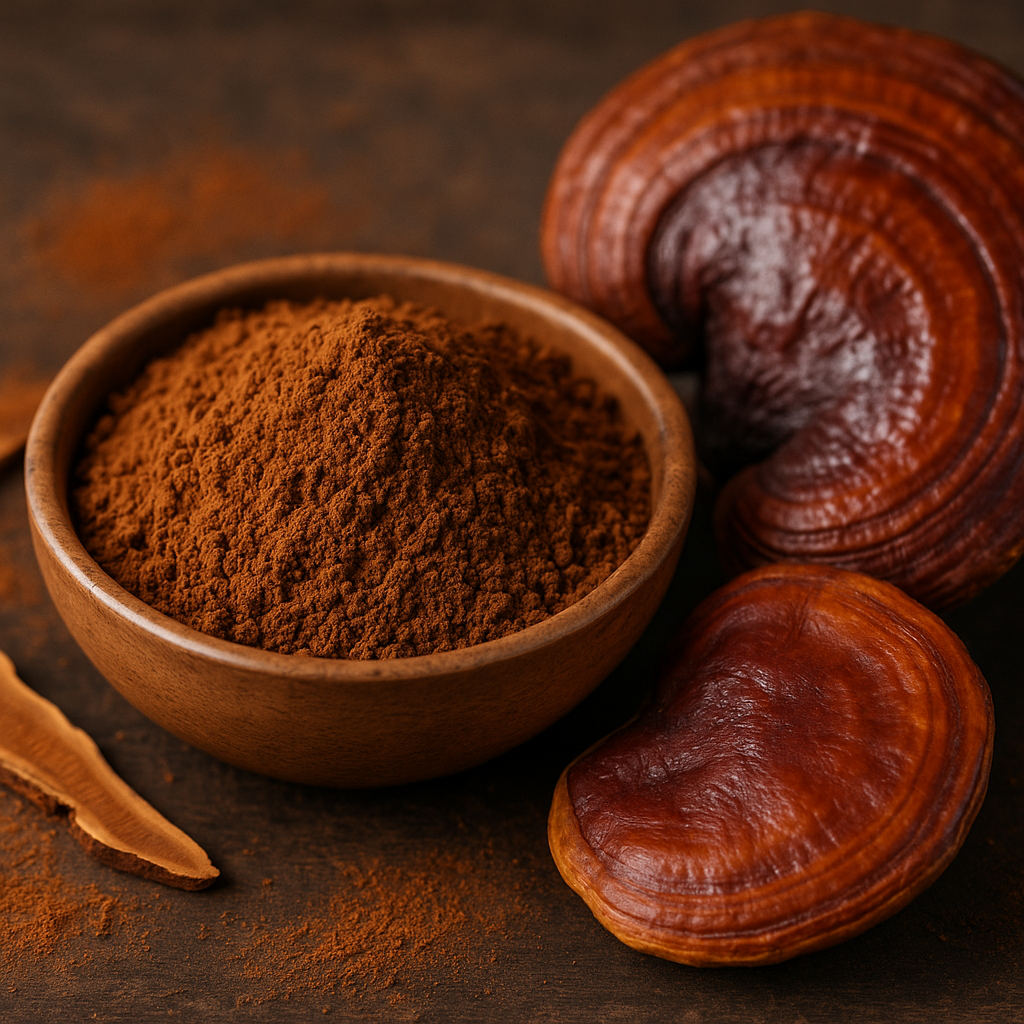
- Powder: Easy to mix into drinks or food
- Capsules: Convenient for daily use
- Extracts: Often stronger, taken as drops or mixed in water
- Tea: Made from dried slices, mild flavor
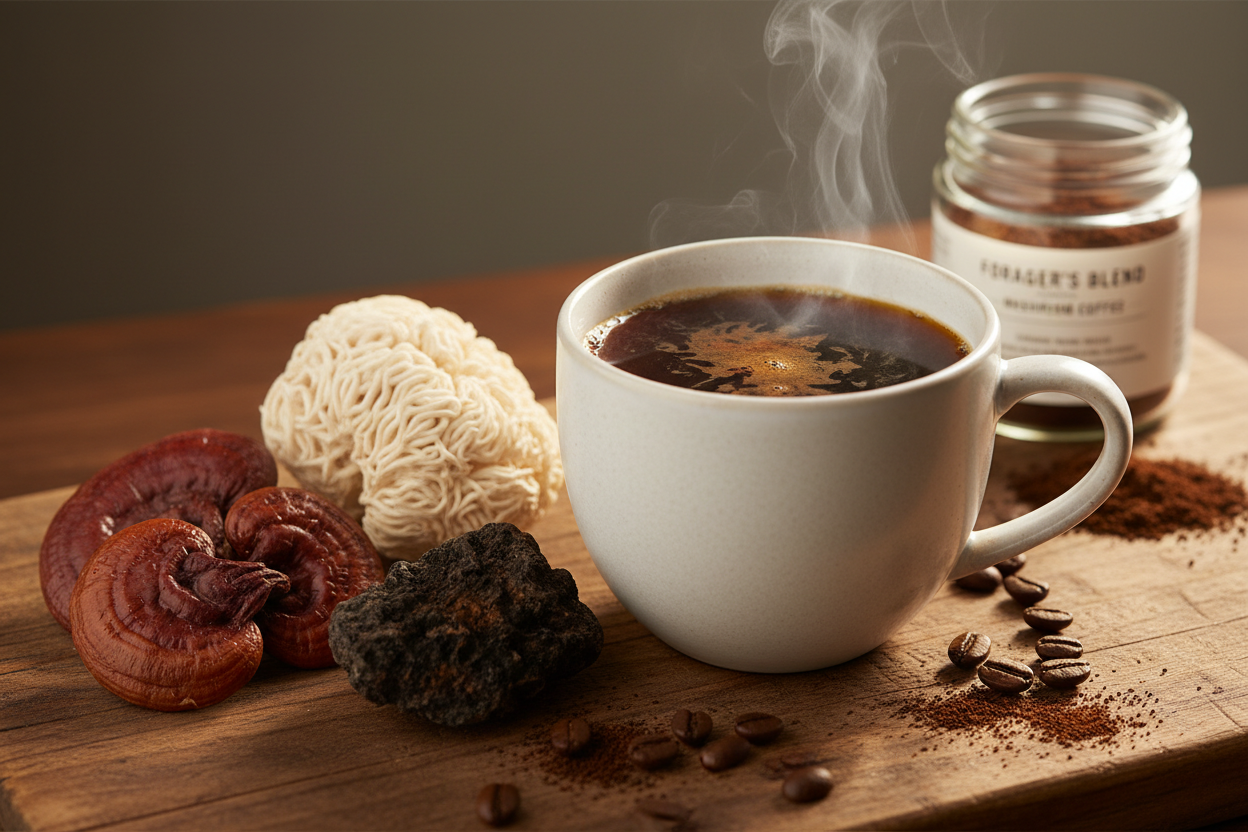
Some people prefer tea for its relaxing ritual. Others like capsules for precise dosing. There are also blends with coffee or cacao for those who dislike the taste.
Typical Dosage
Research suggests:
- 1–3 grams of dried powder per day
- 500–1500 mg of extract per day
Start with a low dose and increase slowly. Everyone reacts differently.
High doses are not always better. Too much can cause stomach upset or, rarely, dizziness. Consistency matters more than quantity.
When To Take
- Morning: For energy and calmness
- Evening: For sleep and relaxation
You can split doses—half in morning, half at night.
Practical example: If you use Reishi powder, add 1 teaspoon (about 2 grams) to your morning coffee or smoothie. For capsules, take one in the morning and one before bed.
If you struggle with sleep, try taking Reishi 1–2 hours before bed. For daytime stress, morning is best.
Safety And Side Effects
Reishi is very safe for most people. Mild side effects can include:
- Upset stomach
- Dry mouth
- Dizziness (rare)
If you have allergies to mushrooms, avoid Reishi. If you take blood thinners or have serious health conditions, talk to your doctor first.
Side effects usually go away if you lower the dose or take with food. Always read the label and follow instructions.
Comparison Table: Reishi Dosage and Side Effects
| Form | Typical Dose | Common Side Effects | Best Time to Take |
|---|---|---|---|
| Powder | 1–3 grams | Stomach upset, rare | Morning or night |
| Capsules | 500–1500 mg | Dry mouth, rare | Morning and night |
| Extract | 500–1000 mg | Dizziness, rare | Any time |
| Tea | 1 cup | No major side effects | Evening |
Non-obvious tip: If you’re sensitive to herbs, try Reishi tea first. It’s gentle and easy to control the strength.
Reishi Mushroom In Traditional Medicine
In traditional Chinese and Japanese medicine, Reishi is a symbol of health and longevity. It’s used for:
- Calming the spirit
- Supporting the heart
- Boosting immunity
- Improving sleep
Doctors often recommend Reishi for people facing grief, anxiety, or tiredness. It’s believed to help restore balance, especially when life feels overwhelming.
In ancient texts, Reishi is said to “nourish the heart and pacify the mind. ” Monks and scholars used it for meditation and focus. Some traditions use Reishi in formulas for people recovering from loss or trauma.
Non-obvious insight: Traditional healers often combine Reishi with other herbs like ginseng or schisandra for stronger effects. This practice is still used in many clinics.
Additional insight: In Japan, Reishi is sometimes used in hospitals as a supportive therapy for cancer patients, to help with fatigue and mood. While not a cure, it helps improve quality of life.
How Reishi Compares To Other Adaptogens
Adaptogens are natural substances that help the body handle stress. Besides Reishi, popular adaptogens include Ashwagandha, Rhodiola, and Holy Basil.
Similarities
- All lower cortisol and help with stress
- All support the immune system
- All can improve mood and energy
These herbs are often used together in stress formulas. They work in different ways, so some people combine them for a broader effect.
Differences
- Reishi is stronger for sleep and immunity
- Ashwagandha is better for anxiety and energy
- Rhodiola works fast, but can cause headaches
- Holy Basil is gentle, good for mild stress
Reishi is a good choice for people who want calmness, better sleep, and fewer colds. Ashwagandha helps those who need energy and focus. Rhodiola is best for quick recovery from stress or jet lag.
Comparison Table: Reishi vs Common Adaptogens
| Adaptogen | Main Benefit | Best Use | Side Effects |
|---|---|---|---|
| Reishi | Immunity, sleep | Chronic stress, poor sleep | Rare, mild |
| Ashwagandha | Calm, energy | Anxiety, fatigue | Mild, rare |
| Rhodiola | Fast stress relief | Short-term stress | Headache |
| Holy Basil | Gentle calm | Mild daily stress | No major side effects |
Non-obvious insight: Some people rotate adaptogens every few months to avoid building tolerance. For example, using Reishi in the winter for immunity and switching to Ashwagandha in busy work seasons.
Real-life Stories: Reishi For Stress Relief
Many people have shared their experiences with Reishi:
Maria’s Experience
Maria, age 45, worked in a busy office. She felt stressed every day, slept poorly, and caught colds often. After using Reishi extract for 3 months, she noticed:
- Better sleep (falling asleep faster)
- Less anxiety
- Fewer sick days
Her doctor confirmed her cortisol was lower after testing.
Maria also found that her mood swings during PMS were less severe, and she felt more “even” emotionally. She now recommends Reishi to friends going through menopause or high-stress periods.
John’s Experience
John, age 32, struggled with chronic worry and chest tightness. He tried Reishi tea every night for 6 weeks. Results:
- Felt calmer
- Woke up rested
- Less muscle tension
He continues to use Reishi during busy weeks.
John also noticed that after a month, his cravings for late-night snacks dropped, and he lost a few pounds without dieting. He felt his body was “resetting” after years of stress.
Practical tip: Keep a journal when you start Reishi. Write down how you feel, sleep quality, and mood. Over time, you can see real changes.
Extra idea: Some people use fitness trackers to monitor sleep or heart rate while taking Reishi. Improvements in deep sleep or lower resting heart rate are good signs it’s working.
Common Mistakes When Using Reishi Mushroom
Some beginners make mistakes that reduce Reishi’s benefits:
- Using too much too soon: Start small, increase slowly.
- Choosing low-quality products: Buy from trusted brands. Cheap powders may be fake or weak.
- Expecting instant results: Reishi works best over weeks, not days.
- Ignoring other factors: Good sleep, exercise, and healthy food matter too.
- Not checking for allergies: If you react badly to mushrooms, avoid Reishi.
Another mistake is not reading the label. Some products contain fillers or very little real Reishi. Look for third-party lab testing or “fruiting body” extracts for best quality.
Non-obvious insight: Mixing Reishi with coffee or alcohol can make it less effective. Try it with water, tea, or smoothies.
Extra tip: Store Reishi products in a cool, dry place. Heat and humidity can reduce their potency.
Reishi Mushroom: Practical Guide For Beginners
If you want to try Reishi for stress relief, follow these steps:
- Choose Your Form: Powder, capsules, extract, or tea.
- Check Quality: Look for organic, certified products. Read reviews and check for lab tests.
- Start Low: Begin with half the recommended dose for 1 week.
- Track Results: Write down mood, sleep, energy, and any side effects.
- Adjust Dose: If you feel good, slowly raise the dose to recommended levels.
- Be Patient: Give it at least 4–8 weeks to see best results.
- Combine with Healthy Habits: Exercise, good sleep, and balanced diet help Reishi work better.
Practical tip: If you dislike the taste, capsules are easiest. If you enjoy rituals, Reishi tea can be relaxing.
Extra guidance: If you take prescription medications, show your doctor the Reishi label before starting. Most people have no problems, but it’s better to be safe.
Scientific Evidence: Reishi’s Role In Lowering Cortisol
Reishi’s effects are supported by modern research. Here are key findings:
- A study in the journal “Phytotherapy Research” found Reishi extract lowered cortisol in stressed mice by 30% after 2 weeks.
- Human trial at a Japanese hospital showed reduced cortisol and improved mood in adults using Reishi for 8 weeks.
- Reishi’s triterpenes block enzymes that raise cortisol, helping the body return to balance.
Ongoing studies are looking at Reishi for PTSD, work burnout, and sleep disorders. Results so far are positive, but larger trials are needed for final answers.
For more, see Wikipedia: Ganoderma lucidum.
Credit: planetmushroom.co.in
Who Should Avoid Reishi Mushroom?
While Reishi is safe for most, some people should avoid it:
- Allergy to mushrooms: Risk of reaction
- Pregnant or breastfeeding women: Not enough research
- People with bleeding disorders: Reishi may thin blood
- Those taking blood thinners: Possible interactions
If unsure, ask your doctor before starting.
Non-obvious warning: If you have surgery planned, stop Reishi at least 2 weeks before. It may affect bleeding or anesthesia.
The Future Of Reishi For Stress Relief
Interest in Reishi is growing worldwide. Doctors, researchers, and wellness experts are studying it for new uses:
- Mental health support
- Recovery from trauma
- Help with sleep disorders
- Boosting immunity during stressful times
As more research is published, Reishi may become a standard tool for managing chronic stress.
New products like Reishi lattes, chocolates, and even skincare show how this ancient remedy fits modern life. In the future, we may see Reishi added to hospital care or mental health programs.
Non-obvious idea: Some companies are breeding Reishi strains with higher levels of active compounds, making supplements even more effective.
Frequently Asked Questions
What Is The Best Way To Take Reishi For Stress?
The most popular methods are capsules and extracts. These are easy to use and have accurate doses. If you enjoy tea, Reishi slices can be simmered for a gentle drink. Start with a low dose, and increase slowly.
How Long Does It Take For Reishi To Lower Cortisol?
Most people notice effects in 2–4 weeks. For best results, continue for at least 8 weeks. Reishi works slowly, building up in the body over time.
Are There Any Serious Side Effects From Reishi?
Side effects are rare and usually mild: upset stomach, dry mouth, or dizziness. Serious reactions are uncommon. If you have allergies or take blood thinners, talk to your doctor before using.
Can Reishi Mushroom Help With Sleep?
Yes, Reishi is famous for improving sleep. It calms the mind, lowers cortisol, and helps you fall asleep faster. Many people use it in the evening for better rest.
Is Reishi Safe To Use Every Day?
For most people, Reishi is safe for daily use. Stick to recommended doses and buy from trusted brands. If you notice any side effects, stop and consult a health professional.
Can I Mix Reishi With Other Herbs Or Supplements?
Yes, many people combine Reishi with Ashwagandha, Holy Basil, or magnesium for a stronger effect. Always start new combinations slowly to check for any reaction.
Is Reishi Good For Children?
There is little research on Reishi for children. It’s best used for adults unless a doctor advises otherwise.
Taking Control Of Stress With Reishi Mushroom
Chronic stress and high cortisol can make life feel impossible. But nature offers solutions. The Reishi mushroom is proven to help lower cortisol, boost mood, improve sleep, and support immunity. Using Reishi safely and patiently can give your body and mind a real chance to recover and thrive. Remember, Reishi works best as part of a healthy lifestyle—good food, regular exercise, and restful sleep. By understanding how Reishi fights chronic stress, you can take smart steps toward feeling better every day.
Start small, be patient, and let nature help you find balance again.