
Functional mushrooms are not just a passing trend; they are becoming a powerful ally for women seeking better health. Many women today look for natural options to support their hormones, improve fertility, and age gracefully. Functional mushrooms—like reishi, cordyceps, lion’s mane, and chaga—are drawing attention for their unique ability to influence the body’s balance.
But what do these mushrooms really do for women’s health, especially in the areas of hormones, fertility, and aging? Let’s explore the science, benefits, and practical uses of these fascinating fungi.
What Are Functional Mushrooms?
Functional mushrooms are not the same as the button mushrooms you find in your salad. They are a special group of fungi that have been used for centuries in traditional medicine, especially in Asia. These mushrooms are called “functional” because they do more than just feed you—they offer specific health benefits.
Some of the most well-known functional mushrooms are:
- Reishi
- Cordyceps
- Lion’s mane
- Chaga
- Turkey tail
- Maitake
- Shiitake
These mushrooms contain powerful compounds like beta-glucans, triterpenes, and polysaccharides. These compounds support the body in several ways, from boosting the immune system to balancing hormones.
Another important compound found in some mushrooms is ergothioneine, which acts as an antioxidant and is linked to longevity and cellular protection. Unlike culinary mushrooms, functional types are usually too tough or bitter to eat fresh, so they are often dried or extracted for use in powders, capsules, or teas.
Some functional mushrooms, like chaga, grow wild on trees in cold climates, while others, like cordyceps, have a unique life cycle, growing on insects in nature but now cultivated for supplements. This variety means there are many ways to enjoy and benefit from these mushrooms, depending on your culture, taste, and health goals.
Why Focus On Women’s Health?
Women’s bodies go through many changes—from the first period, through pregnancy, to menopause and beyond. Hormones play a huge role in these changes. When hormones are out of balance, women may experience problems like PMS, irregular cycles, fertility issues, or uncomfortable symptoms during aging.
Many women want gentle, natural tools to help manage these changes. Functional mushrooms offer options that are worth a closer look.
For example, conditions like polycystic ovary syndrome (PCOS), endometriosis, and perimenopause are common but often hard to manage with diet alone. Mushrooms can be a gentle addition to support the body’s own efforts to find balance. They fit well with other healthy habits, and many women find them less harsh than some synthetic drugs or hormone therapies.
Women also face unique stresses, such as balancing work, family, and self-care. Functional mushrooms can help manage these stressors without adding more complexity to daily routines. Their versatility and safety profile make them appealing for women in different life stages.
Hormones: The Foundation Of Women’s Health
Hormones are chemical messengers that travel through the blood and control important functions, such as:
- Menstrual cycles
- Fertility and pregnancy
- Mood and energy
- Weight and metabolism
- Bone health
When hormones like estrogen, progesterone, and cortisol are balanced, women feel strong and healthy. If they become unbalanced, problems can develop. Stress, poor diet, aging, and environmental toxins can all disturb hormones. Functional mushrooms may help restore balance by supporting the body’s natural systems.
For example, estrogen dominance (too much estrogen compared to progesterone) can cause heavy periods, weight gain, and mood swings. Low progesterone may lead to anxiety and sleep issues. Mushrooms help by supporting organs like the liver, which breaks down hormones, and the adrenals, which handle stress.
Understanding your own hormone patterns is important. Many women find that adding mushrooms, especially during hormone transitions like perimenopause, helps ease symptoms and boosts overall wellbeing. This is a gentle approach that does not force the body but supports its natural rhythms.
How Functional Mushrooms Affect Hormones
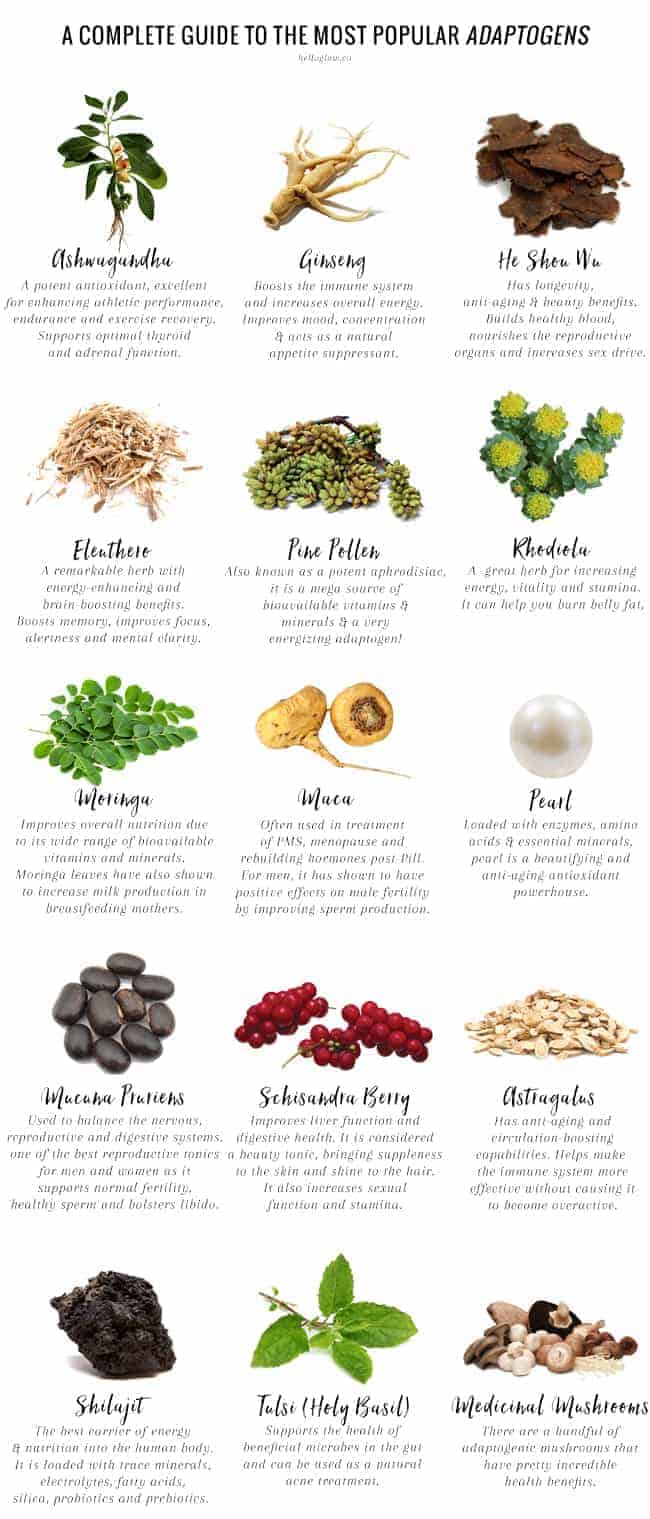
Functional mushrooms do not add hormones to the body. Instead, they work as adaptogens—natural substances that help the body cope with stress and maintain balance. Adaptogens support the adrenal glands (which control stress hormones like cortisol) and influence other hormone systems.
For example, some mushrooms help the liver process and remove extra estrogen. Others support the thyroid, which controls metabolism. Some help calm inflammation, which can disturb hormones. Each mushroom has its own strengths.
Adaptogens are unique because their effects are not “one size fits all”—they adjust to what your body needs. If you are stressed and fatigued, they may help restore energy. If you are overstimulated, they can promote calm. This makes them especially useful during hormonal transitions, when symptoms can change from day to day.
Another non-obvious insight: Some functional mushrooms may help the body adapt to environmental toxins, which are known to disrupt hormones. By improving the body’s resilience, mushrooms help create a foundation for hormone balance.
Let’s see how specific mushrooms support women’s hormones.
Reishi: The Queen Of Hormone Balance
Reishi (Ganoderma lucidum) is often called the “Queen of Mushrooms. ” It is famous in Chinese medicine for its calming, balancing effects.
- Stress Support: Reishi helps lower the effects of chronic stress by supporting the adrenal glands. High stress can lead to high cortisol, which may cause irregular periods, mood swings, and weight gain. Reishi can help the body return to a normal cortisol rhythm.
- Sleep and Mood: Many women notice better sleep and calmer moods with reishi. Deep sleep is vital for hormone health.
- Liver Support: The liver helps balance hormones by breaking down estrogen. Reishi’s compounds support healthy liver function, which is important for menstrual and menopausal health.
Reishi is also known for its immune-modulating effects, which means it can help calm overactive immunity that sometimes contributes to autoimmune thyroid issues (like Hashimoto’s disease), which are more common in women.
Studies suggest that reishi may help reduce PMS symptoms, ease anxiety, and improve sleep quality—three key issues connected to hormone imbalances.
Some users also report that reishi helps with hot flashes and night sweats during menopause. This might be due to its calming and cooling nature in traditional Chinese medicine. For women dealing with both stress and hormonal changes, reishi is a gentle, reliable option.
Cordyceps: Energy And Fertility Booster
Cordyceps (Cordyceps sinensis and Cordyceps militaris) is known as the “energy mushroom. ” It is used to boost stamina and endurance.
- Energy and Libido: Cordyceps supports the production of ATP (cellular energy) and may improve energy levels and sex drive, which often drop with hormone changes or chronic stress.
- Hormone Production: Cordyceps is thought to support the adrenal glands and help balance hormones like estrogen and progesterone.
- Fertility: Some research suggests that cordyceps can improve egg quality and ovarian function, making it a popular choice for women trying to conceive.
Athletes often use cordyceps to improve performance, but its benefits for everyday energy and fertility are now gaining attention.
Besides physical energy, cordyceps may help with emotional stamina. For women experiencing “burnout” from overwork or caring for family, cordyceps can be restorative. It is also being studied for its possible support in respiratory health, which can indirectly benefit women with fatigue or low immune function.
Cordyceps is sometimes paired with other adaptogens like ashwagandha or maca to create a more complete hormone support blend. This can be especially helpful during the preconception period.

Credit: www.amazon.com
Lion’s Mane: Brain And Mood Support
Lion’s mane (Hericium erinaceus) is famous for its effects on the brain.
- Brain Health: Lion’s mane supports the growth of new nerve cells and can help with focus and memory. Many women notice brain fog during hormone changes—lion’s mane may help clear that fog.
- Mood: Studies show lion’s mane may improve symptoms of anxiety and depression, common during PMS, postpartum, or menopause.
- Gut Health: Since hormones and mood are closely linked to gut health, lion’s mane’s support for the gut may also help balance hormones.
Women juggling work, family, and hormone swings may find lion’s mane a helpful ally for mental clarity and emotional balance.
Lion’s mane contains unique compounds called hericenones and erinacines, which are being researched for their ability to stimulate nerve growth factor (NGF). This is especially important for women concerned about memory loss as they age. Using lion’s mane with mindfulness practices or journaling can also boost its mood benefits.
A less-known benefit: lion’s mane may help nerve recovery after injuries or surgery, which can be helpful for women after childbirth or during recovery from certain medical procedures.
Chaga: Immune And Anti-aging Ally
Chaga (Inonotus obliquus) grows on birch trees and is packed with antioxidants.
- Antioxidant Power: Chaga has one of the highest ORAC scores (a way to measure antioxidants). Antioxidants protect cells from damage, which is important for healthy aging and hormone production.
- Immune Support: Chaga strengthens the immune system, which can become weaker with age or hormone shifts.
- Blood Sugar Balance: Chaga may help regulate blood sugar, which is linked to hormone balance, energy, and weight.
Women who want to support their immune system and age gracefully often add chaga to their wellness routine.
Chaga is also rich in melanin, the pigment that protects skin from sun damage. Women concerned about wrinkles or age spots may notice improved skin tone with regular use. Chaga’s betulinic acid content is being studied for cancer-protective effects, though more research is needed.
A practical use: Chaga tea is a popular winter drink in northern countries, valued for keeping energy steady and fighting off seasonal colds. For women sensitive to coffee, chaga is a good caffeine-free alternative.
Turkey Tail: Gut Health And Immunity
Turkey tail (Trametes versicolor) is famous for its rainbow colors and strong support for gut health.
- Gut Health: A healthy gut is key for balancing hormones because the gut helps process and remove extra estrogen.
- Immunity: Turkey tail is rich in polysaccharides that strengthen the immune system.
- Cancer Support: Some studies suggest turkey tail may help women with breast or cervical cancer by supporting immunity during treatment. Always talk to your doctor before using it with cancer therapies.
Turkey tail is gentle enough for daily use but powerful enough to make a difference in gut and immune health.
A less obvious tip: Turkey tail can improve the diversity of gut bacteria, which is linked to better mood and hormone metabolism. It is often used in combination with probiotics or fiber-rich foods for a “gut reset.”
For women with recurring infections or digestive issues, turkey tail can be part of a long-term strategy to rebuild gut strength and resilience.
Maitake And Shiitake: Metabolism And Weight Balance
Maitake (Grifola frondosa) and shiitake (Lentinula edodes) are both delicious and functional.
- Blood Sugar and Weight: Maitake helps balance blood sugar and may support healthy weight—a key issue for women with hormone imbalances like PCOS or menopause.
- Immune System: Shiitake boosts the immune system and contains B vitamins, which support energy and stress response.
- Heart Health: Both mushrooms help lower cholesterol and support heart health, which becomes more important as women age.
Adding maitake and shiitake to meals is an easy way to boost nutrition and hormone support.
Maitake’s D-fraction is being studied for its ability to support healthy insulin response, which is important for women with metabolic syndrome. Shiitake contains lentinan, a compound with immune-enhancing effects, and also offers copper and selenium, minerals often low in women’s diets.
Practical tip: Cooking with these mushrooms (e.g., in stir-fries, soups, or omelets) can make healthy eating more enjoyable. They are also less likely to cause digestive upset compared to raw mushrooms.
Comparing Functional Mushrooms: Effects On Women’s Health
To help you see how these mushrooms compare, here’s a look at their main strengths:
| Mushroom | Main Benefit | Hormone Support | Best For |
|---|---|---|---|
| Reishi | Calming, stress relief | Adrenal, liver, sleep | Hormone balance, PMS, menopause |
| Cordyceps | Energy, stamina | Adrenal, fertility, libido | Fertility, low energy |
| Lion’s Mane | Brain, mood | Mood, memory, gut | Mood swings, brain fog |
| Chaga | Antioxidant, immunity | Anti-aging, immune, blood sugar | Aging, immune support |
| Turkey Tail | Gut health, immunity | Gut, immunity, estrogen balance | Gut issues, immunity |
| Maitake | Blood sugar, weight | Metabolism, weight, immune | PCOS, weight issues |
| Shiitake | Immune, B vitamins | Energy, stress, heart | General wellness, stress |
This comparison can help you select the right mushroom based on your most important health goal.
Functional Mushrooms For Fertility
Fertility is a sensitive topic for many women. Hormones, stress, age, and overall health all play a role in the ability to conceive. Functional mushrooms may offer gentle support in several ways:
Supporting The Adrenal Glands
Chronic stress can raise cortisol and make it harder to get pregnant. Mushrooms like reishi and cordyceps support the adrenals, helping lower stress and bring hormones back into balance.
Improving Egg Quality
Cordyceps and maitake may improve ovarian function and egg quality. Some small studies show improved ovulation and more regular cycles with these mushrooms.
Balancing Blood Sugar
High blood sugar and insulin resistance can disturb hormones and fertility, especially in women with PCOS. Maitake helps balance blood sugar, which can improve fertility.
Reducing Inflammation
Chronic inflammation can affect the uterus, ovaries, and hormone signals. Mushrooms like chaga and turkey tail are rich in anti-inflammatory compounds.
Immune Support
A healthy immune system is vital for implantation and early pregnancy. Chaga, turkey tail, and shiitake all support immunity.
Another practical point: Women trying to conceive often take many supplements. Mushrooms can sometimes reduce the need for multiple pills because they offer broad support in one product. For example, cordyceps covers energy, stress, and reproductive health all at once.
Non-Obvious Insight: Fertility is not just about ovaries. Supporting the gut (with turkey tail) and liver (with reishi) can help clear excess hormones and toxins, creating a healthier environment for conception.
Functional Mushrooms And Aging Gracefully
Aging is natural, but many women want to stay healthy, active, and independent as long as possible. Hormones like estrogen and progesterone drop with age, leading to symptoms like hot flashes, sleep problems, memory loss, weak bones, and more. Functional mushrooms can support healthy aging in several ways:
- Antioxidants: Chaga and reishi are rich in antioxidants, which protect cells from damage.
- Bone Health: Mushrooms contain vitamin D and other minerals that support bone strength.
- Brain Health: Lion’s mane supports memory and focus, which may decline with age.
- Heart Health: Maitake and shiitake help lower cholesterol and support blood pressure.
- Immune Support: All functional mushrooms strengthen immunity, which weakens with age.
Women who use functional mushrooms often report better energy, clearer thinking, and fewer aging complaints.
A tip for aging well: Use a blend of mushrooms to cover different body systems. For example, a tea or powder that includes reishi (for sleep), chaga (for antioxidants), and lion’s mane (for brain health) is a simple way to get broad support.
Another detail: Some mushrooms, like shiitake, provide nutrients that are often low in older women, such as B vitamins, which help with energy and mood. Including mushrooms in a Mediterranean-style diet may give even better results.
How To Add Functional Mushrooms To Your Routine
Functional mushrooms are available in several forms:
- Powders: Easy to mix into coffee, tea, smoothies, or soup.
- Capsules: Simple for those who do not like the taste.
- Tinctures: Liquid extracts that can be added to water or tea.
- Whole or dried mushrooms: Can be cooked into soups or stews.
Here’s a quick look at how to use different forms:
| Form | How to Use | Strengths | Best For |
|---|---|---|---|
| Powder | Mix into drinks or food | Flexible, easy to dose | Daily use, recipes |
| Capsule | Swallow with water | Convenient, no taste | Travel, busy lifestyles |
| Tincture | Add to drink or take directly | Fast absorption | Quick results |
| Whole/Dried | Cook in food | Traditional, flavorful | Soups, stews |
Practical Tip: Look for “dual-extract” or “hot-water extract” products. These methods pull out both water-soluble and fat-soluble compounds, giving you the full range of benefits.
You can also find functional mushroom blends in coffee alternatives, protein powders, or even chocolate. This makes it easier to remember your daily dose and enjoy the taste.
Choosing The Right Mushroom For You
The best mushroom for you depends on your main health goal:
- For stress and sleep: Try reishi.
- For energy and fertility: Cordyceps is a top pick.
- For mental clarity: Lion’s mane stands out.
- For immune support and anti-aging: Chaga leads the way.
- For gut health: Turkey tail is gentle and effective.
- For metabolism and weight: Maitake and shiitake are helpful.
You can use one mushroom or blend several, depending on your needs. Many women try different mushrooms to see what feels best. Start with a low dose and listen to your body.
Non-Obvious Insight: Some people notice benefits quickly, but it often takes 2-3 weeks of daily use to see full effects. Consistency is more important than taking a large dose.
Another tip: If you are sensitive to caffeine, avoid mushroom blends with added coffee. Always read labels to check for fillers or unwanted ingredients.
Safety And Side Effects
Functional mushrooms are safe for most people, but there are a few things to keep in mind:
- Allergies: If you have a mushroom allergy, avoid all forms.
- Autoimmune Conditions: If you have lupus, MS, or another autoimmune disease, talk to your doctor first. Some mushrooms may stimulate the immune system.
- Pregnancy and Breastfeeding: Safety data is limited. Always ask your healthcare provider before using.
- Blood Thinners: Some mushrooms can interact with blood-thinning medicine.
Pay attention to your body. If you feel unwell or develop a rash, stop use and talk to a doctor.
Practical Tip: Buy from trusted brands that test for heavy metals and contaminants. Quality matters!
Also, avoid wild-harvested mushrooms unless you are sure about their source, as they can absorb toxins from the environment. Organic, lab-tested products are the safest choice.
Credit: helloglow.co
Real-world Examples: How Women Use Functional Mushrooms
Women use functional mushrooms in many creative ways:
- Adding reishi powder to evening tea for better sleep.
- Mixing lion’s mane into morning coffee for clear thinking at work.
- Using cordyceps before workouts or during fertility journeys.
- Cooking shiitake and maitake in stir-fries for daily energy.
- Drinking chaga tea for immune support during cold season.
Non-Obvious Insight: Combining mushrooms with vitamin C (like a squeeze of lemon) can improve absorption of some compounds.
Another practical idea: Some women make “mushroom lattes” with almond milk, cinnamon, and a blend of powders for a comforting ritual. Others freeze mushroom powder into smoothie ice cubes for a quick breakfast.
Sharing recipes or routines with friends or online groups can give new inspiration and help you stay consistent.
The Science Behind Functional Mushrooms
While traditional medicine has used these mushrooms for centuries, modern research is catching up.
- A 2019 review in “Nutrients” found that reishi can reduce fatigue, improve sleep, and balance immune response.
- A study in “Journal of Ethnopharmacology” showed cordyceps improved ovarian function in animal models.
- “International Journal of Molecular Sciences” published research showing lion’s mane supports nerve growth and may improve mild depression.
- Chaga has been shown to reduce oxidative stress in lab studies, which helps slow aging.
More research is needed, especially in women’s health, but the early results are promising.
For further detailed reading, see the National Institutes of Health review on medicinal mushrooms.
Another detail: Most studies use extracts, not whole mushrooms. When choosing a product, look for clinical doses and clear labeling to match what is used in research.
Common Mistakes When Using Functional Mushrooms
- Expecting Quick Results: Mushrooms work slowly. Give them 2-4 weeks.
- Not Checking the Source: Low-quality products may not contain enough active compounds.
- Ignoring Dosage: More is not always better. Follow the label or your healthcare provider’s advice.
- Using Only One Form: Some people respond better to tinctures, others to powders. Try different forms if you don’t see results.
- Skipping Days: Consistency is the key for adaptogens to work.
A less-known mistake: Storing powders in humid places can cause them to clump or lose potency. Keep your mushrooms dry and away from sunlight for the best results.
How To Combine Functional Mushrooms With Other Wellness Tools
Mushrooms work best as part of a bigger wellness plan. Combine them with:
- A healthy, plant-rich diet
- Regular exercise
- Good sleep habits
- Stress reduction (yoga, meditation)
This whole-body approach gives the best chance for hormone balance, healthy aging, and better fertility.
You can also pair mushrooms with herbs like ashwagandha or rhodiola for extra adaptogenic support. Just introduce one new supplement at a time so you can notice what works best for you.

Credit: www.walmart.com
When To Talk To A Doctor
If you have a medical condition, take medicines, or are pregnant, always talk to your healthcare provider before starting new supplements—including mushrooms. If you notice side effects, stop use and seek help. Mushrooms are powerful, but your safety comes first.
Doctors and registered dietitians can help you choose the right dose or product, especially if you are already managing other health conditions.
Frequently Asked Questions
How Long Does It Take To See Benefits From Functional Mushrooms?
Most women notice changes after 2-4 weeks of regular use. Some effects, like better sleep or mood, may appear sooner. For hormone balance or fertility, give it at least one to three months.
Are Functional Mushrooms Safe During Pregnancy And Breastfeeding?
There is not enough research to say they are safe during pregnancy or breastfeeding. Always talk to your doctor before using any new supplement at these times.
Can I Use More Than One Mushroom At A Time?
Yes. Many products blend several mushrooms to target different needs. For example, a blend of reishi (for stress), lion’s mane (for mood), and chaga (for immunity) covers many bases. Start with small amounts and watch how your body reacts.
Do Functional Mushrooms Interact With Medicines?
Some mushrooms can interact with immune drugs, blood thinners, or diabetes medicines. Always check with your healthcare provider if you take prescription drugs.
What Is The Best Way To Take Functional Mushrooms For Hormone Health?
Choose the form you like—powder, capsule, or tincture. The key is daily, consistent use. Combine with a healthy lifestyle for the best results.
Functional mushrooms offer a gentle, natural way for women to support hormones, fertility, and aging. With smart choices, quality products, and patience, these ancient allies can become a trusted part of your wellness journey.