
Mushroom Growing As a Side Hustle: Costs And Revenue And Getting Started
Mushroom growing is becoming a popular side hustle for people who want to earn extra money without making a huge investment. You don’t need a large farm or years of experience to start. Mushrooms are unique because they can grow in small spaces, need little sunlight, and do not require expensive equipment.
Many people are surprised at how quickly mushrooms grow—and how much profit is possible with a smart, small-scale operation.
This article will give you a complete guide to mushroom growing as a side hustle. You will learn about costs, earnings, setup, common mistakes, and the steps to start. We will also share data, examples, and tips that beginners often miss.
Whether you want to use a spare room, garage, or even a closet, you can find the best way to start mushroom farming at home.
Why Choose Mushroom Growing As A Side Hustle?
Growing mushrooms is not just a fun hobby; it can also become a reliable source of extra income. There are several reasons why people choose this side hustle:
- Low space requirement: Mushrooms can grow vertically, which means you can use shelves and racks to produce more in a small area.
- High value crops: Gourmet mushrooms like oyster, shiitake, and lion’s mane sell for high prices at markets and to restaurants.
- Fast growth cycle: Some mushrooms are ready to harvest in just 3-4 weeks, much faster than most vegetables.
- Year-round production: You can grow mushrooms indoors any time of the year.
Many side hustles require a big upfront investment or specialized skills. Mushroom growing is different. You can start small, learn as you go, and increase production as you gain experience. Unlike other crops, mushrooms have less competition in local markets, giving you a better chance to stand out.
Understanding The Mushroom Market
Before you begin, it’s important to understand the demand for mushrooms in your area. The market for mushrooms is growing worldwide. According to the Food and Agriculture Organization, global mushroom production has more than doubled in the past 20 years.
Types Of Mushrooms In Demand
The most popular mushrooms for small growers are:
- Oyster mushrooms – Easy to grow, high yield, sells for $8–$12 per pound.
- Shiitake mushrooms – More challenging, but fetch up to $16 per pound.
- Lion’s mane – Unique look and taste, sells for $10–$20 per pound.
- Button/white mushrooms – Most common, but lower price ($3–$5 per pound).
- Reishi and medicinal types – Niche market, but can be very profitable if you find buyers.
Local restaurants, health food stores, and farmers markets often pay premium prices for fresh, locally grown mushrooms. Many people also sell directly to customers through social media or local delivery apps.
How Much Can You Sell?
To get a rough idea, here is a sample of what gourmet mushrooms sell for in different markets:
| Mushroom Type | Farmers Market Price (per lb) | Restaurant Price (per lb) | Grocery Store Price (per lb) |
|---|---|---|---|
| Oyster | $8 – $12 | $10 – $14 | $7 – $10 |
| Shiitake | $12 – $16 | $14 – $18 | $10 – $14 |
| Lion’s Mane | $10 – $15 | $15 – $20 | $12 – $16 |
| Button | $3 – $5 | $4 – $6 | $2 – $4 |
This shows that specialty mushrooms are more profitable for small growers than common varieties like button mushrooms.
Startup Costs: What You Need To Begin
One big reason people are attracted to mushroom growing is the low startup cost. Unlike most farming, you don’t need land or expensive tools. Here’s a detailed look at what you need and what it may cost.
Major Expenses
- Growing space: Most people use a spare room, basement, garage, or closet. If you already have space, this is free. If you rent, it could cost $50–$200 per month.
- Shelving or racks: Basic metal or plastic shelves for stacking mushroom bags or trays cost $30–$100.
- Substrate materials: Straw, sawdust, coffee grounds, or hardwood pellets are used to grow mushrooms. Expect to spend $20–$50 for starter supplies.
- Spawn (mushroom seed): Spawn is used to inoculate the substrate. A 5 lb bag costs $20–$30 and is enough for about 20–25 lbs of mushrooms.
- Humidity and temperature control: Small humidifiers ($30–$80), fans ($10–$25), and a thermometer/hygrometer ($10–$20) help maintain ideal conditions.
- Bags or containers: Mushroom grow bags or buckets cost $15–$40 for a starter pack.
- Cleaning supplies: Bleach, gloves, and alcohol for cleaning are $10–$20.
Optional Equipment
- Grow lights: Not always needed, but $30–$60 for LED strips if you don’t have indirect sunlight.
- Air purifier: Useful in dusty spaces, $40–$100.
Here’s a comparison of costs for a basic home setup:
| Item | Low-End Cost | High-End Cost | Notes |
|---|---|---|---|
| Shelving | $30 | $100 | Plastic or metal |
| Spawn | $20 | $30 | For 20–25 lbs mushrooms |
| Substrate | $20 | $50 | Straw/sawdust/pellets |
| Humidity Control | $30 | $80 | Small humidifier |
| Grow Bags | $15 | $40 | 20–30 bags |
| Cleaning Supplies | $10 | $20 | Bleach, gloves |
Total initial cost: $125–$320 (if you already have a space). You can start even cheaper if you reuse containers and find free substrate materials like coffee grounds.
Ongoing Costs
- Substrate and spawn are the main recurring costs. For every 10 lbs of mushrooms, expect to spend $12–$18.
- Electricity: Humidifiers and fans use little power, usually $5–$10 per month.
- Packaging: Small cost if selling direct, more if you need branded boxes or bags.
Many beginners overlook cleaning and sterilization costs. Proper cleaning prevents contamination, which is a common cause of crop failure.
Potential Revenue: How Much Can You Earn?
Revenue depends on your growing space, mushroom type, and sales method. Let’s look at a realistic example for a small side hustle:
Example: 1-shelf Oyster Mushroom Setup
- Shelf size: 4 feet wide, holds 12 grow bags.
- Yield: Each bag produces about 2 lbs of mushrooms over 3–4 weeks (24 lbs per cycle).
- Sell price: $10 per pound (average for oyster mushrooms).
- Total sales per cycle: 24 lbs x $10 = $240.
- Monthly sales: 2 cycles per month = $480.
Expenses per cycle:
- Substrate and spawn: $40.
- Packaging/cleaning: $10.
- Utilities: $5.
Profit per cycle: $240 – $55 = $185.
Monthly profit: About $370 (2 cycles).
This is just one shelf. If you add more shelves, your earnings can double or triple. Many serious side hustlers grow 100–200 lbs of mushrooms per month, earning $1,000 or more.
Scaling Up
You can scale up by adding more shelves or growing in more rooms. Some people turn garages or basements into mushroom farms, making $2,000–$4,000 per month. Keep in mind that scaling means more cleaning, more time, and finding more buyers.
Non-obvious Insight
Many beginners focus only on selling fresh mushrooms. But there are secondary income streams:
- Selling mushroom grow kits to local gardeners.
- Offering workshops or classes.
- Selling dried mushrooms (which last longer and can ship anywhere).
- Making value-added products like mushroom jerky or tea.
Adding these can boost your earnings and protect you from market ups and downs.

Credit: www.amazon.com
How To Start Growing Mushrooms At Home
The actual process is easier than many people think. Here are the main steps to start your mushroom side hustle.
1. Choose Your Mushroom Type
Pick one variety to start. Oyster mushrooms are the best choice for beginners: fast, forgiving, and high yielding. Shiitake and lion’s mane are also popular, but need more care.
2. Prepare Your Growing Space
Find a space that is:
- Clean and easy to wash.
- Not too hot (ideally 60–75°F or 15–24°C).
- Easy to keep humid (80–95% humidity).
Most people use a closet, basement corner, or bathroom. Use shelves to maximize space.
3. Get Supplies
Order mushroom spawn from a trusted supplier. Buy or collect substrate (straw, sawdust, or pellets). Get grow bags, a spray bottle, and cleaning supplies.
4. Prepare The Substrate
- Cut or break straw/sawdust into small pieces.
- Pasteurize to kill germs—usually by soaking in hot water (160°F/71°C) for 1–2 hours.
- Drain and cool the substrate.
5. Inoculate With Spawn
- Mix cooled substrate with mushroom spawn.
- Fill into grow bags or buckets.
- Seal bags but poke a few holes for air.
6. Incubate
- Place bags on shelves in a dark, warm spot.
- Wait 10–14 days for the white mushroom mycelium to spread.
- Keep the area clean to avoid mold.
7. Fruiting
- Move bags to a space with indirect light.
- Cut slits in the bags for mushrooms to emerge.
- Mist with water 2–3 times a day to keep humidity high.
After 5–7 days, mushrooms begin to grow. Harvest when caps are full size but before they flatten.
8. Harvest And Sell
- Cut mushrooms at the base with a clean knife.
- Store in paper bags in the fridge.
- Sell as soon as possible for best freshness.
9. Clean And Repeat
Remove old substrate and clean everything before starting a new batch.
Practical Example
Suppose you grow oyster mushrooms in a spare closet:
- 10 bags, each with 5 lbs substrate.
- Total cost per batch: $35.
- Total harvest per batch: 18–20 lbs.
- Sell for $10 per lb: $180–$200 sales.
- Net profit: About $145–$165 per batch.
This is possible to achieve in 3–4 weeks, working only a few hours per week.
Keys To Success And Common Mistakes
Don’t Skip Cleaning
Many beginners lose crops because of contamination—mold or bacteria that kill the mushrooms. Clean all tools, bags, and surfaces with alcohol or bleach before you start. Wear gloves when mixing spawn and substrate.
Don’t Overwater
Mushrooms need humidity, not wetness. Too much water causes mold. Use a spray bottle to mist, not soak.
Monitor Temperature And Humidity
Use a cheap thermometer/hygrometer to keep track. Sudden drops in humidity or temperature can stop mushrooms from growing.
Find Your Market Early
Start talking to buyers before your first harvest. Visit local restaurants, health food stores, or farmers markets. Join Facebook groups or local food networks. Don’t wait until you have mushrooms ready; you want buyers lined up in advance.
Start Small And Learn
It’s tempting to go big, but small batches let you learn and fix mistakes without losing much money. Once you understand the process, you can expand with less risk.
Less Obvious Tips
- Rotate crops: Grow different types in each cycle to test what sells best in your area.
- Reuse substrate: Some used substrate can be composted and used as fertilizer, reducing waste and saving money.
- Track your numbers: Keep a simple notebook or spreadsheet of costs, yields, and sales. This helps you spot problems and grow your profits.
Risks And Challenges
No side hustle is without risks. Here are some challenges mushroom growers face:
- Contamination: This is the biggest risk. Mold, bacteria, and other fungi can ruin a whole batch.
- Market risk: Some areas have less demand for gourmet mushrooms. Research before investing a lot.
- Legal rules: Some cities require food permits for selling at markets or to restaurants.
- Learning curve: The first few batches may fail. Learning proper sterilization and growing methods is key.
Most risks can be managed with good cleaning, starting small, and testing your market before scaling up.
Real World Examples
The Weekend Grower
Sarah, a teacher in Ohio, started with a $200 setup in her garage. She grew oyster mushrooms and sold them at her local farmers market. After three months, she was making $250 a month, working about 3 hours per week.
The Urban Farmer
Mike lives in a city apartment. He grows lion’s mane mushrooms in his closet using five stacked shelves. He sells to local vegan restaurants, earning $600 per month. He says the hardest part was finding buyers, not growing the mushrooms.
The Family Side Hustle
A family in Texas turned their basement into a mushroom room. They now produce 100 lbs of mushrooms per month, splitting the work among four family members. Their biggest challenge was controlling humidity in summer, but after buying a better humidifier, their profits increased.
These examples show that mushroom growing can fit many lifestyles and spaces.
How To Sell Your Mushrooms
You have several options to sell mushrooms:
- Farmers markets: Great for meeting customers and testing prices. Usually requires a small fee and food safety permit.
- Restaurants: Chefs love fresh, local mushrooms. Call or visit with samples.
- Grocery stores: Harder to break into, but possible if you supply consistent quality.
- Online: Use local Facebook groups, Instagram, or delivery apps to reach buyers.
- CSA boxes: Partner with a local farm to add mushrooms to their vegetable boxes.
Packaging Tips
Use paper bags for freshness. Plastic bags can make mushrooms slimy. Add a simple label with your name and contact info.
Pricing Strategy
Start at the high end if your mushrooms are very fresh and clean. Be ready to lower prices if sales are slow, but never underprice yourself—fresh mushrooms are a premium product.
Building Relationships
Return customers are gold. Offer recipe cards, invite feedback, and ask what varieties they want. Word of mouth is a powerful marketing tool.
Scaling Up: From Side Hustle To Small Business
If you want to move from a side gig to a serious business, here are key steps:
Expand Your Space
Move from a closet to a dedicated room, garage, or rent a small warehouse space.
Automate
Use larger humidifiers, fans with timers, and automated watering systems to reduce labor.
Diversify
Grow multiple varieties and value-added products like dried mushrooms or mushroom kits.
Get Certified
Look into organic certification, food safety permits, and local business licenses. These help you sell to more markets.
Track Everything
Know your costs, yields, and profits. Invest in software or simple spreadsheets to keep records.
Build Your Brand
Design a logo, create social media pages, and share photos of your growing process. People love buying from real, local growers.
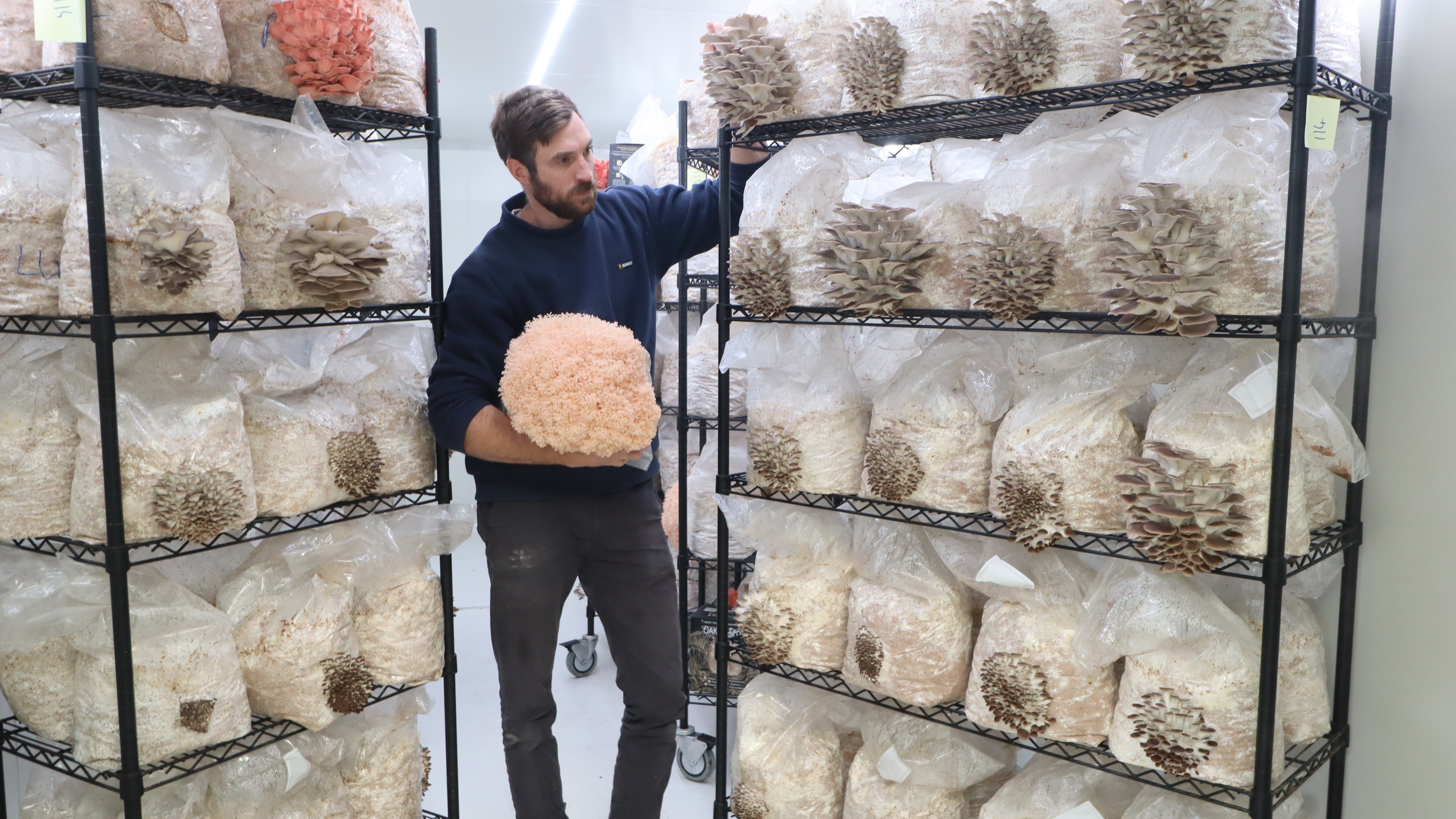
Credit: www.oakandspore.co.nz
Useful Resources
There are many online groups and forums for mushroom growers. The North American Mycological Association and Reddit’s r/mushroomgrowers are great places to ask questions and share tips.
For deeper scientific info, read the guide from Wikipedia on mushroom cultivation.
Frequently Asked Questions
What Is The Easiest Mushroom To Grow For Beginners?
Oyster mushrooms are the best choice for new growers. They grow quickly, tolerate a range of conditions, and have high yields. Their spawn is easy to find, and they are in demand at markets and restaurants.
How Much Time Does Mushroom Growing Take Each Week?
Most small setups need about 2–4 hours per week. Most time is spent on cleaning, mixing substrate, and harvesting. The mushrooms do most of the growing on their own. Once you are experienced, it becomes even faster.
Can I Grow Mushrooms Without Special Equipment?
Yes, you can start with basic supplies like used containers, spray bottles, and household shelves. For better results, a small humidifier and thermometer are helpful, but not required for very small batches.
Do I Need A License To Sell Mushrooms?
This depends on your local laws. Many areas allow sales at farmers markets with a cottage food permit. Selling to restaurants or stores usually needs a food safety certification and business license. Always check with your local health department.
What Should I Do If My Mushrooms Get Moldy?
If you see green, black, or foul-smelling mold, remove the affected bag or tray immediately. Clean your growing area with bleach or alcohol. Try to find the cause—often it is poor cleaning or too much moisture. Don’t eat moldy mushrooms.

Credit: www.farmbrite.com
The Bottom Line
Mushroom growing is a flexible side hustle that fits many lifestyles and budgets. With a small investment, you can start earning money in just a few weeks. The keys to success are good cleaning, choosing the right variety, and understanding your market.
Start small, learn from each batch, and soon you may find your side hustle growing into a real business.
If you are looking for a rewarding, hands-on way to earn extra income—and maybe improve your cooking, too—give mushroom growing a try. The market is waiting for fresh, local mushrooms, and you don’t need much to get started.