
For many people, the fear of losing memory or mental abilities as they age is very real. Imagine forgetting simple things, struggling to learn new skills, or feeling lost in conversations. These changes are not only frustrating—they can affect independence, happiness, and quality of life. Scientists call this age-related cognitive decline, and it affects millions worldwide. But what if there was a natural way to protect your brain as you get older? Recent research suggests that Lion’s Mane mushroom could be one such answer.
Lion’s Mane (Hericium erinaceus) is a unique fungus with white, shaggy spines. For centuries, it was used in traditional Chinese medicine to boost brain power and support overall health. Today, researchers are uncovering how Lion’s Mane works inside the body—and why it may help slow or prevent cognitive decline as we age.
In this article, you’ll learn everything about how Lion’s Mane protects the brain, what science says, how to use it, and what to expect. If you or someone you love worries about memory loss, this guide will help you understand the potential of Lion’s Mane, with clear examples and practical advice.
What Is Age-related Cognitive Decline?
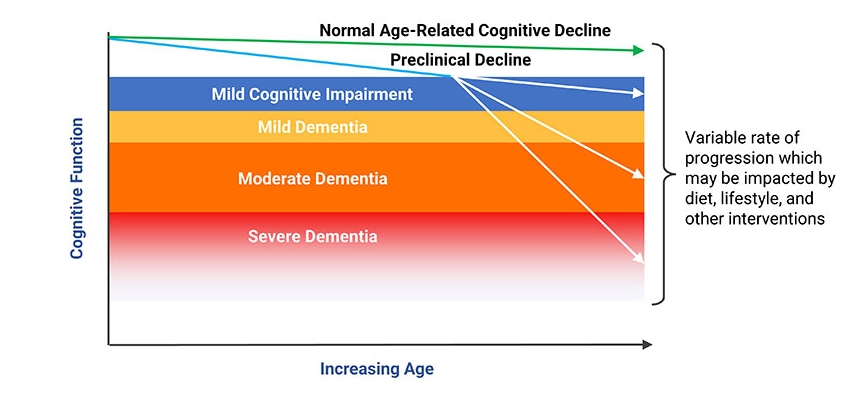
As people grow older, their brains change. Some of these changes are normal, but others can make thinking, remembering, and learning harder.
How Does Cognitive Decline Happen?
The brain is made up of billions of cells called neurons. These cells connect with each other to help us think, remember, move, and feel. Over time, neurons can become damaged or die. The connections between them (called synapses) may weaken. This makes it harder for the brain to send messages quickly and accurately.
This process is slow for most people. You may not notice any problems until your 60s or 70s. However, for some, these changes can start earlier and progress faster. Poor blood flow, chronic health problems, and even long-term stress can speed up the loss of neurons and connections.
Many people think memory loss is the only sign of cognitive decline, but it also affects attention, decision-making, and problem-solving. For example, you might find it harder to learn a new technology, follow a recipe, or remember directions.
Common Signs Of Cognitive Decline
- Trouble remembering names or dates
- Difficulty finding words when speaking
- Losing focus in conversations
- Slower problem-solving
- Making more mistakes when doing routine tasks
- Forgetting where you put things
These signs can appear slowly, making them easy to ignore at first. You might brush off missing an appointment or repeating a story as just “getting older. ” But over time, these lapses can add up. Some people also become more irritable, anxious, or withdrawn because they feel embarrassed by their forgetfulness.
Some people experience mild symptoms. Others develop serious conditions like dementia or Alzheimer’s disease. According to the World Health Organization, more than 55 million people worldwide have dementia, and this number is growing fast.
What Causes Cognitive Decline?
There are many reasons why the brain changes with age:
- Reduced blood flow: Less oxygen and nutrients reach the brain.
- Inflammation: Chronic inflammation damages neurons.
- Oxidative stress: Harmful molecules called free radicals damage cells.
- Loss of growth factors: The brain produces fewer chemicals that help neurons grow and stay healthy.
- Protein buildup: Abnormal proteins may collect in the brain, disrupting normal function.
- Genetics and lifestyle: Some people are more at risk due to their genes, diet, sleep habits, or lack of activity.
It’s important to know that lifestyle choices can make a big difference. Smoking, heavy drinking, chronic stress, and a diet high in processed foods all speed up brain aging. On the other hand, regular exercise, a healthy diet, and good sleep can slow decline—even if you have a family history of dementia.
Not everyone will experience severe decline, but these factors play a big role in how the brain ages.
Lion’s Mane Mushroom: Nature’s Brain Protector
Lion’s Mane mushroom is not just a food; it’s a natural medicine. It grows in North America, Europe, and Asia, often on dead hardwood trees. Its white, fluffy appearance looks like a lion’s mane—hence the name.
What makes Lion’s Mane special is not just its look, but also its taste and versatility. It’s sometimes called “the smart mushroom” or “nature’s nutrient for the brain. ”
Key Compounds In Lion’s Mane
Lion’s Mane contains two main groups of bioactive compounds:
- Hericenones (found in the fruiting body)
- Erinacines (found in the mycelium)
These compounds are unique because they can cross the blood-brain barrier—meaning they enter the brain and affect its cells directly.
Most herbs and mushrooms cannot pass this barrier, so their effects are limited. Lion’s Mane’s ability to reach the brain is what makes it so interesting to scientists studying memory and aging.
Traditional Uses
In ancient China and Japan, Lion’s Mane was used to treat:
- Digestive problems
- Weakness and fatigue
- Memory loss
- Nerve injuries
People believed it supported “Qi”—the body’s vital energy.
Monks sometimes used Lion’s Mane tea to help with meditation and focus. It was considered a rare and valuable medicine, often reserved for royalty or the elderly.

Credit: www.amazon.com
How Lion’s Mane Protects The Brain
Modern science is starting to explain why Lion’s Mane has such a strong reputation. It doesn’t just boost memory; it helps the brain in several ways.
1. Stimulating Nerve Growth Factor (ngf)
The most important benefit of Lion’s Mane is its ability to increase nerve growth factor (NGF). NGF is a protein that helps neurons grow, survive, and make new connections.
Why Ngf Matters
When NGF levels drop, neurons can become weak or die. This leads to memory problems and slower thinking. By boosting NGF, Lion’s Mane helps:
- Repair damaged neurons
- Form new synapses (connections)
- Protect against diseases like Alzheimer’s
In a 2015 study, researchers found that erinacines from Lion’s Mane increased NGF in mouse brains, improving learning and memory.
NGF is also important for brain repair after injury. For example, after a minor stroke or concussion, higher NGF levels can speed up healing and support recovery.
2. Reducing Inflammation In The Brain
Chronic inflammation is a main cause of cognitive decline. It damages neurons and makes the brain less efficient.
Lion’s Mane contains antioxidants and anti-inflammatory compounds. These block harmful molecules (like cytokines) and protect brain cells.
Evidence From Studies
In a 2019 experiment, elderly mice given Lion’s Mane showed less brain inflammation and better cognitive performance than untreated mice. They learned tasks faster and made fewer mistakes.
Inflammation can come from many sources: infections, stress, poor diet, and even lack of sleep. Lion’s Mane helps the brain deal with these stressors, lowering the risk of long-term damage.
3. Fighting Oxidative Stress
Oxidative stress happens when free radicals attack cells. Over time, this damages DNA, proteins, and membranes—especially in the brain.
Lion’s Mane is rich in antioxidants. These molecules neutralize free radicals and help repair damage.
Data From Research
One study published in 2012 found that Lion’s Mane extract improved antioxidant activity in aged rats, reducing memory loss and improving learning.
Oxidative stress is not just about aging; it also increases after head injuries, exposure to pollution, or during chronic illness. By fighting these effects, Lion’s Mane supports long-term brain health.
4. Preventing Protein Buildup
In Alzheimer’s disease, abnormal proteins (like amyloid-beta) build up in the brain. They block communication between neurons and kill cells.
Researchers discovered that Lion’s Mane can prevent or reduce amyloid-beta plaques. In a 2016 study, mice treated with Lion’s Mane had fewer plaques and better memory.
This is important because amyloid plaques are one of the main reasons why Alzheimer’s patients lose memory and ability to think clearly.
5. Supporting Neuroplasticity
Neuroplasticity is the brain’s ability to change, adapt, and grow new connections. This is key for learning, memory, and recovery after injury.
Lion’s Mane boosts neuroplasticity by increasing NGF and supporting healthy neuron growth. Older adults may benefit most, as their brains become less flexible with age.
For example, learning a new language or skill in your 60s is possible if your brain remains adaptable. Lion’s Mane helps keep these pathways open and active.
6. Improving Mood And Mental Clarity
Many older adults feel anxious or depressed as they lose mental abilities. Lion’s Mane helps balance mood by reducing inflammation and supporting healthy brain chemistry.
In a 2010 study, women given Lion’s Mane cookies for four weeks reported less anxiety and depression than those given placebo cookies.
Better mood means more social activity, which itself protects against decline. Some users also report sharper focus and creativity when taking Lion’s Mane.
7. Protecting Against Neurodegenerative Diseases
Lion’s Mane is being studied for its effects on Alzheimer’s, Parkinson’s, and other brain diseases. While more research is needed, early results are promising.
Table: Lion’s Mane Effects On Brain Health
| Benefit | Mechanism | Study Evidence |
|---|---|---|
| Boosts NGF | Stimulates neuron growth and repair | Mouse studies, human trials |
| Reduces inflammation | Blocks harmful cytokines | Animal studies |
| Fights oxidative stress | Provides antioxidants | Rat studies |
| Prevents protein buildup | Reduces amyloid-beta plaques | Mouse studies |
| Supports neuroplasticity | Enhances synaptic connections | Lab studies |
| Improves mood | Balances brain chemistry | Human studies |
| Protects against diseases | Slows neurodegeneration | Early research |
Lion’s Mane Vs. Other Brain Supplements
Many products claim to support brain health. How does Lion’s Mane compare to popular supplements like ginkgo biloba, bacopa monnieri, or omega-3 fatty acids?
Table: Brain Supplement Comparison
| Supplement | Main Benefit | Unique Feature | Side Effects |
|---|---|---|---|
| Lion’s Mane | Boosts NGF, neuroprotection | Stimulates nerve growth | Rare, mild digestive upset |
| Ginkgo Biloba | Improves blood flow | Antioxidant-rich | Headaches, dizziness |
| Bacopa Monnieri | Enhances memory | Supports neurotransmitters | Stomach cramps |
| Omega-3 Fatty Acids | Reduces inflammation | Supports cell membranes | Fishy aftertaste |
| Resveratrol | Protects against aging | Found in grapes | Rare, mild digestive upset |
Lion’s Mane stands out because it directly stimulates nerve growth. Other supplements work indirectly, by improving blood flow or reducing inflammation.
Another difference is that Lion’s Mane is well-tolerated by most people, even at higher doses. Many brain supplements can interact with medications or cause side effects such as headaches, insomnia, or digestive upset. Lion’s Mane’s safety profile makes it a good choice for older adults and those sensitive to other herbs.
Credit: www.villagejuicery.com
Scientific Evidence: Lion’s Mane And Cognitive Decline
Many studies have explored the effects of Lion’s Mane on brain health. Here are some key findings:
Human Studies
- In a 2009 Japanese study, adults aged 50-80 with mild cognitive impairment took Lion’s Mane daily for 16 weeks. Their scores on memory tests improved significantly compared to placebo.
- Participants stopped taking Lion’s Mane, and their scores dropped again. This shows the effect is real but needs continued use.
Other small human studies have found similar results, showing benefits for focus, clarity, and even sleep quality. While most studies are short-term, the positive results suggest Lion’s Mane is effective when used consistently.
Animal Studies
- Mice given Lion’s Mane extract showed better learning and memory in maze tests.
- Rats exposed to amyloid-beta (to mimic Alzheimer’s) had less brain damage when treated with Lion’s Mane.
Animal studies also show that Lion’s Mane can repair nerve damage after injury. For example, rats with crushed nerves recovered faster and regained movement when given Lion’s Mane.
Laboratory Research
- Hericenones and erinacines boosted NGF production in cultured cells.
- Lion’s Mane extracts protected neurons from oxidative stress and inflammation.
Cell studies help scientists understand exactly how Lion’s Mane works. By observing brain cells in the lab, they see faster growth, better survival, and stronger connections with Lion’s Mane compounds present.
Real-world Examples
- Some older adults report clearer thinking, better memory, and improved mood after using Lion’s Mane for several months.
- Healthcare professionals in Japan and Korea use Lion’s Mane extracts to support patients with early dementia.
In practice, Lion’s Mane is often combined with other therapies, such as physical exercise or memory training, for even better results.
Table: Key Study Results
| Study | Participants/Subjects | Duration | Outcome |
|---|---|---|---|
| Japanese human trial (2009) | Adults, age 50-80 | 16 weeks | Improved memory scores |
| Mouse maze study (2015) | Mice | 8 weeks | Better learning, less inflammation |
| Cell culture experiment (2012) | Neural cells | Lab study | Increased NGF production |
| Rat Alzheimer’s model (2016) | Rats | 12 weeks | Less amyloid-beta, improved cognition |
How To Use Lion’s Mane For Brain Health
If you want to protect your brain, adding Lion’s Mane to your daily routine is simple. Here’s how to do it safely and effectively.
Choosing The Right Product
Lion’s Mane is available in several forms:
- Powder: Mix into smoothies, coffee, or food.
- Capsules: Easy to take, measured dose.
- Extracts: Concentrated liquid drops.
- Fresh mushrooms: Cook like any edible mushroom.
Look for products with both hericenones and erinacines. Some brands use only the fruiting body; others include the mycelium for full benefits.
If you’re new to mushrooms, starting with capsules is easiest—they offer consistent dosing and are tasteless. For those who enjoy cooking, fresh Lion’s Mane has a mild, seafood-like flavor and can be sautéed, grilled, or added to soups.
Tips For Buying
- Select reputable brands with third-party testing.
- Avoid fillers and artificial additives.
- Check for organic certification.
A reputable supplement should clearly state the amount of active compounds (like polysaccharides or beta-glucans). Avoid “proprietary blends” where ingredients are not listed by amount.
Dosage Guidelines
Most studies use doses between 500 mg and 3,000 mg per day. Start with a low dose and increase gradually. For older adults, 1,000 mg daily is common.
Some people split the dose into two servings (morning and afternoon) for steady effects. If using fresh mushrooms, a serving size is about 50-100 grams, cooked.
How Long To Take Lion’s Mane
Effects build slowly. People notice improved memory, focus, and mood after 4-8 weeks. Continued use is needed for lasting benefits.
For nerve healing or cognitive support, most experts suggest at least 3 months of daily use. After that, you can lower the dose or take breaks as needed.
Practical Advice
- Take Lion’s Mane in the morning for best results.
- Combine with a healthy diet, regular exercise, and good sleep.
- If you take medication or have allergies, consult a doctor before starting.
Try keeping a journal to track changes in memory, mood, or focus. This helps you see progress and decide if Lion’s Mane is right for you.
Common Mistakes
Many beginners make errors when using Lion’s Mane:
- Taking too high a dose at first, causing stomach upset.
- Choosing low-quality products without active compounds.
- Stopping use too early and losing benefits.
- Forgetting to combine Lion’s Mane with other healthy habits.
Another mistake is expecting instant results. Like most natural supplements, Lion’s Mane works slowly and needs time to build up in the body.
Non-obvious Insights For Beginners
Lion’s Mane can do more than just support memory. Here are two things beginners often miss:
- Nerve regeneration: Lion’s Mane may help repair nerves after injury. People with peripheral nerve damage or neuropathy sometimes see improvement.
- Synergy with other mushrooms: Combining Lion’s Mane with Cordyceps or Reishi may boost overall brain health and immunity.
Beyond these, Lion’s Mane can also support gut health. A healthy gut helps produce brain chemicals like serotonin, which affect mood and focus. Some users find their digestion improves with regular use, which may further boost mental clarity.
Many people focus only on memory, but Lion’s Mane also supports mood, sleep, and nerve healing.
Who Should Use Lion’s Mane?
Lion’s Mane is safe for most adults. It’s especially helpful for:
- People over 50 worried about memory loss
- Those with mild cognitive impairment
- Anyone recovering from nerve injury
- People with early symptoms of Alzheimer’s or Parkinson’s
Younger people may use Lion’s Mane for focus and mental clarity. Students, professionals, and athletes sometimes take it for performance.
People in high-stress jobs or those who often feel mentally tired may also benefit. Lion’s Mane is gentle enough for long-term use, making it a good choice for prevention as well as support.
Who Should Avoid Lion’s Mane?
A few groups should be careful:
- People with mushroom allergies
- Pregnant or breastfeeding women (not enough research)
- Those on blood-thinning medication (Lion’s Mane may affect clotting)
If unsure, ask a healthcare provider.
For those with autoimmune diseases, check with your doctor before use. While rare, any supplement can interact with specific medical conditions.
Real-life Experiences: Stories From Users
Many people share their experiences using Lion’s Mane for brain health:
- A 62-year-old woman noticed her memory improved after six weeks. She remembered names, appointments, and felt more confident.
- A man recovering from a mild stroke used Lion’s Mane, reporting faster recovery and improved speech.
- Seniors in retirement homes were given Lion’s Mane tea daily. Staff noticed fewer mood swings, clearer conversations, and better participation in activities.
Some people have reported vivid dreams or deeper sleep while taking Lion’s Mane. Others say their “brain fog” lifts and they feel more present during the day.
Not everyone sees the same results, but the stories highlight Lion’s Mane’s real-world impact.
Combining Lion’s Mane With Lifestyle Changes
Lion’s Mane works best as part of a healthy lifestyle. Here’s how to maximize its effects:
Diet
Eat foods rich in antioxidants, such as berries, leafy greens, and nuts. Avoid processed foods and excess sugar.
Including healthy fats from olive oil, avocado, and fish can also support brain function. These fats help build cell membranes and improve communication between neurons.
Exercise
Regular physical activity boosts blood flow to the brain and supports neuroplasticity. Walking, swimming, or yoga are good choices.
Try to include both aerobic exercise (like brisk walking) and activities that challenge coordination (like dancing or tai chi).
Sleep
Quality sleep is vital for memory and mood. Aim for 7-8 hours per night.
A good sleep routine can make Lion’s Mane’s effects more noticeable. Avoid screens before bed and try relaxing activities, such as reading or gentle stretching.
Mental Activities
Keep the brain active with puzzles, reading, or learning new skills. Social interaction also helps.
Even simple changes, like taking a new route to the store or learning a song, can build new brain connections.
Mindfulness
Stress damages the brain. Practice meditation, deep breathing, or gentle stretching to reduce anxiety.
Mindfulness helps lower inflammation and supports the benefits of Lion’s Mane. Even five minutes of quiet breathing can help reset your mind.
Combining these habits with Lion’s Mane creates a powerful defense against cognitive decline.
Safety And Side Effects
Lion’s Mane is generally safe, but some people experience mild side effects:
- Stomach upset or nausea
- Allergic reactions (rare)
- Skin rash (very rare)
To minimize risks:
- Start with a low dose
- Choose high-quality products
- Watch for allergic symptoms
If you notice any new symptoms, stop use and talk to a doctor. Lion’s Mane is less likely to cause problems than many synthetic supplements, but it’s still wise to be cautious, especially if you have other health conditions.
No serious side effects have been reported in studies. Lion’s Mane is safer than many synthetic supplements.
What To Expect: Timeline And Results
Lion’s Mane does not work instantly. Most people notice:
- After 2-4 weeks: Improved focus, clearer thinking
- After 6-8 weeks: Better memory, mood, confidence
- After 3-6 months: Lasting effects, slower cognitive decline
Some people feel subtle improvements at first, such as feeling more alert in the morning or less forgetful during routine tasks. Over time, these small changes add up. If you combine Lion’s Mane with other healthy habits, you may notice stronger results.
Results depend on age, health, and lifestyle. Some people feel benefits sooner; others take longer.
Myths And Misconceptions
Some myths surround Lion’s Mane:
- “Lion’s Mane cures Alzheimer’s.” No supplement can cure Alzheimer’s. Lion’s Mane may slow symptoms, but it’s not a cure.
- “All Lion’s Mane products are equal.” Quality varies greatly. Only products with active compounds and no fillers deliver results.
- “One dose is enough.” Lion’s Mane works best with consistent, long-term use.
Another myth is that Lion’s Mane is only for older adults. In truth, people of all ages use it for learning, creativity, and general brain health.
Understanding these truths helps avoid disappointment and wasted money.
Research Gaps And Future Potential
While Lion’s Mane shows strong promise, more research is needed:
- Large human trials to confirm effects
- Studies on long-term safety
- Understanding synergy with other supplements
Scientists are excited about Lion’s Mane’s potential. New research may reveal even more ways it protects the brain.
In the future, we may see Lion’s Mane used alongside traditional treatments for dementia, or as part of recovery plans after brain injury. Its ability to repair nerves could help many conditions, not just age-related decline.
If you want to read more about ongoing studies and Lion’s Mane’s future role in medicine, visit Wikipedia.
Frequently Asked Questions
What Is Lion’s Mane Mushroom?
Lion’s Mane is a white, shaggy mushroom that grows on hardwood trees. It contains compounds that support brain health, nerve growth, and mental clarity.
How Does Lion’s Mane Help With Cognitive Decline?
Lion’s Mane increases nerve growth factor, reduces inflammation, fights oxidative stress, and prevents protein buildup in the brain. These actions help protect neurons and improve memory.
Is Lion’s Mane Safe For Older Adults?
Yes, Lion’s Mane is safe for most people over 50. It rarely causes side effects and is used in clinical studies for seniors with mild cognitive impairment.
How Long Does It Take To See Results With Lion’s Mane?
Most people notice improved focus and mood after 2-4 weeks. Memory and clarity improve within 6-8 weeks. Consistent use is needed for lasting benefits.
Can Lion’s Mane Be Combined With Other Supplements?
Yes, Lion’s Mane works well with antioxidants, omega-3 fatty acids, and other brain-supporting supplements. Always check for interactions and consult a healthcare provider if needed.
Final Thoughts
Age-related cognitive decline affects millions of people, bringing real challenges to daily life. But nature offers powerful tools for protection—and Lion’s Mane mushroom is one of the most promising. With its ability to boost nerve growth, reduce inflammation, and fight damage, Lion’s Mane stands out among brain supplements.
Scientific studies, real-world experiences, and centuries of traditional use all point to its benefits. When combined with healthy habits, Lion’s Mane can help you maintain mental clarity, memory, and confidence as you age. If you’re serious about brain health, consider making Lion’s Mane part of your routine—and give your mind the support it deserves.
Credit: www.lifeextension.com