
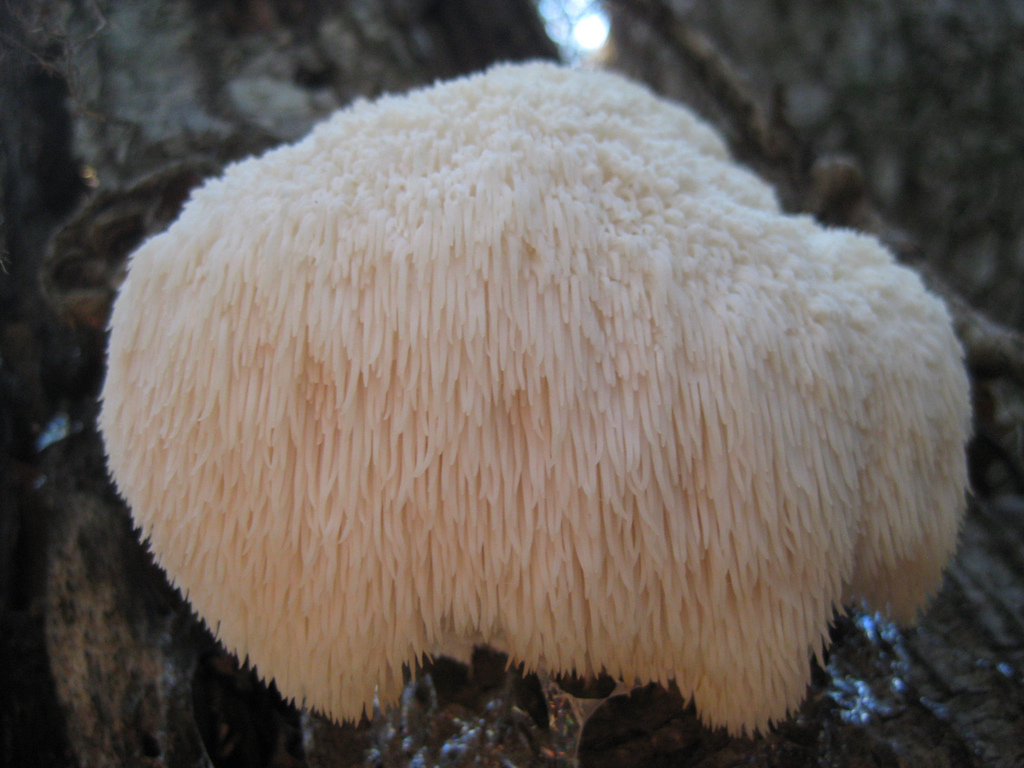
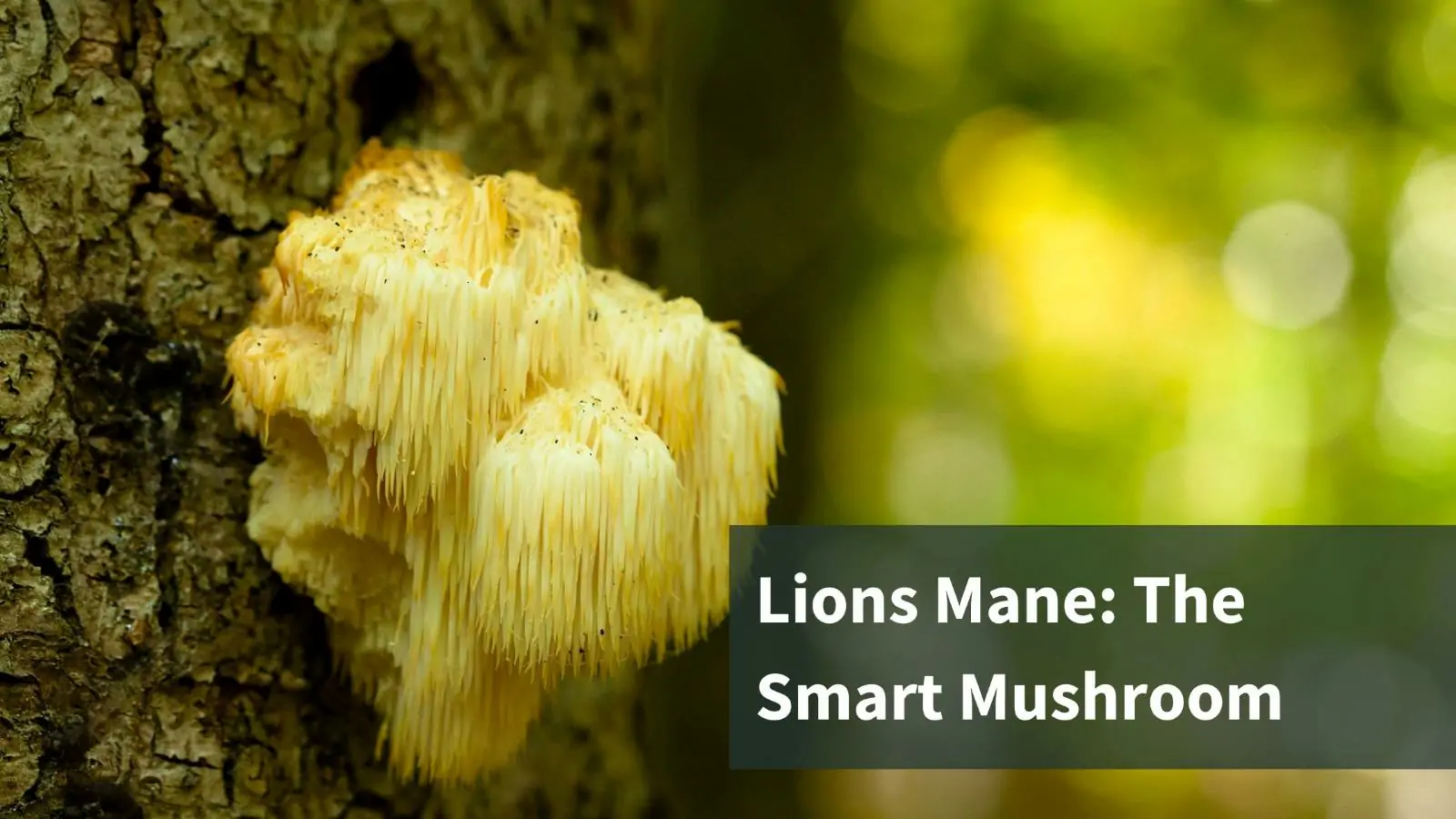
Lion’s Mane mushroom, with its unique white, shaggy appearance, has become a buzzword among Japanese scientists, health enthusiasts, and even students looking for a mental boost. Called the “Smart Mushroom” by many researchers in Japan, this humble fungus is much more than just an ingredient in a soup or a supplement on a shelf. But what makes Lion’s Mane so special? Why do Japanese researchers give it such a powerful nickname? Let’s explore the science, history, and surprising facts that have made Lion’s Mane a rising star in the world of brain health.
The Rise Of Lion’s Mane In Japan
Japan has a long history of using mushrooms for both food and medicine. Lion’s Mane, known locally as Yamabushitake, has been part of Japanese traditional dishes for centuries. It often appears in hot pots, tempura, and as a side dish in Buddhist vegetarian cuisine. Its delicate, seafood-like flavor makes it a favorite ingredient for chefs and home cooks alike. However, it wasn’t until the late 20th century that researchers began to focus on its effects on the brain.
In Japanese culture, there is a strong respect for mental clarity and lifelong learning. Elders are often admired for their wisdom, and maintaining sharp thinking is seen as a lifelong goal. This cultural value pushed scientists to search for natural ways to support cognitive health. They found that Lion’s Mane mushroom contains unique compounds not seen in other mushrooms. These compounds, called hericenones and erinacines, can cross the blood-brain barrier and interact directly with the central nervous system.
As the Japanese population ages, preventing cognitive decline has become a national priority. The government invests in research to help people stay mentally sharp and independent for as long as possible. This is one reason why Lion’s Mane has attracted so much attention in recent years.
Researchers believe it could play a key role in supporting healthy aging.
What Makes Lion’s Mane The “smart Mushroom”?
The nickname “Smart Mushroom” is not just clever marketing. Japanese studies have shown that Lion’s Mane can:
- Support the growth of nerve cells
- Improve memory and focus
- Help with mild cognitive decline
- Reduce symptoms of anxiety and depression
- Aid in nerve repair after injury
What is especially interesting is how Lion’s Mane seems to work in several ways at once. For example, it not only helps the brain make new connections but may also reduce inflammation, which is linked to many brain problems. Japanese researchers noticed these effects both in animal studies and in human clinical trials.
They saw clear improvements in mental function, especially in older adults.
One detail beginners often miss is that Lion’s Mane does not act like a stimulant. You won’t feel a sudden burst of energy like you might with caffeine or sugar. Instead, its effects build slowly, creating a stable improvement in mental clarity and focus.
This makes it appealing to people who want long-term brain support without side effects.

Credit: www.menopausenaturalsolutions.com
The Science Behind Lion’s Mane
Lion’s Mane is special because it contains two groups of compounds that are rare in nature: hericenones (from the fruiting body) and erinacines (from the mycelium). These compounds can increase the production of nerve growth factor (NGF), a protein that is essential for the survival and function of neurons.
How Ngf Impacts The Brain
NGF is like a fertilizer for your brain cells. It helps neurons grow, repair, and connect with each other. When NGF levels are high, your brain is better at forming memories, learning new things, and staying sharp.
Many brain problems, such as Alzheimer’s disease, are connected to low NGF levels. When NGF is lacking, neurons shrink and lose their ability to communicate. This leads to memory loss, confusion, and eventually, serious brain diseases. This is why Japanese researchers got excited when they saw Lion’s Mane could boost NGF production naturally.
But NGF is not just for older adults. Even young people benefit from strong NGF activity. For example, students under stress or professionals working long hours may experience mental fatigue. By supporting NGF, Lion’s Mane can help protect the brain from everyday wear and tear.
Key Research Studies In Japan
One important study in 2009 followed 30 Japanese adults aged 50-80 with mild cognitive impairment. The group who ate Lion’s Mane every day for 16 weeks showed clear improvements in cognitive tests compared to the group who took a placebo.
When they stopped eating the mushroom, their scores went back down—showing the effect was real but needed continued use.
Other studies have looked at Lion’s Mane’s effects on nerve injuries. In animal studies, Japanese scientists found that extracts from the mushroom helped rats recover from nerve damage faster than those who didn’t get the supplement.
A more recent trial in Japan focused on people with mood disorders. The researchers found that after four weeks of Lion’s Mane intake, participants reported feeling less anxious and less irritable. Blood tests showed improved balance in stress-related hormones. This supports the idea that Lion’s Mane may help not only with memory but also with emotional well-being.
Comparing Lion’s Mane With Other Medicinal Mushrooms
Japanese researchers have studied many types of mushrooms, but only Lion’s Mane earned the title of “Smart Mushroom.” Here’s how it compares to other popular medicinal mushrooms:
| Mushroom | Main Benefit | Brain Health Support | Main Active Compound |
|---|---|---|---|
| Lion’s Mane | Cognitive support, nerve growth | Very Strong | Hericenones, Erinacines |
| Reishi | Immune support, stress relief | Moderate | Triterpenes |
| Shiitake | Heart health, immune boost | Low | Lentinan |
| Maitake | Blood sugar control | Low | Grifolan |
Lion’s Mane stands out because no other mushroom has shown such strong results for cognitive function and nerve repair in scientific studies.
Another unique factor is that Lion’s Mane’s main compounds, hericenones and erinacines, can cross the blood-brain barrier. This means they act directly on brain cells, while many other mushroom compounds stay in the digestive system or bloodstream.
How Japanese Researchers Use Lion’s Mane
You might think Lion’s Mane is only used in labs, but in Japan, it’s becoming a regular part of many people’s diets and health routines. Researchers themselves often use Lion’s Mane in these ways:
- Daily Supplements: Capsules or powders, taken with breakfast for a mental boost.
- Traditional Recipes: Added to soups, stir-fries, or teas.
- As a Focus Aid: Used by students and office workers before exams or important meetings.
Some researchers even grow their own Lion’s Mane at home, believing that fresh mushrooms have the strongest effects. In Japan, small kits for growing mushrooms on your kitchen counter are popular. This allows for the freshest possible Lion’s Mane with maximum active compounds.
It’s also common for Japanese families to use Lion’s Mane in family meals for older relatives. Grandchildren may join grandparents for a meal that includes this mushroom, making brain health a shared family goal.
The Role Of Lion’s Mane In Japanese Traditional Medicine
While the modern “smart mushroom” label is recent, Lion’s Mane has deep roots in Japanese Kampo medicine. In ancient times, healers used it to treat stomach problems, ulcers, and general fatigue. They believed it could “calm the spirit” and “sharpen the mind,” long before scientists knew about NGF or brain chemistry.
Yamabushitake was also used by Buddhist monks for meditation. They believed it helped them achieve clearer thinking and a peaceful mind during long meditation sessions. In traditional texts, it is often mentioned as a “mushroom of wisdom. ”
Today, some Japanese doctors combine traditional knowledge with new research. They may suggest Lion’s Mane for older adults worried about memory loss, or for people recovering from nerve injuries.
A modern twist is the use of Lion’s Mane alongside other Kampo herbs. Some practitioners create special blends, combining Lion’s Mane with ginseng or astragalus to support both mind and body. This holistic approach is gaining popularity in integrative medicine clinics across Japan.
Real-world Results: Stories From Japan
Many Japanese seniors, students, and office workers now use Lion’s Mane to improve their mental performance. Here are a few real-life examples:
- Haruko, age 67: After retirement, she worried about memory loss. Her doctor suggested Lion’s Mane tea. After three months, Haruko felt more alert and could remember names and appointments more easily.
- Kenji, university student: Before exams, Kenji took Lion’s Mane capsules instead of energy drinks. He found it easier to focus during long study sessions and felt less stressed.
- Satoshi, office manager: Satoshi added Lion’s Mane to his daily smoothie. He noticed fewer “brain fog” days and could handle complex tasks without feeling overwhelmed.
These stories are not scientific proof, but they show why Lion’s Mane has become so popular in Japan.
Another example comes from a group of elderly people in a Tokyo community center. They joined a “memory club” where they tried Lion’s Mane together for three months. The group reported not only improved memory, but also better sleep and more positive moods.
Their social worker noted that many members seemed more engaged in activities and conversation.
Understanding The Brain Benefits
Lion’s Mane’s “smart mushroom” status comes from more than just tradition or marketing. Let’s look at the main ways it supports the brain:
1. Stimulates Nerve Growth Factor (ngf)
As mentioned earlier, Lion’s Mane is one of the only natural foods that can increase NGF levels. This helps the brain repair itself, form new connections, and stay healthy as we age.
2. Protects Against Brain Aging
Japanese studies show that Lion’s Mane can slow down the loss of neurons that happens with age. This means it may help prevent or delay diseases like Alzheimer’s and dementia. In lab studies, aged mice given Lion’s Mane performed better in memory tests and had healthier brain tissue than those who did not receive the mushroom.
3. Improves Memory And Focus
In both animal and human trials, Lion’s Mane has helped with learning, short-term memory, and mental clarity. For example, adults who took Lion’s Mane scored higher on word recall and attention tasks after several weeks of daily use.
4. Supports Nerve Repair
After injuries like car accidents or surgery, Lion’s Mane may help the body rebuild damaged nerves faster. This is especially important for people with nerve pain or numbness. Some Japanese physical therapists now recommend Lion’s Mane as part of a recovery plan for nerve injuries.
5. Reduces Anxiety And Depression
Some compounds in Lion’s Mane can balance brain chemicals like serotonin and dopamine. Japanese researchers found that people who took Lion’s Mane for four weeks had fewer symptoms of anxiety and depression compared to those who didn’t.
Another detail: Lion’s Mane may help reduce inflammation in the brain, which is linked to mood problems. By calming inflammation, the mushroom supports a more stable and positive mood.
How To Use Lion’s Mane For Best Results
Many people wonder how to get the most from Lion’s Mane. Japanese researchers suggest these tips:
- Use it daily: The benefits build up over time.
- Choose high-quality products: Look for supplements that use both the fruiting body and mycelium.
- Start with a small dose: 500mg to 1000mg per day is common in studies.
- Try cooking with it: Fresh Lion’s Mane has a mild, seafood-like flavor and can be used in many dishes.
It’s also helpful to take Lion’s Mane with food. Some Japanese nutritionists suggest that a little fat (like olive oil or eggs) helps your body absorb the active compounds. For people who don’t like mushrooms, adding powder to a smoothie or soup is an easy way to get the benefits.
Forms Of Lion’s Mane Available In Japan
Lion’s Mane is popular in many forms:
| Form | How It’s Used | Best For |
|---|---|---|
| Fresh Mushroom | Cooked in dishes | Food lovers, chefs |
| Powder | Added to drinks or smoothies | Quick daily use |
| Capsule | Swallowed with water | Travel, convenience |
| Extract | Mixed into tea or water | Maximum potency |
Most researchers prefer the extract or powder for consistent dosing.
Some Japanese supplement companies now offer blends that combine Lion’s Mane with other brain-supporting ingredients, such as ginkgo or B vitamins. These blends are popular among students and busy professionals.
Safety And Side Effects
Lion’s Mane is generally safe for most people. Japanese studies report very few side effects. Some users report:
- Mild stomach discomfort
- Skin rash (rare)
- Loose stool if taken in very high doses
People with mushroom allergies should avoid Lion’s Mane. If you are pregnant, breastfeeding, or have a serious medical condition, check with your doctor first.
A less-known point is that Lion’s Mane can interact with blood-thinning medications. If you take drugs like warfarin, speak with your doctor before trying this mushroom.
Non-obvious Insights Most Beginners Miss
- Fresh vs. Dried Lion’s Mane: Many people do not realize that fresh Lion’s Mane contains higher levels of active compounds. Most supplements use dried or powdered mushrooms, which are easier to store but may have lower potency. For best results, Japanese researchers sometimes recommend eating the fresh mushroom when possible.
- Synergy with Other Foods: Lion’s Mane works even better when combined with other healthy foods. For example, Japanese researchers found that eating Lion’s Mane with green tea can boost its effects. Green tea contains antioxidants that help protect brain cells and may work together with Lion’s Mane’s NGF-boosting compounds.
Another insight: Lion’s Mane may support gut health, which also impacts the brain. Recent Japanese studies found that the mushroom helps balance gut bacteria. A healthy gut produces more brain-friendly chemicals like serotonin. So, Lion’s Mane may help you feel better both mentally and physically.
Credit: www.sciencefriday.com
How Lion’s Mane Is Studied In Japan
Japanese scientists use both animal models and human trials to test Lion’s Mane. They measure:
- Memory and learning skills
- Nerve growth in the brain and spinal cord
- Blood tests for NGF and other brain chemicals
They also use MRI scans to look for changes in brain structure. This careful approach has helped build strong evidence for Lion’s Mane’s benefits.
Japanese research is known for strict standards. Trials often include placebo groups, double-blind design, and careful data collection. This level of detail gives confidence in the results.
One advanced method used in Japan is to study “functional connectivity” in the brain. Researchers look at how different areas of the brain communicate and whether Lion’s Mane helps improve these connections. Early results suggest it does.
Why The “smart Mushroom” Trend Is Spreading
While the nickname started in Japan, the idea of Lion’s Mane as a “smart mushroom” has spread worldwide. Some reasons for this trend:
- Aging populations in many countries want to keep their minds sharp
- More people are interested in natural, plant-based solutions
- Japanese research is respected globally for its high standards
Lion’s Mane is now used by students, professionals, and seniors in many countries—not just Japan.
Another reason is the growing market for “nootropics,” or brain-boosting supplements. Unlike synthetic nootropics, Lion’s Mane is natural and has a long history of safe use. This appeals to people who want results without risk.
Comparing Lion’s Mane To Common Brain Supplements
How does Lion’s Mane compare to popular brain supplements like ginkgo or fish oil? Here’s a quick look:
| Supplement | Main Benefit | Natural NGF Boost | Best Known For |
|---|---|---|---|
| Lion’s Mane | Cognitive support, nerve repair | Yes | NGF stimulation |
| Ginkgo Biloba | Blood flow to the brain | No | Memory support |
| Fish Oil (Omega-3) | Brain cell structure | No | Anti-inflammatory |
| Bacopa Monnieri | Memory improvement | No | Learning speed |
Lion’s Mane is unique because it directly increases nerve growth factor, something most other supplements cannot do.
Another difference is that Lion’s Mane has almost no taste or smell in its powdered form, making it easy to add to food or drinks. Some brain supplements, like fish oil, can leave an aftertaste or cause stomach upset.
Common Mistakes When Using Lion’s Mane
- Expecting Quick Results: Many new users expect to feel smarter overnight. In reality, Lion’s Mane works slowly. Most people notice changes after 2-4 weeks of daily use.
- Choosing Low-Quality Products: Not all supplements are equal. Some brands use only the mycelium (the root-like part) instead of the fruiting body, which has fewer active compounds.
- Ignoring Diet and Lifestyle: Lion’s Mane helps, but it is not magic. For best results, combine it with good sleep, regular exercise, and a healthy diet.
Another mistake is taking Lion’s Mane only when you “feel foggy. ” Consistency matters—the brain needs regular support to grow and repair.
Credit: sunsetlakecbd.com
The Future Of Lion’s Mane Research
Japanese researchers are now looking at new ways Lion’s Mane could help:
- Alzheimer’s prevention: Larger studies are underway to see if Lion’s Mane can prevent or slow down Alzheimer’s disease.
- Mood disorders: Some scientists believe Lion’s Mane could be used as a natural support for depression and anxiety, possibly in combination with other treatments.
- Nerve regeneration: Research is exploring whether Lion’s Mane can help people with nerve injuries recover faster.
Another exciting area is how Lion’s Mane may help with Parkinson’s disease, a condition where certain brain cells die. Early results suggest Lion’s Mane may protect these cells, but more research is needed.
These studies could change how doctors treat brain health in the future. The hope is that Lion’s Mane could become part of standard care for memory loss, nerve injuries, or even as a preventive measure for healthy people.
Practical Tips For Trying Lion’s Mane
If you want to try Lion’s Mane, here’s how to get started, based on Japanese research:
- Pick a trusted brand: Look for third-party testing or brands that show their mushroom source.
- Start small: Take 500mg per day for a week, then slowly increase if needed.
- Be consistent: Take it at the same time every day for best results.
- Watch for changes: Track your focus, memory, and mood in a journal.
- Combine with a healthy routine: Good sleep, balanced meals, and stress management all help Lion’s Mane work better.
For those who cook, try adding fresh Lion’s Mane to stir-fries, miso soup, or omelets. For supplement users, mix the powder into coffee, matcha, or protein shakes.
Where To Find Reliable Information
For those who want to dive deeper, the Japanese Society of Mushroom Science and Biotechnology shares the latest research and safety guidelines. You can also find helpful overviews at Wikipedia.
Frequently Asked Questions
What Is The Main Reason Japanese Researchers Call Lion’s Mane The “smart Mushroom”?
The main reason is its unique ability to boost nerve growth factor (NGF) in the brain. This supports memory, learning, and nerve repair, which is why it earned the nickname “Smart Mushroom” in Japanese scientific circles.
How Long Does It Take To See Results From Lion’s Mane?
Most studies show noticeable benefits after 2 to 4 weeks of daily use. The effects build slowly, so patience and consistency are important.
Is Lion’s Mane Safe For Everyone?
Lion’s Mane is safe for most people. However, those with mushroom allergies, pregnant or breastfeeding women, and people with serious medical conditions should consult a doctor before starting.
Can Lion’s Mane Help With Anxiety And Depression?
Yes, several Japanese studies found that Lion’s Mane can reduce anxiety and depression symptoms, likely by balancing brain chemicals and supporting nerve health.
What Is The Best Way To Take Lion’s Mane?
Japanese researchers suggest extracts or powders for strong effects, but fresh Lion’s Mane used in cooking is also effective. The key is daily use and choosing a high-quality product.
Lion’s Mane has earned its title as the “Smart Mushroom” not just through tradition but by strong scientific research, especially in Japan. It offers unique brain benefits that other mushrooms and supplements cannot match. Whether you are a student, a professional, or just want to keep your mind sharp as you age, Lion’s Mane is worth considering as part of your daily routine.
With careful use and a healthy lifestyle, you can enjoy the cognitive support that has impressed Japanese researchers for decades.