
The connection between our gut and immune system is one of the most fascinating discoveries in modern health science. Many people are surprised to learn that up to 70% of the immune system is located in the gut. A healthy gut can mean a strong defense against disease, while a weak gut often leads to health problems. Among natural foods and supplements, turkey tail mushroom stands out as a powerful prebiotic that can support both gut health and immunity. But why is turkey tail often called nature’s best prebiotic, and what makes it special compared to other options? Let’s explore the science behind the gut-immune connection, and see why turkey tail deserves its growing reputation.
The Gut-immune Axis: How Gut Health Controls Immunity
The human gut is more than just a place where food is digested. It is home to trillions of bacteria, viruses, and fungi that make up the gut microbiome. This community of microbes helps digest food, make vitamins, and most importantly, train and control the immune system. When the gut microbiome is balanced, it keeps harmful bacteria away and supports a strong immune response.
But when this balance is lost, the immune system can become confused. This may lead to infections, allergies, and even autoimmune diseases. Scientists now believe that the health of the gut microbiome is a major factor in conditions like asthma, diabetes, obesity, and inflammatory bowel disease.
The gut and immune system are in constant communication. When you eat food, not only does your body absorb nutrients, but it also interacts with the millions of microbes living in your digestive tract. These microbes produce signals that help immune cells understand what is dangerous and what is not.
For example, if the gut bacteria are healthy and balanced, the immune system knows not to overreact to harmless foods or pollen. But if the gut is unhealthy, the immune system may start attacking things it shouldn’t, which leads to allergies or chronic inflammation.
Why The Gut And Immunity Are Linked
- Physical Barrier: The gut lining acts as a shield, stopping harmful substances from entering the bloodstream. If this barrier is damaged (a condition called “leaky gut”), toxins and bacteria can escape into the body and trigger immune reactions. This is why keeping the gut lining strong is so important for overall health.
- Immune Cells: Special immune cells in the gut identify and attack dangerous invaders. In fact, more immune cells are found here than anywhere else in the body. These cells watch for threats and help build tolerance to safe substances.
- Microbial Signals: Good bacteria send signals to immune cells, teaching them what to ignore and what to attack. For example, some bacteria produce short-chain fatty acids that reduce inflammation, while others help control the production of antibodies.
A simple example: When a person takes antibiotics, many good bacteria are killed. This often leads to stomach problems, but also a higher risk of infections. This shows how deeply the gut and immune system are connected.
Another less obvious example is how stress can affect the gut. When you are under stress, your body produces hormones that can change the composition of gut bacteria. This, in turn, can weaken your immune defenses, making you more likely to get sick.
So, both diet and lifestyle have a major impact on the gut-immune axis.
What Are Prebiotics And Why Do They Matter?
Many people have heard of probiotics—these are live bacteria that add to the gut microbiome. But prebiotics are just as important. Prebiotics are special plant fibers that feed the good bacteria already living in your gut. Think of them as “fertilizer” for your healthy microbes.
Without enough prebiotics, even the best probiotics will not survive or grow. This is why experts now recommend eating more prebiotic-rich foods to support a healthy gut environment. Prebiotics can be found in foods like onions, garlic, asparagus, and certain mushrooms, but not all fibers have the same effect.
Key Benefits Of Prebiotics
- Increase good bacteria: Prebiotics help friendly bacteria like Bifidobacteria and Lactobacilli grow. These bacteria are linked to better digestion, less inflammation, and stronger immunity.
- Reduce harmful bacteria: By making the environment better for good microbes, prebiotics push out dangerous bacteria. This can lower the risk of infections and reduce problems like diarrhea.
- Boost immune function: A strong population of good bacteria helps the immune system respond quickly to threats. Some studies show that prebiotics can reduce the length and severity of colds and other infections.
- Improve digestion: Prebiotics can reduce bloating, constipation, and other stomach issues. By feeding the right bacteria, they support regular bowel movements and better nutrient absorption.
Not all fibers are prebiotics. Only certain types, like inulin, fructooligosaccharides (FOS), and beta-glucans, have the power to change the gut microbiome in a healthy way.
Two Insights Beginners Often Miss
First, most people do not realize that taking prebiotics may cause mild digestive changes at first, such as gas or mild cramping. This usually means the gut bacteria are adjusting and is often a sign of positive change. Second, variety matters.
Eating different types of prebiotics can lead to a more diverse and resilient gut microbiome, which is linked to better long-term health.

Credit: www.amazon.com
Turkey Tail Mushroom: Nature’s Top Prebiotic
Among all natural sources, turkey tail mushroom (Trametes versicolor) has caught the attention of scientists and health experts. This colorful mushroom, named for its striped pattern, has been used in traditional Asian medicine for centuries. Modern research now shows that turkey tail is a rare example of a food that is both a strong prebiotic and an immune booster.
One reason turkey tail is so effective is that its fibers are highly resistant to digestion. This means they reach the colon intact, where they can do the most good. Unlike many other plant fibers that are broken down in the stomach or small intestine, turkey tail’s unique compounds make it all the way to the large intestine, which is the main home of the gut microbiome.
Unique Components Of Turkey Tail
Turkey tail is rich in special compounds called polysaccharides, especially polysaccharide-K (PSK) and polysaccharide peptide (PSP). These are not found in most other mushrooms or foods. They act as powerful prebiotics and have extra immune benefits.
Other key nutrients in turkey tail:
- Beta-glucans: Support gut health and immunity by stimulating immune cells and feeding good bacteria
- Antioxidants: Fight cell damage and help the body recover from stress or illness
- Sterols: Lower cholesterol and support heart health
Another unique aspect of turkey tail is that its polysaccharides are “branched. ” This structure makes them especially good at interacting with immune cells and feeding the right types of bacteria. For example, PSK and PSP can help immune cells produce more cytokines—proteins that coordinate the immune response.
How Turkey Tail Compares To Other Prebiotics
Here’s a comparison of turkey tail with common prebiotic sources:
| Source | Main Prebiotic Compounds | Unique Benefits |
|---|---|---|
| Turkey Tail Mushroom | Beta-glucans, PSK, PSP | Immune modulation, gut microbiome balance |
| Inulin (Chicory root) | Inulin | Digestive health, appetite control |
| Banana (unripe) | Resistant starch | Colon health, gradual energy release |
| Garlic | Fructooligosaccharides (FOS) | Gut health, heart health |
Turkey tail stands out because it is both a prebiotic and a source of unique immune-supporting molecules.
It’s important to mention that while inulin and FOS are good for gut health, they can cause discomfort in some people, especially those with sensitive digestion (such as people with IBS). Turkey tail’s fibers are generally better tolerated, making them a gentler option for many.
Scientific Evidence: How Turkey Tail Supports Gut And Immune Health
Many studies have looked at how turkey tail affects human health. The results are impressive. Here are some highlights from research:
1. Gut Microbiome Enhancement
A 2014 study published in the journal *ISME* found that turkey tail polysaccharides increased the growth of Bifidobacterium and Lactobacillus—two of the most important good bacteria in the gut. After just 8 weeks, people taking turkey tail extract had much higher levels of these helpful microbes.
This growth of good bacteria does more than just help digestion. It also strengthens the gut barrier, reduces harmful bacteria like E. coli, and supports the body’s ability to absorb nutrients. Over time, these changes can lead to improved energy, better mood, and even healthier skin.
2. Immune System Activation
PSK and PSP, found only in turkey tail, have been shown to activate natural killer cells and other immune cells. This means your body is better able to fight viruses and even cancer cells. In Japan, PSK is used as a medicine alongside chemotherapy for cancer patients.
This immune-boosting effect is not only important for fighting serious diseases. It also helps the body respond more quickly to everyday infections like the flu or colds. People with strong immune systems tend to recover faster and get sick less often.
3. Reducing Inflammation
Unhealthy gut bacteria can cause chronic inflammation. Turkey tail’s beta-glucans help lower this inflammation, protecting against diseases like colitis and Crohn’s disease.
Chronic inflammation is linked to many modern diseases, including heart disease and type 2 diabetes. By calming inflammation, turkey tail may help lower the risk of these problems and support overall wellness.
4. Antioxidant Protection
Turkey tail is packed with antioxidants that protect cells from damage. This helps the immune system work better and slows the aging process.
Antioxidants are especially important in today’s world because we are exposed to more pollution and stress than ever before. By reducing oxidative stress, turkey tail supports healthy aging and may even reduce the risk of some cancers.
Key Study Results
| Study | Participants | Main Result |
|---|---|---|
| 2014 ISME Journal | 20 healthy adults | Increased good bacteria after 8 weeks of turkey tail extract |
| Japanese Clinical Trials | Cancer patients | PSK improved survival rates when combined with chemotherapy |
| Animal Study, 2019 | Mice with colitis | Turkey tail reduced gut inflammation and improved symptoms |
These findings show that turkey tail is more than just a food—it is a true functional medicine.
Another insight that many miss is that turkey tail’s benefits can be long-lasting, even after stopping supplementation. Some studies show improved gut bacteria for weeks after finishing a course of turkey tail extract.

Credit: lykyn.com
How Turkey Tail Works As A Prebiotic
Turkey tail’s prebiotic power comes from its special fiber molecules, especially beta-glucans. These fibers are not digested in the stomach. Instead, they travel to the colon, where they become food for good bacteria. As these bacteria digest beta-glucans, they produce short-chain fatty acids (SCFAs) like butyrate. These SCFAs:
- Feed the cells lining the gut
- Lower inflammation
- Strengthen the gut barrier
This process is called selective fermentation. It means turkey tail only feeds the good bacteria, not the harmful ones. This is different from many other fibers, which can sometimes feed both.
Why Is This Selectivity Important?
If a prebiotic feeds harmful bacteria, it can make problems like gas, bloating, or infections worse. Turkey tail’s unique fibers avoid this problem, making it a safer choice for people with sensitive stomachs.
For example, people with IBS or other digestive issues often cannot tolerate inulin or FOS. But many can use turkey tail without discomfort. This makes it a good “starter” prebiotic for those with delicate digestion.
Another point is that the SCFAs produced by turkey tail’s fermentation do more than just feed the gut cells. They also travel through the body and can reduce inflammation in distant organs, including the brain. This may explain why some people feel better mood and mental clarity after regular use.
Extra Immune Support: Beyond Regular Prebiotics
Turkey tail does more than just feed your gut bacteria. Its PSK and PSP compounds directly stimulate the immune system. They help immune cells find and destroy viruses, bacteria, and even cancer cells. This is why turkey tail is used in hospitals in some countries.
Other prebiotics, like inulin or FOS, do not have these extra immune benefits. This makes turkey tail unique among natural supplements.
Turkey Tail And Cancer Therapy
One of the most exciting uses for turkey tail is as a support for cancer treatment. In Japan and China, doctors use PSK from turkey tail alongside chemotherapy. Studies show that patients have better survival rates and fewer side effects.
This does not mean turkey tail can cure cancer on its own. But it shows how powerful the gut-immune connection can be.
Another non-obvious insight is that turkey tail can help the body recover from the damage caused by strong medicines, such as antibiotics or chemotherapy. Its unique fibers help restore the gut lining and bring back healthy bacteria after these treatments.
Other Health Benefits Of Turkey Tail
Turkey tail is best known for gut and immune support, but it also has other health benefits:
- Antiviral effects: Can help the body fight viruses like HPV and herpes
- Blood sugar control: May lower the risk of diabetes by improving insulin sensitivity
- Cholesterol reduction: Helps keep heart and blood vessels healthy by lowering bad cholesterol
- Antioxidant support: Reduces damage from stress and pollution
People who use turkey tail often say they feel more energy, fewer colds, and better digestion.
Some people also report better focus, improved sleep, and less joint pain. While these effects are not guaranteed for everyone, they show how wide-ranging the benefits of a healthy gut can be.
How To Use Turkey Tail As A Prebiotic
Turkey tail can be taken in several forms. It is not usually eaten as a fresh mushroom, since it is tough and woody. The most common options are:
- Powder: Dried and ground turkey tail, easy to add to smoothies or coffee. Some people also mix it into yogurt or oatmeal.
- Capsules: Simple and tasteless, good for travel and for those who dislike the taste of mushrooms.
- Extracts: Liquid form, often more concentrated. These can be added to drinks or taken directly.
How Much To Take
Most studies use between 2 and 3 grams per day of turkey tail extract. For general health, 1–2 grams daily is usually enough. It is best to start with a small dose and increase slowly.
For people with specific health goals, such as recovering from antibiotics or supporting cancer treatment, higher doses may be recommended by a healthcare provider. Always read labels carefully, as extract strengths can vary.
When To Take It
Turkey tail can be taken with or without food. Some people prefer morning for an energy boost, others take it at night for immune repair.
If you are using it to support digestion, taking it with a meal may be best. For immune support, consistency is more important than timing.
Tips For Best Results
- Choose a product that lists beta-glucan content on the label.
- Look for third-party testing to ensure purity.
- If you have a serious illness, talk to your doctor before starting.
One more tip: For better absorption, some people take turkey tail with vitamin C or other antioxidants. This can help the body use the mushroom’s nutrients more efficiently.
Turkey Tail Vs. Other Prebiotics: Which Is Better?
There are many prebiotics available, but not all are equal. Here is a direct comparison:
| Prebiotic | Gut Health | Immune Support | Other Benefits |
|---|---|---|---|
| Turkey Tail | Excellent | Excellent | Antioxidant, anti-cancer |
| Inulin | Good | Moderate | Appetite control |
| FOS | Good | Low | Mineral absorption |
| Resistant Starch | Moderate | Low | Colon health |
Turkey tail is the only prebiotic that scores high for both gut health and immune support. This makes it a top choice for people who want to improve overall wellness.
A small but important detail: some prebiotics can cause more digestive discomfort than others. Turkey tail is usually gentle, making it a good choice for beginners or those with sensitive guts.
Who Can Benefit From Turkey Tail?
Almost anyone can benefit from turkey tail, but it is especially helpful for:
- People with frequent colds or infections
- Those with digestive problems like IBS or colitis
- People recovering from antibiotics
- Cancer patients (with doctor’s advice)
- Anyone interested in anti-aging and long-term health
However, people with mushroom allergies or who are taking certain immune-suppressing drugs should avoid turkey tail.
Older adults, who often have weaker immune systems and less diverse gut bacteria, may see extra benefits from regular turkey tail use. Even athletes and people under high stress can use turkey tail to recover faster and maintain strong immunity.
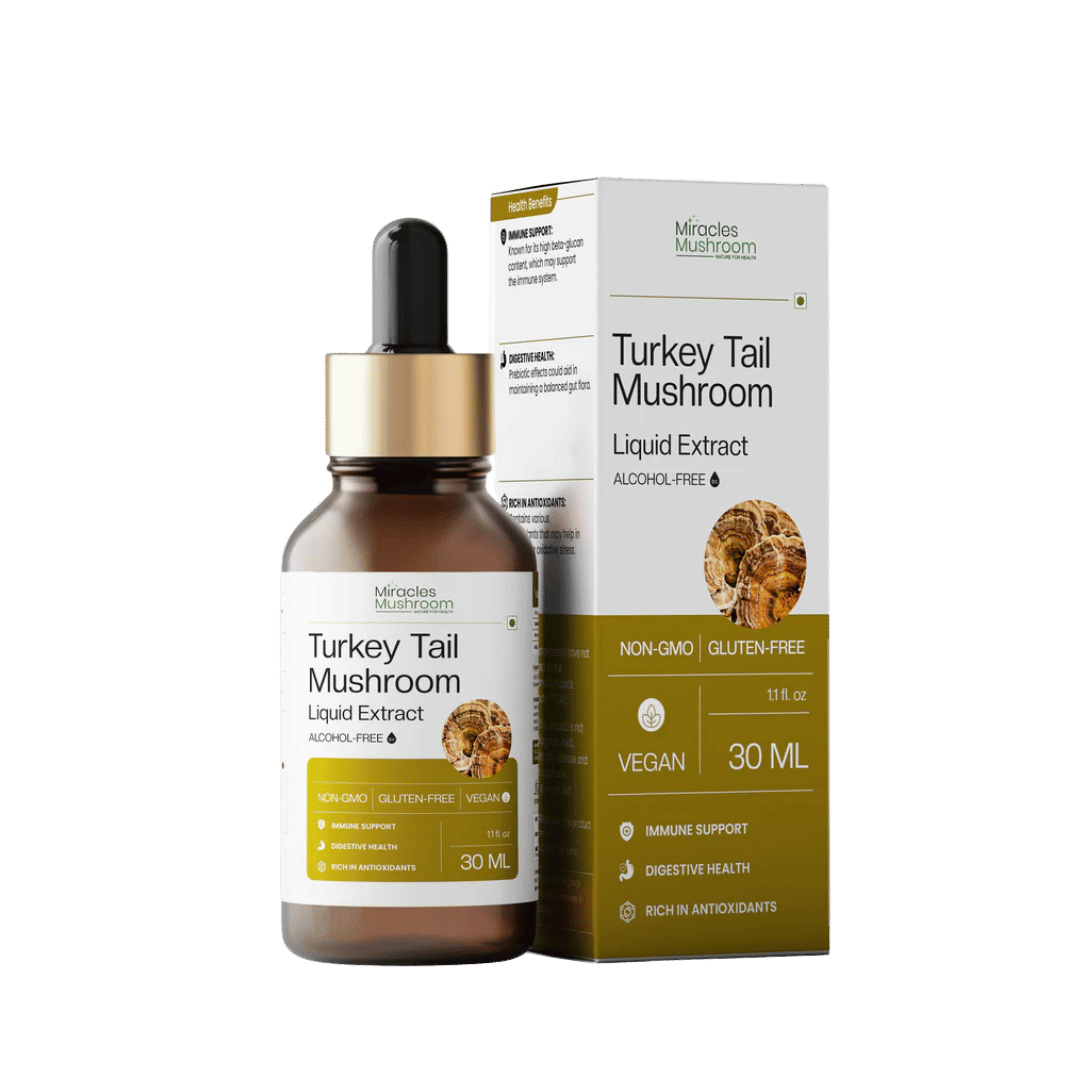
Credit: cbdstore.in
Common Mistakes When Using Prebiotics
Many people make mistakes when adding prebiotics to their diet. Here are some to avoid:
- Taking too much at once: This can cause bloating and gas. Start small.
- Ignoring product quality: Cheap products may not contain real turkey tail or can be contaminated.
- Expecting instant results: It can take weeks to notice changes in digestion or immunity.
- Not drinking enough water: Prebiotics need water to work well.
Another mistake is not being consistent. Like most health habits, taking turkey tail works best when used daily over a long period. Skipping days or stopping after a short time can limit the benefits.
Real-life Stories: What People Experience
Many users share positive stories about turkey tail. Some say they catch fewer colds, have more energy, and feel less bloated. Others report clearer skin and better sleep. While not everyone feels dramatic changes, the science supports these benefits.
A cancer survivor named Linda shared that turkey tail helped her immune system stay strong during chemotherapy. Another user, John, said his IBS symptoms improved after two months of turkey tail supplements. These stories show the real-world value of this ancient mushroom.
Many parents have also given turkey tail to their children during cold and flu season, with reports of fewer sick days. While not a replacement for medical care, turkey tail can be a useful addition to a healthy lifestyle.
Are There Any Side Effects?
Turkey tail is safe for most people. Side effects are rare but can include:
- Mild stomach upset
- Diarrhea if taken in large amounts
- Allergic reactions (rare)
If you are pregnant, breastfeeding, or have a mushroom allergy, avoid turkey tail unless your doctor approves.
In rare cases, people with very sensitive digestion might experience more gas or loose stools. Lowering the dose and increasing slowly usually solves this problem.
How To Choose A Quality Turkey Tail Supplement
The supplement market is full of choices, but not all are high quality. Here’s what to look for:
- Beta-glucan content: A good product will clearly state how much beta-glucan it contains.
- Certified organic: This reduces the risk of pesticides and contaminants.
- Third-party testing: Look for lab results from companies like USP or NSF.
- Reputation: Buy from trusted brands or sources.
Avoid products with fillers or unclear labeling. If possible, check for customer reviews and certificates.
It is also helpful to choose a product that uses “fruiting body” rather than just “mycelium. ” The fruiting body contains more active compounds, including beta-glucans.
How To Combine Turkey Tail With Other Gut-healthy Foods
Turkey tail works best as part of a balanced diet. You can combine it with:
- Probiotics: Yogurt, kefir, or supplements for extra good bacteria
- Other prebiotics: Garlic, onions, asparagus for variety
- Fermented foods: Sauerkraut, kimchi for broad gut support
Variety is key. No single food or supplement can do it all. But turkey tail is a powerful tool in any gut-health plan.
For example, making a smoothie with turkey tail powder, yogurt, and a banana gives you prebiotics, probiotics, and resistant starch all at once. This “stacking” approach can help create the most robust and diverse gut microbiome.
The Future Of Turkey Tail Research
Scientists continue to study turkey tail for new uses. Early results suggest it may help with:
- Mental health: A healthy gut can improve mood and reduce anxiety
- Weight management: By balancing blood sugar and appetite
- Autoimmune diseases: Calming an overactive immune system
As more research is published, turkey tail’s role in health may become even more important.
For more scientific information on prebiotics and mushrooms, you can read about turkey tail on the Wikipedia page for Trametes versicolor.
Frequently Asked Questions
What Makes Turkey Tail The Best Natural Prebiotic?
Turkey tail contains unique beta-glucans, PSK, and PSP, which act as both prebiotics and immune modulators. Unlike most prebiotics, it also helps the immune system directly, making it stand out among natural options.
How Long Does It Take To See Results From Turkey Tail?
Most people notice digestive or immune benefits within 4 to 8 weeks of daily use. Some feel changes sooner, but the effects are usually gradual.
Can I Use Turkey Tail With Other Supplements Or Medicines?
Yes, turkey tail is safe with most supplements and foods. However, if you are on immune-suppressing drugs or have a medical condition, consult your doctor before adding it to your routine.
Are There Any Risks For Children Or Older Adults?
Turkey tail is generally safe, but children and the elderly should use lower doses. Always check with a healthcare provider for personalized advice.
How Do I Know If A Turkey Tail Supplement Is Real?
Look for products that list beta-glucan content, are certified organic, and have third-party lab testing. Avoid brands with unclear labels or no proof of testing.
The gut-immune connection is one of the most important discoveries in health science. Supporting your gut with the right prebiotics can make a big difference in overall wellness. Among all options, turkey tail mushroom stands out as nature’s best prebiotic—thanks to its unique ability to feed good bacteria and boost immunity at the same time. Whether you want better digestion, stronger defenses, or simply more energy, adding turkey tail to your daily routine is a smart, science-backed choice. With proper use and quality products, this ancient mushroom can help you take charge of your health from the inside out.