
Understanding Mushroom Taxonomy: A Beginner’s Guide To Classification
Mushrooms are fascinating organisms that spark curiosity in people around the world. You see them in forests, gardens, grocery stores, and maybe even in your own backyard. But when you look closer, you’ll find that mushrooms are much more than what you see on the surface. They belong to a huge, complex world with thousands of species, each with unique shapes, colors, and uses. Understanding how mushrooms are classified—known as mushroom taxonomy—is the first step to appreciating their true diversity.
For beginners, mushroom taxonomy can feel confusing. Scientists use special words and categories to organize mushrooms, and these terms often look strange or hard to remember. However, with some guidance and simple explanations, anyone can learn the basics. This guide will walk you through the key ideas of mushroom classification, explain why taxonomy matters, and show you how mushrooms are grouped based on their features.
By the end, you’ll be able to look at a mushroom and start to understand where it fits in the grand family tree of fungi.
What Is Mushroom Taxonomy?
Mushroom taxonomy is the science of naming, describing, and grouping mushrooms. It helps people organize and communicate about the many types of mushrooms in the world. Taxonomy is like a filing system for living things. Just as you sort files in folders on your computer, scientists group mushrooms into categories based on shared traits.
The main goals of mushroom taxonomy are:
- To give each mushroom a unique name
- To sort mushrooms into groups that show how they are related
- To help people identify, study, and use mushrooms safely
Many beginners think taxonomy is only about complicated Latin names. In reality, taxonomy helps everyone—gardeners, chefs, doctors, and nature lovers—find and use mushrooms wisely. It also helps prevent confusion and mistakes, which is especially important because some mushrooms are poisonous.
Why Mushroom Classification Matters
You might wonder, “Why do we need to classify mushrooms at all?” The answer is simple: classification brings order to chaos. Without taxonomy, it would be hard to talk about mushrooms, know which are safe to eat, or understand their role in nature.
Here’s why mushroom classification is important:
- Safety: Many edible mushrooms look like toxic ones. Correct classification helps avoid dangerous mistakes.
- Medicine: Some mushrooms have healing properties. Doctors and researchers need accurate names to study and use them.
- Conservation: Knowing which mushrooms are rare or endangered helps protect them.
- Communication: Scientists and mushroom lovers around the world can share discoveries using the same names and categories.
- Understanding evolution: Taxonomy shows how mushrooms evolved and how they are related to other living things.
A common mistake is to think that all mushrooms are the same. In fact, the differences between species can be as big as the difference between a dog and a whale. Taxonomy helps make sense of these differences.
The Big Picture: Where Mushrooms Fit In Nature
To start, it’s helpful to see where mushrooms fit in the tree of life. Mushrooms are not plants—they belong to their own kingdom, Fungi.
| Level | Example for Mushroom | What It Means |
|---|---|---|
| Kingdom | Fungi | All fungi, including yeasts, molds, and mushrooms |
| Phylum | Basidiomycota | Fungi that produce spores on basidia (club-like cells) |
| Class | Agaricomycetes | Includes most mushrooms with gills, pores, or teeth |
| Order | Agaricales | Typical gilled mushrooms and their relatives |
| Family | Agaricaceae | Includes common mushrooms like the button mushroom |
| Genus | Agaricus | A smaller group with very similar features |
| Species | Agaricus bisporus | The specific mushroom you buy in a store |
This structure is called the taxonomic hierarchy. Each step narrows down the group, from all fungi to a single type of mushroom. Beginners often confuse “genus” and “species,” but simply put: genus is like your last name (family), and species is like your first name (individual).
Key Levels Of Mushroom Classification
Let’s break down the main levels you’ll see in mushroom taxonomy:
Kingdom: Fungi
All mushrooms are part of the Fungi kingdom. Fungi are different from plants and animals. They get food by breaking down dead material, not by photosynthesis. Fungi include mushrooms, yeasts, and molds.
Phylum (also Called Division)
The next level is phylum. Most mushrooms you find belong to two phyla:
- Basidiomycota: Most common mushrooms (like button and shiitake mushrooms) are in this group. They make spores on club-shaped cells.
- Ascomycota: Includes morels and truffles. They make spores in tiny sacs.
Class
Within a phylum, mushrooms are divided into classes. The class Agaricomycetes includes most of the familiar mushrooms.
Order
Order groups mushrooms with similar features. For example, the Agaricales order includes most gilled mushrooms.
Family
Family is a smaller group within an order. For example, the Agaricaceae family contains mushrooms with certain spore and cap features.
Genus
Genus is a group of species that are closely related. For example, Agaricus is the genus that includes the common button mushroom.
Species
Species is the most specific level. It refers to a single type of mushroom. For example, Agaricus bisporus is the white mushroom you buy in stores.
Non-obvious insight: Sometimes, mushrooms that look very different belong to the same genus, and mushrooms that look alike can be in different genera. This is why experts look at microscopic features, not just shape and color.
How Are Mushrooms Named?
Every mushroom has at least two names: a scientific name and a common name.
- The scientific name is in Latin or Greek and follows the format: Genus species (e.g., Agaricus bisporus).
- The common name is what people use in everyday language (e.g., button mushroom).
Scientific names are important because common names can be confusing. For example, the name “puffball” can refer to many different species.
Practical tip: When searching for mushroom information, always check the scientific name to be sure you have the right species.
Main Types Of Mushrooms By Group
Mushrooms are grouped in many ways. Some common groupings are based on how they look, how they grow, and how they make spores.
1. Gilled Mushrooms (agarics)
These are the classic mushrooms with caps and gills under the cap. Examples include the button mushroom and fly agaric.
2. Boletes
Boletes have a sponge-like layer of pores instead of gills under the cap. The porcini is a famous bolete.
3. Polypores
Polypores are shelf-like mushrooms that grow on trees. They have pores on the underside. The artist’s conk is a well-known polypore.
4. Tooth Fungi
Instead of gills or pores, these mushrooms have spines or “teeth” under the cap. The lion’s mane is a tooth fungus.
5. Puffballs
Puffballs are round mushrooms filled with spores. When mature, they release a puff of spores when pressed.
6. Morels
Morels have a honeycomb appearance and are prized for cooking. They belong to the Ascomycota group.
7. Truffles
Truffles grow underground and are known for their strong aroma. They are also in Ascomycota.
8. Jelly Fungi
These fungi have a jelly-like texture. They often grow on wood and feel rubbery.
9. Club And Coral Fungi
These look like clubs or coral. They can be brightly colored and grow in clusters.
10. Stinkhorns
Stinkhorns have odd shapes and a strong smell that attracts insects.
Beginner’s mistake: Thinking all mushrooms with caps and stems are closely related. In fact, similar shapes can evolve separately—a process called convergent evolution.
How Scientists Classify Mushrooms
Scientists use several methods to classify mushrooms. Here are the main ones:
1. Morphology (shape And Structure)
The most traditional method is looking at shape, size, color, and features like gills, pores, or teeth. Scientists also study the stem, cap, and spores.
2. Microscopy
Many mushrooms look the same on the outside, but their spores and tiny cells are different. Experts use microscopes to see these features.
3. Chemical Tests
Some mushrooms change color or react when you add certain chemicals. These reactions help with identification.
4. Dna Analysis
Today, scientists use DNA sequencing to see how mushrooms are related at the genetic level. This has led to many changes in how mushrooms are grouped.
5. Ecology
Where and how a mushroom grows is important. Some mushrooms only grow on certain trees, in certain soils, or at certain times of year.
Non-obvious insight: Many mushrooms that look alike and grow in the same place are actually different species, a situation called cryptic species. Only DNA or microscopic study can tell them apart.
Major Mushroom Orders And Families
There are thousands of mushroom species, but some groups are more common and important. Here are a few major orders and families:
| Order | Famous Families | Examples |
|---|---|---|
| Agaricales | Agaricaceae, Amanitaceae | Button mushroom, Fly agaric |
| Boletales | Boletaceae | Porcini, Bay bolete |
| Polyporales | Polyporaceae | Artist’s conk |
| Pezizales | Morchellaceae | Morel |
| Phallales | Phallaceae | Stinkhorn |
Knowing these groups helps you understand what you are likely to find in the wild or in markets.
Key Features Used In Mushroom Identification
Mushroom experts use many features to classify and identify mushrooms. Here are some of the most important:
Cap
Shape, color, size, and texture of the cap are key. Some caps are smooth, others are scaly or sticky.
Gills, Pores, Or Teeth
Check under the cap. Gills are thin sheets, pores look like tiny holes, and teeth look like spines.
Stem
Length, thickness, color, and texture of the stem can help. Some mushrooms have rings or a bulb at the base.
Spore Print
Place the cap on a piece of paper overnight. The color of the spores can identify the group.
Smell
Some mushrooms have strong smells—almond, anise, or even rotten meat.
Taste (warning!)
Taste is sometimes used, but only by experts. Never taste wild mushrooms unless you are sure they are safe.
Habitat
Where the mushroom grows—on wood, soil, grass, or dung—is a big clue.
Season
When it appears can also help with identification.
Practical tip: Always use multiple features, not just one, to identify a mushroom. Many mistakes happen when relying on a single trait.
Common Mushroom Families And Their Features
Let’s look at a few important mushroom families and what makes them special:
Agaricaceae
- Includes the common button mushroom.
- Usually have white spores and free gills (gills not attached to the stem).
- Found in fields, lawns, and forests.
Amanitaceae
- Includes the deadly Amanita species (like the death cap).
- Have a cup at the base and a ring on the stem.
- Many are toxic—never eat mushrooms from this family unless you are an expert.
Boletaceae
- Includes the porcini mushroom.
- Have pores instead of gills.
- Found mostly with trees, especially in forests.
Polyporaceae
- Shelf-like, tough mushrooms that grow on wood.
- Important for breaking down dead trees.
Russulaceae
- Includes colorful mushrooms like Russula and Lactarius.
- Brittle texture; some exude milk-like liquid.
Non-obvious insight: Some families contain both edible and deadly species. You must never assume a mushroom is safe just because it is in a family with edible types.
How To Use A Mushroom Field Guide
A field guide is a book or app that helps you identify mushrooms. It gives pictures, descriptions, and tips for each species.
Tips for using a field guide:
- Check several features (cap, gills, stem, spore print).
- Compare with photos and drawings.
- Read the notes on habitat and range.
- Be careful: Some guides are for experts; choose one for beginners.
- When in doubt, do not eat wild mushrooms.
Many beginners use only pictures, but written descriptions are just as important—many mushrooms look different at different ages.
Mistakes Beginners Make In Mushroom Classification
Learning mushroom taxonomy takes time. Here are some common mistakes and how to avoid them:
- Relying on one feature: Always check several traits.
- Ignoring toxic lookalikes: Some deadly mushrooms look like edible ones.
- Assuming all mushrooms in a group are edible: Many groups have both safe and poisonous species.
- Using only common names: Scientific names are more precise.
- Not considering location and habitat: Some mushrooms only grow in certain places.
- Forgetting about age: Mushrooms change as they grow; young and old mushrooms can look very different.
Practical tip: Join a local mushroom club or go on guided mushroom walks. Experts can teach you things you won’t learn from books alone.

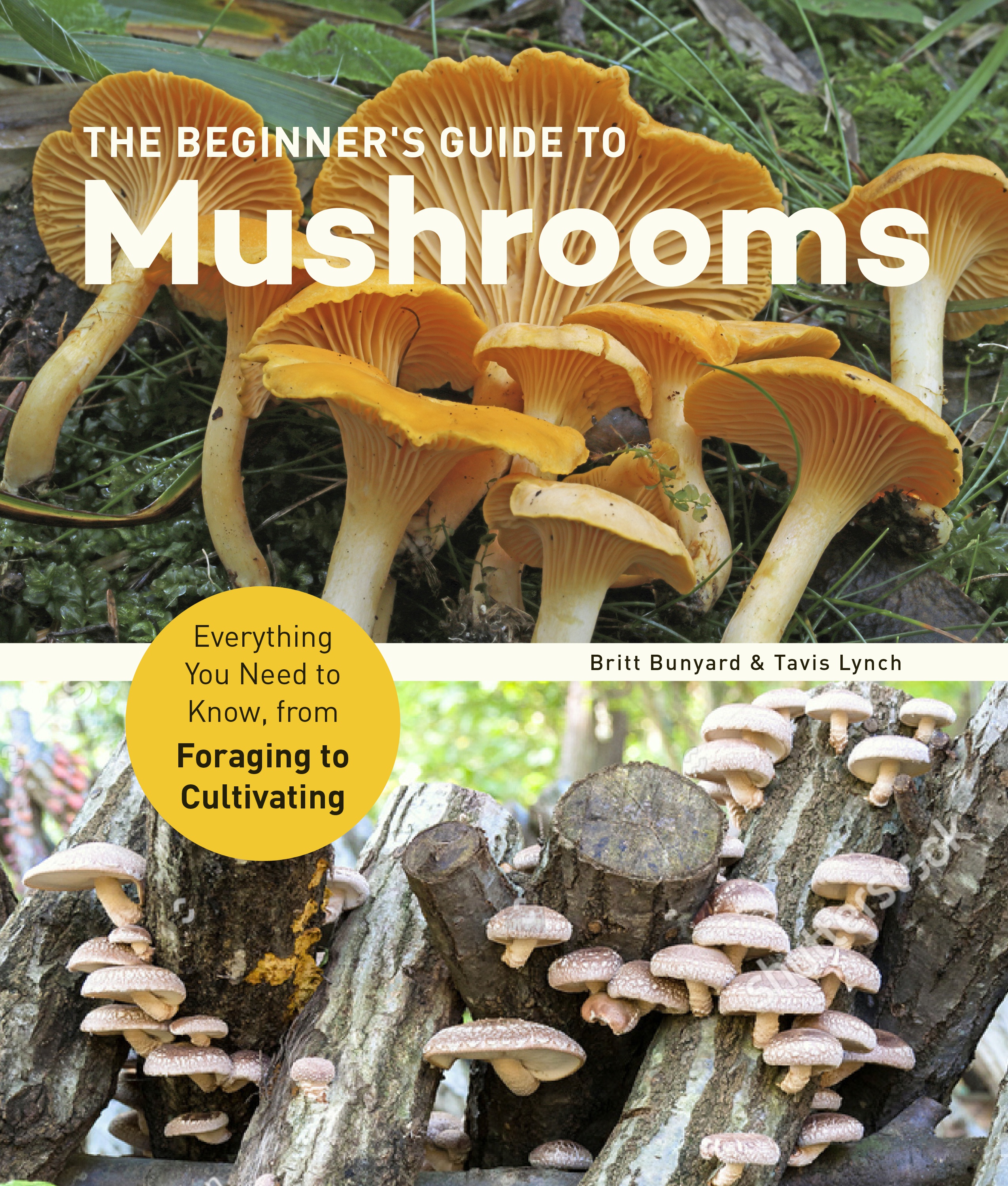
Credit: www.ebay.com
The Role Of Dna In Modern Mushroom Taxonomy
In the past, classification relied on visible features. Today, DNA sequencing is changing everything. Scientists can now compare the genetic code of mushrooms to see how they are related. This has led to big changes—some mushrooms have been moved to new families or genera.
For example, the shaggy mane mushroom was once grouped with other gilled mushrooms. DNA studies showed it is actually closer to puffballs.
Non-obvious insight: Some mushroom groups that look “natural” are not real families according to DNA. Always check for recent changes if you are using older field guides.
Edible, Poisonous, And Medicinal Mushrooms
Mushroom taxonomy is especially important when it comes to eating or using mushrooms for health.
Edible Mushrooms
Some of the most popular edible mushrooms include:
- Agaricus bisporus (button, cremini, portobello)
- Pleurotus ostreatus (oyster mushroom)
- Lentinula edodes (shiitake)
- Boletus edulis (porcini)
They are grouped based on their families and genera, which helps in identifying edible types.
Poisonous Mushrooms
Some deadly mushrooms look similar to edible ones. Examples:
- Amanita phalloides (death cap)
- Galerina marginata
- Cortinarius species
Correct taxonomy can save lives.
Medicinal Mushrooms
Some mushrooms are used in traditional and modern medicine:
- Ganoderma lucidum (reishi)
- Grifola frondosa (maitake)
- Hericium erinaceus (lion’s mane)
These are often in different families and need careful identification.
Important: Never eat or use wild mushrooms for medicine unless you are 100% sure of their identity.
Mushroom Classification In Different Cultures
People around the world have their own systems for classifying mushrooms. In some cultures, mushrooms are grouped by use (food, medicine, poison), shape, or where they grow. For example, in Japan, mushrooms are grouped by cooking method. In traditional Chinese medicine, mushrooms are classified by their effects on the body.
These systems are useful, but scientific taxonomy gives a universal language that everyone can use.
Practical Steps For Learning Mushroom Taxonomy
Here’s how beginners can start learning mushroom classification:
- Start with common mushrooms: Learn the common edible and toxic species in your area.
- Use a field guide: Choose one with clear photos and easy language.
- Join a mushroom club: Learn from experts and go on walks.
- Practice making spore prints: This is a safe way to start learning mushroom groups.
- Take notes and photos: Keep a mushroom journal with your findings.
- Learn scientific names: Practice saying and writing them.
- Use online resources: Websites like Wikipedia have up-to-date information.
Practical tip: Don’t be discouraged by mistakes. Even experts make errors, but they learn from them.
Comparison Of Edible And Poisonous Mushrooms
Here is a simple comparison of some common edible and poisonous mushrooms:
| Feature | Edible: Agaricus bisporus | Poisonous: Amanita phalloides |
|---|---|---|
| Cap color | White to brown | Pale greenish or yellowish |
| Gills | Free, pink to brown | White, attached |
| Spore print | Brown | White |
| Habitat | Grasslands, fields | Woodlands |
| Ring on stem | Yes | Yes, but also has a cup at base |
Key point: Small differences can mean the difference between a safe meal and a deadly mistake.
How To Practice Safe Mushroom Identification
Mushroom taxonomy is not just for fun. It is a key safety skill. Always follow these guidelines:
- Never eat a mushroom unless you are sure of its identity.
- Check every feature—cap, gills, stem, spore print, and habitat.
- Use more than one source (guidebook, club, website).
- Be careful with white, brown, or little brown mushrooms (“LBMs”)—many are toxic.
- Teach children not to eat wild mushrooms.
Non-obvious insight: Some mushrooms are only toxic when raw, or when combined with alcohol or certain foods.
Credit: www.murdochbooks.com
The Future Of Mushroom Taxonomy
Mushroom taxonomy is always changing. New species are discovered every year. DNA research keeps changing how mushrooms are grouped. Digital tools, like smartphone apps and online databases, are making it easier for beginners to identify mushrooms.
Soon, you may be able to identify mushrooms with a phone photo and get instant information about edibility and safety.
Advice: Stay curious and keep learning. Taxonomy is a living science, and everyone—from beginners to experts—can help discover new mushrooms.
Frequently Asked Questions
What Is The Difference Between A Mushroom And Other Fungi?
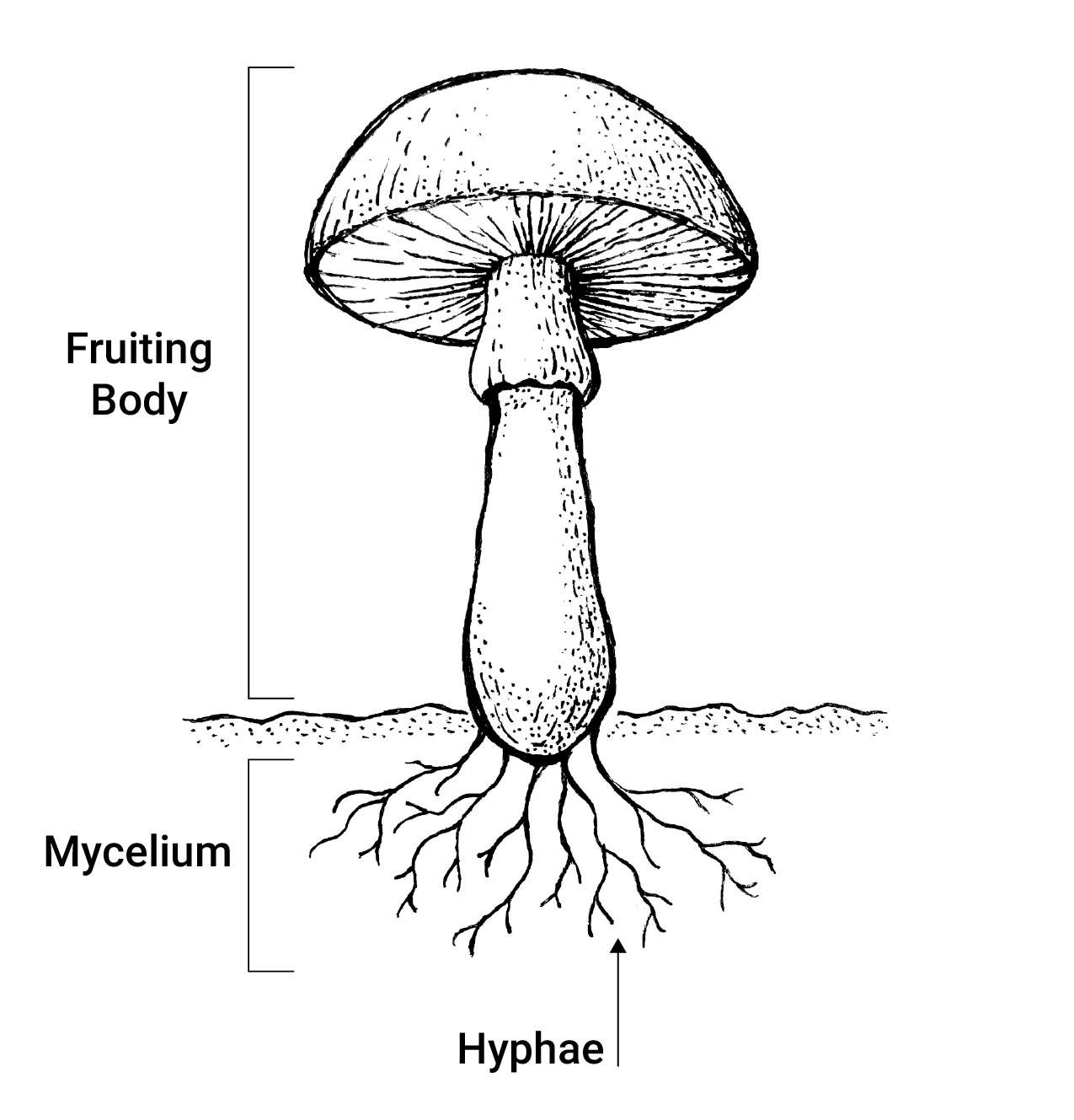
A mushroom is the fruiting body of certain fungi. It is the part you see above ground. Other fungi, like molds and yeasts, do not produce mushrooms. All mushrooms are fungi, but not all fungi make mushrooms.
How Can I Tell If A Mushroom Is Edible Or Poisonous?
You can only be sure by careful identification using taxonomy. Never trust myths or old stories. Use a field guide, check all features, and when in doubt, ask an expert. Some edible and poisonous mushrooms look almost the same.
Why Do Scientific Names Change?
As scientists learn more (especially from DNA studies), they may move mushrooms to new groups or change their names. This keeps the classification accurate. Always check for the latest information, especially in new guides or trusted websites.
What Are “cryptic Species” In Mushrooms?
Cryptic species are mushrooms that look identical but are different species at the DNA level. Only genetic or microscopic studies can tell them apart. This is common in mushrooms and shows why careful identification is important.
Where Can I Learn More About Mushroom Taxonomy?
You can join local mushroom clubs, use field guides, and visit trusted websites like Wikipedia. Many universities and botanical gardens also offer courses and workshops.
Learning mushroom taxonomy is a rewarding journey. It helps you enjoy nature, stay safe, and maybe even discover something new. With practice, patience, and the right resources, anyone can begin to understand the fascinating world of mushroom classification.
Credit: extension.usu.edu