
Shopping for Lion’s Mane supplements can feel confusing. You see powders, capsules, liquid extracts, and even coffee blends—each one claiming to be the best for your brain, nerves, and focus. But how do you know what’s really inside? How can you tell if a Lion’s Mane product is pure, potent, and worth your money?
Most buyers only check the price and reviews. However, smart shoppers look deeper. Lion’s Mane is a special mushroom with unique health benefits, but those benefits depend on quality and key details. The wrong choice can mean wasted money, little effect, or even safety risks.
Some products have almost no active compounds, while others may include hidden fillers, allergens, or even harmful substances from contaminated sources. That’s why you need a clear, practical checklist.
This guide is your ultimate companion for buying Lion’s Mane. Here, you’ll find the 8 most important things to verify before you buy. Each point comes with real-life examples, data, and tips that even experienced buyers sometimes miss. Let’s make sure the next Lion’s Mane you buy is exactly what you expect—pure, effective, and safe.
1. Verify The Source: Fruiting Body Vs. Mycelium
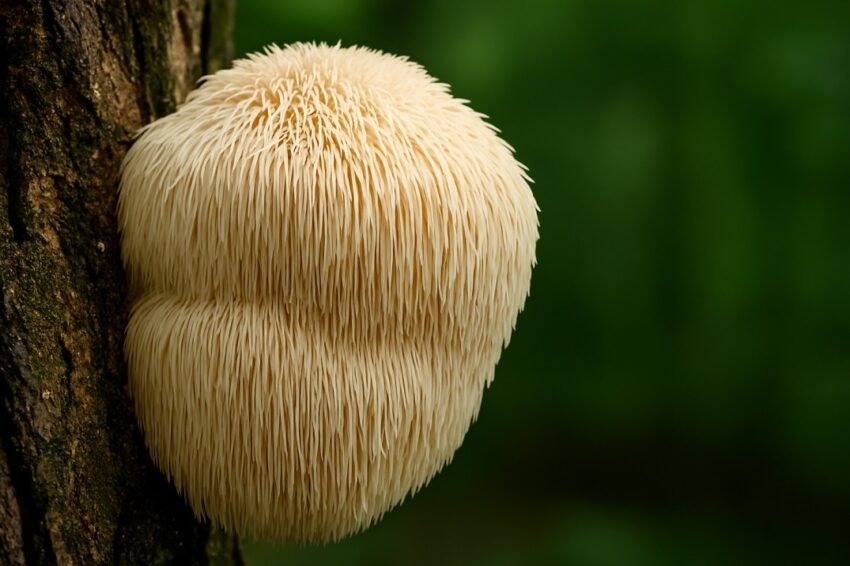
Not all Lion’s Mane supplements are made from the same part of the mushroom. Some use the fruiting body (the part that grows above ground), while others use the mycelium (the root-like network beneath the surface). The difference is more than just where they grow—it’s about the compounds you’re getting.
Fruiting body contains higher levels of the active ingredients—hericenones and erinacines. These are the compounds linked to brain health, nerve growth, and memory support in research. Many studies on Lion’s Mane benefits use the fruiting body, not mycelium. This is because the fruiting body is naturally richer in the compounds that have shown the most promise for cognitive effects and neuroprotection. For example, a study published in the Journal of Agricultural and Food Chemistry found significantly higher concentrations of these compounds in the fruiting body compared to the mycelium. This means that if you want the same results as those in scientific studies, you should look for supplements using the fruiting body.
On the other hand, mycelium grown on grain (like brown rice) often contains less of these key compounds. In some cases, up to 60% of the final product can be grain, not mushroom. This is because mycelium is often grown directly on a grain substrate, and once harvested, the substrate is not fully removed. As a result, you may be consuming a significant amount of rice or oats instead of the actual Lion’s Mane. Products that say “full-spectrum” may use a mix, but this can dilute potency and reduce the concentration of the most valuable active ingredients.
A good Lion’s Mane label should clearly state:
- “100% fruiting body” or “made from fruiting body”
- Where it’s grown (country of origin matters for quality)
- No fillers or grain
For example, a quality label might read: “Lion’s Mane Extract (Hericium erinaceus) from 100% fruiting body, cultivated in the USA, grain-free.” This gives you confidence that you are getting a supplement closer to what’s used in clinical research.
Non-obvious insight: Some companies hide the use of mycelium by listing “myceliated brown rice” or “mycelial biomass.” If you see these words, it often means less mushroom and more filler. Mycelium grown on grain is cheaper to produce and often sold as “full-spectrum” or “whole mushroom.” These terms sound good but can be misleading.
Confident tip: Always choose products that specify the use of the fruiting body. If it’s not clear, ask the seller or move on. Even if a product claims to use “whole mushroom,” check the ingredients for words like “mycelium” or “grain.” If you want the strongest cognitive support, fruiting body is the way to go.
Extra example: Imagine you find two Lion’s Mane powders online. Both have good reviews. But one says “Lion’s Mane (mycelium and grain)” and costs a bit less. The other says “100% fruiting body, grain-free, grown in USA” and is slightly more expensive. While the first might look like a bargain, you are likely paying for rice flour, not the full benefits of Lion’s Mane.
2. Check For Standardized Extracts And Potency
A Lion’s Mane supplement is only as good as its strength. The word “extract” is important, but even more so is the standardization—how much of the active compounds are present.
Standardized extracts guarantee a consistent amount of active ingredients like beta-glucans, hericenones, or erinacines. These are the molecules studied for their effects on the brain and nerves. If a product is not standardized, the amount of beneficial compounds can vary widely from batch to batch.
You might see:
- “30% beta-glucans”
- “Standardized to 1% hericenones”
- “Polysaccharides 20%”
However, not all extracts are the same. Some brands use weak extracts, with as little as 5% beta-glucans. Others use strong extracts with 30% or more. Beta-glucans are a type of polysaccharide that is key for immune and nerve-support effects.
Hericenones and erinacines are specific to Lion’s Mane and are directly linked to stimulating Nerve Growth Factor (NGF), which is important for brain health and regeneration.
Here’s a comparison to help you see the difference:
| Product Label | Beta-Glucans | Hericenones/Erinacines |
|---|---|---|
| Brand A | 15% | Not specified |
| Brand B | 30% | 1% hericenones |
| Brand C | 5% | Not listed |
For example, Brand B provides a much more potent and reliable dose of active compounds than Brand C, even if the price is higher. This can translate into better results for focus, memory, and nerve health.
Non-obvious insight: Some brands list “polysaccharides” instead of beta-glucans. Polysaccharides include many things—beta-glucans are the most valuable. A high “polysaccharide” number doesn’t always mean a better product if beta-glucans are low. For instance, a product might boast “50% polysaccharides,” but if only 5% are beta-glucans, you’re not getting much of what really matters for health benefits.
Confident tip: Look for products that are standardized and list at least 20% beta-glucans. If the label doesn’t specify, the real content is probably low. Always favor brands that break down the numbers of both beta-glucans and hericenones/erinacines, not just “polysaccharides.” If you don’t see these numbers, ask the manufacturer for a Certificate of Analysis.
Extra example: Suppose you’re comparing two Lion’s Mane capsules. One lists “250 mg Lion’s Mane extract (30% beta-glucans)” and the other lists “500 mg Lion’s Mane (10% polysaccharides).” The first capsule, despite being a lower dose, delivers more active compounds.
3. Confirm Extraction Method
How Lion’s Mane is extracted changes what you get. The most beneficial Lion’s Mane compounds are not all water-soluble or alcohol-soluble. That’s why the extraction method is so important.
There are three main methods:
- Hot water extraction: Good for beta-glucans and polysaccharides. This is the traditional method, as it mimics how mushrooms are used in traditional Chinese medicine—brewed as a tea or decoction. Hot water breaks down the cell walls of the mushroom, making these compounds more bioavailable.
- Alcohol (ethanol) extraction: Pulls out other compounds, especially hericenones and erinacines, which support nerve growth and cognitive benefits. These compounds are not water-soluble, so alcohol is needed to extract them efficiently.
- Dual extraction: Combines both methods. This extracts a broader range of compounds and is usually the best option for supplements.
A high-quality Lion’s Mane product will say:
- “Dual-extracted”
- “Hot water and ethanol extraction”
- Or list both extraction solvents
If a product just says “extract” without details, it’s hard to know what you’re getting. The extraction method also affects taste, solubility, and how your body absorbs the supplement. For example, dual-extracted powders may dissolve more easily in hot drinks and provide a wider spectrum of benefits.
Example label: “Dual-extracted using hot water and alcohol for full-spectrum benefits.” This means you’re getting both the immune-supporting beta-glucans and the brain-supporting hericenones/erinacines.
Non-obvious insight: Some companies only use hot water extraction because it’s cheaper and faster. You’ll get beta-glucans but might miss out on other nootropic (brain-boosting) compounds. If you are seeking cognitive or nerve health effects, dual extraction is much better.
Confident tip: For maximum benefit, choose dual-extracted Lion’s Mane. If you want the broadest effects (memory + nerve support), dual extraction is best. This is especially important if you are using Lion’s Mane for long-term brain health or to support recovery from nerve injuries.
Practical example: If you see a tincture or liquid extract, check if it mentions both water and alcohol extraction. Some products are only alcohol-based and may taste harsh or be less effective for immune support.
4. Inspect Purity And Third-party Testing
Supplements are not always what they claim. There can be contamination, heavy metals, or just low-quality filler. That’s why purity and third-party testing matter.
Top brands will have:
- Certificates of Analysis (COA) from independent labs
- Tests for heavy metals (lead, arsenic, mercury)
- Tests for pesticides, microbes, and yeast/mold
- Clear batch numbers
Why does this matter? Mushrooms absorb what’s in their environment. If grown in polluted soil, they may contain toxins. Some countries have looser standards, which increases risk. For example, mushrooms grown in regions with high industrial pollution may contain dangerous levels of heavy metals, which can build up in your body over time.
Here’s an example of what third-party testing can reveal:
| Tested Substance | Acceptable Limit | Brand X Result | Brand Y Result |
|---|---|---|---|
| Lead | <0.5 ppm | 0.2 ppm | 1.1 ppm (FAILED) |
| Mercury | <0.1 ppm | 0.05 ppm | 0.08 ppm |
| Mold | None detected | None detected | Detected (FAILED) |
If a product fails these tests, it should not be on the market. Unfortunately, many supplements are not tested or the results are not made public. This puts the responsibility on the buyer to check for transparency.
Non-obvious insight: “Organic” does not always mean “clean.” Even organic mushrooms can be contaminated if the company does not test each batch. Organic certification checks for pesticides but not always for heavy metals or microbes. Real safety comes from batch testing.
Confident tip: Only buy Lion’s Mane with a published Certificate of Analysis, ideally viewable online or available on request. Brands that won’t share test results may be hiding something. Ask for the COA for the specific batch you plan to buy, not just a generic one.
Practical example: If you are shopping online, look for a link to lab results or a QR code on the label. If you can’t find this, send an email to the brand’s customer service. Reliable companies will respond quickly with the information.

Credit: www.amazon.com
5. Analyze Dosage And Serving Size
The right dosage is critical for getting real effects from Lion’s Mane. Many products under-dose to save money or make the product last longer.
Research and traditional use suggest a typical effective dose is:
- 500 mg to 3000 mg (0.5 to 3 grams) per day of extract
- Lower doses may not work, especially for cognitive benefits
However, some capsules have as little as 100 mg per serving—too low for most people. Powders can be more flexible but check the extract ratio (like 8:1 or 10:1) because this changes the real mushroom equivalent. For example, a 500 mg capsule with a 10:1 extract is equal to 5 grams of fresh mushroom.
Let’s compare some common forms:
| Form | Serving Size | Extract Ratio | Real Mushroom Equivalent |
|---|---|---|---|
| Capsule | 500 mg | 10:1 | 5 grams mushroom |
| Powder | 2 grams | 1:1 | 2 grams mushroom |
| Liquid extract | 1 mL | Unknown | Unknown |
Many liquid extracts do not list an extract ratio or concentration, making it difficult to compare doses. If you prefer liquids or tinctures, ask the company for the equivalent amount of dried mushroom per serving.
Non-obvious insight: Some companies list the extract ratio but not the actual mushroom equivalent. Always try to find out how much real mushroom is in each dose. A high extract ratio is only useful if you know the starting amount of mushroom.
Confident tip: For best results, aim for products offering at least 1000 mg (1 gram) of Lion’s Mane extract per day, with clear extract ratios. If you are new to Lion’s Mane, start with the lower end of the dosage and increase gradually as needed.
Practical tip: If you are using a powder, you can adjust your dose easily. Start with half a teaspoon (usually about 1 gram), and see how you feel after a week or two.
6. Evaluate Additives, Fillers, And Allergens
What’s inside your Lion’s Mane besides the mushroom? Some brands add:
- Fillers: Like maltodextrin, rice flour, or magnesium stearate
- Artificial colors or flavors
- Sweeteners: In powders or coffee blends
These are often used to bulk up the product, improve taste, or make manufacturing easier. But they can reduce the amount of Lion’s Mane you get per serving, and some people are sensitive to them. For example, maltodextrin can spike blood sugar, and magnesium stearate may cause stomach upset in sensitive users.
Some powders and coffee blends use stevia or sucralose for sweetness, which may not be suitable for everyone.
It’s important to check the “Other Ingredients” list on the label. The best supplements have as few extra ingredients as possible.
Examples of clean labels:
- “Lion’s Mane extract, vegetable capsule”
- “Lion’s Mane powder (Hericium erinaceus), no additives”
Examples of labels to be careful with:
- “Lion’s Mane, rice flour, silicon dioxide, artificial flavor”
- “Lion’s Mane blend, proprietary formula (ingredients not listed)”
“Proprietary blend” means the exact amount of Lion’s Mane is hidden, and the blend may contain more cheap fillers than mushroom extract.
Non-obvious insight: “Proprietary blends” allow companies to hide exact amounts. You might get very little actual Lion’s Mane. Also, be cautious with products labeled as “instant coffee with Lion’s Mane”—sometimes, the mushroom content is tiny compared to the coffee.
Confident tip: Choose products with short, clear ingredient lists. Avoid proprietary blends or supplements with many fillers. If you have food allergies or sensitivities, always check for potential allergens like soy, gluten, or dairy.
Practical example: If you have digestive issues, avoid products with added fibers, gums, or artificial sweeteners, which can cause bloating or discomfort.
Credit: supershrooms.net
7. Review Brand Reputation And Transparency
The best Lion’s Mane supplements come from brands with a strong reputation and clear business practices. Many new or unknown brands appear every year, especially online. Not all are trustworthy.
Good brands will:
- Clearly state where and how their mushrooms are grown
- Provide details on extraction and testing
- List contact information and respond to questions
- Have real customer reviews (not just five-star ratings)
You can check brand reputation by:
- Reading reviews on independent sites (not just the company’s website)
- Looking for media coverage or recommendations by health professionals
- Checking for recall history or complaints
Go beyond just the star rating. Read what customers actually say. Are there reports of side effects, poor customer service, or suspicious practices? Reliable brands are proud to share their processes and will answer questions about sourcing, testing, and extraction.
Non-obvious insight: Some brands use paid reviews or “influencer” marketing. Look for reviews that mention specific details, both positive and negative. If every review is 5 stars with no detail, or if complaints are quickly deleted, be skeptical.
Confident tip: Choose brands that are transparent about sourcing, testing, and extraction. If you can’t find this information, it’s usually a red flag. A reputable company will have nothing to hide and will welcome questions about their process.
Extra advice: Try emailing customer service before you buy. Ask where their Lion’s Mane is grown and what extraction method they use. How they respond can tell you a lot about their transparency and professionalism.
8. Assess Value For Money
Lion’s Mane supplements range widely in price. More expensive does not always mean better—but very cheap products often cut corners.
To assess real value, compare:
- Amount of Lion’s Mane per serving (mg)
- Number of servings per package
- Price per gram or per serving
- Presence of third-party testing and extract ratio
Let’s see an example price comparison:
| Brand | Price | Servings | mg per Serving | Cost per Gram |
|---|---|---|---|---|
| Brand A | $30 | 60 | 500 mg | $1.00 |
| Brand B | $40 | 30 | 1000 mg | $1.33 |
| Brand C | $20 | 30 | 300 mg | $2.22 |
If you only look at the price per bottle, Brand C looks cheapest. But when you do the math, you pay more per gram of active Lion’s Mane—and you get a much lower dose per serving. This means you may need to take more capsules, making the product run out faster.
Non-obvious insight: Some “value” brands offer more servings but use low-dose capsules, meaning you have to take more to get the effective amount—costing you more in the end. Also, watch out for products that include shipping in the cost, or have hidden fees.
Confident tip: Calculate the cost per gram of active extract (not just powder). Choose a product that balances price, potency, and proven quality. Sometimes, paying a bit more for a trusted, transparent brand is the better investment for your health.
Extra tip: If you find a product with a huge discount or a “buy one get one free” offer, check the label closely. These deals are sometimes used to move old stock, which may be past its potency date.
Credit: plantin.alibaba.com
Frequently Asked Questions
What Are The Main Benefits Of Lion’s Mane?
Lion’s Mane is studied for supporting cognitive function, memory, focus, and nerve health. Some research suggests it may help with mild anxiety, depression, and even nerve repair. It’s also used for immune support due to its beta-glucan content.
A growing number of users report improved attention and mental clarity after a few weeks of use. Animal studies and small human trials show Lion’s Mane may stimulate Nerve Growth Factor (NGF), which helps nerve cells grow and repair. There’s also early evidence it could help people recovering from mild brain injuries or nerve damage, though much more research is needed.
Is Lion’s Mane Safe For Daily Use?
For most healthy adults, Lion’s Mane is considered safe when used at recommended doses (500–3000 mg per day). Mild side effects like digestive upset are possible. Always consult your doctor if you have allergies, are pregnant, or take medication.
Some people experience mild stomach discomfort when starting Lion’s Mane, especially with higher doses or when taken on an empty stomach. Allergic reactions are rare but possible, especially in people sensitive to mushrooms. If you experience itching, rash, or swelling, stop use and consult a doctor.
Can I Take Lion’s Mane With Other Supplements?
Yes, Lion’s Mane is often combined with other nootropics, adaptogens, or vitamins. It’s commonly added to coffee or “mushroom blends.” However, check for interactions with medicines, and avoid products with unclear “blends” to ensure you get enough Lion’s Mane.
Some combinations, like Lion’s Mane with cordyceps or reishi, are popular for overall brain and immune support. If you are taking medication for diabetes, blood pressure, or mental health, check with your doctor first, as mushrooms can sometimes alter how medicines are absorbed.
How Long Does It Take To Notice Effects?
Some people report better focus or mood in a few days, but most studies on Lion’s Mane show benefits after 4–12 weeks of regular use. Consistency matters more than a single large dose.
For nerve repair or serious cognitive support, patience is important. Lion’s Mane is not a stimulant like caffeine, so the effects are subtle and build up over time.
Where Can I Find Reliable Studies On Lion’s Mane?
For scientific research, visit the Hericium erinaceus page on Wikipedia. You’ll find links to clinical trials and published studies on Lion’s Mane’s effects.
If you want to dive deeper, search for Lion’s Mane in the PubMed database, which lists peer-reviewed scientific studies on natural products and supplements.
—
Choosing the right Lion’s Mane supplement is more than just picking the cheapest or the most popular. It’s about understanding the source, strength, extraction, purity, and the company behind the product. By following the 8-point checklist above, you’ll avoid common pitfalls and find a Lion’s Mane that truly delivers on its promise.
With smart shopping, you can enjoy the full cognitive and wellness benefits of this remarkable mushroom—safely and confidently.
Remember: the best results come from a supplement that is potent, pure, and made by people who are proud to show their process. Take your time, ask questions, and invest in your health with knowledge.