
Chaga for Autoimmune Disease: Can It Calm an Overactive Immune System?
Living with an autoimmune disease can feel like fighting a battle inside your own body. When the immune system, which is supposed to protect us, starts attacking healthy tissues, daily life can become challenging. Many people search for natural ways to balance their immune response and improve their quality of life. One natural remedy growing in popularity is the Chaga mushroom. Known for its dark, rugged appearance and its long use in traditional medicine, Chaga has been called a “king of medicinal mushrooms.” But can it truly help people with autoimmune diseases by calming an overactive immune system?
This article explores the science, tradition, and potential of Chaga for autoimmune diseases. We’ll look at how it works, what the research says, and what you should consider before trying it. You’ll also find practical advice, common mistakes to avoid, and answers to frequently asked questions.
What Is Chaga?
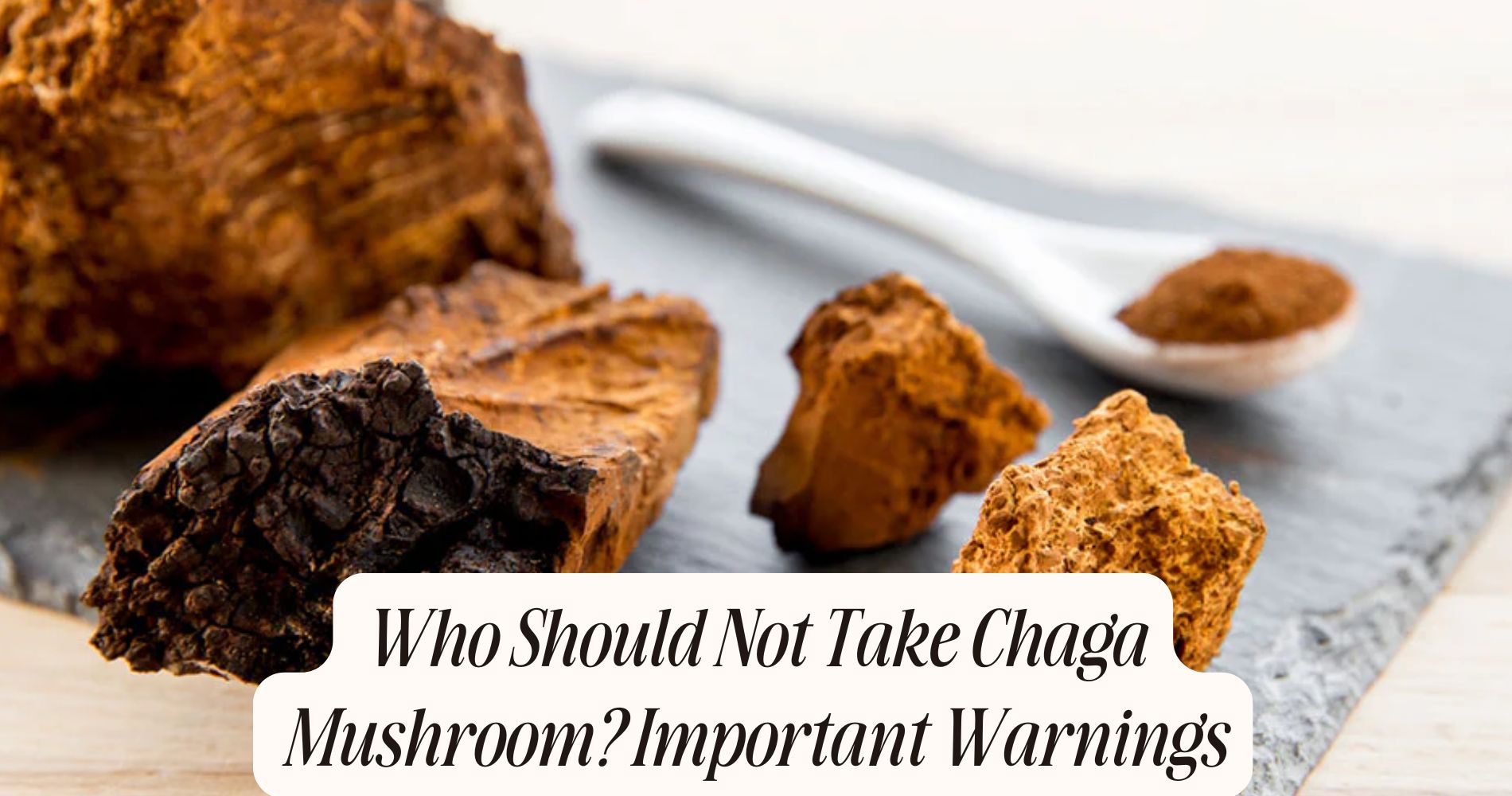
The Chaga mushroom (Inonotus obliquus) grows mainly on birch trees in cold climates like Siberia, Northern Europe, Canada, and Alaska. Unlike the typical mushrooms you find in a grocery store, Chaga looks more like a lump of burnt charcoal with a soft, orange core.
Chaga has been used for centuries in folk medicine, especially in Russia and northern Europe. People traditionally brewed it as a tea to support overall health, fight infections, and boost energy. Today, you can find Chaga as powders, capsules, extracts, and teas.
Why is Chaga so interesting for people with autoimmune conditions? Its rich mix of bioactive compounds—including beta-glucans, polyphenols, triterpenoids, and melanin—have shown immune-modulating, anti-inflammatory, and antioxidant effects in lab studies.
Understanding Autoimmune Diseases
To appreciate how Chaga might help, it’s important to know what happens in an autoimmune disease. The immune system’s main job is to protect the body from harmful invaders like bacteria and viruses. In autoimmune diseases, this defense system goes wrong.
The immune system cannot tell the difference between foreign invaders and the body’s own cells. As a result, it attacks healthy tissues.
Some common autoimmune diseases include:
- Rheumatoid arthritis (affects joints)
- Lupus (can affect skin, joints, and organs)
- Multiple sclerosis (damages nerves)
- Hashimoto’s thyroiditis (affects the thyroid gland)
- Type 1 diabetes (destroys insulin-producing cells in the pancreas)
Symptoms vary widely but often involve chronic inflammation, pain, fatigue, and organ problems. Most treatments focus on reducing symptoms and slowing down the immune attack, often using drugs that suppress immune function.
Credit: well-gummies.com
How Chaga May Affect The Immune System
Chaga is often called an adaptogen—a natural substance that helps the body adapt to stress and balance its systems. But how does it work in the immune system?
Immune Modulation, Not Just Stimulation
Many supplements claim to “boost” the immune system, but for people with autoimmune diseases, more immune activity is not always better. What is needed is immune modulation—helping the immune system work properly without overreacting.
Chaga’s compounds, especially beta-glucans, are known to interact with white blood cells and other immune cells. Studies suggest that Chaga can:
- Balance immune activity by calming overactive responses while still helping the body defend against real threats.
- Reduce inflammation by lowering the production of inflammatory cytokines—proteins that signal and drive inflammation.
- Support antioxidant defenses by neutralizing free radicals that can damage tissues and worsen autoimmune problems.
One laboratory study found that Chaga extracts reduced certain inflammatory markers in immune cells, suggesting a possible calming effect. However, most studies so far are on animals or in test tubes, not in people with autoimmune disease.
Key Compounds In Chaga
Chaga contains a unique mix of natural chemicals, including:
- Beta-glucans: Complex sugars that interact with immune cells and may help balance immune activity.
- Polyphenols: Powerful antioxidants that protect cells from damage.
- Triterpenoids: Compounds with anti-inflammatory and potential anticancer effects.
- Melanin: The pigment that gives Chaga its dark color and acts as an antioxidant.
- Polysaccharides: Large molecules that may help regulate immune responses.
Each of these has been studied for effects on inflammation and the immune system. But it’s the combination of all these elements that may give Chaga its unique power.
What Does The Research Say?
Research on Chaga and autoimmune disease is still in the early stages. Most studies use cell cultures or animals, not humans. But the results are promising enough that many researchers are calling for more clinical trials.
Laboratory And Animal Studies
- In a 2019 study, mice with autoimmune hepatitis (liver inflammation) were given Chaga extract. The extract reduced liver damage and inflammatory markers, suggesting an immune-calming effect.
- Cell studies show Chaga can reduce levels of TNF-alpha and IL-6, proteins that drive inflammation in many autoimmune diseases.
- Another study in mice showed that Chaga extract helped protect against colitis (colon inflammation) by reducing inflammation and balancing immune cell activity.
Human Studies
There are very few clinical trials with people. One small pilot study looked at Chaga’s effect on healthy volunteers. It found improvements in some immune markers, but the study was not designed for people with autoimmune conditions.
Many claims about Chaga’s benefits for autoimmune disease are based on tradition, animal studies, and what we know about its compounds. While this is encouraging, it’s important to remember that real human studies are still needed to confirm these effects.
Safety In Autoimmune Disease
A big concern is whether Chaga could make an autoimmune disease worse by “boosting” the immune system. However, current evidence suggests Chaga may help regulate, not just stimulate, immune responses. That being said, every person is different, and some people may react differently.
Chaga And Inflammation: A Closer Look
Chronic inflammation is a key driver in most autoimmune diseases. When the immune system stays in a high-alert state, inflammation can damage tissues and organs over time.
Chaga’s anti-inflammatory properties are among its most studied features. Research shows that its extracts can:
- Lower levels of pro-inflammatory cytokines (such as TNF-alpha, IL-1beta, IL-6)
- Block the production of nitric oxide (a molecule that can fuel inflammation)
- Protect cells from oxidative stress (cell damage caused by free radicals)
One study published in the journal *Phytotherapy Research* found that Chaga extract reduced inflammation in colon cells by 40%. Another animal study found that Chaga’s triterpenoids blocked the pathways that lead to inflammation in the body.
These findings suggest Chaga may help break the cycle of inflammation that drives autoimmune diseases. However, more research in humans is needed to confirm these effects.
Comparing Chaga With Other Medicinal Mushrooms
There are many mushrooms used in traditional medicine for immune support. How does Chaga compare to others like Reishi, Lion’s Mane, and Cordyceps?
Below is a comparison of some popular medicinal mushrooms and their effects on the immune system:
| Mushroom | Main Immune Effect | Anti-inflammatory Properties | Common Uses |
|---|---|---|---|
| Chaga | Immune modulation | Strong | Autoimmune support, antioxidants |
| Reishi | Immune regulation | Moderate | Stress, sleep, immunity |
| Lion’s Mane | Nerve growth, mild immune boost | Low | Brain health, nerve repair |
| Cordyceps | Energy, mild immune boost | Low | Stamina, respiratory support |
Chaga stands out for its strong antioxidant and anti-inflammatory effects. Reishi is also known for balancing the immune system, but Chaga may be a better choice if your main concern is calming inflammation.

Credit: lykyn.com
How To Use Chaga For Autoimmune Support
If you want to try Chaga, it’s important to use it safely and effectively. Here’s how to get started:
Choosing The Right Form
Chaga is available in several forms:
- Dried chunks: Used to brew tea. This is the most traditional method.
- Powder: Easy to add to smoothies, coffee, or food.
- Extracts: Concentrated liquids or capsules. Often provide a higher dose of active compounds.
- Capsules: Convenient for daily use, but always check for quality and dosage.
Each form has its pros and cons. Extracts may offer more potent effects, but some people prefer the ritual and taste of Chaga tea.
How Much To Take
There is no official recommended dose for Chaga, especially for autoimmune disease. However, most supplements suggest:
- Powder: 1-2 grams per day (about half to one teaspoon)
- Extract: 1-2 ml per day, or as directed on the label
- Tea: 1-2 cups per day, using about 2-3 grams of dried Chaga per cup
Start with the lowest dose and see how your body responds. If you notice any unwanted effects, stop and consult your doctor.
Tips For Safe Use
- Talk to your doctor before starting Chaga, especially if you have an autoimmune disease or take immune-suppressing drugs.
- Choose high-quality, lab-tested products to avoid heavy metals and contaminants.
- Do not use Chaga as a replacement for prescribed medication.
- If you develop new symptoms, stop using Chaga and seek medical advice.
Brewing Chaga Tea
Making Chaga tea is simple but requires a bit of patience:
- Use 2-3 grams of dried Chaga chunks per cup of water.
- Simmer the chunks in hot (not boiling) water for 45 minutes to 2 hours.
- Strain and enjoy. You can reuse the chunks several times.
The taste is earthy and slightly bitter. Some people add honey or cinnamon for flavor.
Possible Side Effects And Risks
Chaga is generally considered safe for most people when used in moderate amounts. However, there are some side effects and risks to consider, especially for people with autoimmune diseases:
- Immune changes: While Chaga may help regulate the immune system, it is possible it could stimulate immune activity in some people. This could worsen some autoimmune conditions.
- Blood sugar: Chaga may lower blood sugar. People with diabetes or those on blood sugar-lowering medications should use caution.
- Blood thinning: Chaga contains compounds that may thin the blood. People taking blood thinners or with bleeding disorders should avoid it.
- Kidney stones: Chaga is high in oxalates, which can contribute to kidney stones in sensitive people.
Rarely, allergic reactions or digestive upset can happen. Always start with a small dose and watch for any changes.
Practical Insights Most People Miss
While many people focus only on the immune effects, there are a few non-obvious points worth knowing:
- Source and quality matter more than most think. Wild-harvested Chaga from birch trees in clean environments is much richer in active compounds than Chaga grown on other trees or contaminated areas. Many low-cost supplements use inferior sources.
- Chaga can interact with medications and lab results. For example, it might change the way your body handles blood thinners, insulin, or even some immune-suppressing drugs. It can also affect certain lab tests, leading to unusual results.
- Long-term safety is unknown. While people have used Chaga for centuries, very few modern studies have looked at long-term use, especially in people with chronic health conditions.
- Processing changes the benefits. Hot water extracts and alcohol extracts pull out different compounds. For autoimmune support, the hot water extract is usually preferred, as it contains more beta-glucans and polysaccharides.
- Not all “Chaga” is real Chaga. Some products are mixed with fillers, or are made from mycelium (the mushroom’s root structure) rather than the fruiting body. Only the fruiting body has the traditional and studied benefits.
Common Mistakes When Using Chaga For Autoimmune Disease
Many beginners make avoidable mistakes. Here are some to watch out for:
- Taking too much, too soon. Start with a small dose and see how you feel over several days.
- Using low-quality supplements. Cheap or mislabeled products may do more harm than good.
- Ignoring possible interactions. Always check with your doctor if you take prescription medicines.
- Expecting instant results. Natural remedies like Chaga may take weeks or months to show effects. Be patient and consistent.
- Stopping prescribed treatment. Never use Chaga as a substitute for medical care. It should be a complement, not a replacement.
What To Look For When Choosing Chaga Supplements
With so many products on the market, choosing the right Chaga supplement can be confusing. Here’s what really matters:
1. Source And Purity
- Look for supplements made from wild-harvested Chaga, ideally from birch trees in cold climates.
- Make sure the product is tested for heavy metals, pesticides, and microbes.
2. Extract Type
- Hot water extracts are best for immune support. Dual extracts (hot water + alcohol) provide a wider range of compounds.
- Avoid mycelium-based products unless they clearly list the percentage of fruiting body.
3. Active Compounds
- Check for standardized levels of beta-glucans (ideally at least 20%).
- Some products list polysaccharide content, which is good, but beta-glucans are more important for immune effects.
4. Transparency
- Reputable brands provide lab test results (Certificates of Analysis).
- Avoid products that make wild health claims or hide their ingredient sources.
5. Form And Convenience
- Choose the form (tea, powder, extract, capsule) that fits your lifestyle. If you travel a lot, capsules may be best.
Here is a simple comparison of common Chaga supplement types:
| Form | Pros | Cons | Best For |
|---|---|---|---|
| Tea/Chunks | Traditional, flavorful, ritual | Time-consuming, less potent | People who enjoy the process |
| Powder | Flexible, easy to mix | Must measure, taste may not suit everyone | Mixing in smoothies or food |
| Extract | Concentrated, higher potency | More expensive, taste can be strong | Needing stronger effects |
| Capsule | Convenient, no taste | May contain fillers, less ritual | Busy lifestyles, travel |
Real-life Experiences And Stories
Many people with autoimmune diseases share positive experiences using Chaga. For example, some report less joint pain, better energy, and fewer flare-ups when using high-quality Chaga extracts regularly.
Maria, a 42-year-old with rheumatoid arthritis, started drinking Chaga tea daily. After six weeks, she noticed her morning joint stiffness improved, and she had more energy for her daily walks. She continues to use Chaga as part of her wellness routine, but she still takes her prescribed medication.
Sam, living with Hashimoto’s thyroiditis, tried Chaga extract capsules for three months. He noticed a mild reduction in inflammation markers on his blood tests. However, he also experienced mild digestive upset when he increased the dose too quickly.
These stories are not scientific proof, but they show how individuals may respond differently. Listening to your own body and working with your doctor is key.
Chaga And The Future Of Autoimmune Care
While Chaga is not a cure for autoimmune disease, its unique mix of immune-balancing and anti-inflammatory compounds makes it an interesting addition to modern care. Researchers are now studying whether Chaga could be used alongside, or in some cases instead of, common immune-suppressing drugs.
For example, scientists are exploring whether Chaga can:
- Reduce the need for steroids or other immune-suppressing drugs
- Help prevent flare-ups of autoimmune diseases
- Support overall wellness during long-term treatment
If future clinical trials show clear benefits, Chaga could become a valued part of autoimmune care. For now, it is best used as a supportive tool, not as a replacement for proven medical treatments.
When To Avoid Chaga
There are situations when Chaga may not be a good choice:
- If you have a bleeding disorder or take blood thinners, Chaga’s blood-thinning properties could be risky.
- If you have kidney issues or a history of kidney stones, Chaga’s high oxalate content may be a problem.
- If you are pregnant or breastfeeding, there is not enough safety data to recommend Chaga.
- If you are scheduled for surgery, stop using Chaga at least two weeks before to avoid bleeding risk.
Other Natural Approaches For Autoimmune Diseases
Chaga is just one of many natural tools people use to calm an overactive immune system. Others include:
- Turmeric: Contains curcumin, a strong anti-inflammatory.
- Omega-3 fatty acids: Found in fish oil, help lower inflammation.
- Vitamin D: Supports immune balance and may lower autoimmune risk.
- Probiotics: Support gut health, which is closely linked to immunity.
- Mind-body practices: Yoga, meditation, and breathing exercises can help reduce stress, which often triggers autoimmune flares.
Using a combination of these approaches, with the guidance of your healthcare team, can lead to better outcomes.
What Does Traditional Medicine Say?
In Siberian and Russian folk medicine, Chaga has long been used to “restore strength and balance. ” Healers believed it could help the body find its natural rhythm and fight disease. In Traditional Chinese Medicine, Chaga is valued for its ability to “nourish the spirit” and support long-term health.
Modern science is now catching up, finding that many of the traditional uses have a basis in Chaga’s unique chemistry. Still, tradition alone is not proof—and it’s wise to balance old wisdom with new research.

Credit: lykyn.com
Chaga And The Microbiome
A less-known but important area of research is Chaga’s effect on the gut microbiome. The community of bacteria in our intestines plays a huge role in immune health. Some studies suggest that Chaga’s polysaccharides can help feed good bacteria, which may improve immune balance.
A healthy gut may help reduce the risk of autoimmune flares and support overall well-being. More research is needed, but this is a promising area for future study.
The Bottom Line On Chaga For Autoimmune Disease
The evidence so far suggests that Chaga may help balance an overactive immune system, reduce inflammation, and support overall health. However, most research is still in the lab, not in people with autoimmune disease. Chaga is not a cure, but it may be a useful part of a larger wellness plan.
If you have an autoimmune condition and want to try Chaga:
- Start slow and use high-quality supplements.
- Work with your doctor to avoid interactions and monitor your progress.
- Do not stop your prescribed medications unless your doctor advises it.
- Be patient and look for gradual changes, not instant results.
As more research emerges, we may better understand how Chaga fits into the care of autoimmune diseases. For now, it offers hope and support for those looking for natural ways to calm the body’s internal storms.
For more on the science of medicinal mushrooms, see this NIH review.
Frequently Asked Questions
How Long Does It Take To Notice Benefits From Chaga For Autoimmune Disease?
It can take several weeks to a few months to notice any changes. Natural remedies like Chaga work slowly and gently. Consistency is important, and results vary from person to person.
Is Chaga Safe To Use With Immune-suppressing Medications?
Chaga may interact with some medications, especially those that affect the immune system, blood sugar, or blood clotting. Always consult your doctor before adding Chaga if you are on prescription drugs for autoimmune disease.
Can Chaga Make My Autoimmune Disease Worse?
While Chaga is considered an immune modulator, not a pure immune booster, there is still a small chance it could stimulate the immune system in some people. Start with a low dose, monitor your symptoms, and talk to your healthcare provider.
What Is The Best Way To Take Chaga For Autoimmune Support?
Hot water extracts or tea made from wild-harvested Chaga are generally preferred for immune support, as they contain the highest levels of beneficial beta-glucans. Capsules and powders are convenient but check for quality and purity.
Are There Any Groups Who Should Not Use Chaga?
People with bleeding disorders, on blood thinners, with kidney problems, or who are pregnant or breastfeeding should avoid Chaga until more is known about its safety. Always err on the side of caution and consult a healthcare professional.
Taking charge of your health with knowledge and care is always the best path. If Chaga seems right for you, proceed thoughtfully and make it part of a well-balanced approach to managing autoimmune disease.