
The world of natural health can be overwhelming, especially when you hear about different superfoods and their supposed benefits. Among these, mushrooms are gaining a lot of attention for their ability to support the immune system. Three varieties stand out: Chaga, Turkey Tail, and Reishi. These mushrooms have been used in traditional medicine for centuries, but now, modern research is beginning to back up their incredible potential. If you’re new to these mushrooms or simply want to know more, this guide will give you a deep, clear understanding. You’ll learn what makes each mushroom unique, how they boost immunity, and how you can safely add them to your routine for better health.
What Are Immune-boosting Mushrooms?
Immune-boosting mushrooms are a special group of fungi known for their ability to strengthen the body’s natural defenses. Unlike common culinary mushrooms, these varieties are packed with unique compounds that interact with the immune system in powerful ways. The three most researched and respected are Chaga, Turkey Tail, and Reishi.
Let’s break down why these mushrooms are different:
- They contain beta-glucans, a type of fiber that can activate immune cells.
- They are rich in antioxidants, which help protect cells from damage.
- Many have polysaccharides and triterpenes—compounds that support immune function and lower inflammation.
People have used these mushrooms in teas, extracts, and powders for centuries, especially in Asian and Eastern European cultures. Only recently have scientists begun to understand how they work on a cellular level.
Meet The Mushrooms: Chaga, Turkey Tail, And Reishi
Chaga: The Antioxidant Powerhouse
Chaga (Inonotus obliquus) grows mainly on birch trees in cold climates like Siberia, Canada, and Northern Europe. It looks more like a chunk of burnt wood than a mushroom, but inside, it holds a treasure trove of nutrients.
Key features of Chaga:
- Extremely high in antioxidants—some of the highest levels found in any food.
- Contains betulinic acid, which comes from the birch tree bark and is being studied for potential anti-cancer properties.
- Rich in polysaccharides and melanin, both of which help protect and rejuvenate cells.
Chaga’s main claim to fame is its ability to reduce oxidative stress. Oxidative stress happens when there are too many free radicals in your body, damaging cells and weakening immunity. Chaga helps by neutralizing these harmful molecules.
Chaga In Traditional And Modern Medicine
For centuries, people in Russia and Northern Europe have used Chaga tea to treat stomach problems and boost strength during winter. Today, researchers are studying its effects on immune modulation, viral infections, and even cancer.
Turkey Tail: The Gut Guardian
Turkey Tail (Trametes versicolor) gets its name from its colorful, fan-like shape that resembles a turkey’s tail feathers. You’ll find it in forests around the world, growing on fallen logs and stumps.
Key features of Turkey Tail:
- Packed with beta-glucans that stimulate the immune system.
- Contains unique compounds called polysaccharide-K (PSK) and polysaccharide-peptide (PSP).
- Acts as a prebiotic, feeding the good bacteria in your gut.
Turkey Tail’s main strength is its ability to support the gut microbiome. Since up to 70% of the immune system lives in the gut, a healthy digestive tract is crucial for immunity.
Turkey Tail In Clinical Research
Japan has approved a Turkey Tail extract called PSK as a cancer treatment since the 1980s. It is often used alongside chemotherapy to help patients recover faster and stay healthier. Studies show it can enhance the activity of natural killer (NK) cells and T-cells, both important immune warriors.
Reishi: The Mushroom Of Immortality
Reishi (Ganoderma lucidum), also known as “Lingzhi,” is one of the oldest and most respected mushrooms in traditional Chinese medicine. It grows on hardwood trees and has a shiny, reddish-brown cap.
Key features of Reishi:
- Contains triterpenes, which have strong anti-inflammatory and immune-modulating effects.
- Rich in ganoderic acids, studied for their ability to support liver health and fight allergies.
- Acts as an adaptogen, helping the body manage stress.
Reishi is often called the “Mushroom of Immortality” because ancient healers believed it could lengthen life and prevent disease. While immortality is a myth, modern science shows that Reishi can help balance the immune system, lower inflammation, and improve sleep.
Reishi In Tradition And Science
In China, Reishi is a symbol of health and longevity. It’s used for everything from allergies to heart disease. Recent research has found it can help regulate immune responses, making it valuable for people with both weak and overactive immune systems.
How Do These Mushrooms Boost Immunity?
Each mushroom works in its own way, but they all interact with the immune system’s key players: macrophages, natural killer (NK) cells, and T-cells. Here’s how they do it:
- Beta-glucans in Chaga and Turkey Tail bind to immune cell receptors, “waking up” these cells and making them more effective against threats.
- Antioxidants protect immune cells from damage, keeping them strong and active.
- Polysaccharides help balance immune activity. This means they can boost a weak immune system or calm one that’s overactive (like in allergies or autoimmune disease).
- Prebiotic fibers in Turkey Tail feed good gut bacteria, which in turn support healthy immune responses.
A practical example: Imagine your immune system is a security team. These mushrooms help the team spot threats faster, respond more efficiently, and recover from stress more quickly.
Nutritional And Bioactive Compounds Breakdown
To understand why these mushrooms are so effective, let’s look at their nutritional makeup:
| Mushroom | Key Compounds | Main Benefits |
|---|---|---|
| Chaga | Beta-glucans, betulinic acid, melanin, antioxidants | Antioxidant protection, immune support, anti-inflammatory |
| Turkey Tail | Beta-glucans, PSK, PSP, prebiotics | Gut health, immune activation, possible cancer support |
| Reishi | Triterpenes, ganoderic acids, beta-glucans, polysaccharides | Immune balance, anti-inflammatory, stress management |
This table shows that while all three mushrooms share some similarities, each has unique strengths. For example, Chaga is unmatched in antioxidants, Turkey Tail excels in gut support, and Reishi is a master of immune balance and stress relief.
Scientific Evidence: What Do Studies Say?
You might wonder if these claims are just tradition or if real science backs them up. The answer is: both. There are hundreds of studies on these mushrooms, especially in Asia.
- Chaga: A 2015 study in the journal “Mycobiology” showed that Chaga extract increased immune cell activity in mice. Other studies suggest it can slow tumor growth and reduce viral infections.
- Turkey Tail: According to research in “Global Advances in Health and Medicine,” PSK from Turkey Tail improved survival rates in cancer patients when used with chemotherapy.
- Reishi: A meta-analysis in the “Cochrane Database” found that Reishi improved immune markers in people with cancer and helped reduce fatigue.
However, most studies are either on animals or use extracts, not whole mushrooms. More human trials are needed, but the results so far are promising.
How To Choose And Use Immune-boosting Mushrooms
If you’re thinking about adding these mushrooms to your routine, you have several options:
- Dried mushrooms: Good for making tea or broths.
- Powdered extracts: Easy to add to smoothies, coffee, or food.
- Capsules or tablets: Convenient for travel or daily use.
- Tinctures: Liquid extracts, often used under the tongue.
When choosing a product, look for:
- Dual extraction: This means both water and alcohol were used to pull out all beneficial compounds.
- Certified organic: To avoid pesticides and heavy metals.
- Third-party testing: Ensures purity and potency.
Be cautious of cheap products with fillers or low mushroom content. If the price seems too good, it probably is.
Dosage Recommendations
There is no universal dose, but common amounts are:
- Chaga: 500–1,000 mg per day (extract)
- Turkey Tail: 1–3 grams per day (dried or extract)
- Reishi: 1–2 grams per day (extract)
Start with a lower dose and increase slowly. Listen to your body, as each person may react differently.
Brewing Mushroom Teas: A Beginner’s How-to
One of the most traditional ways to consume these mushrooms is as tea. Here’s a simple guide to brewing your own:
Ingredients
- 1–2 teaspoons dried Chaga, Turkey Tail, or Reishi (or a blend)
- 2 cups water
Instructions
- Place the dried mushroom pieces or powder into a pot.
- Add water and bring to a gentle simmer.
- Simmer for 30–60 minutes. The longer, the stronger the tea.
- Strain and drink. Add honey or ginger for taste if desired.
Tip: Mushroom teas can taste earthy or slightly bitter. Mixing with other herbs like cinnamon, licorice, or lemon can improve the flavor.
Comparing Chaga, Turkey Tail, And Reishi
It’s common to ask, “Which mushroom is best?” The answer depends on your needs. Here’s a quick comparison:
| Benefit | Chaga | Turkey Tail | Reishi |
|---|---|---|---|
| Antioxidant Support | Excellent | Good | Good |
| Gut Health | Moderate | Excellent | Moderate |
| Immune Modulation | Good | Good | Excellent |
| Stress Relief | Poor | Poor | Excellent |
| Anti-Cancer Research | Emerging | Strong | Moderate |
This table shows that Chaga is best for antioxidants, Turkey Tail for gut health, and Reishi for stress and immune balance. Some people use all three together for a full spectrum of benefits.
Potential Side Effects And Safety
While these mushrooms are generally safe, there are a few things to keep in mind:
- Allergic reactions: Rare, but possible. Stop use if you notice itching, rash, or trouble breathing.
- Digestive upset: Some people may feel stomach discomfort, gas, or diarrhea, especially with high doses.
- Interactions with medication: Chaga and Reishi can thin the blood or affect blood pressure. If you’re on medication for these conditions, speak to a doctor first.
- Autoimmune diseases: If you have lupus, rheumatoid arthritis, or multiple sclerosis, check with a healthcare professional before using immune-boosting mushrooms, as they may increase immune activity.
- Pregnancy and breastfeeding: There isn’t enough research to say if these mushrooms are safe, so it’s best to avoid them unless approved by a doctor.
Non-obvious insight: Some mushroom supplements contain grains or fillers, especially if they are grown on rice or oats. Always check for products made from “fruiting body” rather than “mycelium on grain” for maximum potency.
How To Store And Prepare Mushrooms For Best Results
Proper storage is key for keeping your mushrooms fresh and potent.
- Dried mushrooms: Store in an airtight container in a cool, dark place. They can last up to a year.
- Powdered extracts: Keep sealed and away from moisture. Use within 6–12 months.
- Liquid tinctures: Follow the expiration date on the bottle, and store away from direct sunlight.
When preparing, avoid boiling at high heat for a long time, as this can destroy some of the delicate compounds. Gentle simmering or using hot water is best.
Non-obvious tip: Some compounds in Reishi and Chaga are fat-soluble. Adding a small amount of healthy fat (like coconut oil) to your tea or smoothie can help your body absorb more nutrients.
Practical Tips For Beginners
- Start slow: Introduce one mushroom at a time and watch for reactions.
- Mix and match: You can combine all three in teas or powders for wider benefits.
- Track your progress: Keep a journal of how you feel, sleep, mood, and digestion after adding mushrooms to your routine.
- Buy from trusted sources: Look for brands with good reviews, clear labeling, and transparency about sourcing.
- Pair with a healthy lifestyle: Mushrooms work best when combined with good sleep, a balanced diet, and stress management.
Who Should Consider Immune-boosting Mushrooms?
Immune-boosting mushrooms are not just for people who are sick. They can be helpful for:
- People with frequent colds or infections
- Those under high stress (since stress weakens immunity)
- Individuals recovering from illness or surgery
- People looking for natural ways to support health as they age
- Those interested in cancer recovery, with doctor’s guidance
However, if you have a chronic illness, take medication, or have allergies to fungi, always consult a healthcare professional first.
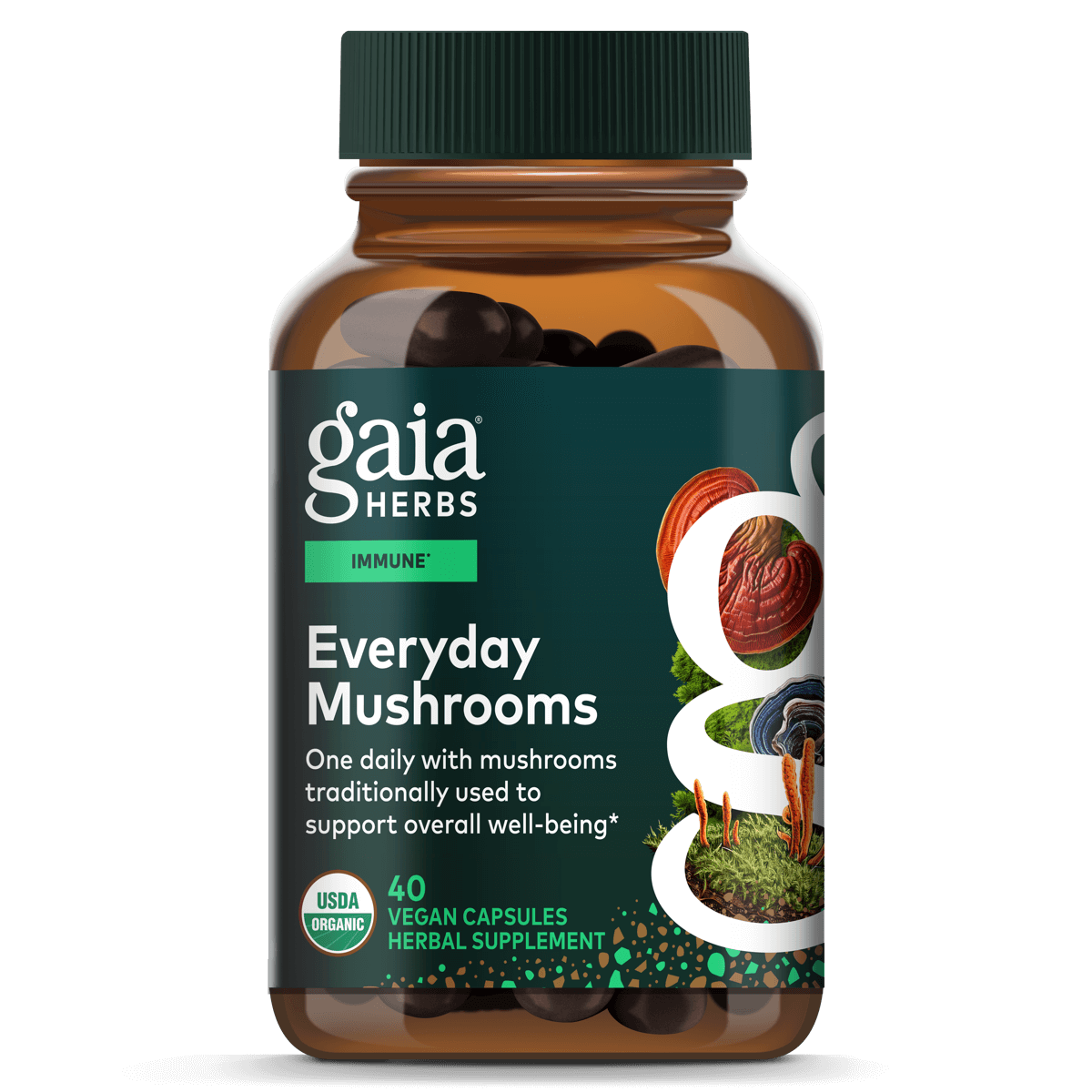
Credit: www.gaiaherbs.com
Common Myths About Medicinal Mushrooms
Myth 1: All mushrooms have the same benefits.
Only certain species like Chaga, Turkey Tail, and Reishi have strong immune-boosting effects. Button mushrooms or portobellos do not offer the same support.
Myth 2: They work instantly.
Benefits often take several weeks of regular use to appear. Mushrooms are not like antibiotics—they gently support your body over time.
Myth 3: More is always better.
Taking huge doses can cause digestive upset or interact with medications. Quality matters more than quantity.
Myth 4: Mushrooms can cure diseases by themselves.
They are best used as part of a healthy lifestyle, not as a replacement for medical care.
Real-life Experiences: What Users Say
Many people who try immune-boosting mushrooms notice:
- Fewer colds and less time feeling sick during winter.
- Better energy and focus, especially with Reishi.
- Improved digestion and less bloating with Turkey Tail.
- Less stress and better sleep, especially after using Reishi for a few weeks.
Some users report mild side effects like stomach discomfort at first, which often improves with a lower dose. It’s common to see best results after 4–6 weeks of regular use.
Practical insight: Some people add mushroom powder to coffee or smoothies to mask the earthy taste. Others prefer capsules for convenience.
Combining Mushrooms With Other Supplements
It’s safe to use Chaga, Turkey Tail, and Reishi together. In fact, many products blend them for a more complete effect. However, be careful when combining with other immune supplements like echinacea, elderberry, or high-dose vitamin C, as this can overstimulate the immune system in rare cases.
For most people, a combination of mushrooms plus a balanced diet is enough for daily immune support.
The Importance Of Quality And Sourcing
The market for mushroom supplements is booming, but not all products are equal. Here are some ways to judge quality:
- Source: Mushrooms grown in clean environments (like the US, Canada, or Finland) are less likely to be contaminated.
- Extraction method: “Dual-extracted” products are more potent.
- Label transparency: Look for brands that tell you the percentage of beta-glucans or polysaccharides.
- Third-party testing: Independent lab tests for heavy metals and toxins are a must.
Red flag: If the label says “mycelium on grain,” you are getting mostly filler and not the full power of the mushroom.

Credit: foragehyperfoods.com
Popular Brands And Where To Buy
Some trusted brands include Host Defense, Four Sigmatic, Real Mushrooms, and Om Mushrooms. You can find these in health food stores, online, or at some pharmacies.
If you want to learn more, check out the National Institutes of Health for in-depth scientific studies.
Cooking With Immune-boosting Mushrooms
You can add these mushrooms to recipes, but they are usually too tough or bitter to eat directly. Instead, try:
- Adding powdered extract to soups, stews, or broths
- Mixing with coffee or hot chocolate
- Stirring into oatmeal or yogurt
- Blending in smoothies with fruit and greens
For best absorption, pair with a source of fat and avoid boiling for too long.

Credit: www.amazon.com
Frequently Asked Questions
What Is The Best Time Of Day To Take Chaga, Turkey Tail, Or Reishi?
Chaga and Turkey Tail are usually best taken in the morning or early afternoon for energy and immune support. Reishi can be calming, so many people take it in the evening to help with sleep.
Can I Use These Mushrooms If I’m Allergic To Regular Mushrooms?
Allergies to culinary mushrooms do not always mean you will react to medicinal types, but caution is wise. Start with a small dose and watch for any symptoms. If you are highly allergic to mold or fungi, consult a doctor before use.
How Long Does It Take To Feel The Effects?
Most users notice benefits after 2–4 weeks of daily use. These mushrooms work slowly by supporting and balancing the immune system over time, rather than giving an instant effect.
Are There Any Drug Interactions I Should Know About?
Yes. Chaga and Reishi can thin the blood, so avoid them if you take blood thinners. Reishi may lower blood pressure, which could interact with blood pressure medication. Always talk to your healthcare provider if you’re on medication.
Can Children Take Immune-boosting Mushrooms?
There is limited research on children. Some pediatricians use Turkey Tail for certain conditions, but always consult a healthcare professional before giving these mushrooms to kids.
Adding Chaga, Turkey Tail, and Reishi to your wellness routine can be a smart, natural way to support your immune system. When chosen carefully and used consistently, these mushrooms offer a gentle but powerful path to better health. Remember, quality and proper use are key—start slow, listen to your body, and enjoy the journey to stronger immunity and vitality.