
Shiitake For Gut Health: Prebiotic Benefits You Didn’t Know About
For centuries, shiitake mushrooms have been prized in Asian cuisine—not only for their rich, savory taste but also for their healing properties. In recent years, scientists and health enthusiasts have turned their attention to how shiitake mushrooms can help the gut, a critical but often overlooked part of our overall wellbeing. Many people know about probiotics, but not as many realize the importance of prebiotics—special nutrients that feed the good bacteria in your digestive tract. Shiitake mushrooms are a powerful prebiotic food, and their unique benefits for gut health are only just being understood.
If you care about digestion, immunity, or simply want to feel better day to day, learning about shiitake’s prebiotic power could change your approach to food and health. This article explores the science behind shiitake and gut health, explains how shiitake supports your microbiome, compares shiitake with other prebiotic foods, and gives you practical advice on including more shiitake in your diet. You’ll also discover surprising insights that most beginners miss when thinking about gut-friendly foods. Plus, you’ll learn why shiitake’s impact goes beyond the gut—touching everything from your immune system to your mental wellbeing.
Understanding Gut Health And Prebiotics
Your gut is home to trillions of bacteria, viruses, and fungi—collectively called the gut microbiome. This community is not just for digesting food. It helps control your immune system, mood, weight, and even how your body responds to illness. A healthy gut microbiome is diverse, with many different types of good bacteria. If this balance is lost, you may experience problems like bloating, constipation, diarrhea, or even more serious issues like autoimmune disease.
What’s often missed is how much your daily habits—like stress, antibiotics, or poor diet—can disturb this delicate balance. For example, a single course of antibiotics can wipe out many types of good bacteria, making it harder for your gut to recover.
Even chronic stress or lack of sleep can reduce microbial diversity. This is why regularly feeding your gut with prebiotics is so important.
Prebiotics are special plant fibers that the human body cannot digest. Instead, they serve as food for the good bacteria in your gut. When you eat prebiotic foods, you help these beneficial bacteria grow and do their work. The result? Better digestion, stronger immunity, and even protection against some diseases. Prebiotics also help crowd out harmful bacteria simply by encouraging the “good guys” to multiply.
Most people know about common prebiotics like garlic, onions, and bananas. But shiitake mushrooms are a less well-known but highly effective prebiotic food. Let’s see what makes them special.
What Makes Shiitake A Powerful Prebiotic?
Shiitake mushrooms (Lentinula edodes) contain unique compounds that set them apart from other prebiotic foods. Here’s why they matter:
- Rich in beta-glucans: Shiitake are loaded with beta-glucans, a type of soluble fiber. These fibers resist digestion in the stomach and small intestine, reaching the colon where they feed the good bacteria. They’re also known to have cholesterol-lowering effects, offering a double benefit.
- Contain polysaccharides: Polysaccharides are complex carbohydrates that help the gut microbiome thrive. Shiitake’s polysaccharides, especially lentinan, are known to boost immunity and encourage the growth of friendly bacteria. Lentinan has even been studied as a support for cancer patients, showing how powerful these compounds can be.
- Mannan and chitin: These are other types of dietary fibers in shiitake. They act as food for Bifidobacterium and Lactobacillus, two of the most important good bacteria in your gut. Chitin, often found in the mushroom’s tough stem, has additional antioxidant benefits.
- Antimicrobial properties: Shiitake also contains compounds that help prevent harmful bacteria from growing, giving an advantage to beneficial microbes. Unlike many prebiotic foods, shiitake can actively suppress the growth of pathogens while nourishing the good bacteria.
Let’s break down how these nutrients compare with other common prebiotic foods.
| Prebiotic Food | Main Prebiotic Compounds | Unique Features |
|---|---|---|
| Shiitake Mushroom | Beta-glucans, polysaccharides (lentinan), mannan, chitin | Supports immunity, strong antimicrobial effects |
| Garlic | Inulin, fructooligosaccharides | Strong flavor, supports heart health |
| Banana | Resistant starch, inulin | Gentle on stomach, easy to eat raw |
| Onion | Inulin, fructans | Widely available, used in many dishes |
Notice that shiitake brings unique compounds to the table, not just the typical inulin found in other prebiotic foods. This means adding shiitake to your diet can give your gut a wider range of nutrients to feed on. Many gut experts suggest rotating different prebiotic sources to “train” your microbiome, and shiitake is a valuable part of that rotation.
Shiitake’s Impact On The Gut Microbiome
Many people think all prebiotics are the same. But the type of fiber you eat influences which bacteria grow. Shiitake fibers are especially good at supporting certain beneficial gut bacteria.
How Shiitake Feeds Good Bacteria
When you eat shiitake, the beta-glucans and polysaccharides pass through your digestive system undigested until they reach the colon. There, gut bacteria break them down and use them for energy. This process is called fermentation, and it produces short-chain fatty acids (SCFAs) like butyrate, acetate, and propionate. These SCFAs:
- Nourish the cells lining your gut
- Lower inflammation
- Help keep the gut barrier strong
The SCFAs are important for more than just gut health. For example, butyrate is a preferred fuel for colon cells. If your colon cells are well-fed, you’re less likely to develop problems like leaky gut or colon inflammation. Butyrate also helps signal your immune system to stay in balance, preventing overreactions that can lead to allergies or autoimmune issues.
Research shows that beta-glucans from shiitake can boost Bifidobacterium and Lactobacillus. These bacteria are linked to better digestion, less bloating, and a healthier immune system. If you’ve ever felt sluggish or noticed your digestion is “off” after antibiotics or illness, it’s often because these good bacteria have been reduced. Shiitake can help restore them.
Shiitake And Gut Diversity
A diverse gut microbiome is a healthy one. Shiitake’s mix of unique fibers encourages a broader range of bacteria than you get from just eating the same prebiotic foods every day. In one study, people who added shiitake to their diet showed increased gut microbial diversity after just a few weeks.
Why does this matter? The more diverse your gut bacteria, the more resilient your system is. If you’re exposed to a new virus, bacteria, or even stressful event, your gut is better able to adapt and recover. Diversity is a key marker of health in gut research, and shiitake supports this more than many people realize.
A second insight: increasing diversity can help reduce food sensitivities. When your gut is populated by many types of bacteria, you’re less likely to react badly to new foods or ingredients. This is a benefit that’s often missed in mainstream discussions.
Shiitake’s Antimicrobial Effects
Another insight: shiitake doesn’t just feed good bacteria. It also contains compounds like lentinan and eritadenine that inhibit the growth of certain harmful microbes, such as Candida albicans and some types of E. coli. This helps keep the “bad” bacteria in check and prevents them from taking over your gut.
In practice, this means shiitake can support recovery after infections or antibiotic use. It’s especially helpful for people with recurring yeast infections or digestive problems linked to an overgrowth of harmful microbes. Shiitake’s unique mix of nutrients helps the gut return to balance faster than prebiotics that only feed bacteria.
Health Benefits Of Shiitake’s Prebiotic Power
The prebiotic fibers in shiitake offer a range of health benefits, many of which go beyond simple digestion. Here’s what science says:
1. Improved Digestion
Eating shiitake regularly can lead to smoother digestion, less bloating, and more regular bowel movements. The fibers help “bulk up” stool and encourage the growth of Lactobacillus and Bifidobacterium, which are key for breaking down food.
A less obvious benefit: shiitake’s fibers can help balance water in your colon, easing both constipation and diarrhea. This makes shiitake useful for people with sensitive digestion.
2. Stronger Immune System
Your gut is a major part of your immune system. When the gut barrier is strong, fewer harmful substances enter your body. The SCFAs produced by fermenting shiitake fibers help keep this barrier tight. Plus, the beta-glucans in shiitake are well-known for directly boosting immune cells.
Some studies suggest that people who eat more mushrooms, including shiitake, catch fewer colds and recover faster from infections. The immune support is not just from the gut—it also affects your whole body.
3. Lower Inflammation
Chronic inflammation in the gut can lead to discomfort and even diseases like ulcerative colitis or Crohn’s. Shiitake’s fibers and antioxidants help reduce inflammation. Some studies show that lentinan reduces markers of inflammation in animals and humans.
People with inflammatory bowel issues often report less pain and fewer flare-ups when they add shiitake to their diet (along with medical treatment). Even if you don’t have gut disease, lowering gut inflammation can make you feel less tired and more energetic.
4. Better Weight Management
A balanced gut microbiome is linked to a healthy weight. Prebiotic fibers from shiitake can help control appetite by making you feel full longer. They also improve how your body handles fat and sugar, which can support healthy weight loss.
Some animal studies show that adding shiitake to a high-fat diet results in less fat gain and better blood sugar control. While more research is needed in humans, this is a promising area for people struggling with weight.
5. Protection Against Gut Infections
Because shiitake can suppress harmful bacteria and yeast, it may lower your risk of infections like Candida overgrowth or traveler’s diarrhea. This is especially important if you’ve taken antibiotics, which can wipe out both good and bad bacteria.
A practical tip: after a course of antibiotics, include shiitake in your meals along with other prebiotics to help your gut recover quickly.
6. Support For Brain Health
There’s a strong connection between gut health and brain health—called the gut-brain axis. By feeding your gut with shiitake’s prebiotic fibers, you may experience better mood, less stress, and improved mental clarity. Some research suggests that gut bacteria boosted by shiitake produce neurotransmitters like serotonin.
This means shiitake could indirectly support sleep, stress response, and even memory. People with brain fog or mild anxiety sometimes notice improvement when they take gut health seriously.
Shiitake Vs. Other Prebiotic Foods
You may wonder, “Why not just eat garlic or onions for prebiotics?” All prebiotic foods are helpful, but shiitake stands out for several reasons:
- Unique fiber types: Shiitake contains beta-glucans and polysaccharides not found in most vegetables.
- Antimicrobial effects: It fights harmful microbes, unlike most prebiotic foods.
- Rich in vitamins and minerals: Shiitake also gives you vitamin D, copper, selenium, and B vitamins.
- Flavor versatility: Shiitake has a savory, umami flavor that makes it easy to add to both Asian and Western dishes.
Here’s a quick comparison:
| Food | Prebiotic Fiber Content (per 100g) | Additional Health Benefits |
|---|---|---|
| Shiitake Mushroom | 2.5g (beta-glucans, polysaccharides) | Immunity, anti-inflammatory, vitamin D |
| Garlic | 2.1g (inulin) | Heart health, antimicrobial |
| Chicory Root | 47g (inulin) | Liver support, very high fiber |
| Banana | 1.1g (resistant starch, inulin) | Potassium, energy |
You can see that while some foods are higher in fiber overall (like chicory root), shiitake offers a unique mix of benefits that support both your gut and whole-body health. Plus, many people find shiitake easier to include in savory meals compared to sweet or bitter prebiotics.
How To Add Shiitake To Your Diet
Including shiitake in your meals is easy and delicious. Here’s how to do it for maximum gut health benefits:
Fresh Vs. Dried Shiitake
Both fresh and dried shiitake mushrooms have prebiotic fibers, but dried shiitake tends to have higher levels of beta-glucans because the drying process concentrates these nutrients.
- Fresh shiitake: Great for stir-fries, soups, and grilling.
- Dried shiitake: Ideal for broths, ramen, and slow-cooked dishes. Soak before using.
Dried shiitake is also a convenient pantry staple. It stores for months, so you can always have a gut-healthy ingredient on hand.
Cooking Tips
- Do not overcook: Light cooking (sautéing, steaming) keeps the prebiotic fibers intact.
- Slice thin: Thin slices cook quickly and blend well into dishes.
- Use the stems: Shiitake stems are tough but loaded with fiber. Add them to stocks or broths and remove before eating.
- Pair with other gut-friendly foods: Try shiitake with onions, garlic, or leeks for a double boost of prebiotics.
Recipes To Try
- Shiitake miso soup: Add sliced mushrooms to miso for a gut-friendly soup.
- Stir-fried shiitake and greens: Sauté with garlic and spinach for a quick meal.
- Shiitake broth: Simmer dried shiitake with vegetables for a healing drink.
- Shiitake omelet: Combine with eggs and herbs for a savory breakfast.
A simple but effective way to get the benefits is to add a handful of sliced shiitake to your main meal at least three times a week. For a snack, try shiitake chips—thinly sliced, lightly oiled, and roasted.
How Much Shiitake Should You Eat?
There’s no set “dose” for shiitake’s prebiotic effects, but studies suggest the following:
- Adults: 5–10 grams of dried shiitake (about 2–4 medium caps) per day
- Children: 2–3 grams dried shiitake per day
Eating more is usually safe, but start slow if you’re new to high-fiber foods to avoid gas or bloating. Remember, variety is important. Combine shiitake with other prebiotic foods for best results.
One overlooked tip: If you’re sensitive to FODMAPs (fermentable carbs that can cause bloating), start with a small portion and increase gradually as your gut adapts.
Who Should Avoid Shiitake?
While shiitake is safe for most people, there are some exceptions:
- Allergies: Some people are allergic to mushrooms. If you have a known allergy, avoid shiitake.
- Autoimmune diseases: If you take immune-suppressing drugs, check with your doctor. Shiitake’s immune-boosting effects may interact with your medication.
- Digestive disorders: If you have IBS, Crohn’s, or severe digestive issues, introduce shiitake slowly and watch for symptoms.
- Gout: Shiitake has moderate purines, so people with gout may want to limit intake.
Always cook shiitake before eating. Raw shiitake can cause a rare skin reaction called shiitake dermatitis in sensitive people. Cooking also makes the fibers easier to digest and releases more nutrients.
Credit: www.walmart.com
Common Mistakes When Using Shiitake For Gut Health
Many beginners make these errors:
- Eating only raw shiitake: Raw mushrooms are harder to digest and may cause stomach upset. Cooking improves digestibility and releases more nutrients.
- Ignoring the stems: Stems are rich in fiber. Don’t throw them away—use them in broths.
- Not combining with other fibers: Shiitake is powerful, but your gut needs variety. Eat a mix of prebiotic foods for a healthy microbiome.
- Overcooking: Too much heat destroys some beneficial compounds. Light cooking is best.
A non-obvious tip: store dried shiitake in a cool, dry place, and soak them in warm (not boiling) water for the best texture and flavor.
Also, don’t rely on shiitake alone for all your fiber. Balance it with leafy greens, whole grains, and other prebiotic-rich foods.
The Science Behind Shiitake’s Prebiotic Effects
Researchers have been looking closely at how shiitake mushrooms affect the gut. Here are some key findings:
- A 2015 study in the Journal of Medicinal Food found that rats fed shiitake polysaccharides had increased levels of Bifidobacterium and Lactobacillus, and lower levels of harmful bacteria.
- Human studies show that adding shiitake to the diet increases short-chain fatty acid production, which protects against colon cancer and inflammation.
- Another study found that lentinan, a polysaccharide in shiitake, improved gut barrier function in mice with colitis.
- Researchers are exploring shiitake’s role in preventing metabolic diseases like diabetes and obesity, thanks to its effects on the gut microbiome.
For those who want to dig deeper, the National Institutes of Health provides more research on shiitake and gut health.
Credit: crumpsnaturals.com
Shiitake Supplements: Are They Effective?
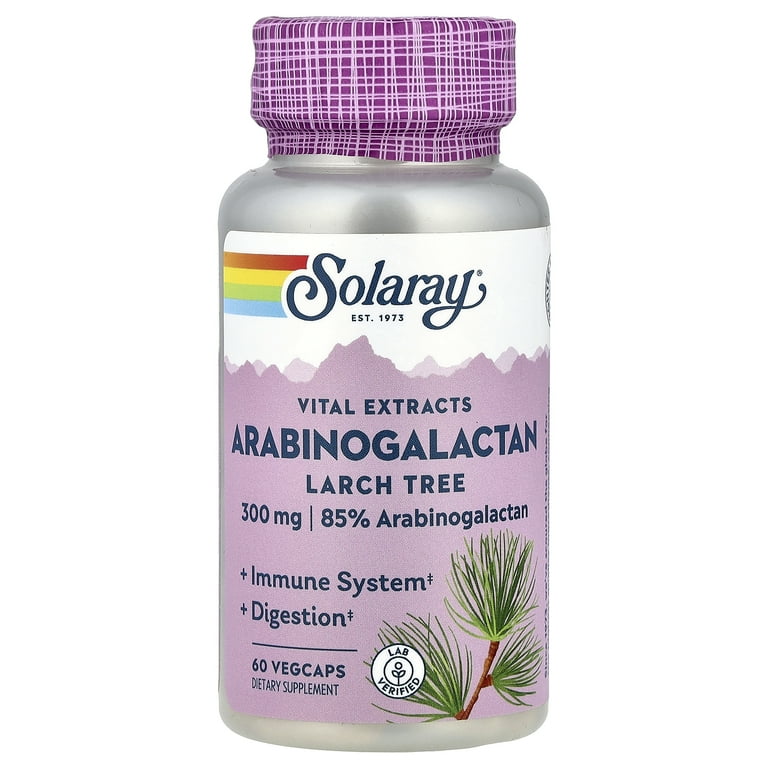
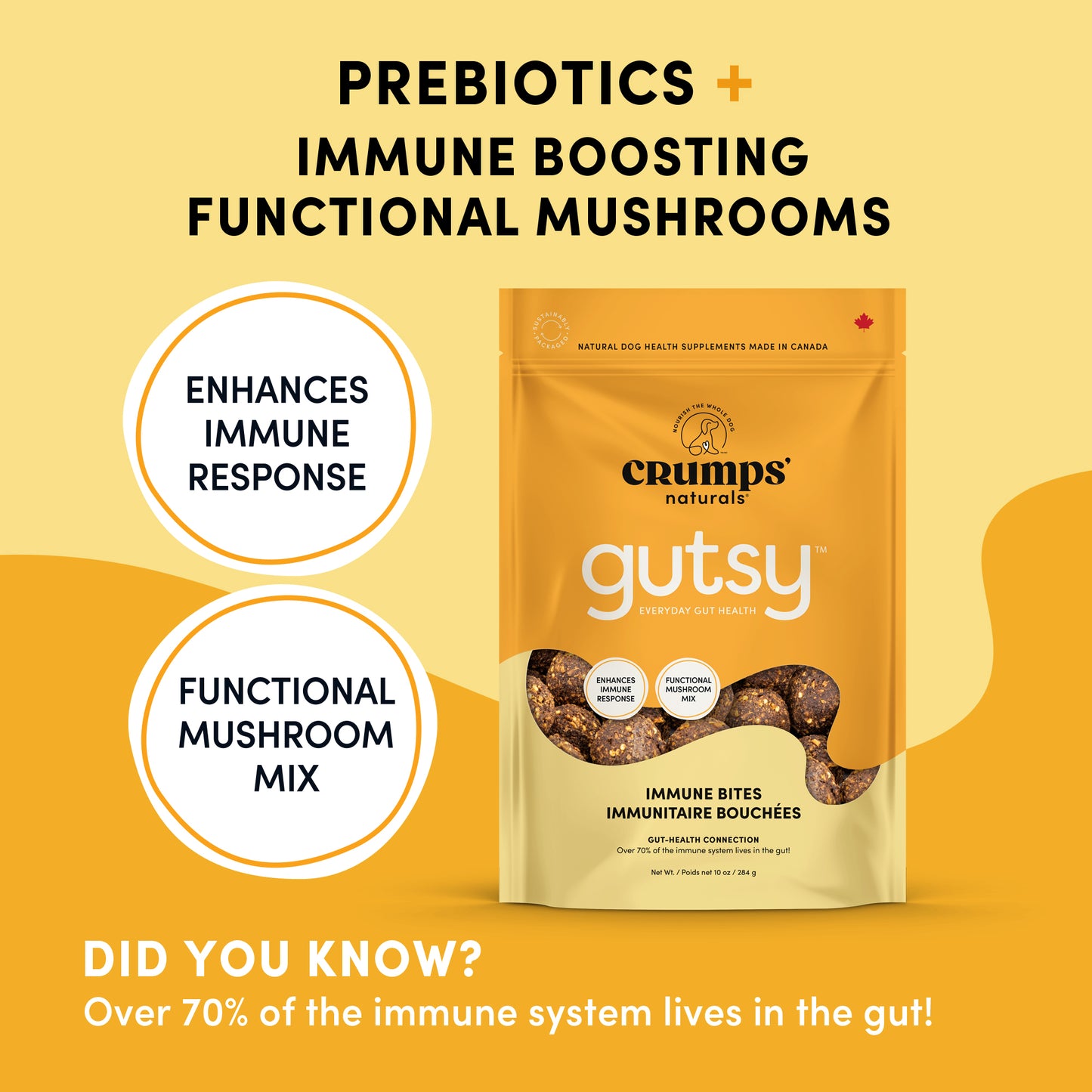
Some people prefer capsules or powders instead of whole mushrooms. Shiitake supplements can be helpful, but there are important things to know:
- Supplements may not contain the same levels of active fibers as whole mushrooms.
- The quality varies widely. Always choose a reputable brand and look for lab-tested products.
- Whole shiitake offers not just fiber but also vitamins, minerals, and antioxidants that may be lost in processed supplements.
- Some supplements use extracts that focus on certain compounds, which might not have the same prebiotic effect as eating the mushroom itself.
If you take a supplement, follow the dosage instructions carefully. Do not use supplements as a replacement for a balanced diet. When possible, use supplements as a “boost,” not your only source of prebiotics.
Shiitake For Special Diets
Shiitake mushrooms are suitable for many dietary styles:
- Vegan and vegetarian: Shiitake adds umami flavor and important nutrients missing from some plant-based diets.
- Gluten-free: Shiitake is naturally gluten-free.
- Low-calorie diets: Shiitake is low in calories but high in nutrients and fiber.
- Diabetes-friendly: The fibers help control blood sugar spikes.
- Low-FODMAP: In small amounts, shiitake may be tolerated, but always test your personal limits if you have IBS.
One thing to watch: some packaged shiitake products (like snacks) may contain added sugar or salt. Always check the label. For best results, use plain dried or fresh shiitake and prepare them at home.

Credit: minimonutrition.com
Storing And Preparing Shiitake For Maximum Benefits
Proper storage and preparation can make a big difference in both taste and gut health benefits.
- Store fresh shiitake in a paper bag in the refrigerator. They last up to a week.
- Dried shiitake keeps for months in an airtight container.
- Always rinse mushrooms well before use.
- To rehydrate dried shiitake, soak in warm water for 20–30 minutes. Save the soaking water for extra flavor in soups.
- If you buy pre-sliced or packaged shiitake, check for preservatives or added flavors that might affect gut health.
Remember: do not eat spoiled or moldy mushrooms. If a shiitake smells sour or feels slimy, it’s best to throw it out.
Shiitake And Gut Health: The Bottom Line
Shiitake mushrooms are much more than a tasty addition to stir-fries. Their unique blend of prebiotic fibers, immune-boosting compounds, and antimicrobial agents make them a powerful tool for improving gut health. By regularly adding shiitake to your diet, you can support a healthy, diverse microbiome, better digestion, and even improved immunity.
Most people focus on probiotics, but without prebiotics like shiitake, those friendly bacteria cannot thrive. Whether you eat shiitake fresh, dried, or in supplement form, what matters most is making them part of a varied and balanced diet.
If you’re serious about gut health, don’t overlook this humble mushroom. Its benefits go far beyond what you see on the surface—and your gut will thank you.
Frequently Asked Questions
How Do Shiitake Mushrooms Help With Gut Health?
Shiitake mushrooms contain beta-glucans, polysaccharides, and other fibers that feed beneficial gut bacteria. This helps improve digestion, supports immune function, and reduces inflammation. The unique fibers in shiitake also help grow a wider variety of good bacteria, making your gut microbiome more robust. Shiitake also helps crowd out harmful microbes, offering a double layer of protection.
Can I Eat Shiitake Mushrooms Raw For Prebiotic Benefits?
It is best to eat shiitake mushrooms cooked. Cooking makes the prebiotic fibers more digestible and safer. Raw shiitake can sometimes cause stomach upset or a rare skin reaction. Light sautéing or steaming is enough to unlock the gut health benefits.
Cooking also helps release other important nutrients, making shiitake more nourishing overall.
Are Shiitake Mushrooms Safe For Everyone?
Shiitake is safe for most people, but avoid them if you have a mushroom allergy. If you have digestive diseases or take immune-suppressing drugs, talk with your doctor first. Always introduce new high-fiber foods slowly to avoid gas or bloating.
If you have gout or are sensitive to purines, moderate your intake.
How Often Should I Eat Shiitake For Gut Health?
Aim for 2–4 medium dried shiitake caps (5–10 grams) several times a week for best results. Combine shiitake with other prebiotic foods for a healthy, balanced gut microbiome. If you’re new to mushrooms, start with a small amount and increase as your gut adapts.
Do Shiitake Supplements Work As Well As Whole Mushrooms?
Supplements can help but may not contain all the active fibers and nutrients found in whole shiitake mushrooms. For maximum gut health benefits, eat whole mushrooms as part of your regular diet and use supplements only as an extra. Always choose high-quality, tested brands.
Shiitake mushrooms are a smart, natural way to support your gut—and your overall wellbeing. Start small, experiment with recipes, and enjoy the many hidden benefits this ancient food has to offer. Your gut will reward you with better health, energy, and resilience for years to come.