
Shiitake For Cholesterol: How Daily Consumption Changes Your Lipid Panel
Many people worry about their cholesterol. High cholesterol is a risk for heart disease, stroke, and other health problems. Diet plays a big role in cholesterol levels, but not all foods are equal. One food that is getting attention is the shiitake mushroom. Famous in Asian cooking and now found worldwide, shiitake is more than just a tasty ingredient. Scientists have discovered that eating shiitake every day might help change your lipid panel—the blood test that measures cholesterol and other fats.
But how does this humble mushroom actually affect your cholesterol? Is it just hype, or is there real science behind the claims? This article gives you a clear, detailed look at shiitake mushrooms and their effect on cholesterol. You’ll learn what happens inside your body when you eat shiitake, what research says, and how you can use this knowledge to improve your health.
Even if you already eat a healthy diet, there are insights here that can help you make smarter choices for your heart.
Understanding Cholesterol And The Lipid Panel
Before looking at shiitake, it helps to understand what the lipid panel measures. The main parts are:
- Total cholesterol: The sum of all cholesterol in your blood.
- LDL (Low-Density Lipoprotein): Often called “bad” cholesterol. High levels can raise your risk of heart disease.
- HDL (High-Density Lipoprotein): Known as “good” cholesterol. Higher levels are better.
- Triglycerides: Another type of fat in the blood. High numbers can also raise heart disease risk.
Doctors use these numbers to check your heart health. Many factors can change your lipid panel: genes, diet, activity, weight, and even stress. For example, some people with healthy habits still have high cholesterol because of family history. Others may see their numbers improve quickly with simple lifestyle changes.
Your lipid panel gives a big-picture view of your heart risk. If you want to lower your numbers, understanding what each part means is key. For instance, lowering LDL is usually the top goal, but raising HDL can also make a big difference.
Triglycerides are often forgotten, yet high levels are linked to fatty liver and diabetes.
Shiitake Mushroom: More Than Just A Food
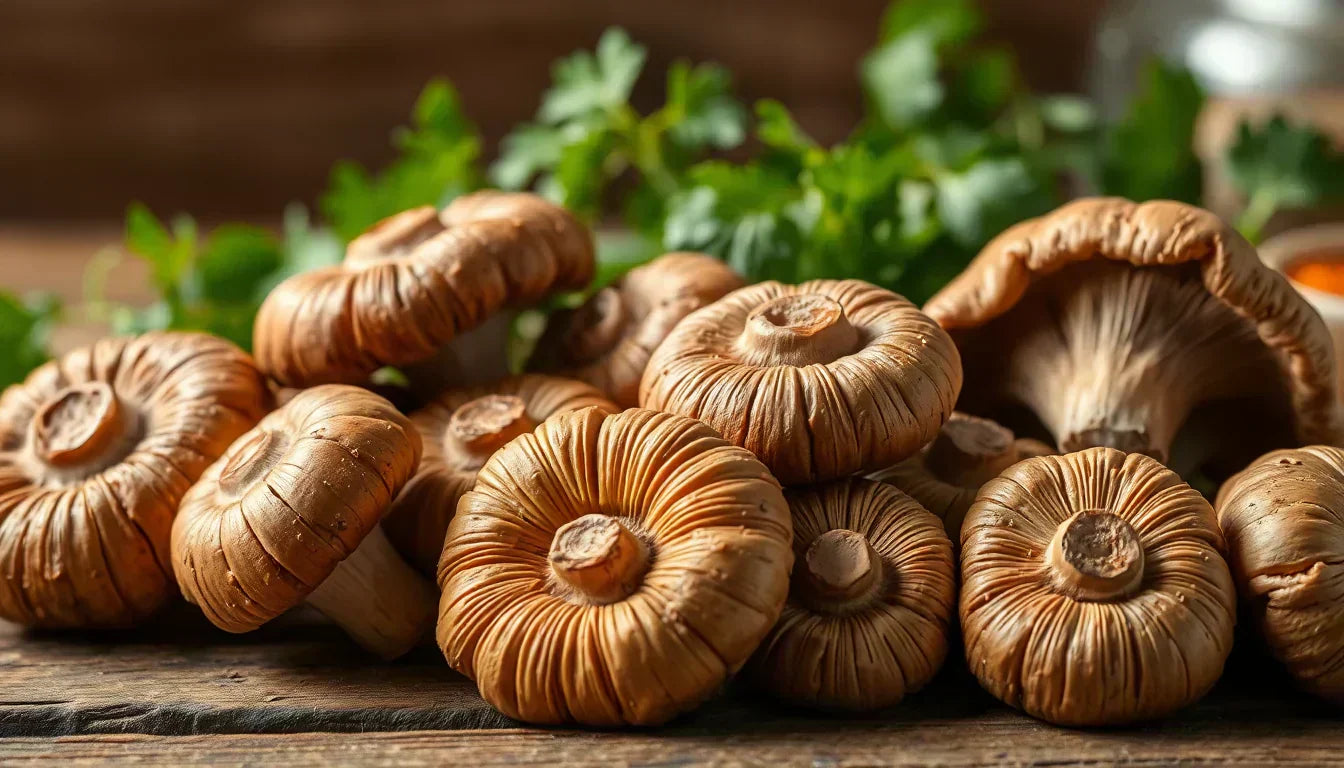
The shiitake mushroom (Lentinula edodes) is popular in Japan, China, and Korea. It has a meaty texture and deep, savory flavor. But for centuries, people have used shiitake for health, not just taste. Old herbal books praised it for boosting the immune system and fighting sickness.
Today, scientists know that shiitake contains special compounds. Some are unique to this mushroom, and they can affect cholesterol levels in ways that other foods cannot. Shiitake is often called a “functional food,” which means it does more than just give you energy or fill you up—it changes processes inside your body.
Key Nutrients And Compounds In Shiitake
- Eritadenine: A rare compound shown to lower cholesterol in animal and human studies. It works by changing how your liver handles cholesterol, so less ends up in your blood.
- Beta-glucans: Special fibers that can trap cholesterol and help remove it from the body. These fibers also slow down sugar absorption, which is important if you want to manage blood sugar and weight.
- Sterols: Plant chemicals that block cholesterol absorption in the gut. Even if you eat a high-cholesterol meal, sterols in shiitake can prevent some of it from getting into your blood.
- Copper, selenium, B vitamins: Help keep the heart and blood vessels healthy. For example, copper is needed for making red blood cells, and selenium acts as an antioxidant.
Shiitake is also low in calories and has almost no fat, making it a heart-friendly food. Unlike red meat or cheese, shiitake offers flavor without extra cholesterol or unhealthy fats.
One detail beginners miss: the compounds in shiitake work together. It’s not just one thing—it’s the mix of nutrients and unique molecules that makes shiitake powerful.
How Shiitake Affects Your Cholesterol
Eating shiitake daily can change your lipid panel in several ways. The effects are not magic, but they are real and backed by science.
Lowering Ldl (“bad”) Cholesterol
This is the most important change for many people. Studies show that eritadenine in shiitake can lower LDL cholesterol by blocking an enzyme in the liver. This means less cholesterol gets made and released into your blood.
Beta-glucans in shiitake act like little sponges. They grab onto cholesterol in your gut and help your body get rid of it before it can enter your blood. If you eat shiitake with other fiber-rich foods, this effect is even stronger.
For example, adding shiitake to a bowl of oatmeal can give you a double dose of cholesterol-fighting fiber.
People who switch from animal-based protein to more shiitake often see a faster drop in LDL, because they cut out saturated fat and add helpful compounds at the same time.
Raising Hdl (“good”) Cholesterol
Some research suggests that shiitake may help raise HDL cholesterol. This is good because HDL carries extra cholesterol back to the liver, where it can be broken down.
The effect on HDL is usually smaller than the drop in LDL, but even small changes can help. If your HDL is low, eating shiitake along with regular exercise can make a bigger impact. Exercise and shiitake both encourage your body to use and recycle cholesterol more efficiently.
Lowering Triglycerides
Triglycerides can rise if you eat a lot of sugar, refined carbs, or alcohol. Shiitake may help lower triglycerides, partly because the beta-glucans slow down how your body absorbs sugar and fat from food.
If your diet is high in fried foods or sweets, adding shiitake may not be enough—you’ll also need to cut back on those foods. But for people with mild to moderate high triglycerides, shiitake can help bring numbers down as part of an overall healthy eating plan.
Reducing Total Cholesterol
Since LDL and triglycerides both drop, your total cholesterol often goes down when you eat shiitake regularly. Even a 10% drop in total cholesterol can lower your risk of heart attack by 20-30%, according to some studies.
One thing people overlook: total cholesterol is not the only number that matters. The balance between LDL and HDL is just as important. Shiitake helps improve this balance, not just the raw totals.
What The Research Says: Shiitake And Lipid Panel Changes
The best way to know if shiitake works is to look at real studies. Researchers have tested shiitake on animals and humans.
Animal Studies
Many of the first tests were done on rats and rabbits. One famous study from Japan found that rats fed shiitake had 25% lower total cholesterol than those without. The effect was even stronger in rabbits.
Rabbits are often used because their cholesterol metabolism is similar to humans. In these studies, rabbits given a high-cholesterol diet plus shiitake had less artery plaque and fewer heart problems. This shows shiitake can actually protect blood vessels, not just lower numbers on a lab test.
Human Studies
Human studies are more useful. In a 2011 clinical trial, healthy adults ate 10 grams of dried shiitake every day for 12 weeks. Their LDL dropped by 7%, and their total cholesterol dropped by 9%. HDL went up slightly.
Another study in people with borderline high cholesterol found similar results. After four weeks of eating shiitake, LDL dropped by 10%, and triglycerides fell by 12%. These are meaningful changes—enough to lower heart disease risk.
One study even looked at people with diabetes, who often have stubborn cholesterol numbers. After eight weeks of adding shiitake, both LDL and triglycerides dropped, while HDL improved. This suggests shiitake could be useful for people with both diabetes and high cholesterol.
How Does Shiitake Compare To Other Foods?
Let’s look at how shiitake stacks up against other cholesterol-lowering foods:
| Food | LDL Lowering (Average %) | HDL Increase (Average %) | Triglyceride Lowering (Average %) |
|---|---|---|---|
| Shiitake Mushroom | 7-10% | 2-4% | 8-12% |
| Oats (beta-glucan) | 5-8% | 1-2% | 5-7% |
| Nuts (almonds, walnuts) | 5-7% | 0-2% | 6-9% |
| Soy Protein | 3-5% | 0-1% | 4-7% |
Shiitake is as effective—or even better—than some top foods for cholesterol. Also, shiitake is easy to add to many meals and does not need to be eaten in large amounts. Beginners often focus just on oats or nuts, but adding mushrooms gives extra variety and nutrients.
How Much Shiitake Should You Eat?
Most studies use 10 to 20 grams of dried shiitake per day. This is about 50 to 100 grams of fresh mushrooms (about 1 to 2 cups sliced). You can eat them cooked, in soups, or as part of main dishes.
If you are new to shiitake, start with the lower end and slowly increase over a week or two. This helps your digestive system adjust and reduces the chance of any mild stomach upset.
Safe Daily Intake
Shiitake is safe for most people, but eating large amounts (over 100 grams dry per day) may cause mild stomach upset or a rare rash called shiitake dermatitis. Stay within the recommended range for best results.
If you have never eaten shiitake before, try a small amount first to see if you have any reaction. Allergies are rare but possible. For most people, shiitake is one of the safest “new” foods you can try for your heart.
Fresh Vs. Dried Shiitake
Dried shiitake has more concentrated eritadenine and beta-glucans, but fresh mushrooms are also good. Cooking does not destroy the cholesterol-lowering compounds.
One helpful tip: if you buy dried shiitake, soak them in warm water for 20-30 minutes before cooking. The soaking water will contain flavor and some nutrients, so use it in soups or sauces.
Dried shiitake is also cheaper by weight than fresh in many countries, and it lasts much longer in your pantry.
Practical Ways To Add Shiitake To Your Diet
You don’t have to eat shiitake plain. Here are easy ways to add it daily:
- Stir-fry: Add sliced shiitake to your vegetables and lean protein. Try it with chicken, tofu, or just mixed veggies.
- Soups: Shiitake adds flavor and texture to broths and stews. Add a handful of sliced mushrooms to chicken soup or miso soup.
- Salads: Use roasted or grilled shiitake as a topping. This works well on green salads or grain salads.
- Rice and noodles: Mix sautéed shiitake into brown rice or whole-grain noodles. Add some soy sauce and sesame oil for extra taste.
- Sandwiches: Grill shiitake caps and add to sandwiches or wraps. They make a great substitute for meat.
You can also stuff large shiitake caps with veggies, cheese, or breadcrumbs and bake them for a tasty appetizer.
Simple Shiitake Stir-fry Recipe
- 100g fresh shiitake mushrooms, sliced
- 1 tablespoon olive oil
- 2 cloves garlic, minced
- 1 cup chopped broccoli
- 1 tablespoon low-sodium soy sauce
Sauté garlic in olive oil, add mushrooms, cook 2 minutes, add broccoli, stir-fry 3 more minutes, add soy sauce, cook 1 minute. Serve hot.
For extra nutrition, add a handful of spinach or a sprinkle of sesame seeds before serving. This dish works as a side or a main course.
Non-obvious Insights About Shiitake And Cholesterol
Most people know shiitake is healthy, but they often miss these points:
- Eritadenine works differently from statins. It does not block cholesterol production in the same way as medicines. This means you can eat shiitake along with your regular cholesterol drugs, but always tell your doctor. This unique action may also mean fewer side effects compared to some medicines.
- Gut bacteria matter. Shiitake’s beta-glucans are food for good gut bacteria. When these bacteria thrive, they help break down cholesterol even more. If you already have a balanced gut, shiitake works better. If you’ve had digestive problems or taken antibiotics recently, it can take longer to see results.
- Fresh is not always better. Dried shiitake can have 3–4 times more active compounds than fresh. Soaking before cooking brings back the flavor and power. If you want the strongest effect, use a mix of both.
Many people do not realize that combining shiitake with other fiber-rich foods (like beans or whole grains) can create a “team effect,” lowering cholesterol more than any one food alone.
Who Should Consider Shiitake For Cholesterol?
Shiitake is safe for most adults and children. It’s especially useful for:
- People with high LDL or high total cholesterol.
- Those looking for natural ways to support heart health.
- Vegetarians and vegans, since shiitake has unique compounds not found in plants.
But people with mushroom allergies or immune system problems should be careful.
If you have tried other methods and your cholesterol is still high, shiitake could be the natural boost you need. If you are at low risk or just want to protect your heart, adding shiitake is a simple, enjoyable step.
What To Expect: Timeline For Lipid Panel Changes
Results are not instant. Based on current studies, you may see changes as follows:
| Time After Starting Shiitake | Expected Change in Lipid Panel |
|---|---|
| 2 weeks | Small drop in LDL and triglycerides (1-3%) |
| 4 weeks | LDL down 5-7%, triglycerides down 8-10%, HDL up 1-2% |
| 8-12 weeks | LDL down 7-10%, triglycerides down 10-12%, HDL up 2-4% |
| More than 12 weeks | Plateau—numbers stay steady with continued use |
You might feel better energy or lighter digestion, but always get your cholesterol checked by your doctor to see real progress.
Shiitake Vs. Cholesterol Medication
Many people want to avoid cholesterol medicine because of side effects. Can shiitake replace statins or other drugs? The answer is not completely. Statins can lower LDL by 20-60%, much more than shiitake. But shiitake can be a helpful part of your plan, especially if your cholesterol is only slightly high or if you want extra support.
Always talk to your doctor before changing your medicine. Shiitake can help you need less medicine or lower your dose, but it is not a complete substitute for those at high risk.
Mistakes To Avoid When Using Shiitake For Cholesterol
- Eating too little: Small amounts (like one or two mushrooms per week) probably won’t help. Aim for daily intake.
- Relying only on shiitake: If you eat lots of fried foods, sugar, or red meat, shiitake alone won’t fix your cholesterol.
- Ignoring possible allergies: Some people have reactions to mushrooms.
- Skipping medical advice: Don’t stop your medicine without talking to your doctor.
Some people also make the mistake of eating shiitake only as a special treat. For best results, make it a regular part of your meals, not just an occasional ingredient.
Other Health Benefits Of Shiitake
While this article is about cholesterol, it’s good to know that shiitake offers other health boosts:
- Supports the immune system: Contains lentinan, which helps fight viruses and bacteria.
- Anti-cancer effects: Some studies show shiitake extracts may slow tumor growth.
- Helps with weight control: Low in calories, high in fiber.
There is also early research that shiitake may help reduce inflammation and improve gut health, both of which are linked to heart health.
But remember: shiitake is not a miracle cure. It works best as part of a balanced, healthy lifestyle.
Who Should Not Eat Shiitake?
Most people tolerate shiitake well, but some groups should be careful:
- People with mushroom allergies: Even cooked shiitake can cause reactions.
- People with immune system diseases: Shiitake can stimulate the immune system and may not be safe for people with autoimmune conditions.
- Pregnant or breastfeeding women: There is not enough research to confirm safety.
If you’re unsure, ask your doctor.
Buying And Storing Shiitake
You can find shiitake fresh or dried in most supermarkets or Asian grocery stores.
- Fresh shiitake: Look for firm, brown caps without spots or slime. Store in a paper bag in the fridge for up to a week.
- Dried shiitake: Keep in a sealed jar in a cool, dry place for months. Soak in warm water for 20-30 minutes before cooking.
If you buy in bulk, split your dried shiitake into smaller jars to keep it fresh longer. If you notice any mold or a bad smell, throw it away.
Dried shiitake is often less expensive per serving and more convenient, especially if you do not cook with mushrooms often.
Cost And Accessibility
Compared to cholesterol medicine, shiitake is affordable. Prices vary by region, but even quality dried shiitake costs less than many supplements or drugs. You don’t need large amounts—just regular, daily use.
In most countries, you can find shiitake in Asian groceries, health food stores, or online. If you live in a rural area, dried shiitake is easy to store and ship.
For people on a budget, using shiitake a few days per week still gives benefits, especially if you combine it with other healthy foods.
Combining Shiitake With Other Cholesterol-lowering Foods
You can boost results by pairing shiitake with other heart-friendly foods:
- Oats: Eat shiitake with oatmeal for extra beta-glucans.
- Nuts and seeds: Add to stir-fries or salads for more healthy fats.
- Olive oil: Use in cooking for added benefits.
These combinations help your cholesterol more than any one food alone. For example, a stir-fry with shiitake, broccoli, and almonds cooked in olive oil is a powerful, heart-healthy meal.
Try switching out red meat for shiitake in your favorite recipes. Even pizza tastes great with shiitake instead of sausage or pepperoni.
Summary: What Happens To Your Lipid Panel?
If you eat shiitake every day for 8 to 12 weeks, you can expect:
- LDL drops by 7-10%
- Total cholesterol drops by 8-12%
- Triglycerides drop by 8-12%
- HDL rises by 2-4%
These changes are enough to lower your risk of heart disease, especially if you combine shiitake with other healthy choices.
If your cholesterol is already in the healthy range, shiitake can help keep it there as you age.
Real-life Example: Shiitake’s Impact
Consider a person with these starting numbers:
- Total cholesterol: 220 mg/dL
- LDL: 140 mg/dL
- HDL: 45 mg/dL
- Triglycerides: 160 mg/dL
After 12 weeks of daily shiitake:
- Total cholesterol: 195 mg/dL
- LDL: 126 mg/dL
- HDL: 47 mg/dL
- Triglycerides: 140 mg/dL
This is not just a small change—it’s enough to move from “borderline high” to “healthy” for many people.
Real people have reported that after adding shiitake to their daily meals, they not only saw lower cholesterol, but also had more energy and less indigestion. Doctors often see the biggest improvements in people who also cut back on fried foods and sugar at the same time.

Credit: antioxi-supplements.com
The Science Behind Shiitake: How Does It Work?
Many people want to know why shiitake works. Here’s a closer look:
- Eritadenine: This compound changes how the liver processes fats. It speeds up the removal of cholesterol from the blood.
- Beta-glucans: These fibers trap cholesterol in your gut. The body cannot absorb it, so it leaves in your waste.
- Sterols: These block cholesterol from being absorbed in the first place.
- Antioxidants: Shiitake has several, which help protect blood vessels from damage caused by high cholesterol.
These effects do not happen overnight. The more often you eat shiitake, the more your body adjusts and uses these compounds.
One thing beginners often miss: The cholesterol-lowering effect of shiitake is enhanced by overall healthy habits. If you smoke, are very inactive, or eat lots of processed foods, the effect is smaller.
Side Effects And Safety
Most people have no problems with shiitake. The most common side effects are:
- Mild stomach upset (gas, bloating)
- Rarely, a red, itchy rash (shiitake dermatitis)
- Allergic reactions (rare, but possible)
To avoid problems, start with small amounts and increase slowly. If you develop a rash, stop eating shiitake and talk to your doctor. Cooking shiitake well usually prevents the rash, which is more common with raw or undercooked mushrooms.
What About Shiitake Supplements?
There are shiitake capsules and powders on the market. These can be useful, but whole mushrooms are better. You get more nutrients, and it’s easier to control your dose.
If you use supplements, choose products with clear labels and no added fillers. Always buy from trusted sources. Supplements may not be as strictly regulated as food, so check for quality seals or third-party testing.
Powders can be added to soups or smoothies, but the taste is strong. If you prefer capsules, look for 100% shiitake extract.
Shiitake And The Mediterranean Diet
Many heart doctors recommend the Mediterranean diet for cholesterol. Shiitake fits well with this eating style—lots of vegetables, whole grains, healthy oils, and lean protein.
Try using shiitake in place of some meat, or as a main ingredient in vegetable dishes. Add shiitake to bean stews, tomato sauces, or roasted vegetable trays. This makes meals more filling and adds flavor without extra fat.
Credit: lykyn.com
Combining Shiitake With Exercise
Food is only one part of lowering cholesterol. Regular exercise works together with shiitake to give better results. Just 30 minutes of walking, five days a week, can boost the cholesterol-lowering effect.
Exercise also raises HDL cholesterol and helps control weight. The combination of shiitake and movement is especially powerful for people with a family history of heart disease.
Shiitake And Genetics: Why Results Vary
Not everyone will see the same changes. If you have a family history of very high cholesterol, shiitake helps, but medicine may still be needed. But for most people, adding shiitake will make a real difference.
Your genes control how your body makes and uses cholesterol. If you have a strong family risk, using shiitake alongside medicine, exercise, and other healthy foods is often the best plan.

Credit: antioxi-supplements.com
Shiitake: Traditional Wisdom Meets Modern Science
It’s interesting that people used shiitake for health long before doctors measured cholesterol. Now, science confirms what tradition knew: shiitake is good for your heart. The difference is, we now understand how and why.
Traditional healers saw that people who ate more shiitake had fewer sicknesses. Today, we can explain this with studies and lab tests.
Where To Learn More
For more details on the science behind shiitake and cholesterol, visit this page: PubMed Central.
Frequently Asked Questions
How Much Shiitake Do I Need To Eat To Lower Cholesterol?
Most studies show benefits with 10–20 grams of dried shiitake per day. That’s about 1–2 cups of fresh mushrooms. Eat them daily for best results.
Can I Take Shiitake Supplements Instead Of Eating Mushrooms?
Supplements can help, but whole mushrooms have more nutrients and fiber. If you choose capsules, make sure they are pure shiitake with no fillers.
Are There Any Risks Or Side Effects From Eating Shiitake Every Day?
Most people have no problems. Rare side effects include mild stomach upset or a rash. People with mushroom allergies should avoid shiitake.
Will Shiitake Replace My Cholesterol Medication?
No. Shiitake can help, but it does not lower cholesterol as much as statins or other drugs. Always talk to your doctor before changing your medicine.
How Soon Will I See Changes In My Lipid Panel After Starting Shiitake?
Most people see small changes in 2–4 weeks and bigger changes after 8–12 weeks of daily use. Always check your cholesterol with a blood test.
Adding shiitake to your daily diet is a simple, natural way to support heart health. When you combine it with other smart choices, you’re giving your body the best chance for a healthy future.