
Chaga mushroom tea has become a favorite among health enthusiasts and tea lovers alike. With its earthy flavor and reputation for health benefits, this ancient drink is now making its way into kitchens around the world. But if you’ve ever held a handful of chaga chunks and wondered how to turn them into a delicious, nourishing tea, you’re not alone. Brewing chaga tea is more than just pouring hot water over mushrooms—it’s a careful process that brings out the best flavor and nutrients.
In this guide, you’ll learn exactly how to prepare chaga chunks for tea, step by step. Whether you’re new to chaga mushroom tea or looking to improve your brewing skills, you’ll find clear instructions, helpful tips, and practical examples. By the end, you’ll feel confident making your own chaga tea at home.
What Is Chaga And Why Brew It?
Chaga is a type of medicinal mushroom that grows on birch trees, mainly in cold climates like Siberia, Canada, and Northern Europe. Its appearance is unusual—black and crusty on the outside, with a golden-brown center. People have used chaga for centuries in traditional medicine, especially for its potential health benefits.
Chaga isn’t a typical mushroom you’d find in the grocery store. It doesn’t have a cap or stem but looks more like a burnt piece of charcoal attached to a tree. This odd appearance hides a treasure trove of nutrients inside.
Chaga’s tough outer layer protects its soft, rusty interior, which is packed with beneficial compounds.
Unique Benefits Of Chaga Tea
Chaga tea is popular because it’s believed to support the immune system, fight inflammation, and provide antioxidants. Some studies suggest that chaga contains compounds like beta-glucans, melanin, and polysaccharides that help protect the body against oxidative stress. While research is still ongoing, many people drink chaga tea for its soothing properties and mild, pleasant taste.
What sets chaga apart from other teas is its high antioxidant content. For example, melanin gives chaga its dark color and may help protect cells from damage caused by free radicals. Beta-glucans are special fibers that may support healthy immune function.
Polysaccharides, found in many mushrooms, are linked to energy and vitality.
Another interesting aspect is chaga’s adaptogenic qualities. Adaptogens are natural substances that may help the body resist stress—physical, chemical, or biological. Some people find that drinking chaga tea regularly helps them feel more balanced and calm.
Why Use Chaga Chunks?
Chaga is sold in various forms: fine powder, extract, and solid chunks. Brewing from chaga chunks is often preferred for several reasons:
- Preserves Nutrients: The slow extraction process keeps more nutrients intact.
- Better Flavor: Chaga chunks produce a smooth, earthy taste with subtle vanilla notes.
- Long Shelf Life: Chunks stay fresh longer compared to powders.
Chunks offer a more natural and less processed experience. Unlike powders, which might be exposed to air and lose potency over time, chunks protect the active ingredients until you’re ready to use them. This makes them especially valuable for people who want the full benefits of wild chaga.
Some tea drinkers even report that chaga chunks give a different mouthfeel—silky and satisfying, without the grittiness that sometimes comes from powders. If you’re serious about getting the most from your chaga, using chunks is a smart choice.
Sourcing Quality Chaga Chunks
Before brewing, it’s important to start with the right chaga. Not all chaga is equal, and quality affects both flavor and health benefits.
How To Identify Good Chaga
- Color: High-quality chaga chunks have a black outer crust and a rusty orange interior.
- Texture: The chunks should feel dense and solid, not crumbly or too light.
- Origin: Wild-harvested chaga from birch trees in cold regions is considered best.
You might notice some chaga with gray or pale spots. Avoid these, as they often mean the chaga is old or harvested from unhealthy trees. The best chaga has a rich, almost glowing brown inside, showing it was picked at the right time.
Extra tip: Sometimes, chaga is mixed with bark or wood from the birch tree. While small bits are normal, the best chaga is mostly pure inner sclerotium—the part with the highest nutrients.
Where To Buy Chaga Chunks
You can find chaga chunks online or at specialty health stores. Always check that your source is reputable. Look for brands that share information about harvesting methods and testing for contaminants. Avoid chaga that looks moldy or too pale.
Some sellers provide certifications or lab results showing their chaga is free from heavy metals, pesticides, or radiation. Don’t be afraid to ask for this information. If you’re buying locally, ask how and where the chaga was gathered. Small, ethical suppliers often have the freshest and safest products.
Safety Tip
Chaga absorbs nutrients from its environment. If harvested from polluted areas, it may contain heavy metals or toxins. Only buy chaga that is tested for safety.
If you forage your own chaga, make sure to learn about local regulations and sustainable harvesting. Never take all the chaga from a tree—leave at least 20% so the fungus and tree can recover.

Credit: lykyn.com
Preparing Chaga Chunks: What You’ll Need
Getting ready to brew chaga tea is simple, but having the right tools and setup makes a difference. Here’s what you’ll need:
- Dried chaga chunks (about 10-20 grams per liter of water)
- Filtered water
- A stainless steel pot or ceramic saucepan (avoid aluminum)
- A fine mesh strainer or cheesecloth
- A glass jar or teapot for serving
- A sharp knife or hammer (for breaking large chunks)
- Optional: Spices (cinnamon, ginger), honey, or lemon for flavor
It helps to have a kitchen scale for accurate measurement, but you can estimate by weight or number of chunks. Using filtered water is important because it allows the flavor of the chaga to shine and prevents unwanted chemicals from affecting the brew.
Extra example: If your tap water has a strong taste or smell, your tea will too. Try using spring water for the cleanest results.
Step-by-step Brewing Guide
Making chaga tea from chunks isn’t complicated, but the process is different from regular tea. Chaga’s tough texture means you need a longer simmer to draw out its benefits.
Step 1: Break Down The Chaga Chunks
If your chaga comes in large pieces, you’ll want to break them into smaller chunks (about 1–2 cm each). This increases the surface area, helping the water extract more nutrients and flavor. Use a clean, heavy knife or a hammer.
Be careful—chaga is very hard.
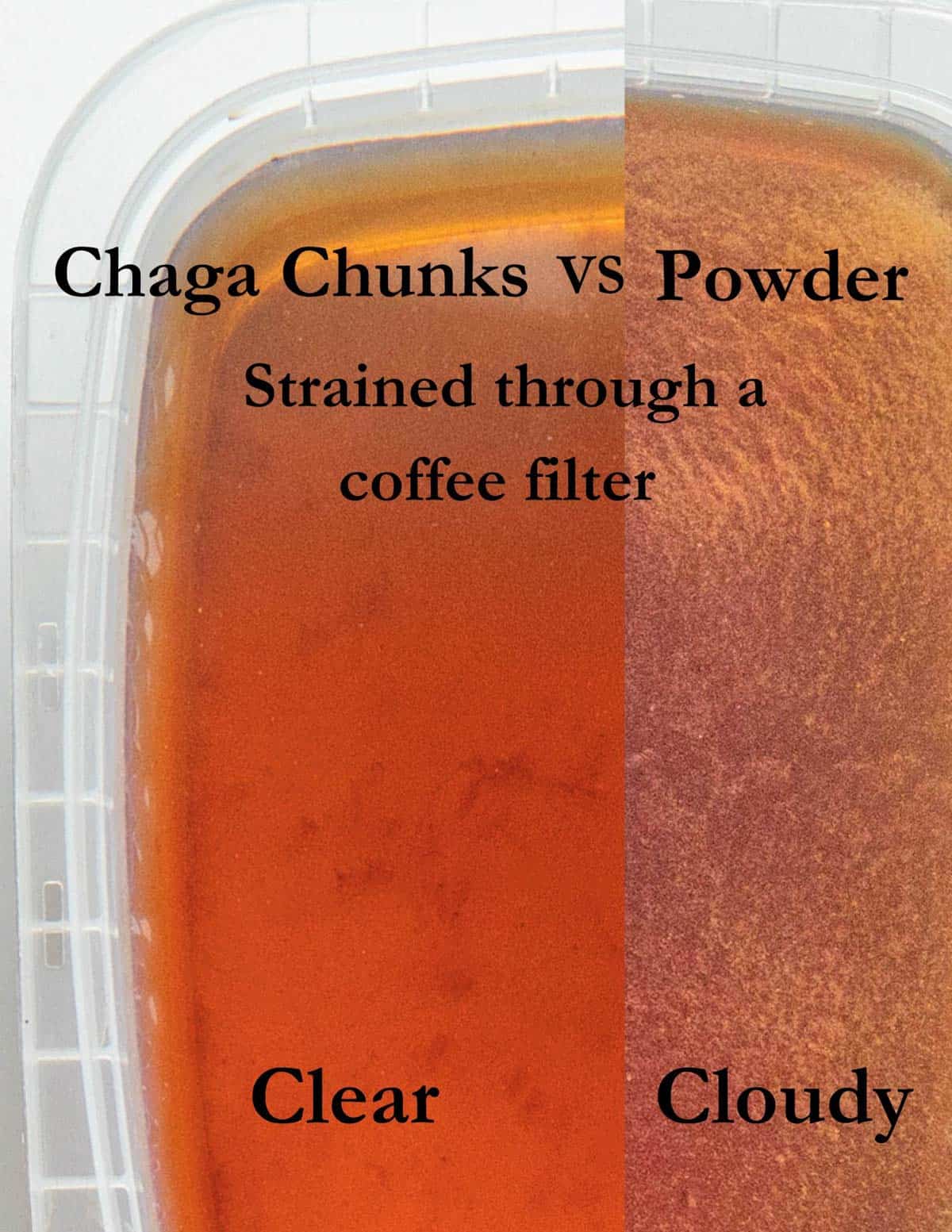
Non-obvious tip: Never grind chaga into a fine powder for boiling. Fine powder can pass through strainers and make your tea gritty. Stick to small chunks for clarity and flavor.
Extra detail: If you have a mortar and pestle, you can gently crack the chaga into uniform pieces. Avoid smashing it too much—uneven pieces can lead to uneven extraction, with some parts over-extracted and others under.
Step 2: Measure The Right Amount
For a standard batch, use about 10–20 grams (roughly 3–5 medium chunks) per liter of water. Chaga tea is usually brewed mild—you can make it stronger by using more chaga or simmering longer.
Practical insight: If you’re making tea for the first time, start with less chaga and taste before adding more. Some people find that a strong brew is too earthy or intense. You can always add, but you can’t remove chaga once it’s in the pot.
Step 3: Prepare The Water
Use filtered or spring water for the best taste. Tap water can add chlorine or minerals that affect the flavor.
Extra example: In areas with hard water, minerals like calcium and magnesium may interact with the tea, making it taste flat or muddy. A simple water filter pitcher can make a big difference.
Step 4: Simmer, Don’t Boil
Place the chaga chunks in your pot and add water. Slowly bring the water to a gentle simmer over medium-low heat. Avoid boiling—high heat can destroy some nutrients.
Let the chaga simmer for at least 1–2 hours. The longer you simmer, the darker and richer your tea will become. Some people simmer for up to 4 hours for maximum extraction.
Non-obvious insight: You can reuse the same chaga chunks for a second or even third batch. Each time, the tea will be lighter, but you’ll still get benefits.
Extra tip: If you want to brew overnight, use a slow cooker on the lowest setting. This provides gentle, consistent heat and is very convenient for making larger batches.
Step 5: Strain And Serve
After simmering, remove the pot from heat. Pour the tea through a fine mesh strainer or cheesecloth to catch any small particles. The tea should be a deep brown—almost like black coffee.
Pour into a glass jar or teapot. Serve hot or let it cool for iced chaga tea.
Additional detail: Glass jars are good for storage, but don’t fill them with hot tea directly from the pot—let the tea cool slightly to avoid cracking. If you want to keep tea warm, use an insulated thermos.
Step 6: Add Flavors (optional)
Chaga has a mild, earthy taste with hints of vanilla. If you want to add a twist, try these options:
- A slice of lemon for brightness
- A dash of cinnamon or ginger for warmth
- A spoonful of honey for sweetness
Avoid adding milk—dairy can interfere with chaga’s beneficial compounds.
Extra example: You can also try orange peel, star anise, or a touch of maple syrup for a different flavor profile. Experimenting with spices can help you find a blend you love.
Brewing Chaga Chunks: Time, Temperature, And Yield
Here’s a quick comparison to help you adjust brewing to your taste and schedule.
| Simmer Time | Flavor | Color | Potency | Yield per 10g Chaga |
|---|---|---|---|---|
| 1 hour | Mild | Light brown | Light | 1 liter |
| 2 hours | Medium | Deep brown | Moderate | 1 liter |
| 4 hours | Rich/Earthy | Almost black | Strong | 1.2 liters |
Tip: If you want a very strong tea, use more chaga and simmer longer. Taste as you go to find your favorite strength.
Extra insight: Remember, longer simmering also means more water will evaporate. Check your pot occasionally and add more water if needed to keep the chaga covered.
Storing And Reusing Chaga Chunks
Once you’ve brewed your tea, you might wonder what to do with the used chaga chunks.
How Many Times Can You Reuse Chaga Chunks?
Typically, you can use the same chaga chunks 2–3 times. Each brew will be lighter, but still beneficial. After the third use, the chunks lose most of their color and taste. If they look pale and soft, it’s time to compost or discard them.
Extra detail: Some people like to mix old and new chunks in one batch to stretch their supply. Just remember, flavor and potency will be less consistent.
How To Store Used Chaga Chunks
- Refrigeration: After brewing, rinse the chunks and store them in a sealed container in the fridge. Use within one week.
- Drying: For longer storage, dry the used chunks in a warm, airy place. Rehydrate before your next brew.
Practical example: Some people freeze used chaga chunks to keep them fresh for future batches.
Non-obvious tip: Write the number of times used on the container. This helps you track potency and avoid brewing weak tea by mistake.
Chaga Tea: Hot Vs. Cold Brew
Chaga tea can be enjoyed both hot and cold. Each method brings out different flavors and benefits.
Hot Brew Chaga Tea
- Method: Simmer chunks as described above.
- Taste: Rich, earthy, warming.
- Best for: Cold weather, traditional tea experience.
Cold Brew Chaga Tea
- Method: Place chaga chunks in cold water and let them steep in the fridge for 24–48 hours. No heating needed.
- Taste: Milder, slightly sweet.
- Best for: Refreshing summer drink, sensitive stomachs.
| Brewing Method | Time | Flavor | Nutrient Extraction | Best Use |
|---|---|---|---|---|
| Hot Simmer | 1–4 hours | Earthy, strong | High | Traditional tea |
| Cold Brew | 24–48 hours | Mild, sweet | Moderate | Iced tea |
Note: Hot brewing releases more antioxidants. Cold brew is gentler and less bitter.
Extra detail: Cold brew tea keeps longer in the fridge—up to 3 days. It’s a great option for making ahead or serving at gatherings.
Enhancing Your Chaga Tea Experience
Chaga tea is simple, but small tweaks can make your brew even better.
Pairing Chaga Tea With Other Ingredients
Mixing chaga with herbs and spices can add new flavors and health benefits. Try these combinations:
- Chaga + cinnamon + ginger: Warms the body and boosts digestion.
- Chaga + lemon + honey: Bright, immune-supporting blend.
- Chaga + green tea: Adds a gentle caffeine lift.
Extra tip: Mint, cardamom, or turmeric can also be used for unique flavor twists and extra health benefits.
How To Make Chaga Tea Lattes
Chaga tea lattes are becoming popular in cafes and home kitchens. To make one:
- Brew a strong chaga tea (using double the usual chaga).
- Froth non-dairy milk (like oat or almond).
- Mix the hot tea with frothed milk, and sweeten with honey or maple syrup.
This creates a creamy, comforting drink with a unique flavor.
Extra example: Add a sprinkle of cinnamon on top or a drop of vanilla extract for a café-style treat at home.
Using Chaga Tea In Recipes
Chaga tea isn’t just for sipping. You can use it as a base for:
- Smoothies: Replace water with chilled chaga tea.
- Oatmeal: Cook oats in chaga tea for extra nutrients.
- Soups: Add to broths for an earthy depth.
Non-obvious idea: Try using chaga tea in baking—swap it for water in bread or muffin recipes for a subtle earthy note and added antioxidants.

Credit: lykyn.com
Potential Health Benefits Of Chaga Tea
Many people drink chaga tea for its possible health advantages. While research is ongoing, here are some commonly discussed benefits:
- Rich in antioxidants: Chaga contains melanin and polyphenols, which help protect cells from damage.
- Immune system support: Beta-glucans in chaga may help regulate immune responses.
- Anti-inflammatory effects: Chaga has been studied for its potential to reduce inflammation.
- Blood sugar balance: Some animal studies suggest chaga might help control blood sugar levels.
Important: Chaga is not a medicine. It should not replace medical treatment. If you have a medical condition or take medication, consult your doctor before using chaga tea.
For more scientific information, see this Wikipedia article on Chaga.
Extra insight: Beginners often overlook that chaga’s benefits build over time. Drinking it daily for weeks may have a different effect than just one cup. Listen to your body and adjust your routine as needed.
Common Mistakes When Brewing Chaga Chunks
Brewing chaga tea seems simple, but a few common errors can spoil the results.
- Boiling instead of simmering: High temperatures can break down important compounds. Always use a gentle simmer.
- Using too much chaga: Strong tea isn’t always better. Start mild and adjust to taste.
- Skipping filtration: Unfiltered tea can be gritty or bitter.
- Not cleaning equipment: Residue can build up and affect flavor. Wash pots and strainers well after each use.
- Ignoring storage: Leaving brewed tea or chaga chunks at room temperature leads to spoilage.
Practical tip: Start with small batches until you find your favorite strength and flavor.
Extra mistake: Some people try to speed up the process by microwaving chaga chunks in water. This uneven heating doesn’t extract nutrients well and can ruin the taste.
Credit: foragerchef.com
Comparing Chaga Chunks With Other Forms
Chaga is sold as chunks, powder, extract, and tea bags. Here’s how chunks compare:
| Form | Flavor | Preparation | Potency | Shelf Life |
|---|---|---|---|---|
| Chunks | Rich, smooth | Slow simmer | High | 1–2 years |
| Powder | Earthy, strong | Quick, can be gritty | Medium | 6–12 months |
| Extract | Mild, concentrated | Instant | Very high | 1–2 years |
| Tea Bags | Light, convenient | Steep like regular tea | Low–medium | 1 year |
Insight: Chunks offer the best balance of flavor, potency, and storage life, but require more preparation.
Non-obvious comparison: Extracts are good for travel or when you don’t have time to brew tea. However, many people prefer the ritual and control of preparing tea from chunks—it feels more connected to tradition and nature.
Cleaning And Caring For Your Chaga Brewing Tools
Proper cleaning keeps your tea tasting pure and prevents mold or residue.
- Wash pots and strainers with hot, soapy water after each use.
- Dry thoroughly to prevent moisture buildup, which can spoil chaga.
- Store chaga chunks in a cool, dry place, away from sunlight.
Avoid using aluminum pots—chaga can react with aluminum, affecting both taste and safety. Stick with stainless steel, glass, or ceramic.
Extra detail: If you brew chaga tea often, dedicate a pot and strainer for this purpose. This avoids flavor transfer from other foods or drinks.
How To Know If Your Chaga Has Gone Bad
Chaga chunks are hardy, but they can spoil if not stored well.
- Signs of spoilage: Mold, sour smell, or a sticky surface.
- Old chaga: Loses color, becomes soft or brittle, and has little flavor.
- Safe chaga: Hard, dry, and smells earthy.
If you notice any spoilage signs, discard the chunks immediately.
Extra example: If you store chaga in a humid climate, add a food-safe desiccant packet to your jar to absorb moisture.
Sustainable And Ethical Harvesting Of Chaga
Chaga grows slowly—sometimes taking decades to form. Over-harvesting can harm forests and reduce chaga’s availability for future generations.
- Choose wild chaga from sustainable sources.
- Support harvesters who follow ethical practices and leave part of the chaga on the tree to regrow.
- Avoid buying from unknown or mass-market suppliers.
Responsible sourcing means you get better quality and help protect the environment.
Extra insight: In some regions, chaga is protected and cannot be harvested without a permit. Always check local laws before picking wild chaga.
Frequently Asked Questions
What Does Chaga Tea Taste Like?
Chaga tea has a mild, earthy flavor with slight hints of vanilla and wood. It’s not bitter like black tea or coffee. Some people find it slightly sweet, especially when cold brewed. If you add cinnamon or honey, the flavors blend well for a comforting drink.
Extra example: The taste is often compared to a walk in the woods after rain—fresh, grounding, and gentle on the palate.
How Much Chaga Tea Can I Drink Per Day?
For most people, 1–3 cups per day is safe and enjoyable. Chaga is caffeine-free, but it’s rich in compounds that affect the body. Start with a small amount to see how you feel. If you have health conditions or take medication, check with your doctor before making it a daily habit.
Extra insight: Some people find that drinking chaga late in the evening gives them gentle energy or even makes it harder to sleep. Test your timing to find what works best for you.
Can I Use Chaga Chunks For Tinctures Or Other Preparations?
Yes, chaga chunks can be used for alcohol-based tinctures and even chaga extracts. The process is different from tea brewing—tinctures require soaking chunks in alcohol for weeks. Always research proper methods and safety before making extracts.
Practical example: A basic tincture uses 1 part chaga chunks to 4 parts high-proof alcohol, sealed in a jar for at least 4 weeks, shaking daily. Strain before use.
How Should I Store Dried Chaga Chunks?
Keep dried chaga chunks in an airtight container in a cool, dry place, away from sunlight. Moisture and heat can cause mold or loss of flavor. Properly stored, chaga chunks can last for up to two years without losing quality.
Non-obvious tip: Use glass jars with tight seals or heavy-duty freezer bags. Label with the harvest date to keep track of freshness.
Are There Any Side Effects Or Risks With Chaga Tea?
Chaga is generally safe, but there are some possible side effects. It may interact with blood-thinning medications or affect blood sugar. Large amounts could stress the kidneys due to oxalates. If you’re pregnant, breastfeeding, or have kidney issues, consult a healthcare professional before drinking chaga tea.
Extra insight: Beginners often overlook that chaga, like any natural supplement, can cause allergies or digestive upset in rare cases. Start slowly and pay attention to your body.
Chaga tea offers a unique, healthful way to enjoy a piece of the wild forest at home. By following the steps in this guide, you can brew delicious chaga tea safely and confidently. Experiment with flavors, share with friends, and enjoy the gentle energy this ancient mushroom brings to your day.