
Mushroom Growing In Apartments: Small-space Cultivation Strategies
Growing mushrooms in an apartment may sound unusual, but it’s becoming a rewarding hobby for many urban dwellers. As cities grow and living spaces shrink, people search for ways to bring a bit of nature indoors. Mushrooms, with their quick growth and minimal needs, are perfect for this.
You don’t need a large backyard or a lot of money. Instead, you only need a few supplies, a bit of care, and some curiosity.
This complete guide will show you how to grow mushrooms in a small apartment. It covers everything: the best varieties for tight spaces, how to set up your space, step-by-step cultivation, troubleshooting common problems, and tips for harvesting and enjoying your crop. Whether you want fresh ingredients for the kitchen or a new indoor hobby, this article will help you turn your small apartment into a productive mushroom garden.
Why Grow Mushrooms In Apartments?
People choose apartment mushroom growing for many reasons. First, mushrooms are healthy. They provide protein, fiber, vitamins (especially B and D), and important minerals like selenium. Second, mushrooms are sustainable. They need little space, water, and energy compared to other crops.
Growing at home also means fewer chemicals and fresher food. Store-bought mushrooms can lose nutrients during transport and storage. Homegrown mushrooms are picked fresh, often tasting better and costing less.
Mushroom cultivation is also interesting. You can watch the entire life cycle, from mycelium to harvest, in just weeks. For families, it’s an educational project. For food lovers, it’s a way to try rare varieties not found in stores.
Finally, mushroom growing is a good entry point to indoor gardening. The skills you learn—like managing moisture, light, and cleanliness—can help with other plants too.
Understanding Mushroom Biology
Before starting, it’s important to know a bit about mushroom biology. Mushrooms are fungi, not plants. They don’t use sunlight to make food. Instead, they grow from tiny spores into a white network called mycelium. The mycelium eats organic matter, such as wood or straw. When conditions are right, the mycelium grows mushrooms—these are the fruiting bodies.
This means mushrooms have different needs than houseplants:
- No need for strong sunlight.
- Need a substrate (growing material) rich in nutrients.
- Require clean conditions to prevent contamination.
- Sensitive to moisture and temperature.
Understanding these basics helps avoid common mistakes.
Choosing The Right Mushrooms For Apartments
Not all mushrooms are suitable for small spaces. Some need large logs or outdoor beds. Others thrive in simple containers indoors. The best species for apartments are:
- Oyster mushrooms (Pleurotus ostreatus)
- Fast-growing, tolerant, and forgiving for beginners.
- Can grow on many substrates: Coffee grounds, straw, cardboard.
- Fruiting time: 2-4 weeks from setup.
- White button mushrooms (Agaricus bisporus)
- Common in stores; compact size.
- Grows well in boxes or trays.
- Fruiting time: 4-6 weeks.
- Shiitake (Lentinula edodes)
- Rich flavor, popular in Asian cooking.
- Typically grown on logs, but also on sawdust blocks.
- Fruiting time: 6-12 weeks.
- Lion’s Mane (Hericium erinaceus)
- Unique appearance and seafood-like taste.
- Grows on sawdust blocks.
- Fruiting time: 4-6 weeks.
- Enoki (Flammulina velutipes)
- Long stems, mild flavor.
- Needs cooler temperatures.
- Fruiting time: 3-5 weeks.
- Wine Cap (Stropharia rugosoannulata)
- Good for larger containers.
- Fruiting time: 3-5 weeks.
If you’re a beginner, oyster mushrooms are the best choice. They tolerate small mistakes and grow quickly.
Comparing Mushroom Varieties For Apartment Growing
Here’s how the most popular varieties stack up for small-space growers:
| Mushroom | Ease for Beginners | Space Needed | Fruiting Time | Best Substrate |
|---|---|---|---|---|
| Oyster | Very Easy | Small | 2-4 weeks | Coffee grounds, straw |
| Button | Easy | Small | 4-6 weeks | Compost, manure |
| Shiitake | Moderate | Small-Medium | 6-12 weeks | Sawdust, logs |
| Lion’s Mane | Moderate | Small | 4-6 weeks | Sawdust |
| Enoki | Easy | Small | 3-5 weeks | Sawdust, straw |
Essential Supplies And Setup
What You Need
- Mushroom spawn or kit: Spawn is mushroom mycelium growing on grain or sawdust. Kits are easiest for beginners, coming with everything pre-packed.
- Substrate: The material mushrooms grow on. Options include straw, coffee grounds, sawdust, cardboard, or store-bought blocks.
- Containers: Buckets, tubs, bags, or recycled bottles work. Must be food-safe and clean.
- Spray bottle: For misting mushrooms to keep them moist.
- Thermometer and hygrometer: To monitor temperature and humidity.
- Gloves and mask: For cleanliness, especially when handling spawn.
- Plastic sheeting or tent (optional): Helps control humidity in dry apartments.
Choosing The Right Container
Space is limited in apartments, so container choice matters. Consider:
- Buckets: 5-gallon plastic buckets are popular. Drill holes for air and mushroom growth.
- Grow bags: Special plastic bags designed for mushrooms. They fit on shelves or in corners.
- Plastic tubs: Good for larger crops or multiple varieties.
- Recycled bottles: For very small batches or experimenters.
Each container type has pros and cons. For example, buckets are durable and reusable but less flexible than bags.
Substrate Preparation
The substrate is the mushroom’s food. It must be:
- Clean (free from mold and bacteria)
- Moist but not soggy
- Chopped or shredded to increase surface area
Common options:
- Straw: Chop and pasteurize by soaking in hot water.
- Coffee grounds: Use fresh, cooled grounds from your own kitchen or a café.
- Sawdust: Use hardwood, not pine. Can buy pre-sterilized blocks.
- Cardboard: Soak and layer with spawn.
Proper preparation reduces contamination risk. Pasteurizing means heating the substrate to 65-80°C (149-176°F) for 1-2 hours.
Finding The Right Location
Mushrooms like:
- Temperatures between 16-24°C (60-75°F)
- Indirect light (not direct sunlight)
- High humidity (70-90%)
- Good air exchange
Popular spots in apartments:
- Kitchen corners
- Under sinks (with air holes)
- Closets
- Bathrooms (if not too hot)
- Balcony (for fresh air, if not too cold)
Avoid spots near heaters, radiators, or windows with strong sun.

Credit: www.walmart.com
Step-by-step Mushroom Cultivation In Apartments
1. Prepare Your Workspace
Cleanliness is key. Wipe down surfaces. Wash hands, wear gloves, and (if possible) a mask. This prevents mold and bacteria from ruining your crop.
2. Prepare The Substrate
Chop, soak, and pasteurize your chosen material. Drain off excess water. The substrate should feel like a wrung-out sponge—not dripping wet.
3. Mix In The Spawn
Break up the mushroom spawn and mix it evenly into the substrate. If using a kit, follow the instructions. Fill your container or bag loosely; don’t pack too tight, as mushrooms need air.
4. Incubate
Place the container in a warm (20-24°C), dark area for incubation. The mycelium will spread through the substrate. This takes 1-3 weeks, depending on the species. The substrate turns white as mycelium grows.
Check daily for signs of contamination—green, black, or foul smells are bad. If you spot these, remove that section and clean well.
5. Initiate Fruiting
Once the substrate is fully covered in white mycelium, move the container to a spot with indirect light. Cut holes in bags or uncover containers as needed. Increase humidity by misting with water 2-3 times a day. You can also cover containers with a plastic tent to keep moisture in.
6. Maintain Conditions
Keep temperature and humidity steady. If air is dry, use a humidifier or set containers on trays of wet pebbles. Ventilate gently, but avoid strong drafts. Monitor with a thermometer and hygrometer.
7. Harvest
In 1-3 weeks (depending on the variety), you’ll see small mushrooms forming. Harvest when caps are fully open but before they start to drop spores. Twist or cut mushrooms at the base—don’t pull, as this can damage the mycelium.
Most species can produce two or three flushes (harvests) from the same substrate, so keep misting and wait for more growth.
Step-by-step Example: Growing Oyster Mushrooms On Coffee Grounds
Let’s break down a real example for beginners:
- Collect about 2 kg (4.5 lbs) of used coffee grounds over a week.
- Mix in 500g (1 lb) of oyster mushroom spawn.
- Place the mixture in a clean plastic tub with holes punched on all sides.
- Incubate in a dark cupboard at 22°C for 2 weeks.
- Once white mycelium covers the grounds, move the tub to a spot with indirect sunlight.
- Mist with water daily, covering with a plastic bag (with holes) to keep humidity high.
- In 7-10 days, mushrooms start to appear. Harvest when caps are 5-8 cm wide.
- Continue misting for a second flush.
Managing Space: Smart Strategies For Small Apartments
Growing mushrooms in a limited area needs creativity. Here’s how to maximize your crop without taking over your home:
Vertical Growing
Use shelves or stackable racks. Place containers on different levels, leaving space for air movement. Vertical setups can double or triple yield in the same floor space.
Multi-use Spaces
Grow bags fit under tables, behind sofas, or in closets. Use less-used spaces for incubation (dark, warm) and switch to more visible spots for fruiting (light, humid).
Portable Grow Tents
Small tents or plastic “greenhouses” help control humidity. Set these up in a corner and move as needed. They also contain mess and odors.
Micro-batches
Instead of one large crop, grow several small batches in different containers. This reduces risk—if one batch gets contaminated, you don’t lose everything.
Smart Scheduling
Start new batches every 2-3 weeks. This keeps a steady supply of mushrooms without overwhelming your space.
Credit: plantin.alibaba.com
Preventing And Solving Common Problems
Even careful growers run into trouble. Here’s how to handle the most frequent issues:
Contamination
Signs: Green, black, or pink mold; bad smells; slime.
Solution: Remove contaminated parts quickly. Clean everything with alcohol or soap. Always use pasteurized substrate and clean hands.
Dryness
Signs: Substrate shrinks, mushrooms stop growing, caps crack.
Solution: Increase misting. Add a humidity tray (water + pebbles). Move containers away from heaters.
Poor Growth
Signs: Little or no mushrooms; mycelium doesn’t spread.
Solution: Check temperature—too low or high slows growth. Make sure substrate is moist and not packed too tightly. Use fresh spawn.
Insects
Signs: Tiny flies or larvae.
Solution: Cover containers with fine mesh or a tight lid with small holes. Keep the area clean. Remove infected substrate.
Stalled Fruiting
Sometimes, mushrooms won’t “pin” (start to form). Try moving to more light, increasing fresh air, or shocking the substrate (brief cold water soak).
Non-obvious tip: Many beginners overwater mushrooms, thinking more is better. But standing water leads to mold. Mist lightly, not heavily. Also, avoid opening containers too often during incubation—this introduces contaminants.
Harvesting And Storing Mushrooms
When To Harvest
Pick mushrooms when:
- Caps are fully open but before edges curl up.
- Gills (underside) are exposed but not dropping dark spores.
- Stems are firm and not hollow.
Don’t wait too long—overripe mushrooms are tough and lose flavor.
How To Harvest
Gently twist or cut at the base. Use clean scissors or a knife. Be careful not to disturb the mycelium so that you get more flushes.
Storing Your Crop
- Short-term (up to 1 week): Place in a paper bag in the fridge. Avoid plastic—it traps moisture and speeds spoilage.
- Long-term: Dry mushrooms in a dehydrator or low oven (below 50°C/122°F). Store in an airtight jar.
- Freezing: Blanch briefly in boiling water, then freeze. Best for cooking, as texture changes.
Cooking With Homegrown Mushrooms
Fresh mushrooms from your apartment taste richer than store-bought. Here are ways to use them:
- Sauté with butter, garlic, and herbs for a simple side dish.
- Add to omelets, stir-fries, or pasta.
- Grill or roast for deeper flavor.
- Make soups and risottos with shiitake or oyster mushrooms.
- For lion’s mane, slice and pan-fry like seafood.
If you have extra, share with friends—homegrown mushrooms make unique gifts.
Non-obvious tip: Save mushroom stems and trimmings in the freezer. They add a savory boost to broths and gravies.
Cleaning And Reusing Equipment
After each batch, clean all containers and tools with hot soapy water and disinfect with alcohol or a bleach solution (1 part bleach to 9 parts water). Let everything dry fully before storing or starting a new crop.
Plastic buckets and tubs can be reused many times. Grow bags are usually single-use but can sometimes be cleaned and reused for non-food projects (like houseplants).
Sustainability And Waste Reduction
Mushroom cultivation at home is eco-friendly. Here’s why:
- Uses kitchen waste (like coffee grounds or cardboard) as substrate.
- Reduces packaging and transport from store-bought mushrooms.
- Spent substrate can be composted or used as garden mulch.
If your apartment has a compost bin or balcony garden, mix used substrate into the soil—it adds nutrients and helps retain moisture.
Unexpected bonus: Some people grow oyster mushrooms to help break down old books, fabric, or even cigarette butts as a green recycling method. While not for eating, it’s an example of mushrooms’ power!
Safety: What To Avoid
- Never use wild mushrooms found outdoors—many are poisonous and look like edible types.
- Use only spawn from trusted sources.
- Don’t eat mushrooms that smell odd, have strange colors, or are slimy.
- Keep kits and containers away from pets and children.
If you have allergies or immune problems, wear a mask when handling substrate or spores.
Upgrading: Automation And Advanced Setups
Once you’re comfortable, you can try more advanced techniques:
- Automated misting systems: Timed sprayers keep humidity perfect.
- Grow lights: For species that need more light.
- Hydroponic mushroom chambers: For larger yields.
- DIY sensors: Use cheap electronics to monitor and adjust temperature/humidity.
These upgrades cost more but save time and increase harvests. Many urban farmers share ideas online—search for guides and videos for inspiration.
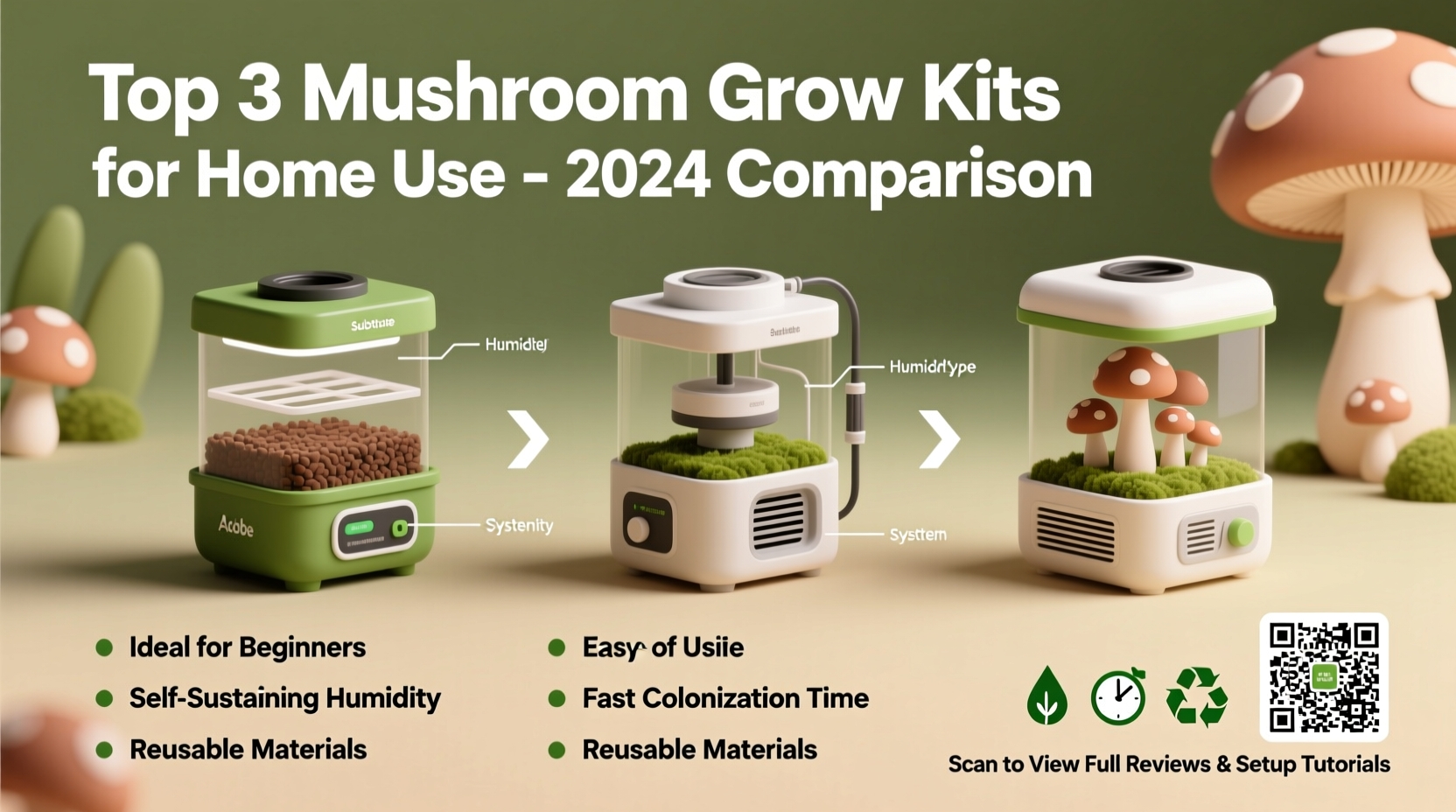
Comparing Diy Vs. Mushroom Kits
Should you start with a kit or go fully DIY? Here’s a quick comparison:
| Aspect | Mushroom Kit | DIY Setup |
|---|---|---|
| Ease of Use | Very easy, beginner-friendly | Needs more learning |
| Cost | More expensive per crop | Cheaper long-term |
| Yield | Smaller harvests | Can scale up easily |
| Flexibility | Limited species | Any species/substrate |
| Learning | Less educational | Learn full process |
For most beginners, kits are a good first step. As you gain confidence, move to DIY for bigger, cheaper, and more flexible harvests.
Community: Finding Support And Sharing Success
Mushroom growing is more fun with others. Join online forums or local clubs to:
- Share pictures and stories
- Trade spawn or substrate
- Ask questions and get advice
- Learn about rare or gourmet varieties
Sites like Reddit’s r/mycology and specialty Facebook groups are helpful. You can also find local workshops or classes in some cities.
For more detailed scientific information about edible mushrooms and their cultivation, check out this Wikipedia article.
Frequently Asked Questions
What Is The Easiest Mushroom To Grow In An Apartment?
Oyster mushrooms are the easiest for beginners. They grow quickly, tolerate different substrates, and don’t need strict conditions. Kits are widely available for oysterse, making them an ideal first project.
How Much Space Do I Need To Grow Mushrooms Indoors?
You can start with as little as a shelf or the space under a kitchen sink. A single 5-gallon bucket or a few grow bags is enough for a family’s weekly supply. Vertical stacking and using hidden spaces help maximize your yield.
Is It Safe To Grow Mushrooms In My Apartment?
Yes, if you use clean spawn and substrate. Avoid wild mushrooms, keep containers clean, and follow basic safety tips. Most common edible species pose no risk if grown indoors with proper hygiene.
How Long Does It Take To Grow Mushrooms From Start To Harvest?
Most apartment-friendly varieties, like oyster or enoki, are ready to harvest in 2-6 weeks. Some, like shiitake, take longer—up to 12 weeks. Environmental factors (temperature, humidity) can affect growth speed.
Can I Use Coffee Grounds To Grow Mushrooms?
Yes, used coffee grounds are a popular substrate for oyster mushrooms. They’re nutrient-rich and easy to find. Mix with spawn, keep moist, and you’ll see mushrooms in a few weeks.
Growing mushrooms in your apartment is both practical and satisfying. With a small investment and a bit of patience, you can enjoy fresh, healthy food and discover a fascinating new hobby—right at home.

Credit: www.amazon.com