
Menopause is a major life stage for women, often bringing physical, emotional, and mental changes. Many women expect hot flashes and night sweats, but the effect on mental health can be a bigger challenge. Symptoms like anxiety, low mood, brain fog, and sleep problems can make daily life hard. Some women feel lost or overwhelmed, searching for ways to stay balanced without strong medications or unwanted side effects.
Recently, medicinal mushrooms have received more attention as a natural support for mental well-being, especially during menopause. These mushrooms, used in traditional medicine for centuries, are now backed by modern research showing real benefits for the brain and mood. But how exactly do they help? Which mushrooms are best? And how can women use them safely during menopause?
In this guide, you’ll discover how medicinal mushrooms support mental health during menopause, which mushrooms to consider, what the science says, and practical tips for adding them to your routine. If you want to manage menopause naturally and support your mind, you’re in the right place.
Understanding Menopause And Mental Health
Menopause usually happens between ages 45 and 55, when a woman’s periods stop for 12 months. This is a natural process, but the hormonal changes—mostly the drop in estrogen—can strongly affect the brain.
Common mental health symptoms during menopause include:
- Mood swings (feeling happy one moment, sad or angry the next)
- Anxiety or nervousness
- Depression or low mood
- Brain fog (trouble focusing, poor memory)
- Irritability
- Trouble sleeping
Why do these symptoms happen? Estrogen helps the brain work well. It supports the growth of brain cells, balances brain chemicals like serotonin and dopamine, and protects nerves. When estrogen drops, it can lead to:
- Lower serotonin (can cause sadness or depression)
- Higher stress hormones (like cortisol)
- Inflammation in the brain
- Sleep problems
All these changes can make you feel not like yourself. For some women, these symptoms are mild. For others, they can be severe and long-lasting.
It’s important to remember that these mental health shifts are not “just in your head. ” They are real, physical changes happening in your brain and body. Many women also notice that their ability to handle stress drops during menopause.
Small things that never bothered you before can suddenly feel overwhelming.
Another challenge is that these symptoms may come and go. Some days you may feel fine, and other days, even basic tasks feel impossible. This unpredictability can make it harder to plan or trust your own feelings.
Many women also don’t talk about their mental symptoms. They may feel embarrassed or worry that others won’t understand. But you are not alone—millions of women go through these changes, and support is available.
What Are Medicinal Mushrooms?
Medicinal mushrooms are not the same as the mushrooms you eat in salads or pizza. They are special fungi used for health, often in the form of powders, teas, or capsules. Some well-known medicinal mushrooms are:
- Reishi (Ganoderma lucidum)
- Lion’s Mane (Hericium erinaceus)
- Cordyceps (Cordyceps militaris/sinensis)
- Chaga (Inonotus obliquus)
- Turkey Tail (Trametes versicolor)
- Maitake (Grifola frondosa)
- Shiitake (Lentinula edodes)
These mushrooms contain bioactive compounds like beta-glucans, triterpenes, and antioxidants. These help fight inflammation, support immunity, and even protect the brain.
Medicinal mushrooms have been used for thousands of years in Traditional Chinese Medicine and other cultures. Today, more studies show they can support brain health and mood, especially during times of hormonal change.
It’s also important to know that medicinal mushrooms are not psychedelic or intoxicating. They are legal in most places and safe for daily use in the right amounts. Unlike some herbal remedies, they have a long history of safe use and are now widely available in health food stores and online.
One unique thing about these mushrooms is that they are considered “adaptogens. ” This means they help your body adapt to stress, whether it’s physical, emotional, or environmental. Adaptogens don’t push your body in one direction—they help restore balance, which is especially helpful during menopause when your body is adjusting to new hormone levels.
How Medicinal Mushrooms Affect The Brain
Medicinal mushrooms do not contain hormones. Instead, they work by supporting brain function, reducing inflammation, balancing stress, and helping the body adapt. Here’s how they help mental health during menopause:
1. Neuroprotection
Mushrooms like Lion’s Mane help grow and protect brain cells. They may reduce brain fog and help memory.
2. Anti-inflammatory Effects
Chronic inflammation in the brain can cause anxiety and depression. Mushrooms lower this inflammation.
3. Balancing Stress
Reishi and Cordyceps help the body handle stress better. They lower cortisol (the stress hormone).
4. Supporting Sleep
Some mushrooms help relax the mind and body, improving sleep quality.
5. Boosting Mood
By balancing brain chemicals and reducing stress, mushrooms can lift mood and lower anxiety.
These effects make medicinal mushrooms an interesting natural option for women during menopause.
Recent research also shows that medicinal mushrooms may help restore the balance between the sympathetic (“fight or flight”) and parasympathetic (“rest and digest”) nervous systems. During menopause, the body’s stress response can become overactive. Mushrooms like Reishi gently bring the body back to a calmer state.
Some mushrooms, especially Lion’s Mane, have shown promise in supporting new connections in the brain. This is especially important for women who experience “menopause brain,” a term used to describe the forgetfulness and confusion that often comes with hormonal changes.
Another non-obvious benefit is how some mushrooms interact with the gut-brain axis. The gut is sometimes called the “second brain” because it makes many of the same chemicals (like serotonin) that affect mood. Mushrooms that improve gut health can have a surprising impact on mental well-being.
Top Medicinal Mushrooms For Menopause Mental Health
Not all mushrooms have the same benefits. Let’s look at the best ones for supporting mental health during menopause.
Reishi (ganoderma Lucidum)
Often called the “Mushroom of Immortality”, Reishi is famous for calming the mind and reducing stress. It contains compounds called triterpenes that help relax the nervous system.
Benefits for menopause:
- Lowers anxiety and irritability
- Supports better sleep
- May help with mild depression
Studies show Reishi can reduce cortisol and help women handle stress. It’s often used as a tea or in capsule form before bed.
Reishi is also known to improve sleep quality without causing morning grogginess. If you struggle with waking up at night or feel “wired but tired,” Reishi may be a gentle solution. Another practical tip: Reishi can sometimes taste bitter, so many women add a bit of honey or mix it with herbal teas for a more pleasant drink.
Lion’s Mane (hericium Erinaceus)
Lion’s Mane is unique because it helps the brain grow new cells. It contains hericenones and erinacines, which increase nerve growth factor (NGF)—important for brain health.
Benefits for menopause:
- Improves focus and memory
- Reduces brain fog
- May lower mild depression and anxiety
Research shows Lion’s Mane can improve memory and mood in older adults, making it helpful for menopause.
Lion’s Mane is often called “nature’s nutrient for the brain. ” Many women report that after a few weeks, they can recall names and words more easily and feel more mentally “sharp. ” For those struggling with multitasking or losing their train of thought, Lion’s Mane can be especially helpful.
Cordyceps (cordyceps Militaris/sinensis)
Cordyceps is known for boosting energy and fighting fatigue. It also supports the adrenal glands, which control stress hormones.
Benefits for menopause:
- Reduces tiredness and exhaustion
- Helps with stress management
- Supports stable energy levels
Women who feel low energy or “burnt out” during menopause may benefit from Cordyceps.
Cordyceps is not stimulating like caffeine. Instead, it gently supports natural energy production at the cellular level. This can be a big help for women who feel their “get up and go” is missing, but don’t want to rely on coffee or energy drinks.
Chaga (inonotus Obliquus)
Chaga is a powerful antioxidant. It helps fight inflammation and supports the immune system.
Benefits for menopause:
- Lowers inflammation (which can cause mood problems)
- Supports brain health
- May help balance hormones
While Chaga is not a direct mood booster, it helps create a healthy environment in the body and brain.
One unique insight: Chaga is often used to support skin health and reduce signs of aging, which can be a bonus during menopause. Its earthy, slightly vanilla flavor also makes it a nice addition to hot chocolate or coffee substitutes.
Turkey Tail (trametes Versicolor)
Turkey Tail is best known for supporting immunity, but it also helps balance gut bacteria. This is important because gut health affects mood.
Benefits for menopause:
- Supports healthy gut bacteria (the gut-brain link)
- Reduces inflammation
- May help with fatigue
Balanced gut bacteria can mean better serotonin levels and a more stable mood.
Turkey Tail is sometimes used after antibiotics or during periods of stress to keep the digestive system running smoothly. Some women find that adding Turkey Tail reduces bloating and digestive discomfort, which often worsen during menopause.
Maitake (grifola Frondosa) And Shiitake (lentinula Edodes)
These mushrooms are rich in beta-glucans and support overall wellness. While their main role is immunity, they also help reduce inflammation and support a healthy mood.
Benefits for menopause:
- Supports immune system
- Reduces tiredness
- May help protect the brain
Including these mushrooms in your diet or as supplements can be part of a healthy menopause plan.
A practical tip: Shiitake and Maitake are also great culinary mushrooms. You can cook with them as well as take them as supplements, making it easy to get their benefits in delicious soups, stir-fries, or stews.
Key Compounds In Medicinal Mushrooms
Medicinal mushrooms work because of their unique compounds. Here are the most important ones for mental health:
- Beta-glucans: Strengthen the immune system and lower inflammation.
- Triterpenes: Found in Reishi, help calm the mind and balance stress.
- Erinacines and Hericenones: In Lion’s Mane, help the brain grow and repair.
- Polysaccharides: Support gut health and the immune system.
- Antioxidants: Protect the brain from free radical damage.
These compounds do not act like hormones but help the body and brain function better.
One detail many miss: The way mushrooms are processed can affect the amount of these compounds. Hot water and alcohol extraction are the best methods for releasing beta-glucans and triterpenes. If you buy mushroom supplements, look for products that mention these extraction methods.
Another insight: Polysaccharides from mushrooms not only help immunity but also act as “prebiotics” for your gut bacteria. This double action is especially helpful for women whose digestion changes during menopause.
Scientific Evidence: What Does Research Say?
Interest in medicinal mushrooms is growing. Many animal and human studies now show benefits for brain health and mood. Here are some highlights:
- A 2019 study in Japan found that women taking Lion’s Mane for four weeks had less anxiety and irritation.
- Research shows Reishi extract lowers stress and helps sleep quality in adults.
- Cordyceps is linked to better energy and lower fatigue, which can help with mental clarity.
- A review from 2021 shows that medicinal mushrooms lower inflammation and support nerve growth, both important during menopause.
While more large studies are needed, current research supports using these mushrooms as part of a natural mental health plan.
If you want to read more, this scientific review covers the role of medicinal mushrooms in brain health.
It’s also worth noting that some studies suggest combining medicinal mushrooms with other natural therapies (like exercise or stress reduction) can give even better results than mushrooms alone. This “synergy” is why many health practitioners recommend a holistic approach.
A common misunderstanding is that all mushroom studies are on animals. In fact, more human trials are being published each year, especially on Lion’s Mane and Reishi. While more research is always welcome, the safety record and centuries of traditional use add to their credibility.
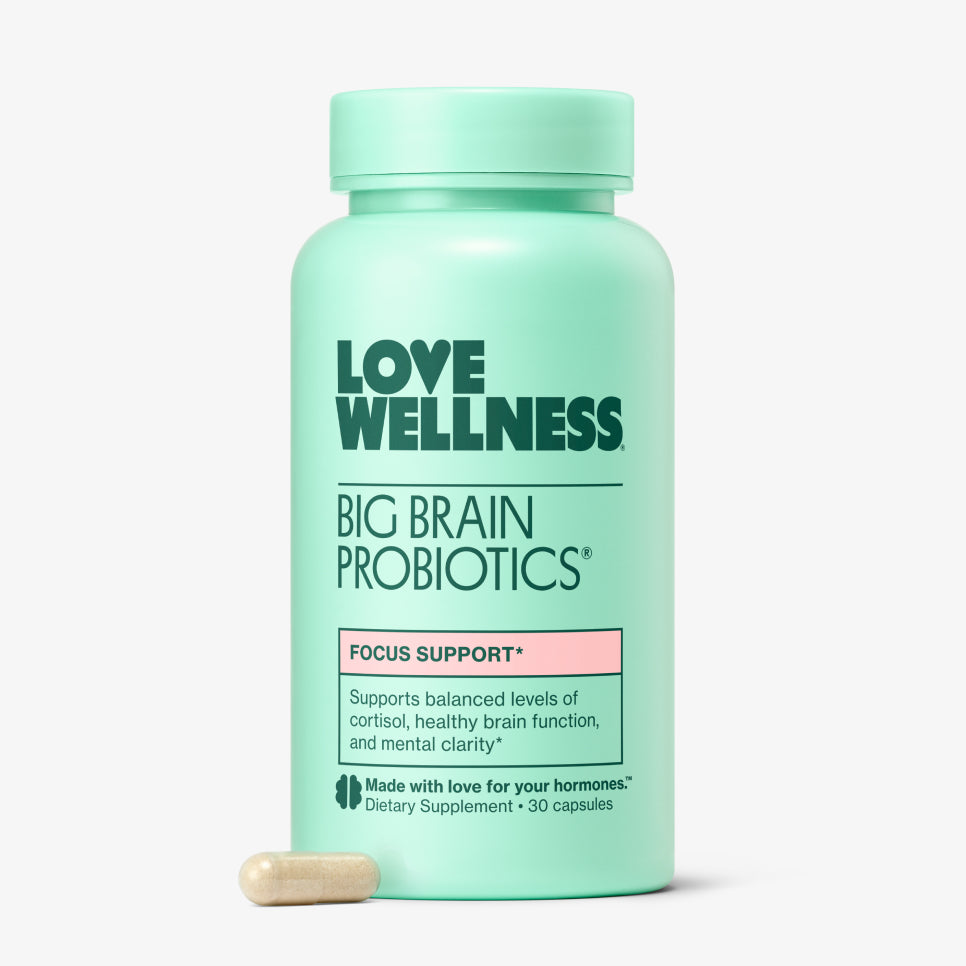
Credit: lovewellness.com
Comparing Medicinal Mushrooms For Menopause
It’s helpful to see how the main mushrooms compare. Here’s a simple table to help you decide which might be best for your needs.
| Mushroom | Main Benefit | Best For | How to Use |
|---|---|---|---|
| Reishi | Calm, stress relief | Anxiety, sleep issues | Tea, capsule |
| Lion’s Mane | Focus, brain health | Brain fog, memory | Powder, capsule |
| Cordyceps | Energy, stamina | Fatigue, stress | Powder, capsule |
| Chaga | Antioxidant | Inflammation, general health | Tea, powder |
| Turkey Tail | Gut health | Low mood, immunity | Powder, capsule |
Some women choose to rotate or combine mushrooms, such as taking Lion’s Mane in the morning for clarity and Reishi at night for relaxation. Adjust based on your own symptoms and schedule.
Practical Ways To Use Medicinal Mushrooms
Adding medicinal mushrooms to your routine does not have to be complicated. Here’s how you can do it safely and effectively:
1. Choose High-quality Products
Look for:
- Pure mushroom extracts (not just ground mushroom powder)
- Clear labeling (species, part used, extraction method)
- Third-party testing for safety and quality
Whole fruiting body extracts are usually more effective than products made only from mycelium (the “roots” of the mushroom). Also, avoid blends with too many ingredients. Simpler is often better.
2. Start Low And Go Slow
Begin with a small dose (as suggested on the product), then increase if needed. Listen to your body. Effects can take days to weeks to appear.
Some people find that starting with half the recommended dose helps avoid digestive discomfort. Once you see how your body reacts, you can slowly increase.
3. Combine With A Healthy Lifestyle
Mushrooms work best with:
- Balanced diet (fruits, vegetables, whole grains)
- Regular exercise
- Mindfulness or stress reduction techniques
- Good sleep habits
For example, practicing deep breathing or yoga can boost the calming effects of Reishi. Lion’s Mane works well with brain games or puzzles to further support memory.
4. Use Different Forms
You can use:
- Powders (add to smoothies, coffee, oatmeal)
- Capsules (easy to take daily)
- Teas (especially Reishi or Chaga)
- Liquid extracts (fast absorption)
Mixing forms can help you stay consistent. If you travel, capsules are convenient. At home, teas can become a calming ritual.
5. Track Your Progress
Keep a journal to note changes in mood, sleep, or energy. This helps you see what works.
Try to note not just big changes but small improvements, like waking up feeling more rested, having fewer “foggy” moments, or feeling less irritable in the afternoon. Over time, these add up.
Example: A Week With Medicinal Mushrooms
Here’s how one woman might use medicinal mushrooms during menopause:
- Morning: Lion’s Mane powder in coffee for focus
- Midday: Cordyceps capsule for energy
- Evening: Reishi tea to relax before bed
After one week, she notices less brain fog, more stable energy, and better sleep.
Another example: A woman with digestive issues adds Turkey Tail to her routine and, after two weeks, feels less bloated and notices her mood is steadier. Small changes can make a big difference.
Are Medicinal Mushrooms Safe?
For most people, medicinal mushrooms are safe when used as directed. But there are a few things to remember:
- Some people may be allergic to mushrooms.
- If you take medicines for blood pressure, diabetes, or immune conditions, ask your doctor first.
- Do not use wild mushrooms, as some can be toxic.
- Start with a small dose and increase slowly.
Medicinal mushrooms are not a “quick fix” or a replacement for medical care. They work best as part of a healthy lifestyle.
If you have a history of autoimmune conditions, talk to your healthcare provider. Some mushrooms can stimulate the immune system, which may not be suitable in all cases.

Credit: www.gaiaherbs.com
Common Mistakes To Avoid
Many beginners make these mistakes when using medicinal mushrooms:
- Choosing low-quality products: Cheap powders may not have enough active compounds.
- Taking too much, too soon: High doses can cause stomach upset.
- Expecting instant results: Benefits can take weeks to show.
- Ignoring other lifestyle factors: Mushrooms help most when combined with good sleep, diet, and stress management.
- Not talking to your doctor: Especially if you have health conditions or take medicine.
Another often-missed mistake is not checking for added fillers or sweeteners in mushroom products. Some “mushroom coffees” or drinks contain more sugar than mushroom extract—always read the label.
How Medicinal Mushrooms Compare With Other Menopause Supports
Many women use hormone therapy, antidepressants, or herbal supplements during menopause. How do mushrooms fit in?
| Support Type | Main Action | Pros | Cons |
|---|---|---|---|
| Medicinal Mushrooms | Brain support, adaptogen | Natural, few side effects, supports overall health | Works slowly, not a replacement for hormones |
| Hormone Therapy | Replaces estrogen/progesterone | Fast relief for hot flashes, mood | May raise risk of some health problems |
| Antidepressants | Balance brain chemicals | Effective for severe depression/anxiety | Side effects, may not help all symptoms |
| Herbs (e.g., Black Cohosh) | Plant-based support | Natural, some evidence for symptoms | Mixed research, not always effective |
Medicinal mushrooms can be used with other supports, but always check with your healthcare provider.
Some women find a combination works best. For example, a low dose of hormone therapy for hot flashes, plus medicinal mushrooms for mood and memory, and herbs or vitamins for extra support. Personalization is key.
Two Key Insights Most Beginners Miss
- Medicinal mushrooms are not “magic pills.” They work best when part of a healthy lifestyle. You still need good sleep, nutrition, and stress management for real results.
- The gut-brain connection matters. Many mushrooms support gut health, which in turn boosts mood and mental clarity. If you only focus on the brain, you may miss the real benefits mushrooms offer.
One more insight: Consistency is vital. Taking mushrooms randomly won’t give strong results. Make them a daily habit for at least a month before deciding if they help.
How To Choose The Right Mushroom For Your Symptoms
Not sure where to start? Here’s a simple guide:
- Brain fog, poor memory: Try Lion’s Mane
- Anxiety, sleep trouble: Start with Reishi
- Low energy, fatigue: Cordyceps can help
- General inflammation or want to support immunity: Chaga and Turkey Tail are good choices
You can use more than one, but try them one at a time to see what works best.
If your main struggle changes (for example, you solve sleep issues but now have more fatigue), feel free to adjust which mushroom you use. Listen to your body as your needs shift.
Real-life Experiences
Many women share their experiences online and in support groups. Here are a few examples (names changed):
- Ana, 52: “Lion’s Mane helped clear my brain fog. I can focus at work again.”
- Linda, 48: “Reishi tea before bed calms my mind and helps me sleep through the night.”
- Maria, 55: “I use Cordyceps in the morning for energy, and it’s much better than coffee jitters.”
While everyone is different, these stories show that with patience, medicinal mushrooms can make a difference.
Some women also report that adding Turkey Tail improved their digestion and reduced bloating, which they didn’t expect. Others notice that their immune system feels stronger—fewer colds or infections—even during stressful months.
How To Talk To Your Doctor About Medicinal Mushrooms
Some doctors may not be familiar with medicinal mushrooms. Here’s how to have a good conversation:
- Bring research or articles (like this one) to show the evidence.
- Explain your symptoms and what you hope to improve.
- Ask if mushrooms are safe with your medications or health conditions.
- Start with one mushroom, and keep your doctor informed of any changes.
Being open and informed helps you get the best support.
If your doctor seems unsure, ask if they would be willing to review new research with you, or consider seeing a practitioner with experience in integrative medicine.

Credit: www.alisonbladh.com
Tips For Buying Medicinal Mushroom Supplements
The supplement market can be confusing. Here’s how to shop smart:
- Look for brands that share test results (for purity and active compounds).
- Choose extracts (like “8: 1 Lion’s Mane extract”) for stronger benefits.
- Avoid fillers or blends with lots of extra ingredients.
- Check online reviews and research the brand.
- Buy from companies that explain where and how they grow their mushrooms.
Buying good quality is worth the extra cost for real results.
One more tip: If you’re unsure, start with a single-mushroom product rather than a blend. This makes it easier to notice what works and avoid unnecessary additives.
Combining Mushrooms With Other Menopause Supports
Medicinal mushrooms can be used with:
- Herbal teas (like chamomile or lemon balm)
- Vitamins (like vitamin D, B vitamins)
- Stress management (meditation, yoga)
- Gentle exercise (walking, swimming)
This “whole body” approach gives the best results.
A less obvious idea is using medicinal mushrooms as a base for healthy snacks—like adding Lion’s Mane powder to energy balls or oatmeal. This keeps your routine interesting and enjoyable.
The Future Of Medicinal Mushrooms For Menopause
Research into medicinal mushrooms is just getting started, but results are promising. Scientists are exploring:
- How Lion’s Mane repairs brain cells in aging women
- Reishi’s effect on sleep and anxiety
- The role of gut health (Turkey Tail) in mood
In the next few years, we’ll see more clinical studies and better products. But for now, many women are finding real relief using these ancient remedies.
Companies are now developing blends designed specifically for women in menopause, combining the best mushrooms with vitamins, herbs, and minerals. This may make it even easier to find a supplement that fits your needs.
Frequently Asked Questions
What Are The Best Medicinal Mushrooms For Menopause Brain Fog?
Lion’s Mane is the best-studied mushroom for brain fog and memory problems. It helps the brain grow new cells and improves focus. Some women also like Reishi for overall calmness.
Can I Use Medicinal Mushrooms With Hormone Therapy?
Yes, you can usually combine medicinal mushrooms with hormone therapy. However, always talk to your doctor first, especially if you take other medicines or have health problems.
How Long Does It Take To See Results From Medicinal Mushrooms?
Most women notice benefits after 2–4 weeks of daily use. Effects build up over time, so be patient and consistent. Keeping a journal can help you track changes.
Are There Any Side Effects From Medicinal Mushrooms?
Side effects are rare but can include stomach upset or mild allergies. Start with a low dose and increase slowly. If you have a mushroom allergy, do not use these products.
Where Can I Find Reliable Information About Medicinal Mushrooms?
For trustworthy research, check the National Institutes of Health database or ask a healthcare provider with experience in natural medicine.
Menopause can be a challenging time, but with the right support, you can protect your mental health and feel more like yourself. Medicinal mushrooms are a gentle, natural tool that may help you through this transition—supporting your mind, body, and overall well-being.