
Medicinal Mushrooms For Adhd In Adults: Beyond Lion’s Mane
Attention Deficit Hyperactivity Disorder (ADHD) is not just a childhood condition. Many adults face challenges with focus, memory, and emotional balance due to ADHD. Standard treatments like medication or therapy can help, but some people search for natural support. One area gaining interest is medicinal mushrooms. Many have heard of Lion’s Mane for brain health, but there is a whole world of mushrooms beyond it that may offer unique benefits.
This article explores how different medicinal mushrooms can support adults with ADHD. You will learn about the key mushrooms, what science says, how they work, and what to consider before trying them. You’ll also find practical tips, data, and answers to common questions.
If you’re curious about going beyond Lion’s Mane, you’re in the right place.
Understanding Adhd In Adults
ADHD in adults often looks different from childhood ADHD. Instead of hyperactivity, adults may struggle with inattention, restlessness, or impulsivity that affects daily life. This can impact work, relationships, and self-esteem. Some common symptoms include:
- Losing focus easily
- Forgetting details or appointments
- Trouble finishing tasks
- Feeling overwhelmed by choices
- Difficulty organizing
Standard treatments include stimulant medications (like Adderall or Ritalin), non-stimulants, therapy, and coaching. But these do not work for everyone. Side effects, cost, or personal preference can lead people to explore complementary options, including natural remedies.
Why Medicinal Mushrooms?
Medicinal mushrooms have been used for thousands of years in traditional medicine, especially in Asia. Modern research is now discovering how certain mushrooms may support the brain and nervous system. Many contain unique compounds that:
- Protect nerve cells (neuroprotection)
- Reduce inflammation
- Balance the immune system
- Support mental energy and clarity
People with ADHD often have issues with focus, memory, and mood. Some medicinal mushrooms may help address these areas. But not all mushrooms are the same. It’s important to understand which ones offer real support and how they differ from Lion’s Mane.
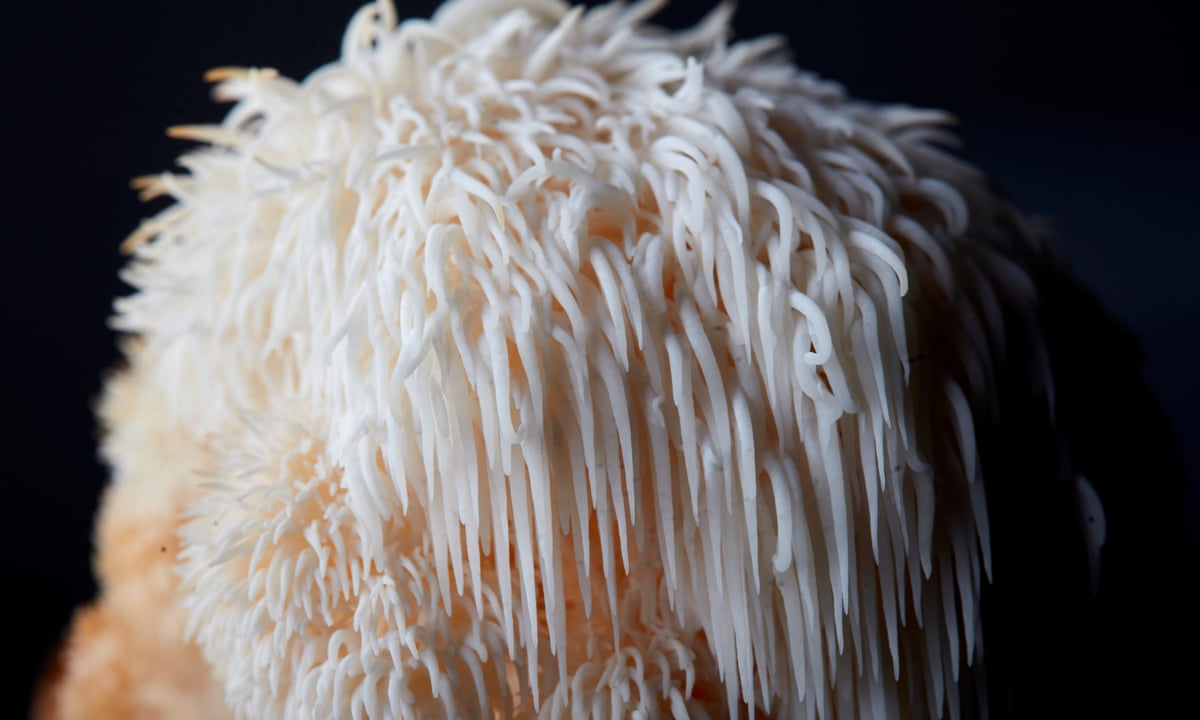
Lion’s Mane: The Popular Brain Mushroom
Lion’s Mane (Hericium erinaceus) is famous for its effects on the brain. It contains compounds called hericenones and erinacines, which may stimulate nerve growth and repair. Studies suggest Lion’s Mane can:
- Enhance memory and focus
- Support nerve regeneration
- Reduce mild symptoms of anxiety or depression
A small clinical study found adults who took Lion’s Mane extract for four weeks had better cognitive function. Some people with ADHD use Lion’s Mane as a daily supplement to help with mental clarity. However, results vary from person to person.
But Lion’s Mane is just one option. Other medicinal mushrooms may offer unique benefits for people with ADHD, sometimes in areas Lion’s Mane does not address.
Key Medicinal Mushrooms For Adhd In Adults
Let’s go beyond Lion’s Mane and explore other medicinal mushrooms that may support adults with ADHD. Each mushroom has its own active compounds and effects. Here are the main ones to consider:
1. Reishi (ganoderma Lucidum)
The Reishi mushroom is known as the “mushroom of immortality” in traditional Chinese medicine. It is famous for calming the mind and balancing the body. For adults with ADHD, Reishi may help by:
- Promoting relaxation and reducing stress
- Supporting better sleep
- Lowering anxiety and emotional swings
Reishi contains triterpenes and polysaccharides that influence the nervous system. Some studies show Reishi can reduce cortisol (the stress hormone) and support mood balance. Adults with ADHD who struggle with anxiety or sleep issues may find Reishi helpful as a calming supplement.
2. Cordyceps (cordyceps Militaris, Cordyceps Sinensis)
Cordyceps is not your usual mushroom. It grows on insects in nature, but most supplements use a cultivated version. Cordyceps is prized for boosting energy and endurance. For adults with ADHD, Cordyceps may help by:
- Increasing physical and mental stamina
- Reducing fatigue and brain fog
- Supporting motivation and drive
Cordyceps contains cordycepin and adenosine, which help the body use oxygen more efficiently. Some research shows Cordyceps can improve exercise performance and reduce tiredness. People with ADHD who feel low energy or struggle to start tasks may benefit from Cordyceps.
3. Chaga (inonotus Obliquus)
The Chaga mushroom grows mostly on birch trees in cold climates. It is rich in antioxidants and supports the immune system. For ADHD, Chaga’s key potential is in protecting the brain:
- Reduces inflammation in the brain
- Fights oxidative stress that can damage nerve cells
- Supports overall brain health
Chaga contains betulinic acid, polysaccharides, and melanin. While it’s not a stimulant, its protective effects may help adults with ADHD who want long-term brain support. Some people use Chaga tea as a daily ritual.
4. Maitake (grifola Frondosa)
Maitake, also called “hen of the woods,” is both a food and a medicinal mushroom. Its main claim to fame is balancing blood sugar and supporting immunity. For ADHD, it may help by:
- Stabilizing blood sugar swings that can affect attention
- Supporting overall energy levels
- Reducing stress on the body
Maitake contains D-fraction and beta-glucans. Fluctuations in blood sugar can make ADHD symptoms worse, especially focus and irritability. Maitake may help smooth out these highs and lows.
5. Shiitake (lentinula Edodes)
Shiitake is one of the most popular culinary mushrooms, but it also has medicinal benefits. For ADHD, Shiitake may:
- Support immune health (important for overall well-being)
- Provide B vitamins that help brain function
- Offer antioxidants for brain protection
Shiitake contains lentinan and eritadenine. While it’s not a direct brain booster, the steady support for the immune system and overall health can help adults with ADHD feel more balanced.
6. Turkey Tail (trametes Versicolor)
Turkey Tail is known for its beautiful, colorful rings. It is used mainly to boost immunity, but it also offers benefits for the gut-brain axis:
- Supports gut health (which influences mood and focus)
- Provides antioxidants that protect the brain
- May reduce mental fatigue
Turkey Tail contains PSK and PSP—polysaccharides that nourish good gut bacteria. The gut is sometimes called the “second brain,” and a healthy gut can help reduce ADHD symptoms.
7. Poria (poria Cocos)
Poria is a sclerotium rather than a true mushroom, but it is used in Chinese medicine for calming the mind and supporting sleep:
- Reduces anxiety and restlessness
- Supports deep, restful sleep
- Helps with emotional balance
Poria contains pachymic acid and triterpenes. Adults with ADHD who have trouble winding down at night may find Poria useful as part of a calming evening routine.
8. Agaricus Blazei
Sometimes called the “almond mushroom,” Agaricus blazei is valued for its immune and anti-inflammatory effects:
- Supports immune health
- Reduces inflammation that can affect the brain
- Provides general vitality
Some studies show Agaricus can help reduce stress and support mood balance, which can be helpful for people with ADHD who feel overwhelmed.
9. Tremella (tremella Fuciformis)
Known as the “beauty mushroom,” Tremella is rich in polysaccharides that help retain moisture. For ADHD, its main benefit is:
- Supporting healthy brain hydration
- Providing antioxidants for brain protection
Tremella is not as well-studied as others, but its gentle support for the body may help adults with ADHD who want a mild, nourishing supplement.
10. Psilocybin Mushrooms (magic Mushrooms)
While not legal in most places, psilocybin mushrooms are being studied for their effects on mood, attention, and emotional regulation. Early research suggests:
- May reduce symptoms of depression and anxiety
- Can improve mental flexibility and creativity
- Might help with emotional self-control
However, psilocybin is not a daily supplement and can have strong effects. It is not recommended for self-treatment without guidance from a medical professional.
Credit: www.theguardian.com
How Medicinal Mushrooms May Work For Adhd
Medicinal mushrooms contain many active compounds that work in different ways. Here is how they may help adults with ADHD:
Neuroprotection
Some mushrooms, like Lion’s Mane and Chaga, help protect brain cells from damage. This is important for long-term brain health and may reduce symptoms like forgetfulness and brain fog.
Stress And Mood Balance
Mushrooms like Reishi and Poria help lower stress and balance mood. Adults with ADHD often feel anxious or restless, so calming the mind can help focus.
Energy And Focus
Cordyceps is known for boosting energy. For people who feel tired or unmotivated, this can make it easier to start and finish tasks.
Immune And Gut Health
Turkey Tail, Maitake, and Shiitake support the immune system and gut health. A healthy gut can influence the brain and improve attention and mood.
Blood Sugar Balance
Maitake helps stabilize blood sugar. Swings in blood sugar can make ADHD symptoms worse, so steady energy is important.
Comparison Of Medicinal Mushrooms For Adhd
To help you see how these mushrooms compare, here is a summary table of their main benefits:
| Mushroom | Main Benefit | Best For | Key Compounds |
|---|---|---|---|
| Lion’s Mane | Brain health, memory | Focus, cognitive function | Hericenones, Erinacines |
| Reishi | Calm, stress reduction | Anxiety, sleep issues | Triterpenes, Polysaccharides |
| Cordyceps | Energy, stamina | Fatigue, low motivation | Cordycepin, Adenosine |
| Chaga | Antioxidant, brain protection | Long-term brain health | Betulinic acid, Melanin |
| Maitake | Blood sugar, immunity | Energy balance, stress | D-fraction, Beta-glucans |
| Shiitake | Immune support | General well-being | Lentinan, Eritadenine |
| Turkey Tail | Gut health, immunity | Mood, mental fatigue | PSK, PSP |
| Poria | Calming, sleep | Restlessness, insomnia | Pachymic acid, Triterpenes |
| Agaricus blazei | Immunity, anti-inflammatory | Stress, mood balance | Beta-glucans |
| Tremella | Hydration, antioxidant | Mild support | Polysaccharides |
| Psilocybin | Mood, creativity | Emotional control (under guidance) | Psilocybin |

Credit: www.zenhealthcare.co.uk
The Science: What Do Studies Show?
While many people share positive stories about medicinal mushrooms, what does the research say? Here’s a summary of what science has found so far:
- Lion’s Mane: Several studies in animals and small clinical trials in humans show improved memory, focus, and nerve growth. One Japanese study found improved cognitive function in older adults after 16 weeks of Lion’s Mane extract.
- Reishi: Research shows Reishi can lower anxiety and improve sleep. One study found reduced fatigue and better quality of life in people with anxiety.
- Cordyceps: Human trials show better energy and stamina, especially in older adults and athletes. Animal studies suggest improved learning and memory.
- Chaga: Mainly studied for antioxidant and immune effects. Early studies suggest protection against brain inflammation.
- Maitake and Shiitake: Mostly studied for immune support and blood sugar regulation. Some evidence links stable blood sugar to better focus.
- Turkey Tail: Best research is on immune support and gut health, which may influence mood and attention.
- Psilocybin: Clinical trials show reduced depression and anxiety, and improved emotional regulation, but more research is needed for ADHD.
Most studies are small or early-stage, so results should be seen as promising but not proven. Combining mushrooms with other healthy habits is key.
How To Use Medicinal Mushrooms For Adhd
If you want to try medicinal mushrooms, here’s how to do it safely and effectively:
Choose Quality Supplements
Not all mushroom products are equal. Look for:
- Full-spectrum extracts (fruiting body, not just mycelium)
- Third-party testing for purity and potency
- No fillers or unnecessary additives
Mushrooms can be taken as capsules, powders, teas, or tinctures. The form you choose depends on personal preference.
Dosage And Timing
There is no universal dose, but these are common starting ranges:
- Lion’s Mane: 500–1000 mg per day
- Reishi: 500–1500 mg per day (often at night)
- Cordyceps: 500–1000 mg per day (morning or before activity)
- Chaga: 500–1000 mg per day
- Maitake, Shiitake, Turkey Tail: 500–1000 mg per day
Always start low and go slow. Monitor how you feel and adjust as needed. If you take medication for ADHD, check with your doctor before adding mushrooms.
Combining Mushrooms
Some people combine two or three mushrooms for broader support. For example:
- Lion’s Mane + Cordyceps for focus and energy
- Reishi + Poria for calm and better sleep
- Chaga + Turkey Tail for brain and gut support
But avoid combining too many at once. Give your body time to adjust.
Possible Side Effects
Medicinal mushrooms are usually safe, but side effects can happen:
- Digestive upset (nausea, bloating)
- Allergic reactions (rare)
- Drowsiness (with Reishi or Poria)
If you have allergies to mushrooms, avoid these supplements. If you notice any unusual symptoms, stop use and talk to a healthcare professional.
Real-world Experiences And Insights
Many adults with ADHD try medicinal mushrooms and share their experiences online. Here are some real-world insights:
- Some report clearer thinking and more stable moods with Lion’s Mane.
- Cordyceps is popular among those who feel drained or unmotivated, giving a “clean energy” boost.
- Reishi and Poria help people who feel anxious or have trouble sleeping, allowing for better focus the next day.
- Many people find benefits build slowly over weeks, not days.
- Effects can be subtle—sometimes it’s the absence of brain fog or irritability that stands out.
Two non-obvious insights:
- Consistency matters. Taking medicinal mushrooms daily for several weeks often leads to better results than using them once in a while.
- Individual response varies. What works for one person may not work for another. It’s important to track your own experience and adjust as needed.
How Medicinal Mushrooms Compare To Standard Adhd Treatments
Medicinal mushrooms are not a replacement for medical treatment, but they can complement it. Here’s a comparison to help you see the differences:
| Aspect | Medicinal Mushrooms | Standard ADHD Treatments |
|---|---|---|
| Time to Effect | Weeks to months | Hours to days |
| Type of Support | Overall brain and body health | Direct symptom control |
| Side Effects | Mild, rare | Can be significant (e.g., insomnia, appetite loss) |
| Legal Status | Mostly legal (except psilocybin) | Prescription required |
| Personalization | Highly individual | Standardized dosing |
Practical Tips For Getting Started
If you’re considering medicinal mushrooms for ADHD, here’s how to start smart:
- Set clear goals. Decide what you want help with—focus, energy, sleep, or mood.
- Pick one or two mushrooms to begin. Don’t try everything at once.
- Track your experience. Keep a simple journal noting changes in focus, mood, and energy.
- Give it time. Allow at least four weeks before judging results.
- Check with your doctor if you are pregnant, nursing, have a health condition, or take other medication.
Common Mistakes To Avoid
Many beginners make mistakes when starting with medicinal mushrooms. Here’s how to avoid them:
- Expecting instant results. Mushrooms work slowly, not overnight.
- Using low-quality products. Cheap brands may not contain enough active compounds.
- Ignoring possible interactions. Some mushrooms can interact with medications or health conditions.
- Overdosing. More is not always better. Stick to recommended doses.
- Not tracking progress. Without a journal, it’s hard to notice subtle changes.
Who Should Avoid Medicinal Mushrooms?
While medicinal mushrooms are safe for most adults, some people should avoid them:
- Those with mushroom allergies
- People with autoimmune diseases (some mushrooms can stimulate the immune system)
- Pregnant or breastfeeding women (unless approved by a doctor)
- People taking immunosuppressant drugs
If you are unsure, consult a healthcare professional before starting any supplement.
How To Choose A Good Brand
With so many mushroom supplements on the market, choosing a trustworthy brand is important. Look for:
- Third-party testing for contaminants and potency
- Clear labeling (species, part used, extraction method)
- Good reviews from real users
- Transparency about sourcing and manufacturing
Brands that provide certificates of analysis (COA) are usually more reliable.

Credit: www.glenari.com
Combining Mushrooms With Other Natural Supports
Medicinal mushrooms can be part of a bigger plan for managing ADHD. Other natural supports include:
- Mindfulness and meditation for attention training
- Omega-3 fatty acids for brain health
- Regular exercise to boost focus and mood
- Balanced diet with plenty of protein and whole foods
Combining these strategies may give better results than mushrooms alone.
Latest Research And Future Directions
Research on medicinal mushrooms for ADHD is still young, but interest is growing. New studies are exploring:
- How mushrooms affect the gut-brain axis and attention
- Whether combining different mushrooms works better than single types
- The potential of psilocybin for emotional regulation in ADHD
More large, high-quality studies are needed. For now, most evidence comes from animal studies, small human trials, and user reports.
If you want to stay updated, check resources like PubMed Central for new research.
Frequently Asked Questions
What Is The Best Medicinal Mushroom For Adhd In Adults?
There is no single “best” mushroom for all adults with ADHD. Lion’s Mane is popular for focus and memory, while Reishi helps with stress and sleep. Cordyceps is chosen for energy, and Turkey Tail supports gut health, which can also influence ADHD symptoms.
Can Medicinal Mushrooms Replace My Adhd Medication?
Medicinal mushrooms are not a replacement for prescribed medication. They can be used alongside standard treatments, but you should consult your doctor before making changes to your medication.
How Long Does It Take To See Results From Medicinal Mushrooms?
Most people need to use medicinal mushrooms daily for at least 3–4 weeks to notice changes. Effects are usually gradual and subtle, not instant.
Are Medicinal Mushrooms Safe For Everyone?
Most are safe for healthy adults, but people with mushroom allergies, autoimmune diseases, or those who are pregnant or breastfeeding should be cautious. Always check with a healthcare provider if you have questions.
Can I Combine Different Medicinal Mushrooms?
Yes, many people combine two or three mushrooms for broader support, such as Lion’s Mane and Reishi. Start with low doses and adjust based on your own experience.
Medicinal mushrooms offer a promising, natural way to support adults with ADHD—especially when used as part of a bigger plan. Each mushroom has unique strengths. By choosing wisely, starting slowly, and tracking your own results, you can discover what works best for you. Remember: patience and consistency are key to seeing the benefits of medicinal mushrooms beyond Lion’s Mane.