
Medicinal Mushrooms And Circadian Rhythm: Resetting Your Internal Clock
Modern life can turn your internal clock upside down. Late-night screens, changing work shifts, and travel across time zones can all confuse your body’s circadian rhythm—the natural cycle that tells you when to sleep, eat, and wake. When this rhythm falls out of sync, it can cause sleep problems, low energy, and even long-term health issues.
But what if nature has a way to help reset your internal clock? Medicinal mushrooms have been used for centuries in traditional medicine, and recent science is now exploring their impact on circadian rhythms. These special fungi contain unique compounds that may help your body restore its natural balance, improve sleep quality, and support overall wellness.
Let’s dive into how medicinal mushrooms interact with your circadian rhythm, the science behind them, and how you can use them to help reset your internal clock. Whether you’re dealing with jet lag, insomnia, or just want better daily energy, this guide will give you clear answers and practical tips.
Understanding Circadian Rhythm
Your circadian rhythm is a 24-hour cycle that controls many body processes. It affects:
- When you feel sleepy or alert
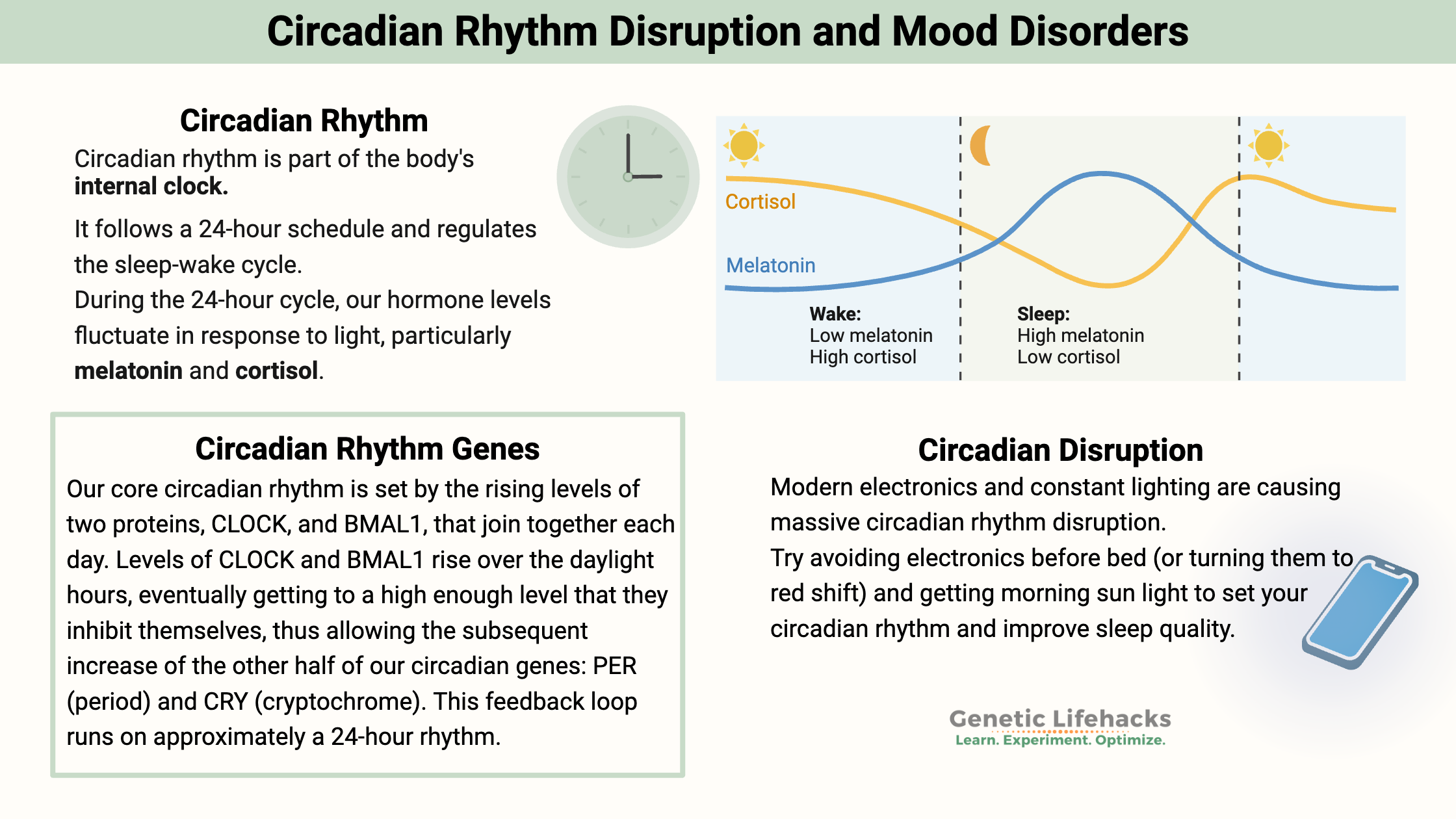
- Hormone release (like melatonin and cortisol)
- Body temperature
- Digestion and metabolism
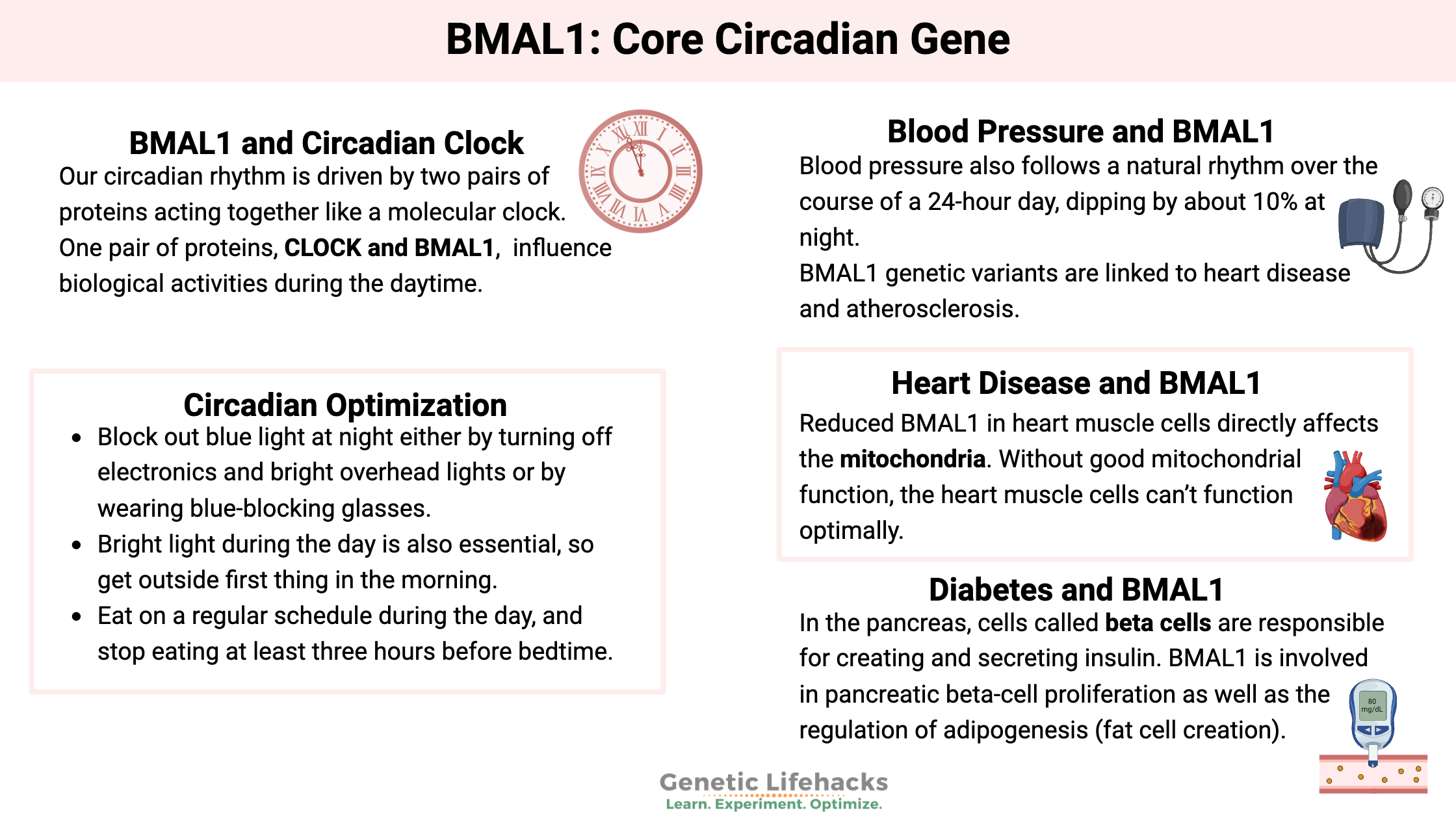
This rhythm is controlled by a “clock” in your brain called the suprachiasmatic nucleus (SCN). Light, especially from the sun, is the main signal that keeps this clock on time.
When your circadian rhythm is working well, you sleep deeply, wake up refreshed, and feel energetic during the day. But when it’s off—due to things like artificial light, shift work, or travel—you might feel tired, moody, and have trouble focusing.
Why Circadian Rhythm Matters
Research shows that a disrupted circadian rhythm can lead to problems such as:
- Insomnia or poor sleep quality
- Weight gain and metabolic issues
- Lower immune function
- Higher risk of heart disease and diabetes
- Mood disorders like depression
Keeping your internal clock in sync is key to staying healthy. That’s why new solutions—like medicinal mushrooms—are gaining attention.
What Are Medicinal Mushrooms?
Medicinal mushrooms are not the same as regular mushrooms you eat in salads or pizza. These are special fungi used in traditional healing, especially in Chinese medicine and other Asian cultures.
Popular medicinal mushrooms include:
- Reishi (Ganoderma lucidum)
- Lion’s Mane (Hericium erinaceus)
- Cordyceps (Cordyceps militaris/sinensis)
- Chaga (Inonotus obliquus)
- Turkey Tail (Trametes versicolor)
- Shiitake (Lentinula edodes)
- Maitake (Grifola frondosa)
- Agaricus blazei
- Poria (Wolfiporia extensa)
- Tremella (Tremella fuciformis)
These mushrooms contain bioactive compounds like beta-glucans, triterpenoids, and polysaccharides. These compounds are being studied for their effects on the immune system, inflammation, brain health, and more.
One area of growing research is how these mushrooms interact with the body’s circadian rhythm.
How Circadian Rhythm And Mushrooms Connect
Recent studies suggest that medicinal mushrooms may help balance or “reset” the circadian rhythm. Here’s how:
- They may support melatonin production (the sleep hormone).
- Some mushrooms help reduce inflammation that can disrupt sleep and circadian cycles.
- Certain compounds may protect or support the SCN (the brain’s master clock).
- They can help manage stress, which often throws off the internal clock.
For example, the Reishi mushroom has been shown to improve sleep quality and length. Lion’s Mane may help reduce anxiety and depression, which also affect your sleep and daily rhythm.
Let’s look at how individual mushrooms may impact your circadian health.
Key Medicinal Mushrooms For Resetting Your Internal Clock
1. Reishi (ganoderma Lucidum)
Known as the “mushroom of immortality,” Reishi has a long history in Asian medicine for calming the mind and supporting sleep.
How it helps:
- Promotes relaxation and reduces anxiety
- Increases slow-wave sleep (deep, restorative sleep)
- May boost natural melatonin levels
A 2012 animal study found that Reishi extract improved total sleep time and non-REM sleep in rats. Human studies are limited but promising.
Non-obvious insight: Reishi works best when taken consistently over weeks, not just as a one-time remedy.
2. Lion’s Mane (hericium Erinaceus)
Lion’s Mane is famous for brain support. It contains hericenones and erinacines, which can stimulate nerve growth factor (NGF).
How it helps:
- Supports healthy brain function and mood
- Reduces anxiety and mild depression that can affect sleep
- May protect the SCN from stress-related damage
A 2019 study in older adults found that Lion’s Mane reduced symptoms of insomnia and improved mood.
Non-obvious insight: Lion’s Mane can help those whose circadian problems are linked to stress or cognitive overload.
3. Cordyceps (cordyceps Militaris/sinensis)
This mushroom is known for its ability to boost energy and athletic performance.
How it helps:
- Supports adrenal health and stable energy during the day
- Balances cortisol (the stress hormone), which can impact the sleep-wake cycle
- May improve mitochondrial function, helping cells “know” when to be active
Athletes often use Cordyceps for stamina, but its real value may be in helping regulate energy so your body clock stays on track.
Non-obvious insight: Taking Cordyceps early in the day can enhance alertness without overstimulating at night.
4. Chaga (inonotus Obliquus)
Chaga is rich in antioxidants and has been used for centuries in Siberian folk medicine.
How it helps:
- Reduces inflammation that can disrupt sleep and circadian rhythms
- Supports immune health, which is closely tied to your internal clock
- May protect against oxidative stress in the brain’s clock center
Chaga isn’t a sleep aid, but it may help your system become more resilient to stressors that throw off your rhythm.
Non-obvious insight: Chaga can be combined with other mushrooms for a wider range of benefits.
5. Turkey Tail (trametes Versicolor)
Turkey Tail is best known for immune support due to its high polysaccharide-K (PSK) content.
How it helps:
- Supports gut health, which influences melatonin production (the gut produces 90% of the body’s serotonin, a melatonin precursor)
- May help balance immune activity, which interacts with sleep cycles
Some early research suggests gut imbalances may shift circadian timing, so supporting gut health with Turkey Tail could help.
6. Shiitake (lentinula Edodes)
Shiitake is popular in cuisine and traditional medicine.
How it helps:
- Contains eritadenine, which helps regulate cholesterol and cardiovascular health (important for sleep quality)
- Supports immune function
- Rich in B vitamins, which are needed for melatonin synthesis
Shiitake may not directly affect your clock, but it gives the body nutrients for better sleep.
7. Maitake (grifola Frondosa)
Maitake Is Also Known As The “dancing Mushroom.”
How it helps:
- Supports blood sugar balance, which is linked to circadian stability
- Rich in beta-glucans for immune support
Stable blood sugar means fewer nighttime awakenings and a more regular sleep-wake cycle.
8. Agaricus Blazei
Less common but growing in popularity, Agaricus blazei is prized for its immune-modulating effects.
How it helps:
- May reduce inflammation in the brain and body
- Supports healthy cytokine balance (cytokines are immune signals that can affect sleep)
Reducing chronic inflammation may indirectly help reset your internal clock.
9. Poria (wolfiporia Extensa)
Used widely in Chinese herbal formulas, Poria is known for calming effects.
How it helps:
- Acts as a mild sedative
- Supports healthy fluid balance in the body
- Used traditionally to treat insomnia
Poria can be especially useful for people who wake up often at night.
10. Tremella (tremella Fuciformis)
Tremella is sometimes called the “beauty mushroom” for skin benefits, but it offers more.
How it helps:
- Hydrates the body and supports collagen
- May reduce oxidative stress that disrupts sleep
While not a primary sleep aid, Tremella’s anti-inflammatory properties support overall circadian health.
How Mushrooms Affect Sleep, Hormones, And The Brain
Medicinal mushrooms work through several mechanisms to support the circadian rhythm. Here are some key effects:
Melatonin And Sleep
Melatonin is the main hormone that tells your body it’s time to sleep. Some mushrooms, like Reishi, may enhance natural melatonin production or help your body use it more effectively.
Cortisol And Stress
Cortisol is a hormone that should be high in the morning and low at night. Chronic stress can flip this pattern, making you tired during the day and wired at night. Cordyceps and Reishi may help balance cortisol.
Neuroprotection And The Scn
Certain compounds in Lion’s Mane and Chaga protect the brain’s clock center (the SCN) from stress, inflammation, and oxidative damage.
Immune And Gut Health
The gut and immune system have their own circadian rhythms. Turkey Tail and Maitake support gut health, which influences sleep and hormone cycles.
Table: Key Effects Of Medicinal Mushrooms On Circadian Rhythm
| Mushroom | Main Effect | How It Helps the Clock |
|---|---|---|
| Reishi | Sleep support | Boosts melatonin, reduces anxiety |
| Lion’s Mane | Brain health | Protects SCN, reduces stress |
| Cordyceps | Energy balance | Regulates cortisol, supports daytime energy |
| Chaga | Antioxidant | Reduces inflammation, protects clock center |
| Turkey Tail | Gut support | Balances gut and immune rhythm |
Scientific Research: What The Studies Say
While traditional use of medicinal mushrooms is well-known, modern science is catching up. Here are some highlights from research:
- Reishi: Studies in animals show improved sleep quality and less wakefulness. A small human study found better sleep and less fatigue after four weeks of Reishi supplementation.
- Lion’s Mane: Clinical trials show reduced depression and anxiety scores, which can help with sleep disturbances.
- Cordyceps: Research shows improved energy and less fatigue in both athletes and older adults.
- Turkey Tail: Studies highlight improved gut microbiome, which is linked to better circadian regulation.
- Chaga and other mushrooms: Show strong antioxidant effects, helping protect the brain’s clock from damage.
A 2021 review in the journal “Molecules” found that mushrooms contain compounds that interact with neurotransmitters and the endocrine system, which are both key to circadian rhythm.
Practical note: Most studies use mushroom extracts, not whole mushrooms, and focus on daily, long-term use.
How To Use Medicinal Mushrooms For Circadian Health
You can find medicinal mushrooms as:
- Capsules or tablets
- Powders (add to smoothies, coffee, or tea)
- Liquid extracts or tinctures
- Traditional teas
Dosage and timing matter. Here’s a simple guide:
- Reishi, Poria, Tremella: Take in the evening to support relaxation and sleep.
- Cordyceps, Lion’s Mane, Chaga: Use in the morning or early afternoon for energy and focus.
- Turkey Tail, Shiitake, Maitake: Can be taken any time, often with meals.
Always start with the lowest recommended dose and watch how your body responds. Some people may feel effects quickly, while others need 2–4 weeks.
Table: Timing And Use Of Popular Medicinal Mushrooms
| Mushroom | Best Time to Take | Form |
|---|---|---|
| Reishi | Evening | Capsule, tea, powder |
| Lion’s Mane | Morning | Capsule, powder |
| Cordyceps | Morning | Capsule, extract |
| Chaga | Morning or afternoon | Tea, powder |
| Turkey Tail | Anytime | Capsule, powder |
Tip: Mushrooms can have a bitter, earthy taste. Mixing with cacao, coffee, or smoothies can make them more enjoyable.
Combining Mushrooms With Healthy Habits
Medicinal mushrooms work best when used alongside other habits that support your circadian rhythm, such as:
- Get morning sunlight. Natural light is the strongest signal for your body clock.
- Keep a consistent sleep schedule. Go to bed and wake up at the same time each day.
- Avoid bright screens before bed. Blue light delays melatonin release.
- Move your body. Even gentle exercise can support healthy rhythms.
- Eat meals at regular times. Skipping meals or eating at night can confuse your clock.
Non-obvious insight: Many circadian problems are made worse by stress. Mushrooms like Reishi and Lion’s Mane can help, but so can meditation, deep breathing, and nature walks.
Are Medicinal Mushrooms Safe?
For most people, medicinal mushrooms are safe when used as directed. However:
- Some people may have allergies or digestive upset.
- People with autoimmune diseases or those taking immunosuppressant drugs should talk to a doctor first.
- Pregnant or breastfeeding women should consult a healthcare professional.
Never pick wild mushrooms unless you are 100% sure they are safe and correctly identified.
How To Choose A Quality Mushroom Supplement
Not all mushroom products are created equal. Here’s what to look for:
- Full-spectrum extracts (fruiting body and mycelium)
- Beta-glucan content clearly listed
- Organic certification
- Third-party testing for purity and heavy metals
Avoid products with lots of fillers or artificial additives.
Table: Comparing Mushroom Supplement Quality
| Feature | High Quality | Low Quality |
|---|---|---|
| Source | Organic, fruiting body | Unknown, mostly mycelium |
| Beta-glucan content | Clearly listed (e.g., 30%) | Not listed |
| Testing | Third-party lab tested | No testing info |
| Additives | No fillers | Fillers, artificial colors |

Credit: www.swansonvitamins.com
Common Mistakes When Using Medicinal Mushrooms
- Expecting instant results. Mushrooms work slowly and gently. Most benefits show up after 2–4 weeks.
- Taking the wrong type at the wrong time. For example, Cordyceps at night may disturb sleep.
- Ignoring other habits. Mushrooms are not a magic bullet. Sleep hygiene, light exposure, and stress management are still important.
- Using low-quality products. These may not contain enough active compounds to be effective.
- Not checking for interactions. If you take medication, check with your doctor.
Who Can Benefit Most?
Medicinal mushrooms can help many people, but they are especially useful for:
- Shift workers
- Frequent travelers or people with jet lag
- People with insomnia or sleep disturbances
- Those under chronic stress
- Students or professionals with irregular schedules
Note: If you have a serious sleep disorder or health condition, mushrooms can be a helpful addition, but should not replace medical advice or treatment.
Credit: www.geneticlifehacks.com
Real-world Examples
Case 1: A 34-year-old nurse working night shifts started taking Reishi before bed and Cordyceps in the morning. After two weeks, she reported falling asleep faster and feeling less groggy on her days off.
Case 2: A 45-year-old business traveler used Lion’s Mane and Turkey Tail during a trip across six time zones. He adjusted to local time within three days, with fewer sleep issues than on past trips.
Case 3: A college student dealing with exam stress used a blend of Reishi, Lion’s Mane, and Chaga. He noticed better sleep quality and less anxiety after three weeks.
These examples show how different mushrooms can fit into specific circadian challenges.
What Beginners Often Miss
Many people new to medicinal mushrooms make these mistakes:
- Overdosing: More is not always better. Stick to recommended dosages.
- Mixing too many types at once: Start with one or two, then add others if needed.
- Ignoring the role of light and routine: Mushrooms work best with good daily habits.
Also, medicinal mushrooms are not a substitute for a healthy diet, exercise, and proper sleep hygiene.
Credit: www.geneticlifehacks.com
The Bigger Picture: Mushrooms, Modern Life, And Future Research
Medicinal mushrooms are not a new discovery. Cultures around the world have used them for thousands of years. What’s new is the scientific understanding of how their compounds interact with complex systems like the circadian rhythm.
With modern life pushing many people out of sync—through technology, travel, or stress—natural solutions like mushrooms offer hope for gentle, lasting support.
Future research is likely to uncover even more about:
- Which compounds in mushrooms most affect the circadian clock
- How they interact with genes and hormones over time
- The best combinations and timing for different lifestyles
For now, the combination of tradition and early science makes medicinal mushrooms a promising tool for resetting your internal clock.
If you want to learn more about the science behind circadian rhythms and sleep, visit this Wikipedia article on Circadian Rhythms.
Frequently Asked Questions
What Is The Best Medicinal Mushroom For Sleep?
Reishi is the most studied mushroom for sleep. It helps calm the mind, boost melatonin, and improve sleep quality. Poria and Tremella can also support relaxation and hydration, which may help sleep.
Can I Take Multiple Medicinal Mushrooms Together?
Yes, many supplements blend several mushrooms for broad benefits. Start with one or two, then add others as needed. Pay attention to how your body responds and adjust timing to avoid overstimulation.
How Long Does It Take To See Results From Medicinal Mushrooms?
Most people notice benefits after 2–4 weeks of daily use. Effects are gentle and build up over time. Immediate results are rare, but sleep quality and daytime energy may improve with consistent use.
Are There Any Side Effects Of Medicinal Mushrooms?
Side effects are rare but may include digestive upset or allergic reactions. Always start with a low dose. Consult your doctor if you have autoimmune conditions, take medications, or are pregnant or breastfeeding.
Do I Still Need To Practice Good Sleep Habits If I Use Mushrooms?
Absolutely. Mushrooms support your body’s natural rhythm but are most effective when combined with healthy sleep practices—like regular sleep times, morning sunlight, and limiting screens at night.
By combining medicinal mushrooms with smart habits, you can take charge of your circadian rhythm, enjoy better sleep, and support your overall well-being—even in a fast-paced world.