
Growing your own mushrooms brings a sense of wonder and satisfaction, but King Trumpet mushrooms (also called Pleurotus eryngii or King Oyster mushrooms) offer something extra. Their thick, meaty stems and rich, umami taste make them a favorite among chefs and home cooks. But many people think these gourmet mushrooms are hard to grow at home. The truth is, with the right substrate, proper conditions, and careful harvest timing, you can enjoy these mushrooms even if you’re new to cultivation.
This guide breaks down everything you need to know to grow King Trumpet mushrooms successfully. You’ll learn how to choose the best substrate, create perfect growing conditions, avoid common mistakes, and time your harvest for the best quality. Along the way, you’ll find practical tips, simple explanations, and clear advice that make the whole process easier, even for beginners. By the end, you’ll have a complete understanding and the confidence to grow King Trumpet mushrooms from start to finish.
Understanding King Trumpet Mushrooms
King Trumpet mushrooms are different from other common varieties. Their thick stems and small caps look unusual, but these features make them special in the kitchen. Unlike button or shiitake mushrooms, King Trumpets have a firm, chewy texture that holds up well in cooking.
They’re packed with flavor and can be grilled, fried, or added to soups and stews.
These mushrooms are also high in protein, fiber, and B vitamins. They’re a popular meat substitute for vegetarians and often appear in Asian cuisine. Growing them at home means you get fresh, chemical-free produce and can experiment with different recipes.
But what makes King Trumpets a bit more challenging than oyster mushrooms or shiitake? They need specific conditions to fruit well, and their substrate requirements are unique. If you get these basics right, your chances of success rise dramatically.
Choosing The Right Substrate
The substrate is the material where your mushrooms grow. It acts as food for the developing mycelium (the mushroom’s root-like network). Picking the right substrate is the first step—and one of the most important.
Common Substrate Options
King Trumpet mushrooms are more selective than some other mushrooms. They prefer substrates rich in nutrients, with the right texture and moisture balance. Here are the most common options:
- Hardwood Sawdust: The gold standard for King Trumpet. It closely matches their natural environment and provides the right nutrients.
- Straw: Readily available and cheap, but less ideal unless mixed with sawdust or bran.
- Cottonseed Hulls: Used in commercial farms—excellent nutrition, but not always easy to find for home growers.
- Corncobs: Good for mixing with sawdust; adds texture and helps aeration.
- Soybean Hulls: High in protein, often mixed with sawdust for a nutrient boost.
Ideal Substrate Mix
For home growers, a mixture of hardwood sawdust and bran is the most reliable. The bran adds nitrogen and other nutrients that King Trumpet mycelium needs to thrive.
A proven recipe is:
- 80% hardwood sawdust (oak, beech, or maple)
- 20% wheat bran (or rice bran)
Some growers add a small amount of gypsum (calcium sulfate) to balance pH and improve texture. About 1-2% by weight is enough.
Preparing The Substrate
Proper preparation is key. If you skip steps, you risk contamination or poor growth.
- Mix thoroughly: Combine sawdust and bran evenly. Break up any clumps.
- Moisten: The substrate should feel like a wrung-out sponge—not dripping wet, but not dry. This usually means adding water until you reach 60-65% moisture.
- Pasteurize or sterilize: This kills off competing organisms. For small batches, use pressure cookers or steam for at least 90 minutes at 121°C (250°F).
- Cool completely before inoculating with mushroom spawn.
Substrate Comparison
To help you decide, here’s a quick comparison:
| Substrate | Pros | Cons | Yield Potential |
|---|---|---|---|
| Hardwood Sawdust + Bran | High nutrition, reliable results | Requires pressure sterilization | High |
| Straight Straw | Cheap, easy to find | Lower yield, risk of contamination | Medium |
| Cottonseed Hulls | Excellent nutrition | Hard to source for small growers | High |
| Corncobs + Sawdust | Improved texture | Extra preparation needed | Medium-High |
Non-obvious Insights
Many beginners use too much bran, thinking more nutrients mean faster growth. In reality, excess bran increases contamination risk. Stick to 15-20% bran for best results.
Another common mistake: using softwood sawdust (like pine or cedar). These woods contain resins that slow or stop mycelium growth. Always choose hardwoods.
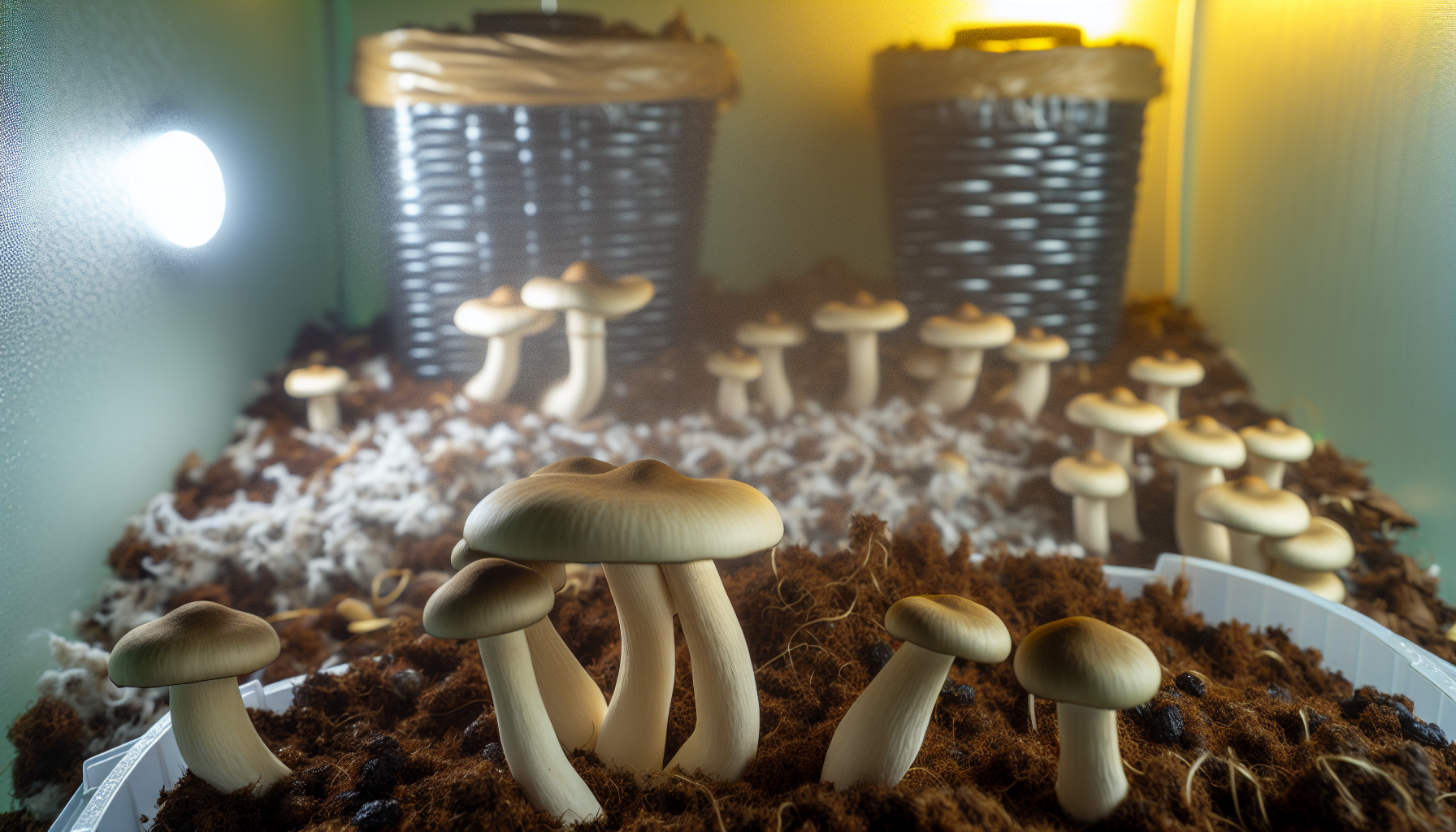
Credit: marshydro.eu
Inoculating And Colonizing The Substrate
Once your substrate is ready and cooled, it’s time to add King Trumpet spawn (the mushroom “seed”). This step is called inoculation.
Types Of Spawn
- Grain spawn: Fast colonization, ideal for small batches.
- Sawdust spawn: More common for larger bags or blocks.
- Plug spawn: Used for logs, less common for King Trumpet.
For beginners, grain spawn is easiest to work with and helps the mycelium spread quickly.
Steps For Inoculation
- Sanitize your workspace: Clean surfaces and wash your hands. Wear gloves if possible.
- Open substrate bag or container: Make a small hole or open the top.
- Add spawn: Sprinkle evenly through the substrate, using about 5-10% of the substrate’s weight.
- Mix well: Seal the bag and shake or mix to distribute the spawn.
- Seal and label: Close the bag with a filter patch or tie. Write the date and strain on the outside.
Colonization
Place the inoculated substrate in a dark, clean place at 22–24°C (72–75°F). The mycelium needs high humidity (60–70%) and fresh air, but not direct airflow. Over 2–4 weeks, white threads will spread through the substrate.
Signs of healthy colonization:
- Even white mycelium growth
- No strange colors (green, black, pink, or yellow means contamination)
- No bad smells (should smell earthy, not sour or chemical)
If you see patches of green or black, remove the bag to prevent spread. Do not open contaminated bags indoors.
Data Table: Colonization Timeline
Here’s what to expect:
| Day | What Happens | Notes |
|---|---|---|
| 1-3 | Spawn starts to recover | Little visible change |
| 4-10 | Mycelium spreads rapidly | White threads appear |
| 11-21 | Substrate nearly colonized | Solid white; some condensation |
| 22-28 | Full colonization | Ready for fruiting conditions |
Insights For Success
Don’t rush to open the bag before the substrate is fully colonized. Early exposure increases contamination risk and leads to poor fruiting.
If your substrate dries out during colonization, mist the outside of the bag lightly with water, but never add water inside.
Creating The Perfect Fruiting Conditions
After full colonization, you need to “shock” the mycelium into producing mushrooms. This step is called fruiting. King Trumpet mushrooms are more sensitive than other types, so attention to detail pays off.
Key Environmental Factors
- Temperature: 15–18°C (59–64°F) is ideal for fruiting. If your room is warmer, try to cool it or grow in winter.
- Humidity: 85–90% relative humidity. Dry air leads to cracked stems and small caps.
- Light: Indirect sunlight or fluorescent light, 8–12 hours per day. Too much or too little light can deform mushrooms.
- Fresh Air: High CO2 leads to long stems and tiny caps. Open the bag or container, and fan the area gently 2–3 times a day.
Moving To Fruiting
- Cut slits or remove bag: When the substrate is fully white, cut several 2–3 cm slits in the plastic or open the top. Mushrooms will grow toward these openings.
- Place in fruiting area: Set the bag in a humid, clean space with gentle airflow and indirect light.
- Mist regularly: Use a spray bottle to keep the area moist, but avoid soaking the mushrooms or substrate.
Common Mistakes
- Low humidity: Causes dry, cracked mushrooms. Use a humidity tent or humidifier if needed.
- Stale air: Leads to long, thin stems and tiny caps. Increase ventilation, but avoid cold drafts.
- Direct sunlight: Can overheat or dry out mushrooms. Use curtains or grow lights for gentle illumination.
Monitoring Growth
You’ll see small pins (baby mushrooms) appear within 7–10 days of moving to fruiting conditions. These will grow quickly if the environment is right.
Signs of good growth:
- Thick, short stems
- Small, brownish caps
- No fuzzy or moldy patches
If the mushrooms are tall and thin with tiny caps, increase fresh air and check humidity.
Fruiting Room Comparison
If you’re deciding where to fruit your mushrooms, compare these options:
| Fruiting Location | Pros | Cons | Best For |
|---|---|---|---|
| Bathroom | High humidity, easy to clean | Limited light, small space | Small batches |
| Grow Tent | Controlled climate, scalable | Initial cost, needs space | Multiple bags/blocks |
| Basement | Cool, low light | May be too dry or dusty | Seasonal growing |
Harvesting King Trumpet Mushrooms
Harvesting at the right time is essential for quality, taste, and future yields. King Trumpet mushrooms are best picked before the caps flatten fully or curl upward.
When To Harvest
- Ideal size: 8–15 cm (3–6 inches) tall; cap is still rounded and firm
- Appearance: Stems are thick, caps are small and brownish
- Texture: Firm, not spongy or soft
If you wait too long, the caps open wide and the texture becomes softer. While still edible, the flavor and shelf life are reduced.
How To Harvest
- Hold base firmly: Grasp the stem near the substrate.
- Twist and pull gently: Mushrooms should come away cleanly. Avoid tearing the block.
- Trim base: Use a clean knife to cut off any substrate or tough base material.
After Harvest Care
- Clean up: Remove any mushroom bits or debris to prevent mold.
- Mist lightly: Keep humidity high for a second flush (another round of mushrooms).
- Rest: Let the block rest for a few days before expecting more mushrooms.
Most King Trumpet blocks yield 2–3 flushes if cared for well. Each flush may be smaller than the last.
Storing Your Mushrooms
King Trumpet mushrooms store better than most varieties.
- Refrigerate: Keep in a paper bag or open container. They last up to 10 days.
- Do not wash before storing: Water causes spoilage. Clean just before use.
- Freezing: Slice and freeze, but texture may soften.
Troubleshooting And Common Problems
Growing mushrooms is not always smooth. Beginners often face issues, but most problems have simple solutions.
Contamination
Green, black, or pink mold means the substrate is contaminated. Remove affected bags immediately. Clean your area with bleach or alcohol before starting a new batch.
Poor Fruiting
If you see little or no mushrooms:
- Check temperature (too high or low will stop fruiting)
- Increase humidity
- Add more fresh air exchanges
- Make sure the substrate is fully colonized before fruiting
Deformed Mushrooms
- Long, thin stems and tiny caps: Too much CO2, not enough air
- Cracked or dry stems: Low humidity
- Fuzzy stems: Too much moisture, poor airflow
Pests
Fungus gnats can lay eggs in the substrate. Use sticky traps and keep windows screened. If you see larvae, discard the block to avoid spreading.
Useful Insight
Many growers forget that even small changes in environment—like opening a window or turning on a fan—can shift humidity and airflow dramatically. Always check your growing space several times a day, especially during the first fruiting.
Maximizing Yield And Quality
If you want the most mushrooms and the best flavor, focus on these advanced tips:
1. Supplement The Substrate Carefully
A little extra wheat bran or soybean meal can boost yields, but never add more than 20%. Too much nitrogen invites contamination.
2. Monitor Co2 Levels
King Trumpet mushrooms are sensitive to CO2. If growing in a small tent or room, open for fresh air often or install a small fan (not directly on the mushrooms).
3. Use Light Wisely
Mushrooms need light to form properly, but not strong sunlight. LED grow lights (cool white) on a timer work well and don’t overheat the space.
4. Cleanliness Is Essential
Contamination is the number one reason for failure. Always use clean tools, containers, and hands. Sanitize surfaces with 70% alcohol before working with substrate or spawn.
5. Track Your Results
Keep a notebook. Write down substrate mix, colonization time, fruiting conditions, and yields. This helps you spot patterns and improve each batch.
Uncommon Tip
Letting the substrate rest for 7–10 days after full colonization (before fruiting) can increase the first flush size. The mycelium uses this time to build up energy.
Scaling Up: From Home Grower To Small Producer
Once you master a few blocks or bags, you may want to grow more mushrooms at once. Scaling up means bigger yields, but also more challenges.
Choosing Equipment
- Pressure sterilizer: For large batches, a pressure cooker (23+ liters) or autoclave is essential.
- Grow tent or room: Lets you control humidity, temperature, and light.
- Racks or shelves: Save space and increase production.
Managing Multiple Blocks
Stagger your inoculation and fruiting dates so you have mushrooms ready to harvest regularly, not all at once.
Selling Your Harvest
Check local regulations before selling. King Trumpets are popular with restaurants and farmers markets, but quality and cleanliness are important.
Scaling Mistakes To Avoid
- Skipping sterilization steps (risk of contamination rises)
- Overcrowding blocks (reduces airflow, increases CO2)
- Ignoring record-keeping (hard to learn from mistakes)
Sustainability And Safety
Growing mushrooms at home is more eco-friendly than buying store-bought. You control what goes into the substrate and avoid pesticides or chemicals.
Safe Substrate Choices
Never use sawdust from treated wood, old pallets, or wood with glue/paint. These can release toxins into your mushrooms.
Reusing Substrate
After several flushes, spent substrate can be composted or used as garden mulch. It’s a great way to enrich your soil and reduce waste.
Personal Safety
Always wear gloves and a dust mask when handling dry substrate or spawn to avoid respiratory irritation.
Recipes And Culinary Uses
Fresh King Trumpet mushrooms are a treat. Their firm texture and umami flavor make them perfect for grilling, stir-frying, or roasting.
Simple Grilled King Trumpet
- Slice stems lengthwise, brush with olive oil, sprinkle with salt and pepper.
- Grill on medium heat for 3–4 minutes per side until golden brown.
- Serve with a squeeze of lemon or soy sauce.
Stir-fry Ideas
- Slice and sauté with garlic, ginger, and vegetables.
- Add to soups for extra flavor and nutrition.
Preservation
King Trumpets dry well. Slice and dehydrate, then store in airtight containers. Rehydrate in hot water before use in recipes.

Credit: northspore.com
Health Benefits And Nutritional Value
King Trumpet mushrooms are not only delicious but also nutritious.
- Protein: About 3g per 100g serving
- Fiber: 2g per 100g
- B vitamins: Especially B2, B3, B5
- Minerals: Potassium, copper, phosphorus
They’re low in calories and fat, making them ideal for healthy diets. Some studies suggest they may help reduce cholesterol and support immune health.
For more on their nutrition, check the official Wikipedia page.
Frequently Asked Questions
How Long Does It Take To Grow King Trumpet Mushrooms From Start To Harvest?
From inoculation to harvest, the process usually takes 5–7 weeks. Colonization takes about 3–4 weeks, and fruiting takes 10–14 days after moving to fruiting conditions. Harvest when stems are thick and caps are still rounded.
Can I Use Coffee Grounds As A Substrate For King Trumpet Mushrooms?
Coffee grounds are not ideal for King Trumpet mushrooms. They prefer hardwood sawdust mixed with bran. Coffee grounds can lead to contamination and poor yields unless expertly balanced and sterilized.
Why Are My King Trumpet Mushrooms Long And Thin With Tiny Caps?
This shape means there is not enough fresh air or CO2 is too high. Increase airflow and reduce the number of blocks in the fruiting area. Make sure humidity and light are also correct.
Is It Safe To Grow King Trumpet Mushrooms Indoors?
Yes, as long as you use clean substrate and avoid mold contamination. Use only hardwood sawdust, avoid chemicals, and keep the growing area clean. Dispose of contaminated blocks immediately.
How Many Times Can I Harvest From One Block Of Substrate?
Most blocks give 2–3 flushes. The first flush is the largest, with smaller harvests after. Let the block rest and keep it moist between flushes for best results.
Growing King Trumpet mushrooms at home is a rewarding journey. With the right substrate, careful attention to conditions, and good timing, you can enjoy gourmet-quality mushrooms for months. Every batch teaches you something new—so don’t be afraid to experiment, adjust, and enjoy the process. With patience and practice, you’ll soon be harvesting thick, delicious King Trumpets from your own mini-farm.

Credit: www.reddit.com