
As we age, staying sharp and keeping our brains healthy becomes more important. For many people over 60, memory lapses, slower thinking, and difficulty focusing can be worrying signs. While forgetfulness is common, there are ways to protect and support brain health. One natural remedy that’s gaining attention is Lion’s Mane mushroom. This unique fungus, used for centuries in Asian medicine, may offer hope for seniors who want to stay mentally active and independent.
But does Lion’s Mane really help the aging brain? What makes it different from other supplements? This article explores everything seniors need to know about Lion’s Mane for brain health after 60—from how it works to how to use it safely. Along the way, you’ll discover science-backed benefits, practical tips, and answers to common questions. Whether you’re curious about trying Lion’s Mane or looking for new ways to support your mind, you’ll find the guidance you need right here.
What Is Lion’s Mane?
Lion’s Mane (Hericium erinaceus) is a medicinal mushroom that grows on hardwood trees in Asia, North America, and Europe. Its white, shaggy appearance resembles a lion’s mane, which is how it got its name. For centuries, Lion’s Mane has been used in traditional Chinese medicine for digestive, immune, and brain health. Today, modern research is exploring its role in protecting the brain, especially as we age.
Lion’s Mane contains special compounds called hericenones and erinacines. These substances are unique to this mushroom and are thought to support the growth of nerve cells. This is why Lion’s Mane is often called a “nootropic” or brain booster. The mushroom can be eaten fresh, cooked, or taken as a supplement in powder, capsule, or extract form.
Why Brain Health Declines After 60
Aging brings many changes to the brain. Some memory slips and slower thinking are normal, but certain changes can lead to bigger problems. Here’s why brain health may decline after age 60:
- Shrinking brain volume: The brain actually gets smaller, especially in areas responsible for memory and learning.
- Slower nerve signals: Communication between brain cells becomes less efficient.
- Lower chemical levels: Important brain chemicals like acetylcholine decrease, affecting mood and memory.
- Oxidative stress: Damaging molecules called free radicals can harm brain cells over time.
- Inflammation: Chronic inflammation in the brain can cause long-term problems.
These changes can lead to mild forgetfulness or, for some, serious conditions like dementia or Alzheimer’s disease. That’s why finding ways to support and protect brain cells is so important for seniors.

Credit: www.gaiaherbs.com
How Lion’s Mane Supports Brain Health
Lion’s Mane stands out among natural supplements for its unique effects on the brain. Here’s how it may help protect and improve brain health after 60:
Stimulates Nerve Growth Factor (ngf)
One of Lion’s Mane’s biggest strengths is its ability to increase nerve growth factor (NGF). NGF is a protein the body needs to grow and maintain healthy brain cells. As we age, NGF levels drop, and the brain has a harder time repairing itself. Lion’s Mane’s hericenones and erinacines can help the brain make more NGF, which:
- Supports the growth of new neurons
- Helps brain cells connect better
- May boost memory and learning
Fights Oxidative Stress
Lion’s Mane is rich in antioxidants, which protect the brain from damage caused by free radicals. Oxidative stress builds up over years and can speed up aging in the brain. By neutralizing these harmful molecules, Lion’s Mane helps keep brain cells healthy and working well.
Reduces Inflammation
Chronic inflammation is linked to diseases like Alzheimer’s and Parkinson’s. Studies show that Lion’s Mane can lower inflammation in the brain, protecting nerve cells from long-term harm.
Supports Brain Repair
Unlike many supplements, Lion’s Mane may help the brain repair itself after injury or stress. Animal studies suggest it can speed up recovery from nerve damage and improve brain function. While more research in humans is needed, these findings are promising for seniors with age-related decline.
Enhances Mood And Focus
Some research suggests Lion’s Mane can improve mood and reduce symptoms of depression and anxiety. By supporting brain chemicals like serotonin and dopamine, it may help seniors feel more positive and focused.
Scientific Evidence: What The Research Says
Lion’s Mane has caught the attention of scientists interested in brain health and aging. Here are some key studies and findings:
- Memory and Mild Cognitive Impairment: A 2009 study in Japan gave seniors with mild memory problems Lion’s Mane powder for 16 weeks. Those taking the mushroom showed clear improvements in memory and understanding, while the placebo group did not. When they stopped taking Lion’s Mane, their benefits faded.
- Mood and Mental Health: A small study found that women who took Lion’s Mane cookies for four weeks had lower anxiety and depression scores compared to those who ate regular cookies.
- Animal Research: In mice, Lion’s Mane increased NGF in the brain and improved memory after injury. It also helped protect against amyloid plaques, which are linked to Alzheimer’s.
While these results are exciting, it’s important to know that most research is still in early stages. Larger studies in older adults are needed. Still, the evidence so far suggests Lion’s Mane could be a helpful tool for seniors looking to protect their brains.
How To Use Lion’s Mane Safely
If you’re over 60 and interested in trying Lion’s Mane, safety is key. Here’s how to get started:
Choosing The Right Form
Lion’s Mane is available in several forms:
- Capsules: Easy to take and measure, but check the ingredient list for fillers.
- Powder: Can be mixed into drinks or food. Look for 100% pure mushroom powder.
- Extracts: More concentrated, often labeled as “dual extract.” These tend to have higher levels of active compounds.
- Fresh or dried mushrooms: Can be cooked and eaten like other mushrooms, but may be harder to find.
Dosage Guidelines
There is no official recommended dose for Lion’s Mane, but most studies use:
- 500 mg to 3,000 mg of powder or extract per day, split into two or three doses.
Start with a lower amount and increase slowly to see how your body reacts. Check with your doctor if you take medications or have health conditions.
When To Take It
Lion’s Mane can be taken with or without food. Some people prefer it in the morning for focus, while others take it at night to support restful sleep.
Safety And Side Effects
Lion’s Mane is considered very safe for most people. Some may notice mild stomach upset or allergies (rare). If you have mushroom allergies, avoid Lion’s Mane.
Non-obvious insight: Lion’s Mane can interact with blood-thinning medications. If you take aspirin, warfarin, or similar drugs, talk to your doctor before starting.
Quality Matters
Not all Lion’s Mane supplements are equal. Look for products that are:
- Certified organic
- Tested for heavy metals and contaminants
- Clearly labeled with active compounds (hericenones/erinacines)
- Made by reputable brands
Some products use only the mushroom’s fruiting body (best), while others include the mycelium (root-like part), which may have fewer active ingredients.
Lion’s Mane Vs. Other Brain Supplements
How does Lion’s Mane stack up against popular brain health supplements for seniors? Here’s a side-by-side look:
| Supplement | Main Benefit | Unique Feature | Common Side Effects |
|---|---|---|---|
| Lion’s Mane | Boosts NGF, repairs nerves | May regrow brain cells | Rare stomach upset |
| Ginkgo Biloba | Improves blood flow | May help with circulation | Bleeding risk |
| Phosphatidylserine | Supports cell membranes | Natural part of brain cells | Digestive upset |
| Omega-3 (Fish Oil) | Reduces inflammation | Heart and brain benefits | Fishy aftertaste |
Non-obvious insight: Unlike Ginkgo or Fish Oil, Lion’s Mane doesn’t just protect existing brain cells—it may actually help regrow new ones.
Who Should Consider Lion’s Mane?
Lion’s Mane may be especially helpful for:
- Seniors noticing mild forgetfulness or “senior moments”
- People with a family history of dementia or Alzheimer’s
- Those recovering from stroke or brain injury (with doctor supervision)
- Anyone wanting to stay sharp and focused after 60
However, it’s not a cure for severe cognitive problems. If you or a loved one is experiencing major memory loss or confusion, see a doctor first.
Combining Lion’s Mane With Other Healthy Habits
Lion’s Mane works best as part of an overall brain-healthy lifestyle. Here’s how seniors can get the most benefit:
- Stay physically active: Exercise increases blood flow and supports new brain cell growth.
- Eat a brain-boosting diet: Include colorful fruits, veggies, whole grains, lean protein, and healthy fats.
- Challenge your mind: Learn new skills, do puzzles, or play memory games.
- Stay social: Talking with friends and family keeps your brain engaged.
- Get enough sleep: Aim for 7-8 hours per night to help the brain clear out waste and store memories.
- Manage stress: Chronic stress can damage brain cells over time.
Practical tip: Taking Lion’s Mane with food that contains healthy fats (like avocado or olive oil) may help your body absorb its active compounds better.

Credit: www.amazon.com
Common Mistakes To Avoid When Using Lion’s Mane
Many beginners make simple errors when trying Lion’s Mane. Here’s how to avoid them:
- Expecting instant results: Lion’s Mane works slowly. Most people need to take it for several weeks to notice changes.
- Choosing cheap, low-quality products: Not all supplements are the same. Low-quality Lion’s Mane may not contain enough active ingredients to work.
- Ignoring other health habits: No supplement can replace good sleep, a healthy diet, and exercise.
- Stopping too soon: For best results, use Lion’s Mane consistently for at least 8-12 weeks.
- Not checking with your doctor: If you have medical conditions or take medication, always get professional advice first.
Lion’s Mane In Everyday Life: Practical Examples
Lion’s Mane is flexible and easy to use. Here are a few real-life ways seniors add it to their routines:
- Morning smoothie: Blend 1-2 grams of Lion’s Mane powder into a fruit smoothie for a brain-friendly breakfast.
- Mushroom coffee: Add a scoop of Lion’s Mane to your morning coffee or tea. Many brands sell special “mushroom coffee” blends.
- Capsule with lunch: Take a capsule with your midday meal for steady energy and focus.
- Stir into soup: Fresh or dried Lion’s Mane can be cooked in soups, stews, or stir-fries for a mild, seafood-like flavor.
Experience-based tip: Some people notice better focus within a few days, but memory improvements often take 1-2 months of regular use.
Comparing Lion’s Mane Products: What To Look For
Shopping for Lion’s Mane can be confusing. Here’s a quick comparison of the main types:
| Type | Best For | Strengths | Weaknesses |
|---|---|---|---|
| Capsules | Convenience | No taste, easy dosing | May contain fillers |
| Powder | Mixing with food | Flexible use, pure | Earthy taste |
| Extract | Maximum potency | High active compounds | More expensive |
| Fresh mushroom | Cooking | Whole food, flavor | Hard to find, less potent |
Pro tip: Check the label for “fruiting body” and clear percentages of hericenones and erinacines for the best results.
Real Stories: Seniors And Lion’s Mane
Hearing from others can be inspiring. Here are some examples of seniors who’ve tried Lion’s Mane:
- Anna, 72: “After a month, I noticed fewer ‘blank moments’ during conversations. I feel more confident remembering names and details.”
- Frank, 68: “I started adding Lion’s Mane powder to my coffee. My focus while reading improved, and I feel less anxious about forgetting things.”
- Maria, 75: “It didn’t work right away, but after two months, my family noticed I was sharper and more engaged at family gatherings.”
While everyone’s experience is different, many seniors report subtle but steady improvements in memory, focus, and mood.
Who Should Avoid Lion’s Mane?
While Lion’s Mane is safe for most people, some should avoid it:
- Anyone with mushroom allergies
- People on blood-thinners (risk of bleeding)
- Those with autoimmune conditions (check with a doctor first)
- Pregnant or breastfeeding women (not enough research yet)
If you’re unsure, always check with your healthcare provider before starting.
How To Talk To Your Doctor About Lion’s Mane
It’s smart to include your doctor in any supplement decisions. Here’s how to have a productive conversation:
- Bring information: Print out a fact sheet or bring the supplement label.
- Explain your goal: “I’m interested in Lion’s Mane to help my memory and focus.”
- Ask about interactions: Mention all your medications and health conditions.
- Discuss monitoring: Ask how to track your progress and any side effects.
Doctors appreciate when patients are proactive and informed. If your doctor isn’t familiar with Lion’s Mane, suggest looking at resources like the National Institutes of Health review on medicinal mushrooms.
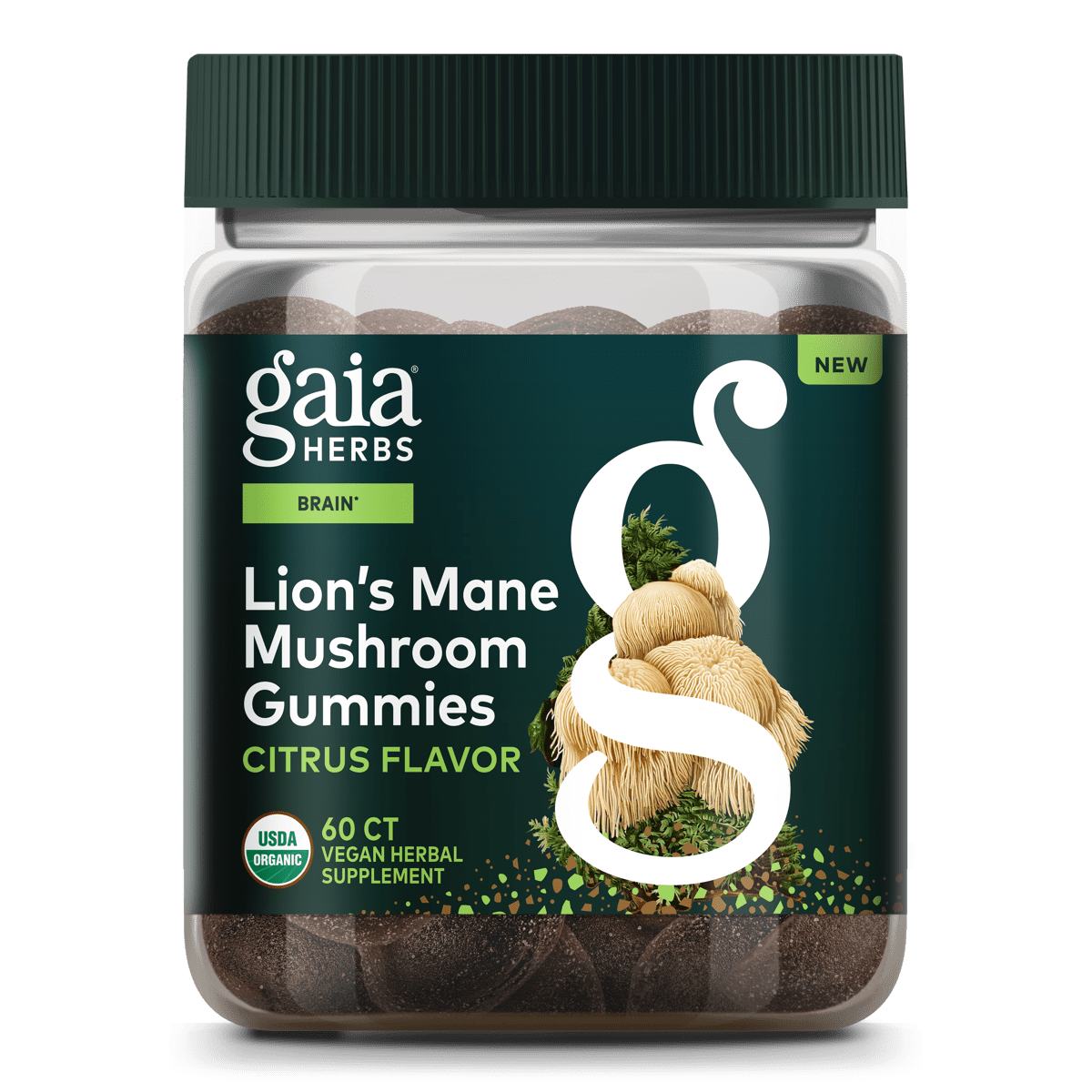
Credit: www.gaiaherbs.com
What To Expect: Timeline And Results
Lion’s Mane is not a miracle cure, but many seniors notice changes over time. Here’s a typical timeline:
- Week 1-2: Some people feel more focused or less anxious.
- Week 3-6: Improvements in word recall, clearer thinking, or fewer “senior moments.”
- Week 7-12: Greater memory, better mood, and more confidence in social situations.
If you don’t notice changes after three months, it may not be the right fit for you. Not every supplement works for everyone.
Myths And Facts About Lion’s Mane
With so many health claims online, it’s easy to get confused. Let’s clear up some common myths:
- Myth: Lion’s Mane cures Alzheimer’s disease.
- Fact: It may support brain health, but it’s not a cure.
- Myth: You’ll feel smarter overnight.
- Fact: Most benefits are subtle and take weeks to appear.
- Myth: All Lion’s Mane supplements are the same.
- Fact: Quality varies widely between brands.
- Myth: Lion’s Mane is addictive.
- Fact: There’s no evidence it causes dependence.
Being realistic about what Lion’s Mane can and can’t do will help you get the best results.
Key Takeaways For Seniors
- Lion’s Mane mushroom is a natural supplement that may support brain health, memory, and mood after age 60.
- It works by boosting nerve growth factor, fighting inflammation, and protecting brain cells.
- Scientific research is promising but still developing.
- Choose high-quality products, start with a low dose, and use consistently.
- Combine with other healthy habits for best results.
- Talk to your doctor before starting, especially if you have health conditions or take medication.
Aging doesn’t have to mean losing your mental edge. With the right tools and habits, you can stay sharp, engaged, and independent for years to come.
Frequently Asked Questions
What Is The Best Way For Seniors To Take Lion’s Mane?
Capsules or powder are the most popular and convenient forms for seniors. Capsules are easy to swallow and measure, while powder can be mixed into smoothies, coffee, or oatmeal. For best results, choose a product made from the fruiting body and free from unnecessary fillers.
How Long Does It Take To Notice Benefits From Lion’s Mane?
Most people need to use Lion’s Mane daily for at least 4-8 weeks to notice improvements in memory or focus. Some may feel more alert or positive within the first two weeks, but bigger changes take time. Consistency is key.
Can Lion’s Mane Prevent Dementia Or Alzheimer’s Disease?
Lion’s Mane is not a cure or guaranteed prevention for dementia or Alzheimer’s. However, research suggests it may help protect the brain and slow age-related decline. It’s best used as part of a healthy lifestyle, not as a replacement for medical care.
Are There Any Side Effects Or Risks For People Over 60?
Lion’s Mane is very safe for most seniors. Rare side effects include mild digestive upset or allergic reaction. People taking blood-thinning medication or with mushroom allergies should avoid it or check with a doctor first.
Is Lion’s Mane Safe To Take With Other Medications?
Lion’s Mane is generally safe, but it may interact with blood-thinners and some immune drugs. Always check with your healthcare provider before adding any new supplement, especially if you take prescription medication.
Aging well is about more than just the body—it’s about keeping your mind sharp and engaged. Lion’s Mane could be a valuable ally on your journey to lifelong brain health.