
When you’re recovering from illness, your body is not only fighting to get back to normal but also trying to restore balance deep inside your gut. Many people don’t realize that sickness, especially those needing antibiotics or strong medication, can seriously disturb the microbiome—the community of good bacteria and other microbes living in your digestive system. These tiny helpers are vital for digestion, immunity, and even mood. But how do you help your gut bounce back after illness? Recent research points to a surprising ally: the Turkey Tail mushroom.
This unique mushroom, with its colorful, fan-shaped layers, has been used in traditional medicine for centuries. Today, it’s gaining new attention for its potential to support the microbiome, especially after illness. In this article, we’ll explore how Turkey Tail mushroom works, what science says about its effects, and how you can use it to boost your recovery.
You’ll also discover practical steps, common mistakes, and expert insights that go beyond the basics. Whether you’re recovering from a cold, a stomach bug, or a round of antibiotics, understanding how to repair your gut can make a real difference in how quickly—and fully—you regain your health.
Understanding The Human Microbiome
The human microbiome is a complex system made up of trillions of microbes, mostly bacteria, that live in your gut. This ecosystem is as unique as a fingerprint. It helps digest food, protect against harmful germs, produce vitamins, and train the immune system. A diverse microbiome—meaning many different types of microbes—is often linked with better health.
When you get sick, especially with infections or after taking antibiotics, your microbiome can be damaged. Antibiotics do not only kill bad bacteria but also wipe out some of the good ones. This loss in diversity can weaken your digestion, immune system, and even make you more likely to get sick again.
Healthy gut bacteria also play a role in producing vitamins B and K, and in breaking down tough plant fibers that your body alone cannot digest. Some bacteria even help train your immune system to tell the difference between friend and foe, reducing your risk of allergies or autoimmune problems.
Why Microbiome Diversity Matters
A rich variety of microbes in your gut protects you in several ways:
- Better digestion: Different bacteria break down different foods, so a wide mix means you get more nutrients from what you eat.
- Stronger immunity: A diverse microbiome helps the body fight off new infections and recover faster from illness.
- Mood and brain health: Some gut bacteria produce chemicals like serotonin, which can improve mood and support mental clarity.
- Prevention of harmful bugs: More good bacteria make it harder for bad ones to take over by competing for food and space.
Low diversity in your microbiome is linked to problems like allergies, obesity, diabetes, and even anxiety. In fact, people with a limited range of gut bacteria are often more sensitive to stress and may notice changes in their mood or sleep after illness.
The “gut-brain axis”—the communication between your gut and nervous system—relies on a healthy, balanced microbiome.
One detail often missed: the microbiome is not static. It changes throughout your life and can be shaped by diet, medication, stress, and even travel. The good news is, with the right support, you can help your gut regain its diversity and strength after setbacks.
What Is Turkey Tail Mushroom?
The Turkey Tail mushroom (scientific name: *Trametes versicolor*) is a common fungus found on decaying wood in forests around the world. Its name comes from its beautiful, striped pattern that looks like a turkey’s tail. In Asia, it’s known as Yun Zhi and has been used in traditional medicine for thousands of years.
But what makes Turkey Tail special for gut health? It contains unique compounds that support not just immunity but also the health and diversity of the gut microbiome.
Turkey Tail grows in layers or rosettes, often covering large areas of fallen logs. Its bands can be brown, gray, blue, or even green when moss is present. Unlike most edible mushrooms, Turkey Tail is tough and chewy, so it’s rarely eaten fresh.
Instead, it’s dried and used for teas, powders, or extracts.
Key Components Of Turkey Tail
Turkey Tail mushrooms have several bioactive compounds:
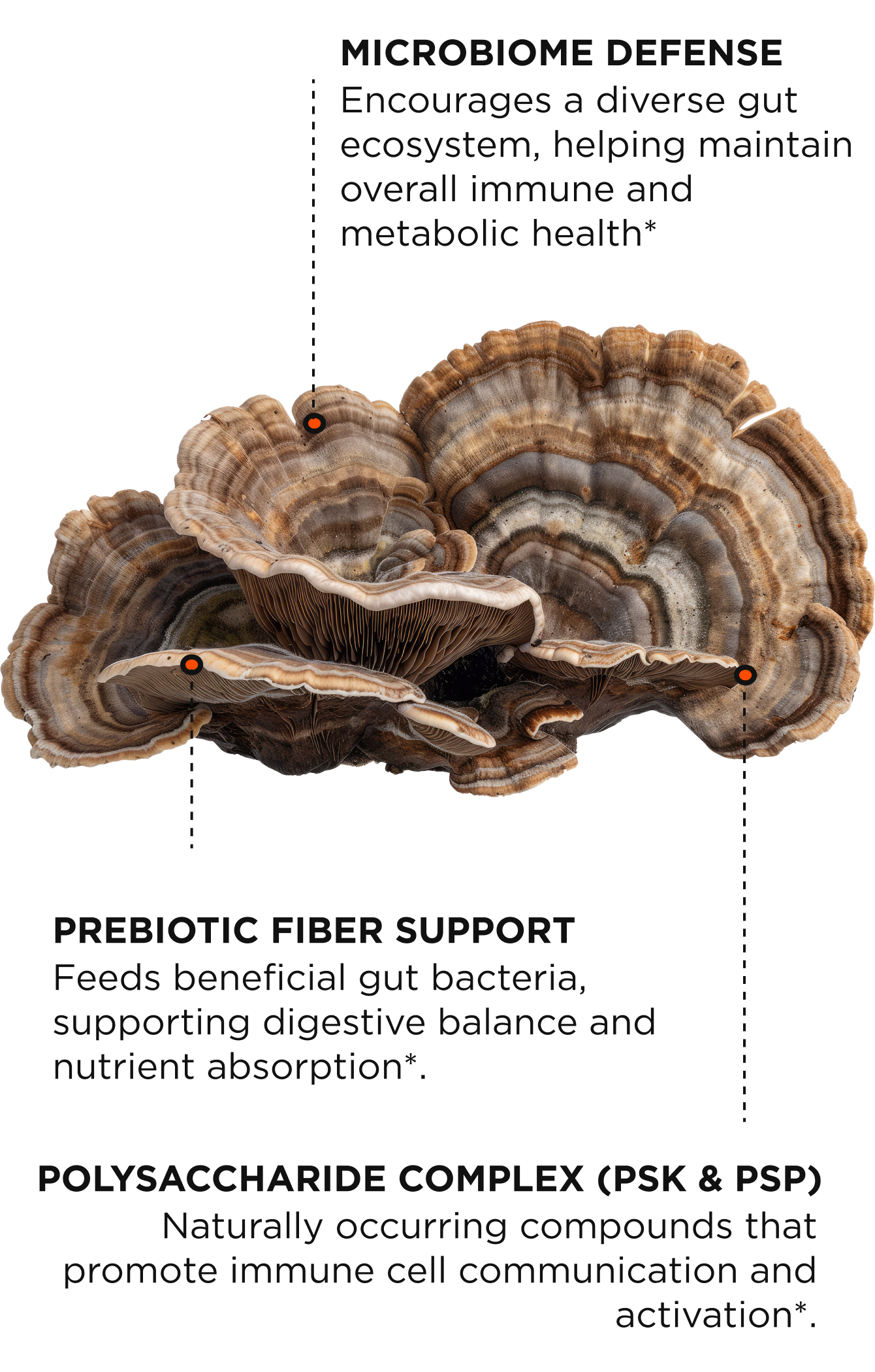
- Polysaccharopeptides (PSP and PSK): These are complex sugars bound to proteins. They act as prebiotics and support immune function. PSK, sometimes called Krestin, is so well-studied it’s used alongside cancer treatments in some countries.
- Beta-glucans: Special fibers that feed good gut bacteria. These help stimulate immune cells and can improve the gut’s barrier function.
- Antioxidants: Turkey Tail contains phenols and flavonoids that help reduce inflammation and support healing.
Each of these compounds plays a role in helping your body recover after illness. For example, beta-glucans can “wake up” sluggish immune cells, while antioxidants mop up free radicals created during infection. The synergy of these compounds is what sets Turkey Tail apart from other mushrooms.
Credit: thegeniusbrand.com
How Illness And Antibiotics Affect The Microbiome
To understand how Turkey Tail helps, it’s important to see what happens to your microbiome during and after illness.
The Impact Of Common Illnesses
When you get sick, especially with infections like the flu, stomach bugs, or even COVID-19, several things can happen:
- Fever and inflammation: These change the gut environment, making it less comfortable for helpful bacteria.
- Loss of appetite: Less food means less fuel for good bacteria, which thrive on the fiber and nutrients you eat.
- Increased stress: Illness often leads to higher stress, which can disturb gut bacteria through hormone changes and less regular eating.
You might also experience dehydration or changes in bowel habits, both of which can reduce the “good guys” in your gut. Even mild illnesses can create small shifts that, over time, lead to a less balanced microbiome.
Antibiotics And Their Side Effects
Antibiotics are life-saving, but they have side effects:
- Killing good bacteria: Antibiotics can’t tell good from bad. They often remove friendly bacteria along with harmful ones, sometimes causing diarrhea or yeast overgrowth.
- Reduced diversity: Fewer types of bacteria can survive, leaving your gut less resilient to future challenges.
- Opportunistic infections: With fewer good bacteria, harmful bugs like *Clostridium difficile* can take over, causing diarrhea and other problems. In some cases, these infections can be serious and require more medical treatment.
Studies show that after one course of antibiotics, it can take weeks or months for your microbiome to recover. In some cases, the diversity never fully returns, especially if antibiotics are used frequently or for long periods.
What’s less obvious: even if you don’t feel digestive symptoms, your microbiome may still be out of balance. This can show up later as food sensitivities, lower immunity, or even changes in mood and energy.
Turkey Tail Mushroom As A Microbiome Modulator
Turkey Tail is not just a traditional remedy—it’s also a microbiome modulator. This means it can help restore and balance your gut bacteria. But how does it do this?
Prebiotic Effects
One of the most important roles Turkey Tail plays is as a prebiotic. Prebiotics are fibers and compounds that feed beneficial gut bacteria. Turkey Tail’s special beta-glucans and polysaccharides act as food for these microbes, helping them grow and multiply.
For example, studies in both humans and animals have shown that Turkey Tail can:
- Increase Bifidobacteria and Lactobacillus: These are two families of bacteria strongly linked to gut health. They can help break down food, produce vitamins, and protect against invaders.
- Support short-chain fatty acid (SCFA) production: SCFAs, like butyrate, help reduce inflammation and keep the gut lining healthy. Butyrate, in particular, is a key energy source for the cells lining your colon.
Unlike many prebiotics, Turkey Tail’s fibers are not broken down too quickly. This means they reach deeper into the colon, supporting a wider range of bacteria. Over time, this helps rebuild the gut’s natural ecosystem, not just boost a single species.
Immune System Support
Turkey Tail’s polysaccharopeptides (PSP and PSK) also boost the immune system. After illness, your immune defenses can be low, making you vulnerable to other infections. By strengthening immune cells, Turkey Tail helps your body protect and rebuild its gut environment.
PSP and PSK stimulate the activity of natural killer cells and macrophages—cells that hunt down viruses and harmful bacteria. This is especially important after illness, when your immune system may be “tired” or less responsive. In some countries, doctors use Turkey Tail extracts to support patients with weak immune systems, including those recovering from surgery or cancer therapy.
Anti-inflammatory Action
Inflammation is common after sickness and antibiotic use. Turkey Tail contains antioxidants and anti-inflammatory compounds that can help calm the gut, making it easier for good bacteria to regrow.
For example, beta-glucans can reduce the production of inflammatory molecules in the gut lining. This not only speeds healing but also makes your gut a friendlier place for new bacteria to settle. Chronic inflammation is a hidden reason why some people don’t fully recover after illness—Turkey Tail helps address this.

Credit: www.amazon.com
Scientific Evidence: What Do Studies Say?
Many people want proof before trying something new. Over the last 20 years, scientists have studied Turkey Tail’s effects on the gut microbiome.
Human And Animal Studies
- Prebiotic activity in humans: A 2014 study found that Turkey Tail extract increased the number of beneficial bacteria and improved gut diversity in healthy adults after three weeks of use. Participants also reported better digestion and less bloating.
- Restoration after antibiotics: Animal studies show that Turkey Tail can help restore gut bacteria balance after antibiotics. Mice given Turkey Tail extract had faster recovery of Bifidobacteria and other healthy species compared to those who didn’t get it.
- Immune recovery: Cancer patients receiving Turkey Tail supplements showed improved immune function, which is closely tied to gut health. Some studies also found fewer infections during recovery.
Further research suggests Turkey Tail may help prevent the “rebound” of harmful bacteria often seen after antibiotics. Its unique fibers encourage not just the return of good bacteria, but the rebuilding of a balanced, multi-species community. This is a subtle but powerful difference from probiotics, which simply add new bacteria to the mix.
Table: Effects Of Turkey Tail On Gut Bacteria (animal Study)
| Bacterial Group | Change After Antibiotics | With Turkey Tail Supplement |
|---|---|---|
| Bifidobacteria | Decreased 70% | Recovered to 90% of baseline |
| Lactobacillus | Decreased 60% | Recovered to 85% of baseline |
| Firmicutes | Decreased 50% | Recovered to 80% of baseline |
Insights Beginners Miss
Many people think all mushrooms are the same. However, Turkey Tail’s polysaccharides are especially effective as prebiotics, more than those in other mushrooms like Shiitake or Reishi. Also, beginners often overlook that Turkey Tail doesn’t just add good bacteria—it creates the right environment for a variety of microbes to thrive, which is more important than boosting only one type.
Another detail: the positive changes in microbiome diversity are often gradual. You might not feel a difference overnight, but within a few weeks, many people notice improved digestion, energy, and even mood.
How To Use Turkey Tail For Recovery
If you’re considering Turkey Tail to help your microbiome after illness, it’s important to know how to use it safely and effectively.
Forms Of Turkey Tail
Turkey Tail is available in several forms:
- Capsules: Easy to take and convenient for daily use. These are ideal if you travel or have a busy schedule.
- Powder: Can be mixed into smoothies, yogurt, or warm drinks. This form works well if you already have a healthy morning routine.
- Extracts: Liquid versions, often more concentrated. Some extracts are “dual-extracted” (water and alcohol) to capture more of the active compounds.
- Teas: Made from dried mushroom pieces; a traditional method. While the flavor is mild and earthy, not everyone enjoys the taste.
Choose a form that fits your lifestyle. Capsules and powders are most popular because they’re easy to measure.
Recommended Dosage
There’s no official daily dose, but most studies use:
- 1 to 3 grams of extract or powder per day for adults, taken with food.
Always start with a lower dose to see how your body reacts. Some people may have mild digestive changes at first, such as increased gas or softer stools. These usually settle within a few days.
If you’re using a concentrated extract, follow the instructions on the package. Potency can vary between brands, so check the percentage of polysaccharides or beta-glucans listed.
Practical Example: Recovery Routine
A simple daily routine after antibiotics might look like this:
- Morning: Take 1 gram of Turkey Tail powder with breakfast. Mixing it into oatmeal or a smoothie works well.
- Midday: Eat fermented foods like yogurt or kimchi to add more probiotics. These help repopulate your gut with live bacteria.
- Evening: Take a second gram with dinner. Pairing Turkey Tail with a meal that contains some healthy fat (like olive oil or nuts) may help absorption.
Drink plenty of water, and try to eat a variety of fiber-rich foods to support overall gut health. If you’re new to functional mushrooms, consider using Turkey Tail every other day for the first week to let your gut adjust.
Table: Turkey Tail Vs. Other Gut Health Supplements
| Supplement | Main Benefit | Prebiotic Action | Immune Support |
|---|---|---|---|
| Turkey Tail | Microbiome diversity | Strong | Strong |
| Inulin | Feeds Bifidobacteria | Strong | Weak |
| Reishi Mushroom | Immunity | Moderate | Strong |
| Probiotic Capsules | Adds live bacteria | None | Moderate |
Safety And Side Effects
Turkey Tail is generally safe for most people, but it’s wise to watch for any reactions, especially if you’re new to medicinal mushrooms.
Possible Side Effects
- Mild digestive upset: Gas or bloating at first. This is usually temporary and a sign that your gut bacteria are adjusting.
- Allergic reactions: Rare, but possible in sensitive people. Symptoms might include itching, rash, or trouble breathing.
- Drug interactions: Talk to your doctor if you take immune-suppressing drugs or blood thinners, as Turkey Tail may influence how these medicines work.
Some people also notice a mild change in taste or appetite, especially when using Turkey Tail in tea form.
Who Should Avoid Turkey Tail?
- Children under 12, unless advised by a doctor.
- Pregnant or breastfeeding women.
- People with mushroom allergies.
- Individuals with autoimmune diseases, unless under close supervision. Immune-boosting supplements can sometimes trigger symptoms.
If you have a chronic illness or take medication, always check with a healthcare professional before starting any supplement. This is especially important if you have a history of food allergies or immune-related conditions.
Tips For Choosing High-quality Turkey Tail Products
Not all Turkey Tail supplements are equal. The quality can vary a lot between brands.
What To Look For
- Third-party testing: Check for brands that test for purity and heavy metals. This protects you from contaminants and ensures you get what you pay for.
- Full-spectrum extract: This means the product contains all active compounds, not just one. “Fruit body” is preferred over “mycelium on grain,” which can be lower in active ingredients.
- Clear labeling: The amount of polysaccharides or beta-glucans should be listed, ideally 30% or higher.
- Organic source: Mushrooms absorb toxins from their environment, so organic is safer and reduces risk of pesticide residues.
Ask for certificates of analysis if you’re unsure. Some companies make these available on their website.
Table: Checklist For Buying Turkey Tail Supplements
| Quality Factor | Why It Matters | What to Check |
|---|---|---|
| Third-party lab test | Ensures safety | Certification on label/website |
| Organic certification | Reduces toxin risk | USDA or similar logo |
| Active compounds listed | Shows potency | Polysaccharides/beta-glucans % |
| Full-spectrum | More complete benefits | “Fruit body” or “whole mushroom” |
Common Buyer Mistakes
- Choosing the cheapest option, which may be low quality or contaminated.
- Not checking for real Turkey Tail (sometimes products are mixed with fillers or use only mycelium, which is less potent).
- Ignoring the active compounds; some brands don’t provide enough for real benefit.
- Overlooking the source—mushrooms grown in polluted areas can absorb heavy metals.
Always read reviews and buy from reputable brands. If a product doesn’t list its country of origin or testing process, consider another option.

Credit: www.amazon.com
Combining Turkey Tail With Other Gut Health Strategies
While Turkey Tail is powerful, it works best as part of a broader recovery plan.
Other Ways To Support Microbiome Diversity
- Eat a range of fibers: Vegetables, fruits, legumes, and whole grains all feed different bacteria. Try to “eat the rainbow” each week.
- Add fermented foods: Yogurt, kefir, sauerkraut, miso, and kimchi give your gut new microbes and help the ones you already have.
- Limit processed foods and sugars: These can feed harmful bacteria and encourage imbalance.
- Stay hydrated: Water helps move waste and support digestion. Aim for 6–8 glasses a day unless your doctor advises otherwise.
- Manage stress: Chronic stress can disturb gut balance. Try relaxation techniques, gentle exercise, or mindfulness practices.
Mixing these habits creates a “fertile ground” for your microbiome, allowing Turkey Tail’s prebiotics to work even better.
Practical Example: Weekly Recovery Plan
- Monday to Friday: Turkey Tail supplement, diverse plant-based meals, 1 serving of fermented food daily.
- Saturday: No supplement (let your body adjust), focus on hydration and fiber.
- Sunday: Light exercise and meditation to reduce stress.
You can swap days as needed, but keeping some routine helps your gut adapt. Remember, even small daily changes add up over time.
Two Non-obvious Insights
- Timing matters: Taking Turkey Tail with a meal that contains healthy fats (like avocado or olive oil) can improve absorption of its beneficial compounds. Some bioactives are better used by the body in the presence of fat.
- Microbiome “resilience”: Regular use of Turkey Tail may not just restore gut diversity, but also make your microbiome more resilient—meaning it bounces back faster from future illnesses or antibiotic use. This “training effect” is often overlooked but makes a real difference if you get sick again.
Real-world Stories: How People Recover With Turkey Tail
Many people find real hope in Turkey Tail after struggling with gut problems following illness.
Case Example 1: Post-antibiotic Recovery
Anna, a 34-year-old teacher, had a bad sinus infection and took antibiotics. After her treatment, she had stomach pain and irregular digestion. Her doctor suggested probiotics, but they didn’t help much. She added a Turkey Tail powder to her morning smoothie, and within three weeks, her digestion improved and she felt more energetic.
She also noticed fewer sugar cravings and less bloating after meals. Anna combined Turkey Tail with yogurt and plenty of vegetables, accelerating her recovery.
Case Example 2: After Viral Illness
John, a marathon runner, caught a stomach virus during the winter. He lost his appetite and felt weak for weeks. A nutritionist recommended Turkey Tail extract. By combining this with fermented foods, John noticed his energy and gut comfort returned more quickly than after past illnesses.
He also saw better sleep and a calmer mood, which he hadn’t expected. For John, using Turkey Tail was not just about gut health but overall wellness.
These stories show that Turkey Tail is not just a theory—it’s helping real people recover gut health in daily life. Your results may vary, but many users report benefits within a few weeks.
The Role Of Turkey Tail In Long-term Microbiome Health
After the gut seems “back to normal,” many people stop thinking about their microbiome. But keeping up with Turkey Tail and other healthy habits can protect you from future problems.
Building Lasting Resilience
A resilient microbiome does more than handle daily stress. It can:
- Reduce the risk of allergies and autoimmune disease
- Improve response to future infections
- Support mental health and mood
Turkey Tail is a tool you can use not just for recovery, but as part of a long-term gut health plan. Taking a “maintenance dose” (such as 500 mg to 1 gram daily) can keep your gut strong during times of stress, travel, or poor diet.
Maintenance Use
Many experts recommend taking a lower dose of Turkey Tail (such as 500 mg per day) as ongoing support, especially during times of stress, travel, or cold/flu season. Rotating Turkey Tail with other mushrooms like Reishi or Lion’s Mane can also help keep your microbiome engaged and balanced.
You don’t need to take Turkey Tail forever, but cycles of 4–8 weeks at a time can provide ongoing support, especially after any new illness or medication.
Myths And Misunderstandings About Turkey Tail
Despite growing research, myths about Turkey Tail still confuse many people.
Common Myths
- “It’s only for cancer patients.” While Turkey Tail is used in cancer care, it’s also safe and helpful for healthy people and those recovering from illness.
- “Mushroom supplements are just hype.” Turkey Tail’s effects are backed by clinical studies, not just tradition. Thousands of people use it daily for immune and gut support.
- “You can get the same benefits from eating mushrooms in food.” The specific polysaccharides in Turkey Tail are much higher in supplements than in culinary mushrooms. Eating mushrooms is healthy, but the gut benefits are not the same.
How To Avoid Misinformation
- Read labels carefully and check for research references.
- Ask your healthcare provider about trusted brands.
- Use reliable sources like published studies or organizations such as the National Institutes of Health.
It’s easy to get confused by marketing claims. Look for real data, not just testimonials or vague promises.
Frequently Asked Questions
How Soon After Illness Should I Start Turkey Tail?
You can begin using Turkey Tail as soon as you finish any prescribed antibiotics or when your appetite returns after an illness. Starting early helps your microbiome recover faster. If you are still taking medication, check with your doctor.
Can Turkey Tail Replace Probiotics?
No, Turkey Tail does not replace probiotics. Instead, it acts as a prebiotic, feeding and supporting the growth of beneficial bacteria. For best results, combine Turkey Tail with probiotic foods or supplements.
Are There Any Risks With Long-term Turkey Tail Use?
Turkey Tail is safe for most people when taken as recommended. Long-term use is generally well-tolerated, but always follow dosage guidelines and check for any changes in how you feel. If you notice unusual symptoms, stop and speak to a healthcare provider.
Is Turkey Tail Safe For Children?
There is limited research on Turkey Tail for children. It is not usually recommended for children under 12 unless advised by a healthcare professional. For older kids, always use the lowest effective dose and monitor for side effects.
Where Can I Read More About The Science Behind Turkey Tail?
For those interested in the scientific details, you can find more information on Wikipedia’s Turkey Tail page, which includes research citations and links to clinical studies.
Turkey Tail mushroom offers a natural, research-backed way to support your gut microbiome after illness. By acting as a prebiotic, reducing inflammation, and strengthening immune defenses, it helps bring your body back into balance. Used wisely, and alongside other healthy habits, Turkey Tail can be a key part of your recovery—and your long-term health.
Recovery is not just about feeling better; it’s about rebuilding the foundation of your well-being, one microbe at a time.