
Growing maitake mushrooms, also known as hen-of-the-woods, has become increasingly popular among food lovers and gardeners. Maitake is not only valued for its rich, earthy taste but also for its health benefits. People use it in soups, stir-fries, and even as a meat alternative. But many wonder whether to grow maitake mushrooms indoors or outdoors. Each method offers different benefits, challenges, and results. If you want to grow these unique mushrooms at home, it’s important to understand both indoor and outdoor methods. This guide will give you clear steps, practical insights, and direct comparisons, so you can decide which approach fits your needs best.
Understanding Maitake Mushrooms
Maitake mushrooms (Grifola frondosa) are native to temperate forests in Asia and North America. They grow at the base of hardwood trees, especially oaks and maples. The fruiting body of maitake looks like a cluster of grayish-brown fronds, resembling a ruffled chicken—hence the name “hen-of-the-woods.” Maitake is prized for its umami flavor and is rich in vitamins, minerals, and beta-glucans, compounds known for supporting immunity.
Many beginners think maitake is as easy to grow as oyster mushrooms, but it requires more patience and a specific environment. Maitake is a slow-growing fungus, and fruiting can take several months, especially outdoors. Still, the reward is a unique mushroom that is hard to find fresh in stores.
Maitake is also unique because it grows in a rosette pattern, unlike the single stems of shiitake or oyster mushrooms. Each cluster can weigh several kilograms in the wild, and its layered structure means it cooks evenly and holds its texture well.
This makes maitake a favorite in both Japanese and Western kitchens.
Another important detail is maitake’s preferred growing conditions. It needs consistent moisture and cool temperatures, which means that even outdoors, it only fruits in the right seasons. Indoors, growers mimic these conditions with careful temperature and humidity control.
Why Grow Maitake Mushrooms?
There are several reasons why people choose to grow maitake at home:
- Freshness: Store-bought maitake can be expensive and not always fresh.
- Health benefits: Maitake contains antioxidants, vitamins B and D, and immune-boosting beta-glucans.
- Culinary uses: Its firm texture and deep flavor enhance many recipes.
- Sustainability: Home cultivation reduces the need for wild harvesting, which can damage forests.
Many growers also enjoy the process itself—a rewarding combination of gardening and science.
Beyond these main points, growing maitake can be an educational family project or a way to add value to your home garden. Children and adults alike can learn about fungi, ecology, and the role mushrooms play in nature. Maitake’s slow growth also teaches patience and observation—qualities that benefit any gardener.
For those interested in self-sufficiency, maitake provides a nutritious, plant-based protein option that can be grown with little environmental impact. Unlike vegetables, maitake does not require much sunlight or fertilizers, making it suitable for shaded yards or even indoor spaces.
A non-obvious benefit: maitake cultivation can also improve your soil. Spent substrate or old logs, once the mushrooms have fruited, can be broken down further and added to compost piles, enriching garden beds with organic matter and beneficial microbes.

Credit: boomingacres.com
Key Differences: Indoor Vs Outdoor Cultivation
Before you start, it’s important to compare the two main approaches: indoor cultivation and outdoor log or bed cultivation. Each method has its own requirements, time frames, and benefits.
| Factor | Indoor Cultivation | Outdoor Cultivation |
|---|---|---|
| Setup Cost | Medium to High (equipment, substrate) | Low to Medium (logs, tools) |
| Space Needed | Small, controlled area | Outdoor garden, shaded space |
| Time to First Harvest | 3–6 months | 6–24 months |
| Yield | Predictable, but limited by space | Potentially higher, depends on log/bed size |
| Maintenance | High (monitoring, humidity, contamination) | Low to Medium (watering, pests) |
| Difficulty | Medium to High | Medium |
Understanding these differences helps you choose the right method for your situation.
A detail many overlook: indoor cultivation allows for experimentation with substrate recipes and growing conditions. Outdoors, you are working more with nature’s rhythms. If you enjoy tinkering and testing, indoor growing may appeal to you more.
Indoor Maitake Mushroom Cultivation
Growing maitake mushrooms indoors allows you to control the growing environment. This method is good for people living in cities, those with limited outdoor space, or anyone who wants to harvest mushrooms year-round. However, it does require some investment and attention to detail.
Getting Started: Materials And Preparation
To grow maitake mushrooms indoors, you will need:
- Maitake spawn (often sold as grain spawn or sawdust spawn)
- Substrate: Sterilized hardwood sawdust, wood chips, or a mix. Maitake prefers oak, maple, or beech.
- Growing containers: Large filter patch bags, plastic tubs, or jars.
- Pressure cooker or autoclave (for sterilizing substrate)
- Clean workspace: Still air box or flow hood to prevent contamination.
- Humidity and temperature control: Humidifier, thermometer, and sometimes a small grow tent or chamber.
Non-obvious Insight: Maitake Spawn Is Less Forgiving Than Oyster Mushroom Spawn. Always Purchase Fresh, High-quality Spawn From A Trusted Supplier, As Old Or Weak Spawn Rarely Produces Good Results.
If you are new to mushroom cultivation, it’s worth spending extra time cleaning your workspace and tools. Even tiny amounts of dust, mold, or bacteria can spoil an entire batch. Some growers also use rubbing alcohol or hydrogen peroxide to wipe surfaces before inoculation.
Many people ask about substrate recipes. For maitake, a common mix is 80% hardwood sawdust and 20% wood chips, with a small amount of wheat bran (no more than 5%) for extra nutrients. Too much bran can invite contamination, so it’s best to start simple.
Step-by-step: Indoor Maitake Cultivation
- Prepare Substrate: Mix hardwood sawdust and chips, moisten to the texture of a wrung-out sponge. Place in grow bags or containers.
- Sterilize Substrate: Use a pressure cooker to sterilize at 15 psi for 2-3 hours. This step is crucial because maitake grows slowly, giving contaminants more time to take over.
- Cool and Inoculate: Let the substrate cool completely. In a clean area, mix in the maitake spawn, then seal containers or bags.
- Incubation: Store containers in a dark room at 21–24°C (70–75°F). Maitake mycelium is slow to colonize, often taking 30–60 days. Watch for white, thick mycelial growth.
- Primordia Formation: Once fully colonized, expose bags to fresh air, light, and higher humidity (85–90%). Lower temperature to 16–21°C (60–70°F). Small knots (primordia) will form—these become mushrooms.
- Fruiting and Harvest: Maitake mushrooms may take 2–4 weeks to develop after primordia appear. Maintain high humidity and gentle air movement. Harvest when the fronds are soft and before the edges curl.
Practical Tip: A Common Beginner Mistake Is Opening The Bags Too Soon Or Not Maintaining Humidity. Use A Spray Bottle To Mist Often, But Don’t Let Water Pool On The Surface.
When misting, focus on the air around the mushrooms, not directly on them. Too much water on developing fronds can cause rot or bacterial spots. Another tip: monitor carbon dioxide levels. Maitake likes fresh air when forming mushrooms—stale air can lead to deformed clusters.
Indoor Method: Pros And Cons
Advantages:
- Grow mushrooms year-round
- More control over pests, weather, and contamination
- Compact setup fits in apartments or small homes
Disadvantages:
- Requires equipment and attention to cleanliness
- Higher startup cost
- Risk of contamination if not careful
Indoor cultivation also lets you grow mushrooms in winter, when outdoor logs are dormant. For those living in very hot or cold climates, indoor setups mean you are not limited by outdoor temperatures.
Common Indoor Growing Problems
- Slow or no colonization: Usually due to old spawn, wrong substrate, or poor sterilization.
- Green or black mold: Indicates contamination. Discard affected bags.
- Dry or cracked mushrooms: Humidity is too low.
- Small yields: Can result from poor spawn quality, low nutrients, or improper temperature.
One problem people miss: excessive condensation inside bags can lead to bacterial blotch. If you see yellowish or slimy spots, increase air flow, and wipe off any excess water.
Example Indoor Setup
A typical indoor maitake grow setup might use:
- 3 filter patch bags, each holding 2 kg of sterilized oak sawdust/chips
- A small humidifier set to 90% RH
- A grow tent with indirect light, kept at 18°C (65°F)
- A still air box for inoculation
This setup can yield about 1–2 kg of fresh maitake every 3–6 months.
If you want to scale up, you can add more bags or use larger containers, but remember that each batch increases the chance of contamination. Many home growers run two or three small batches at different stages for a steady supply.
Outdoor Maitake Mushroom Cultivation
Growing maitake outdoors is closer to how it grows in nature. This method uses hardwood logs or woodchip beds. Outdoor cultivation is slower and depends on the weather, but it often produces larger flushes and requires less hands-on time after setup.
Choosing The Right Location
Maitake needs a shaded, moist, and cool environment. The best place is under mature hardwood trees (like oak or maple), in an area that stays damp but not flooded. Avoid full sun or very windy spots.
Some growers set up logs on the north side of a building or wall, where the ground stays cooler. If your area is dry, you can bury logs halfway in the ground to help retain moisture. Avoid low spots that hold standing water, as this can cause logs to rot before the mycelium colonizes.
Outdoor Methods: Logs Vs. Woodchip Beds
There are two main ways to grow maitake outside:
- Inoculated logs: Best for those with access to fresh hardwood logs.
- Woodchip beds: Suitable for gardeners or those without large logs.
Non-obvious Insight: Maitake Rarely Fruits From Logs Less Than 10 Cm (4 Inches) Thick. Thicker Logs (15–25 Cm) Last Longer And Produce More Mushrooms Over Several Years.
Another detail: logs cut from healthy, living trees within the last month work best. Old, dead, or rotting wood is often already colonized by other fungi.
Growing Maitake On Hardwood Logs
Materials Needed
- Freshly cut hardwood logs (oak, maple, or beech; avoid conifers)
- Maitake plug spawn or sawdust spawn
- Drill and drill bit (8-12 mm diameter)
- Hammer or rubber mallet
- Wax (cheese wax or beeswax) and brush
Step-by-step: Log Inoculation
- Cut Logs: Use logs 10–25 cm (4–10 inches) thick, 60–100 cm (2–3 feet) long. Cut in late winter or early spring, before leaves bud out.
- Drill Holes: Drill holes 4–6 cm (1.5–2.5 inches) deep, spaced 10–15 cm (4–6 inches) apart along the log in a diamond pattern.
- Inoculate: Insert plug or sawdust spawn into holes. Tap in with a mallet.
- Seal Holes: Melt wax and brush over holes to protect the spawn from drying out and insects.
- Arrange Logs: Place logs in a shady, moist spot. Stack them “crib style” or lean against a fence. Cover loosely with burlap if your climate is dry.
- Incubate: Maitake logs need 12–24 months before first fruiting. Keep them damp—water during dry spells.
Practical Tip: Soak Logs In Water For 24 Hours Before Inoculation If They Are Dry. This Boosts Mycelium Growth.
After inoculation, it’s helpful to mark each log with the date and mushroom species, especially if you are growing different types. Over time, you’ll learn which logs perform best.
Growing Maitake In Woodchip Beds
Materials Needed
- Hardwood woodchips (oak or maple preferred)
- Maitake sawdust spawn
- Shovel, rake
- Cardboard (optional)
Step-by-step: Woodchip Bed Creation
- Choose Location: Pick a shady, moist spot near trees or a building’s north side.
- Prepare Ground: Remove grass or weeds. Lay down cardboard to suppress weeds.
- Spread Woodchips: Make a bed 10–15 cm (4–6 inches) deep, about 1 m² (10 sq ft) or larger.
- Mix in Spawn: Layer woodchips and sawdust spawn (about 1:20 ratio by volume). Mix well.
- Cover and Water: Moisten the bed thoroughly. Cover with straw or burlap to retain moisture.
- Maintenance: Water during dry periods. Fruiting can take 12–18 months.
Non-obvious Insight: Maitake Prefers Older, Partially Decomposed Woodchips, Not Freshly Chipped Wood. Let Chips Sit Exposed For A Few Months Before Use.
Beds can be expanded each year by adding more chips and spawn at the edges. Over time, the mycelium will spread, making larger and more productive beds.
Outdoor Method: Pros And Cons
Advantages:
- Lower startup cost
- Less risk of contamination
- Yields can be higher and continue for years
Disadvantages:
- Weather dependent
- Slower time to harvest (up to 2 years)
- Mushrooms may be eaten by slugs, squirrels, or insects
A less obvious downside: outdoor-grown maitake is seasonal. Most fruiting happens in late summer or early autumn. If you want mushrooms year-round, you’ll need an indoor setup too.
Common Outdoor Growing Problems
- Logs too dry: Mycelium cannot grow. Water regularly.
- Logs rot too quickly: Use only hardwoods and avoid logs with bark damage.
- No fruiting after 2 years: Sometimes the spawn fails; try again with fresh logs.
Another risk is competition from wild fungi. If you see unfamiliar mushrooms or molds growing on your logs, remove them and try again with new wood and spawn.
Example Outdoor Setup
A typical home grower might inoculate:
- 4 oak logs, each 1 meter long and 20 cm thick
- Stacked under a tree in a moist, shaded area
- Watered during dry weeks
This setup can yield up to 2–3 kg of fresh maitake per log, per year, for 3–5 years.
As the logs age, production drops. Old logs can be chipped and used as mulch in your garden or as starter material for new beds.
Detailed Comparison: Indoor Vs Outdoor Maitake Growing
To make things clearer, here’s a head-to-head comparison based on practical experience.
| Aspect | Indoor | Outdoor |
|---|---|---|
| Speed | Faster (3–6 months) | Slower (12–24 months) |
| Labor | More frequent, daily checks | Low, just occasional watering |
| Risk | Contamination | Pests, weather |
| Control | High (environment, timing) | Low (nature decides) |
| Yield Consistency | Medium | Variable, but potential for high |
| Initial Cost | $50–$200 | $20–$80 |
| Fun Factor | Science project feel | Feels like wild foraging |
A point often missed: Indoor grows let you fine-tune everything and learn fast through trial and error, while outdoor grows connect you to the local ecosystem and can surprise you with unexpected harvests or visitors.
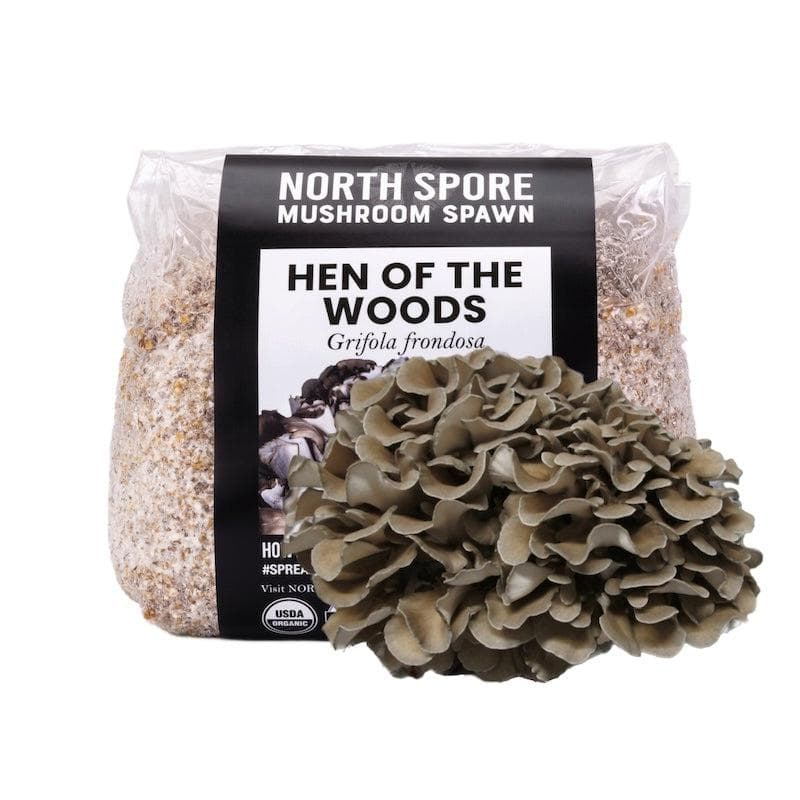
Credit: northspore.com
Choosing The Best Method For You
Your choice depends on your goals, climate, available space, and patience.
- If you want fast results and don’t mind buying some equipment, indoor growing is best.
- If you enjoy outdoor projects and can wait longer, logs or beds outdoors give bigger, more natural harvests.
- If you have kids, outdoor growing teaches about ecology and patience.
- If you live in an apartment, indoor methods are more practical.
A non-obvious tip: Many experienced growers use both methods. They start indoor grows for quick harvests and set up outdoor logs for future years.
Some growers also rotate logs—each year, they add new logs and retire the oldest. This creates a cycle where some logs are always fruiting, and you never have a gap in production.
Tips For Success With Maitake Mushrooms
- Start small: Try just one bag or a couple of logs before expanding.
- Track conditions: Keep notes on temperature, humidity, and growth progress.
- Invest in good spawn: Fresh, high-quality spawn is the key to strong growth.
- Be patient: Maitake is slow compared to other mushrooms.
- Protect from pests: Outdoors, cover logs with wire mesh if animals are a problem.
- Stay clean indoors: Always sterilize tools and use clean hands or gloves.
- Choose the right wood: Oak and maple are best; avoid pine or cedar.
- Check regularly: Indoors, monitor for mold; outdoors, look for signs of drying.
- Harvest at the right time: Pick maitake when fronds are soft, before they darken and toughen.
- Try both methods: The experience is different, and you may find you prefer one over the other.
A detail often missed: You can sometimes “shock” stubborn outdoor logs into fruiting by soaking them in cold water for 12–24 hours, mimicking a heavy autumn rain.
Harvesting And Storing Maitake Mushrooms
When maitake mushrooms are ready, you’ll see a cluster of fronds, often 10–30 cm wide. Cut at the base with a sharp knife. Handle gently; maitake bruises easily.
- Fresh storage: Wrap in paper towels and refrigerate. Use within 7–10 days.
- Drying: Slice and dry at low temperature (under 50°C/122°F). Store in airtight jars.
- Freezing: Clean, slice, and blanch for 2–3 minutes, then freeze.
Non-obvious insight: Dried maitake can be powdered and added to soups or smoothies for nutrition.
If you have a large harvest, consider sharing with friends or neighbors. Maitake is rare in many places, and fresh samples are much appreciated. You can also preserve excess by pickling or using in stocks and broths for later meals.
Common Mistakes Beginners Make
- Using the wrong wood: Conifer logs or chips contain resins that harm maitake.
- Skipping sterilization indoors: Contamination ruins most indoor attempts.
- Letting logs dry out: Outdoor logs must stay moist to support mycelium.
- Expecting fast results outdoors: Maitake is naturally slow; patience pays off.
- Harvesting too late: Overmature maitake becomes tough and loses flavor.
Another beginner error: not labeling logs or beds. Without records, it’s easy to forget which logs are which, especially if you are growing different types of mushrooms.
Safety And Health Considerations
Maitake is generally safe to eat, but a few precautions are wise:
- Never eat wild mushrooms unless properly identified. Maitake has some lookalikes that can be harmful.
- If allergic to mushrooms, avoid eating home-grown maitake.
- Consult your doctor before using maitake for medical reasons—it can affect blood sugar and interact with some medications.
For more on maitake’s health benefits, see the Grifola frondosa Wikipedia page.
A little-known fact: Maitake can lower blood pressure and blood sugar in some people. If you are taking medication for these conditions, monitor your health and talk to your healthcare provider before eating maitake regularly.
Frequently Asked Questions
How Long Does It Take To Grow Maitake Mushrooms?
Maitake mushrooms take 3–6 months indoors from inoculation to harvest. Outdoors, it’s much slower—12–24 months after logs or beds are set up. Maitake is a slow grower compared to other mushrooms.
Can I Use Any Type Of Wood For Outdoor Cultivation?
No. Maitake only grows well on hardwoods like oak, maple, or beech. Avoid conifers (pine, cedar, spruce) because their resins and oils inhibit growth and can even kill the spawn.
How Much Maitake Can I Harvest From One Log Or Bag?
A single indoor grow bag (2 kg substrate) can yield 0.5–1 kg of fresh maitake. Outdoor logs may give 2–3 kg per year for several years, depending on log size, wood type, and care.
What Is The Most Common Reason For Indoor Cultivation Failure?
The main reason is contamination. Maitake mycelium grows slowly, so mold and bacteria can take over if tools, substrate, or the workspace are not sterile. Always sterilize substrate and use clean techniques.
Is It Possible To Grow Maitake Mushrooms In Tropical Climates?
Maitake prefers temperate climates with cool, moist conditions. It does not thrive in hot, humid tropical areas. If you live in a tropical region, indoor growing with air conditioning and humidity control is your best option.
Growing maitake mushrooms is both an art and a science. Whether you choose indoor or outdoor cultivation, success comes from patience, care, and a willingness to learn. With the right approach, you can enjoy fresh, flavorful maitake mushrooms—and the satisfaction of growing them yourself.

Credit: www.mycopia.com