
Feeling tired too often? You’re not alone. Many people want more energy to get through the day—without drinking cup after cup of coffee or using sugary energy drinks. Natural energy supplements are growing in popularity because they offer a way to boost focus and stamina, using ingredients from plants, fungi, or minerals.
But with so many options, it’s hard to know which one actually works best.
In this article, you’ll discover how six of the most popular natural energy supplements compare. We’ll look at what each one does, how they work in the body, their unique benefits, and what science says about their effects. Special attention goes to cordyceps, a mushroom with a long history in traditional medicine, now catching attention for its role in boosting energy and endurance. You’ll find out where cordyceps stands out compared to other natural energy boosters, with clear data, practical examples, and expert insights. Whether you’re a student, athlete, busy parent, or just want to feel less fatigued, this guide will help you pick the right supplement for your goals.
Why People Turn To Natural Energy Supplements
Modern life is busy. Many people feel worn out from work, family, or study. Instead of reaching for coffee or soda, some look for healthier, more natural ways to stay sharp and alert. Natural energy supplements are made from plants, fungi, roots, or minerals.
They often have fewer side effects than synthetic options.
Some common reasons for using these supplements include:
- Fighting daytime sleepiness
- Improving exercise performance
- Boosting mental focus
- Supporting the body’s natural stress response
But not all supplements work the same way. Some target mental energy, others physical stamina. The right supplement depends on your needs and body.
The Six Most Popular Natural Energy Supplements
Let’s take a closer look at the six top choices for natural energy. Each has been studied for its effects and offers something unique. They are:
- Cordyceps
- Rhodiola Rosea
- Ginseng
- Maca Root
- Ashwagandha
- Coenzyme Q10 (CoQ10)
We’ll review what each one is, how it works, research findings, and possible side effects. After that, you’ll see how they compare and where cordyceps stands out.
—

Credit: vimerson.com
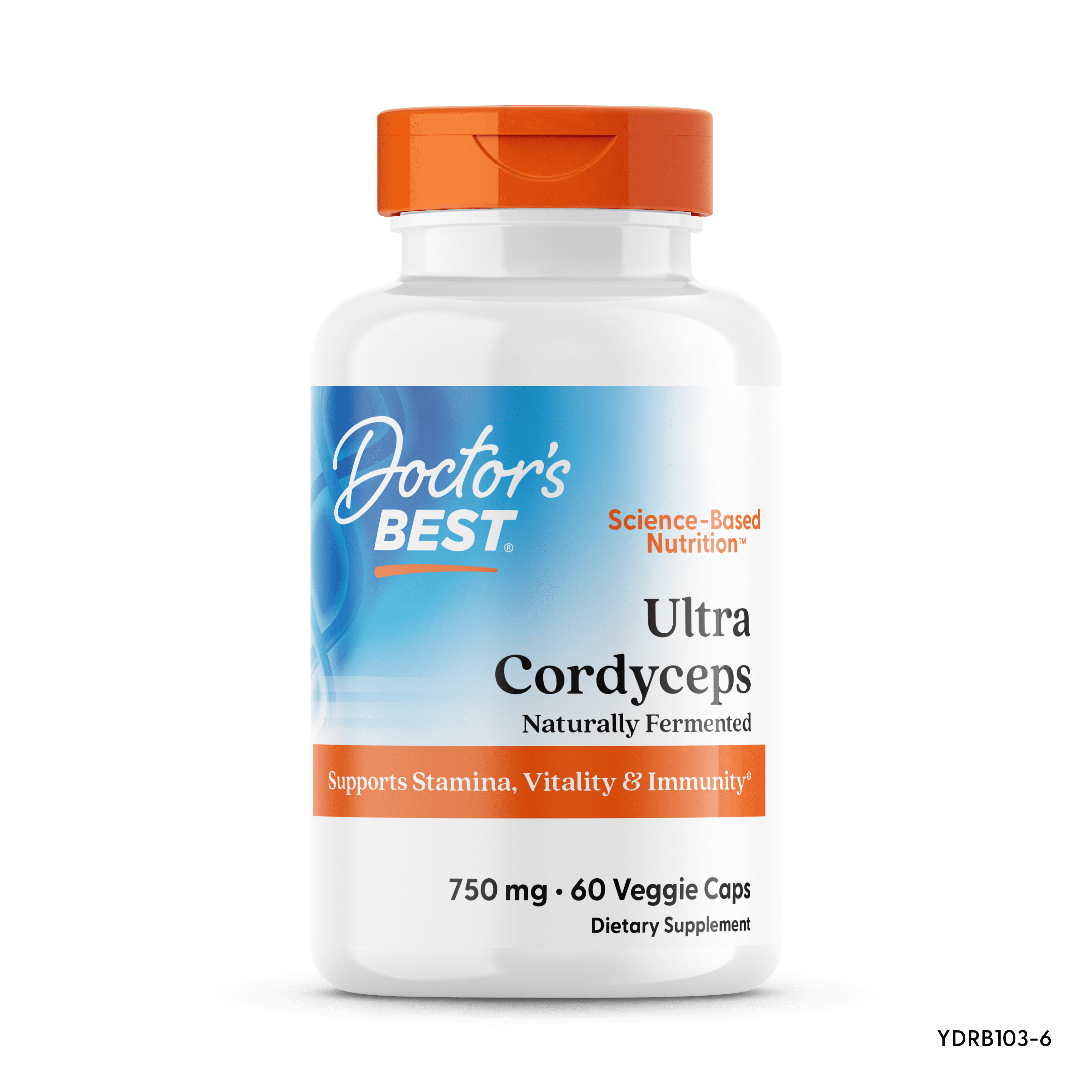
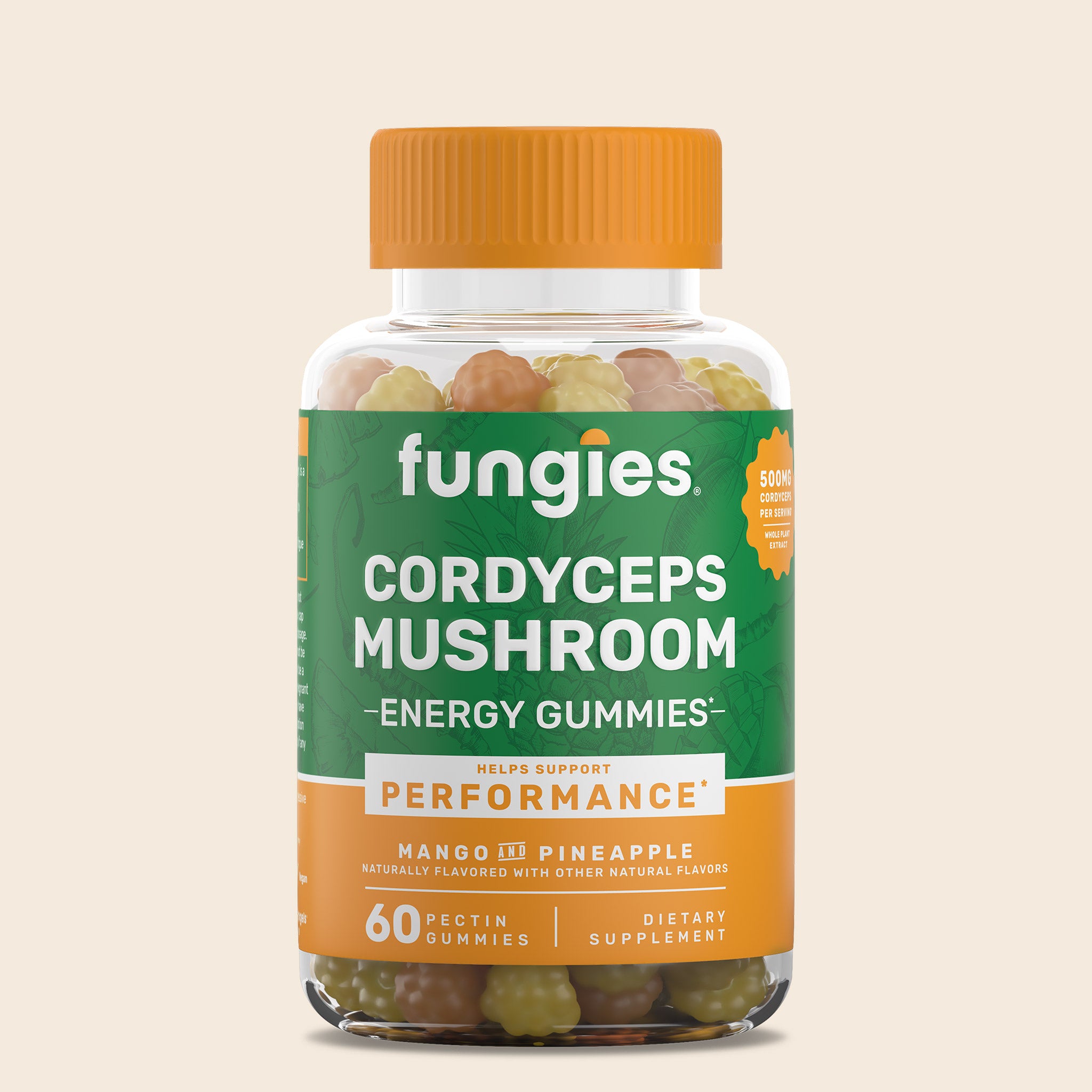
1. Cordyceps: The Ancient Mushroom For Modern Energy
Cordyceps are a type of fungus that grows on insects in the wild, but most supplements use lab-grown varieties. Used in traditional Chinese medicine for centuries, cordyceps has become famous as a “super-mushroom” for energy and vitality.
How Cordyceps Works
Cordyceps is believed to boost the body’s energy at the cellular level. It helps increase adenosine triphosphate (ATP), which is the main fuel for your cells. Higher ATP means your muscles and organs can work longer without getting tired.
Cordyceps also supports oxygen use, which is why it’s popular among athletes. It may even help fight inflammation, support the immune system, and balance blood sugar.
Research Findings
Several studies have shown cordyceps can improve aerobic capacity (how well your body uses oxygen). For example, a study in 2010 found that older adults who took 1,000 mg of cordyceps daily for 12 weeks saw a significant improvement in exercise performance compared to a placebo group.
Another study on healthy adults showed that cordyceps could increase VO2 max (a key measure of fitness) by up to 7%. This means people could exercise harder and longer before feeling exhausted.
Unique Benefits
- Supports both physical and mental energy
- May improve endurance and stamina
- Has antioxidant and anti-inflammatory effects
- Traditionally used for vitality and immune support
Possible Side Effects
Cordyceps is generally considered safe. Mild stomach upset can happen in rare cases. People with mushroom allergies should avoid it.
Real-world Example
Chinese Olympic athletes have used cordyceps since the 1990s. Their coaches reported faster recovery and better performance, helping to popularize cordyceps worldwide.
—
2. Rhodiola Rosea: The Arctic Adaptogen
Rhodiola Rosea is a flowering herb that grows in cold regions like Siberia and the Himalayas. It’s known as an adaptogen, meaning it helps the body handle stress and stay balanced.
How Rhodiola Works
Rhodiola works mainly by affecting brain chemicals like serotonin and dopamine, which influence mood and alertness. It also reduces cortisol, the “stress hormone.” This can help you feel less tired, especially when under mental stress or pressure.
Research Findings
Studies show rhodiola can reduce feelings of fatigue, especially during stressful times. In a 2012 trial, students who took rhodiola for 20 days reported better mood, less tiredness, and improved concentration during exams.
Another study found that taking 200 mg of rhodiola twice a day for four weeks reduced exhaustion and improved mental clarity in people with burnout.
Unique Benefits
- Helps fight both mental and physical fatigue
- Supports mood and stress resilience
- May improve memory and focus
Possible Side Effects
Rhodiola is well-tolerated but may cause dry mouth or dizziness in some people. It’s best taken earlier in the day, as it can cause trouble sleeping if used at night.
Real-world Example
Many office workers in Russia and Scandinavia use rhodiola to stay alert during long, dark winters, where both mood and energy can drop.
—
Credit: www.liberia.ubuy.com
3. Ginseng: The Root Of Vitality
Ginseng is one of the most famous herbs in the world. There are several types, with Panax ginseng (Asian ginseng) and Panax quinquefolius (American ginseng) being the most common. Used for thousands of years in Asia, ginseng is seen as a tonic for energy and longevity.
How Ginseng Works
Ginseng contains natural compounds called ginsenosides. These help the body adapt to stress, support the immune system, and boost both mental and physical energy.
Ginseng works by supporting the adrenal glands and balancing blood sugar. It also improves blood flow, which can help fight tiredness.
Research Findings
A 2016 study found that people who took 400 mg of Panax ginseng daily for eight days reported higher energy and better cognitive performance than those who took a placebo.
Meta-analyses show mixed results, but overall, ginseng appears to support energy, especially in people with chronic fatigue or those recovering from illness.
Unique Benefits
- Supports immune health as well as energy
- May reduce symptoms of fatigue in illness or aging
- Improves mental sharpness and reaction time
Possible Side Effects
Ginseng may cause headaches, digestive upset, or trouble sleeping if taken late in the day. It can interact with certain medications, so check with your doctor if you take other drugs.
Real-world Example
Ginseng tea is a daily ritual in Korea, where elders use it to stay active and engaged well into old age.
—
4. Maca Root: The Peruvian Energizer
Maca is a root vegetable from the high Andes of Peru. Sometimes called “Peruvian ginseng,” maca is not related to true ginseng but has a long history as a stamina booster.
How Maca Works
Maca is rich in vitamins, minerals, and plant compounds that support overall energy. It’s believed to balance hormones and support the endocrine system, which controls stress and energy levels.
Unlike caffeine, maca does not “spike” energy but helps build natural endurance over time.
Research Findings
A study of athletes showed that taking 2 grams of maca daily for 12 weeks improved cycling performance and reduced perceived tiredness. Other studies found that maca helps with mood, memory, and libido, which can affect overall energy.
Unique Benefits
- Caffeine-free energy
- May support healthy hormone levels
- Boosts mood and sexual health, which can affect vitality
Possible Side Effects
Maca is generally safe for most people. Rarely, it can cause slight digestive upset. Because it may affect hormones, people with thyroid problems or hormone-sensitive conditions should talk to a doctor before use.
Real-world Example
High-altitude workers in Peru eat maca daily to fight cold, harsh conditions and keep energy up during long days.
—
Credit: eatfungies.com
5. Ashwagandha: The Indian Stress Buster
Ashwagandha is a root used in Ayurvedic medicine, sometimes called “Indian ginseng.” It’s another powerful adaptogen that helps the body cope with stress.
How Ashwagandha Works
Ashwagandha lowers cortisol levels, which helps the body recover from stress and fatigue. It also supports thyroid health, which plays a big role in energy production.
Ashwagandha has calming effects but can also improve motivation and stamina, making it unique among energy boosters.
Research Findings
A 2019 study showed that people who took 600 mg of ashwagandha daily for eight weeks had lower stress, better sleep, and higher energy compared to a placebo group.
Some research also suggests ashwagandha can improve muscle strength and endurance in athletes.
Unique Benefits
- Reduces stress and anxiety
- Supports healthy sleep, which boosts energy
- May improve physical performance
Possible Side Effects
Some people may have mild stomach discomfort or drowsiness. People with autoimmune diseases or thyroid problems should consult a doctor.
Real-world Example
Yoga teachers in India often use ashwagandha to help manage the demands of teaching and maintain steady energy throughout the day.
—
6. Coenzyme Q10 (coq10): The Cellular Spark Plug
CoQ10 is not a plant or herb but a vitamin-like compound found naturally in all cells. It’s essential for turning food into usable energy.
How Coq10 Works
CoQ10 is part of the process that makes ATP in your mitochondria (the “power plants” of cells). As you age or if you have certain health conditions, CoQ10 levels drop, which can lead to low energy.
Supplementing with CoQ10 can help restore energy, especially in people with heart disease, chronic fatigue, or those over 40.
Research Findings
A 2015 review found that CoQ10 supplements improved energy and quality of life in people with chronic fatigue syndrome. Another study showed that taking 200 mg of CoQ10 daily improved exercise performance in older adults.
Unique Benefits
- Supports heart health as well as energy
- May reduce muscle pain linked to some cholesterol drugs
- Helpful for people over 40 or with fatigue-related conditions
Possible Side Effects
CoQ10 is safe for most, but can cause mild digestive upset or headaches. It may interact with blood thinners or diabetes medications.
Real-world Example
Doctors often recommend CoQ10 to patients on statins, as these drugs can lower CoQ10 levels and lead to tiredness.
—
Comparing The 6 Natural Energy Supplements
To see the differences at a glance, here is a summary of what makes each supplement unique.
| Supplement | Main Benefit | Best For | Key Mechanism | Common Dose |
|---|---|---|---|---|
| Cordyceps | Physical & mental stamina | Athletes, active adults | Boosts ATP & oxygen use | 500–1500 mg/day |
| Rhodiola Rosea | Stress resilience, alertness | Students, office workers | Balances stress hormones | 200–400 mg/day |
| Ginseng | Overall energy, immunity | Older adults, stressed people | Adaptogen, improves blood flow | 200–400 mg/day |
| Maca Root | Endurance, mood | Active individuals, hormone support | Balances hormones, nutrients | 1500–3000 mg/day |
| Ashwagandha | Stress, recovery | People with high stress | Lowers cortisol, supports thyroid | 300–600 mg/day |
| CoQ10 | Cellular energy, heart health | Older adults, chronic fatigue | Boosts ATP in mitochondria | 100–300 mg/day |
—
Where Cordyceps Stands Out
Among these six, cordyceps is unique. Here’s why it stands out:
1. Direct Boost To Physical Performance
Cordyceps is one of the few natural supplements shown to directly improve VO2 max and oxygen use during exercise. This means athletes and active people can work out longer without getting as tired.
2. Cellular-level Energy
While CoQ10 is also involved in ATP production, cordyceps both increases ATP and makes the body use oxygen more efficiently. This double effect is rare among natural supplements.
3. Dual Action: Physical And Mental
Unlike some energy boosters that only help the mind (like rhodiola) or body (like maca), cordyceps supports both. It helps with endurance, focus, and even the immune system—making it well-rounded.
4. Traditional Use Meets Modern Science
Cordyceps is backed by centuries of traditional use and growing modern research. It’s safe, with few side effects, and is popular among both elite athletes and everyday people.
5. Antioxidant And Immune Benefits
Few energy supplements also protect the body from oxidative stress and support immunity. Cordyceps does both, which means you get more than just a quick energy boost.
6. Less Risk Of “crash”
Cordyceps does not cause the spike-and-crash effect of caffeine or sugar. Energy levels rise more steadily and stay balanced.
—
How To Choose The Right Supplement For You
Picking the best natural energy supplement depends on your goals, health status, and how your body responds. Here’s what to consider:
- Type of Fatigue: If you feel mentally tired, rhodiola or ashwagandha may help most. For physical stamina, cordyceps or maca are better.
- Age and Health: Older adults or those with heart conditions often benefit from CoQ10. Ginseng is good for overall vitality, especially after illness.
- Lifestyle: Athletes or those with active jobs may get the most from cordyceps or maca.
- Stress Levels: If stress is your main issue, rhodiola or ashwagandha are top choices.
- Medical Concerns: Always check with a doctor, especially if pregnant, taking medication, or managing a health condition.
—
Non-obvious Insights For Better Results
Many first-time users miss these important tips:
1. Quality Matters: Not all supplements are equal. Look for brands that test for purity and use standardized extracts. Poor-quality products may have little or no active ingredient.
2. Timing and Consistency: Most natural supplements work best when taken daily for several weeks—not just once. For example, cordyceps or ashwagandha may take 2–4 weeks to show full effects.
3. Combining Supplements: Some people get better results by stacking, or combining, certain supplements. For example, cordyceps and rhodiola together can support both endurance and stress relief. But always check safety before combining products.
4. Diet and Sleep Still Matter: No supplement can fix poor sleep or a bad diet. Use these products as part of a healthy lifestyle for best results.
5. Dosage Accuracy: Start with the lowest recommended dose to see how your body reacts. Some people are sensitive and need less.
—
Sample Comparison: How They Feel In Daily Life
To make things clearer, here’s how people typically describe the effects of each supplement:
| Supplement | Onset Time | Energy Type | Common Feedback |
|---|---|---|---|
| Cordyceps | 2–4 weeks | Steady physical & mental | More stamina, less fatigue, easier workouts |
| Rhodiola | Few days | Mental clarity, less stress | Sharper focus, less “brain fog” |
| Ginseng | 1–2 weeks | Physical, some mental | More alert, better immune response |
| Maca | 2–3 weeks | Physical, mood | Better endurance, happier mood |
| Ashwagandha | 2–4 weeks | Calm energy | Less anxious, better sleep, more motivation |
| CoQ10 | 1–2 weeks | Physical, especially in older adults | Less tiredness, better exercise tolerance |
—
Scientific Evidence: What The Research Says
Looking at the research, here are some key findings:
- Cordyceps: Increases endurance and oxygen use. Studies show up to 7% improvement in aerobic capacity (VO2 max).
- Rhodiola: Reduces mental fatigue. Improves mood and attention under stress.
- Ginseng: Supports energy in people with chronic fatigue, but effects can vary.
- Maca: Improves stamina and mood, especially in athletes and during stressful periods.
- Ashwagandha: Lowers stress, improves sleep, and boosts energy in people with anxiety or high stress.
- CoQ10: Essential for cell energy. Helps people with fatigue from aging or illness.
For more details, see this review of adaptogenic supplements.
—
Practical Tips For Safe And Effective Use
- Read Labels: Check for the correct species, extract type, and dosage.
- Start Slow: Begin with the lowest suggested dose.
- Monitor Effects: Keep a journal to track changes in energy, mood, or side effects.
- Be Patient: Natural supplements often take weeks to show results.
- Consult a Professional: Especially if you’re pregnant, breastfeeding, or on medication.
—
Frequently Asked Questions
What Is The Best Time Of Day To Take Cordyceps?
Most people take cordyceps in the morning or before exercise. This avoids possible sleep issues and matches its energy-boosting effect. Taking it with food may reduce any mild stomach upset.
Can I Combine Cordyceps With Other Energy Supplements?
Yes, cordyceps is often combined with rhodiola, maca, or ginseng for added benefits. But always start with one supplement to check your reaction, and consult a health professional if you’re unsure.
How Long Does It Take To Feel Results From Natural Energy Supplements?
Most supplements take 2–4 weeks to show full effects. Some, like rhodiola, may work faster for mental energy, while others, like cordyceps or ashwagandha, take longer for physical stamina.
Are Natural Energy Supplements Safe For Daily Use?
For most healthy adults, these supplements are safe when used as directed. But check with your doctor if you have allergies, medical conditions, or take other medicines.
Do Natural Energy Supplements Replace The Need For Sleep Or Good Nutrition?
No. Supplements help support energy but do not replace sleep, healthy food, or exercise. They work best as part of a balanced lifestyle.
—
Natural energy supplements offer a safer, often more holistic way to fight tiredness compared to caffeine or synthetic stimulants. Each of the six discussed here—cordyceps, rhodiola, ginseng, maca, ashwagandha, and CoQ10—has its own strengths. Cordyceps stands out for supporting both physical endurance and mental focus, with modern science backing up its long history in traditional medicine.
Remember, the best results come from choosing the right supplement for your needs, using it consistently, and supporting your body with good habits. If you’re ready to take your energy to the next level, these natural options can help you power through your day—naturally.