
Mushrooms have been used in traditional medicine for thousands of years, but only recently have people started to recognize their value in modern wellness. Today, mushroom supplements are everywhere—capsules, powders, tinctures, even coffee blends. But with so many options, many people feel lost. How do you know which mushrooms are right for your unique needs? Building a personalized mushroom supplement stack is the answer. When you create your own stack, you match the benefits of each mushroom to your specific health goals. This guide will help you build a mushroom stack that is safe, effective, and tailored just for you.
Understanding Mushroom Supplements
Before choosing any supplement, it’s important to know what you’re working with. Mushroom supplements are made from medicinal fungi, not the white button mushrooms you see in supermarkets. These special mushrooms contain compounds like beta-glucans, triterpenes, and polysaccharides. These nutrients support the immune system, brain, energy, and more.
Some of the most popular medicinal mushrooms include:
- Reishi (Ganoderma lucidum)
- Lion’s Mane (Hericium erinaceus)
- Cordyceps (Cordyceps militaris or sinensis)
- Chaga (Inonotus obliquus)
- Turkey Tail (Trametes versicolor)
- Maitake (Grifola frondosa)
- Shiitake (Lentinula edodes)
Each mushroom has a unique profile of benefits. For example, Reishi is known as the “mushroom of immortality” and is famous for calming the mind and supporting sleep, while Cordyceps is used for energy and endurance. The key is to understand what each mushroom can do for you, then select those that fit your goals.
Medicinal mushrooms are different from culinary mushrooms in another important way: their active compounds are often locked inside tough cell walls. This is why extracts and powders are more effective than eating them whole. For example, the beta-glucans that support the immune system are made more available through hot water or alcohol extraction. Another insight is that not all mushrooms are equally studied. While Reishi and Lion’s Mane have a lot of research, others like Maitake are still being explored for their full potential.
Identifying Your Health Goals
The first step in building your stack is to define what you want to achieve. Common health goals include:
- Boosting immunity
- Increasing energy and stamina
- Supporting cognitive function
- Reducing stress and improving sleep
- Enhancing overall wellness
- Supporting heart health
- Balancing blood sugar
- Fighting inflammation
Write down your top three health priorities. This will help you focus and avoid choosing too many mushrooms at once. For example, if you want to improve focus and memory, Lion’s Mane and Cordyceps are better choices than Reishi or Chaga.
It’s easy to get excited and want to try every mushroom at once, but this often backfires. Picking too many can dilute the benefits and make it hard to notice results. For best results, be clear about your main concerns.
For example, if you often get colds and want stronger immunity, Turkey Tail and Chaga are logical choices. If your main problem is stress and poor sleep, Reishi might be enough to start. Your body will thank you for focusing your efforts.
Many beginners overlook their current health status or medication use. For instance, if you take medicines that thin the blood, mushrooms like Reishi and Shiitake could interact. Always consider your personal situation before making your selections.

Credit: www.amazon.com
Core Medicinal Mushrooms And Their Benefits
Let’s look closely at the most common medicinal mushrooms and what they can offer.
Reishi: Calm, Immunity, And Sleep
Reishi is rich in triterpenes and beta-glucans, which help calm the nervous system and support immune health. Studies show that Reishi can reduce anxiety, help you fall asleep more easily, and lower inflammation. This mushroom is often used in the evening because of its relaxing effects.
Some people also use Reishi for its ability to support the liver and promote overall longevity. It’s a gentle mushroom that rarely causes side effects, but it works best when taken regularly over weeks or months. For those who struggle with chronic stress, adding Reishi at night can help the body unwind and improve the quality of sleep over time.
In Traditional Chinese Medicine, Reishi is considered a “shen” tonic, meaning it nourishes the spirit and promotes emotional balance.
Lion’s Mane: Brain Support
Lion’s Mane contains unique compounds called hericenones and erinacines, which can boost nerve growth factor (NGF). This means it supports brain health, memory, and focus. Research suggests Lion’s Mane may help protect the brain from age-related decline and support recovery from injuries.
Lion’s Mane is often chosen by students, professionals, or anyone wanting sharper mental performance. Some users notice improved creativity or mental clarity within the first few weeks. Early studies also hint that Lion’s Mane could help with mild depression and anxiety, making it a versatile choice for mental wellness.
Unlike caffeine or stimulants, Lion’s Mane supports the brain gently, without jitters or crashes.
Cordyceps: Energy And Endurance
Cordyceps is famous among athletes for its ability to improve stamina and oxygen use. It increases ATP production in the body, which is the main source of cellular energy. Cordyceps also supports lung and heart health, making it a good choice if you want more energy for workouts or daily tasks.
This mushroom is unique because it can boost energy without overstimulating the nervous system. People often report less fatigue during exercise, better endurance, and even improved libido. Cordyceps is sometimes used by older adults to support healthy aging and vitality.
If you have trouble with afternoon slumps, adding Cordyceps to your morning routine may help.
Chaga: Antioxidant Power
Chaga is loaded with antioxidants, especially melanin and superoxide dismutase (SOD). These compounds help fight oxidative stress, which can damage cells and lead to aging. Chaga also supports immune function and helps manage inflammation.
The high antioxidant content makes Chaga a popular choice for people concerned about aging, skin health, or exposure to pollution. Some users add Chaga to coffee for a smoother energy boost and less jitteriness. Another benefit: Chaga is rich in minerals like zinc and potassium, supporting overall health. However, Chaga can be high in oxalates, so those with kidney issues should be cautious.
Turkey Tail: Immune System Support
Turkey Tail is one of the best mushrooms for immune support. It contains polysaccharide-K (PSK) and polysaccharide peptide (PSP), which stimulate immune cells. Research in Japan has shown Turkey Tail can support cancer patients and boost the body’s natural defenses.
Turkey Tail is also being explored for its potential to support gut health because it acts as a prebiotic, feeding good bacteria in the digestive system. Some people use Turkey Tail during cold and flu season or when recovering from illness.
It’s gentle and well-tolerated, making it a good option for long-term immune support.
Maitake: Blood Sugar And Immunity
Maitake is known for its ability to help balance blood sugar and support the immune system. It contains a compound called D-fraction, which has been studied for its anti-tumor effects.
Maitake may also support weight management and metabolic health. For example, some studies show Maitake can improve insulin sensitivity, making it helpful for people with blood sugar concerns. It’s sometimes combined with other mushrooms for a synergistic effect on both immunity and metabolism.
Shiitake: Heart And Cholesterol Health
Shiitake mushrooms contain lentinan, a beta-glucan that supports the immune system. Shiitake also helps lower cholesterol and supports heart health by preventing the absorption of cholesterol in the gut.
Shiitake is unique because it contains eritadenine, a compound that influences how the liver processes fats. Regular use of Shiitake supplements may help reduce overall cholesterol levels and support a healthy heart. In addition to capsules and powders, Shiitake is also enjoyed as a food in many cultures for its savory, umami flavor.
Matching Mushrooms To Your Health Goals
To make your personalized mushroom supplement stack, compare your health goals with the benefits of each mushroom. The table below makes this process easier.
| Mushroom | Best For | Main Compounds |
|---|---|---|
| Reishi | Stress, sleep, immunity | Triterpenes, beta-glucans |
| Lion’s Mane | Cognition, memory, focus | Hericenones, erinacines |
| Cordyceps | Energy, endurance, lung health | Cordycepin, polysaccharides |
| Chaga | Antioxidant, immunity | Melanin, SOD |
| Turkey Tail | Immunity, gut health | PSK, PSP |
| Maitake | Blood sugar, immunity | D-fraction, beta-glucans |
| Shiitake | Heart health, cholesterol | Lentinan, eritadenine |
Choose 2-4 mushrooms that match your main goals. For example, if you want to manage stress and sleep better, Reishi and Chaga are a great combination. If you want to boost your mind and energy, try Lion’s Mane and Cordyceps.
You may also want to consider secondary goals. For example, if your main focus is energy but you also want immune support, a stack of Cordyceps and Turkey Tail is a solid choice. Remember that some mushrooms, like Chaga and Maitake, have a broader range of benefits and can “fill gaps” in your stack.
Choosing The Right Form: Capsules, Powders, Or Extracts
Mushroom supplements come in different forms. Your choice depends on your lifestyle, taste, and how you want to use them.
Capsules
Capsules are the most convenient. You get a precise dose, and there’s no taste. They’re easy to add to your morning or evening routine.
Capsules are a good option if you travel often or dislike the taste of mushrooms. They’re also discreet—no one will notice if you take a capsule at work or school. One thing to remember: sometimes capsules contain added fillers or flow agents. Check labels for unnecessary ingredients.
Powders
Powders are flexible. You can mix them into smoothies, coffee, or tea. They’re good if you like customizing your dose or adding mushrooms to recipes. Some people find the taste earthy or bitter, especially with Reishi or Chaga.
Powders allow you to “stack” different mushrooms together in one drink or meal. If you enjoy experimenting in the kitchen, powders open up many creative options. However, the taste can be strong, especially with more bitter mushrooms like Reishi. If you’re sensitive, start with a small amount and gradually increase as you adjust.
Extracts/tinctures
Extracts are liquid drops, often alcohol-based. They’re absorbed quickly and are a good choice if you want fast effects or can’t swallow pills. Extracts are usually more concentrated, so you need a smaller dose.
Some people prefer extracts because you can easily add them to water, juice, or under the tongue. They tend to be more expensive but also more potent. If you are looking for the most therapeutic effects in the smallest volume, extracts may be the best choice.
How To Compare Forms
Here’s a simple comparison of the main mushroom supplement forms:
| Form | Pros | Cons |
|---|---|---|
| Capsules | No taste, easy dosing, portable | Less flexible, can be more expensive |
| Powders | Custom doses, easy to mix | Taste can be strong, not as portable |
| Extracts | Fast absorption, high potency | Alcohol taste, usually higher price |
Another tip: if you want both taste and convenience, look for “instant” mushroom drink mixes. These often blend mushrooms with coffee, cocoa, or spices and can be a pleasant way to get your daily dose.
Quality Matters: What To Look For In Mushroom Supplements
Not all mushroom supplements are created equal. The market is full of low-quality products that may not offer real benefits. Here’s what to check before buying:
- Dual extraction: The best supplements use both hot water and alcohol extraction. This gets both water-soluble and fat-soluble compounds.
- Fruit body vs. mycelium: Look for supplements made from the mushroom’s fruit body (the part you see above ground). Many cheap brands use mycelium on grain, which is less potent.
- Beta-glucan content: Good brands list the percentage of beta-glucans on the label. These are the main active compounds.
- Third-party testing: Trustworthy companies test for heavy metals, pesticides, and potency. Check for lab reports.
- No fillers or additives: Pure mushroom powder or extract is best.
Many beginners miss the difference between mycelium (the root-like part) and fruit body (the actual mushroom). Mycelium is cheaper to grow but has lower levels of active compounds. Always read the label or ask the company.
Another common mistake is assuming that “organic” always means high quality. While organic is good, it does not guarantee high beta-glucans or dual extraction. Some companies focus more on marketing than real science. If you’re unsure, ask for a Certificate of Analysis (COA) from the company.
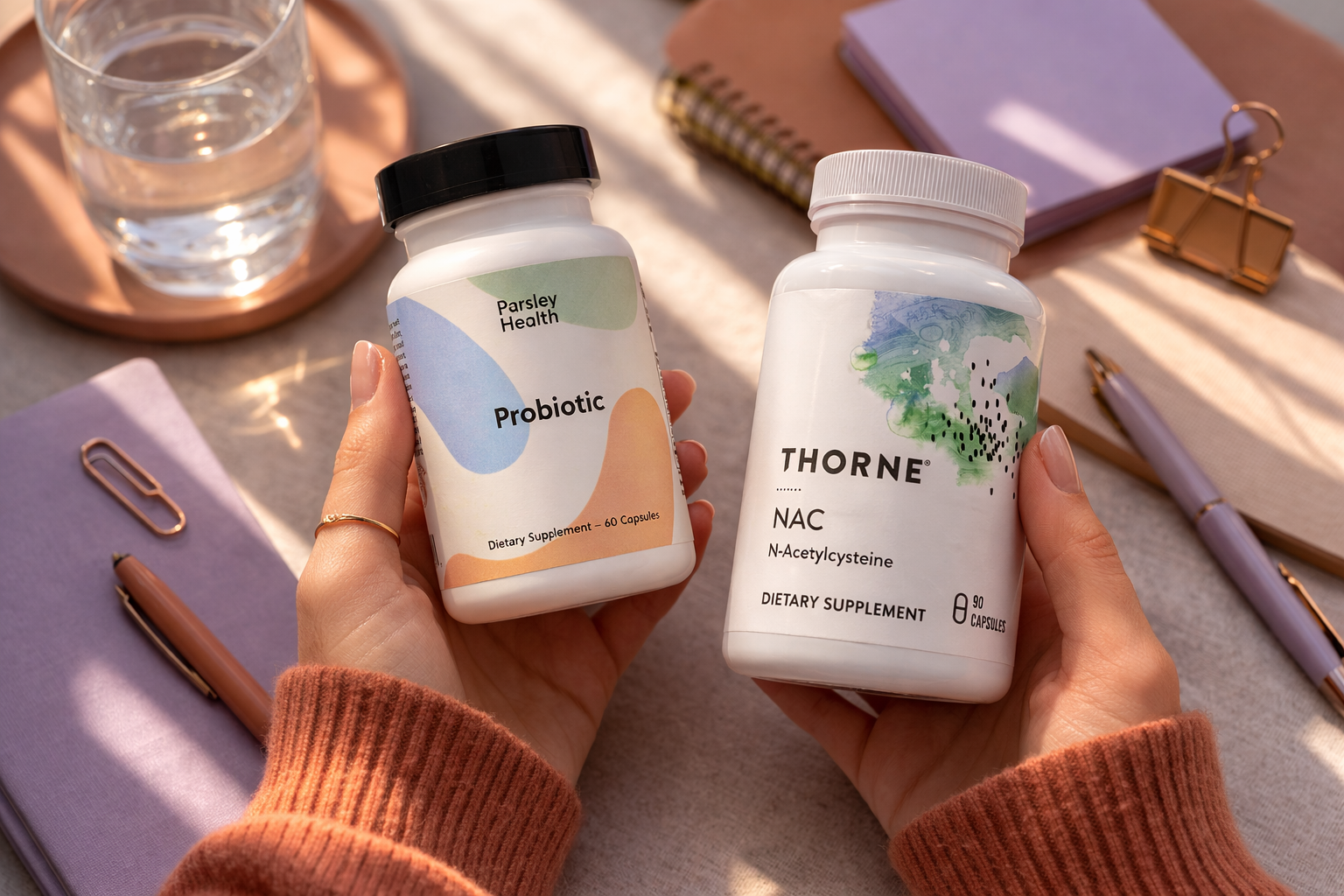
This document shows lab test results and helps you compare products with confidence.
Credit: robinberzinmd.com
How To Stack Mushrooms Safely
Creating a stack means taking two or more mushrooms together to boost their effects. But you need to be careful with doses and combinations.
How To Start
- Begin with one mushroom for a week. This helps you see how your body reacts.
- Add the next mushroom slowly, one at a time.
- Stick to the recommended dose on the label or start with a low dose and build up.
Listening to your body is important. For example, some people feel more relaxed with Reishi but might feel sleepy during the day if they take too much. Others notice digestive changes when starting Turkey Tail or Maitake. Tracking your reactions helps you find your perfect stack.
Example Stacks
- Immunity Stack: Reishi + Turkey Tail + Chaga
- Focus Stack: Lion’s Mane + Cordyceps
- Energy Stack: Cordyceps + Chaga
- Relaxation Stack: Reishi + Chaga
You can customize these stacks based on your experience. For example, if you want both stress relief and brain support, try Reishi in the evening and Lion’s Mane in the morning.
Common Mistakes
- Taking too many mushrooms at once. This can cause stomach upset or make it hard to know what’s working.
- Not checking for interactions with medicines. For example, Reishi can thin the blood, so check with your doctor if you take blood thinners.
- Skipping quality checks. Low-quality mushrooms may not help and could even be harmful.
Another mistake is ignoring the timing of your stack. Taking energizing mushrooms like Cordyceps too late in the day can affect sleep. Planning your stack schedule helps maximize benefits.
Dosing Guide For Mushroom Supplements
The right dose depends on the mushroom, your health, and the form you choose. Here are general guidelines, but always follow the label or your healthcare provider’s advice.
| Mushroom | Capsule Dose (per day) | Powder Dose (per day) | Extract Dose (per day) |
|---|---|---|---|
| Reishi | 1,000–2,000 mg | 1–2 grams | 1–2 ml |
| Lion’s Mane | 1,000–3,000 mg | 1–3 grams | 1–2 ml |
| Cordyceps | 1,000–2,000 mg | 1–2 grams | 1–2 ml |
| Chaga | 500–1,500 mg | 0.5–1.5 grams | 1–2 ml |
| Turkey Tail | 1,000–3,000 mg | 1–3 grams | 1–2 ml |
| Maitake | 1,000–2,000 mg | 1–2 grams | 1–2 ml |
| Shiitake | 1,000–2,000 mg | 1–2 grams | 1–2 ml |
Start at the low end of the dose range, especially if you’re new. Some people are more sensitive and may feel effects at a lower dose.
Remember, more is not always better. If you notice headaches, digestive upset, or unusual symptoms, reduce your dose and add mushrooms more slowly. Mushrooms work best when taken consistently, not in large amounts all at once.
When And How To Take Your Mushroom Stack
Timing can affect how well your stack works. Here are some practical tips:
- Morning: Lion’s Mane and Cordyceps are best in the morning or before work/exercise. They boost brain and body energy.
- Evening: Reishi and Chaga are calming, so they work well before bed.
- With food: Taking mushrooms with food can help absorption and reduce stomach upset.
- Consistency: Take your stack daily for at least 2–4 weeks to see real results.
Some mushrooms (like Lion’s Mane) can be taken twice a day—morning and afternoon. Others (like Reishi) are best only at night.
One detail many miss: some mushrooms, like Cordyceps, may have a mild diuretic effect. If you notice you need to urinate more often, try taking them earlier in the day. Also, using a pill organizer or setting reminders can help you stay consistent.
Combining Mushrooms With Other Supplements
Many people use mushrooms with vitamins, minerals, or herbs. For example, stacking Lion’s Mane with omega-3 oils may offer extra brain support. Or, combining Reishi with magnesium might boost relaxation.
Another example is using Chaga with vitamin C. Some studies suggest vitamin C may help the body absorb certain mushroom compounds. However, always introduce new supplements one at a time, so you can notice both benefits and side effects.
Caution
Some combinations may be too strong or cause side effects. For example, combining multiple immune boosters can sometimes overstimulate the immune system. If you take prescription medication, talk to your doctor before adding new supplements.
If you take herbs like ashwagandha or rhodiola for stress, start with lower mushroom doses to avoid feeling overly relaxed or sedated.
How To Track Your Results
It’s easy to forget why you started a supplement if you don’t track your progress. Here’s a simple plan:
- Write down your starting point. For example, “I feel tired in the morning,” or “I want to focus better at work.”
- Choose a way to measure change. This could be energy levels, sleep quality, focus, or mood. Use a 1–10 scale to rate yourself each week.
- Check for changes every two weeks. Adjust your stack if needed.
One insight many beginners miss: mushrooms often work slowly. They build up in your system over weeks. Don’t expect instant results. Tracking helps you see small but steady changes.
A practical approach is to keep a daily journal for the first month. Write one or two sentences each day about your sleep, mood, and energy. Over time, you’ll notice patterns that help you adjust your stack.
Special Considerations: Allergies And Medical Conditions
Mushrooms are safe for most people, but not all. Consider these situations:
- Allergies: If you’re allergic to mushrooms, do not use these supplements.
- Autoimmune diseases: Mushrooms boost the immune system, which can be risky if you have conditions like lupus or MS.
- Pregnancy/breastfeeding: There isn’t enough safety research. Avoid unless approved by your doctor.
- Surgery or blood thinners: Reishi and Shiitake can thin the blood.
If in doubt, check with your healthcare provider.
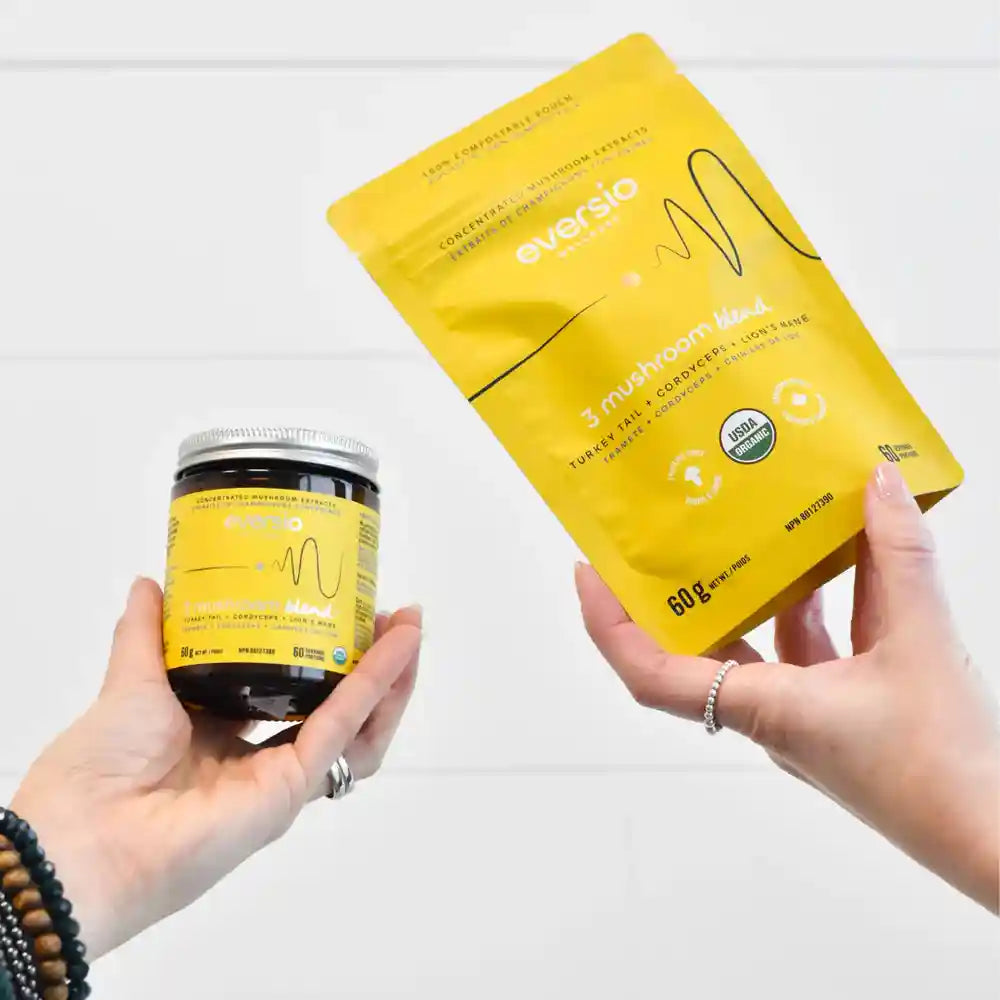
If you have digestive issues, start with a very low dose and increase slowly. Some people with sensitive stomachs may need to avoid certain mushrooms or use extracts instead of powders.
Credit: www.eversiowellness.com
Buying Tips: How To Find Reliable Brands
Here’s how to find the best mushroom supplements:
- Check for transparency. Good brands share where and how their mushrooms are grown.
- Look for certifications. Organic, non-GMO, and third-party tested are good signs.
- Read reviews. See what other users say. Watch out for fake reviews or over-the-top claims.
- Research company reputation. Some companies have been around longer and invest in quality.
For more details about what makes a supplement trustworthy, you can read this ConsumerLab guide.
Also, check if the company provides batch numbers and expiration dates. This shows they care about freshness and traceability. If a brand is vague about their sourcing or testing, it’s better to look elsewhere.
Recipes: How To Add Mushrooms To Food And Drinks
If you use powders, you can mix mushrooms into many recipes. Here are some ideas:
- Mushroom coffee: Add Cordyceps or Lion’s Mane powder to your morning coffee.
- Smoothies: Blend Lion’s Mane, Chaga, or Maitake powder into fruit smoothies.
- Golden milk: Mix Reishi powder with warm almond milk, turmeric, and honey for a calming night drink.
- Oatmeal: Add Shiitake powder to savory oatmeal bowls.
Practical tip: Start with a small amount (like 1/4 teaspoon) and increase as you get used to the taste.
You can also make your own “mushroom hot chocolate” by mixing Chaga or Reishi powder with cocoa, a pinch of cinnamon, and your favorite milk. For a savory twist, add Maitake powder to soups or stews. These recipes make it easy to enjoy the benefits without taking more capsules.
Real-world Example: Building A Stack For Stress And Focus
Let’s say you want less stress and better focus at work. Here’s a sample plan:
- Morning: 1,000 mg Lion’s Mane + 1,000 mg Cordyceps (capsule or powder in coffee)
- Evening: 1,000 mg Reishi (capsule or powder in tea)
Track your focus and stress levels weekly. After 3–4 weeks, adjust the dose if needed.
If you find the evening Reishi makes you too sleepy, try lowering the dose or taking it earlier. If you want even more focus, you could add a small amount of Chaga in the morning. Personalizing your stack is all about testing and adjusting over time.
Common Beginner Mistakes And How To Avoid Them
Many people new to mushroom supplements fall into similar traps. Here’s what to watch out for:
- Trying too many at once: This makes it hard to see what works. Start small, then build your stack slowly.
- Ignoring quality: Cheap supplements often use fillers or weak mycelium. Pay for quality, not just low price.
- Expecting instant results: Mushrooms are not magic pills. Give them time.
- Overdosing: More is not always better. Stick to recommended doses.
A non-obvious tip: Some people are “non-responders” to certain mushrooms. If you don’t feel any difference after 6–8 weeks, try a different type or brand.
Another pitfall is not adjusting for changes in life or season. For example, you might need more immune support in winter or more stress support during busy times at work. Stay flexible and update your stack as your needs change.
Advanced Stacking: Customizing For Unique Needs
As you get more experience, you can fine-tune your stack. Here are some ideas:
- Cycle your stack. Take a break every 6–8 weeks for 1–2 weeks. This keeps your body sensitive to the effects.
- Seasonal changes. Use more immune mushrooms (like Chaga and Turkey Tail) in winter. Switch to energy mushrooms (like Cordyceps) in summer.
- Add adaptogens. Combine mushrooms with herbs like ashwagandha or rhodiola for extra stress support.
Always make one change at a time, so you know what’s working.
Another advanced tip: journal your results with each stack cycle. You’ll start to notice which combinations work best for your unique biology. This is how experienced users get the most from their supplements.
Scientific Evidence: What Research Says About Mushroom Supplements
Scientific studies support many benefits of medicinal mushrooms. For example:
- Lion’s Mane: A study in older adults found that 3 grams a day improved cognitive function over 16 weeks.
- Reishi: Research shows it can reduce fatigue and improve quality of life in people with chronic illness.
- Cordyceps: Studies in athletes found better endurance and less fatigue.
- Chaga: Lab studies show strong antioxidant effects, but more human research is needed.
- Turkey Tail: Used in cancer care in Japan for decades, with evidence for immune support.
However, most studies use extracts, not whole mushrooms. And effects are often moderate, not dramatic. For best results, use high-quality extracts at the studied doses.
Keep in mind that research is ongoing. New benefits and uses are being discovered. If you want to stay updated, look for new studies published in scientific journals or on health websites.
Frequently Asked Questions
What Is The Best Mushroom For Beginners?
Lion’s Mane is a great starting point because it supports memory, focus, and is well-tolerated by most people. Start with a low dose and see how you feel.
Can I Take Multiple Mushrooms Together?
Yes, you can stack 2–4 mushrooms for more benefits. Start with one, add others slowly, and track how you feel.
How Long Does It Take To Notice Results?
Most people feel subtle effects after 2–4 weeks of daily use. Brain and mood changes may take longer. Consistency is key.
Are Mushroom Supplements Safe For Everyone?
Most are safe, but avoid if you have mushroom allergies, autoimmune diseases, or are pregnant/breastfeeding without doctor approval.
How Do I Know If My Mushroom Supplement Is High Quality?
Look for fruit body on the label, high beta-glucan content, dual extraction, and third-party testing. Avoid brands that hide these details.
—
Building a personalized mushroom supplement stack can help you reach your health goals naturally. The process starts with knowing your goals, learning the benefits of each mushroom, and choosing quality products. Start slow, track your progress, and enjoy the journey. Remember, mushrooms work best as part of a healthy lifestyle—good sleep, nutrition, and stress management all play a role. With patience and careful choices, you can create a stack that supports your body and mind for years to come.