
Everywhere you look, people are talking about the benefits of Lion’s Mane supplements. From sharper focus to better memory, this mushroom has become a favorite in the wellness world. But as interest grows, so does the number of brands on the market. Not all Lion’s Mane supplements are the same—and using a low-quality product can mean you won’t get the results you expect. Even worse, it could be a waste of money or even unsafe.
If you want to feel confident about your supplement, it’s critical to know how to spot the warning signs. Many beginners focus only on price or nice-looking packaging. But there are deeper details that reveal if a product is truly high quality—or just clever marketing.
Understanding these five key signs will help you avoid common mistakes and choose a Lion’s Mane supplement that’s actually effective.
This article will walk you through each sign in detail, with examples, data, and expert advice. Along the way, you’ll learn what really matters when choosing a supplement, and how to avoid being fooled by low standards.
1. No Clear Information About Extraction Method
The extraction method used to prepare Lion’s Mane supplements is one of the most important factors for quality. Yet, it’s often ignored by beginners. The extraction process determines which beneficial compounds are available in the final product. There are three main types: hot water extraction, alcohol extraction, and dual extraction (hot water + alcohol).
High-quality brands are transparent about their extraction method. If a supplement does not clearly state how it’s made, that’s a warning sign. Some products are made from simple mushroom powder, which your body cannot easily absorb. Others use proper extraction to concentrate the active compounds, making them much more effective.
Why Extraction Method Matters
Lion’s Mane contains important compounds like beta-glucans (a type of polysaccharide), hericenones, and erinacines. Hot water extraction draws out beta-glucans, which support the immune system. Alcohol extraction is needed to get hericenones and erinacines, which may help nerve growth and brain health.
Supplements that skip proper extraction often have lower levels of these beneficial compounds. In fact, research shows that hot water extracts can contain up to 20 times more beta-glucans than non-extracted powders. The extraction method also affects how your body absorbs these compounds.
For example, the cell walls of mushrooms are made from a tough fiber called chitin, which humans can’t digest well. Extraction helps break down these walls, making the beneficial compounds easier to use by your body.
Some companies use only ground mushroom powder. This is much cheaper to produce but does little for your health, because most of the active compounds stay locked inside the indigestible mushroom cell walls. You may think you are getting a strong supplement, but your body absorbs only a small part of it.
How To Spot The Difference
Look for clear statements on the label or website:
- “Hot water extracted”
- “Dual extracted (hot water and alcohol)”
- “Standardized to contain X% beta-glucans/hericenones/erinacines”
If you only see “mycelium powder” or “fruiting body powder” with no mention of extraction, you may be getting a less effective product.
You can also check the company’s website or contact their customer service. Good brands are proud of their extraction process and will answer your questions clearly. If you get vague answers or marketing language, be cautious.
Example Comparison
Here is a simple comparison of how extraction methods affect the key compounds in Lion’s Mane:
| Extraction Method | Beta-glucan Content | Hericenone/Erinacine Content |
|---|---|---|
| No Extraction (Powder) | Low (1-3%) | Very Low/None |
| Hot Water Extract | Medium-High (10-30%) | Low |
| Dual Extract | High (20-40%) | High |
As you can see, dual extraction delivers both water-soluble and alcohol-soluble compounds. This is important because hericenones and erinacines are believed to support nerve growth and cognitive function, but are not easily extracted with water alone.
Real-world Tip
If you see a supplement that is much cheaper than others, check if it uses an extraction process. Many cheap supplements skip this step entirely. You might save money, but you’ll miss out on the real benefits.
Non-obvious Insight
Many low-quality brands will use scientific-sounding words like “full spectrum” or “whole mushroom” to sound impressive. But these words alone do not mean proper extraction. Always check for specific extraction details.
Another trick is when brands say, “Contains all parts of the mushroom. ” This may sound good, but it often means they include low-value parts (like mycelium on grain) to bulk up the product. If the extraction method is not mentioned, be skeptical.
2. Uses Mycelium Instead Of Fruiting Body
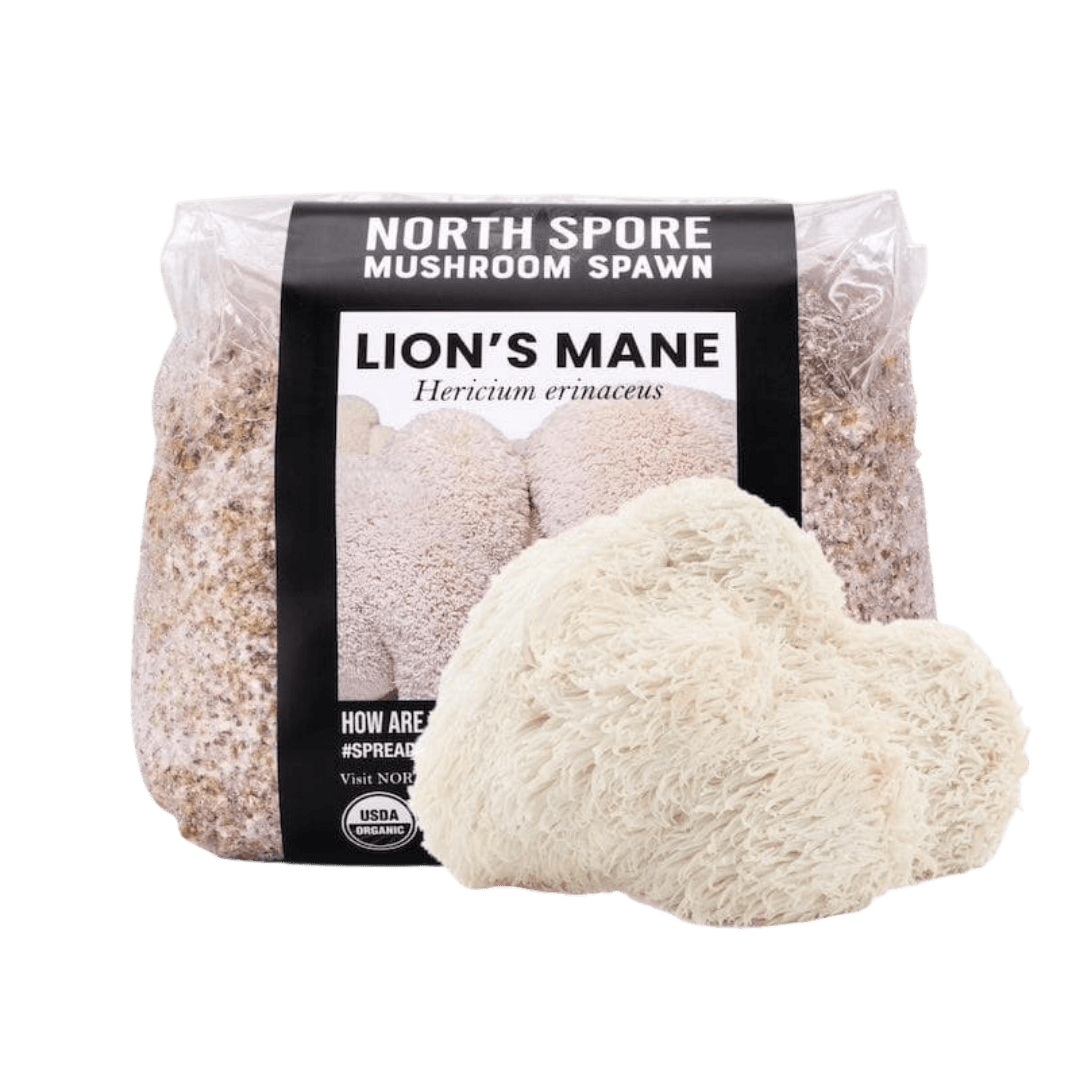
One common trick in the supplement industry is using mycelium instead of the actual mushroom, known as the fruiting body. Mycelium is like the root system of the mushroom, grown on grains such as rice or oats. The fruiting body is the part you see above ground—the mushroom cap and stem.
Most research on Lion’s Mane benefits uses the fruiting body, not mycelium. Still, many supplements are made mostly from mycelium because it’s cheaper and faster to grow.
Why Fruiting Body Is Superior
The fruiting body contains much higher levels of important active compounds, especially beta-glucans, hericenones, and erinacines. In contrast, mycelium grown on grain often has only a small fraction of these beneficial ingredients. It can even contain a large amount of starch from the grains, which dilutes the supplement’s potency.
Studies have found that fruiting body extracts can have up to 10 times more beta-glucans than mycelium products. For example, a 2017 analysis showed that some mycelium-based supplements contained as little as 5% beta-glucans, while fruiting body extracts had up to 40%.
There’s another problem: mycelium grown on grain often contains more than 50% starch, sometimes up to 70%. This means you’re paying mostly for fillers. Some users notice they feel bloated or experience digestive issues from these starches, which have no health benefit. Worse, you may not get the brain and nerve support that Lion’s Mane is known for, because the important compounds are missing or too low.
How To Check The Source
Always look for products that clearly state “100% fruiting body” on the label. If you see “mycelium,” “mycelial biomass,” or “grown on brown rice/oats,” be cautious. Some brands mix a small amount of fruiting body with mostly mycelium and still call it “Lion’s Mane.
”
If the ingredients list is unclear, check the FAQ or contact the company directly. Ask them: “Is your product made only from the fruiting body, or does it include mycelium or grain?” Honest companies will give you a clear answer.
Real-world Example
Here’s a comparison of real product labels:
| Label Description | Main Ingredient | Beta-glucan Content |
|---|---|---|
| 100% Lion’s Mane Fruiting Body Extract | Fruiting Body | 20-40% |
| Lion’s Mane Mycelium (grown on brown rice) | Mycelium + Grain | 5-7% |
You can see how much more powerful the fruiting body extracts are compared to mycelium grown on grain.
Extra Guidance
If you want the health benefits shown in research—better memory, focus, and nerve support—always choose the fruiting body. Mycelium-based products are mostly for companies who want to cut costs, not help your health.
Non-obvious Insight
Some brands will use both mycelium and fruiting body, but only list “Lion’s Mane” on the front. Always check the detailed ingredients or contact customer support if you’re not sure. If a company is hesitant to give details, that’s a red flag.
Another trick is using “proprietary blend” on the label, which hides the real amounts of each ingredient. This makes it even harder to know what you’re really getting.
Credit: northspore.com
3. No Third-party Testing Or Certificates
Another major sign of low-quality supplements is the lack of independent testing. Third-party testing means the product has been analyzed by an outside lab, not just the company that makes it. These tests check for:
- Actual ingredient levels (like beta-glucans)
- Contaminants (heavy metals, pesticides)
- Microbial safety (no harmful bacteria or mold)
Supplements that skip this step are much more likely to be low quality—or even unsafe.
Why Third-party Testing Is Critical
The supplement industry is not as strictly regulated as pharmaceuticals. Studies have found that up to 20% of mushroom supplements on the market contain less of the main ingredient than claimed, or even none at all. Others have been found to contain dangerous levels of heavy metals, especially if sourced from polluted areas.
Third-party certificates give you confidence that the product contains what it says, and is safe to use.
Testing also checks for things you can’t see or taste. For example, mushrooms can absorb heavy metals from the environment. Even small amounts of lead, mercury, or arsenic can build up in your body over time and cause health problems.
Good brands test every batch for these contaminants and will show you the results.
How To Check For Testing
Reputable brands will display certificates of analysis (COAs) on their website, or send them to you on request. Look for clear signs such as:
- “Third-party tested for purity and potency”
- Actual certificates with lab names and batch numbers
If a product does not mention any testing, or only says “tested in-house,” that’s a warning sign.
Look for COAs from well-known labs. These certificates should show test results for important compounds (like beta-glucans) and safety checks (for heavy metals, bacteria, and yeast/mold). If a company says, “Testing available on request,” actually ask for it. If they refuse or delay, that’s a bad sign.
Example: What A Real Coa Looks Like
A genuine COA will show data like:
- Beta-glucan content: 25%
- Heavy metals: Lead < 0.5 ppm (safe level)
- Microbial counts: Below detection limits
The COA should also have the date, batch number, and lab details. It should not be several years old or missing important sections.
Practical Note
If a supplement is much cheaper than others, check if they do third-party testing. Skipping this step cuts costs, but increases risk for you.
Non-obvious Insight
Some brands only test one batch per year, or only check for a single contaminant. The best companies test every batch and share up-to-date reports. If a brand’s certificate is over a year old or missing key details, be careful.
Also, check if the lab is actually independent. Some companies set up their own “third-party” labs, which are not really independent. Reputable brands use well-known labs and are happy to share details.
4. Unclear Or Low Beta-glucan Content
Beta-glucans are the main active polysaccharides in Lion’s Mane, responsible for many of its health benefits. High-quality supplements will state the exact percentage of beta-glucans per serving. Low-quality products often skip this, or only list polysaccharides—which can include cheap starches from grains.
Why Beta-glucan Content Is Key
Multiple studies link the effects of Lion’s Mane to beta-glucan content. For immune support, you typically want at least 15% beta-glucans. For cognitive benefits, the amount may need to be higher, depending on your goals.
Low-quality supplements may contain as little as 2-5% beta-glucans. This is not enough for most people to feel any real effect.
Beta-glucans have been researched for their ability to support the immune system, reduce inflammation, and even help with nerve growth. If the supplement doesn’t provide enough, you may notice no difference, or only a mild effect.
Example Data
- A 2018 study found that Lion’s Mane extract with 25% beta-glucans improved cognitive performance in adults after 12 weeks.
- Supplements with less than 8% beta-glucans showed no significant effect.
Some brands only mention “polysaccharides” on the label, which is misleading. Polysaccharides can include starches from rice or oats (used to grow mycelium). These do not have the health benefits of beta-glucans.
Ingredient Label Comparison
| Label Claim | Likely Beta-Glucan % | Effectiveness |
|---|---|---|
| Standardized to 25% beta-glucans | 25% | High |
| 30% polysaccharides | Unknown (often low) | Low to Medium |
| No percentage listed | Unknown (usually low) | Low |
Extra Guidance
If a supplement only lists “beta-glucans” as an ingredient, but does not say how much, be careful. The best brands show the percentage, usually between 15-40%. If you want reliable benefits, aim for at least 20% beta-glucans.
If the label doesn’t mention beta-glucans at all, or only talks about “supporting well-being,” that’s a sign of low quality.
Non-obvious Insight
Some companies will add other ingredients to artificially boost polysaccharide content, like rice flour or maltodextrin. This is sometimes called “label dressing. ” Always look for “beta-glucans,” not just “polysaccharides. ”
Also, be cautious of brands that say “no fillers,” but still list “polysaccharides” as the main active ingredient. This is a way to hide the fact that most of the supplement is just starch from grains.
Credit: www.kroger.com
5. Made In Countries With Poor Quality Control
Where a supplement is produced can make a big difference in safety and effectiveness. Countries with strong quality control (like the United States, Canada, Japan, and some European countries) have strict rules for supplement manufacturing. Others may allow low standards, fake ingredients, or contamination.
Why Country Of Origin Matters
Supplements made in facilities that follow GMP (Good Manufacturing Practices) are regularly inspected for cleanliness, accurate labeling, and safe ingredients. In countries with little oversight, companies may cut corners to save money. This can lead to:
- Contamination with heavy metals or pesticides
- Fake ingredients (like rice flour instead of mushroom)
- Unsafe production processes
A 2021 report found that over 30% of imported mushroom supplements from countries with weak regulations failed basic safety checks in the US.
Supplements from countries with poor quality control might also use banned pesticides or chemicals during growing and processing. Sometimes, dangerous substances that are illegal in the US or Europe are still used in other countries.
How To Check Origin And Standards
Look for “Manufactured in a GMP-certified facility” on the bottle or website. Brands should also name the country of manufacture. Be careful if you see only “distributed by” or “packed in,” which does not guarantee origin.
If the company does not mention manufacturing standards or hides where the product is made, that’s a red flag.
Ask yourself: If the brand is not proud to say where their supplement is made, why are they hiding it? The answer is often that the product is made in a place with low standards.
Example: How Quality Control Differs
| Country/Region | Quality Control Level | Certification |
|---|---|---|
| USA/Canada/EU/Japan | Strict | GMP, ISO, third-party tested |
| Some Asian countries (unregulated) | Weak to None | Often missing |
Practical Note
A supplement may be cheaper if it’s made in a country with poor controls, but you risk your health. If you value safety and real results, choose brands from countries with high standards.
Non-obvious Insight
Some companies will show a US address but actually import their supplement in bulk from other countries. Always look for “Made in USA/Canada/EU/Japan in a GMP-certified facility. ” If in doubt, ask for proof.
Also, check the brand’s reputation online. Search for reviews, complaints, or news stories about recalls. Trusted brands are usually open about their processes and have many satisfied customers.
How To Choose A High-quality Lion’s Mane Supplement
Now that you know the five warning signs, let’s review how to pick a supplement that works.
- Check the extraction method. Look for hot water, dual extraction, or a clear mention of standardized compounds.
- Demand fruiting body. Avoid mycelium-based products unless you specifically want them for a special reason.
- Look for third-party testing. Only buy from brands that share up-to-date certificates.
- Insist on beta-glucan content. The label should clearly state the percentage.
- Choose trusted manufacturing. Pick supplements from countries with strong quality controls and clear GMP standards.
If a product is missing any of these, it’s probably not worth your money.
Common Beginner Mistakes
Many first-time buyers:
- Focus only on price, not quality
- Trust fancy marketing or celebrity endorsements
- Do not check lab reports or ask for proof
- Forget to check the country of origin
Here are a few extra mistakes to avoid:
- Believing that “organic” always means high quality. Organic is good, but if it’s mycelium or not extracted, it’s still low quality.
- Assuming all Lion’s Mane supplements are the same. There are big differences in how they are made and what they contain.
- Taking the lowest dose possible. Some brands use very small capsules, so you need to take multiple to get the effects seen in studies.
Avoid these mistakes and you’ll have a much better chance of finding a supplement that delivers real benefits.
Pro Tip
Always check independent user reviews—not just the testimonials on the company’s website. Look for reviewers who mention the effects they felt and the quality of the supplement, not just “tastes good” or “fast shipping. ”

Credit: www.amazon.com
Frequently Asked Questions
What Is The Difference Between Lion’s Mane Mycelium And Fruiting Body?
The mycelium is the root-like part of the fungus, usually grown on grains. The fruiting body is the actual mushroom you see above ground. Most benefits and research focus on the fruiting body, which is higher in active compounds. Mycelium-based supplements are often cheaper but contain less of the main beneficial ingredients.
Some studies show the fruiting body has 5–10 times the amount of beta-glucans and unique compounds like hericenones. If you want results like better focus or nerve support, choose the fruiting body.
How Much Beta-glucan Should A High-quality Lion’s Mane Supplement Have?
A good Lion’s Mane supplement should have at least 15-25% beta-glucans per serving. Some top brands offer up to 40%. Anything below 8% is usually too low for real effects.
Remember, some companies only list “polysaccharides,” which is not the same. Always check for the word “beta-glucans. ”
Is Third-party Testing Really Necessary For Mushroom Supplements?
Yes, third-party testing is important for safety and quality. It checks for the right amount of active compounds and screens out contaminants. Without it, there’s no proof that the supplement contains what it claims.
Look for brands that show recent COAs from trusted labs. Don’t settle for vague claims like “lab tested. ”
Can I Trust Lion’s Mane Supplements Made In China?
Not always. While some Chinese companies have high standards, many do not. Supplements from countries with weak regulations are more likely to be contaminated or fake. Always look for GMP certification and third-party testing, no matter where the supplement is made.
If the brand is transparent, shows test results, and is recommended by health professionals, it may still be a good choice. But always double-check.
Where Can I Find More Information About Lion’s Mane Research?
You can find reliable scientific information about Lion’s Mane on Wikipedia, which summarizes studies and links to original sources. For deeper research, check medical journals or trusted health websites.
Many universities and health institutes have published studies on Lion’s Mane. You can also look for articles on PubMed or other science databases.
—
Choosing a Lion’s Mane supplement is not just about picking the most popular brand or the lowest price. By learning to spot these five warning signs, you’ll protect your health and your wallet. With the right product, you’ll get the true benefits that have made Lion’s Mane famous for centuries.
Take your time, ask questions, and don’t settle for less. Your brain and body deserve the best.