
Brewing chaga tea goes far beyond pouring hot water over a mushroom. If you want to unlock the full benefits of chaga’s antioxidants, you need to understand its nature, the best extraction methods, and how temperature, time, and even water quality influence the result. Chaga has been part of traditional medicine in Siberia and northern Europe for centuries, but only recently has science confirmed its powerful antioxidant profile. Today, more people are turning to chaga tea for wellness, but few know how to prepare it for maximum antioxidant extraction. This guide covers every step, from choosing raw chaga to advanced brewing techniques—so you get the most from every cup.
What Is Chaga And Why Antioxidants Matter
Chaga is a type of fungus (Inonotus obliquus) that grows on birch trees in cold climates. It looks like burnt charcoal on the outside, but inside, it’s a rich, golden-brown mass filled with beneficial compounds. People seek chaga for its antioxidants—molecules that fight free radicals, which can damage your cells over time.
Chaga’s antioxidants include polyphenols, melanin, superoxide dismutase (SOD), and betulinic acid. These compounds are linked to improved immune function, reduced inflammation, and even anti-aging effects. But they are not all water-soluble, and some require specific brewing techniques to release them.
Antioxidants are important because modern life exposes us to many sources of oxidative stress, like pollution, processed foods, and even daily stress. Over time, free radicals can speed up aging and increase the risk of diseases. By getting more antioxidants in your diet, especially from natural sources like chaga, you help your body neutralize these free radicals.
Some antioxidants in chaga, like melanin, also offer protection against UV radiation and support skin health. SOD is a special enzyme that helps defend your cells from damage, which is why chaga is sometimes called a “longevity mushroom” in traditional cultures.
Choosing The Right Chaga For Tea
Not all chaga is the same. The quality of your starting material makes a big difference in the antioxidant content you get from your tea. Here’s what to consider:
- Wild vs. Cultivated Chaga: Wild chaga, especially from birch trees in cold regions (like Siberia, Canada, and Alaska), usually contains higher levels of antioxidants. Cultivated chaga may be easier to find but often lacks the same potency. Wild chaga grows slowly, absorbing unique compounds from its environment, which makes it richer in beneficial substances.
- Form of Chaga: Chaga is sold as whole chunks, granules, or powder. Whole chunks keep compounds stable longer but require more effort to prepare. Powder is easy to use and gives fast extraction, but it loses potency faster if stored poorly. Granules offer a balance between easy storage and good extraction.
- Color and Appearance: Good chaga has a dark, almost black outer crust (the sclerotium) and a rich, rusty-orange interior. Avoid pieces that are pale, moldy, or crumble easily. The crust contains more melanin, while the inner part is richer in polysaccharides and polyphenols.
- Source and Purity: Always choose chaga from reputable sellers who test for heavy metals and contaminants. Birch-grown chaga is best, as it absorbs unique compounds from the host tree. Some regions, especially those near cities or polluted areas, may have chaga with higher levels of contaminants—always check for lab testing.
Non-obvious tip: Some sellers blend chaga with other mushrooms or fillers. Always check the ingredient list for 100% pure chaga. Even small amounts of fillers can dilute the benefits and alter the flavor.

Credit: balancecoffee.co.uk
Preparing Chaga: Cleaning, Cutting, And Storing
Before brewing, chaga needs proper preparation. This step helps you avoid contaminants and ensures better extraction.
- Cleaning: Brush off dirt, moss, or bark. Do not wash chaga under running water—moisture can encourage mold. Instead, wipe with a dry or slightly damp cloth. If you find stubborn dirt, use a soft toothbrush.
- Cutting or Grinding: Chaga is very hard. Use a heavy knife to break it into small chunks or a coffee grinder for powder. More surface area means better extraction, but too fine a powder can create sludge in your tea. If using a grinder, pulse in short bursts and check frequently to avoid overheating, which can damage sensitive compounds.
- Drying: If your chaga is fresh, dry it in a warm, well-ventilated area for several days. Never use high heat, which can degrade antioxidants. A food dehydrator set to low heat (below 40°C/104°F) is ideal if you have one.
- Storage: Keep chaga in an airtight container, away from light and moisture. Whole chunks last up to two years; powder should be used within six months. Label your jar with the harvest or purchase date for easy tracking.
Practical insight: Many beginners store chaga in plastic bags, which can trap moisture and cause spoilage. Glass jars with tight lids work best. If you live in a humid area, consider adding a small food-safe silica gel packet to the jar to absorb extra moisture.
Extra tip: If you prepare a lot of chaga at once, portion it into smaller jars. This way, you only open one jar at a time, keeping the rest fresher for longer.
The Science Behind Antioxidant Extraction
Understanding how antioxidants dissolve helps you choose the right brewing method. Chaga’s main antioxidants fall into two groups:
- Water-soluble: Polyphenols, some polysaccharides, and SOD dissolve in hot water.
- Alcohol-soluble: Betulinic acid and certain triterpenes require alcohol to dissolve.
Temperature and time also affect extraction:
- Higher temperatures release more antioxidants but can destroy heat-sensitive compounds.
- Longer brewing increases extraction, but too long can make the tea bitter or degrade some benefits.
For example, SOD breaks down at very high temperatures, so keeping your water below boiling is important. On the other hand, polysaccharides and melanin tolerate heat well and need longer contact time to dissolve fully.
The mineral content and pH of water also matter. Soft, filtered water with a neutral pH extracts antioxidants more efficiently than hard or highly acidic/alkaline water. Minerals in water can help break down cell walls in chaga, but too much calcium or magnesium can bind with antioxidants and make them less available.
Extra insight: The size of your chaga pieces changes extraction speed and quality. Finer pieces extract faster but may release more bitter compounds. Chunks take longer but can be reused.
Essential Tools For Brewing Chaga Tea
For the best results, use the right equipment:
- Non-metallic pot (ceramic, glass, or stainless steel): Avoid aluminum, which can react with acids in chaga.
- Fine mesh strainer or cheesecloth: For removing small particles. Double-strain if using powder for a smooth drink.
- Thermometer: To control water temperature accurately. This is especially helpful if you’re new to brewing herbal teas.
- Measuring spoon or digital scale: For precise dosing. Accurate amounts help you repeat your best results.
- Glass storage jar: For leftover tea (if making large batches).
Common mistake: Brewing chaga in a regular coffee maker. The high heat and short contact time don’t extract enough antioxidants. Coffee makers also often leave behind fine sediment, which can make the tea gritty.
Extra tip: If you don’t have a thermometer, let boiling water cool for 5–10 minutes before adding chaga. The temperature will drop into the ideal range.
Step-by-step: Brewing Chaga Tea For Maximum Antioxidant Extraction
Now, let’s get into the method. This is the traditional simmering method, adapted to optimize antioxidant yield.
Ingredients
- 10 grams of chaga chunks or 2 tablespoons chaga powder
- 1 liter (about 4 cups) filtered water
Instructions
- Measure your chaga and water carefully. Too little chaga gives weak tea; too much can be wasteful. If you want a stronger tea, increase the chaga amount slightly.
- Bring water to a gentle simmer (not a full boil) in a non-metallic pot. Ideal temperature is 80–90°C (175–195°F). Use a thermometer if possible.
- Add chaga chunks or powder to the water. Stir gently to ensure all pieces are wet.
- Simmer uncovered for 45–90 minutes. Stir occasionally. The water should become dark brown or black. If evaporation lowers the water level, add a little more hot water to keep the volume steady.
- Check the color and aroma. The tea is ready when it smells earthy and looks like strong coffee. If it’s too light, simmer a bit longer.
- Strain through a fine mesh strainer or cheesecloth. If using powder, double-strain to remove sediment. For a crystal-clear tea, let it sit for a few minutes so particles settle, then pour off the top liquid.
- Serve hot or let cool and store in the refrigerator for up to 3 days. Chaga tea tastes good both hot and cold.
Extra brewing idea: Some people add a cinnamon stick or slice of ginger during simmering for extra flavor and health benefits.
Brewing Variables
| Variable | Effect on Extraction | Recommended Range |
|---|---|---|
| Chaga Amount | More chaga = higher antioxidant levels, up to a point | 10–15g per liter |
| Water Temperature | Hotter water extracts more, but can degrade some antioxidants | 80–90°C (175–195°F) |
| Brewing Time | Longer time increases extraction, but bitterness may rise | 45–90 minutes |
| Water Quality | Soft, filtered water extracts best | Use filtered or spring water |
Non-obvious insight: If you use chaga chunks, you can reuse them 2–3 times. The tea will be lighter each time, but you still get valuable antioxidants. Let the chunks dry between uses to prevent mold.
Advanced: Dual Extraction For Full-spectrum Antioxidants
Some antioxidants in chaga are not water-soluble. To get the full spectrum, try dual extraction—using both water and alcohol.
How Dual Extraction Works
- Water Extraction: Simmer chaga in water as above, then strain and save the liquid.
- Alcohol Extraction: Take the used chaga and soak it in 70% alcohol (vodka or grain alcohol) for 2–4 weeks in a glass jar, shaking daily. Keep the jar away from light.
- Combine: Mix the strained water extract with the strained alcohol extract. This gives a tincture with both water- and alcohol-soluble compounds.
Note: Alcohol extracts are very concentrated. Start with small doses (1–2 teaspoons daily, diluted in water or tea). Too much can irritate your stomach.
Practical tip: Always label tinctures with the date and alcohol strength. Store in a dark, cool place.
Extra detail: The alcohol extract often pulls out betulinic acid and triterpenes, which may have anti-cancer and antiviral properties. Some people use the tincture under the tongue for rapid absorption.
Comparing Brewing Methods: Which Extracts The Most Antioxidants?
It’s easy to get confused by the many methods online. Here’s a side-by-side comparison of the most common techniques:
| Method | Pros | Cons | Antioxidant Extraction |
|---|---|---|---|
| Simmering (Traditional) | Simple, safe, good flavor | Takes time, uses energy | High (mainly water-soluble) |
| Cold Brewing | No heat, less bitterness | Slow, less extraction overall | Low–moderate |
| Pressure Cooker | Faster, stronger extraction | Can degrade heat-sensitive compounds | Very high (but risk of loss) |
| Dual Extraction | Full spectrum of antioxidants | Complex, requires alcohol | Maximum |
Key insight: For most people, simmering is the best balance of safety and antioxidant extraction. Dual extraction is ideal if you want all possible benefits and are comfortable using alcohol.
Extra explanation: Cold brewing is gentle and easy but misses out on many antioxidants that need heat to dissolve. Pressure cooking can extract more, but you must be careful not to overdo it, as this may ruin delicate compounds.
Credit: cbdstore.in
Tips To Maximize Antioxidant Extraction
Even small changes can boost the antioxidant content of your chaga tea.
- Always use fresh, high-quality chaga.
- Grind or break chaga into small pieces before brewing.
- Control water temperature—never boil chaga aggressively.
- Use the right water—avoid hard tap water or distilled water (which lacks minerals that aid extraction).
- Simmer longer for more antioxidants, but taste regularly to avoid bitterness.
- Reuse chaga chunks up to three times, then compost them.
- Store brewed tea in glass, not plastic, to avoid chemical contamination.
- Drink tea soon after brewing—antioxidants degrade with time and exposure to air.
- Consider dual extraction if you want both water- and alcohol-soluble benefits.
- Add a slice of lemon to your tea just before drinking—vitamin C can help your body absorb some antioxidants better.
Non-obvious tip: Some people add a pinch of sea salt to the brew to mimic the mineral content of natural spring water, which can slightly increase extraction.
Extra insight: Stirring your tea occasionally during brewing improves extraction by moving chaga pieces around and ensuring even contact with water.
The Role Of Water Quality And Mineral Content
The type of water you use can change how much antioxidant you extract from chaga.
- Filtered or spring water is best. It has enough minerals to help extraction but no chlorine or heavy metals.
- Hard water (high in calcium/magnesium) can reduce extraction and leave a cloudy tea.
- Distilled water has no minerals and can result in a flat-tasting tea.
A 2018 study found that filtered water increased polyphenol extraction by up to 15% compared to hard tap water.
Practical advice: If your tap water tastes good and is not too hard, it’s probably fine. Otherwise, use a water filter or bottled spring water.
Extra tip: If you want to check your water’s hardness, many hardware stores sell cheap water testing strips. Or, ask your local water supplier.
Brewing Chaga Tea: Common Mistakes To Avoid
Even experienced brewers sometimes make mistakes. Here are the most common problems and how to fix them:
- Using boiling water: Boiling destroys some antioxidants and makes the tea taste harsh. Use a gentle simmer instead.
- Brewing too short: Ten minutes is not enough. Aim for at least 45 minutes.
- Using too little chaga: Weak tea gives fewer benefits. Use enough chaga for rich color and flavor.
- Storing tea too long: Chaga tea loses potency after 2–3 days, even in the fridge.
- Brewing in aluminum pots: Acidic compounds in chaga can react with aluminum, adding unwanted metals to your tea.
- Skipping cleaning steps: Dirt or bark can spoil the flavor and may add toxins.
- Over-powdering: Powdered chaga is easy to extract but can create a gritty tea if not strained well.
Non-obvious mistake: Many people think darker tea means more antioxidants, but over-brewing can actually break down some sensitive compounds.
Extra note: If you notice a sour smell or slimy texture in stored tea, throw it away—it may have spoiled.
How To Store And Use Leftover Chaga Tea
When you brew a large batch, proper storage is important:
- Cool the tea quickly after brewing and store in glass containers in the refrigerator.
- Use within three days for the best antioxidant levels.
- Do not freeze chaga tea—freezing can change the flavor and destroy some compounds.
Creative uses for leftover tea:
- Use as a base for smoothies or soups.
- Mix with herbal teas for new flavors.
- Apply cooled tea as a gentle skin toner (test for sensitivity first).
- Add to oatmeal or porridge for a subtle earthy flavor.
Extra tip: If your tea sits for a while, shake or stir before pouring, as some antioxidants may settle at the bottom.

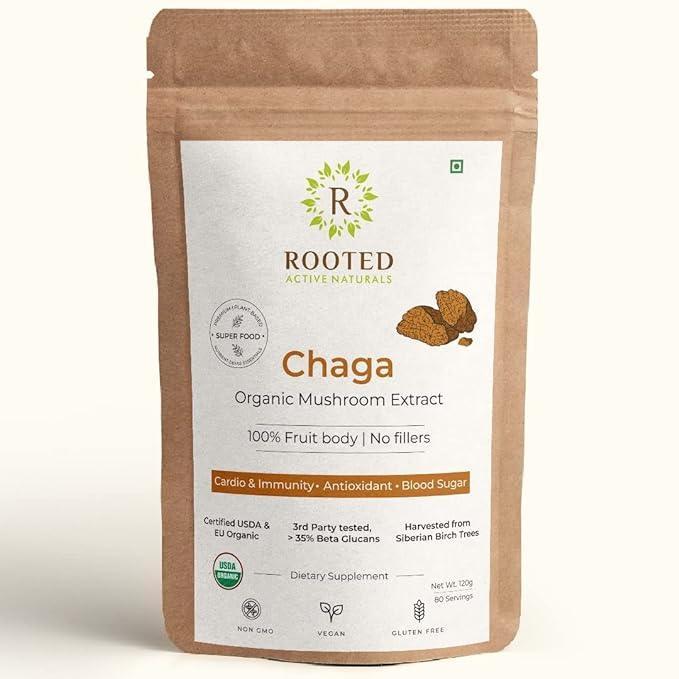
Credit: www.amazon.com
Health Benefits Of Chaga Tea: What Science Says
Many claims about chaga come from tradition, but modern research is catching up. Here are the most studied benefits:
- Antioxidant Power: Chaga has one of the highest ORAC (Oxygen Radical Absorbance Capacity) scores among natural foods, beating blueberries and acai berries.
- Immune Support: Chaga polysaccharides support immune cell activity.
- Anti-inflammatory Effects: Betulinic acid and other compounds reduce inflammation in lab studies.
- Blood Sugar Balance: Some studies show chaga may help lower blood sugar in animals.
- Liver Protection: Early research suggests chaga may help protect liver cells from damage.
Example: One study found that chaga extract reduced oxidative stress markers in mice by over 50% after just two weeks.
For more on chaga’s health benefits, see this detailed research review.
Caution: Chaga can interact with blood thinners and diabetes medications. Always consult a health professional before starting regular use.
Non-obvious insight: While research is promising, most studies use concentrated extracts, not tea. Drinking tea gives benefits, but effects may be milder than those in lab tests.
Flavoring And Enhancing Your Chaga Tea
Chaga tea has a mild, earthy taste with notes of vanilla or wood. Some people love it plain; others prefer to enhance the flavor.
Popular additions include:
- Cinnamon sticks or cloves (added during brewing)
- Raw honey or maple syrup (added after brewing)
- Lemon juice (added just before drinking)
- Ginger slices (for a warming effect)
- Non-dairy milk (for a creamy texture)
- Fresh mint leaves (steeped after brewing for a cooling twist)
Tip: Avoid adding sugar during brewing, as it can caramelize and change the antioxidant profile.
Extra suggestion: If you want a richer, creamier drink, try blending chaga tea with coconut milk and a dash of vanilla extract.
Chaga Tea Vs. Other Antioxidant Teas
How does chaga tea compare to green tea, black tea, or herbal blends? Here’s a quick reference:
| Tea Type | Main Antioxidants | Caffeine | Flavor Profile | Unique Benefits |
|---|---|---|---|---|
| Chaga | Polyphenols, SOD, betulinic acid | None | Earthy, mild, woody | Immune, anti-inflammatory |
| Green Tea | EGCG, catechins | Low | Grassy, astringent | Metabolism, heart health |
| Black Tea | Theaflavins, catechins | Medium | Malty, bold | Energy, antioxidants |
| Rooibos | Quercetin, aspalathin | None | Sweet, nutty | Calming, allergy relief |
Non-obvious insight: While green tea is famous for antioxidants, chaga tea has a wider range of unique compounds, including melanin, which is rare in plant teas.
Extra comparison: Chaga tea is also free of tannins, which can cause bitterness in black and green teas. This makes it gentle on the stomach and suitable for people sensitive to regular tea.
Safe Dosage And Frequency
Chaga is safe for most people, but moderation is important. Too much chaga can stress your kidneys due to its high oxalate content.
- Recommended daily intake: 1–2 cups of tea (about 250–500 ml) for most adults.
- For dual extracts: Start with 1 teaspoon diluted in water, up to twice per day.
Warning: Pregnant or breastfeeding women, people with autoimmune diseases, or those on medication should consult a doctor before using chaga regularly.
Extra advice: If you experience stomach upset or notice changes in urine color, reduce your intake or take a break.
Environmental Impact And Sustainable Harvesting
Chaga grows slowly and is easily overharvested. Ethical use helps protect wild populations.
- Harvest only from mature birch trees (never from dead or dying trees).
- Take only a portion of the chaga, leaving some to continue growing.
- Avoid buying chaga from unknown online sources—support companies with sustainable harvesting practices.
Fact: It can take 5–10 years for chaga to regrow on a single tree after harvesting.
Practical insight: If you forage your own chaga, use clean, sterilized tools and always leave at least one-third of the fungus on the tree.
Frequently Asked Questions
What Does Chaga Tea Taste Like?
Chaga tea has a mild, earthy flavor with hints of vanilla and wood. It’s not bitter or mushroomy, making it easy to drink plain or with natural sweeteners.
Can I Reuse Chaga Chunks For More Than One Batch?
Yes, you can reuse chaga chunks 2–3 times. Each batch will be lighter in color and flavor, but still contains antioxidants. Dry the chunks between uses to prevent mold.
Is Chaga Tea Safe For Everyone?
Most people can drink chaga tea safely, but it may interact with blood thinners, diabetes medications, and immune-suppressing drugs. Always check with your healthcare provider before starting.
Can I Make Chaga Tea In A Slow Cooker?
Yes, a slow cooker works well for chaga tea. Set it on low and simmer for 4–6 hours. This gentle heat preserves delicate antioxidants and is convenient for large batches.
Does Chaga Tea Have Caffeine?
No, chaga tea is naturally caffeine-free. It’s a good alternative for people avoiding caffeine but still wanting a warm, healthy drink.
Can I Mix Chaga With Other Herbal Teas?
Absolutely. Chaga pairs well with rooibos, ginger, mint, and licorice root. Mixing herbs can create unique flavors and may offer extra health benefits.
Brewing chaga tea for maximum antioxidant extraction is both an art and a science. By choosing quality chaga, using the right tools, and controlling your brewing variables, you unlock a world of benefits in every cup. Whether you simmer, try dual extraction, or experiment with flavors, you’ll be making the most of one of nature’s richest sources of antioxidants.
Enjoy your chaga tea with confidence—and share your new knowledge with friends and family for greater wellness all around.