
When you start looking into medicinal mushrooms, you’ll quickly discover two names that stand out: Cordyceps Militaris and Cordyceps Sinensis. Both have a long history in traditional medicine, especially in Asia, and are now catching the attention of health-conscious people everywhere. But what makes these two species different? More importantly, which one fits your health goals?
Whether you’re an athlete hoping to boost performance, someone looking for more energy, or just curious about these unique fungi, you need clear information to decide. Many articles repeat the same basic facts, but few dive deep into how each species works, their benefits, and potential risks.
Let’s break down what matters most, so you can choose wisely. As you read, you’ll find practical tips, hidden pitfalls, and real insights that most beginners miss.
What Are Cordyceps Militaris And Sinensis?
Cordyceps is not just one mushroom, but a whole genus of fungi. Two species—Cordyceps Militaris and Cordyceps Sinensis—are especially popular for their health benefits. They’re both known for supporting energy, immunity, and overall wellness, but they grow in different ways and have unique properties.
Cordyceps Sinensis is often called the “caterpillar fungus.” In nature, it grows on the larvae of ghost moths, high in the Himalayan mountains. For centuries, people in Tibet and China have used it to improve stamina and vitality. It’s rare and expensive because it’s hard to harvest in the wild. In fact, for many families in regions like Tibet and Nepal, harvesting wild cordyceps is a major source of income. The fungus emerges from the ground each spring after infecting a host insect, and locals hike for hours to collect even a handful.
Cordyceps Militaris looks different. It grows on insects, but it can also be cultivated on rice or other plant materials. This makes it much more affordable and widely available. Modern research shows that militaris offers many of the same benefits as sinensis—sometimes in even higher amounts. Unlike sinensis, militaris is bright orange and has a club-like shape. Because it can be grown in labs and on farms, militaris is more accessible to people around the world.
Both species contain special compounds called cordycepin and adenosine, which are linked to their effects. But the type and amount of these compounds can differ a lot between militaris and sinensis. This is one reason why the right choice depends on your goals. For example, militaris is often chosen for energy and sports, while sinensis is still the traditional choice for recovery and lung health.
It’s also interesting that the popularity of each species varies by region. In China and Tibet, sinensis is a symbol of wealth and health, while in Korea and the West, militaris is quickly becoming the top choice due to its cost and strong scientific backing.
How Cordyceps Militaris And Sinensis Are Grown
The way these mushrooms are produced matters. It affects quality, price, and even safety. Many people don’t realize that the growing method can change the levels of active compounds and even introduce contaminants.
Wild Harvesting Vs. Cultivation
Cordyceps Sinensis is mostly found in the wild. Locals collect it by hand in places like Tibet, Nepal, and Bhutan. This process is time-consuming and only happens during a short season. Because it’s so rare, prices can reach up to $20,000 per kilogram for high-grade sinensis. The search for wild sinensis is so intense that there are even local festivals and competitions around the harvest. Unfortunately, the high price also drives illegal picking and trade.
Cordyceps Militaris can be farmed in controlled environments. Scientists found ways to grow it on grains like rice or wheat, making it much easier and cheaper to produce. This method also means better quality control and less risk of contamination. For example, indoor farms use clean air, filtered water, and careful temperature control to ensure the mushrooms are healthy and strong. This is why militaris is often recommended for people who want a reliable, consistent supplement.
Sustainability And Purity
Wild harvesting of sinensis has raised concerns about over-picking and environmental damage. The high price also encourages fake or adulterated products. Some supplements labeled “sinensis” are actually just ground-up mycelium from lab-grown cultures, not the whole fungus. In some regions, overharvesting has damaged local ecosystems and threatened both the fungus and its insect hosts.
Militaris, by contrast, is more sustainable. Cultivation techniques allow for consistent, pure products that are easier to verify. If you care about the environment and want to avoid counterfeit supplements, militaris is often the safer bet. In fact, some countries are now encouraging the switch to cultivated militaris to protect wild sinensis from extinction.
Non-obvious insight: The substrate (what the fungus grows on) also affects the final product. Militaris grown on organic rice often has a cleaner taste and higher cordycepin levels than that grown on cheaper grains. Ask for details about cultivation when choosing a supplement.
Key Active Compounds: What’s Inside?
Both militaris and sinensis contain a mix of bioactive compounds that give them their health effects. These include:
- Cordycepin: A unique molecule found in high amounts in militaris, with strong anti-inflammatory and energy-boosting properties.
- Adenosine: Helps regulate sleep, energy, and blood flow.
- Polysaccharides: Support immune health and may have anti-tumor effects.
- Sterols: Such as ergosterol, which can help balance hormones.
But the amounts of these compounds differ between species. Here’s a simple comparison:
| Compound | Cordyceps Militaris | Cordyceps Sinensis |
|---|---|---|
| Cordycepin | High (up to 2-3%) | Very low (<0.1%) |
| Adenosine | Moderate | Moderate |
| Polysaccharides | High | High |
| Sterols | Present | Present |
This table shows a key insight: Cordyceps Militaris often has much more cordycepin than sinensis. This can make militaris more powerful for certain uses, like fighting fatigue or inflammation.
Example: If you’re choosing a product for post-exercise recovery, the higher cordycepin in militaris can help reduce inflammation and muscle soreness faster than sinensis.
Another overlooked fact: Some militaris extracts are now standardized to a specific cordycepin content, making it easier to compare products. Sinensis products rarely have this level of detail, making it harder to know what you’re getting.
Health Benefits: How Do They Compare?
Both species have overlapping benefits, but also some unique strengths. Let’s look at the evidence for each.
Cordyceps Militaris: Modern Research Superstar
1. Boosts Energy And Stamina
Studies show that militaris can increase ATP (the body’s energy molecule) production. This helps fight tiredness and may improve exercise performance. Athletes often use militaris for this reason. For example, a study on healthy adults found that taking militaris extract for two weeks improved their endurance and reduced feelings of fatigue during cycling.
2. Supports Immunity
Polysaccharides in militaris stimulate the immune system. Research suggests it can help the body fight infections and may even support cancer patients during treatment. One laboratory study showed militaris extract increased the activity of natural killer cells, which are important for fighting viruses and tumors.
3. Anti-inflammatory Effects
Cordycepin, found in high amounts in militaris, is a strong anti-inflammatory. It may help with chronic pain, arthritis, and even allergies. For example, people with joint pain often report less stiffness after a few weeks of regular use.
4. Improves Sexual Health
Some research links militaris to increased testosterone and better reproductive health, especially in men. In one clinical trial, men who took militaris extract had higher sperm counts and better motility after three months.
5. Antioxidant Power
Militaris fights oxidative stress, which is linked to aging and many diseases. Some users notice better skin health and faster recovery from minor illnesses.
Cordyceps Sinensis: Traditional Medicine Legend
1. Endurance And Vitality
Sinensis has a long history as a “tonic” for people recovering from illness or wanting to boost overall strength. It’s famous among mountain climbers and soldiers in Asia. In fact, Chinese Olympic athletes in the 1990s credited sinensis as a key part of their success.
2. Lung Health
Traditional healers use sinensis for breathing problems like asthma or chronic cough. Some modern studies support these effects. For example, one study found that people with chronic bronchitis had fewer symptoms after taking sinensis supplements for two months.
3. Kidney Function
Sinensis is often prescribed in Chinese medicine for kidney health. There is scientific evidence that it may help protect kidneys, especially during disease or aging. A small clinical trial in patients with chronic kidney disease showed improved lab results and less fatigue after taking sinensis extract.
4. Heart Support
Some studies suggest sinensis can help control cholesterol and improve heart function. For example, animal studies show lower blood pressure and improved heart muscle health with long-term use.
5. Immune Modulation
Like militaris, sinensis can balance the immune system, making it useful for people with allergies or autoimmune conditions. Unlike militaris, which boosts immune activity, sinensis seems to “calm” an overactive immune system.
What The Studies Say
A review of clinical trials (published in 2020) found that militaris often matches or even outperforms sinensis in lab tests for energy and immunity. However, sinensis has a longer track record in human use, especially for lung and kidney health.
The best choice depends on your main goal.
Non-obvious insight: Many benefits are only seen with consistent, daily use over weeks or months. One-off doses do little, and the effects can fade if you stop.
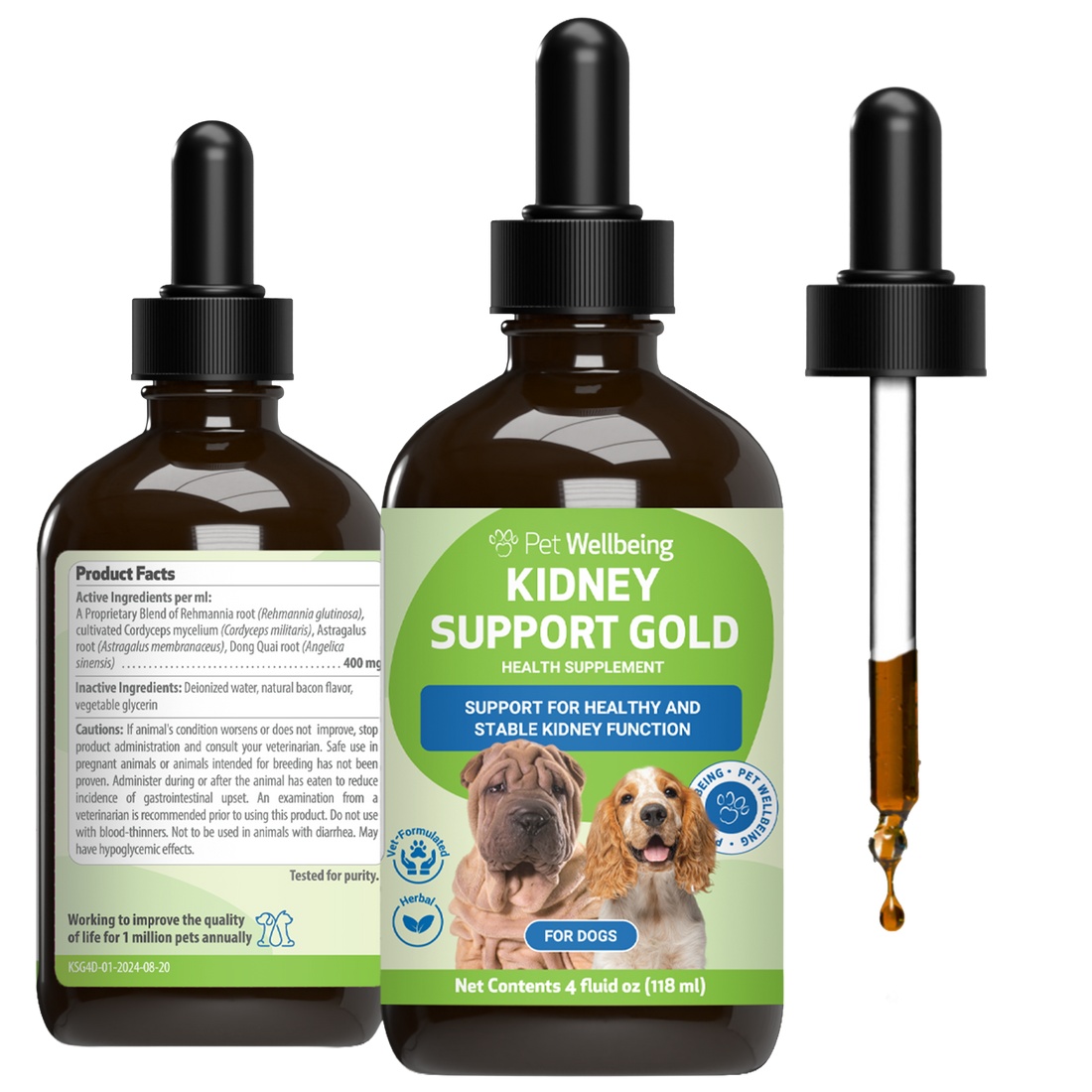
Credit: petwellbeing.co.uk
Which Species Is Best For Your Health Goal?
Not everyone needs the same thing from cordyceps. Here’s a breakdown for specific goals:
For Athletic Performance And Energy
Cordyceps Militaris is usually better. It has more cordycepin, which boosts ATP and fights fatigue. Athletes often prefer militaris for quick results and affordability. Militaris is also the species used in most modern sports research.
For Lung And Kidney Health
Cordyceps Sinensis has a longer tradition in lung and kidney support. If you want something with centuries of use in this area, sinensis may be the safer choice—if you can get real, high-quality material. In China, it’s common for doctors to prescribe sinensis extracts to elderly patients for this reason.
For Immune Support
Both species are effective, but militaris is easier to find in pure, strong form. If you’re after immune benefits, militaris is usually more practical. It’s also less likely to be faked.
For Sexual Health
Both are used for this purpose, but militaris may have an edge, especially for men, because of its influence on testosterone. Some women use cordyceps for libido and hormonal balance, but more research is needed.
For Anti-aging
Militaris has higher antioxidant activity, but sinensis has a deep traditional reputation. Either can help, but militaris is more widely studied with modern methods. People looking for a “modern” anti-aging supplement often choose militaris.
For General Wellness
Either species can be useful. If price and purity matter, militaris is the practical choice. If tradition and rare ingredients matter to you, sinensis is the classic option.
Practical tip: Some advanced users combine both species for a broader effect, using militaris for energy and sinensis for recovery.
Safety And Side Effects
Cordyceps is generally safe for most people, but there are important details to know.
Common Side Effects
- Mild digestive upset (nausea, diarrhea)
- Dry mouth
- Drowsiness (rare)
These effects are usually mild and go away with lower doses. Some people notice more vivid dreams, especially with militaris.
Who Should Be Careful?
- Pregnant or breastfeeding women: Not enough research to confirm safety.
- People with autoimmune diseases: Cordyceps can activate the immune system.
- Those on blood thinners: Both species may affect blood clotting.
If you have allergies to molds or mushrooms, try a small dose first to check for reactions.
Risk Of Fake Or Contaminated Products
Because Cordyceps Sinensis is so valuable, fake products are common. Sometimes, “sinensis” supplements contain cheap fillers, grains, or even unrelated fungi.
Cultivated Cordyceps Militaris is much easier to verify. Always buy from trusted brands and ask for lab test results. Counterfeit sinensis is a major problem in the market, and even experts sometimes struggle to tell real from fake.
Practical example: If you find a sinensis product at a very low price, it’s almost certainly not real wild-harvested fungus.
Dosage And How To Take Cordyceps
The best dose depends on your needs, the type of extract, and your health status. Here are some general guidelines:
Typical Dosages
- Cordyceps Militaris:
1,000–2,000 mg of fruiting body extract per day (standardized to cordycepin or polysaccharides)
- Cordyceps Sinensis:
1,000–3,000 Mg Of Whole Fungus Or Mycelium Per Day
Powdered supplements are common, but you can also find capsules, tinctures, or teas. Some people brew militaris into herbal soups for a gentle daily boost.
Tips For Best Results
- Take with food to prevent stomach upset.
- Start with a lower dose, then increase gradually.
- Give it 2–4 weeks for noticeable results.
- Combine with vitamin C for better absorption.
- Take at the same time each day for consistent effects.
What Beginners Often Miss
- Not all supplements are equal. Look for the percentage of cordycepin or polysaccharides on the label.
- Whole fruiting body extracts are stronger than mycelium grown on grain.
- Powders dissolve best in warm, not boiling, water. Too much heat can damage active compounds.
If you want to see real benefits, quality matters more than just the species.
Cost, Availability, And Practical Considerations
Choosing between militaris and sinensis is not just about health effects—it’s also about price, access, and trust.
Price Comparison
Here’s a simple cost comparison:
| Product Type | Typical Price per 60g | Notes |
|---|---|---|
| Cordyceps Militaris (cultivated) | $15–$30 | Easy to find, consistent quality |
| Cordyceps Sinensis (wild-harvested) | $1,000–$2,000 | Rare, often faked |
| Cordyceps Sinensis (mycelium powder) | $20–$50 | Often lower potency |
Availability
- Militaris is widely available online and in health stores.
- Sinensis is much harder to find, especially the real, wild type. Most “sinensis” supplements are actually just cultured mycelium.
Legal Status
Both species are legal in most countries. However, wild-harvested sinensis is sometimes restricted in China and neighboring countries to protect the ecosystem.
Storage
Keep cordyceps in a cool, dry place. Moisture and heat can spoil the active compounds. Avoid clear jars on sunny shelves—light can break down cordycepin and other key compounds.
Non-obvious insight: Some cordyceps powders contain drying agents or fillers to prevent clumping. Pure, high-quality extracts should be fine and powdery, not gritty.

Credit: mypahadidukan.com
How To Choose A Quality Cordyceps Supplement
Not all cordyceps products are created equal. Here’s what to check before you buy:
1. Check The Species
The label should clearly state either “Cordyceps militaris” or “Cordyceps sinensis. ” Avoid vague names like “cordyceps blend” or “cordyceps complex. ”
2. Look For Fruiting Body Extracts
These have more active compounds than mycelium grown on grain. Some brands show side-by-side lab tests to prove the difference.
3. Standardization
Good products tell you how much cordycepin, adenosine, or polysaccharides they contain. Numbers matter.
4. Third-party Testing
Trustworthy brands provide lab results for purity and strength.
5. Origin And Cultivation Method
Cultivated militaris is usually more reliable than wild sinensis, unless you can verify the source.
6. Avoid Unrealistic Claims
If it sounds too good to be true (like curing every disease), it probably is.
7. Packaging
Choose brands that use airtight, light-blocking containers.
What Beginners Miss
- Many “Cordyceps Sinensis” products are just mycelium on grain. These have much lower potency than the actual fruiting body.
- High price does not always mean high quality. Some expensive sinensis is still faked.
- Ask for a Certificate of Analysis (CoA). Good brands will share it.
Traditional Uses And Modern Science
Cordyceps has a long history in both traditional and modern medicine.
Traditional Chinese Medicine (tcm)
- Sinensis is prized as a “rejuvenating” herb, used for weakness, lung problems, and as an aphrodisiac.
- Militaris is less famous in TCM but used for similar purposes.
- In TCM, cordyceps is often combined with ginseng or astragalus for extra energy.
Modern Research
- Over 500 scientific papers have been published on cordyceps.
- Militaris is now preferred for research because it’s easier to obtain and standardize.
- Modern studies focus on immunity, energy, blood sugar, and even brain health.
Clinical trials are still limited, but animal and cell studies show strong effects on energy, immunity, and inflammation.
Practical example: In hospitals in China, sinensis extracts are sometimes used as a supportive therapy for patients with weak lungs or kidneys.
Taste, Culinary Uses, And Daily Life
Cordyceps is not just for capsules. In China and Korea, militaris is sometimes used in cooking.
- Militaris has a mild, slightly sweet taste and a pleasant aroma.
- It’s often added to chicken soup, teas, or rice dishes.
- Some people steep militaris in hot water with goji berries and ginger for a nourishing tea.
Sinensis is rarely used in food because of its cost and rarity.
If you want to add cordyceps to your diet, militaris is the practical choice. Powdered militaris mixes well into smoothies or yogurt, and the taste is usually mild enough for most dishes.
Non-obvious tip: Cooking militaris at low heat (below 70°C) preserves more of the active compounds.
Cordyceps And Sports Performance: What Athletes Need To Know
Cordyceps is famous among athletes for a reason. The boost in ATP production can make workouts feel easier and improve recovery.
Research Highlights
- A 2016 study found that cyclists taking militaris extract improved their oxygen use and had less fatigue.
- Sinensis also helps, but the higher cordycepin in militaris gives it an edge for sports.
- Regular use may help athletes recover faster after hard training.
How Athletes Use Cordyceps
- Taken daily, often 30–60 minutes before training.
- Combined with other adaptogens for extra effect.
- Used during training cycles to support endurance.
Non-obvious Insight
- Results build up over time. One dose won’t change your performance overnight.
- Consistency matters more than the exact timing.
- Some athletes cycle cordyceps, taking it for 8 weeks and then taking a 2-week break for best results.
Cordyceps For Immune Health And Illness Recovery
Both species can help the body fight off illness, but how they work is slightly different.
- Militaris stimulates immune cells directly.
- Sinensis modulates the immune system—helpful if you have allergies or autoimmunity.
Practical Example
If you catch colds often, militaris can make your immune cells more active. If you have hay fever, sinensis may help balance your immune response.
Another detail: Some people notice fewer sick days during flu season when taking militaris daily.
Choosing Between Cordyceps Militaris And Sinensis: A Simple Guide
If you want a quick reference for decision-making, use this checklist:
- Athletic performance, energy, or anti-aging? Choose militaris.
- Lung or kidney health, tradition matters? Choose sinensis.
- Budget matters? Militaris is much cheaper.
- Want to avoid fakes? Militaris is safer and easier to verify.
- Need immune support? Either works, but militaris is more potent.
Non-obvious tip: For most people, starting with militaris is smart, and you can try sinensis later if you want to explore traditional uses.

Credit: antioxi-supplements.com
Recent Trends And Future Outlook
Cordyceps is more popular than ever, especially as people look for natural ways to boost health. Militaris is likely to become the main species used in supplements, since it’s sustainable and easy to standardize.
Research is moving fast. New studies are testing cordyceps for diabetes, cancer support, and even brain health. If you want the benefits of cordyceps, now is a good time to start, but always check for the latest science.
Some companies are working on new forms of cordyceps extracts, like liposomal or nano-formulations, to improve absorption and effects. In the next few years, expect to see even more options and better quality control.
For more in-depth science, check out the Cordyceps Wikipedia page.
Frequently Asked Questions
What Is The Main Difference Between Cordyceps Militaris And Sinensis?
The biggest difference is how they grow and their main active compound. Cordyceps Militaris is mostly cultivated and has higher cordycepin levels. Cordyceps Sinensis is wild-harvested, rare, and used for centuries in traditional medicine. Militaris is more affordable and easier to verify for quality.
Are Cordyceps Supplements Safe For Everyone?
Most people can use cordyceps safely. However, pregnant women, people with autoimmune conditions, and those on blood thinners should talk to a doctor first. Some people may have mild stomach upset or dry mouth.
How Do I Know If A Cordyceps Product Is Real?
Check for clear labeling of the species (“militaris” or “sinensis”), look for fruiting body extracts, and choose brands that provide third-party lab test results. Beware of cheap “sinensis” products—they are often just mycelium on grain.
Can Cordyceps Really Improve Sports Performance?
Studies support that cordyceps, especially militaris, can boost energy and reduce fatigue during exercise. The effect builds up with regular use over weeks, not instantly after one dose.
Which Cordyceps Species Is Best For Immune Support?
Both support immunity, but militaris usually has higher levels of active compounds. It’s often the first choice for people seeking a noticeable immune boost.
If you’re serious about the benefits of medicinal mushrooms, take time to choose the right Cordyceps species for your needs. Focus on quality, not just the label, and you’ll get the best results for your goals.