
The world of natural supplements is filled with promises, but very few stand out like cordyceps when it comes to supporting male health. Many people are curious about how this mushroom can help maintain healthy testosterone levels in men. From athletes to older adults, the search for safe, natural ways to boost or balance hormones is more active than ever. Science and tradition both point to cordyceps as a unique ally for men who want to feel their best.
Testosterone is not just a “muscle hormone.” It plays a role in energy, mood, sexual health, and even how well your body handles stress. Low testosterone can lead to fatigue, low motivation, and reduced physical performance. Many men want to avoid risky synthetic hormone boosters and are looking for alternatives that are safe and effective.
Cordyceps is not new. It has been used for centuries in Traditional Chinese Medicine and Tibetan healing. But in recent years, modern research has started to explain why this mushroom might actually help support healthy testosterone levels. If you are looking for a complete guide that explains the science, the real-world benefits, and how to use cordyceps wisely, you are in the right place.
Understanding Testosterone And Its Role In Men
Testosterone is the main male sex hormone. It is produced mainly in the testicles and a small amount in the adrenal glands. While women also have testosterone, men have much higher levels.
This hormone is vital for:
- Muscle growth and strength
- Bone density
- Sperm production
- Sex drive (libido)
- Mood and energy
- Red blood cell production
Testosterone starts playing its role even before birth, influencing the development of male sex organs. During puberty, it is responsible for deeper voice, facial hair, and body changes in boys. In adulthood, it helps maintain muscle mass, supports motivation, and keeps sexual function healthy.
As men age, testosterone levels naturally decline—usually by about 1% per year after age 30. Some men experience a faster drop, leading to symptoms like tiredness, low mood, loss of muscle, and weight gain.
Not all low testosterone is unhealthy, but if levels drop too much, it can hurt quality of life. Modern life—stress, poor sleep, bad diets—can make this decline worse. For example, chronic stress or lack of physical activity can speed up the drop, while obesity is linked to lower testosterone levels too.
Many men don’t realize that even mild, ongoing stress or poor sleep can gradually lower their hormones over time.
A non-obvious insight: Testosterone does not just affect physical performance; it also impacts your risk for heart disease, diabetes, and even memory as you age. Keeping it in a healthy range is important for more than just “male” traits.
What Is Cordyceps?
Cordyceps is a medicinal mushroom. There are over 400 species, but the most famous for health benefits are Cordyceps sinensis and Cordyceps militaris.
Cordyceps grows in the wild on insects in high mountain areas, but most supplements today use lab-grown (cultivated) versions. This is safer, more sustainable, and still contains the key active compounds.
Traditionally, cordyceps was used to boost energy, fight fatigue, and help with problems related to aging or sexual health. It was so valued in ancient China that only royalty could afford it. In Tibetan medicine, it was also given to people recovering from illness or weakness.
The main active ingredients in cordyceps are:
- Cordycepin
- Polysaccharides
- Adenosine
- Sterols
These compounds are believed to support the body in different ways—especially the endocrine system, which controls hormones. For example, adenosine helps with energy production, while cordycepin is linked to immune support and anti-inflammatory effects.
A detail many beginners miss: The quality of cordyceps depends on how it is grown and processed. Lab-grown cordyceps can be standardized for high potency, but low-quality supplements may contain little active ingredient.
How Cordyceps May Support Healthy Testosterone Levels
1. Stimulating Natural Testosterone Production
Cordyceps does not add testosterone directly. Instead, it may help the body produce and balance its own levels. Some studies in animals and humans show that cordyceps can boost the release of luteinizing hormone (LH). LH tells the testicles to produce more testosterone.
For example, a study in rats showed a significant increase in both LH and testosterone after cordyceps supplementation. While animal studies do not always match human results, the pattern is promising.
A good example: In traditional Chinese medicine, older men were given cordyceps when they showed signs of “kidney yang deficiency,” a concept similar to low testosterone in modern terms. This traditional use matches what science is now discovering about its effect on hormone signaling.
2. Reducing Stress And Cortisol
High stress leads to high cortisol, a hormone that can lower testosterone if it stays elevated. Cordyceps is known for its adaptogenic properties—it helps the body handle stress better.
By reducing cortisol, cordyceps may create a better hormonal environment for testosterone. In other words, it helps your body “choose” to make more testosterone instead of just pumping out stress hormones all day.
For example, office workers under chronic stress may have lower testosterone. Using cordyceps to help the body adapt to stress can help break this pattern.
3. Supporting Healthy Blood Flow
Testosterone and male sexual health are closely linked with circulation. Cordyceps has been shown to improve blood vessel function and increase the production of nitric oxide. This helps blood flow more easily, which is vital for both performance in sports and sexual health.
Improved blood flow also helps deliver nutrients and hormones throughout the body, supporting overall hormone balance. For men who notice cold hands and feet or poor exercise recovery, better circulation can make a difference.
4. Providing Antioxidant Protection
Oxidative stress—damage from free radicals—can reduce testosterone production and hurt the cells that make this hormone. Cordyceps is packed with antioxidants that protect these cells, keeping the hormone-making process strong.
For example, men exposed to pollution or who have unhealthy diets tend to have higher oxidative stress and lower testosterone. Cordyceps’ antioxidants may help counteract this, supporting cells in the testicles and adrenal glands.
5. Supporting Mitochondrial Health
The mitochondria are the “power plants” of your cells. Healthy mitochondria are needed for energy, hormone production, and recovery. Cordyceps has been shown to boost mitochondrial function, which may help the testicles and other glands produce hormones more efficiently.
A detail often missed: Fatigue and low motivation are sometimes due to poor mitochondrial health, not just low testosterone. By supporting both, cordyceps can have a double benefit.
6. Enhancing Sexual Health And Libido
Many men with low testosterone notice lower libido or sexual performance. Cordyceps has a long history as a natural aphrodisiac. Some studies show it can improve sperm quality, quantity, and motility—important markers of male reproductive health.
In one human study, men who took cordyceps noticed improvements in both sexual desire and satisfaction. This effect is gradual but can be meaningful for men struggling with low confidence or performance.
7. Improving Athletic Performance
Higher testosterone is linked to better muscle growth, strength, and endurance. Cordyceps is popular with athletes because it can increase VO2 max (the maximum amount of oxygen your body can use during exercise), reduce fatigue, and improve recovery. These effects may indirectly support healthy testosterone by lowering stress and helping the body recover from workouts.
Even non-athletes can benefit: If you feel tired after climbing stairs or doing chores, cordyceps’ support for energy and recovery can help you stay active, which in turn maintains healthy testosterone.
Key Scientific Studies On Cordyceps And Testosterone
While more research is needed, several studies support the connection between cordyceps and healthy testosterone levels.
| Study | Subjects | Key Findings |
|---|---|---|
| Lu et al., 2015 | Rats | Increased LH and testosterone after cordyceps extract, improved sperm quality |
| Ji et al., 2018 | Human males (aged 35-55) | Improved testosterone and sexual function after 12 weeks of supplementation |
| Huang et al., 2013 | Rats | Reduced stress-induced drop in testosterone |
| Wang et al., 2017 | Athletes | Boosted VO2 max, endurance, and testosterone balance |
Most studies use doses of 1-3 grams per day in human trials. The benefits seem strongest in men with low or borderline-low testosterone.
A non-obvious detail: Most scientific studies use extracts, not whole mushrooms. The extraction process concentrates the active compounds, which may explain the stronger results in research compared to some weak supplements on the market.
How Cordyceps Compares To Other Natural Testosterone Supporters
Cordyceps is not the only natural supplement used for hormone support. How does it stack up against other popular options?
| Supplement | Main Benefit | Common Side Effects | Best For |
|---|---|---|---|
| Cordyceps | Supports natural testosterone, energy, endurance | Rare (mild digestion issues) | Men seeking hormone balance, athletes |
| Tribulus terrestris | May support libido, limited effect on testosterone | Stomach upset | Sexual health focus |
| Fenugreek | May boost testosterone, blood sugar support | Body odor, gas | Men with metabolic issues |
| Ashwagandha | Reduces stress, may support testosterone | Drowsiness | Stress-driven hormone issues |
Cordyceps stands out because it supports both hormone health and athletic performance, with very few side effects.
What many people miss: Some testosterone boosters (like Tribulus) work mainly by boosting libido, not actual hormone levels. Cordyceps, on the other hand, supports both the signaling hormones and the body’s response, so the effect is more balanced.
Optimal Dosage And How To Use Cordyceps
Getting the dosage right is key for safety and results. Here is what research and tradition suggest:
- 1,000–3,000 mg (1–3 grams) per day is typical for men
- Start with the lower end (1 gram/day) for the first week
- Capsules, powders, and tinctures are the most common forms
- Take with food to avoid stomach upset
Most studies use cordyceps militaris or sinensis extracts. Make sure your supplement lists the species and the amount of active compounds (like cordycepin or polysaccharides).
Some products blend cordyceps with other adaptogens or vitamins. This can be helpful, but focus on the main ingredient if your goal is testosterone support.
An example: If you use a powder, you can add it to smoothies, coffee, or oatmeal. The taste is earthy but mild. For best results, take it at the same time each day.
How Long Before Results?
Some men notice more energy and better mood within a week. Effects on testosterone and sexual health may take 4–12 weeks. Consistency matters—take it daily for best results.
If you stop taking cordyceps, the benefits may slowly fade. It is not addictive, but regular use gives better results.
A practical insight: Taking breaks (for example, one week off every 2–3 months) can help prevent your body from adapting and losing the effect over time.
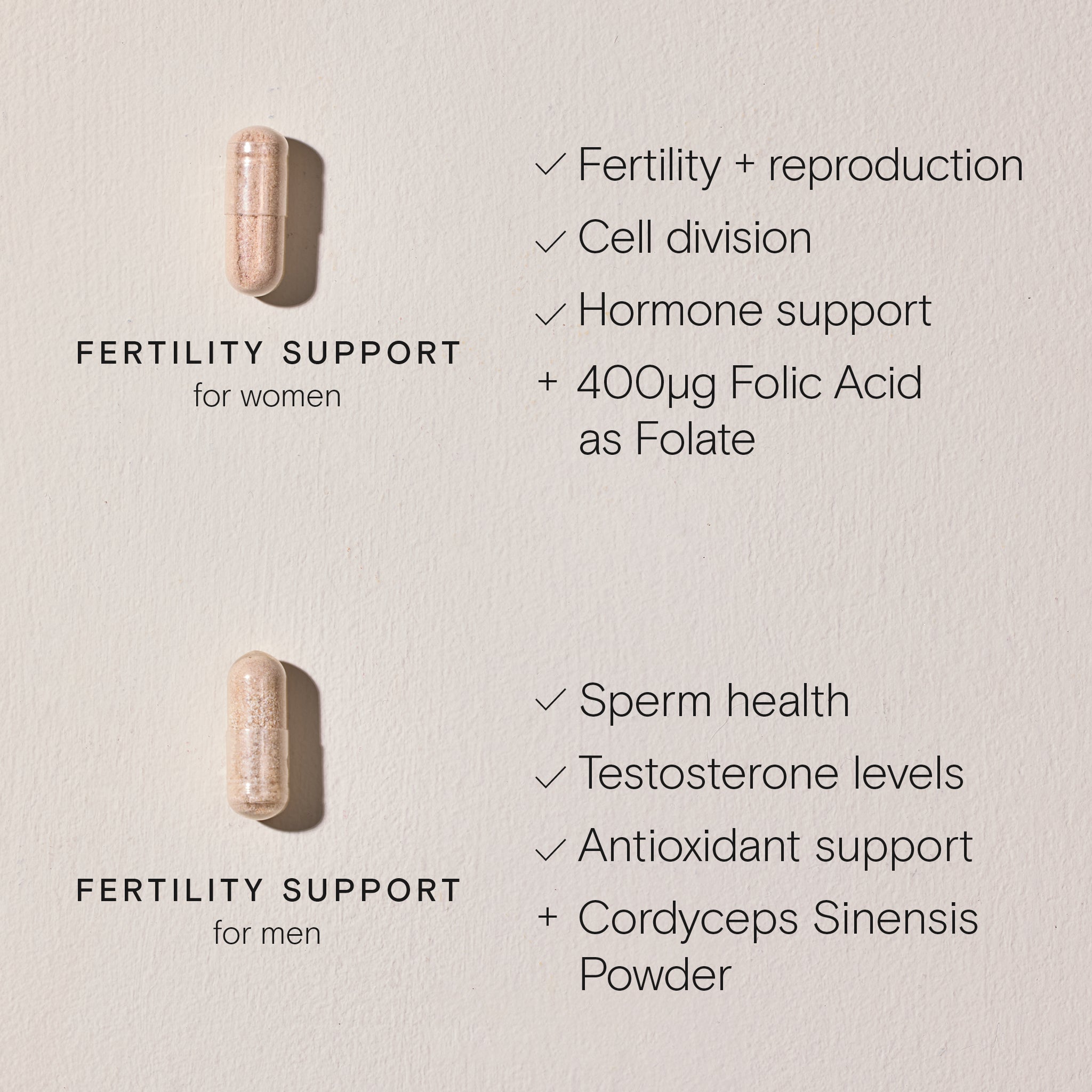
Credit: www.wildnutrition.com
Potential Side Effects And Safety Concerns
Cordyceps is considered very safe for most people. Common side effects are rare and usually mild:
- Upset stomach or diarrhea (uncommon)
- Dry mouth
- Slight nausea
People with autoimmune diseases or those taking immune-suppressing drugs should talk to a doctor before using cordyceps, as it can stimulate the immune system.
Cordyceps may interact with blood thinners or diabetes medications. If you are on prescription drugs, check with your doctor first.
There are no reports of cordyceps causing hormone imbalances when used at typical doses. Still, more is not always better. Stick to recommended amounts.
A detail many beginners miss: Allergic reactions to cordyceps are very rare, but always start with a low dose to test your body’s response.
Practical Tips For Choosing A High-quality Cordyceps Supplement
The mushroom supplement market can be confusing. Here are tips to get the best product for your health:
- Check the species: Look for Cordyceps militaris or sinensis. Avoid blends with unknown “proprietary” ingredients.
- Look for extracts: Extracts are more potent than raw powders.
- Active compounds: The label should list cordycepin or polysaccharide content.
- Third-party testing: Choose brands that test for purity and heavy metals.
- Form matters: Capsules are easiest for most, but powders can be mixed in drinks.
A common mistake is buying “mushroom complex” blends without knowing the dose of cordyceps. Always check the actual amount per serving.
Another practical tip: Research the company’s reputation. Reliable brands are open about their sourcing and testing.
Many people don’t realize that cordyceps can lose potency if stored in heat or humidity. Store your supplement in a cool, dry place for best results.
Real-world Experiences: What Men Report
Thousands of men worldwide use cordyceps for energy, fitness, and hormone support. While everyone is different, common feedback includes:
- Feeling more energetic in the morning
- Improved motivation for exercise
- Better mood and stress resilience
- Enhanced sexual desire and performance
- Gradual changes in body composition (more muscle, less fat)
Some men report no change, usually when taking too low a dose or using low-quality supplements. In rare cases, digestive upset is mentioned, but this is mild and temporary.
A non-obvious insight: Men who combine cordyceps with strength training and a healthy diet see the biggest benefits. Cordyceps is not magic—it works best as part of a healthy lifestyle.
Another practical tip: Track your energy, mood, and libido for a few weeks after starting cordyceps. Changes can be subtle at first.
A detail often overlooked: Some men notice improved sleep quality, which can further boost testosterone naturally.
How Cordyceps Fits With Modern Male Health Needs
Modern men are under more pressure than ever—work, family, and health challenges. Testosterone is just one part of the picture. Cordyceps supports men in several ways:
- Energy for busy days and workouts
- Stress control for a calmer mind
- Healthy aging by protecting cells and hormones
- Sexual well-being and confidence
Unlike risky hormone drugs, cordyceps works with your body’s own systems. It is gentle, but powerful over time.
An example: A man in his 40s, juggling family and work, might find his energy and motivation drop. Cordyceps can help him feel more balanced and resilient, especially when combined with other healthy habits.
Common Myths About Cordyceps And Testosterone
Myth 1: Cordyceps Raises Testosterone Like Steroids
Cordyceps does not act like synthetic hormones. It helps your body make and balance its own testosterone. The effects are gradual and balanced—not extreme spikes.
Myth 2: Only Older Men Benefit
While older men may notice bigger changes, even young men under stress or with low energy can benefit. Athletes and those recovering from illness also use cordyceps for support.
Myth 3: All Cordyceps Products Work The Same
Quality varies a lot. Wild cordyceps is rare and expensive; most supplements use cultivated forms. Always check species, extraction method, and active ingredients.
Myth 4: It Works Instantly
Real benefits build over weeks, not days. Be patient and use cordyceps as part of a healthy routine.
A non-obvious myth: Some people think cordyceps is only for boosting libido. In fact, its effects on energy, immunity, and stress are just as important for overall male health.
Combining Cordyceps With Other Lifestyle Strategies
Cordyceps is most effective when combined with good habits. Here’s how to maximize your results:
- Exercise: Strength training and cardio both boost testosterone. Cordyceps can support your workouts by improving energy and recovery.
- Sleep: Poor sleep lowers testosterone. Cordyceps may help with energy, but aim for 7–8 hours of quality sleep.
- Balanced diet: Eat enough healthy fats, protein, and vegetables. Nutrient deficiencies can hurt hormone production.
- Stress management: Meditation, deep breathing, or spending time outdoors supports healthy hormones.
- Avoid alcohol and junk food: These can lower testosterone and block cordyceps’ benefits.
A useful insight: Men who address stress and sleep along with taking cordyceps report the best overall improvements.
Another detail: Even 10 minutes of sunlight exposure each day can help your body make vitamin D, which works together with cordyceps for better testosterone support.
Who Should Consider Cordyceps For Testosterone Support?
Cordyceps is a good fit for men who:
- Feel tired or unmotivated often
- Have low or borderline testosterone
- Want to boost athletic performance naturally
- Want better sexual health without risky drugs
- Are seeking a gentle, long-term solution
It is also helpful for men who travel often, work stressful jobs, or are recovering from illness. If you have a medical condition, check with your doctor first.
What many don’t realize: Even if your testosterone is in the “normal” range, cordyceps can help you feel your best by supporting stress, energy, and recovery.
When Cordyceps Might Not Be Enough
Cordyceps is powerful, but it is not a cure-all. If you have very low testosterone due to injury, surgery, or a medical problem, you may need medical treatment.
Red flags that need a doctor’s input:
- Severe, sudden drop in sex drive or energy
- Unexplained weight loss, muscle loss, or depression
- Testicular injury or swelling
In these cases, cordyceps can be part of a plan, but not the only solution.
A practical example: If your lab tests show testosterone below the normal range and you have symptoms, don’t rely only on supplements. Work with a health professional.

Credit: www.amazon.com
How To Track Your Progress
To know if cordyceps is working, measure your progress in a few ways:
- Energy and mood: Keep a journal for 2–3 months. Note changes in how you feel each day.
- Sexual health: Track libido, erections, and sexual confidence.
- Fitness: Monitor strength, endurance, and recovery after workouts.
- Lab tests: If possible, check testosterone, LH, and other hormones before and after starting.
Remember: Subtle changes add up over time.
Another tip: Ask your partner or close friends if they notice changes in your mood or energy. Sometimes others notice improvements before you do.
Cordyceps And Aging: Supporting Testosterone In Later Life
As men age, testosterone drops naturally. This can lead to muscle loss, tiredness, and lower quality of life.
Cordyceps offers a gentle way to support hormonal health in older men. It does not force the body to make more hormone than it should. Instead, it helps maintain a healthy balance, protects cells from damage, and supports energy and sexual function.
Some older men notice improved stamina, mood, and motivation after a few months. Pairing cordyceps with light exercise and a healthy diet is especially effective.
A practical insight: Older men often have more inflammation and oxidative stress. Cordyceps’ antioxidant effects can be especially helpful in this group.
Environmental And Ethical Considerations
Wild cordyceps harvesting can harm fragile mountain ecosystems. The good news: cultivated cordyceps (grown in labs) is just as effective for health, and much more ethical and sustainable.
Always choose products from trusted companies that use cultivated mushrooms. This protects the environment and ensures safety.
For further reading on the environmental impact of wild cordyceps, see Wikipedia.
A detail worth knowing: Some “wild cordyceps” products are fake or contaminated. Cultivated versions are safer and more consistent in quality.
Frequently Asked Questions
What Is The Best Way To Take Cordyceps For Testosterone Support?
Most experts recommend capsules or powders with clear labeling of the species and active ingredients. Take with food to avoid stomach upset. Follow the dosage on the product—usually 1–3 grams per day.
If you have a sensitive stomach, start with a small dose and increase slowly.
How Long Does It Take To See Changes In Testosterone?
Some men notice more energy and libido in the first week. Measurable changes in testosterone usually take 4–12 weeks. Consistency is key.
Are There Any Risks With Long-term Cordyceps Use?
Cordyceps is considered safe for long-term use at recommended doses. Rare side effects include mild digestive upset. If you have immune problems or take prescription drugs, check with your doctor.
Can I Combine Cordyceps With Other Supplements?
Yes, cordyceps is often used with ashwagandha, zinc, or fenugreek for male health. Avoid using many new supplements at once—add one at a time and track how you feel.
Does Cordyceps Help With Fertility?
Some studies show that cordyceps can improve sperm quality and motility, which may support fertility. It is not a substitute for medical fertility treatment, but it can be helpful as part of a healthy lifestyle.
Cordyceps is a rare supplement that brings together tradition, science, and modern wellness. For men seeking natural support for healthy testosterone, energy, and sexual health, it offers a safe and effective path forward. Remember: quality, consistency, and a healthy lifestyle make all the difference.

Credit: www.costco.com